Глава 1
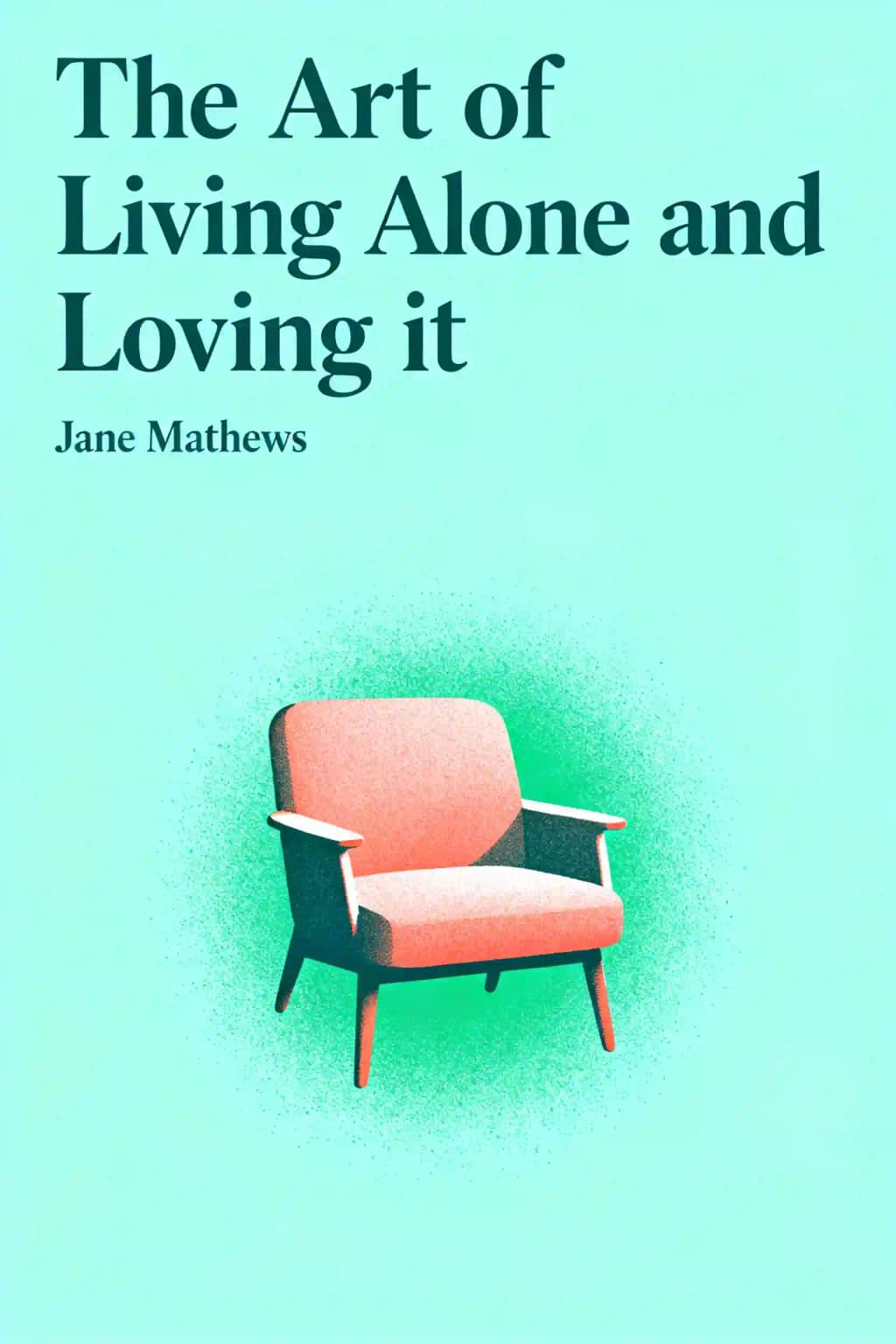
Solitude as Strength: The Art of Living Alone and Loving It
Imagine waking up in a quiet house, the morning light filtering through your curtains, and realizing that today-like every day-belongs entirely to you. For many, this scenario represents either a dream or a nightmare. Jane Mathews' "The Art of Living Alone and Loving It" has become something of a cultural phenomenon among those navigating solo living, with celebrities like Emma Watson and Oprah Winfrey recommending it for its honest, empowering approach. The book emerged at a perfect cultural moment, as single-person households have become the fastest-growing demographic in developed countries. What began as Mathews' personal journey through post-divorce solitude has transformed into a manifesto for intentional independence that challenges the outdated stigma of living alone.
Глава 2
From Surviving to Thriving: The Journey to Intentional Independence
The transition to living alone often comes unexpectedly-through divorce, bereavement, or other life changes. Initially, the silence can be deafening, the empty spaces overwhelming. But what begins as survival can evolve into something far more rewarding. Living alone isn't merely about existing in solitude; it's about crafting a life that honors your authentic self.
Consider how you arrived at this point. Perhaps previous life experiences unknowingly prepared you for independence. Maybe you've always valued personal space but never had the opportunity to fully embrace it. The journey to thriving alone begins with rejecting societal cliches about solitary living-especially those targeting women-and embracing the freedom to define yourself outside of relationships.
The transformation requires adjusting expectations. Living alone doesn't mean being lonely; it means having the autonomy to create a life aligned with your values. It's the difference between living "by yourself" (a state of isolation) and living "with yourself" (a state of companionship with your authentic self).
Глава 3
Building Emotional Resilience and Self-Connection
Living alone tests your resilience daily. There's no buffer between you and life's challenges-no partner to share the burden of decision-making or provide comfort after a difficult day. This reality demands strength, but not the kind that builds walls. The goal is to develop fortitude without becoming overly guarded. When you're solely responsible for your emotional well-being, every challenge becomes an opportunity for growth and self-discovery.
Take a forceful approach to negative thoughts by metaphorically slamming the door on them. Acknowledge their presence-"I see you, thought about not being good enough"-but don't invite them to stay. Develop practical techniques to diminish negativity's influence. For instance, create a "victory journal" where you document daily wins, no matter how small. When self-doubt arises, counter with evidence of past successes. This might include professional achievements, personal growth milestones, or moments when you successfully navigated challenging situations alone.
Mastering your emotional responses becomes crucial when living alone. You must confront your emotions without the distraction of others' needs or opinions. This solitude provides a unique opportunity to develop emotional intelligence and self-awareness. Practice mindfulness techniques like body scanning or breathing exercises to stay grounded during emotional turbulence. By aligning with your emotions rather than fighting them, you gain control over your responses. This might mean allowing yourself to feel sad without judgment or celebrating joy without diluting it to accommodate others' comfort levels.
Remember that thoughts are servants, not masters. When negativity from others threatens your equilibrium, visualize it bouncing off a mental shield. Develop specific strategies for different emotional challenges: create a "comfort menu" of self-soothing activities, establish morning and evening routines that promote emotional stability, and build a network of supportive friends who understand and respect your independence. Regular self-check-ins, perhaps through journaling or meditation, help maintain emotional balance and prevent isolation from becoming loneliness.
Learn to distinguish between productive solitude and harmful isolation. Schedule regular activities that connect you with others while maintaining your independence. This might include joining hobby groups, participating in community events, or maintaining regular video calls with loved ones. The key is to build a life where solitude strengthens rather than diminishes your emotional resilience.
Глава 4
Transforming Loneliness into Purposeful Solitude
Loneliness visits everyone, but it needn't become a permanent resident. Think of it as a valley you pass through rather than a camp where you settle. The key is acknowledging its presence without giving it undue power. Like any emotional state, loneliness is temporary and fluid, even when it feels overwhelming. Understanding this impermanence is the first step toward transforming it into something meaningful.
The difference between loneliness and solitude is perspective. Loneliness feels imposed; solitude feels chosen. This subtle shift in mindset can dramatically alter your experience of being alone. When you view time alone as an opportunity rather than a punishment, you begin to discover its hidden benefits. For instance, artists, writers, and innovators throughout history have used solitude as a catalyst for creativity and breakthrough thinking.
By consciously shifting your language from "I'm alone" to "I'm enjoying solitude," you reclaim agency and pride in your situation. This isn't mere semantics-it's a powerful cognitive reframing that can change your entire emotional experience. When you say "I choose solitude," you're asserting control over your circumstances rather than feeling victimized by them. Solitude offers gifts that constant companionship cannot-space for reflection, freedom from compromise, and the opportunity to hear your own thoughts clearly. These moments of quiet contemplation can lead to enhanced self-awareness, better decision-making, and personal growth.
Develop both mental and physical strategies to address loneliness when it arises. Create a detailed list of activities that connect you with others or bring you joy, ready to deploy when loneliness knocks. This might include:
• Engaging in creative pursuits like painting or writing
• Taking yourself on intentional "solo dates" to museums or cafes
• Practicing mindfulness or meditation
• Joining online communities aligned with your interests
• Scheduling regular check-ins with friends and family
The real danger isn't loneliness itself but the fear of loneliness, which can lead to poor decisions and compromised boundaries. This fear might push you to maintain toxic relationships, agree to commitments that don't serve you, or avoid taking necessary risks in life. Remember that being comfortable with solitude is a skill that can be developed over time, much like building muscle through exercise. Each moment spent intentionally alone strengthens your capacity to find peace and purpose in your own company.
Practice self-compassion during lonely periods, recognizing that they're part of the universal human experience. Use these times as opportunities for self-discovery and personal development, knowing that the ability to be contentedly alone is actually a sign of emotional maturity and strength.
Глава 5
Cultivating Purpose and Personal Growth
Finding your ikigai (reason for being) becomes especially important when living alone. Without external structures imposing purpose, you must discover or create your own. This journey of self-discovery requires deep introspection and honest self-assessment. Begin by examining your natural inclinations and talents - what activities make you lose track of time? What skills do others consistently praise? Your ikigai often lies at the intersection of what you're good at, what you love, what the world needs, and what you can be compensated for.
Pay attention to activities that leave you feeling energized rather than depleted. These energy patterns are valuable clues to your authentic path. For instance, you might notice that while social media drains you, hours spent gardening or writing feel rejuvenating. Create a personal energy audit by tracking your activities and corresponding energy levels for a week.
Transform solo living into an exciting project worth documenting - think of yourself as both the protagonist and chronicler of your journey. Keep a detailed journal recording your experiences: the triumphs of mastering new skills, the comedy of cooking disasters, the quiet victories of creating new routines. This documentation serves multiple purposes: it helps process emotions, tracks growth, and may even become a valuable resource for others on similar paths.
Draw inspiration from women authors who have explored solitude in their work, such as May Sarton's "Journal of a Solitude" or Virginia Woolf's "A Room of One's Own." Their insights can provide both comfort and guidance. Create a personal manifesto that maps both the beautiful aspects of independent living (complete autonomy, uninterrupted creativity) and the challenging ones (handling maintenance issues, managing illness alone).
Words shape reality - this isn't just positive thinking, but a scientifically-supported phenomenon known as embodied cognition. By acting "as if" your goals are already achieved, your behavior naturally aligns with success. Replace limiting language with powerful alternatives:
• Instead of "I'll try to fix it," say "I will solve this"
• Replace "I'm not sure I can" with "I'm figuring out how to"
• Transform "I'm just living alone" to "I'm creating my ideal life"
Approach tasks with confidence even when you don't feel it initially. Research shows that "power posing" and confident body language can actually increase testosterone and decrease cortisol levels, helping you feel more capable. Make this practice deliberate: stand tall when facing challenges, speak with conviction about your choices, and celebrate your independent decisions.
Глава 6
Building Meaningful Relationships and Community
Living alone fundamentally reshapes all relationships, highlighting their vital role as your support network. This transformation requires a strategic approach to relationship building, viewing connections as a carefully constructed pyramid. Consider a relationship hierarchy with self-connection at the foundation, followed by family, friends, romantic possibilities, community, and even pets. A strong self-relationship - understanding your needs, boundaries, and values - bolsters happiness and makes community bonds more meaningful. This self-awareness becomes the compass that guides all other relationships.
Friendships form the backbone of emotional support when living alone, becoming even more crucial than in traditional living arrangements. Be selective and intentional, ensuring friends align with your evolving self and life choices. True companionship features mutual empathy and support-friends who celebrate your independence rather than pitying your solitude. Look for friends who understand and respect your lifestyle, can be available for both emergencies and casual companionship, and maintain healthy boundaries. Actively seek and nurture new friendships through shared interests, social groups, or community activities to broaden social horizons. Consider developing different friendship categories: close confidants, activity partners, and social connectors who expand your network.
When it comes to romance, embracing singlehood involves conscious choice rather than compromise or settling. While society often pressures women toward marriage, particularly as they age, contentment in solitude and cherishing independence are crucial before being open to genuine connection. This means developing comfort with solo activities, managing your own finances and household, and creating fulfilling routines that don't depend on partnership. The pursuit of companionship shouldn't entail lowering standards or compromising individuality - instead, view it as adding value to an already complete life. Consider dating as an opportunity for growth and connection rather than a search for completion or security.
Building community extends beyond personal relationships to include neighborhood connections, professional networks, and interest-based groups. Create regular touchpoints in your community - whether it's a favorite cafe where staff know your name, a volunteer position that connects you with like-minded individuals, or participation in local events. These connections provide a sense of belonging and security while living alone. Additionally, consider the role of technology in maintaining and building relationships - use social media mindfully, schedule regular video calls with distant friends, and join online communities that align with your interests and values.
Remember that relationships while living alone require more intentional maintenance and clear communication about your availability and boundaries. Develop systems for regular check-ins with important people in your life, and don't hesitate to ask for help when needed - it strengthens rather than weakens relationships. Creating this robust social ecosystem while maintaining independence becomes a cornerstone of successful solo living.
Глава 7
Creating a Nurturing Home Environment
Your home serves as a physical manifestation of your inner world, particularly significant when living solo. The process of designing living spaces goes far beyond mere decorative choices - it's about creating an environment that deeply resonates with your emotional well-being and personal growth. Rather than focusing on impressing visitors, the goal should be to craft spaces that authentically reflect your personality, support your daily routines, and provide comfort during both challenging and joyful moments.
Start each day in an environment that promotes positivity and calm. This might include a dedicated morning corner with comfortable seating, natural light, and perhaps a small table for journaling or enjoying your first cup of coffee. Consider incorporating elements like soft textiles, plants, or artwork that spark joy. Create designated zones for different activities - a reading nook, a meditation space, or a creative corner - each designed to support specific aspects of your self-care routine. Minimize visual chaos by implementing smart storage solutions and maintaining clutter-free surfaces, particularly in spaces meant for relaxation.
Personal touches that inspire and motivate are essential. Design vision boards that capture future aspirations and display them prominently. Curate meaningful collections of photographs, travel souvenirs, or cherished objects that tell your story and evoke positive memories. These personal galleries serve as daily reminders of your journey and achievements, contributing to a sense of groundedness and purpose.
The kitchen deserves special attention as it's often the heart of self-nurturing practices. Establish regular cleaning routines that reflect self-respect and care - this might include weekly deep cleans and daily maintenance rituals. Transform everyday meals into meaningful experiences by using beautiful dishes and creating an appealing dining area, even when eating alone. Consider adding herbs for both cooking and visual appeal, organizing ingredients in attractive containers, and maintaining clear countertops for easy meal preparation. The kitchen becomes a space for both nourishment and creativity, whether you're exploring new recipes, hosting intimate gatherings, or simply enjoying a quiet evening meal. Remember that investing time in kitchen organization and aesthetics often translates to healthier eating habits and more enjoyable cooking experiences.
Глава 8
Mastering Self-Care and Health
Prioritizing health when living alone underpins true independence and becomes even more critical without a built-in support system. Without a partner to notice declining well-being or encourage medical attention, you must become your own vigilant health advocate. Creating a comprehensive personal health plan ensures you seize each day with vitality and maintain long-term wellness. This includes scheduling regular check-ups, maintaining medical records, and establishing relationships with healthcare providers who understand your specific needs and circumstances.
Exercise is crucial for well-being, promoting growth over decay while building both physical and emotional resilience. Choose physical activities tailored to personal taste to sustain consistency - whether that's morning yoga, evening walks, gym sessions, or dance classes. Embrace routine variations to maintain engagement and prevent workout fatigue. Consider joining group fitness activities or online communities to add social elements to your fitness journey. Track your progress through apps or journals to stay motivated and accountable to yourself.
Mental fortitude requires consistent self-monitoring and honest introspection. Stay vigilant for signs of distress, such as changes in sleep patterns, appetite fluctuations, or mood swings. Develop strategies to overcome natural tendencies to disguise loneliness or discontent, perhaps through regular journaling, meditation, or consultation with mental health professionals. Create a support network of friends, family, or counselors who can provide objective perspectives when needed.
Cooking for oneself represents an empowering act of self-care that goes beyond basic sustenance. By focusing on personal preferences and experimenting with recipes, one discovers joy in the culinary process and develops a deeper connection with nutrition. Transform cooking from chore to cherished ritual by planning weekly menus, exploring new ingredients, and mastering favorite dishes. Enjoy peaceful, self-indulgent experiences by cooking alongside favorite entertainment, whether that's podcasts, music, or audiobooks. Make meal preparation an opportunity to practice mindfulness and creativity while nourishing both body and soul. Consider batch cooking for convenience while maintaining healthy eating habits, and don't shy away from treating yourself to restaurant-quality meals at home - you're worth the effort.
Глава 9
Financial Independence and Security
Financial independence becomes paramount when living solo, requiring a more strategic and comprehensive approach than when expenses are shared. Managing money effectively must prioritize building a robust Financial Blueprint to secure your future, encompassing both short-term stability and long-term wealth building. The "singles penalty"-higher living costs without shared expenses-creates unique challenges, from housing costs to utilities and groceries, making it essential to develop sophisticated financial strategies. This is particularly crucial for women, who often face additional challenges such as wage gaps and longer life expectancy.
Creating a Financial Blueprint begins with a thorough assessment of personal financial habits and mindset. This includes examining spending patterns, emotional triggers for purchases, and deeply held beliefs about money that may be limiting financial growth. Define what's important by creating specific, measurable financial goals that align with personal values-whether that's building an emergency fund equivalent to six months of expenses, investing in retirement accounts, or saving for major life goals like homeownership or starting a business.
Practical steps for financial empowerment include:
• Developing multiple income streams through side hustles or passive income
• Creating detailed monthly budgets that account for both necessities and personal development
• Building an emergency fund specifically sized for single living
• Investing in appropriate insurance coverage (health, disability, life) to protect against unforeseen circumstances
• Regular financial education through workshops, courses, or professional guidance
Money management reflects and influences self-worth and self-perception. When living solo, financial decisions become both more critical and more empowering. Financial competence intertwines with personal empowerment and confidence, creating a positive cycle where better money management leads to increased self-assurance, which in turn enables better financial decision-making. This is particularly important in building long-term wealth and security while maintaining independence and personal autonomy.
Understanding tax implications, retirement planning, and investment strategies becomes even more crucial when navigating finances alone. Regular financial check-ins and adjustments to your Financial Blueprint ensure continued alignment with changing life circumstances and goals, while maintaining the flexibility needed for single living.
Глава 10
Embracing Adventure and Personal Growth
Living alone presents unique opportunities to craft a life filled with intentional experiences and self-discovery. Rather than viewing solo activities as temporary states, embrace them as chances for personal evolution and adventure. From spontaneous weekend getaways to trying new restaurants alone, each experience builds confidence and self-reliance.
Create deliberate plans for traditionally social occasions like holidays, movie outings, and celebrations. Transform these moments into empowering solo experiences by designing personal rituals and traditions. For instance, establish a "First Friday" tradition of trying a new cuisine alone each month, or create an annual solo retreat during holiday seasons. These intentional choices shift the narrative from loneliness to liberation.
Solo travel stands as perhaps the most transformative avenue for personal growth. Whether it's a day trip to a nearby town or an international adventure, traveling alone develops crucial life skills:
• Navigation and problem-solving abilities
• Comfort with solitude in new environments
• Cultural awareness and adaptability
• Self-trust and decision-making confidence
Document your journey through various creative outlets. Maintain a detailed journal not just of events, but of personal insights and emotional discoveries. Create a visual diary through photography or sketching. Consider starting a blog or private digital archive to track your evolution over time. Collect meaningful physical mementos - ticket stubs, local crafts, or pressed flowers - to create tangible memory collections that tell your story.
While social media can help maintain connections, resist the urge to constantly share experiences online. Focus on being fully present in moments rather than curating them for others. Technology should enhance, not dominate, your solo lifestyle. Set boundaries for device usage and create tech-free zones or times to ensure genuine engagement with your experiences.
Balance digital connections with real-world community building. Join local groups, attend workshops, or volunteer for causes you care about. These activities provide social interaction while maintaining your independent lifestyle, creating a rich tapestry of experiences that contribute to personal growth and fulfillment.
Глава 11
Spiritual Growth and Inner Development
Embarking on introspective journeys to find spirituality begins with recognizing its profound significance in personal development. Living alone provides a unique opportunity to strengthen one's internal life, creating an environment where spiritual growth can flourish naturally and authentically. Spirituality serves as both an internal compass, offering courage and wisdom from within, and an external force that connects us to the broader universal energy that permeates our world.
The historical relationship between solitude and self-discovery spans across cultures and traditions. From Buddhist monastics to Christian desert fathers, countless individuals have sought isolation to deepen their spiritual understanding. This time-tested connection between solitude and spiritual growth becomes especially relevant in modern solo living, where daily life naturally provides opportunities for contemplation and inner work.
Silence, often overlooked in our busy world, reveals itself as a space rich with transformative potential. In quietude, our senses become heightened, allowing us to experience emotions more deeply and clearly. This enhanced awareness helps distinguish between the quick reactions of instinct and the deeper wisdom of intuition. Regular practices like meditation, journaling, or mindful walking can help cultivate this inner sensitivity and strengthen spiritual connections.
Intuition emerges as a sophisticated internal guidance system, distinct from basic instinct. While instinct operates on immediate survival responses, intuition draws from a deeper well of accumulated wisdom and spiritual insight. Learning to trust and develop this intuitive capacity becomes easier in solitude, where external influences are minimized and internal signals are clearer.
Pioneering one's spiritual exploration requires both courage and discernment. It means questioning accepted norms and traditional practices while maintaining respect for ancient wisdom. This balance involves:
• Examining inherited beliefs critically while appreciating their historical value
• Creating personalized spiritual practices that resonate with individual needs
• Remaining open to various approaches while staying true to personal truth
• Integrating traditional wisdom with contemporary understanding
The journey of spiritual growth in solo living offers unique advantages:
• Uninterrupted time for meditation and contemplation
• Freedom to explore various spiritual practices without external pressure
• Space to process spiritual experiences and insights
• Opportunity to develop authentic relationships with chosen spiritual communities
This path of self-discovery and spiritual growth becomes particularly meaningful in the context of solo living, where the abundance of personal space creates ideal conditions for deep introspection and sustained spiritual development. The solitary journey, while independent, connects us to a universal human experience of seeking meaning and understanding in our existence.