Глава 1
The Dawn of Greatness: How 5 AM Changes Everything
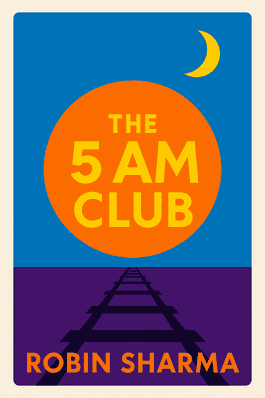
Have you ever wondered why some people achieve extraordinary success while others remain stuck in mediocrity? The secret might be simpler than you think: it's how they spend their mornings. Robin Sharma's "The 5 AM Club" has become a phenomenon among high performers worldwide, with devotees including billionaire CEOs, Olympic athletes, and celebrities like Oprah Winfrey and Tim Cook who are known for their pre-dawn routines. This isn't just another self-help book-it's a movement that has transformed millions of lives across 70+ countries since its publication. The methodology it presents has been refined over 20+ years of Sharma coaching elite performers, from Fortune 500 executives to royalty. What makes this approach so powerful is that it doesn't just change your morning-it revolutionizes your entire existence through one keystone habit that elevates everything else.
Глава 2
The Power of One Hour: Transforming Your Life Before Breakfast
The fundamental premise of the 5 AM Club is deceptively simple yet profoundly powerful: own your morning, elevate your life. By rising at 5 AM and following a specific protocol during what Sharma calls the "Victory Hour," you create a daily foundation for exceptional performance and deep inner peace.
Why 5 AM specifically? This hour holds special power because it provides rare solitude in our hyperconnected world. While others sleep, you gain access to what the book calls "the secret universe of quiet genius"-a state of heightened creativity, focus, and spiritual connection that simply isn't available amid the chaos of normal waking hours.
The science behind this approach is compelling. Your willpower is strongest in the morning before being depleted by countless decisions throughout the day. Cortisol (your stress hormone) naturally peaks around this time, and proper morning exercise helps metabolize it effectively. Meanwhile, your brain is primed for deep work and learning after sleep has cleared neural pathways.
But this isn't about torturing yourself with early rising just to prove something. It's about understanding that how you start your day creates a cascade effect that influences everything that follows. As Sharma explains through his character The Spellbinder: "Tranquility is the new luxury of our society. And having the time to do what you want to do is the new wealth."
Consider how different your life would be if you began each day in a peak physical state, with mental clarity, emotional balance, and spiritual alignment-all before most people have even hit the snooze button. This isn't about working more hours; it's about working with greater intention during the hours you already have.
The most successful practitioners of this method don't just rise early-they transform that hour into a sacred ritual that nourishes what Sharma calls the "four interior empires": Mindset, Heartset, Healthset, and Soulset. This holistic approach ensures you're not just productive but also fulfilled, healthy, and connected to your deepest values.
Глава 3
The 20/20/20 Formula: The Morning Routine of World-Builders
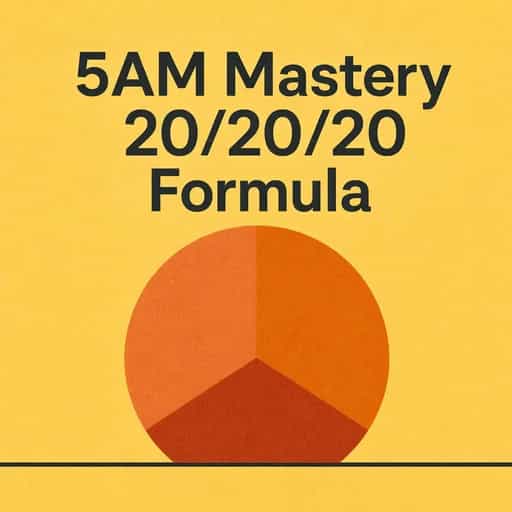
The heart of the 5 AM methodology is the 20/20/20 Formula-a precise protocol for using the first hour of your day to maximize human potential across all dimensions. This formula divides your Victory Hour (5:00-6:00 AM) into three equal parts, each with a specific focus and purpose.
The first twenty minutes (5:00-5:20 AM) are dedicated to Move-intense physical exercise that activates your physiology and biochemistry. This isn't casual movement but vigorous exercise that makes you sweat. The science here is compelling: morning exercise reduces cortisol (which is naturally highest upon waking), releases brain-derived neurotrophic factor (BDNF) that repairs brain cells, and triggers the production of neurotransmitters like dopamine and serotonin that elevate mood and focus.
"When you exercise at 5 AM, you're actually bathing your brain in a sea of wonderful neurochemicals that will help you concentrate better, think more clearly, and perform at a much higher level throughout the day," Sharma writes. This explains why so many top performers insist on morning workouts-they're not just building physical fitness but optimizing their brain chemistry for peak performance.
The second twenty minutes (5:20-5:40 AM) focus on Reflect-creating mental and emotional clarity through practices like meditation, journaling, and contemplation. This pocket of stillness allows you to connect with your authentic self before the world's demands hijack your attention. During this period, you might journal about your values, set intentions for the day, practice gratitude, or simply sit in meditation.
What makes this segment particularly powerful is its timing-your mind is still in a theta brainwave state (between sleep and full wakefulness), which research shows is ideal for creative insights and deep reflection. Many practitioners keep what Sharma calls a "Daily Diary" to capture these insights and process emotions that might otherwise block peak performance.
The final twenty minutes (5:40-6:00 AM) are for Grow-deliberate learning that expands your knowledge, skills, and wisdom. This might involve reading books, listening to podcasts, watching educational videos, or studying in your field of expertise. The principle here is that "the leader who learns the most wins," and consistent daily learning compounds dramatically over time.
"Most people are so busy working that they forget the importance of learning and growing," Sharma notes. "But your income, influence, and impact will never exceed your personal growth and professional development."
What makes this formula so effective is its balance-it simultaneously addresses physical vitality, mental clarity, emotional stability, and intellectual growth in just one hour. Rather than compartmentalizing these aspects of life, the 20/20/20 Formula integrates them into a single, powerful morning practice that sets the tone for everything that follows.
Глава 4
The Four Interior Empires: The Hidden Dimensions of Mastery
While most personal development approaches focus primarily on mindset, Sharma introduces a more comprehensive framework called The Four Interior Empires-the internal domains that determine external results. This holistic model explains why some people with seemingly perfect strategies still fail while others with simple approaches achieve remarkable success.
The first empire is Mindset-your psychology, beliefs, and thinking patterns. This includes your self-concept, expectations, mental models, and cognitive frameworks. While this is where most development work focuses, it's only 25% of the equation according to Sharma. "Even with battleproofed beliefs, you'll never create world-class results if your emotional life is a mess," he explains.
The second empire is Heartset-your emotional life, feelings, and social connections. This dimension addresses how you process emotions like fear, anger, and joy, as well as how you connect with others. Many high-IQ people fail because they haven't developed their emotional intelligence. As Sharma writes, "Feel them to heal them. Name them to tame them"-acknowledging that unprocessed emotions create blocks to peak performance.
The third empire is Healthset-your physical vitality, energy management, and biological optimization. This includes sleep quality, nutrition, exercise, and recovery practices. Sharma emphasizes that "you'll never become a titan of your industry and an icon who makes history if you're dead," highlighting how many ambitious people sacrifice health for achievement, ultimately undermining both.
The fourth empire is Soulset-your spirituality, ethics, and connection to something larger than yourself. This dimension addresses your values, purpose, character, and legacy. Sharma notes that many outwardly successful people feel empty because they've neglected this crucial domain: "Insecurity, scarcity, selfishness, and unhappiness are all children of fear. These characteristics were taught to you. They sure aren't your natural state."
What makes this model so powerful is its integration-each empire influences the others in a complex interplay. For example, poor sleep (Healthset) impairs decision-making (Mindset), which strains relationships (Heartset), potentially causing you to act against your values (Soulset). Conversely, improvements in one domain create positive ripple effects across all others.
The 5 AM practice provides dedicated time to develop all four empires before daily demands fragment your attention. During the Victory Hour, you strengthen your Healthset through exercise, your Mindset and Heartset through reflection, and your Mindset and Soulset through learning-creating a balanced foundation for exceptional performance in all life domains.
Глава 5
The Habit Installation Protocol: Making Excellence Automatic
One of the most valuable aspects of Sharma's methodology is his detailed explanation of how to install the 5 AM habit permanently-addressing the common problem of initial enthusiasm followed by abandonment. Understanding that willpower alone is insufficient for lasting change, he provides a scientific framework for habit formation that works with human psychology rather than against it.
The Habit Installation Protocol follows four phases that align with neuroscientific research on how neural pathways form and strengthen. The first phase is Destruction (Days 1-22), characterized by mental resistance, physical discomfort, and the brain's natural pushback against change. During this period, you'll likely experience what Sharma calls "The Discomfort Zone"-headaches, irritability, and strong urges to quit. This is precisely when most people abandon their morning routine.
"All change is hard at first, messy in the middle, and gorgeous at the end," Sharma writes. Understanding that this initial discomfort is normal-even necessary-helps you persist through the challenging early weeks when your brain and body are adjusting to the new schedule.
The second phase is Installation (Days 23-44), where the new neural pathways begin strengthening and resistance diminishes. You'll start experiencing benefits like increased energy, improved mood, and enhanced productivity, though consistency remains crucial. During this phase, your relationship with the practice shifts from obligation to preference.
The third phase is Integration (Days 45-66), where the habit becomes increasingly automatic and requires less conscious effort. The benefits become more pronounced, and you begin to feel uncomfortable when you miss your morning routine-a sign that the new pattern is becoming part of your identity.
Finally, at approximately Day 66 (not the commonly cited 21 days), you reach the Automaticity Point-where the habit becomes your default operating system. At this stage, rising at 5 AM and following your Victory Hour protocol requires minimal willpower because your neural pathways have been thoroughly established.
Sharma emphasizes several critical factors that determine success during this installation process:
1. The Trigger: Setting a consistent alarm and placing it across the room to prevent snoozing.
2. The Routine: Following the 20/20/20 Formula with precision and without negotiation.
3. The Reward: Establishing predetermined rewards that motivate continued practice.
4. Repetition: Maintaining absolute consistency, especially when motivation wanes.
5. Voluntary Discomfort: Deliberately embracing difficulty to strengthen willpower, such as taking cold showers or occasional fasting.
Perhaps most importantly, Sharma addresses the reality of willpower depletion-what scientists call "ego depletion"-noting that self-control is a limited resource that diminishes throughout the day. This explains why the 5 AM routine is so powerful: it leverages your highest willpower hours for practices that elevate your entire day, creating a virtuous cycle of increasing return on investment.
Глава 6
The 10 Tactics of Lifelong Genius: Amplifying Your Morning Advantage
While the 5 AM Club forms the foundation, Sharma introduces ten additional tactics that multiply its effectiveness. These practices extend the morning advantage throughout the day, creating what he calls "exponential results rather than incremental improvements."
The first tactic is The Tight Bubble of Total Focus (TBTF)-creating a protective boundary around your attention, time, and energy. This means ruthlessly eliminating distractions, declining unimportant commitments, and guarding your mental environment against negativity. "In a world of exponential complexity and overwhelming choice, the performer who best manages their focus is the performer who will win," Sharma explains.
This includes practical steps like turning off notifications, creating device-free zones, and carefully curating information inputs. The TBTF isn't about isolation but intentionality-choosing where your precious attention goes rather than surrendering it to the loudest stimuli.
The second tactic is The 90/90/1 Rule-dedicating the first 90 minutes of your workday to your most important project for 90 consecutive days. This concentrated focus on your "one big thing" creates momentum that can transform your professional results. By protecting this period from meetings, emails, and other interruptions, you ensure progress on what truly matters rather than what merely feels urgent.
The third tactic is The 60/10 Method-working in focused 60-minute blocks followed by 10-minute recovery periods. This approach recognizes that human performance follows an oscillatory pattern-we're designed to pulse between expenditure and renewal rather than maintaining constant output. These strategic breaks prevent the diminishing returns that come from marathon work sessions without recovery.
Other tactics include The Daily 5 Concept (identifying five small daily wins), The 2nd Wind Workout (exercising again in the early evening), The 2 Massage Protocol (scheduling regular bodywork for recovery), Traffic University (learning during commute time), The Dream Team Technique (building a support network), The Weekly Design System (planning each week strategically), and The 60 Minute Student (daily dedicated learning time).
What makes these tactics so effective is their synergy-each reinforces the others, creating a comprehensive system for sustained excellence. For example, The 90/90/1 Rule becomes more powerful when combined with The Tight Bubble of Total Focus, and both are enhanced by the mental clarity generated from your 5 AM practice.
Sharma emphasizes that these aren't merely productivity hacks but lifestyle architectures that protect your genius from a world designed to dilute it. "In an age of dramatic distraction, the performers who can concentrate the longest win," he notes, highlighting that focus has become perhaps the scarcest and most valuable resource in modern life.
Глава 7
The Twin Cycles of Elite Performance: Work and Recovery
One of Sharma's most important contributions is his emphasis on the oscillatory nature of peak performance-the understanding that sustainable excellence requires deliberate cycles of intense work and deep recovery. This counters the prevalent "hustle culture" that glorifies constant activity while ignoring the biological reality that humans are not linear machines.
"Elite performance is not about working longer-it's about optimizing your recovery so you can work better," Sharma explains. He introduces the concept of "The Twin Cycles"-strategic oscillation between periods of focused productivity and intentional renewal across multiple timeframes.
On the daily level, this means following the 60/10 Method-working in focused blocks followed by brief recovery periods. These micro-breaks aren't procrastination but strategic renewal that prevents the cognitive decline that occurs with sustained mental effort. Research shows that top performers across domains-from musicians to athletes to knowledge workers-instinctively follow this pattern, working intensely for 52-90 minutes before taking short breaks.
On the weekly level, Sharma advocates for "Zero Device Days"-at least one day per week completely free from digital technology. This allows your brain to reset, your creativity to flourish, and your perspective to widen. These technology sabbaths aren't about deprivation but liberation-creating space for deeper connections, reflection, and the kind of insights that rarely emerge during constant connectivity.
On the quarterly level, he recommends longer periods of complete disconnection-what he calls "Recover and Recalibrate Weeks." These extended breaks aren't luxuries but necessities for sustained excellence, allowing for deeper renewal and strategic thinking that's impossible during normal workweeks.
The science behind this approach is compelling. Research shows that our brains have two distinct modes-the "task-positive network" (focused attention) and the "default mode network" (mind-wandering)-that operate reciprocally. When one is active, the other is suppressed. The default mode network, activated during periods of rest and reflection, is essential for creativity, insight, and perspective-explaining why our best ideas often come during showers, walks, or vacations rather than intense work sessions.
"Self-care isn't selfish-it's essential for sustained impact," Sharma writes, noting that many high achievers burn out because they neglect recovery, mistakenly believing that more hours equal better results. This misunderstanding leads to diminishing returns, where each additional hour produces less value while increasing the risk of mistakes, health problems, and ultimately failure.
The 5 AM practice supports this oscillatory approach by front-loading energy generation through exercise, mental clarity through reflection, and inspiration through learning-creating a reservoir of resources that sustains performance throughout the day. Rather than depleting yourself and trying to recover, you begin from a position of abundance.
Глава 8
The 10 Maxims of Lifelong Genius: Philosophical Foundations
Beyond tactics and routines, Sharma provides a philosophical framework through ten maxims that guide decision-making and perspective. These principles address the deeper questions of purpose, meaning, and legacy that ultimately determine whether achievement translates to fulfillment.
The first maxim emphasizes solitude and self-awareness as prerequisites for exceptional achievement. "Long stretches spent in noiseless contemplation is one of the secrets of the advanced mind," Sharma writes, noting that history's greatest innovators-from Einstein to Tesla-deliberately sought isolation to access their deepest insights. In our hyperconnected age, the ability to be alone with one's thoughts has become both rare and valuable.
The second maxim advocates collecting experiences over possessions, recognizing that material accumulation provides diminishing returns while meaningful experiences appreciate in value over time. This isn't about asceticism but intentionality-choosing adventures, connections, and growth over status symbols and consumption.
Other maxims address embracing failure as a path to fearlessness, understanding the creative power of thoughts and words, avoiding negative influences, developing a prosperity mindset, prioritizing health, continuously raising personal standards, practicing deep love, and remembering that life's brevity makes postponement the ultimate risk.
What unifies these principles is their focus on intrinsic rather than extrinsic rewards-finding fulfillment through growth, contribution, and connection rather than external validation. "Success without soulfulness is the ultimate defeat," Sharma writes, challenging conventional definitions of achievement that neglect inner experience.
Perhaps the most powerful maxim is the reminder that "tomorrow is a bonus, not a right"-an acknowledgment of mortality that transforms priorities and dissolves procrastination. When we truly internalize life's finitude, we stop delaying our heroism, creativity, and love, recognizing that each day is an unrepeatable gift rather than an infinite resource.
These philosophical foundations elevate the 5 AM practice from mere productivity hack to transformative lifestyle-a daily recommitment to living deliberately and meaningfully rather than reactively and superficially. The Victory Hour becomes not just about doing more but being more-connecting with your highest self and deepest values before the world's demands fragment your attention.
Глава 9
The Hero's Journey: From Ordinary to Extraordinary
Sharma frames the 5 AM practice within the archetypal hero's journey-the universal pattern of transformation that appears across cultures and throughout history. This narrative structure helps practitioners understand their challenges and triumphs as part of a larger human story rather than isolated experiences.
The journey begins with what Joseph Campbell called "the call to adventure"-the recognition that your current way of living no longer serves your highest potential. For many, this comes through crisis, failure, or the quiet desperation of knowing you're capable of more than you're currently expressing. The 5 AM Club represents a response to this call-a decision to leave the comfort of ordinary habits for the possibility of extraordinary results.
Next comes "the road of trials"-the challenging early days of the new practice when resistance is strongest and benefits aren't yet apparent. This is the Destruction Phase of habit formation, where your old neural pathways fight to maintain dominance. During this period, Sharma emphasizes the importance of what he calls "grit"-the persistence to continue despite discomfort, doubt, and the inevitable setbacks that accompany any meaningful change.
The journey continues through what Campbell called "the belly of the whale"-complete immersion in the new way of being as old identities and habits are released. This corresponds to the Installation and Integration phases, where the practice becomes increasingly natural and rewarding.
Finally comes "the return"-bringing your transformed self back to everyday life with new capabilities, perspectives, and gifts to share. This isn't about escaping reality but engaging with it more effectively, armed with the enhanced energy, focus, and wisdom generated through your morning practice.
What makes this framing so powerful is its recognition that transformation isn't merely behavioral but identity-based. The 5 AM Club isn't just about changing what you do but who you become-shifting from someone who surrenders mornings to snooze buttons and reactive routines to someone who intentionally shapes each day from its earliest moments.
Sharma emphasizes that this journey isn't about perfection but progress-not about flawless adherence to rules but faithful commitment to growth. "You don't need to get it perfect; you just need to get it going," he writes, acknowledging that even the most disciplined practitioners have challenging days, travel disruptions, and occasional lapses.
The hero's journey framework also highlights an often-overlooked aspect of the 5 AM practice: its communal dimension. While the routine itself may be solitary, you're joining what Sharma calls "a secret society of exceptional performers" who throughout history have used early mornings to access their highest capabilities. This sense of connection to both contemporary practitioners and historical figures provides motivation and perspective during challenging periods.
Глава 10
Living Your Legacy: From Success to Significance
The ultimate purpose of the 5 AM Club isn't productivity for its own sake but creating a life of meaning, impact, and legacy. Sharma repeatedly emphasizes that the morning routine is merely a means to a greater end-becoming the kind of person who makes history through contribution rather than consumption.
"Most people major in minor things," he writes, noting how easily we can become distracted by urgent trivialities while neglecting important priorities. The Victory Hour provides a daily opportunity to reconnect with your deepest values and highest aspirations before the world's demands fragment your attention and dilute your focus.
Sharma introduces what he calls "The Heroic Human Circle"-a visual model showing how each person must break free from their "private jails" of limitation to access their natural greatness. These self-imposed prisons include fear, past conditioning, societal expectations, and the comfort of familiar mediocrity. The 5 AM practice provides a daily declaration of independence from these constraints-a consistent choice to prioritize potential over comfort.
This focus on legacy transforms how we approach each day, elevating decisions from the tactical to the strategic, from the immediate to the eternal. "How will this choice look from the vantage point of my last day alive?" becomes a clarifying question that dissolves many apparent dilemmas and reveals what truly matters.
Sharma shares the story of Nelson Mandela, who despite being imprisoned for 27 years in a tiny cell on Robben Island, maintained his dignity, developed his character, and prepared himself to lead his nation. This exemplifies how circumstances need not determine destiny-how even in the most constrained situations, we retain the freedom to choose our response and develop our capabilities.
The book concludes with a powerful reminder that "tomorrow is a bonus, not a right"-that postponing our heroism, creativity, and love is life's greatest risk. The 5 AM Club isn't about deferring gratification but accelerating transformation-compressing decades of growth into years through daily dedication to excellence.
This perspective on legacy isn't about monuments or recognition but impact-how your life touches others and contributes to human flourishing. "Success is wonderful but significance is even better," Sharma writes, challenging readers to move beyond achievement for personal gain toward contribution for collective benefit.
The Victory Hour becomes a daily opportunity to ask: "How can I use my gifts most powerfully today? How can I serve most effectively? How can I make this day matter in the larger story of my life?" These questions transform routine into ritual, obligation into opportunity, and existence into legacy.
Глава 11
The Awakening: Reclaiming Your Heroic Nature
At its core, the 5 AM Club is about awakening-reconnecting with the extraordinary capabilities that have been dormant within you. Sharma argues that greatness isn't something we need to create but something we need to remember-to reclaim the natural power, creativity, and joy that were our birthright before societal conditioning and personal fear diminished our self-concept.
"All change is hard at first, messy in the middle, and gorgeous at the end," he writes, providing a roadmap for the transformation journey that begins with the simple act of rising before the sun. This daily victory creates a foundation of self-trust and discipline that extends into every other domain of life.
The methodology works because it addresses human nature holistically-recognizing that we are integrated beings whose physical, mental, emotional, and spiritual dimensions constantly influence each other. By optimizing all four "interior empires" during the Victory Hour, you create alignment that eliminates the internal conflicts that typically sabotage performance and fulfillment.
Perhaps most importantly, the 5 AM Club offers an antidote to the modern condition of fragmentation-the scattered attention, divided focus, and constant reactivity that characterize contemporary life. The Victory Hour provides a daily sanctuary of integration, intention, and presence before the world's demands begin their assault on your time and energy.
"Own your morning. Elevate your life." This simple mantra contains profound wisdom about the relationship between small daily choices and life's largest outcomes. By reclaiming the first hour of your day-the hour that most people surrender to unconscious habits and reactive patterns-you establish both practically and symbolically that you are the author of your story rather than merely a character in someone else's narrative.
The journey of the 5 AM Club isn't easy-nothing transformative ever is-but its rewards extend far beyond productivity into the realms of vitality, clarity, purpose, and joy. As Sharma writes through his character The Spellbinder: "The place where your greatest discomfort lies is also the spot where your largest opportunity lives."
This daily practice of rising before dawn to cultivate your highest capabilities isn't merely about doing more-it's about becoming more. More awake to life's possibilities. More connected to your authentic power. More aligned with your deepest values. And ultimately, more alive to the extraordinary adventure that each day offers to those brave enough to claim it.






![The 90/90/1 Rule [to x25 Your Productivity] - Robin Sharma](/_next/image?url=https%3A%2F%2Fd1y2du6z1jfm9e.cloudfront.net%2Fassets%2Fpodcast%2Fyellow.png&w=1024&q=50)