

Обзор книги Stitches
In "Stitches," bestselling author Anne Lamott offers a profound handbook for finding meaning amid life's chaos. Caroline Leavitt called it Lamott's "most powerful book yet" - a compassionate guide that teaches us how small, incremental actions can repair our fractured world.
- Anne Lamott argues meaning emerges by mending life’s fabric one stitch at a time
- Stitches teaches crisis survival through small acts of creativity and connection
- Embrace imperfection—life’s quilt gains beauty through ragged patches and repairs
- Instead of seeking grand answers, build meaning through daily stitches of love
- Grief becomes bearable by carrying loved ones in repaired hearts, not relics
- Community stitching replaces isolation when facing public or private devastation
- Lamott’s “emergency stitches” concept reframes crisis response as incremental healing
- Stop waiting for Swiss watch perfection—find grace in cuckoo clock chaos
- Stitches reveals how lost causes transform through patient, collective mending
- Lamott’s spiritual repair kit: breath, truth-telling, and showing up frayed
- The book proves hope persists when we sew light into life’s tears
- Stitches counters overwhelm by anchoring readers in next-right-action thinking
Об авторе книги Stitches
Anne Lamott is the New York Times bestselling author of Stitches and a celebrated voice in contemporary nonfiction, renowned for her candid humor and compassionate insights into life’s challenges. A San Francisco native and progressive activist, she explores themes of spirituality, resilience, and human connection in her work, drawing from her experiences as a recovering alcoholic, single mother, and Christian convert.
Her acclaimed works include the seminal writing guide Bird by Bird, the memoir Operating Instructions, and the faith-focused Traveling Mercies, all blending raw honesty with redemptive storytelling.
A Guggenheim Fellow and California Hall of Fame inductee, Lamott has taught writing at UC Davis and national conferences, while her 1999 documentary Bird by Bird with Annie cemented her status as “the people’s author.”
Her essays on Salon.com and viral TED Talks have further solidified her influence in modern spiritual and literary circles. With over 20 books translated worldwide, including the modern classic Bird by Bird—required reading in creative writing programs—Lamott’s legacy as a truth-teller continues to resonate across generations.
Часто задаваемые вопросы о Stitches
What is Stitches: A Handbook on Meaning, Hope and Repair about?
Stitches: A Handbook on Meaning, Hope and Repair explores how to rebuild life after personal and collective tragedies through resilience, community, and small acts of healing. Anne Lamott uses metaphors like stitching fabric and quilting to illustrate how we piece together meaning from loss, grief, and chaos, blending personal anecdotes with reflections on global crises.
Who should read Stitches: A Handbook on Meaning, Hope and Repair?
This book is ideal for readers navigating grief, seeking spiritual solace, or interested in Lamott’s candid, faith-infused wisdom. It resonates with fans of memoirs, self-help, and those drawn to metaphors of repair in the face of life’s fractures.
Is Stitches by Anne Lamott worth reading?
Yes, Stitches offers Lamott’s signature wit and profound insights in a concise, accessible format. It’s praised for its relatable storytelling, particularly its exploration of grief through personal stories like the loss of her friend Pammy, making it a valuable companion for difficult times.
How does Anne Lamott use the metaphor of stitching in the book?
Lamott compares emotional and spiritual recovery to sewing torn fabric—stitch by stitch, we mend brokenness through community, creativity, and small acts of hope. The metaphor extends to quilting, where disparate pieces form a cohesive whole, symbolizing how fragmented lives can find unity.
What is the significance of Pammy’s blouse in Stitches?
Pammy’s blouse represents enduring connections beyond physical loss. Lamott wears it until it becomes a rag, illustrating how grief evolves but leaves lasting love. Letting go of the shirt mirrors accepting loss while carrying memories forward—a poignant metaphor for healing.
How does Stitches address collective trauma and community healing?
Lamott discusses a wildfire caused by teens, showcasing how communities rebuild through forgiveness and solidarity. She argues that collective crises require shared compassion, urging readers to “show up” for others even amid despair.
How does Stitches compare to Anne Lamott’s earlier works like Help, Thanks, Wow?
While Help, Thanks, Wow focuses on prayer, Stitches delves deeper into sustaining hope after devastation. Both blend spirituality with practicality, but Stitches emphasizes incremental healing and the role of community, offering a more grounded extension of her earlier themes.
What are key quotes from Stitches and their meanings?
- “We begin by collecting the ripped shreds of our emotional fabric”: Recovery starts by gathering fragments of self after trauma.
- “It’s in these stitches that the quilt of life begins”: Meaning emerges from connecting small, repaired moments into a resilient whole.
What criticisms exist about Stitches?
Some readers may find the book’s brevity limiting for complex themes, and its heavy reliance on personal anecdotes might appeal more to existing Lamott fans than newcomers. However, its concise format is also praised for delivering focused wisdom.
Why is Stitches relevant for readers in 2025?
In an era of global unrest and personal upheaval, Stitches’ lessons on rebuilding through connection, creativity, and compassion remain vital. Its emphasis on incremental progress offers a counterbalance to modern overwhelm.
How does Stitches incorporate themes of faith?
Lamott intertwines Christian spirituality with universal resilience, framing faith as showing up for others and trusting in gradual healing. Her church community serves as a “darning egg,” providing structure and support during repair.
What practical advice does Stitches offer for daily life?
Lamott advocates for small, actionable steps: creating art, reaching out to loved ones, and embracing imperfection. These “stitches” build resilience, turning despair into purpose one intentional act at a time.
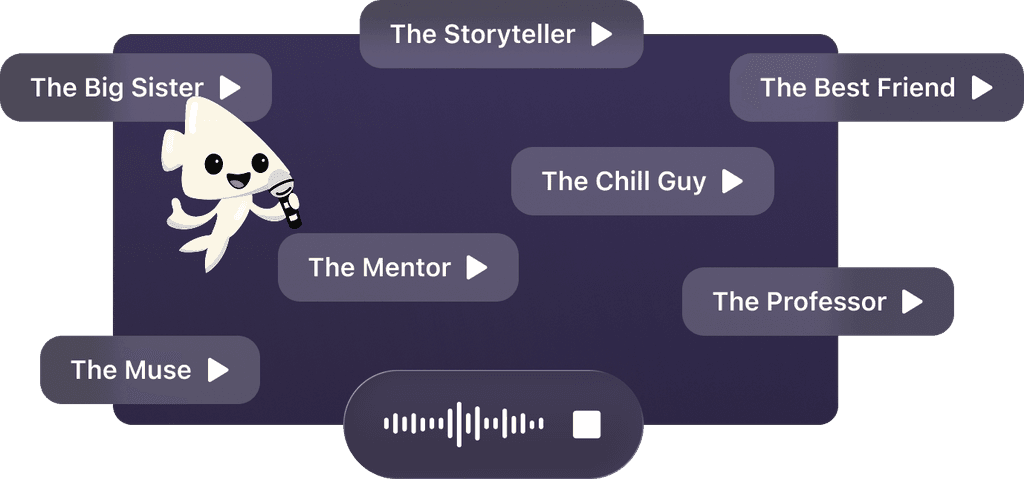
Почувствуйте книгу через голос автора
Превратите знания в увлекательные, богатые примерами идеи
Захватите ключевые идеи мгновенно для быстрого обучения
Наслаждайтесь книгой в весёлой и увлекательной форме
Персонажи в Stitches
- Anne LamottThe author and narrator sharing her life lessons
- AugustineTheologian whose insights on God are discussed
- The boy who survived brain cancerA child who describes himself as a miracle
- The Sunday school teacherA woman who helps children after tragedies
Ключевые темы в Stitches
- coping with tragedy
- radical honesty
- healing from trauma
- spiritual resilience
- finding meaning
Цитаты из Stitches
Almost everything will work again if you unplug it for a few minutes, including you.
Lamott writes the books I need before I know I need them.
Is there meaning? Not yet.
I was in a coma, and then I was here again.
Getting mad would help free their truth from jail.
Исследуйте Свой Способ Обучения
 Режим Краткое резюме
Прочитайте или прослушайте краткое содержание Stitches за 11 минут
Разбейте ключевые идеи Stitches на понятные тезисы, чтобы понять, как инновационные команды создают, сотрудничают и растут.

 Режим Развлекательно
Уроки из Stitches в 18-минутных историях
Погрузитесь в Stitches через яркие истории, превращающие уроки инноваций в запоминающиеся и применимые моменты.
 Режим Персонализация
Изучайте Stitches в своем собственном стиле обучения
Задавайте любые вопросы, выбирайте свой стиль обучения и создавайте идеи, которые действительно вам подходят.
Создано выпускниками Колумбийского университета в Сан-Франциско
"Instead of endless scrolling, I just hit play on BeFreed. It saves me so much time."


"I never knew where to start with nonfiction—BeFreed’s book lists turned into podcasts gave me a clear path."


"Perfect balance between learning and entertainment. Finished ‘Thinking, Fast and Slow’ on my commute this week."
"Crazy how much I learned while walking the dog. BeFreed = small habits → big gains."
"Reading used to feel like a chore. Now it’s just part of my lifestyle."

"Feels effortless compared to reading. I’ve finished 6 books this month already."
"BeFreed turned my guilty doomscrolling into something that feels productive and inspiring."

"BeFreed turned my commute into learning time. 20-min podcasts are perfect for finishing books I never had time for."
"BeFreed replaced my podcast queue. Imagine Spotify for books — that’s it. 🙌"

"It is great for me to learn something from the book without reading it."
"The themed book list podcasts help me connect ideas across authors—like a guided audio journey."
"Makes me feel smarter every time before going to work"
Создано выпускниками Колумбийского университета в Сан-Франциско
"Instead of endless scrolling, I just hit play on BeFreed. It saves me so much time."
"I never knew where to start with nonfiction—BeFreed’s book lists turned into podcasts gave me a clear path."
"Perfect balance between learning and entertainment. Finished ‘Thinking, Fast and Slow’ on my commute this week."
"Crazy how much I learned while walking the dog. BeFreed = small habits → big gains."
"Reading used to feel like a chore. Now it’s just part of my lifestyle."
"Feels effortless compared to reading. I’ve finished 6 books this month already."
"BeFreed turned my guilty doomscrolling into something that feels productive and inspiring."
"BeFreed turned my commute into learning time. 20-min podcasts are perfect for finishing books I never had time for."
"BeFreed replaced my podcast queue. Imagine Spotify for books — that’s it. 🙌"
"It is great for me to learn something from the book without reading it."
"The themed book list podcasts help me connect ideas across authors—like a guided audio journey."
"Makes me feel smarter every time before going to work"
"Instead of endless scrolling, I just hit play on BeFreed. It saves me so much time."
"I never knew where to start with nonfiction—BeFreed’s book lists turned into podcasts gave me a clear path."
"Perfect balance between learning and entertainment. Finished ‘Thinking, Fast and Slow’ on my commute this week."
"Crazy how much I learned while walking the dog. BeFreed = small habits → big gains."
"Reading used to feel like a chore. Now it’s just part of my lifestyle."
"Feels effortless compared to reading. I’ve finished 6 books this month already."
"BeFreed turned my guilty doomscrolling into something that feels productive and inspiring."
"BeFreed turned my commute into learning time. 20-min podcasts are perfect for finishing books I never had time for."
"BeFreed replaced my podcast queue. Imagine Spotify for books — that’s it. 🙌"
"It is great for me to learn something from the book without reading it."
"The themed book list podcasts help me connect ideas across authors—like a guided audio journey."
"Makes me feel smarter every time before going to work"
"Instead of endless scrolling, I just hit play on BeFreed. It saves me so much time."
"I never knew where to start with nonfiction—BeFreed’s book lists turned into podcasts gave me a clear path."
"Perfect balance between learning and entertainment. Finished ‘Thinking, Fast and Slow’ on my commute this week."
"Crazy how much I learned while walking the dog. BeFreed = small habits → big gains."
"Reading used to feel like a chore. Now it’s just part of my lifestyle."
"Feels effortless compared to reading. I’ve finished 6 books this month already."
"BeFreed turned my guilty doomscrolling into something that feels productive and inspiring."
"BeFreed turned my commute into learning time. 20-min podcasts are perfect for finishing books I never had time for."
"BeFreed replaced my podcast queue. Imagine Spotify for books — that’s it. 🙌"
"It is great for me to learn something from the book without reading it."
"The themed book list podcasts help me connect ideas across authors—like a guided audio journey."
"Makes me feel smarter every time before going to work"

Скачать резюме книги «Stitches»
Получите резюме книги «Stitches» в формате PDF или EPUB бесплатно. Распечатайте или читайте офлайн в любое время.


