Socrates in the City: Conversations on Life, God and Other Small Topics

Обзор книги Socrates in the City
Join New York's intellectual elite as Metaxas hosts mind-expanding conversations with Francis Collins, N.T. Wright, and other luminaries. What happens when faith meets philosophy in a Manhattan salon? ABC News calls it "photogenic, witty faith in public life."
- "The unexamined life" requires probing life's biggest questions through Socratic dialogue
- Christian apologetics meets urban professionals in curated intellectual-spiritual collision spaces
- Science-faith tensions resolve through Francis Collins' "Belief in God" framework
- Suffering gains meaning via Peter Kreeft's redemptive paradox of pain
- C.S. Lewis' moral argument anchors ethical debates in transcendent reality
- Charles Colson's prison conversion story models radical life transformation
- N.T. Wright recontextualizes biblical truth for postmodern truth-seekers
- Os Guinness' cultural analysis exposes modernity's assault on human dignity
- "Costly grace" counterculture emerges through Bonhoeffer-inspired radical discipleship
- Fatherhood's crisis demands Paul Vitz's psychological-spiritual restoration blueprint
- Civic responsibility requires Richard Neuhaus' integration of faith and citizenship
- Metaxas' speaker curation blends intellectual rigor with accessible spiritual exploration
Об авторе книги Socrates in the City
Eric Metaxas, #1 New York Times bestselling author of Socrates in the City: Conversations on the Examined Life, is a celebrated cultural commentator and voice in modern Christian thought.
Born in New York City to Greek and German parents, Metaxas blends philosophical inquiry with accessible storytelling, drawing from his Yale education and editorial leadership at the Yale Record.
His works, including the Christopher Award-winning biography Bonhoeffer and the acclaimed Amazing Grace, explore themes of faith, morality, and historical courage, establishing him as a bridge between academia and public discourse.
Host of the nationally syndicated Eric Metaxas Show and founder of the Socrates in the City event series, he regularly engages with thinkers like Malcolm Gladwell and Rabbi Jonathan Sacks. A senior fellow at The King’s College, his insights appear in The Wall Street Journal and The New Yorker, while his commentary airs on Fox News, CNN, and MSNBC.
Metaxas’s books, translated into 25+ languages, include Miracles and Is Atheism Dead? His landmark biography Bonhoeffer has sold over 800,000 copies and won the 2010 Evangelical Christian Publishers Association’s Book of the Year.
Часто задаваемые вопросы о Socrates in the City
What is Socrates in the City by Eric Metaxas about?
Socrates in the City compiles thought-provoking essays and talks from Eric Metaxas’ Manhattan-based speaker series, exploring existential questions like “Is there meaning to life?” and “Does science disprove God?” Featuring luminaries like John Lennox and Dick Cavett, it blends philosophy, theology, and humor through curated speeches, audience Q&A sessions, and Metaxas’ witty introductions.
Who should read Socrates in the City?
This book suits readers interested in philosophical and theological discussions framed accessibly. Ideal for skeptics, Christians seeking intellectual engagement, or fans of Socratic dialogue, it balances depth with approachability. While speakers often present Christian perspectives, the content appeals broadly to those valuing rigorous debate on life’s “big questions.”
Is Socrates in the City worth reading?
Yes, for its unique blend of intellectual rigor and wit. Reviews praise its ability to stimulate reflection, though some note a leaning toward Christian apologetics. The inclusion of post-talk Q&A and Metaxas’ humor adds authenticity, making complex topics digestible. Readers describe revisiting chapters for deeper contemplation.
What philosophical themes dominate Socrates in the City?
The book tackles existentialism, faith-science conflicts, and moral purpose. Essays debate theistic evolution, the role of suffering, and the search for meaning. Speakers like Peter Kreeft and N.T. Wright dissect classical and modern philosophy, often grounding arguments in Christian thought while addressing secular critiques.
How does Eric Metaxas structure the book?
Each chapter includes Metaxas’ humorous introduction, a transcript of the speaker’s talk, and audience Q&A. This format mirrors the live event experience, offering both polished arguments and spontaneous exchanges. The conversational tone contrasts with dense academic writing, enhancing accessibility.
Does Socrates in the City address criticisms of religion?
Yes. Speakers like Francis Collins and Os Guinness engage atheistic arguments, examining evidence for God and responding to New Atheism. The book emphasizes reasoned faith over blind belief, though some critics argue it prioritizes Christian viewpoints without equal secular representation.
What role does humor play in Socrates in the City?
Metaxas’ comedic introductions disarm audiences, fostering openness to complex ideas. His roasts of guests (e.g., teasing Lennox’s accent) create a lighthearted yet respectful tone. This balance prevents discussions from becoming overly academic, aligning with Socrates’ method of inquiry through dialogue.
Are the Q&A sections in Socrates in the City valuable?
The Q&A segments reveal audience skepticism and speaker adaptability, offering real-time rebuttals to challenges. However, some readers wish these were longer, as they occasionally feel truncated. Highlights include nuanced debates on ethics and science, showcasing intellectual humility.
How does Socrates in the City reflect Socratic principles?
The series emulates Socrates’ commitment to questioning assumptions. By hosting non-debate forums, it encourages collaborative truth-seeking rather than adversarial argument. Speakers model Socratic irony—acknowledging ignorance to unravel deeper insights—particularly in discussions about morality and human purpose.
What critiques exist about Socrates in the City?
Some note a lack of secular voices and occasional brevity in addressing counterarguments. While the book aims for fairness, critics suggest the speaker selection skews toward Christian thinkers, potentially limiting perspective diversity. Others highlight Metaxas’ jests as occasionally overshadowing substantive content.
Can Socrates in the City aid personal or professional growth?
Yes. Essays on resilience, purpose, and ethical leadership provide frameworks for navigating career and personal challenges. For example, discussions on “vocation beyond profit” resonate with professionals seeking meaning-driven work, while analyses of suffering offer solace during crises.
How does Socrates in the City compare to Metaxas’ other works?
Unlike his biographies (Bonhoeffer, Wilberforce), this anthology emphasizes collective wisdom over individual narratives. It shares his trademark humor but diverges by curating external voices rather than crafting a singular argument. Fans of his radio show will recognize the blend of levity and profundity.
Почувствуйте книгу через голос автора
Превратите знания в увлекательные, богатые примерами идеи
Захватите ключевые идеи мгновенно для быстрого обучения
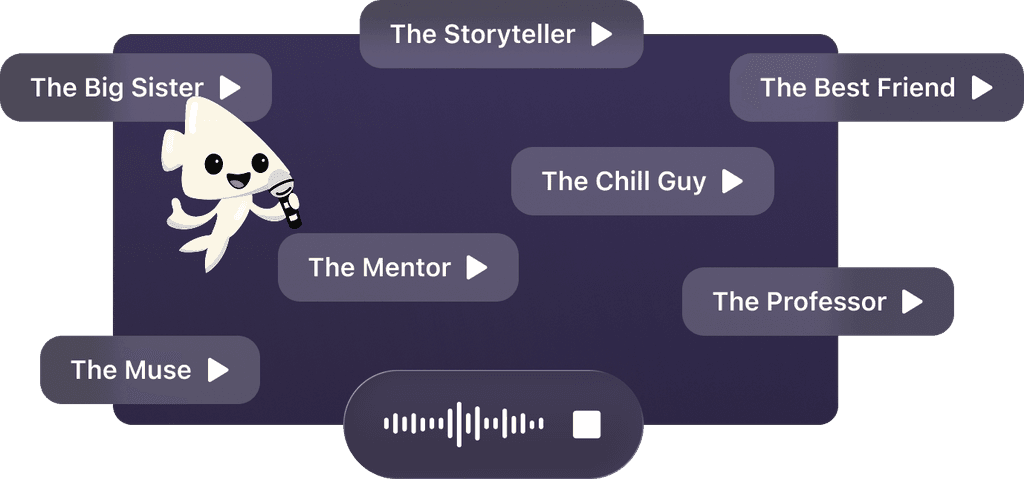
Наслаждайтесь книгой в весёлой и увлекательной форме
Персонажи в Socrates in the City
- Eric MetaxasAuthor and founder of Socrates in the City
- Sir John PolkinghorneQuantum physicist and Anglican priest
- Peter KreeftPhilosopher who addresses the problem of evil
- Fred HoyleAtheist scientist who noted cosmic fine-tuning
Ключевые темы в Socrates in the City
- faith and reason
- cosmological fine-tuning
- problem of evil
- intellectual christianity
- examined life
Цитаты из Socrates in the City
The universe is a put-up job.
He was in the gas chambers.
God entered human suffering through Jesus.
Creatures could make themselves.
Исследуйте Свой Способ Обучения
 Режим Краткое резюме
Прочитайте или прослушайте краткое содержание Socrates in the City за 8 минут
Разбейте ключевые идеи Socrates in the City на понятные тезисы, чтобы понять, как инновационные команды создают, сотрудничают и растут.

 Режим Развлекательно
Уроки из Socrates in the City в 22-минутных историях
Погрузитесь в Socrates in the City через яркие истории, превращающие уроки инноваций в запоминающиеся и применимые моменты.
 Режим Персонализация
Изучайте Socrates in the City в своем собственном стиле обучения
Задавайте любые вопросы, выбирайте свой стиль обучения и создавайте идеи, которые действительно вам подходят.
Создано выпускниками Колумбийского университета в Сан-Франциско
"Instead of endless scrolling, I just hit play on BeFreed. It saves me so much time."


"I never knew where to start with nonfiction—BeFreed’s book lists turned into podcasts gave me a clear path."


"Perfect balance between learning and entertainment. Finished ‘Thinking, Fast and Slow’ on my commute this week."
"Crazy how much I learned while walking the dog. BeFreed = small habits → big gains."
"Reading used to feel like a chore. Now it’s just part of my lifestyle."

"Feels effortless compared to reading. I’ve finished 6 books this month already."
"BeFreed turned my guilty doomscrolling into something that feels productive and inspiring."

"BeFreed turned my commute into learning time. 20-min podcasts are perfect for finishing books I never had time for."
"BeFreed replaced my podcast queue. Imagine Spotify for books — that’s it. 🙌"

"It is great for me to learn something from the book without reading it."
"The themed book list podcasts help me connect ideas across authors—like a guided audio journey."
"Makes me feel smarter every time before going to work"
Создано выпускниками Колумбийского университета в Сан-Франциско
"Instead of endless scrolling, I just hit play on BeFreed. It saves me so much time."
"I never knew where to start with nonfiction—BeFreed’s book lists turned into podcasts gave me a clear path."
"Perfect balance between learning and entertainment. Finished ‘Thinking, Fast and Slow’ on my commute this week."
"Crazy how much I learned while walking the dog. BeFreed = small habits → big gains."
"Reading used to feel like a chore. Now it’s just part of my lifestyle."
"Feels effortless compared to reading. I’ve finished 6 books this month already."
"BeFreed turned my guilty doomscrolling into something that feels productive and inspiring."
"BeFreed turned my commute into learning time. 20-min podcasts are perfect for finishing books I never had time for."
"BeFreed replaced my podcast queue. Imagine Spotify for books — that’s it. 🙌"
"It is great for me to learn something from the book without reading it."
"The themed book list podcasts help me connect ideas across authors—like a guided audio journey."
"Makes me feel smarter every time before going to work"
"Instead of endless scrolling, I just hit play on BeFreed. It saves me so much time."
"I never knew where to start with nonfiction—BeFreed’s book lists turned into podcasts gave me a clear path."
"Perfect balance between learning and entertainment. Finished ‘Thinking, Fast and Slow’ on my commute this week."
"Crazy how much I learned while walking the dog. BeFreed = small habits → big gains."
"Reading used to feel like a chore. Now it’s just part of my lifestyle."
"Feels effortless compared to reading. I’ve finished 6 books this month already."
"BeFreed turned my guilty doomscrolling into something that feels productive and inspiring."
"BeFreed turned my commute into learning time. 20-min podcasts are perfect for finishing books I never had time for."
"BeFreed replaced my podcast queue. Imagine Spotify for books — that’s it. 🙌"
"It is great for me to learn something from the book without reading it."
"The themed book list podcasts help me connect ideas across authors—like a guided audio journey."
"Makes me feel smarter every time before going to work"
"Instead of endless scrolling, I just hit play on BeFreed. It saves me so much time."
"I never knew where to start with nonfiction—BeFreed’s book lists turned into podcasts gave me a clear path."
"Perfect balance between learning and entertainment. Finished ‘Thinking, Fast and Slow’ on my commute this week."
"Crazy how much I learned while walking the dog. BeFreed = small habits → big gains."
"Reading used to feel like a chore. Now it’s just part of my lifestyle."
"Feels effortless compared to reading. I’ve finished 6 books this month already."
"BeFreed turned my guilty doomscrolling into something that feels productive and inspiring."
"BeFreed turned my commute into learning time. 20-min podcasts are perfect for finishing books I never had time for."
"BeFreed replaced my podcast queue. Imagine Spotify for books — that’s it. 🙌"
"It is great for me to learn something from the book without reading it."
"The themed book list podcasts help me connect ideas across authors—like a guided audio journey."
"Makes me feel smarter every time before going to work"

Скачать резюме книги «Socrates in the City»
Получите резюме книги «Socrates in the City» в формате PDF или EPUB бесплатно. Распечатайте или читайте офлайн в любое время.