

Обзор книги Robinson Crusoe
Shipwrecked for 28 years, Defoe's castaway tale birthed modern fiction itself. Translated into 700+ versions, it inspired Rousseau, Marx, and coined "Robinsonade" as a genre. What survival secrets from this 1719 phenomenon still captivate readers three centuries later?
- How isolation forces innovation through resourcefulness and incremental problem-solving
- Why spiritual accounting matters – Crusoe’s journaling as psychological survival tool
- Colonialism’s contradictions: building civilization vs. exploiting "savage" populations
- Master survival through systematic daily routines and environmental adaptation
- From despair to dominion: transforming wilderness into structured micro-society
- Friday’s role as both companion and colonial subject in power dynamics
- How 28 years of solitude reshape human connection and purpose
- Cannibals as moral mirror – questioning cultural superiority and "civilized" violence
- Disaster resilience lessons: earthquake-proof shelters to food preservation techniques
- Why taming goats and farming barley became economic rebirth strategies
- Shipwreck psychology: balancing practical survival with spiritual awakening through isolation
- Bootstrapping civilization’s stages – firecraft to animal husbandry to social contracts
Об авторе книги Robinson Crusoe
Daniel Defoe (1660–1731) was an English writer, journalist, and political commentator celebrated as a pioneering figure in English literature and author of the groundbreaking adventure novel Robinson Crusoe. Known for his realistic narrative style and focus on themes of survival, individualism, and moral introspection, Defoe drew from his diverse experiences as a merchant, traveler, and political activist to craft stories rooted in vivid detail and psychological depth.
A prolific writer with over 500 published works, Defoe also produced notable titles such as Moll Flanders, A Journal of the Plague Year, and Roxana: The Fortunate Mistress, establishing him as a master of early 18th-century fiction.
His innovative use of first-person narration and meticulous attention to setting in Robinson Crusoe revolutionized the novel as a literary form, blending imaginative storytelling with social commentary. Defoe’s works often explored themes of resilience, morality, and human ambition, reflecting his keen observations of society.
Robinson Crusoe remains one of the most translated books in history, second only to the Bible, and has inspired countless adaptations across media. A monument honoring Defoe, funded by contributions from children worldwide, stands at his gravesite in London’s Bunhill Fields.
Часто задаваемые вопросы о Robinson Crusoe
What is Robinson Crusoe by Daniel Defoe about?
Robinson Crusoe follows a shipwrecked Englishman’s 28-year survival journey on a deserted island, detailing his resourcefulness in building shelter, growing food, and taming animals. Central themes include resilience, self-reliance, and colonialism, as Crusoe grapples with isolation, faith, and encounters with indigenous people like Friday. The novel is considered a foundational work in realistic fiction and adventure literature.
Who should read Robinson Crusoe?
Fans of classic adventure literature, students studying 18th-century novels, and readers interested in themes of survival and human ingenuity will find this book compelling. It’s also valuable for those analyzing colonial narratives or philosophical explorations of isolation and identity.
Is Robinson Crusoe worth reading?
Yes—it’s a timeless classic that influenced the adventure genre and modern realism. Its exploration of resilience, faith, and colonialism remains relevant, offering insights into human adaptability and historical perspectives on exploration.
What are the main themes in Robinson Crusoe?
Key themes include self-reliance (Crusoe’s survival tactics), faith (his religious reflections), and colonialism (his dominance over the island and Friday). The novel also examines morality, isolation, and the clash between “civilization” and nature.
How does Robinson Crusoe depict colonialism?
Crusoe’s control of the island, enslavement of Friday, and Eurocentric worldview reflect colonialist attitudes. The novel has been criticized for justifying exploitation through themes of cultural superiority and “civilizing” missions, mirroring 18th-century European expansion.
What is the significance of Friday in Robinson Crusoe?
Friday symbolizes Crusoe’s colonial authority, serving as a loyal servant who adopts English customs and Christianity. Their relationship underscores themes of cultural dominance, with Friday’s submissiveness contrasting Crusoe’s paternalistic control.
How does Robinson Crusoe explore faith and providence?
Crusoe interprets his survival as divine intervention, shifting from rebellion to religious devotion. His belief that God “preserved” him to save others—like Friday—highlights the novel’s spiritual undertones and moral justification for his actions.
What survival strategies does Crusoe use on the island?
He salvages tools from the ship, builds fortified shelters, farms crops, domesticates goats, and creates a calendar. These efforts emphasize practicality, ingenuity, and the Enlightenment ideal of mastering nature.
How is the island a symbol in Robinson Crusoe?
The island represents both a prison and a blank slate for Crusoe’s colonial ambitions. It symbolizes isolation’s psychological toll and humanity’s capacity to reshape environments through labor and technology.
What are criticisms of Robinson Crusoe?
Critics argue it glorifies colonialism, oversimplifies non-European cultures, and portrays Crusoe’s actions as inherently righteous. Modern readings also highlight its problematic racial dynamics and Eurocentric worldview.
How does Robinson Crusoe relate to modern self-reliance concepts?
The novel’s focus on individual perseverance and problem-solving resonates with ideals of personal accountability. However, it also raises questions about the ethics of survival at others’ expense.
Why is Robinson Crusoe still relevant today?
Its exploration of resilience, ethical dilemmas in陌生 environments, and human adaptability offers parallels to modern challenges like environmental crises and societal isolation. The story’s allegorical depth invites ongoing reinterpretation.
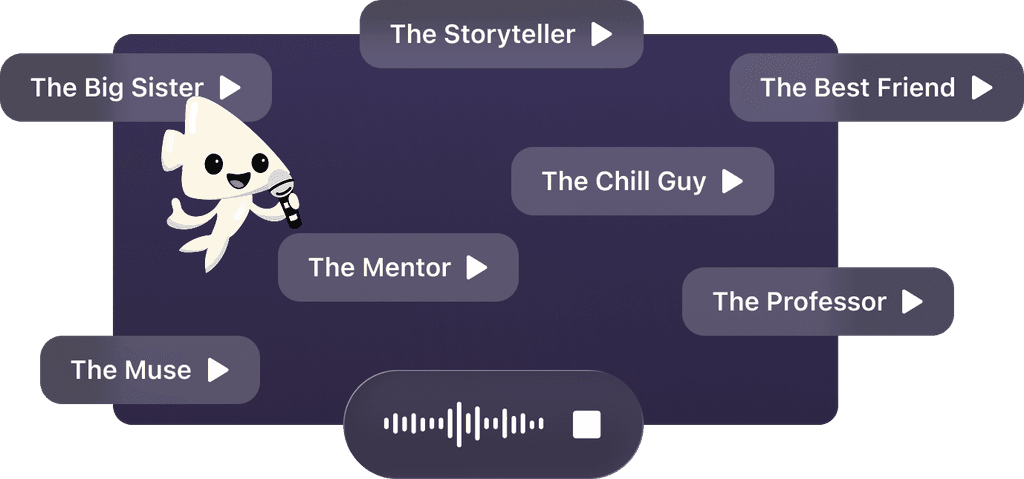
Почувствуйте книгу через голос автора
Превратите знания в увлекательные, богатые примерами идеи
Захватите ключевые идеи мгновенно для быстрого обучения
Наслаждайтесь книгой в весёлой и увлекательной форме
Персонажи в Robinson Crusoe
- Robinson CrusoeThe protagonist who survives a shipwreck
- XuryA loyal boy who helps Crusoe escape slavery
- IsmaelA Moor whom Crusoe tosses overboard to escape
- Crusoe's FatherA merchant who warns his son against the sea
Ключевые темы в Robinson Crusoe
- solitary survival
- colonial self-reliance
- spiritual providence
- man vs nature
- middle-class morality
Цитаты из Robinson Crusoe
All our discontents about what we want appeared to me to spring from the want of thankfulness for what we have.
Necessity is the mother of invention.
Crusoe's wanderlust prevails.
This initial success fills him with dangerous ambition.
Crusoe acknowledges this decision as evidence of his profound lack of prudence.
Исследуйте Свой Способ Обучения
 Режим Краткое резюме
Прочитайте или прослушайте краткое содержание Robinson Crusoe за 9 минут
Разбейте ключевые идеи Robinson Crusoe на понятные тезисы, чтобы понять, как инновационные команды создают, сотрудничают и растут.

 Режим Развлекательно
Уроки из Robinson Crusoe в 23-минутных историях
Погрузитесь в Robinson Crusoe через яркие истории, превращающие уроки инноваций в запоминающиеся и применимые моменты.
 Режим Персонализация
Изучайте Robinson Crusoe в своем собственном стиле обучения
Задавайте любые вопросы, выбирайте свой стиль обучения и создавайте идеи, которые действительно вам подходят.
Создано выпускниками Колумбийского университета в Сан-Франциско
"Instead of endless scrolling, I just hit play on BeFreed. It saves me so much time."


"I never knew where to start with nonfiction—BeFreed’s book lists turned into podcasts gave me a clear path."


"Perfect balance between learning and entertainment. Finished ‘Thinking, Fast and Slow’ on my commute this week."
"Crazy how much I learned while walking the dog. BeFreed = small habits → big gains."
"Reading used to feel like a chore. Now it’s just part of my lifestyle."

"Feels effortless compared to reading. I’ve finished 6 books this month already."
"BeFreed turned my guilty doomscrolling into something that feels productive and inspiring."

"BeFreed turned my commute into learning time. 20-min podcasts are perfect for finishing books I never had time for."
"BeFreed replaced my podcast queue. Imagine Spotify for books — that’s it. 🙌"

"It is great for me to learn something from the book without reading it."
"The themed book list podcasts help me connect ideas across authors—like a guided audio journey."
"Makes me feel smarter every time before going to work"
Создано выпускниками Колумбийского университета в Сан-Франциско
"Instead of endless scrolling, I just hit play on BeFreed. It saves me so much time."
"I never knew where to start with nonfiction—BeFreed’s book lists turned into podcasts gave me a clear path."
"Perfect balance between learning and entertainment. Finished ‘Thinking, Fast and Slow’ on my commute this week."
"Crazy how much I learned while walking the dog. BeFreed = small habits → big gains."
"Reading used to feel like a chore. Now it’s just part of my lifestyle."
"Feels effortless compared to reading. I’ve finished 6 books this month already."
"BeFreed turned my guilty doomscrolling into something that feels productive and inspiring."
"BeFreed turned my commute into learning time. 20-min podcasts are perfect for finishing books I never had time for."
"BeFreed replaced my podcast queue. Imagine Spotify for books — that’s it. 🙌"
"It is great for me to learn something from the book without reading it."
"The themed book list podcasts help me connect ideas across authors—like a guided audio journey."
"Makes me feel smarter every time before going to work"
"Instead of endless scrolling, I just hit play on BeFreed. It saves me so much time."
"I never knew where to start with nonfiction—BeFreed’s book lists turned into podcasts gave me a clear path."
"Perfect balance between learning and entertainment. Finished ‘Thinking, Fast and Slow’ on my commute this week."
"Crazy how much I learned while walking the dog. BeFreed = small habits → big gains."
"Reading used to feel like a chore. Now it’s just part of my lifestyle."
"Feels effortless compared to reading. I’ve finished 6 books this month already."
"BeFreed turned my guilty doomscrolling into something that feels productive and inspiring."
"BeFreed turned my commute into learning time. 20-min podcasts are perfect for finishing books I never had time for."
"BeFreed replaced my podcast queue. Imagine Spotify for books — that’s it. 🙌"
"It is great for me to learn something from the book without reading it."
"The themed book list podcasts help me connect ideas across authors—like a guided audio journey."
"Makes me feel smarter every time before going to work"
"Instead of endless scrolling, I just hit play on BeFreed. It saves me so much time."
"I never knew where to start with nonfiction—BeFreed’s book lists turned into podcasts gave me a clear path."
"Perfect balance between learning and entertainment. Finished ‘Thinking, Fast and Slow’ on my commute this week."
"Crazy how much I learned while walking the dog. BeFreed = small habits → big gains."
"Reading used to feel like a chore. Now it’s just part of my lifestyle."
"Feels effortless compared to reading. I’ve finished 6 books this month already."
"BeFreed turned my guilty doomscrolling into something that feels productive and inspiring."
"BeFreed turned my commute into learning time. 20-min podcasts are perfect for finishing books I never had time for."
"BeFreed replaced my podcast queue. Imagine Spotify for books — that’s it. 🙌"
"It is great for me to learn something from the book without reading it."
"The themed book list podcasts help me connect ideas across authors—like a guided audio journey."
"Makes me feel smarter every time before going to work"

Скачать резюме книги «Robinson Crusoe»
Получите резюме книги «Robinson Crusoe» в формате PDF или EPUB бесплатно. Распечатайте или читайте офлайн в любое время.


