Psychological Types book cover

Psychological Types

Carl Jung
4.31 (4105 Reviews)

Обзор книги Psychological Types

Jung's revolutionary "Psychological Types" redefined human personality through introversion, extraversion, and cognitive functions. This 1921 masterpiece birthed the Myers-Briggs test used by millions worldwide. Ever wonder why tech giants screen candidates using concepts from a century-old book?

Ключевые темы в Psychological Types

  • personality typology
  • introversion and extraversion
  • cognitive functions
  • psychic energy flow
  • subjective versus objective

Цитаты из Psychological Types

  • Every individual is an exception to the rule.

  • There is no such thing as a pure extravert or a pure introvert. Such a man would be in the lunatic asylum.

  • No pure type exists, only the relative predominance of one mechanism.

  • Each type naturally assumes their perspective represents reality.

  • Everything eventually turns into its opposite.

Персонажи в Psychological Types

  • Carl JungAuthor and psychiatrist who developed the theory
  • AriusTheologian used to illustrate psychological types
  • AthanasiusTheologian who opposed Arius in religious schisms
  • Martin LutherReformer used as a case study for extraversion
  • Huldrych ZwingliReformer used as a case study for introversion

Об авторе

Об авторе книги Psychological Types

Carl Gustav Jung (1875–1961), the pioneering Swiss psychiatrist and founder of analytical psychology, authored the seminal work Psychological Types—a cornerstone of personality theory that introduced concepts like introversion, extroversion, and archetypes.

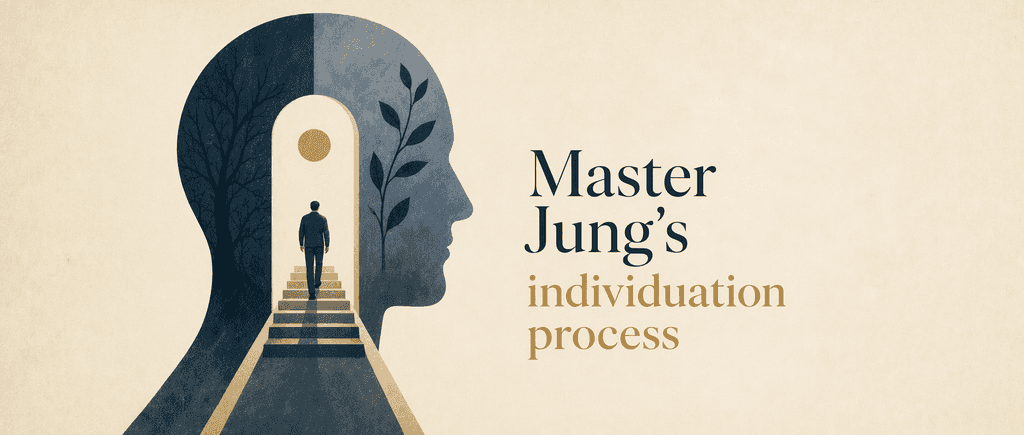
As a leading figure in 20th-century psychology, Jung’s exploration of the collective unconscious and individuation process reshaped modern understandings of human behavior, spirituality, and self-realization. Trained under Eugen Bleuler at Zurich’s Burghölzli psychiatric hospital, Jung’s early collaboration with Sigmund Freud evolved into groundbreaking independent theories documented in works like Man and His Symbols and Memories, Dreams, Reflections.

His interdisciplinary influence extends beyond psychology into anthropology, literature, and religious studies, with frameworks like synchronicity and shadow-work remaining foundational in therapeutic practices. Psychological Types, first published in 1921, has been translated into over 20 languages and continues to inform academic curricula, corporate leadership training, and personality assessments like the Myers-Briggs Type Indicator (MBTI).

Скачать резюме книги «Psychological Types»

Получите резюме книги «Psychological Types» в формате PDF или EPUB бесплатно. Распечатайте или читайте офлайн в любое время.

Часто задаваемые вопросы об этой книге

Psychological Types (1921) explores Carl Jung’s theory of personality through introversion/extraversion attitudes and four cognitive functions: thinking, feeling, sensation, and intuition. Jung examines how individuals perceive and judge the world, highlighting historical precedents like Galen’s humors. The book underpins the Myers-Briggs Type Indicator (MBTI) but emphasizes his system’s flexibility for understanding human psychology beyond rigid labels.

This book suits psychology students, MBTI enthusiasts, and readers interested in personality theory. Jung’s dense academic style appeals to those comfortable with analytical texts, though skimming historical sections (e.g., myth, poetry) is common. Critics note its complexity, but it remains foundational for understanding Jungian archetypes and cognitive functions.

Yes, for its historical significance and framework for modern personality assessments like MBTI. However, Jung’s verbose prose and tangential historical analyses (e.g., Greek mythology) may frustrate casual readers. Focus on Chapters 1 and 10 for core concepts about attitudes and functions.

Jung identified thinking (logic-driven decisions), feeling (value-based judgments), sensation (tangible reality focus), and intuition (future possibilities). Each function pairs with introverted or extraverted attitudes, shaping how individuals process information. For example, “thinking types” prioritize objectivity, while “feeling types” emphasize personal values.

Introversion describes energy derived from internal reflection, while extraversion involves outward engagement. Jung coined these terms to explain libido (psychic energy) direction—key to his typology. For instance, introverted thinkers prioritize ideas, whereas extraverted feelers adapt to social dynamics.

The MBTI expands Jung’s framework by adding judging/perceiving dimensions. Jung’s attitudes (introversion/extraversion) and functions (thinking/feeling, sensing/intuition) form the MBTI’s first three letters (e.g., INFJ). However, Jung cautioned against oversimplifying human behavior into fixed types.

Critics argue Jung’s system oversimplifies behavior and lacks empirical rigor. His reliance on clinical observation (vs. statistical analysis) and abstract concepts like the collective unconscious challenge modern validation. However, his ideas remain influential in psychology and self-help.

Yes. For example, extraverted intuitives may thrive in entrepreneurial roles, while introverted thinkers excel in research. Understanding dominant functions helps align careers with natural strengths—though Jung warned against rigid self-labeling.

The inferior function represents the least-developed cognitive process in one’s psyche. For instance, a thinking-dominant individual may struggle with emotional expression (feeling). Jung viewed integrating this function as key to psychological growth.

Jung’s work underpins modern personality assessments, therapy approaches, and workplace diversity training. Concepts like introversion/extraversion are widely used in pop psychology, though often simplified. The book’s emphasis on self-awareness aligns with contemporary mindfulness movements.

Jung combined attitudes and functions to create eight types:

  • Extraverted Thinking (principled, rational)
  • Introverted Feeling (sympathetic, reserved)
  • Extraverted Intuition (enterprising, impulsive)
  • Introverted Sensation (calm, controlled)

He classified himself as an introverted thinker with auxiliary intuition.

Unlike Freud’s focus on sexuality, Jung emphasized spiritual and symbolic dimensions of the psyche. While Freud prioritized the unconscious, Jung introduced collective archetypes and individuation—a lifelong journey toward self-realization.

Исследуйте Свой Способ Обучения

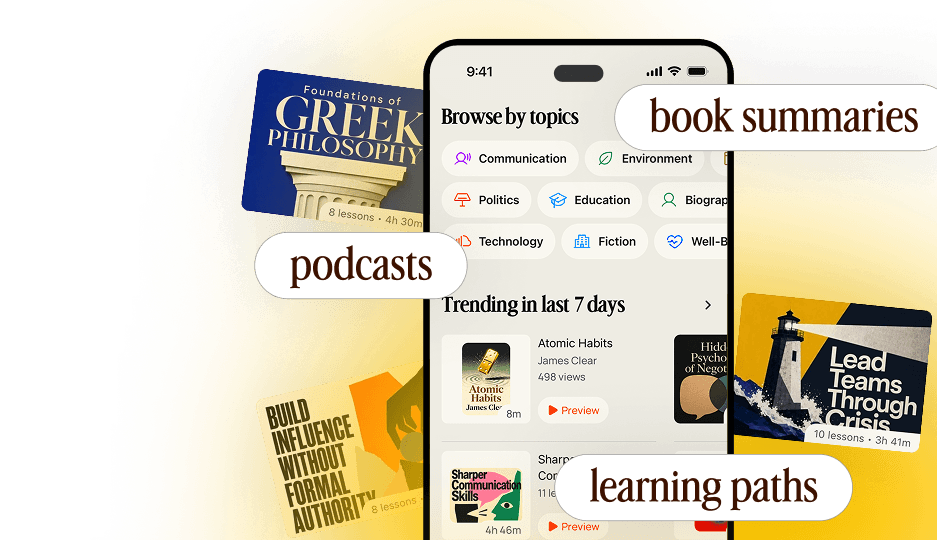
Psychological Types — это не просто книга, это мастер-класс по теме Psychology. Чтобы помочь вам усвоить уроки наиболее удобным способом, мы предлагаем пять уникальных режимов обучения. Независимо от того, глубоко ли вы мыслите, быстро учитесь или любите истории, для вас найдётся подходящий режим.

Режим Краткое резюме

Прочитайте или прослушайте краткое содержание Psychological Types за 9 минут

Разбейте ключевые идеи Psychological Types на понятные тезисы, чтобы понять, как инновационные команды создают, сотрудничают и растут.

play
00:00
00:00

Режим Развлекательно

Уроки из Psychological Types в 23-минутных историях

Погрузитесь в Psychological Types через яркие истории, превращающие уроки инноваций в запоминающиеся и применимые моменты.

play
00:00
00:00

Режим Персонализация

Изучайте Psychological Types в своем собственном стиле обучения

Задавайте любые вопросы, выбирайте свой стиль обучения и создавайте идеи, которые действительно вам подходят.

Personalize Mode

Создано выпускниками Колумбийского университета в Сан-Франциско

BeFreed объединяет глобальное сообщество из 1,000,000 любознательных умов

"Instead of endless scrolling, I just hit play on BeFreed. It saves me so much time."

@Moemenn
platform
star
star
star
star
star

"I never knew where to start with nonfiction—BeFreed’s book lists turned into podcasts gave me a clear path."

@Chloe, Solo founder, LA
platform
comments
12
likes
117

"Perfect balance between learning and entertainment. Finished ‘Thinking, Fast and Slow’ on my commute this week."

@Raaaaaachelw
platform
star
star
star
star
star

"Crazy how much I learned while walking the dog. BeFreed = small habits → big gains."

@Matt, YC alum
platform
comments
12
likes
108

"Reading used to feel like a chore. Now it’s just part of my lifestyle."

@Erin, Investment Banking Associate , NYC
platform
comments
254
likes
17

"Feels effortless compared to reading. I’ve finished 6 books this month already."

@djmikemoore
platform
star
star
star
star
star

"BeFreed turned my guilty doomscrolling into something that feels productive and inspiring."

@Pitiful
platform
comments
96
likes
4.5K

"BeFreed turned my commute into learning time. 20-min podcasts are perfect for finishing books I never had time for."

@SofiaP
platform
star
star
star
star
star

"BeFreed replaced my podcast queue. Imagine Spotify for books — that’s it. 🙌"

@Jaded_Falcon
platform
comments
201
thumbsUp
16

"It is great for me to learn something from the book without reading it."

@OojasSalunke
platform
star
star
star
star
star

"The themed book list podcasts help me connect ideas across authors—like a guided audio journey."

@Leo, Law Student, UPenn
platform
comments
37
likes
483

"Makes me feel smarter every time before going to work"

@Cashflowbubu
platform
star
star
star
star
star

"Instead of endless scrolling, I just hit play on BeFreed. It saves me so much time."

@Moemenn
platform
star
star
star
star
star

"I never knew where to start with nonfiction—BeFreed’s book lists turned into podcasts gave me a clear path."

@Chloe, Solo founder, LA
platform
comments
12
likes
117

"Perfect balance between learning and entertainment. Finished ‘Thinking, Fast and Slow’ on my commute this week."

@Raaaaaachelw
platform
star
star
star
star
star

"Crazy how much I learned while walking the dog. BeFreed = small habits → big gains."

@Matt, YC alum
platform
comments
12
likes
108

"Reading used to feel like a chore. Now it’s just part of my lifestyle."

@Erin, Investment Banking Associate , NYC
platform
comments
254
likes
17

"Feels effortless compared to reading. I’ve finished 6 books this month already."

@djmikemoore
platform
star
star
star
star
star

"BeFreed turned my guilty doomscrolling into something that feels productive and inspiring."

@Pitiful
platform
comments
96
likes
4.5K

"BeFreed turned my commute into learning time. 20-min podcasts are perfect for finishing books I never had time for."

@SofiaP
platform
star
star
star
star
star

"BeFreed replaced my podcast queue. Imagine Spotify for books — that’s it. 🙌"

@Jaded_Falcon
platform
comments
201
thumbsUp
16

"It is great for me to learn something from the book without reading it."

@OojasSalunke
platform
star
star
star
star
star

"The themed book list podcasts help me connect ideas across authors—like a guided audio journey."

@Leo, Law Student, UPenn
platform
comments
37
likes
483

"Makes me feel smarter every time before going to work"

@Cashflowbubu
platform
star
star
star
star
star

"Instead of endless scrolling, I just hit play on BeFreed. It saves me so much time."

@Moemenn
platform
star
star
star
star
star

"I never knew where to start with nonfiction—BeFreed’s book lists turned into podcasts gave me a clear path."

@Chloe, Solo founder, LA
platform
comments
12
likes
117

"Perfect balance between learning and entertainment. Finished ‘Thinking, Fast and Slow’ on my commute this week."

@Raaaaaachelw
platform
star
star
star
star
star

"Crazy how much I learned while walking the dog. BeFreed = small habits → big gains."

@Matt, YC alum
platform
comments
12
likes
108

"Reading used to feel like a chore. Now it’s just part of my lifestyle."

@Erin, Investment Banking Associate , NYC
platform
comments
254
likes
17

"Feels effortless compared to reading. I’ve finished 6 books this month already."

@djmikemoore
platform
star
star
star
star
star

"BeFreed turned my guilty doomscrolling into something that feels productive and inspiring."

@Pitiful
platform
comments
96
likes
4.5K

"BeFreed turned my commute into learning time. 20-min podcasts are perfect for finishing books I never had time for."

@SofiaP
platform
star
star
star
star
star

"BeFreed replaced my podcast queue. Imagine Spotify for books — that’s it. 🙌"

@Jaded_Falcon
platform
comments
201
thumbsUp
16

"It is great for me to learn something from the book without reading it."

@OojasSalunke
platform
star
star
star
star
star

"The themed book list podcasts help me connect ideas across authors—like a guided audio journey."

@Leo, Law Student, UPenn
platform
comments
37
likes
483

"Makes me feel smarter every time before going to work"

@Cashflowbubu
platform
star
star
star
star
star

Хотите узнать больше историй?

Как люди говорят о BeFreed в интернете
1.5K Ratings4.7
Начните своё обучение прямо сейчас