Movement Matters
Essays on Movement Science, Movement Ecology, and the Nature of Movement
Обзор книги Movement Matters
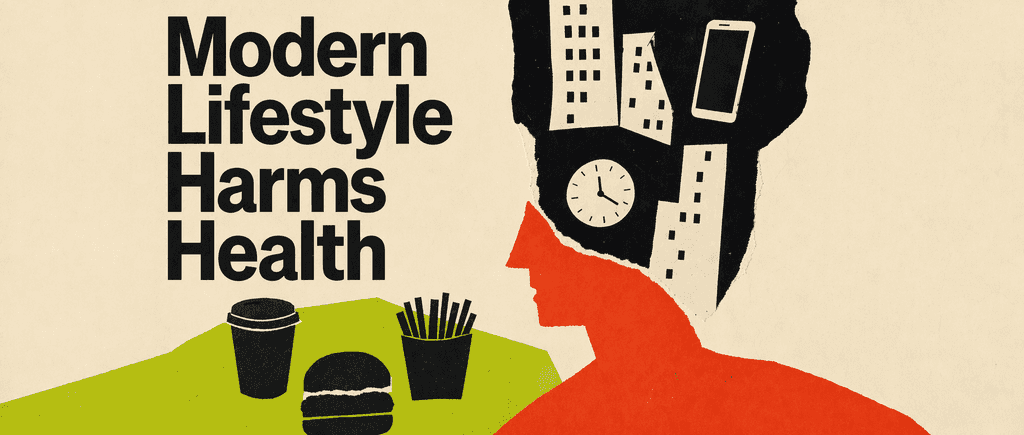
Movement Matters reveals how our daily movements shape both our health and the planet. This Foreword Indies Gold Award winner connects exercise science with environmental sustainability, challenging readers: Could your sedentary lifestyle be harming more than just your body?
Ключевые темы в Movement Matters
- movement ecology
- biological heritage
- sedentary lifestyle consequences
- nutritional movement
- human biomechanics
Цитаты из Movement Matters
What we call "convenience" is often just another word for movement reduction.
Our bodies literally rebuilds itself around your movement habits.
Our sedentary lifestyle doesn't exist in isolation; it depends on a global network of movement performed by others.
We need to recognize movement as an essential nutrient-something our bodies require continuously throughout the day in varied forms.
Персонажи в Movement Matters
- Katy BowmanAuthor, biomechanist, and movement expert
Об авторе
Об авторе книги Movement Matters
Katy Bowman, M.S., is the bestselling author of Movement Matters and a pioneering biomechanist reshaping global understanding of physical activity’s role in health. A leader in the "movement as nutrition" philosophy, her work bridges scientific rigor and practical application, addressing sedentarism, movement ecology, and natural human mobility.
Bowman’s 11 books, including Move Your DNA and Grow Wild, blend biomechanics with accessible guidance, reflecting her 20+ years of research and teaching. Her ideas are featured in The New York Times, NPR, Good Housekeeping, and The Joe Rogan Experience, and she advises organizations like Nike, Google, and Patagonia on movement-centric design.
Recognized as one of Maria Shriver’s “Architects of Change” and an America Walks “Woman of the Walking Movement,” Bowman hosts the Move Your DNA podcast and founded Nutritious Movement, a platform promoting daily movement integration. Her books have sold over 300,000 copies in English and are translated into 16 languages, establishing her as a transformative voice in holistic wellness.
Скачать резюме книги «Movement Matters»
Получите резюме книги «Movement Matters» в формате PDF или EPUB бесплатно. Распечатайте или читайте офлайн в любое время.
Часто задаваемые вопросы об этой книге
Movement Matters explores how human movement impacts personal health, communities, and the environment. Biomechanist Katy Bowman argues that sedentary lifestyles harm both bodies and ecosystems, offering insights on movement nutrients, nature-based education, and "Vitamin Community." The book blends science, humor, and practical advice to show how embracing daily motion can transform well-being and planetary health.
This book is ideal for fitness enthusiasts, environmentalists, educators, and anyone seeking to understand movement beyond exercise. It’s particularly valuable for those interested in biomechanics, holistic health, or sustainable living. Katy Bowman’s accessible style also appeals to readers looking for actionable steps to integrate movement into modern life.
Bowman frames movement as an ecological act, explaining how sedentary cultures strain natural resources (e.g., reliance on mechanized transport). She proposes that re-embracing natural motion reduces energy consumption and fosters deeper connections to local environments, creating healthier humans and ecosystems simultaneously.
Movement nutrients refer to the diverse physical inputs bodies need—like squatting, carrying, or walking—similar to dietary nutrients. Bowman highlights how modern life deprives us of these "nutrients," leading to physical and societal "malnutrition." She suggests incorporating micro-movements throughout the day for holistic health.
"Vitamin Community" describes the essential role of group movement—like communal labor or shared physical rituals—in mental and social health. Bowman argues that isolation and individualized exercise contribute to societal disconnection, advocating for collaborative, movement-based interactions to strengthen communities.
The book traces sedentarism to conveniences that replace natural motion (e.g., chairs, cars). Bowman critiques how time-saving technologies paradoxically create movement deficits, offering strategies to redesign daily habits, workspaces, and urban environments to prioritize organic physical activity.
Unlike exercise-focused guides, this book examines movement as a biological and ecological necessity. Bowman integrates biomechanics with environmental science, arguing that personal movement choices ripple outward to affect food systems, education models, and climate resilience.
Yes, Bowman offers actionable tips like incorporating squatting postures, walking meetings, and nature immersion. She emphasizes small, sustainable changes—such as gardening or ditching chairs—to rebuild movement "diets" without requiring gym time.
As a biomechanist, Bowman analyzes movement through evolutionary biology and physics. She debunks myths like "exercise compensates for sitting," using scientific research to show how all-day micro-movements optimize bodily function and environmental stewardship.
The book’s focus on sustainable living and holistic health aligns with 2025 trends toward climate-conscious lifestyles and workplace wellness reforms. Its systems-thinking approach to movement offers solutions for modern challenges like remote work sedentarism and urban biodiversity loss.
Some readers note the book’s broad scope—spanning personal health to ecology—might overwhelm those seeking straightforward fitness advice. Others suggest Bowman’s movement-centric solutions require privilege (e.g., time/space for activity), though she acknowledges systemic barriers in later chapters.
While Move Your DNA focuses on biomechanical science, Movement Matters expands into social and environmental applications. It’s ideal for readers who want to apply movement principles beyond individual health to community design and ecological sustainability.