Обзор книги Look for Me There
After losing his legendary journalist father, Luke Russert embarks on a soul-searching journey across 70 countries. Hailed as "memoir of the decade" by bestselling author Elin Hilderbrand, this raw exploration of grief and identity reveals how breaking from expectations leads to finding yourself.
- Grief demands motion—global exploration unlocks self-discovery after profound loss
- Solo travel rewires identity beyond societal expectations and inherited legacy
- Father’s ghost becomes compass in 60-country quest for authentic purpose
- Political pedigree transforms from burden to lens for global citizenship
- Digital detox abroad reveals joy in uncurated, spontaneous human connection
- Memoir proves healing requires equal parts courage, passports, and journal pages
- Bereavement itineraries work best with open-ended tickets and closed LinkedIn accounts
- Intergenerational trauma dissolves through Tanzanian sunsets and Cambodian temple wanderings
- Authentic living means trading White House press passes for Himalayan trails
- Foreign tongues teach silence’s language better than any eulogy could
- Buffalo childhood contrasts with Rwandan reconciliation lessons in grief alchemy
- Three-year global reset proves sometimes running away IS the answer
Об авторе книги Look for Me There
Luke Russert, Emmy Award-winning journalist and New York Times bestselling author of Look for Me There: Grieving My Father, Finding Myself, combines political insight with raw personal narrative in this travel memoir exploring grief, identity, and global self-discovery.
The son of late NBC icon Tim Russert, Luke built an eight-year career as a Capitol Hill correspondent for NBC News, appearing on Nightly News, TODAY, and MSNBC before embarking on a transformative 3.5-year journey across six continents. His transition from political reporting to solo global exploration informs the book’s themes of confronting loss while rebuilding purpose.
Russert’s work has been recognized with the Marlin Fitzwater Award for Leadership in Public Communication, and his investigative reporting for Dateline contributed to overturning a wrongful conviction at Sing-Sing Prison. Now hosting MSNBC’s live event series, he continues bridging political analysis with human-centric storytelling.
The memoir debuted as a multiweek New York Times and Wall Street Journal bestseller, resonating widely for its candid portrayal of millennial existentialism and intergenerational legacy.
Часто задаваемые вопросы о Look for Me There
What is Look for Me There by Luke Russert about?
Look for Me There chronicles Luke Russert’s three-year global journey across six continents to process grief after his father Tim Russert’s death, confront family expectations, and find his identity beyond his legacy as the son of two renowned journalists. Blending travelogue and memoir, it explores themes of loss, self-discovery, and the tension between ambition and purpose, set against vivid descriptions of 65+ countries.
Who should read Look for Me There?
This memoir resonates with readers navigating grief, questioning life’s purpose, or seeking inspiration to break free from societal expectations. Fans of introspective travelogues, celebrity memoirs (Luke’s parents are journalists Tim Russert and Maureen Orth), and stories about overcoming familial pressure will find it particularly compelling.
Is Look for Me There worth reading?
Yes—it became a New York Times bestseller for its raw honesty about privilege, loss, and self-doubt, paired with lush descriptions of global cultures. Critics praise its vulnerability, though some note the protagonist’s financial advantages. Elin Hilderbrand called it “the memoir of the decade”.
How does Luke Russert’s relationship with his father shape the book?
Tim Russert’s mantra, “Look for me there,” becomes a metaphor for Luke’s quest to reconcile his father’s cautious legacy with his own risk-taking journey. The book grapples with Luke’s initial resentment of Tim’s overprotection and his eventual understanding of their bond through shared humor and values.
What destinations are highlighted in Look for Me There?
Russert visits iconic sites like Easter Island (where he details a one-night stand) and lesser-known regions across Africa, Asia, and South America. These locales mirror his internal state—isolated landscapes during loneliness, vibrant cities during self-discovery.
How does the book address grief and legacy?
Luke processes Tim’s sudden death by retracing his father’s professional footsteps in media before realizing he’s mimicking rather than choosing his path. A poignant moment recounts Tim setting up Luke’s apartment internet days before dying, symbolizing their unfinished relationship.
What critiques exist about Look for Me There?
Some reviewers note the memoir’s privileged perspective—Luke’s travels were partly funded by his mother, Vanity Fair journalist Maureen Orth, who later cut him off financially. Critics argue this undermines his “self-made” narrative, though others commend his transparency about these advantages.
What lessons does Luke Russert learn during his travels?
Key takeaways include embracing uncertainty (“Life isn’t about having all the answers”), confronting fear of failure, and finding purpose beyond familial or societal metrics of success. He acknowledges initially using travel to escape rather than grow.
How does the book balance travel writing with memoir?
Chapters alternate between adrenaline-fueled adventures (trekking Himalayan villages, African safaris) and intimate reflections on Luke’s anxiety, substance use, and strained mother-son dynamics. This structure mirrors the duality of exploring external worlds and internal wounds.
What quotes define Look for Me There?
- “Being part of a legacy meant I was living in loss”—Luke’s realization about the burden of his father’s fame.
- “The journey has been for my benefit, but I see how it can help others”—his hope that vulnerability inspires readers.
How does Luke’s journalism career influence the memoir?
His NBC News training sharpens observational skills, evident in geopolitical insights about post-genocide Rwanda or Cuba’s economic struggles. However, he critiques media’s transactional nature, which contributed to his career pivot.
Why is Look for Me There relevant for readers in 2025?
In an era of curated social media personas, Russert’s unflinching account of mid-20s existential crisis offers a counter-narrative about embracing uncertainty. Its themes of reevaluating success metrics align with growing “quiet quitting” and anti-hustle culture trends.
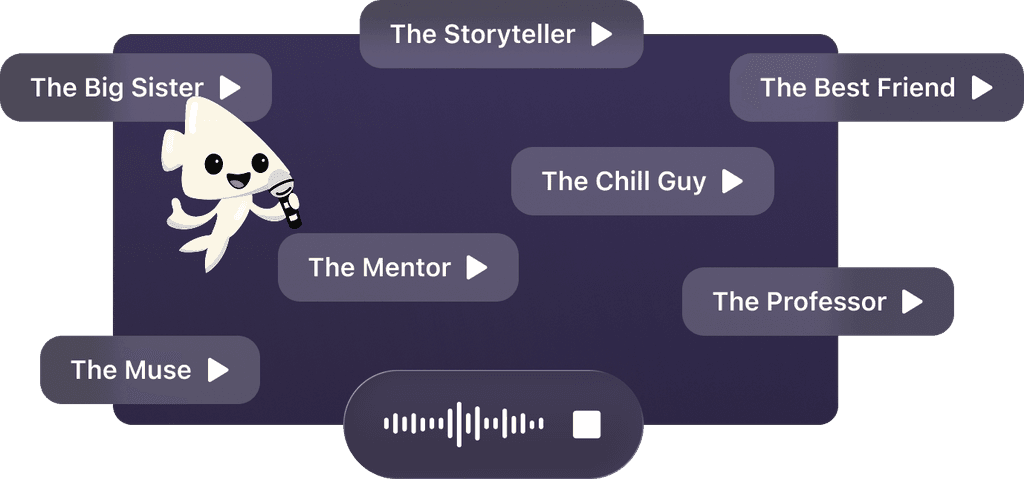
Почувствуйте книгу через голос автора
Превратите знания в увлекательные, богатые примерами идеи
Захватите ключевые идеи мгновенно для быстрого обучения
Наслаждайтесь книгой в весёлой и увлекательной форме
Персонажи в Look for Me There
- Luke RussertAuthor and NBC correspondent seeking his identity
- Tim RussertLegendary journalist and Luke's late father
- John BoehnerSpeaker of the House who advised Luke to move on
- Tom BrokawJournalist who announced Tim Russert's death
- JeanieLuke's girlfriend who was with him in Florence
Ключевые темы в Look for Me There
- father son legacy
- complicated grief
- career burnout
- identity beyond nepotism
- global solo travel
Цитаты из Look for Me There
Tim Russert doesn't faint.
Junior, it's time for you to go do something.
I felt truly free for the first time in my life.
Look for Me There has become a surprise bestseller.
Исследуйте Свой Способ Обучения
 Режим Краткое резюме
Прочитайте или прослушайте краткое содержание Look for Me There за 8 минут
Разбейте ключевые идеи Look for Me There на понятные тезисы, чтобы понять, как инновационные команды создают, сотрудничают и растут.

 Режим Развлекательно
Уроки из Look for Me There в 23-минутных историях
Погрузитесь в Look for Me There через яркие истории, превращающие уроки инноваций в запоминающиеся и применимые моменты.
 Режим Персонализация
Изучайте Look for Me There в своем собственном стиле обучения
Задавайте любые вопросы, выбирайте свой стиль обучения и создавайте идеи, которые действительно вам подходят.
Создано выпускниками Колумбийского университета в Сан-Франциско
"Instead of endless scrolling, I just hit play on BeFreed. It saves me so much time."


"I never knew where to start with nonfiction—BeFreed’s book lists turned into podcasts gave me a clear path."


"Perfect balance between learning and entertainment. Finished ‘Thinking, Fast and Slow’ on my commute this week."
"Crazy how much I learned while walking the dog. BeFreed = small habits → big gains."
"Reading used to feel like a chore. Now it’s just part of my lifestyle."

"Feels effortless compared to reading. I’ve finished 6 books this month already."
"BeFreed turned my guilty doomscrolling into something that feels productive and inspiring."

"BeFreed turned my commute into learning time. 20-min podcasts are perfect for finishing books I never had time for."
"BeFreed replaced my podcast queue. Imagine Spotify for books — that’s it. 🙌"

"It is great for me to learn something from the book without reading it."
"The themed book list podcasts help me connect ideas across authors—like a guided audio journey."
"Makes me feel smarter every time before going to work"
Создано выпускниками Колумбийского университета в Сан-Франциско
"Instead of endless scrolling, I just hit play on BeFreed. It saves me so much time."
"I never knew where to start with nonfiction—BeFreed’s book lists turned into podcasts gave me a clear path."
"Perfect balance between learning and entertainment. Finished ‘Thinking, Fast and Slow’ on my commute this week."
"Crazy how much I learned while walking the dog. BeFreed = small habits → big gains."
"Reading used to feel like a chore. Now it’s just part of my lifestyle."
"Feels effortless compared to reading. I’ve finished 6 books this month already."
"BeFreed turned my guilty doomscrolling into something that feels productive and inspiring."
"BeFreed turned my commute into learning time. 20-min podcasts are perfect for finishing books I never had time for."
"BeFreed replaced my podcast queue. Imagine Spotify for books — that’s it. 🙌"
"It is great for me to learn something from the book without reading it."
"The themed book list podcasts help me connect ideas across authors—like a guided audio journey."
"Makes me feel smarter every time before going to work"
"Instead of endless scrolling, I just hit play on BeFreed. It saves me so much time."
"I never knew where to start with nonfiction—BeFreed’s book lists turned into podcasts gave me a clear path."
"Perfect balance between learning and entertainment. Finished ‘Thinking, Fast and Slow’ on my commute this week."
"Crazy how much I learned while walking the dog. BeFreed = small habits → big gains."
"Reading used to feel like a chore. Now it’s just part of my lifestyle."
"Feels effortless compared to reading. I’ve finished 6 books this month already."
"BeFreed turned my guilty doomscrolling into something that feels productive and inspiring."
"BeFreed turned my commute into learning time. 20-min podcasts are perfect for finishing books I never had time for."
"BeFreed replaced my podcast queue. Imagine Spotify for books — that’s it. 🙌"
"It is great for me to learn something from the book without reading it."
"The themed book list podcasts help me connect ideas across authors—like a guided audio journey."
"Makes me feel smarter every time before going to work"
"Instead of endless scrolling, I just hit play on BeFreed. It saves me so much time."
"I never knew where to start with nonfiction—BeFreed’s book lists turned into podcasts gave me a clear path."
"Perfect balance between learning and entertainment. Finished ‘Thinking, Fast and Slow’ on my commute this week."
"Crazy how much I learned while walking the dog. BeFreed = small habits → big gains."
"Reading used to feel like a chore. Now it’s just part of my lifestyle."
"Feels effortless compared to reading. I’ve finished 6 books this month already."
"BeFreed turned my guilty doomscrolling into something that feels productive and inspiring."
"BeFreed turned my commute into learning time. 20-min podcasts are perfect for finishing books I never had time for."
"BeFreed replaced my podcast queue. Imagine Spotify for books — that’s it. 🙌"
"It is great for me to learn something from the book without reading it."
"The themed book list podcasts help me connect ideas across authors—like a guided audio journey."
"Makes me feel smarter every time before going to work"

Скачать резюме книги «Look for Me There»
Получите резюме книги «Look for Me There» в формате PDF или EPUB бесплатно. Распечатайте или читайте офлайн в любое время.