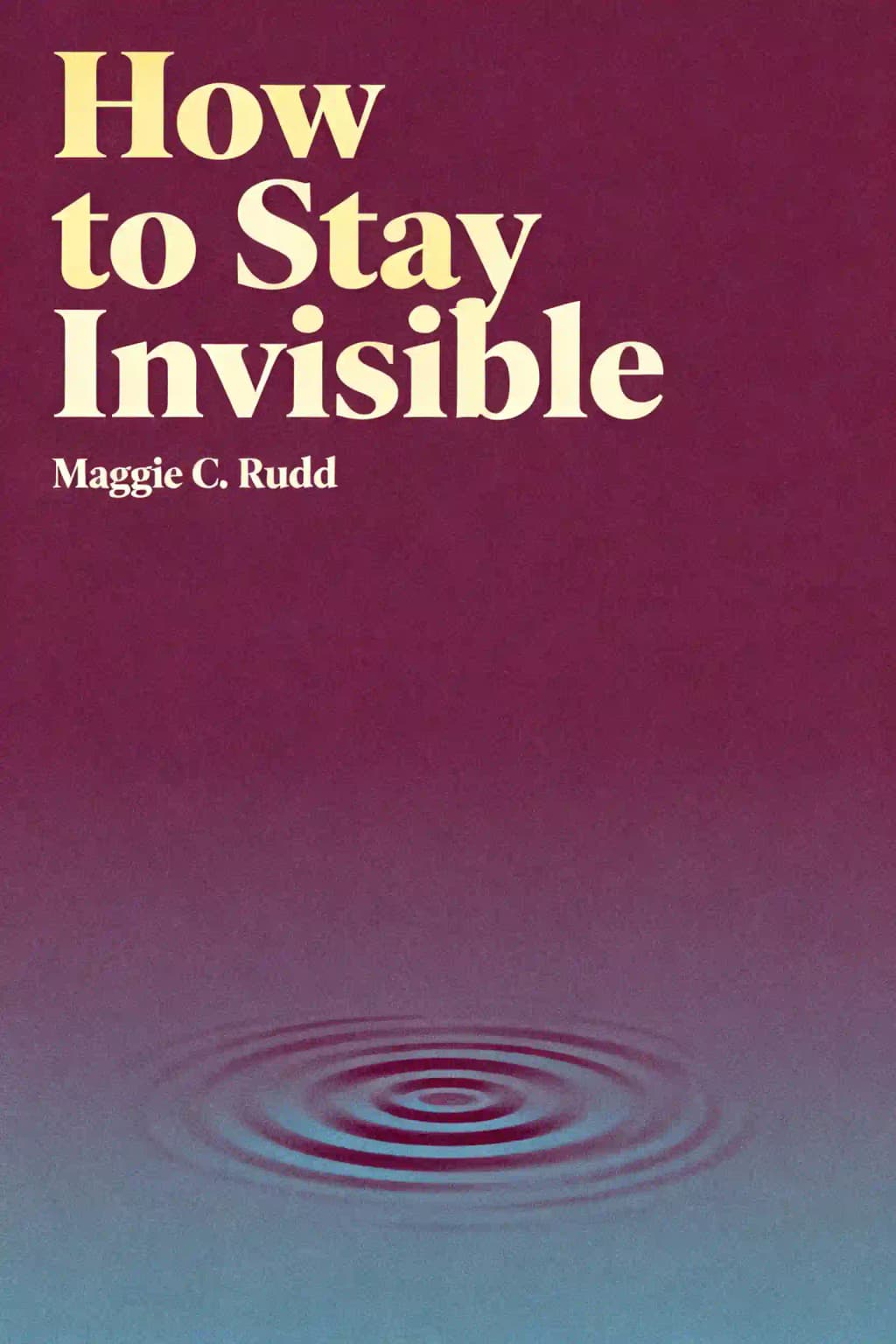
How to Stay Invisible
Обзор книги How to Stay Invisible
Wilderness survival meets raw adolescent struggle in "How to Stay Invisible" - a middle-grade masterpiece earning four starred reviews and hailed as "*The Outsiders* meets *Hatchet*." What makes this award-winning novel so compelling educators can't stop recommending it?
Ключевые темы в How to Stay Invisible
- childhood abandonment
- wilderness survival
- institutional failure
- resourceful resilience
- extreme food insecurity
Цитаты из How to Stay Invisible
Raymond Hurley has perfected the art of invisibility.
This isn't the first time his parents have abandoned him.
His mantra becomes 'stay invisible.'
His pride in these accomplishments is touching.
What's most heartbreaking isn't just the abandonment itself, but Raymond's reaction.
Персонажи в How to Stay Invisible
- Raymond HurleyA resourceful boy surviving alone in the woods
- RosieRaymond's loyal dog and constant companion
- HarlinA friend who helps Raymond by giving him supplies
- Maggie C. RuddThe author and former middle school teacher
Об авторе
Об авторе книги How to Stay Invisible
Maggie C. Rudd is the author of How to Stay Invisible, an award-winning middle-grade realistic fiction novel that tackles themes of homelessness, survival, and resilience. As a high school teacher in rural North Carolina, Rudd's firsthand experience working with vulnerable students shapes her authentic portrayal of children facing invisible struggles. The story was inspired by a fallen tree she discovered while walking through the woods behind her school—a moment that sparked the vision of a boy surviving alone in the wilderness.
Rudd has also written several picture books, including I'll Hold Your Hand, On the Fourth of July, and Sometimes It's Hard to Be Nice. How to Stay Invisible earned starred reviews from Publisher's Weekly and Kirkus Review, with Kirkus praising its "tightly written, understated narrative" and "intensely realistic atmosphere." The novel was selected for the prestigious Texas Bluebonnet Award list and received both the Teacher Favorites Award (2024) and Librarian Favorites Award (2023-2024), reflecting its widespread impact in classrooms and libraries nationwide.
Скачать резюме книги «How to Stay Invisible»
Получите резюме книги «How to Stay Invisible» в формате PDF или EPUB бесплатно. Распечатайте или читайте офлайн в любое время.
Часто задаваемые вопросы об этой книге
How to Stay Invisible follows twelve-year-old Raymond Hurley, who is abandoned by his neglectful parents and forced to survive alone in the woods behind his middle school in North Carolina. With only his dog Rosie, a fishing pole, and a library survival guide, Raymond navigates homelessness while attending school and keeping his situation secret. The novel explores his journey from isolation to learning to trust friends, caring adults, and even a curious coyote as winter makes survival nearly impossible.
How to Stay Invisible is recommended for middle-grade readers ages 10-14, particularly those who enjoy survival stories and realistic fiction about resilience. The book appeals to fans of My Side of the Mountain and Hatchet, but offers a more grounded, contemporary perspective on homelessness and abandonment. Teachers and parents seeking heartfelt stories about found family, perseverance, and the importance of human connection will find this novel valuable for young readers.
How to Stay Invisible is absolutely worth reading, earning starred reviews from Horn Book, Publishers Weekly, and Kirkus Reviews. The novel has been nominated for the Beehive Children's Fiction Award and New York Charlotte Award, with critics praising its "finely drawn characters" and "intensely realistic atmosphere". Unlike romanticized wilderness survival stories, Rudd presents an unflinching yet uplifting portrayal of childhood homelessness that balances harsh realities with hope and human kindness.
Maggie C. Rudd is an author and high school teacher from rural North Carolina who writes middle-grade and picture books. Besides How to Stay Invisible, she has authored several picture books including I'll Hold Your Hand, On the Fourth of July, and On the Last Day of School. Rudd draws on her North Carolina roots and experiences working with young people to create authentic, emotionally resonant stories about childhood challenges and resilience.
Raymond survives by living in a hollowed-out tree behind River Mill Middle School, relying on resourcefulness and determination. He saves food from cafeteria lunches, scavenges from school dumpsters, fishes with his pole, and occasionally benefits from squirrels his dog Rosie catches. With a survival guide checked out from the library and sheer willpower, Raymond endures until winter's harsh conditions and an injury to Rosie force him to seek help from others.
The primary themes in How to Stay Invisible include survival, resilience, trust, and the necessity of human connection. The novel explores childhood homelessness and abandonment with unflinching honesty while emphasizing that true survival requires more than wilderness skills—it demands vulnerability and accepting help from others. Additional themes include the power of found family, the courage to be seen rather than invisible, and how caring adults and friendships can redeem difficult circumstances.
Beyond protagonist Raymond, key characters include Rosie, his loyal dog; Harlin, his best friend who chooses a sleeping bag for Raymond instead of NASCAR tickets at bingo; and Lexi, Raymond's first girlfriend. Stigs, a former army surgeon living in a nearby cabin, becomes a crucial mentor figure. Even a coyote Raymond names Hank plays an important role, along with various teachers who refuse to let Raymond remain invisible despite his efforts.
While How to Stay Invisible shares survival elements with My Side of the Mountain and Hatchet, it presents a more realistic, contemporary perspective on homelessness rather than romanticized wilderness adventure. Unlike Jean Craighead George's and Gary Paulsen's classics where isolation seems appealing, Rudd's novel shows how dire Raymond's situation truly is—living on dumpster scraps and facing genuine hunger. The comparison to The Outsiders is also apt, as both address harsh social realities facing vulnerable youth.
How to Stay Invisible distinguishes itself through its unflinching portrayal of childhood homelessness without cheap drama or fantasy elements. Rather than making survival seem romantic or fun like traditional wilderness tales, Rudd's "straightforward, meticulous prose" captures the genuine hardship of Raymond's daily routines. The novel uniquely balances typical middle school experiences—crushes, friendships, school projects—against Raymond's harrowing reality, creating a meditative survival read grounded in contemporary social issues.
How to Stay Invisible is appropriate for middle-grade readers ages 10-14, with some reviewers extending the range to age 15. The 240-page novel addresses serious themes like parental abandonment and homelessness but does so with age-appropriate sensitivity and hope. Teachers and librarians recommend it for upper elementary through middle school students, particularly where survival books and heartfelt realistic fiction are popular.
Critics universally praise How to Stay Invisible with starred reviews from major publications. Horn Book called it "a worthy match for My Side of the Mountain and Hatchet," highlighting Rudd's "straightforward, meticulous prose". Publishers Weekly praised the "uplifting tale of connection and found family," while Kirkus applauded the "tightly written, understated narrative" that tells its story through "finely drawn characters" and "intensely realistic atmosphere". The novel has earned award nominations and recognition for its refreshingly genuine approach to resilience.
How to Stay Invisible serves as a crucial eye-opener about homelessness and neglect that some students face while maintaining outward normalcy. The novel demonstrates how even caring adults—teachers who notice Raymond's declining grades and appearance—can miss critical signs that a child is living without adult support. This makes it valuable for classroom discussions about empathy, recognizing vulnerability in others, and understanding that some peers face unimaginable hardships while simply trying to attend school.