Глава 1
The Magnetic Art of Human Connection
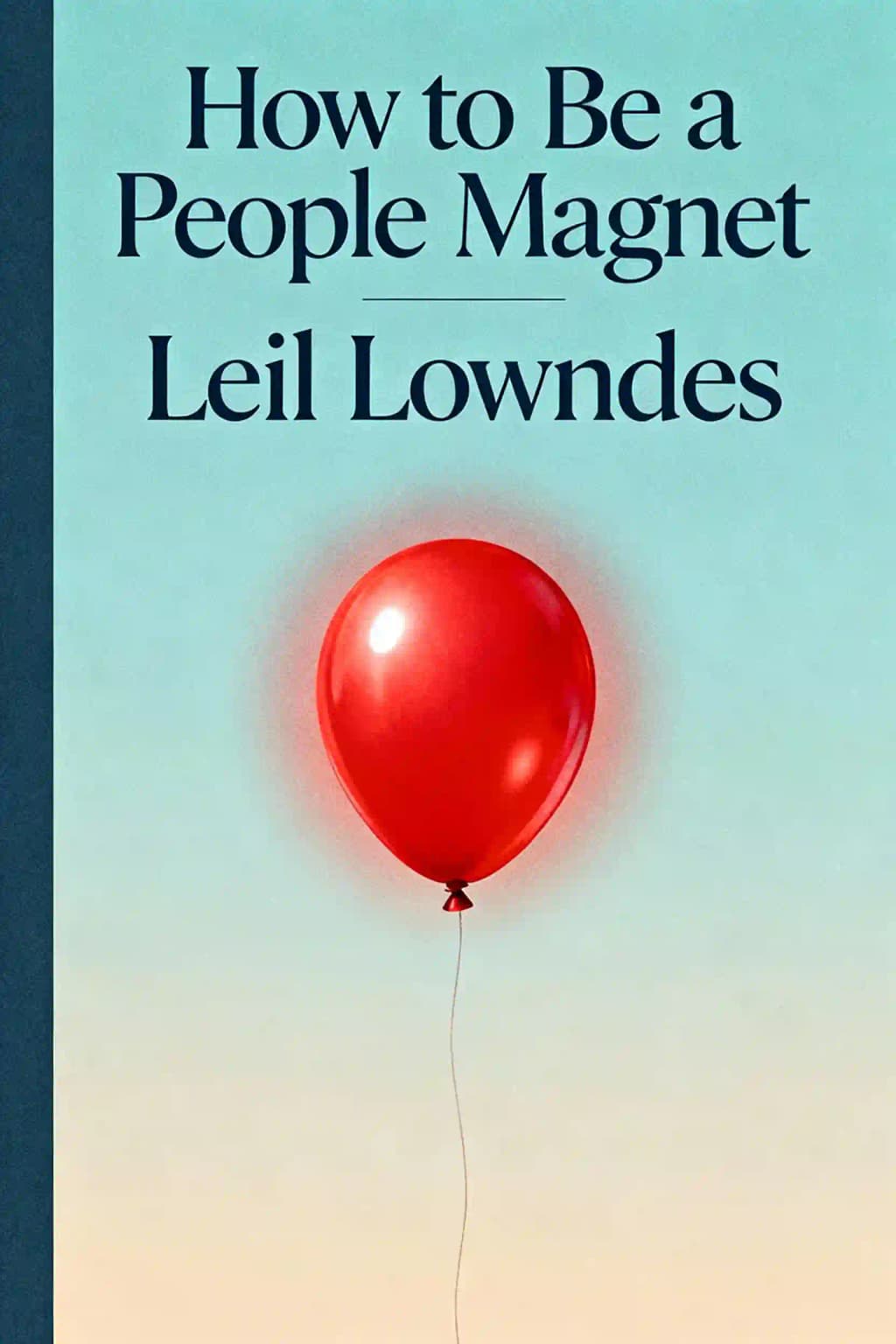
Have you ever watched someone enter a room and instantly become the center of attention? Not because they're stunningly beautiful or famous, but because they possess that inexplicable quality that draws people toward them like moths to flame? Leil Lowndes, a communications expert who has coached Fortune 500 executives and conducted relationship seminars worldwide, calls these rare individuals "people magnets" - and in her groundbreaking book, she reveals their secrets can be learned by anyone. "How to Be a People Magnet" has become a cult favorite among celebrities like Jennifer Aniston and Ryan Reynolds, who reportedly keep dog-eared copies on their nightstands. The book's enduring popularity stems from its unique approach: rather than offering generic advice, Lowndes presents a contract with yourself, backed by sociological research and real-world testimonials. In a world increasingly dominated by digital connections, Lowndes' insights on authentic human relationships have only grown more valuable, making this book a cornerstone text in the modern pursuit of meaningful connections.
Глава 2
The Ultimate Investment: Relationships as Life Currency
The most valuable investment you'll ever make isn't in stocks, real estate, or cryptocurrency-it's in your relationships. While many of us obsess over financial security, we often neglect the connections that provide true safety and happiness when life inevitably throws its curveballs.
I discovered this truth in the most painful way possible. During what I now call my "dark winter," I experienced a devastating depression that rendered me unable to perform even the simplest tasks. Bills piled up unopened. Basic decisions became impossible mountains. I lost weight rapidly and contemplated ending my life, calculating cliff heights to ensure "instant relief" from my suffering.
What saved me wasn't my bank account or career achievements, but two friends who stepped in when I couldn't function. My roommate Phil handled organizational matters while my boyfriend Giorgio provided constant physical care. They became what John Lennon might have called "getting by with help from my friends" personified. When the depression suddenly lifted-on December 30th at 4:05 PM, as precisely as I can recall-I emerged with a profound realization: friendship is the ultimate insurance policy, one you can't purchase with money but must earn through time, personality, and love.
This experience completely transformed my philosophy. Previously, I believed in radical self-reliance-that we are our own best friends. My depression taught me that sometimes we become our own worst enemies, and in those moments, we desperately need others to protect us from ourselves. There is truly "no dungeon darker than the mind," and friends hold the keys to our release.
The first commandment of friendship might seem paradoxical: to receive, you must first give. While true friendship eventually becomes selfless, relationships begin with mutual exchange. My friends helped me during my darkest hours because I had previously given them knowledge, laughter, and kindness. This principle extends to romantic relationships too, where "equity theory" suggests we evaluate potential partners based on what they bring to the relationship across six dimensions: looks, money, prestige, intelligence, personality, and character.
The message is clear: to attract more friends and lovers, consciously grow your gifts in all areas, especially character. As you develop these qualities, you naturally become more magnetic to others.
Глава 3
The Fatal FUD Factor: Overcoming Fear, Uncertainty, and Doubt
What's the number one people repellant? Fear, Uncertainty, and Doubt-the "fatal FUD factor." This toxic trio manifests as awkwardness in social situations, hesitation when approaching potential romantic partners, and self-consciousness that prevents authentic connection.
Eliminating FUD isn't as simple as reciting positive affirmations. Unlike many motivational approaches that assume one strategy works for everyone, rely on personal opinion rather than research, or fail to secure commitment from their audience, becoming a people magnet requires practical techniques backed by science and your personal commitment to implementation.
Confidence is essential for success in all aspects of life. A University of Pennsylvania psychology study found that optimistic insurance sales representatives sold 37% more than their pessimistic colleagues, despite identical training and experience. The company even hired 100 "optimists" who had failed the standard industry exam, and these individuals outperformed qualified agents by 10%.
This optimism extends beyond professional success to literal life-saving potential. My cardiologist friend Carolyn once had a patient with severe heart disease who directly asked if he would survive open-heart surgery. Though his chances were slim, she told him he would be fine. Against all medical expectations, he survived and lived several more years, demonstrating how belief can influence physical outcomes.
The good news? Confidence can be cultivated through specific practices. When you make mistakes, ask yourself: "What can I learn from this?", "What else can I learn from this?", and "What can I do differently next time?" Continue until you exhaust all answers, while also acknowledging what you did well that day. This transforms setbacks into growth opportunities rather than confidence killers.
For those struggling with shyness-which affects 30-48 percent of adult Americans-the consequences can be severe: difficulty making friends, dating less, lower marriage rates, less satisfying careers, and increased psychological issues including self-deprecation, inhibited behavior, loneliness, anxiety, and depression. The remedy? Force yourself to talk to strangers in safe settings like elevators or lines. Consider getting a distinctive pet (like my leash-walking Siamese cat) that naturally prompts conversation with passersby. Practice one or two social techniques at a time until they become second nature-initially awkward but eventually fluid, like learning to ski.
Глава 4
The Art of Instant Connection: Making Strangers Like You
People Magnets possess an uncanny ability to make others feel special from the first moment of interaction. This isn't magic-it's a learnable skill based on understanding human psychology and practicing specific techniques.
The foundation of instant likability is what I call "In-Your-Shoes" communicating. Instead of focusing on your own needs and perspective, phrase your communication from the other person's viewpoint. When my friend Dale speaks to waitresses, cashiers, or gas station attendants, he frames his requests with their position in mind, earning smiles and creating meaningful connections from ordinary interactions.
Eye contact transforms mundane exchanges into magic moments. Give strangers an extra second or two of eye contact after conducting business-what I call "eye messages" rather than "I messages." This brief additional connection communicates respect and recognition of the other person's humanity.
When expressing gratitude, use the "expanded thank-you" approach by specifying why you're thankful. As a former flight attendant, I discovered that saying "Good-bye, I hope you enjoyed your flight" brought sincere smiles from passengers, unlike standard farewells. This simple addition transforms routine acknowledgments into meaningful exchanges.
The "trifling touch"-a brief, fleeting contact-creates warmth and acceptance between people. Rather than tapping someone's shoulder for attention, apply a longer, gentler touch when appropriate. Women can use this technique more freely than men due to concerns about harassment, but when used appropriately, this subtle physical connection spreads goodwill.
Your smile should be as unique as a fingerprint-slow, flooding, and sincere. I witnessed this power when a grumpy old man in a doctor's waiting room was transformed by a baby's genuine smile. Unlike quick, professional smiles, the baby's expression was a "just-for-you-because-I-like-looking-at-your-face" smile that melted his cantankerous exterior. Look at each person, see their beauty, and let a smile slowly erupt from your heart.
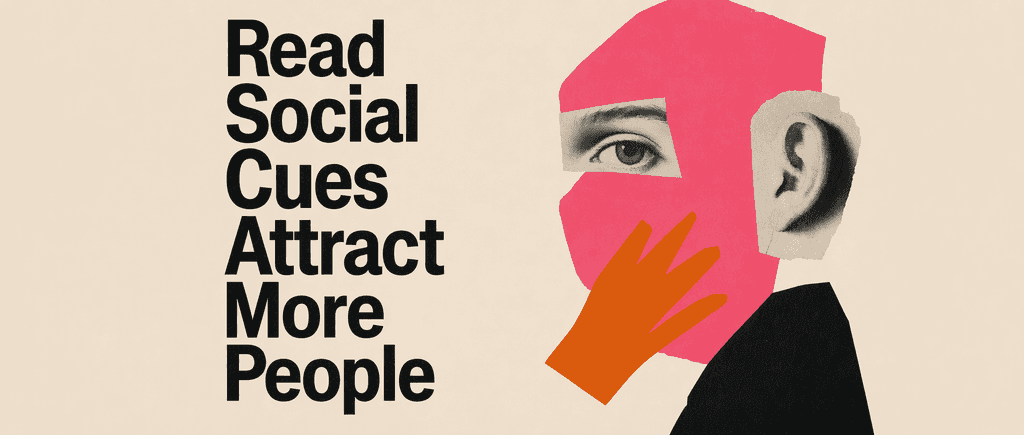
Becoming sensitive to people's body language while they're speaking-what I call "listening to their heart"-creates profound connection. My friend Deborah trained her daughters to read nonverbal signals, which I initially dismissed as another of her fads. But when I visited her in San Francisco, I discovered her daughter Lucy had an uncanny ability to determine who was telling the truth in children's games and intuitively understand classmates' feelings about personal issues like parental separation. This emotional intelligence made her beloved among peers.
Глава 5
The Gender Communication Bridge: Speaking Each Other's Language
Men and women often seem to speak different languages, creating unnecessary misunderstandings. By recognizing these differences and adjusting accordingly, you can dramatically improve your cross-gender communication.
For men speaking to women, avoid gender-specific terms and sexual references at work, speak less didactically, state observations before making requests, soften commands with phrases like "could you?", be more tentative when interrupting, use more feeling words, add tag lines to solicit opinions, show caring and respect, and occasionally say "I'm sorry."
For women speaking to men, lower your voice, speak more directly and less hesitantly, use complete sentences without beating around the bush, avoid humble introductions like "I'm sorry to bother you," minimize feeling words and substitute facts, drop tag lines, show appreciation and trust, and never apologize unless you mean it.
Even listening styles differ dramatically between genders. Men listen silently like "nails," while women constantly nod and make supportive noises. When listening to men, women should minimize constant nodding and verbal affirmations like "uh huh" that men may perceive as interruptions. Instead, stand still and simply look at him while he speaks. Conversely, when listening to women, men should use supportive statements like "uh huh" and "yes, I see" while nodding to show understanding.
These differences extend to emotional processing. When upset, men typically prefer to process problems privately and feel their control is questioned when pressed to discuss their feelings. Women should offer support once without pressing further: "I'm here if there's anything you'd like to talk about." Meanwhile, men should recognize that women interpret silence as rejection rather than strength, and occasionally share their troubles to demonstrate trust.
Unlike men who prefer space when upset, women expect their partners to notice their distress and inquire about it. Men who understand this gender difference know that offering help and support to women during stressful times is both expected and appreciated. When a woman appears troubled, ask "What's wrong?" to show you care.
Глава 6
The Science of Attraction: Cupid's Chemical Secrets
The mystery of romantic attraction has puzzled philosophers and poets for centuries, but modern neuroscience has finally captured Cupid's secrets in molecular detail. That euphoric feeling of being in love stems from a complex cocktail of brain chemicals, primarily phenylethylamine (PEA), dopamine, and norepinephrine flooding our neural pathways. These create effects remarkably similar to amphetamines, literally leaving us "stoned out of our gourds." During this phase, we experience heightened energy, decreased appetite, increased heart rate, and a remarkable ability to focus intensely on our beloved while the rest of the world fades into background noise.
This chemical high, often called "limerence" by researchers, typically lasts only 1.5 to 3 years - a timeframe that correlates interestingly with the minimum time needed to conceive and bear a child. This natural decline doesn't indicate relationship failure-it's nature's carefully crafted design for species propagation. As PEA levels gradually decrease, the brain begins producing more endorphins and oxytocin, creating deeper feelings of security, attachment, and well-being that support family life and successful child-rearing. This transition from passionate to companionate love, while sometimes mourned by couples, actually predicts greater relationship satisfaction and longevity.
Some individuals become what relationship experts term "love junkies," compulsively seeking new relationships to maintain that initial neurochemical rush. This pattern often manifests in serial monogamy or chronic affairs. Others are repeatedly drawn to "bad boys" or destructive relationships for similar neurochemical reasons - whether it's the appearance of confidence triggering dopamine release, childhood attachment patterns where being pushed around became neurologically linked with being loved, or the need for relationship drama to recapture intense emotional states. These patterns can be particularly challenging to break because they're reinforced by both psychological and physiological rewards.
Research has identified three paradoxical methods for maintaining passionate love: facing constant adversity together (which triggers adrenaline and intensifies attraction), living with the perpetual threat of losing your partner (maintaining high dopamine levels through uncertainty), or remaining physically separated most of the time (preventing habituation). However, these strategies come with significant emotional and practical costs. The key question becomes: is the price of maintaining constant PEA-driven passion worth it compared to developing the deeper, more stable endorphin-based "forever love"?
Extensive studies on lasting relationships consistently identify three critical factors: a strong belief in marriage as a meaningful social or religious institution, a healthy recognition of the emotional and practical costs of separation, and most crucially, genuine respect for one's chosen partner. While PEA-driven passion provides an intoxicating but temporary biological foundation, enduring love incorporates not just feelings for each other, but a deeper commitment to the principles of love itself - including patience, understanding, and the willingness to grow together through life's inevitable changes.
Глава 7
Strategic Attraction: Finding and Keeping Love
Finding love requires active participation rather than passive waiting. Many complain about not meeting the right person while doing nothing to put themselves in situations where potential partners might be found. This passive approach often leads to frustration and missed opportunities, as meaningful connections rarely happen by chance in our increasingly isolated modern world.
The key to meeting compatible partners is attending events aligned with your genuine interests-alone. One woman complained about not meeting cultured men while never attending cultural events herself. To find someone who shares your passions, you must actively participate in those activities at least once weekly (twice if you're serious about finding love). Whether it's art galleries, cooking classes, hiking groups, or book clubs, these venues provide natural conversation starters and reveal shared values. Going alone, rather than with friends, makes you more approachable and forces you to engage with others.
Courtship follows a precise, unspoken choreography that researcher Dr. Perper observed in singles bars. This "Dance of Intimacy" begins with subtle signals and proceeds through carefully timed responses, involving five distinct stages: positioning, orientation, approach, conversation, and synchronization. Women initiate two-thirds of all romantic encounters through subtle invitations like smiles, brief glances, or hair touches, though most men don't realize it. When someone approaches you, match their exact energy level-not more enthusiastic (which appears desperate) and not less (which signals disinterest). This energy matching extends to voice volume, speaking pace, and body language.
For men approaching women, follow a three-step strategy: first establish eye contact with a respectful nod and smile, holding it for 2-3 seconds to show intention; second, observe her body language (turning toward you is positive, while crossed arms or turned away posture signals disinterest); third, begin conversation with neutral, courteous comments using an open-ended question about the immediate environment or shared activity. Throughout the interaction, pay special attention to your voice quality-women prefer voices that are warm, confident and expressive with a low timbre. Research shows that vocal variety and appropriate pausing significantly increase attraction.
Having prepared responses for rejection makes approaching strangers less intimidating. When advances are rebuffed, a graceful exit strategy preserves dignity and sometimes even turns initial rejection into eventual interest. Clever comebacks like "He's a lucky man" (when told she has a boyfriend) or "That's my great loss" (when she's not in the mood to talk) transform potentially awkward moments into respectful interactions. The key is maintaining composure and showing emotional intelligence through humor and grace.
Research shows people are naturally attracted to those who resemble themselves, a phenomenon known as assortative mating. Married couples show similarities not just in expected areas like age, education, and background, but remarkably in physical features-from earlobe length to distance between eyes, finger length ratios, and even nose width. This phenomenon is especially strong in societies where paternity certainty is highly valued. Studies have found that couples who share physical similarities tend to have longer-lasting relationships and report higher satisfaction levels, possibly due to unconscious genetic compatibility signals.
Success in finding love often comes down to three key factors: consistent exposure to potential partners through shared interests, mastery of subtle courtship signals, and understanding the natural tendency toward similarity attraction. By actively managing these elements while maintaining authenticity, your chances of finding compatible partnership significantly increase.
Глава 8
Building Your Personal Round Table: The Network of Knights
Beyond friends and lovers, People Magnets cultivate a network of "knights"-trusted experts in various fields who can help during life's challenges. These are the people you turn to when facing problems, whether planning a vacation (the travel agent friend), dealing with legal issues (the lawyer friend), or handling pet emergencies (the veterinarian friend).
I learned the importance of this network the hard way when my neglected old car became an embarrassment. Despite my polished professional appearance, I kept postponing buying a new car because I lacked automotive knowledge and didn't know anyone who could help. After overhearing workmen describing my car in unflattering terms, I resolved to never again be without knowledgeable contacts for every conceivable predicament.
Your "Friend Insurance Policy" should include connections across diverse professions-from accountants and lawyers to veterinarians and tree surgeons. At social events, mentally check off potential helpful contacts like spotting animals on an African safari. Constantly seek out people who are the best in their fields, share gifts with them, and build friendships. Maintain these relationships through occasional cards, emails, calls, and thoughtful gestures, comparing friendship maintenance to paying insurance premiums to keep the policy active.
Neighborhood connections can be as valuable as professional contacts in emergencies. Just as you need to deposit money before withdrawing from a bank account, you must invest emotionally in neighbor relationships before asking favors. Stop to chat, host gatherings, invite neighbors for meals or TV events, bring small gifts from travels, call after storms, and welcome newcomers. These actions build a "Good Neighbor Account" from which you can draw when needed.
Consider reconnecting with old friends and lovers as well. After finding three old connections through web searches-a college friend, a first boyfriend, and an Anglophile acquaintance-I discovered these reunions were emotionally intense and profoundly valuable. Whether the reunion leads to rekindling or simply confirms why you left them "in your rearview mirror," the experience awakens emotions we forget we're capable of.
Глава 9
The Transformative Power of Being Different
People Magnets don't just fit in-they stand out by embracing what makes them unique. The story of "Nicky the Nose," an actor who made his living from his distinctive nasal talents, illustrates how embracing one's unique qualities rather than trying to conform can lead to success and admiration. Nicky carried a two-million-dollar insurance policy on his nose and built his career around what others might have considered a flaw.
This principle extends to embracing diversity in your social circle. One of mankind's greatest steps forward is our growing appreciation for differences. During my high school years, I befriended Lacey, an African-American student from Bermuda, but shamefully abandoned our lunch meetings after being warned about sitting at "the Negroes table." Another student named Carolyn boldly crossed racial lines by publicly befriending Lacey, earning respect from peers. I've since formed many cross-cultural friendships that have enriched my life immeasurably.
People Magnets also challenge social hierarchies by befriending those outside their usual circles. The popular kids in high school often maintain harmful clique systems, causing lasting psychological damage to those excluded. By seeking out someone less socially accepted and genuinely befriending them, you not only share your "stardust" but might discover that today's unpopular person becomes tomorrow's Bill Gates, Barbra Streisand, or influential figure in your life.
Similarly, extremely attractive people ("tens") often struggle with loneliness because others are too intimidated to approach them. Our perception of our own attractiveness determines who we approach romantically, with studies showing people consistently choose partners matching their perceived attractiveness level. By overcoming fear of approaching highly attractive individuals, you open possibilities others miss through self-limitation.
The most powerful transformation comes from standing up for what you believe is right, whether challenging racial discrimination or high school cliques. While others will appreciate this stance, the most important outcome is self-respect-the foundation for becoming genuinely likable to others. In the end, the magnetic quality that draws others to you stems not from techniques alone, but from the authentic expression of your best self, embracing your uniqueness while respecting the uniqueness in others.
Глава 10
The Daily Practice of Magnetic Connection
Becoming a People Magnet isn't about dramatic personality overhauls but consistent daily practices that gradually transform how you relate to others. These small actions, performed regularly, create the magnetic quality that draws people toward you.
For men, this includes telling your girlfriend or wife about her beauty or expressing your love in poetic, lyrical language at least once every day. Women respond powerfully to words that could be set to music or spoken in poetry, even if your attempts feel clumsy. This explains the legendary appeal of Italian men, who captivate women not through looks or bedroom skills, but through their mastery of dramatic, poetic compliments.
Another powerful daily practice is the "Minute an Hour Treatment": give your partner one minute of complete, undivided attention for every hour you've been apart (up to 24 hours). This includes making small talk, working in a compliment, and showing complete focus. For shorter separations, scale down accordingly-five minutes after half a day, two minutes after a couple hours, and at least sixty seconds after just an hour apart.
For women, understanding men's silence as contentment rather than disinterest transforms everyday interactions. When a man feels secure in a relationship, he often becomes contentedly silent, no longer feeling the need to impress or compete. This doesn't indicate loss of interest but rather trust and relaxation.
In professional settings, constantly look for opportunities to perform thoughtful acts for colleagues-what one company called "Thanks, You Made My Day" recognition. These small gestures accumulate goodwill and genuine appreciation that can advance your career while creating a more positive environment.
With strangers, commit to talking to at least ten people daily if feeling shy, bringing enthusiasm to your voice and warmth to your expression. Practice proper handshakes with eye contact and sincere smiles, ensuring webs touch, exerting light pressure, keeping palms close, and holding hands perpendicular to the floor.
When hugging, hold tight for a second or two longer than usual to make the embrace genuine. In conversation, maintain high energy by eliminating long pauses, giving detailed answers to questions, and keeping dialogue flowing by asking questions that return focus to the other person.
These daily practices-consistently applied and refined-transform you from someone who occasionally connects well with others to a true People Magnet whose presence naturally draws others in, creating a life rich with meaningful relationships of all kinds.