Глава 1
The Soul's Journey from Brokenness to Beauty
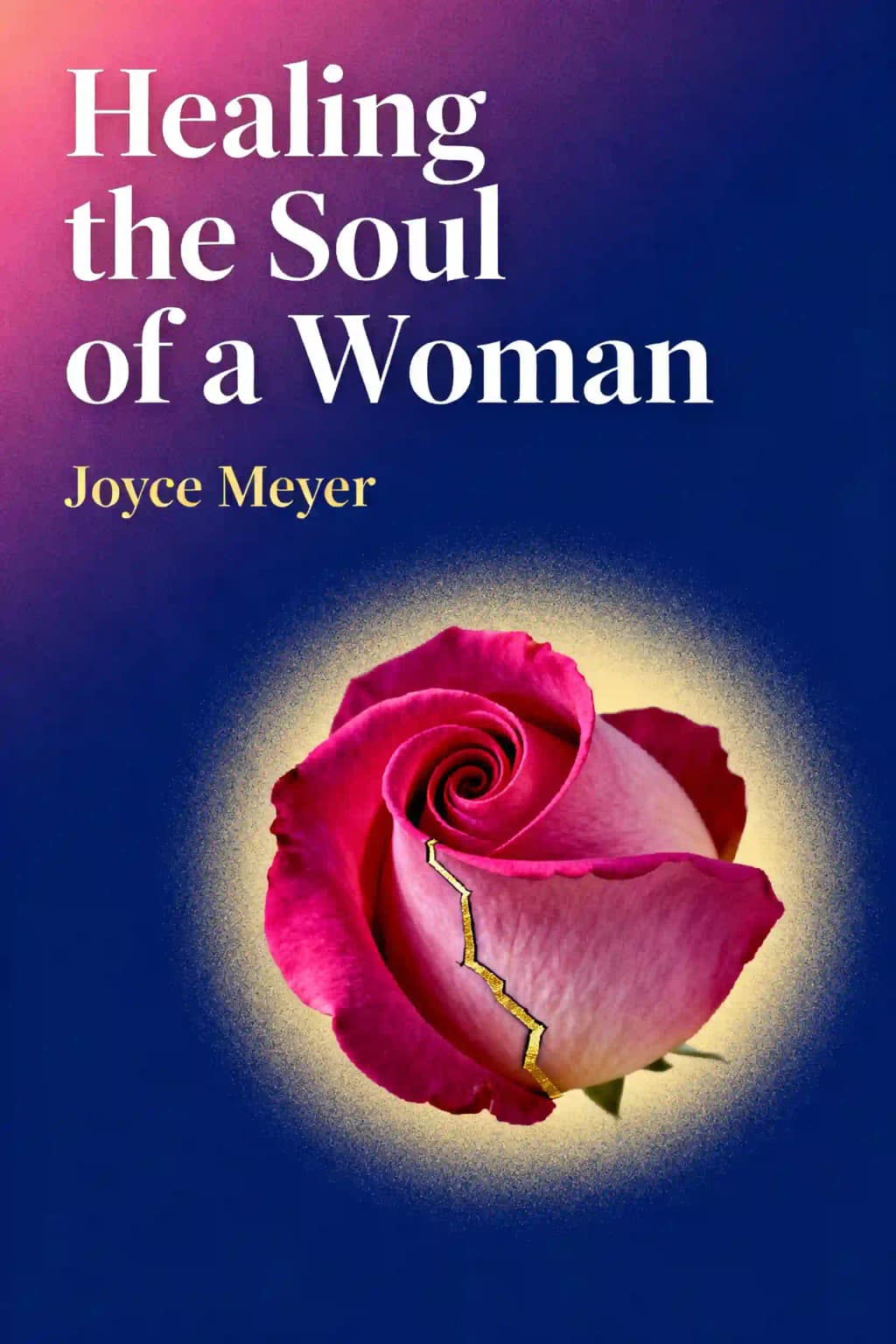
Have you ever felt so deeply wounded that you wondered if true healing was even possible? Joyce Meyer's "Healing the Soul of a Woman" answers with a resounding "Yes!" As a woman who endured sexual abuse from her father, abandonment by her mother, and betrayal in her first marriage, Meyer speaks with the authority of someone who has walked through the valley and emerged whole on the other side. This isn't just another self-help book-it's a roadmap to restoration that has resonated with millions worldwide, becoming a #1 New York Times bestseller and earning praise from figures like Oprah Winfrey, who called it "a lifeline for women seeking to reclaim their authentic selves." What makes this work particularly powerful is how Meyer combines biblical wisdom with practical psychology, creating a healing approach that addresses both spiritual and emotional dimensions of trauma.
Глава 2
The Divine Design and Historical Wounds of Womanhood
Women are God's deliberate creation - not an afterthought but a carefully crafted complement to man. When God formed Eve from Adam's rib, the symbolism was clear: she was taken from his side to walk beside him as an equal partner, not from his feet to be trampled upon. This divine design emphasizes mutual respect, shared purpose, and equal dignity. The Hebrew word "ezer" used to describe Eve means "helper" - the same word used to describe God helping humanity, suggesting strength and essential partnership rather than subordination.
The systematic oppression of women across cultures and centuries reveals a pattern too consistent to be coincidental. Meyer identifies this as a deliberate satanic attack on God's creation, targeting the very essence of feminine identity and purpose. Consider that American women weren't granted voting rights until 1920, following decades of struggle and resistance. Globally, women still lose over $840 billion annually due to wage gaps, with some countries showing disparities as high as 40%. Education statistics paint an equally troubling picture - 65 million girls worldwide aren't in school, and two-thirds of the world's 774 million illiterate people are female. In regions like sub-Saharan Africa, girls face multiple barriers to education, including early marriage, poverty, and cultural bias. Perhaps most horrifying is gendercide, with an estimated 126 million women missing worldwide due to sex-selective abortion and infanticide, particularly in countries where son preference remains deeply entrenched.
When we experience such profound wounds, we naturally develop protective mechanisms - emotional armor that seems necessary for survival. Meyer candidly confesses developing a hardened attitude with thoughts like: "No man will ever push me around again" and "I'll never trust anyone." These protective thoughts may feel necessary in the moment, but they ultimately become prison walls that keep us isolated. Such defensive patterns can manifest in various ways: perfectionism, control issues, inability to form deep relationships, or chronic distrust of authority figures.
The path to healing begins with inviting Jesus not just into our hearts but into our attitudes and thought patterns. The apostle Paul instructed believers to adopt Christ's humble mindset - a revolutionary concept for those carrying deep wounds. While humbling ourselves feels frightening when we've been hurt, true meekness isn't weakness but strength under control. It's knowing when to stand against wrong and when to yield - a discernment that comes through spiritual growth and healing. This transformation requires acknowledging past hurts while refusing to let them define our future. Meyer emphasizes that healing is both a divine gift and a journey of active participation, where women learn to embrace their God-given identity while setting healthy boundaries.
Глава 3
Embracing the New Way of Living
What constitutes "the good life"? Many envision luxury possessions or tropical vacations, yet countless wealthy individuals remain profoundly unhappy. True life-abundant life-comes through Jesus Christ, who promised life "to the full, till it overflows." This isn't about material prosperity but about experiencing righteousness, peace, and joy regardless of circumstances.
We eagerly pursue technology upgrades, waiting in lines and spending considerable money for the newest devices. Shouldn't we be equally aggressive about upgrading our spiritual and emotional lives? Just as with new technology, we must learn how to work with God's plan rather than against it. Ephesians 2:10 describes this beautifully: we are God's workmanship, recreated in Christ to walk in the good paths He prepared for us.
This new way of living begins with receiving Jesus as Savior-not merely attending church or trying to be good. When we're born again, Jesus actually comes to live within us through His Spirit. Instead of following rules hoping for divine rewards, we can be led by the Holy Spirit into God's full plan for our lives. Some aspects of this new life feel uncomfortable at first, like forgiving our enemies and blessing those who've hurt us. For Meyer, forgiving her abusive father and neglectful mother seemed unreasonable and took tremendous time and pain. Yet every difficult path God led her down ultimately brought her to a better place.
God's Word serves as medicine for wounded souls, bringing healing and renewal to our minds. Solomon wrote that God's words bring "life to those who find them, healing and health to all their flesh." Like medicine for physical ailments, Scripture works as spiritual medicine when taken into our heart consistently. Whether through Bible study groups, godly counseling, or personal study, the Holy Spirit guides us toward healing when we seek His help.
Глава 4
The Wounded Become Healers
Our problem isn't in being wounded but in whether we're willing to be healed. God actually uses our wounds to give us wisdom and equip us to bring light to other wounded souls. As Brennan Manning wisely noted, "If we conceal our wounds out of fear and shame, our inner darkness can neither be illuminated nor become a light for others."
What qualifies Jesus to help us with our pain? Though He is the Son of God, Scripture reveals He chose to experience human suffering. Hebrews tells us He "learned obedience through what He suffered" and became "perfectly equipped" to be our Savior. As our High Priest, He can "understand and sympathize and have a shared feeling with our weaknesses" because He's experienced what we go through.
This amazing truth gives hope that our own painful experiences can help others. God takes what Satan intended for harm and works it for good-not just for us but for those who need our help. Unlike earthly armies that hospitalize wounded soldiers, God promotes His wounded warriors to positions of greater influence.
David spoke of "sanctified experiences"-painful events set apart for God's use. Though our suffering doesn't come from God, He can sanctify it for His purposes. Women experience many soul wounds-abuse, betrayal, rejection, loss, illness, prejudice-but none need be wasted. By offering our broken pieces to God, He creates something beautiful.
Though abuse can mark women's brains in certain patterns-especially sexual abuse, which is considered most destructive to a woman's soul-we are sealed by the Holy Spirit for God's special purpose. Like logs in ancient Ephesus that were branded by logging companies before being sent downstream, we have been bought with Jesus's blood and marked as God's own, protected from theft. We are safe with God, which addresses one of women's deepest needs.
Глава 5
Understanding Soul Health
The soul-that mystical, often misunderstood inner realm comprising mind, will, and emotions-is where true rest is found or lost. A healthy soul rests in God rather than being emotionally distraught, worried, anxious, or burdened with guilt. This supernatural rest comes through trusting God completely, even amid overwhelming responsibilities. Like a calm harbor in a storm, soul rest provides stability when external circumstances threaten to overwhelm us.
Women shoulder tremendous responsibilities, especially single mothers juggling work, childcare, household management, and personal growth. These daily demands can feel crushing without proper soul care. We can't ignore these duties, but we can approach them differently. Jesus invites us to cast our cares on Him-not to shirk responsibilities but to handle them without soul-depleting stress. When we're at rest internally, our energy increases dramatically, much like a well-maintained engine running smoothly rather than straining. Even experienced believers sometimes slip back into old patterns of worry and stress, particularly during challenging seasons like financial hardship or family illness, but God's mercy always offers fresh starts.
Entering God's rest comes through believing His promises and acting on that belief daily. Our will must choose God's will, as self-will and divine rest cannot coexist. This exchange of our will for God's takes time and can be painful, much like training spiritual babies who naturally want their own way. It often involves releasing control over outcomes, relationships, and timing-a process that may feel counterintuitive at first. The more we trust God, the easier life becomes, as we discover He faithfully cares for what we commit to Him-though perhaps not in our timing or way. This might mean accepting a different career path, embracing singleness longer than expected, or finding peace with unresolved relationships.
Life transformation requires mind renewal-a complete overhaul of our thought patterns and beliefs. For those with wounded souls, much of their thinking likely contradicts God's Word, shaped by past trauma, cultural messages, or negative experiences. Satan uses our thoughts to control us, suggesting lies we needn't accept about our worth, potential, and God's goodness. Like Meyer once believed her abuse meant a second-rate life, wrong thinking keeps us in bondage until we discover God's liberating truth. This renewal process involves identifying toxic thought patterns, replacing them with biblical truth, and consistently practicing new ways of thinking until they become natural responses to life's challenges.
Глава 6
The Journey to Self-Understanding
Many of us have heard others say, "I don't understand you at all!" Yet we often cannot explain ourselves because we don't understand our own behaviors, words, or reactions. Learning to understand the root causes of our behaviors is vital to changing them. When we have strange reactions to people or situations, we should pause and ask God to reveal why we behaved as we did. Often, our actions stem from deep-seated fear, insecurity, or past wounds.
Discernment means seeing beyond surface appearances to spiritual truth-perceiving the motives behind our behaviors. When we have wrong attitudes or reactions, we must pause and ask God to reveal their source. This might reveal uncomfortable truths like jealousy or fear, but facing these realities brings freedom, not condemnation. Walking in the light with God allows Him to reveal truth without shame.
Understanding our personality types can provide valuable insight into our natural tendencies, strengths, and weaknesses. Though we're born with certain temperaments, we can learn to be Spirit-led in our responses rather than controlled by our weaknesses.
The journey to soul healing isn't one-size-fits-all, but certain elements are non-negotiable. A personal relationship with God and diligent study of His Word form the foundation. Reading books based on biblical principles, especially those by Christian counselors, can provide valuable insights-though we must always filter what we read through Scripture. Professional counseling may help some, while others find healing through connecting with people who've experienced similar pain.
The power of empathy shouldn't be underestimated. Talking to someone trustworthy about our pain steals its power over us, as secrets often fester in our souls. Above all, we need patience-healing usually comes gradually-and persistence, never giving up on the amazing person waiting to emerge from within.
Глава 7
Receiving God's Unconditional Love
Unconditional love is humanity's deepest desire-to be loved for ourselves or perhaps in spite of ourselves. While no person can truly provide completely unconditional love, God can and does. The startling truth is that God loves us at this moment as much as He ever will. His love isn't based on our performance but on His character.
This concept often confuses people because we're accustomed to earning everything good in our lives. The apostle John tells us to put faith in God's love, receiving it first by belief before we begin to feel it. Being God's "beloved" means being the object of His affection and endearment-being loved at every moment in time without interruption. This revelation of divine love brings not only healing to wounded souls but also confidence and courage, casting out fear and enabling us to love others without reservation.
Meyer shares how God directed her to teach about His love during her first public speaking opportunity. Despite her initial resistance, thinking everyone already knew God loved them, she discovered both her audience and she herself needed this revelation. She had believed God's love was conditional, but through diligent study of scripture and meditation on God's love, she began to truly feel loved.
Paul encouraged believers to be "rooted deep in love," as deep roots enable trees to withstand storms. Similarly, a deep revelation of God's love enables us to stand firm through life's trials. Meyer encourages readers to watch for signs of God's love in daily life, even in small things, approaching our relationship with God with childlike trust and dependence.
God loves us simply because He chooses to-it satisfies His own intense desire as Love itself. We can't find logical reasons why God loves us, but we must choose to receive this love by faith rather than continue living broken lives. The difference between "getting" and "receiving" is crucial-we cannot earn God's love through struggle and effort because He already loves us with an everlasting love. Even in our mistakes and problems, nothing can separate us from Christ's love.
Глава 8
The Healing Power of Forgiveness
Forgiving those who've hurt us is perhaps the most difficult part of the healing journey. Understanding that "hurting people hurt people" helps this process. Meyer shares how her father, who sexually abused her, came from a family where incest was common, and how he was likely acting out of his own unresolved pain. Her mother stayed in an abusive marriage out of fear and limiting beliefs. Forgiveness doesn't excuse the abuser's responsibility but prevents them from continuing to hurt us through our memories and bitterness.
Forgiveness is identified as the single most powerful action we can take for healing. Though difficult, choosing to forgive and release bitterness, anger and resentment toward others saves us from years of emotional torment and frees us to move forward. Meyer presents forgiveness as non-negotiable for anyone seeking restoration, reminding readers that Jesus modeled forgiveness even while suffering on the cross.
Jesus taught us to forgive others as we want to be forgiven. Forgiveness means releasing burdens that can cause mental and physical illnesses. When we hold onto resentment, we poison ourselves like a cornered rattlesnake biting itself. Though forgiveness isn't easy, God helps those who decide to forgive. We must stop replaying betrayals in our minds, as this keeps us emotionally captive. As Nelson Mandela wisely said after 27 years in prison: "If I hated them after I got outside the gate, then they would still have me...I wanted to be free, so I let it go."
Our secrets make us sick inside, festering in our souls and affecting our behavior. Repressed anger can be more dangerous than expressed anger, as it manifests in depression, anxiety, eating disorders, addiction, and violence. Getting to the root of our problems rather than treating symptoms is essential for soul healing. When we expose our wounds to the light, they lose their power over us.
Beyond deciding to forgive, God instructs us to pray for and bless our enemies-a challenging but transformative practice. When we pray for our enemies' blessing, we're asking God to reveal truth that can free them from their abusive nature. By overcoming evil with good, we help ourselves more than our enemies. Scripture teaches that blessing those who curse us makes us children of the Most High, bringing a rich reward.
Глава 9
Breaking Free from Guilt and Shame
Guilt and shame are among the most tormenting, destructive emotions that wounded people experience, yet God promises complete deliverance from both. The devil whispers lies that make us believe what happened was our fault, but people don't abuse or mistreat us because something is wrong with us-they do it because something is wrong with them.
Guilt settles in our souls in only two ways: when we've done something wrong and never asked forgiveness, or when we've asked but not received God's mercy and forgiveness. When God forgives, He removes sin "as far as east is from west" and "remembers it no more." Jesus took our transgressions and guilt upon Himself, promising healing and wholeness through His sacrifice.
Shame confounds, confuses, and defeats us. It makes us feel doomed and leaves us dry, lifeless, and disappointed. Meyer discovered that beyond being ashamed of what happened to her, she was ashamed of who she was because of it. This core shame poisoned everything in her life.
The remedy is embracing our rightness (righteousness) with God through Christ. When we truly believe we've been made right with God, we stop feeling guilty and ashamed. This truth must travel from head to heart through persistent study and confession of God's Word. Even when we're not where we want to be spiritually, we can celebrate progress instead of feeling ashamed.
Satan constantly bombards our minds with accusatory thoughts, but having these thoughts doesn't make us guilty. He's the accuser of God's children, working day and night to prevent us from loving ourselves. We overcome him through Christ's blood, God's Word, and our testimony-which is that we're redeemed, powerful children of God filled with possibility.
Глава 10
Discovering Your True Identity
Not knowing our true identity causes confusion and emotional misery. Many wounded people develop false identities, becoming chameleons who change to please others or protect themselves from rejection. When we receive Jesus, we become "new spiritual clay," with the opportunity to be molded by the Holy Spirit rather than the world's expectations.
Meyer spent years trying to be like other women, attempting to be softer and meeker, learning to sew and garden-all things that weren't authentic to her. These efforts only led to frustration and failure. God won't help us become someone else. He's gifted each of us uniquely, and Meyer finally found freedom when she admitted what she truly loved-studying and teaching the Bible.
Finding your true self means discovering where you're comfortable, where you function easily and bear good fruit. Being yourself is like wearing your most comfortable clothes rather than something painfully tight-fitting. We all crave acceptance, but self-acceptance is our greatest need. Meyer discovered that the more she accepted herself, the more others accepted her too.
Before you can accept yourself, you must stop rejecting yourself. Henri Nouwen observed that self-rejection is life's greatest trap-even more than success, popularity, or power. It contradicts the sacred voice that calls us God's Beloved. Our true self is one who is beloved of God; every other identity is false. When we know we're God's beloved, we gain confidence to step into our true destiny.
Satan works hard to ensure we either never know our identity as God's beloved or lose sight of this truth-like spiritual amnesia. Just as Jason Bourne in "The Bourne Identity" had skills but functioned in fear because he didn't know who he was, many of us run from something to somewhere without knowing our true selves. Remember: you are a new creature in Christ, His beloved-unique, treasured, valued, and desired by God Himself.
Глава 11
Moving Forward Despite Pain
Just as street signs warn "NO PARKING AT ANY TIME," we shouldn't park our lives at the point of pain or disappointment. God created us to keep moving forward. Success isn't a one-time achievement but a continual state of being. The apostle Paul exemplified this mindset, pressing forward despite shipwrecks, imprisonment, and personal suffering. When tragedy strikes-job loss, divorce, sickness-it's crucial to keep moving, even if just inches at a time.
The movie "The Lady in the Van" illustrates what happens when we park at our pain. Based on a true story, it depicts Miss Shepherd, once a gifted concert pianist who entered a convent but was forced to give up playing piano. This heartbreak, combined with guilt over accidentally killing a man, led her to withdraw from society and live in a yellow van for fifteen years until her death. Her wounds caused her to park her life, missing out on healing and growth.
While we can't always avoid life's painful wounds, we can choose not to let them ruin our future. God promises healing and restoration, but it doesn't happen magically without our participation. We must believe His promises and keep moving forward, no matter how difficult. Paul encourages us not to draw back in fear but to preserve our souls through faith in Christ.
The devil wants us to believe it's too late, but it's never too late for God to heal and restore anyone. Even the invalid who had been bedridden for thirty-eight years was made whole. New beginnings are never in short supply with God. Like Ruth, who refused to park at the point of her pain after losing her husband and pressed forward with her mother-in-law, we too can experience new beginnings.