Ever wonder what space teaches about thriving on Earth? Astronaut Chris Hadfield's guide transforms NASA wisdom into practical life lessons. His viral Space Oddity cover (27M+ views) proves his point: preparation conquers fear, whether floating in orbit or facing everyday challenges.
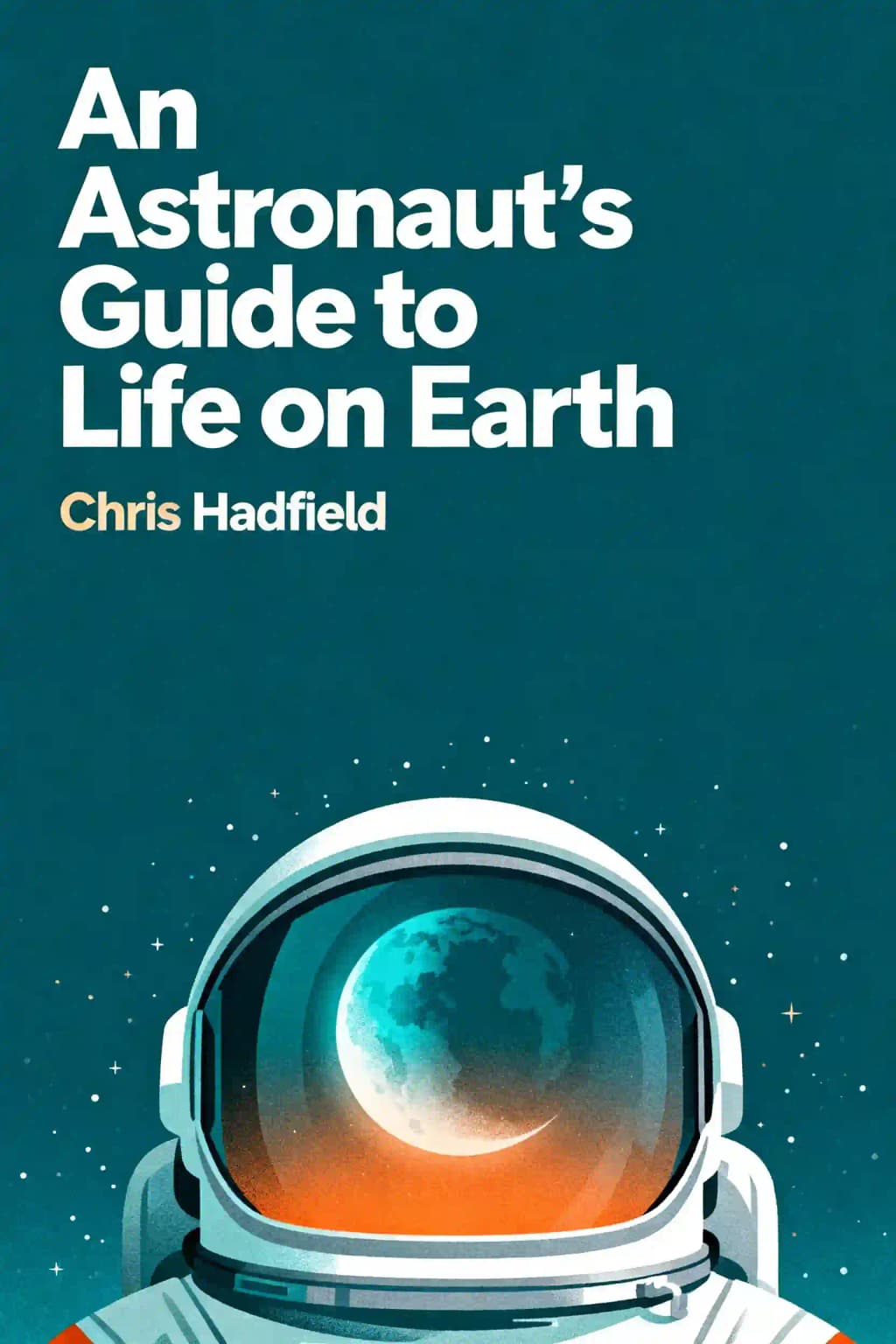
Chris Austin Hadfield, retired astronaut and bestselling author of An Astronaut’s Guide to Life on Earth: What Going to Space Taught Me About Ingenuity, Determination, and Being Prepared for Anything, is a globally recognized authority on leadership and resilience.
Born in Sarnia, Ontario, in 1959, Hadfield draws from his 21-year NASA career, which included serving as the first Canadian commander of the International Space Station (ISS) and conducting groundbreaking spacewalks. His memoir blends autobiography with practical philosophy, offering insights into teamwork, risk management, and maintaining composure under extreme pressure—themes rooted in his military aviation background, mechanical engineering education, and 166 cumulative days in space.
Hadfield’s expertise extends beyond writing. His viral social media posts and TED Talks, including a zero-gravity guitar performance of David Bowie’s “Space Oddity,” have made him a sought-after speaker on innovation and exploration. He further solidified his literary reputation with You Are Here: Around the World in 92 Minutes, a photography-driven ode to Earth from space, and the children’s book The Darkest Dark. Translated into over 20 languages, An Astronaut’s Guide to Life on Earth has sold more than a million copies and remains a staple in leadership curricula for organizations like NASA and Fortune 500 companies.
An Astronaut's Guide to Life on Earth by Chris Hadfield blends memoir with practical life lessons drawn from his NASA career. It details his journey from fighter pilot to International Space Station commander, emphasizing preparation, resilience, and mindset. Hadfield shares insights on teamwork, crisis management, and finding joy in small moments, using space missions as metaphors for overcoming Earthly challenges.
This book is ideal for space enthusiasts, aspiring astronauts, and readers seeking self-improvement. It appeals to memoir lovers, STEM students, and professionals interested in leadership or risk management. Book clubs may also enjoy its mix of storytelling and philosophical reflections.
Yes, with over 4,000 hours in space, Hadfield offers a unique perspective on perseverance and preparation. Critics praise its humility, engaging storytelling, and actionable advice. While some note repetitive themes, most find it inspiring for its blend of space anecdotes and universal wisdom.
Key lessons include:
Hadfield parallels space training with everyday challenges: managing stress, collaborating under pressure, and adapting to change. For example, ISS emergency protocols teach calm decision-making, while zero-gravity teamwork models effective communication in workplaces.
Notable quotes include:
Hadfield’s tone is humble, witty, and accessible. He balances technical jargon (e.g., spacewalk mechanics) with relatable anecdotes, like playing water-ball games in zero gravity or coping with post-space reentry. His TED talk and “Space Oddity” video fame underscore his engaging approach.
Hadfield reframes failures as learning opportunities. He shares stories of near-disasters in space, stressing the importance of meticulous preparation and adaptability. For instance, handling a blinding ammonia leak on the ISS illustrates staying calm under pressure.
Yes, it vividly describes ISS routines:
Some readers find the focus on over-preparation excessive or repetitive. Others note a lack of deeper emotional introspection. However, most agree the book’s practical advice and unique perspective outweigh these critiques.
Unlike technical memoirs, Hadfield’s work merges autobiography with self-help. It’s less narrative-driven than Endurance (Scott Kelly) but more philosophy-focused than Packing for Mars (Mary Roach). Its TED-style lessons appeal to broader audiences.
Hadfield encourages readers to adopt an astronaut’s mindset: staying curious, valuing teamwork, and appreciating Earth’s fragility. His post-space perspective—seeing borders disappear from orbit—highlights the importance of global cooperation and gratitude.
Почувствуйте книгу через голос автора
Превратите знания в увлекательные, богатые примерами идеи
Захватите ключевые идеи мгновенно для быстрого обучения
Наслаждайтесь книгой в весёлой и увлекательной форме
Sweating the small stuff is exactly what allows you to handle the big stuff.
How can I live like an astronaut today?
Excellence in the ordinary creates the foundation for extraordinary achievement.
In space, there's no problem so bad that you can't make it worse.
What's the next thing that could kill me?
Разбейте ключевые идеи An Astronaut's Guide to Life on Earth на понятные тезисы, чтобы понять, как инновационные команды создают, сотрудничают и растут.
Выделите из An Astronaut's Guide to Life on Earth быстрые подсказки для запоминания, подчёркивающие ключевые принципы открытости, командной работы и творческой устойчивости.

Погрузитесь в An Astronaut's Guide to Life on Earth через яркие истории, превращающие уроки инноваций в запоминающиеся и применимые моменты.
Задавайте любые вопросы, выбирайте голос и совместно создавайте идеи, которые действительно находят у вас отклик.

Создано выпускниками Колумбийского университета в Сан-Франциско
"Instead of endless scrolling, I just hit play on BeFreed. It saves me so much time."
"I never knew where to start with nonfiction—BeFreed’s book lists turned into podcasts gave me a clear path."
"Perfect balance between learning and entertainment. Finished ‘Thinking, Fast and Slow’ on my commute this week."
"Crazy how much I learned while walking the dog. BeFreed = small habits → big gains."
"Reading used to feel like a chore. Now it’s just part of my lifestyle."
"Feels effortless compared to reading. I’ve finished 6 books this month already."
"BeFreed turned my guilty doomscrolling into something that feels productive and inspiring."
"BeFreed turned my commute into learning time. 20-min podcasts are perfect for finishing books I never had time for."
"BeFreed replaced my podcast queue. Imagine Spotify for books — that’s it. 🙌"
"It is great for me to learn something from the book without reading it."
"The themed book list podcasts help me connect ideas across authors—like a guided audio journey."
"Makes me feel smarter every time before going to work"
Создано выпускниками Колумбийского университета в Сан-Франциско

Получите резюме книги «An Astronaut's Guide to Life on Earth» в формате PDF или EPUB бесплатно. Распечатайте или читайте офлайн в любое время.
What do you do when your dream job doesn't exist in your country? Most people would pivot. Chris Hadfield doubled down. At nine years old, watching Neil Armstrong walk on the moon from his family's farm in Ontario, Hadfield decided he'd become an astronaut-despite Canada having no space program. The odds weren't just long; they were nonexistent. Yet this impossible dream became the lens through which he made every subsequent decision: studying engineering, becoming a fighter pilot, mastering Russian. By the time Canada finally created a space program and selected him from 5,330 applicants, he'd already built a remarkable career. The genius wasn't in achieving the goal-it was in asking a different question entirely. Not "Will I become an astronaut?" but "How can I live like an astronaut today?" This reframe transforms failure-proof dreams into meaningful daily practice, creating value regardless of outcome.