
Always Looking Up: The Adventures of an Incurable Optimist

Обзор книги Always Looking Up
Michael J. Fox's stirring memoir chronicles his battle with Parkinson's, transforming personal struggle into global advocacy. Praised by Lance Armstrong and Mohammed Ali, this incurable optimist shows how adversity became his greatest strength. What could Fox's resilience teach you about facing your own challenges?
- Happiness grows through acceptance, not by lowering expectations.
- Control is illusory—mastery comes through adaptability, not force.
- Parkinson’s became a catalyst for advocacy, not a career end.
- Family and faith anchor resilience amid chronic illness struggles.
- The Michael J. Fox Foundation prioritizes community-driven research partnerships.
- Optimism means finding purpose in pain, not denying hardship.
- Leaving Spin City freed energy for health and philanthropy.
- Strategic fundraising blends humor, honesty, and shared vulnerability.
- Muhammad Ali’s Parkinson’s journey modeled dignified perseverance.
- Catastrophe can be the gateway to life’s richest moments.
- Acting’s loss revealed new identities rooted in advocacy and family.
- “Incurable optimist” means chasing joy, not ignoring reality.
Об авторе книги Always Looking Up
Michael Andrew Fox, known globally as Michael J. Fox, is the Academy Award-winning actor and bestselling author of Always Looking Up: Adventures of an Incurable Optimist. A cultural icon for his roles in Back to the Future and Family Ties, Fox transitioned from Hollywood stardom to becoming one of the world’s most influential Parkinson’s disease advocates after his 1991 diagnosis.
His memoir explores themes of resilience, gratitude, and finding purpose through adversity, reflecting his personal journey of rebuilding life with Parkinson’s while maintaining humor and hope. Fox’s other acclaimed works include Lucky Man and No Time Like the Future, which further chronicle his battle with chronic illness and philanthropic mission.
Through the Michael J. Fox Foundation—which has funded over $2 billion in neurological research—he’s revolutionized Parkinson’s treatment development. Honored with the Presidential Medal of Freedom in 2025, Fox’s story has inspired millions worldwide, with his books translated into 35 languages and adapted into documentary features.
Часто задаваемые вопросы о Always Looking Up
What is Always Looking Up by Michael J. Fox about?
Always Looking Up explores Michael J. Fox’s journey of reinvention after his Parkinson’s diagnosis, framed through four themes: work, politics, faith, and family. The memoir highlights his shift from acting to advocacy, emphasizing optimism as a conscious choice amid adversity. It blends personal anecdotes with reflections on founding the Michael J. Fox Foundation and campaigning for stem cell research.
Who should read Always Looking Up by Michael J. Fox?
This book resonates with fans of Fox’s acting career, individuals navigating chronic illness, and anyone seeking inspiration about resilience. It appeals to readers interested in celebrity memoirs, healthcare advocacy, or firsthand accounts of balancing family life with public activism.
Is Always Looking Up worth reading?
Yes—readers praise its candid, humorous tone and uplifting message. Fox’s ability to reframe challenges as opportunities offers practical insights into maintaining hope. The memoir’s blend of personal growth and societal impact makes it a standout in the self-help and autobiography genres.
What are the main themes in Always Looking Up?
- Work: Transitioning from acting to Parkinson’s advocacy.
- Politics: Lobbying for stem cell research and endorsing pro-science candidates.
- Faith: Exploring spirituality beyond organized religion.
- Family: Prioritizing relationships amid health struggles.
How does Always Looking Up address living with Parkinson’s?
Fox portrays Parkinson’s as a catalyst for purpose, not a limitation. He discusses medication adjustments, symptom management, and leveraging his celebrity to advance research. His focus on “small victories” and gratitude underscores the book’s optimistic lens.
What famous quotes are in Always Looking Up?
- “It just gets better from here”: Fox’s mantra when facing setbacks.
- “Optimism is… a strategic response to a world that tends toward entropy”: His philosophy on proactive hope.
How does Always Looking Up compare to Fox’s first memoir, Lucky Man?
While Lucky Man focuses on his early career and initial Parkinson’s diagnosis, Always Looking Up delves into his advocacy work post-retirement. The latter emphasizes family dynamics and political activism, offering a more mature reflection on resilience.
What criticisms exist about Always Looking Up?
Some reviewers note the book’s heavy focus on Parkinson’s advocacy, which may overshadow other aspects of Fox’s life. Others suggest his privileged position limits relatability for readers without similar resources.
How does Michael J. Fox discuss optimism in the book?
He frames optimism as a deliberate “policy of engagement” rather than passive positivity. Examples include leveraging his diagnosis to fuel research funding and finding joy in daily interactions with his children.
What role does family play in Always Looking Up?
Fox credits his wife and children as anchors during health challenges. He shares anecdotes about parenting with Parkinson’s, highlighting how familial support shaped his resilience and priorities.
How does Always Looking Up inspire activism?
The memoir details Fox’s tactics for influencing policymakers, from testifying before Congress to creating awareness campaigns. It serves as a blueprint for turning personal adversity into societal change.
Why is Always Looking Up relevant in 2025?
Its themes of healthcare advocacy and adapting to life-altering challenges remain timely. Fox’s emphasis on stem cell research aligns with ongoing debates about medical innovation, making the book a resource for understanding patient-led activism.
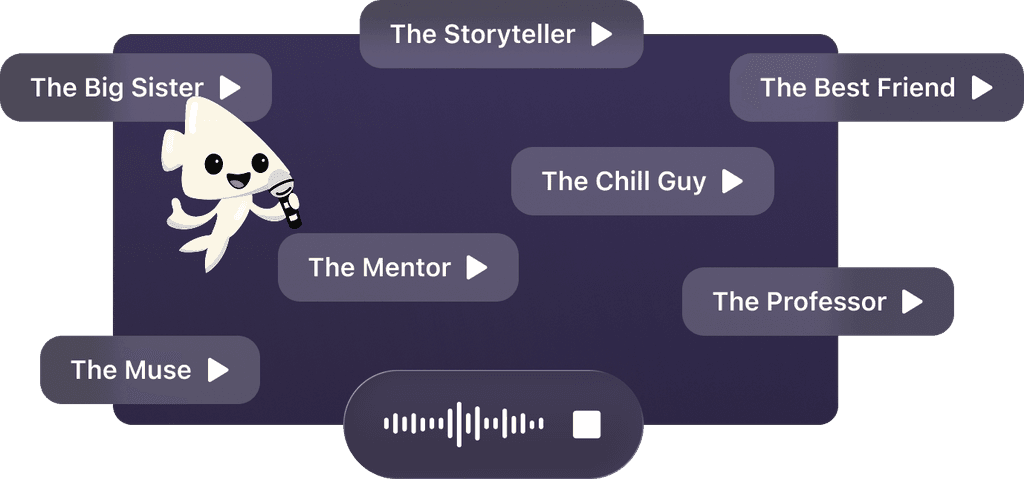
Почувствуйте книгу через голос автора
Превратите знания в увлекательные, богатые примерами идеи
Захватите ключевые идеи мгновенно для быстрого обучения
Наслаждайтесь книгой в весёлой и увлекательной форме
Персонажи в Always Looking Up
- Michael J. FoxThe author, actor, and Parkinson's advocate
- Tracy PollanMichael's wife and primary source of strength
- Debi BrooksExecutive director of Fox's foundation
- Joan SamuelsonMember of the Parkinson's Action Network
- Gary David GoldbergCo-star and colleague of Michael J. Fox
Ключевые темы в Always Looking Up
- parkinson's disease advocacy
- career reinvention
- radical optimism
- nonprofit innovation
- living with disability
Цитаты из Always Looking Up
For everything this disease has taken, something of greater value has been given.
We're not setting up a bank.
The last thing I want is for us to discuss our twentieth annual fundraiser.
They shared an urgency to achieve obsolescence.
Исследуйте Свой Способ Обучения
 Режим Краткое резюме
Прочитайте или прослушайте краткое содержание Always Looking Up за 8 минут
Разбейте ключевые идеи Always Looking Up на понятные тезисы, чтобы понять, как инновационные команды создают, сотрудничают и растут.

 Режим Развлекательно
Уроки из Always Looking Up в 21-минутных историях
Погрузитесь в Always Looking Up через яркие истории, превращающие уроки инноваций в запоминающиеся и применимые моменты.
 Режим Персонализация
Изучайте Always Looking Up в своем собственном стиле обучения
Задавайте любые вопросы, выбирайте свой стиль обучения и создавайте идеи, которые действительно вам подходят.
Создано выпускниками Колумбийского университета в Сан-Франциско
"Instead of endless scrolling, I just hit play on BeFreed. It saves me so much time."


"I never knew where to start with nonfiction—BeFreed’s book lists turned into podcasts gave me a clear path."


"Perfect balance between learning and entertainment. Finished ‘Thinking, Fast and Slow’ on my commute this week."
"Crazy how much I learned while walking the dog. BeFreed = small habits → big gains."
"Reading used to feel like a chore. Now it’s just part of my lifestyle."

"Feels effortless compared to reading. I’ve finished 6 books this month already."
"BeFreed turned my guilty doomscrolling into something that feels productive and inspiring."

"BeFreed turned my commute into learning time. 20-min podcasts are perfect for finishing books I never had time for."
"BeFreed replaced my podcast queue. Imagine Spotify for books — that’s it. 🙌"

"It is great for me to learn something from the book without reading it."
"The themed book list podcasts help me connect ideas across authors—like a guided audio journey."
"Makes me feel smarter every time before going to work"
Создано выпускниками Колумбийского университета в Сан-Франциско
"Instead of endless scrolling, I just hit play on BeFreed. It saves me so much time."
"I never knew where to start with nonfiction—BeFreed’s book lists turned into podcasts gave me a clear path."
"Perfect balance between learning and entertainment. Finished ‘Thinking, Fast and Slow’ on my commute this week."
"Crazy how much I learned while walking the dog. BeFreed = small habits → big gains."
"Reading used to feel like a chore. Now it’s just part of my lifestyle."
"Feels effortless compared to reading. I’ve finished 6 books this month already."
"BeFreed turned my guilty doomscrolling into something that feels productive and inspiring."
"BeFreed turned my commute into learning time. 20-min podcasts are perfect for finishing books I never had time for."
"BeFreed replaced my podcast queue. Imagine Spotify for books — that’s it. 🙌"
"It is great for me to learn something from the book without reading it."
"The themed book list podcasts help me connect ideas across authors—like a guided audio journey."
"Makes me feel smarter every time before going to work"
"Instead of endless scrolling, I just hit play on BeFreed. It saves me so much time."
"I never knew where to start with nonfiction—BeFreed’s book lists turned into podcasts gave me a clear path."
"Perfect balance between learning and entertainment. Finished ‘Thinking, Fast and Slow’ on my commute this week."
"Crazy how much I learned while walking the dog. BeFreed = small habits → big gains."
"Reading used to feel like a chore. Now it’s just part of my lifestyle."
"Feels effortless compared to reading. I’ve finished 6 books this month already."
"BeFreed turned my guilty doomscrolling into something that feels productive and inspiring."
"BeFreed turned my commute into learning time. 20-min podcasts are perfect for finishing books I never had time for."
"BeFreed replaced my podcast queue. Imagine Spotify for books — that’s it. 🙌"
"It is great for me to learn something from the book without reading it."
"The themed book list podcasts help me connect ideas across authors—like a guided audio journey."
"Makes me feel smarter every time before going to work"
"Instead of endless scrolling, I just hit play on BeFreed. It saves me so much time."
"I never knew where to start with nonfiction—BeFreed’s book lists turned into podcasts gave me a clear path."
"Perfect balance between learning and entertainment. Finished ‘Thinking, Fast and Slow’ on my commute this week."
"Crazy how much I learned while walking the dog. BeFreed = small habits → big gains."
"Reading used to feel like a chore. Now it’s just part of my lifestyle."
"Feels effortless compared to reading. I’ve finished 6 books this month already."
"BeFreed turned my guilty doomscrolling into something that feels productive and inspiring."
"BeFreed turned my commute into learning time. 20-min podcasts are perfect for finishing books I never had time for."
"BeFreed replaced my podcast queue. Imagine Spotify for books — that’s it. 🙌"
"It is great for me to learn something from the book without reading it."
"The themed book list podcasts help me connect ideas across authors—like a guided audio journey."
"Makes me feel smarter every time before going to work"

Скачать резюме книги «Always Looking Up»
Получите резюме книги «Always Looking Up» в формате PDF или EPUB бесплатно. Распечатайте или читайте офлайн в любое время.


