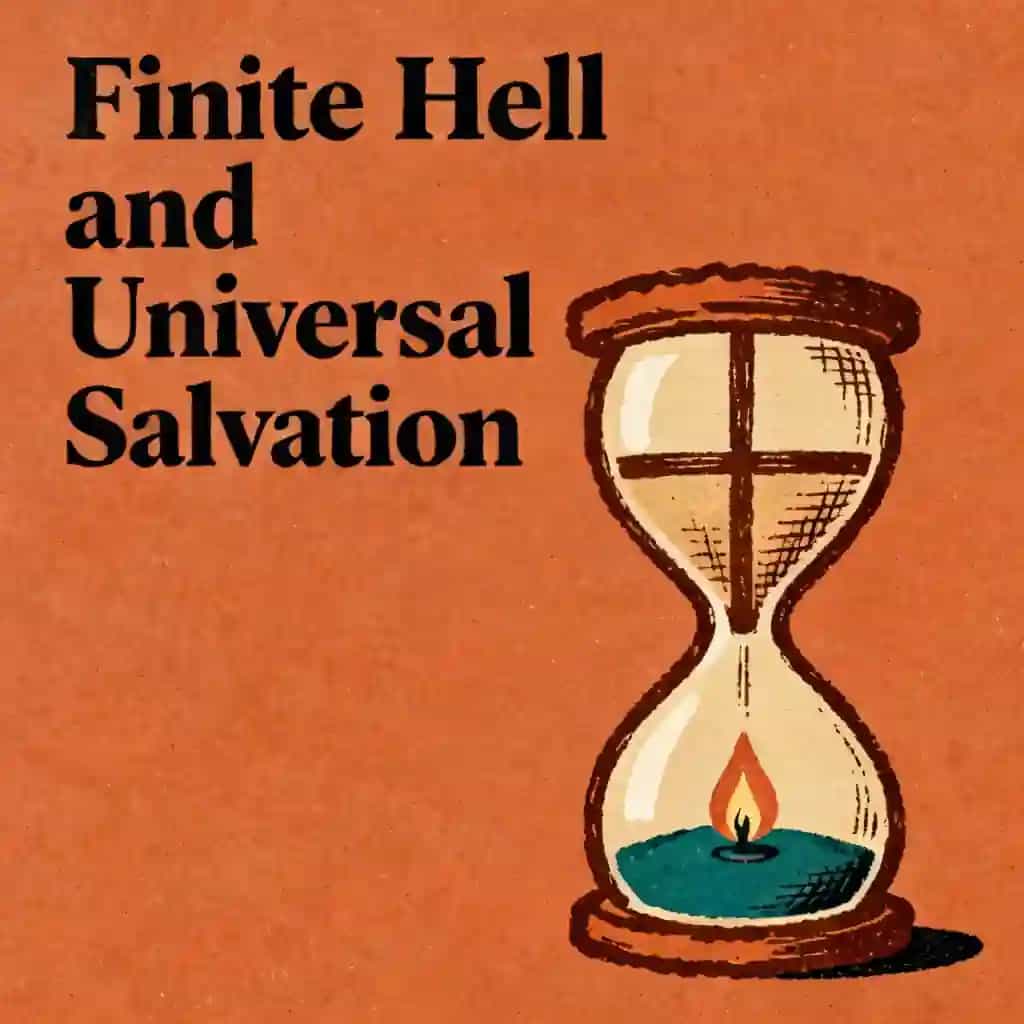
Historical Views of Salvation: From Penal Substitution to Christus Victor
Explore historical views of salvation, from penal substitution and divine wrath to Unitarian perspectives and the Christus Victor model of atonement.

Best quote from Historical Views of Salvation: From Penal Substitution to Christus Victor
Atonement is just a fancy word for 'at-one-ment'—it’s about ending the separation. It’s not about changing God’s mind about us; it’s about changing our minds about God.
Generated by Ezra
What are the different views of salvation. I’ve heard of the justification, like god had to pay the price .. which is strange, pay the price to himself. What do the Unitarians believe about what Jesus did? What are other historical views? How did the legal view win, that it’s a payment to gods wrath. Is there views where Christ is just prepared a way through death, or cleansed, prepared the human soul for eternal life.


Frequently Asked Questions
Historical theology offers several frameworks for understanding salvation, often referred to as atonement theories. These include the legal or judicial view known as penal substitution, where Jesus satisfies divine wrath, and the Christus Victor model, which focuses on Christ’s victory over death and evil. Other perspectives emphasize the moral influence of Jesus' life or the idea of recapitulation, where Christ cleanses and restores the human soul to prepare it for eternal life.
The legal view, or penal substitutionary atonement, gained significant prominence during the Reformation. This theory posits that God’s justice requires a penalty for sin, which Jesus paid on behalf of humanity. While some find the concept of God paying a price to himself complex, this framework became a cornerstone of Western justification theology, focusing on the satisfaction of divine wrath and the legal standing of the believer before a holy God.
Unitarian Christology typically moves away from the idea of a blood sacrifice or a legal payment to appease divine wrath. Instead, many Unitarians view Jesus as a moral teacher or a divinely inspired human who prepared a way for others through his life and teachings. In this view, salvation is less about a judicial transaction and more about the transformation of the human soul and following the ethical path that Jesus established.
Yes, several historical views focus on healing and victory rather than legal punishment. The Christus Victor perspective sees Jesus’ death and resurrection as a triumph over the powers of darkness and death. Similarly, some early church traditions emphasized that Christ prepared the human soul for eternal life by cleansing human nature. These views suggest that Jesus opened a path through death to restore humanity's relationship with the divine without requiring a payment to wrath.
From Columbia University alumni built in San Francisco
"Instead of endless scrolling, I just hit play on BeFreed. It saves me so much time."


"I never knew where to start with nonfiction—BeFreed’s book lists turned into podcasts gave me a clear path."


"Perfect balance between learning and entertainment. Finished ‘Thinking, Fast and Slow’ on my commute this week."
"Crazy how much I learned while walking the dog. BeFreed = small habits → big gains."
"Reading used to feel like a chore. Now it’s just part of my lifestyle."

"Feels effortless compared to reading. I’ve finished 6 books this month already."
"BeFreed turned my guilty doomscrolling into something that feels productive and inspiring."

"BeFreed turned my commute into learning time. 20-min podcasts are perfect for finishing books I never had time for."
"BeFreed replaced my podcast queue. Imagine Spotify for books — that’s it. 🙌"

"It is great for me to learn something from the book without reading it."
"The themed book list podcasts help me connect ideas across authors—like a guided audio journey."
"Makes me feel smarter every time before going to work"
From Columbia University alumni built in San Francisco
"Instead of endless scrolling, I just hit play on BeFreed. It saves me so much time."
"I never knew where to start with nonfiction—BeFreed’s book lists turned into podcasts gave me a clear path."
"Perfect balance between learning and entertainment. Finished ‘Thinking, Fast and Slow’ on my commute this week."
"Crazy how much I learned while walking the dog. BeFreed = small habits → big gains."
"Reading used to feel like a chore. Now it’s just part of my lifestyle."
"Feels effortless compared to reading. I’ve finished 6 books this month already."
"BeFreed turned my guilty doomscrolling into something that feels productive and inspiring."
"BeFreed turned my commute into learning time. 20-min podcasts are perfect for finishing books I never had time for."
"BeFreed replaced my podcast queue. Imagine Spotify for books — that’s it. 🙌"
"It is great for me to learn something from the book without reading it."
"The themed book list podcasts help me connect ideas across authors—like a guided audio journey."
"Makes me feel smarter every time before going to work"
"Instead of endless scrolling, I just hit play on BeFreed. It saves me so much time."
"I never knew where to start with nonfiction—BeFreed’s book lists turned into podcasts gave me a clear path."
"Perfect balance between learning and entertainment. Finished ‘Thinking, Fast and Slow’ on my commute this week."
"Crazy how much I learned while walking the dog. BeFreed = small habits → big gains."
"Reading used to feel like a chore. Now it’s just part of my lifestyle."
"Feels effortless compared to reading. I’ve finished 6 books this month already."
"BeFreed turned my guilty doomscrolling into something that feels productive and inspiring."
"BeFreed turned my commute into learning time. 20-min podcasts are perfect for finishing books I never had time for."
"BeFreed replaced my podcast queue. Imagine Spotify for books — that’s it. 🙌"
"It is great for me to learn something from the book without reading it."
"The themed book list podcasts help me connect ideas across authors—like a guided audio journey."
"Makes me feel smarter every time before going to work"
"Instead of endless scrolling, I just hit play on BeFreed. It saves me so much time."
"I never knew where to start with nonfiction—BeFreed’s book lists turned into podcasts gave me a clear path."
"Perfect balance between learning and entertainment. Finished ‘Thinking, Fast and Slow’ on my commute this week."
"Crazy how much I learned while walking the dog. BeFreed = small habits → big gains."
"Reading used to feel like a chore. Now it’s just part of my lifestyle."
"Feels effortless compared to reading. I’ve finished 6 books this month already."
"BeFreed turned my guilty doomscrolling into something that feels productive and inspiring."
"BeFreed turned my commute into learning time. 20-min podcasts are perfect for finishing books I never had time for."
"BeFreed replaced my podcast queue. Imagine Spotify for books — that’s it. 🙌"
"It is great for me to learn something from the book without reading it."
"The themed book list podcasts help me connect ideas across authors—like a guided audio journey."
"Makes me feel smarter every time before going to work"