Best quote from English Civil War 1642 Events and Execution of Charles I
The Civil Wars were a brutal, bloody lesson that set England on the path toward a parliamentary monarchy, proving that once the bond of consent between a ruler and the people is broken, it is incredibly hard and expensive to put back together.

This audio lesson was created by a BeFreed community member
Explain the main events of the English civil war in 1642 and the subsequent execution of Charlie I

Frequently Asked Questions
Discover more

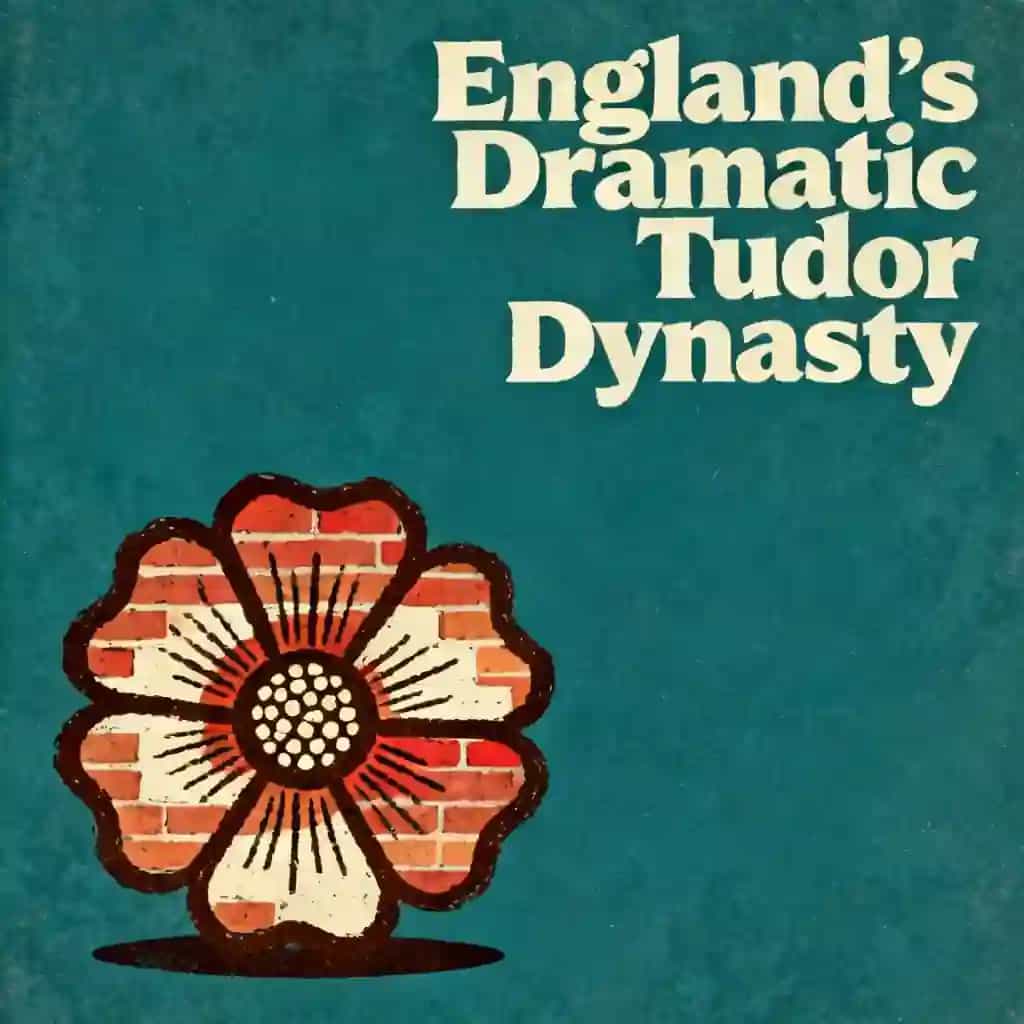
Medieval England 1400-1600, war of roses
Medieval England 1400-1600, war of roses
This plan provides a comprehensive look at the pivotal transition from medieval stability to the transformative Tudor era. It is ideal for history enthusiasts and students seeking to understand how dynastic warfare and cultural shifts forged the modern English state.

Civil war
Civil war
This plan provides a comprehensive look at the American Civil War, moving beyond dates to explore human stories and strategic brilliance. It is essential for history enthusiasts and students seeking to understand how this era's unfinished promises continue to define modern society.

Learn about civil war
Learn about civil war
The American Civil War remains the deadliest conflict in US history and continues to shape national identity, politics, and race relations today. This learning plan provides essential historical context for understanding contemporary American divisions while developing critical analytical skills applicable to interpreting complex historical events.
The history of the British Monarchy
The history of the British Monarchy
The British monarchy represents one of history's longest continuous political institutions, profoundly influencing global governance, culture, and society. This learning plan benefits history enthusiasts, political science students, and anyone interested in understanding how this ancient institution evolved and continues to shape modern Britain and the Commonwealth.
Civil War & Victorian Gothic Learning Feed
Civil War & Victorian Gothic Learning Feed
This learning plan offers a richly atmospheric alternative to passive social media consumption, transforming screen time into a deep dive through one of history's most fascinating and macabre centuries. It's ideal for history enthusiasts, gothic literature fans, horror game players interested in understanding Bloodborne's inspirations, or anyone drawn to the darker intersections of war, medicine, mortality, and the supernatural in the Victorian era.

Crisis Decisions in War & Peace 1914-2003
Crisis Decisions in War & Peace 1914-2003
This course bridges the gap between historical analysis and modern leadership psychology by examining the world's most critical turning points. It is essential for aspiring leaders, history enthusiasts, and strategic thinkers who want to master the art of decision-making under ultimate pressure.

Learn America history
Learn America history
This plan offers a comprehensive overview of the pivotal events and ideologies that shaped the United States. It is ideal for students, history buffs, or anyone seeking to understand how past conflicts and triumphs inform today's social and political landscape.

The Best War Books
Understand global conflict with the most gripping books on wars—strategy, survival, and history that shaped our world.
BeFreed team
From Columbia University alumni built in San Francisco
"Instead of endless scrolling, I just hit play on BeFreed. It saves me so much time."


"I never knew where to start with nonfiction—BeFreed’s book lists turned into podcasts gave me a clear path."


"Perfect balance between learning and entertainment. Finished ‘Thinking, Fast and Slow’ on my commute this week."
"Crazy how much I learned while walking the dog. BeFreed = small habits → big gains."
"Reading used to feel like a chore. Now it’s just part of my lifestyle."

"Feels effortless compared to reading. I’ve finished 6 books this month already."
"BeFreed turned my guilty doomscrolling into something that feels productive and inspiring."

"BeFreed turned my commute into learning time. 20-min podcasts are perfect for finishing books I never had time for."
"BeFreed replaced my podcast queue. Imagine Spotify for books — that’s it. 🙌"

"It is great for me to learn something from the book without reading it."
"The themed book list podcasts help me connect ideas across authors—like a guided audio journey."
"Makes me feel smarter every time before going to work"
From Columbia University alumni built in San Francisco
"Instead of endless scrolling, I just hit play on BeFreed. It saves me so much time."
"I never knew where to start with nonfiction—BeFreed’s book lists turned into podcasts gave me a clear path."
"Perfect balance between learning and entertainment. Finished ‘Thinking, Fast and Slow’ on my commute this week."
"Crazy how much I learned while walking the dog. BeFreed = small habits → big gains."
"Reading used to feel like a chore. Now it’s just part of my lifestyle."
"Feels effortless compared to reading. I’ve finished 6 books this month already."
"BeFreed turned my guilty doomscrolling into something that feels productive and inspiring."
"BeFreed turned my commute into learning time. 20-min podcasts are perfect for finishing books I never had time for."
"BeFreed replaced my podcast queue. Imagine Spotify for books — that’s it. 🙌"
"It is great for me to learn something from the book without reading it."
"The themed book list podcasts help me connect ideas across authors—like a guided audio journey."
"Makes me feel smarter every time before going to work"
"Instead of endless scrolling, I just hit play on BeFreed. It saves me so much time."
"I never knew where to start with nonfiction—BeFreed’s book lists turned into podcasts gave me a clear path."
"Perfect balance between learning and entertainment. Finished ‘Thinking, Fast and Slow’ on my commute this week."
"Crazy how much I learned while walking the dog. BeFreed = small habits → big gains."
"Reading used to feel like a chore. Now it’s just part of my lifestyle."
"Feels effortless compared to reading. I’ve finished 6 books this month already."
"BeFreed turned my guilty doomscrolling into something that feels productive and inspiring."
"BeFreed turned my commute into learning time. 20-min podcasts are perfect for finishing books I never had time for."
"BeFreed replaced my podcast queue. Imagine Spotify for books — that’s it. 🙌"
"It is great for me to learn something from the book without reading it."
"The themed book list podcasts help me connect ideas across authors—like a guided audio journey."
"Makes me feel smarter every time before going to work"
"Instead of endless scrolling, I just hit play on BeFreed. It saves me so much time."
"I never knew where to start with nonfiction—BeFreed’s book lists turned into podcasts gave me a clear path."
"Perfect balance between learning and entertainment. Finished ‘Thinking, Fast and Slow’ on my commute this week."
"Crazy how much I learned while walking the dog. BeFreed = small habits → big gains."
"Reading used to feel like a chore. Now it’s just part of my lifestyle."
"Feels effortless compared to reading. I’ve finished 6 books this month already."
"BeFreed turned my guilty doomscrolling into something that feels productive and inspiring."
"BeFreed turned my commute into learning time. 20-min podcasts are perfect for finishing books I never had time for."
"BeFreed replaced my podcast queue. Imagine Spotify for books — that’s it. 🙌"
"It is great for me to learn something from the book without reading it."
"The themed book list podcasts help me connect ideas across authors—like a guided audio journey."
"Makes me feel smarter every time before going to work"