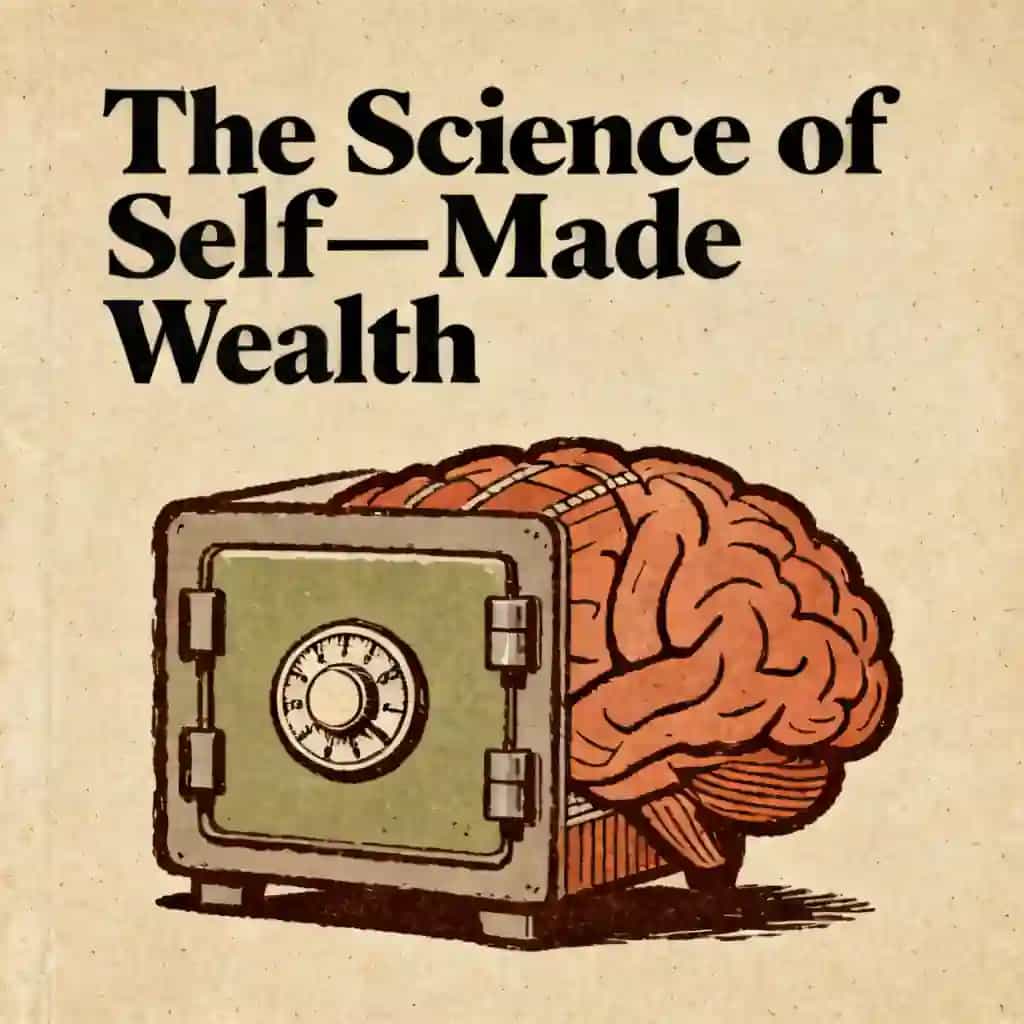
Elon Musk's Wealth: How He Made It and His Plans for the Future
Explore how Elon Musk built his massive net worth through Tesla and SpaceX, his unique wealth strategy, and his ambitious plans for Mars colonization.

Best quote from Elon Musk's Wealth: How He Made It and His Plans for the Future
Wealth, at its most powerful, isn't for consumption—it’s for creation. Musk didn't diversify to protect his wealth; he concentrated it to accelerate his vision, treating money as fuel for a master plan rather than a lavish lifestyle.

This audio lesson was created by a BeFreed community member
Create an analysis of how Elon Musk has managed to become so wealthy and what he wants to do with his money.

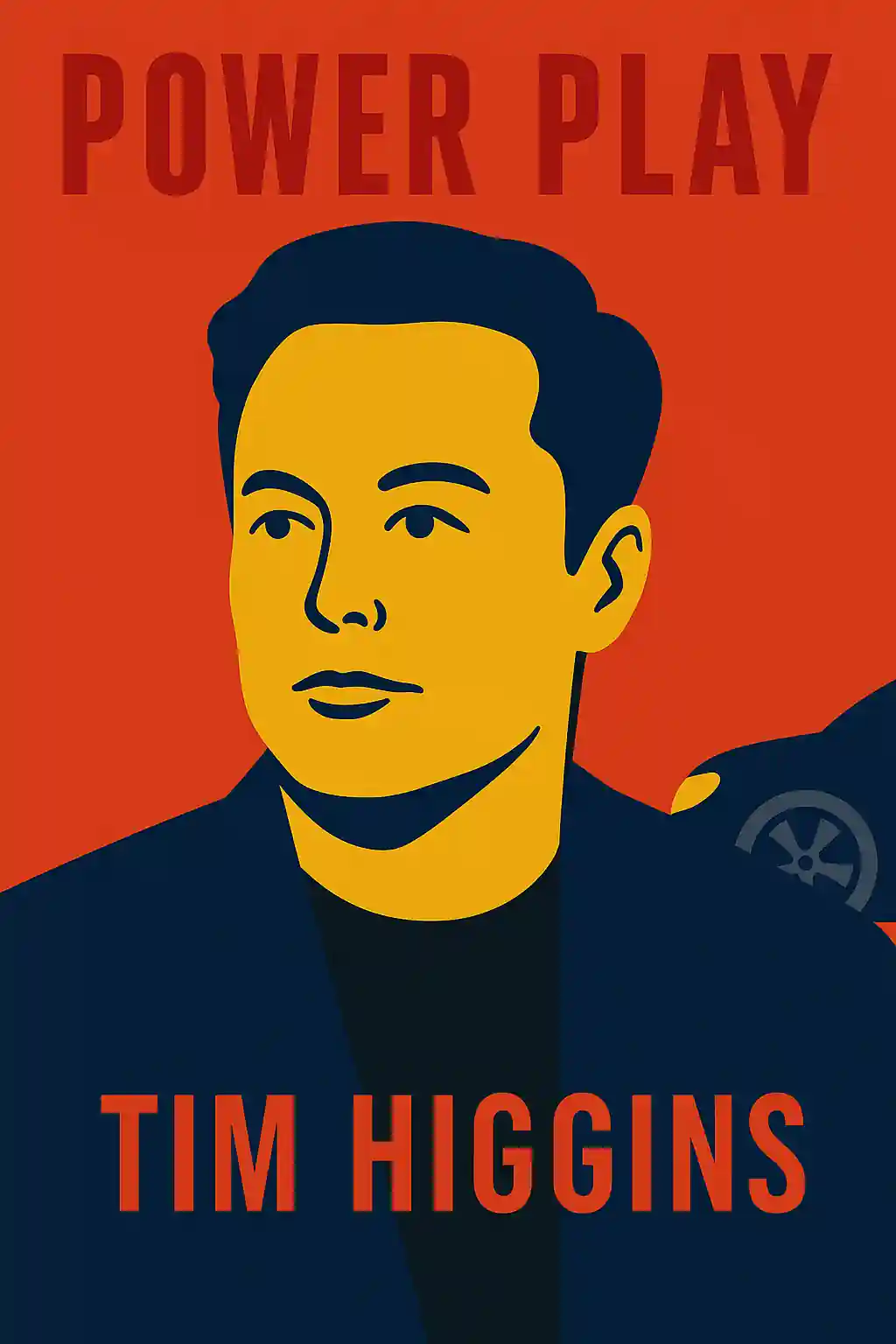
Frequently Asked Questions
Discover more

Becoming a billionaire
Becoming a billionaire
This learning plan is designed for ambitious entrepreneurs and investors aiming for extreme financial success. It bridges the gap between starting a business and building a global empire by focusing on scalable systems and wealth multiplication.

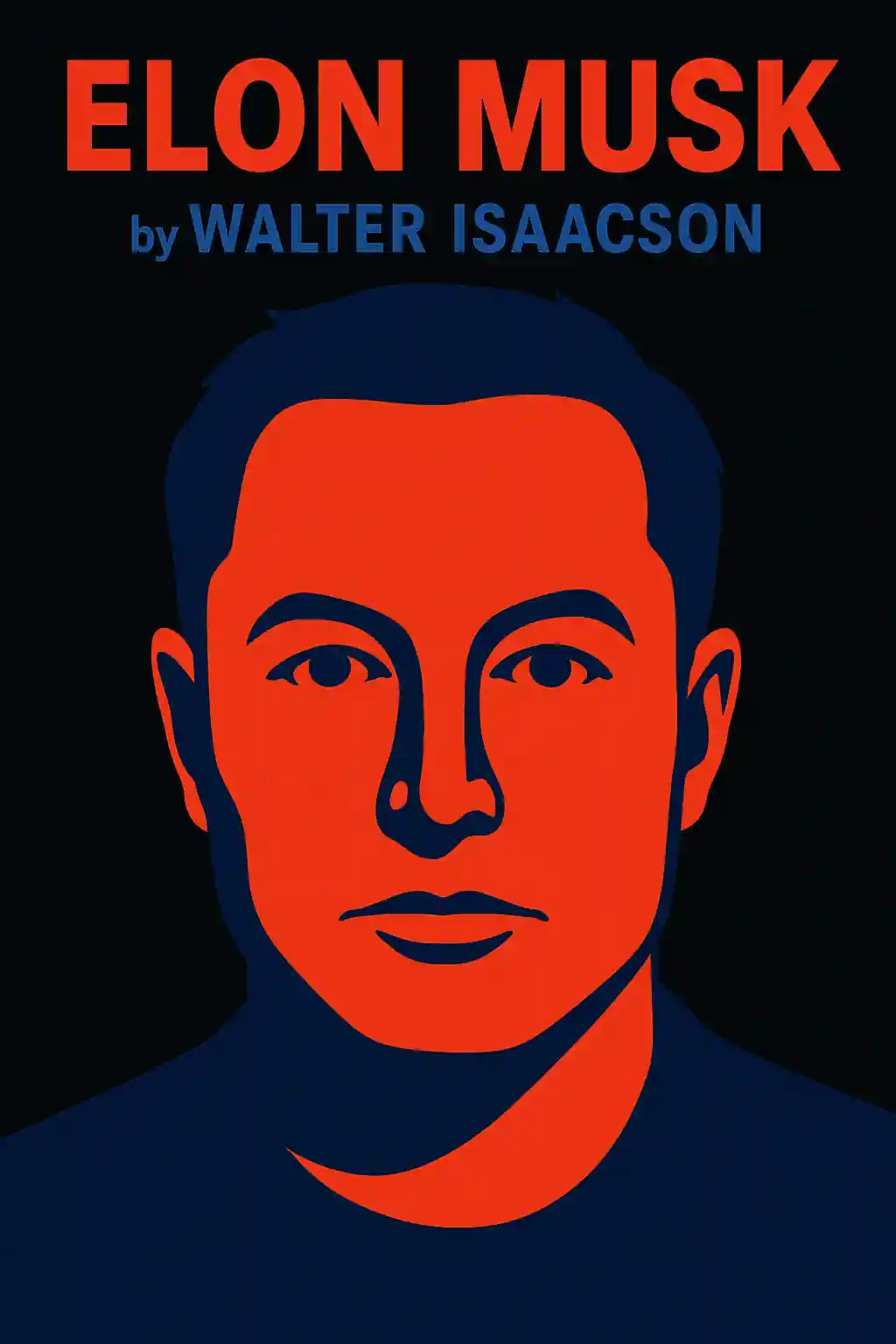
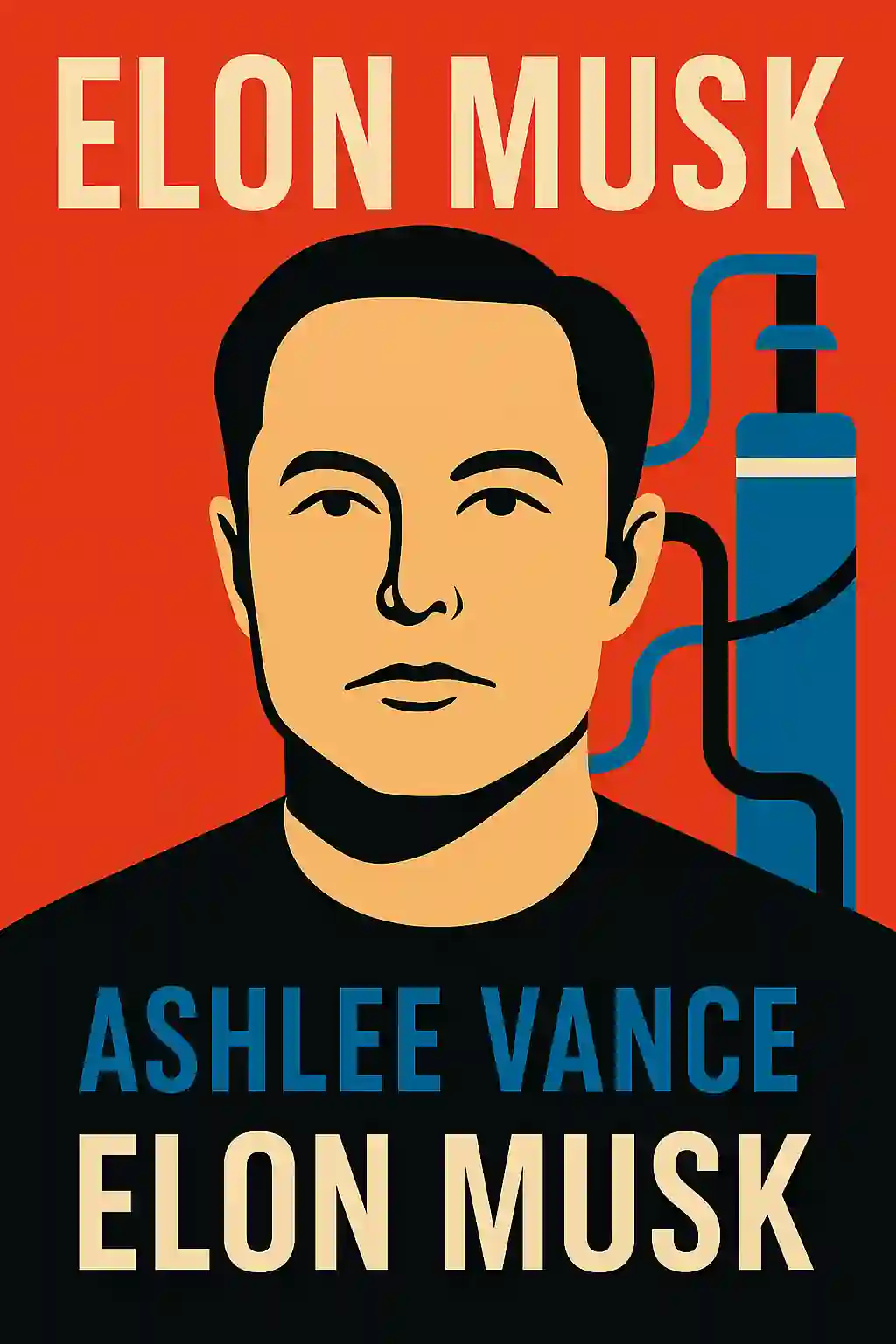
Books Recommended by Elon Musk
Explore Elon Musk's reading list—books on tech, sci-fi, AI, and ambition to spark bold thinking and reshape how you see the future.
BeFreed team
Millionaire mindset from scratch
Millionaire mindset from scratch
This plan is essential for aspiring entrepreneurs and individuals seeking to break the cycle of financial stagnation by shifting their internal programming. It provides a comprehensive roadmap from psychological rewiring to practical wealth management, making it ideal for anyone ready to build a legacy.

How to get rich
How to get rich
This plan provides a comprehensive roadmap for anyone seeking financial independence by combining psychology with practical investing and business strategies. It is ideal for aspiring entrepreneurs and individuals ready to transition from a fixed salary to scalable wealth creation.

Master Life: Wealth, Power & Top 0.1% Growth
Master Life: Wealth, Power & Top 0.1% Growth
This plan is designed for ambitious high-achievers looking to break through average performance ceilings. It combines wealth psychology, power dynamics, and business scaling into a comprehensive blueprint for reaching the top 0.1% of their field.

Master Self, Wealth, Tech & Neuroscience
Master Self, Wealth, Tech & Neuroscience
This plan bridges the gap between biological optimization and modern wealth creation, offering a holistic approach to high-level achievement. It is designed for ambitious professionals and entrepreneurs seeking to synchronize their mental performance with technological leverage.
Maximize income to build wealth
Maximize income to build wealth
This learning plan is designed for ambitious individuals who want to dramatically increase their income and achieve financial freedom. Whether you're starting from zero or looking to accelerate existing earnings, this structured approach combines mindset transformation, practical income generation tactics, smart investing, and entrepreneurship to build lasting wealth. Perfect for anyone tired of living paycheck to paycheck and ready to take control of their financial future.
Be a rich, smart CEO to make parents proud
Be a rich, smart CEO to make parents proud
This plan is designed for aspiring entrepreneurs and leaders who want to combine financial success with executive excellence. It provides a roadmap for those seeking to master both the psychology of wealth and the practical mechanics of business scaling.
From Columbia University alumni built in San Francisco
"Instead of endless scrolling, I just hit play on BeFreed. It saves me so much time."


"I never knew where to start with nonfiction—BeFreed’s book lists turned into podcasts gave me a clear path."


"Perfect balance between learning and entertainment. Finished ‘Thinking, Fast and Slow’ on my commute this week."
"Crazy how much I learned while walking the dog. BeFreed = small habits → big gains."
"Reading used to feel like a chore. Now it’s just part of my lifestyle."

"Feels effortless compared to reading. I’ve finished 6 books this month already."
"BeFreed turned my guilty doomscrolling into something that feels productive and inspiring."

"BeFreed turned my commute into learning time. 20-min podcasts are perfect for finishing books I never had time for."
"BeFreed replaced my podcast queue. Imagine Spotify for books — that’s it. 🙌"

"It is great for me to learn something from the book without reading it."
"The themed book list podcasts help me connect ideas across authors—like a guided audio journey."
"Makes me feel smarter every time before going to work"
From Columbia University alumni built in San Francisco
"Instead of endless scrolling, I just hit play on BeFreed. It saves me so much time."
"I never knew where to start with nonfiction—BeFreed’s book lists turned into podcasts gave me a clear path."
"Perfect balance between learning and entertainment. Finished ‘Thinking, Fast and Slow’ on my commute this week."
"Crazy how much I learned while walking the dog. BeFreed = small habits → big gains."
"Reading used to feel like a chore. Now it’s just part of my lifestyle."
"Feels effortless compared to reading. I’ve finished 6 books this month already."
"BeFreed turned my guilty doomscrolling into something that feels productive and inspiring."
"BeFreed turned my commute into learning time. 20-min podcasts are perfect for finishing books I never had time for."
"BeFreed replaced my podcast queue. Imagine Spotify for books — that’s it. 🙌"
"It is great for me to learn something from the book without reading it."
"The themed book list podcasts help me connect ideas across authors—like a guided audio journey."
"Makes me feel smarter every time before going to work"
"Instead of endless scrolling, I just hit play on BeFreed. It saves me so much time."
"I never knew where to start with nonfiction—BeFreed’s book lists turned into podcasts gave me a clear path."
"Perfect balance between learning and entertainment. Finished ‘Thinking, Fast and Slow’ on my commute this week."
"Crazy how much I learned while walking the dog. BeFreed = small habits → big gains."
"Reading used to feel like a chore. Now it’s just part of my lifestyle."
"Feels effortless compared to reading. I’ve finished 6 books this month already."
"BeFreed turned my guilty doomscrolling into something that feels productive and inspiring."
"BeFreed turned my commute into learning time. 20-min podcasts are perfect for finishing books I never had time for."
"BeFreed replaced my podcast queue. Imagine Spotify for books — that’s it. 🙌"
"It is great for me to learn something from the book without reading it."
"The themed book list podcasts help me connect ideas across authors—like a guided audio journey."
"Makes me feel smarter every time before going to work"
"Instead of endless scrolling, I just hit play on BeFreed. It saves me so much time."
"I never knew where to start with nonfiction—BeFreed’s book lists turned into podcasts gave me a clear path."
"Perfect balance between learning and entertainment. Finished ‘Thinking, Fast and Slow’ on my commute this week."
"Crazy how much I learned while walking the dog. BeFreed = small habits → big gains."
"Reading used to feel like a chore. Now it’s just part of my lifestyle."
"Feels effortless compared to reading. I’ve finished 6 books this month already."
"BeFreed turned my guilty doomscrolling into something that feels productive and inspiring."
"BeFreed turned my commute into learning time. 20-min podcasts are perfect for finishing books I never had time for."
"BeFreed replaced my podcast queue. Imagine Spotify for books — that’s it. 🙌"
"It is great for me to learn something from the book without reading it."
"The themed book list podcasts help me connect ideas across authors—like a guided audio journey."
"Makes me feel smarter every time before going to work"