The Performance of Submission and the Architecture of a Lie
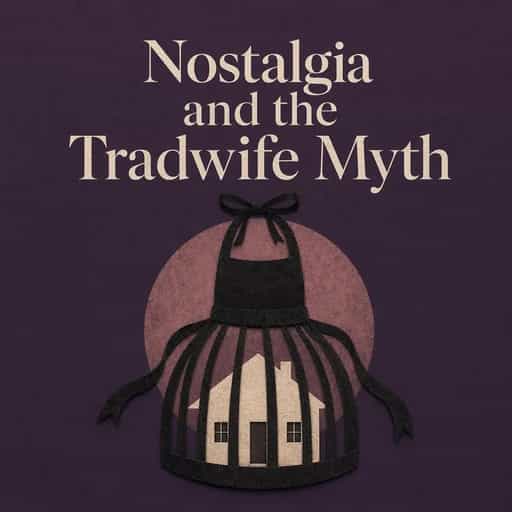
You have probably seen them scrolling through your feed—those perfectly lit kitchens where a woman in a linen apron kneads sourdough while five children in matching neutral tones play quietly in the background. It feels like a portal to a simpler time, right? But what if that portal was actually a prison? Research into the digital tradwife phenomenon reveals a startling disconnect between the "pastoral ideal" being sold and the "invisible infrastructure" of modern nannies, producers, and wealth that actually sustains it. In Caro Claire Burke's 2026 novel Yesteryear, this performance is pushed to its absolute, terrifying breaking point. The most important thing you need to understand about this story is that it isn't just a thriller about a woman who thinks she traveled back to 1855—it is a surgical deconstruction of how we manufacture our own realities to escape the consequences of our choices.
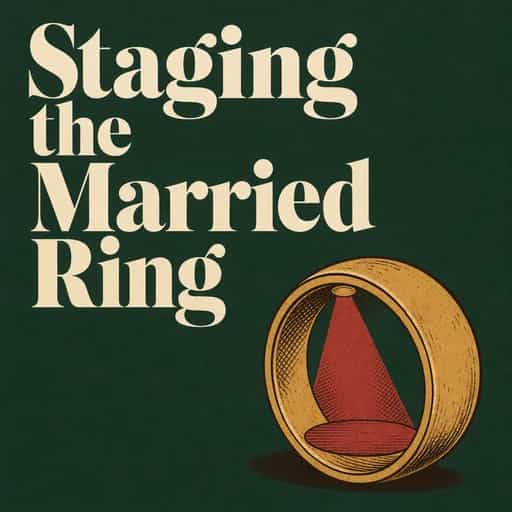
Think about your own digital habits for a second. Do you ever catch yourself curating a moment before you've even finished living it? That’s not just "social media"—that’s a psychological shift where the image of your life becomes more important than the life itself. In Yesteryear, the protagonist Natalie Heller Mills doesn't just curate her life; she treats "being alive" as a professional performance. She is a Harvard dropout who married into a political dynasty—the Mills family—and built an empire of eight million followers by selling the dream of Christian, nationalist Americana. But as we’re going to explore, that dream was built on a foundation of "weaponized incompetence" and "religious brain rot".
The hook of this book—and the reason it’s being adapted into a film starring Anne Hathaway—is the delicious premise of a woman who markets a "traditional" lifestyle being forced to actually live it without any of the modern safety nets. Imagine waking up and finding your luxury duvet replaced by a hand—stitched quilt and your organic sourdough replaced by the grueling, unglamorous labor of 1855. You’d think it was a dream, or maybe a reality show, right? Natalie certainly does. She spends a large chunk of the book convinced she’s being watched by an audience, because, as her mother taught her, the only way to endure a miserable life is to pretend you’re performing it for someone else. So, let's dive into the mechanism of this delusion and see how the "tradwife" brand is actually a containment strategy for a much darker reality.