The threshold of the unessential
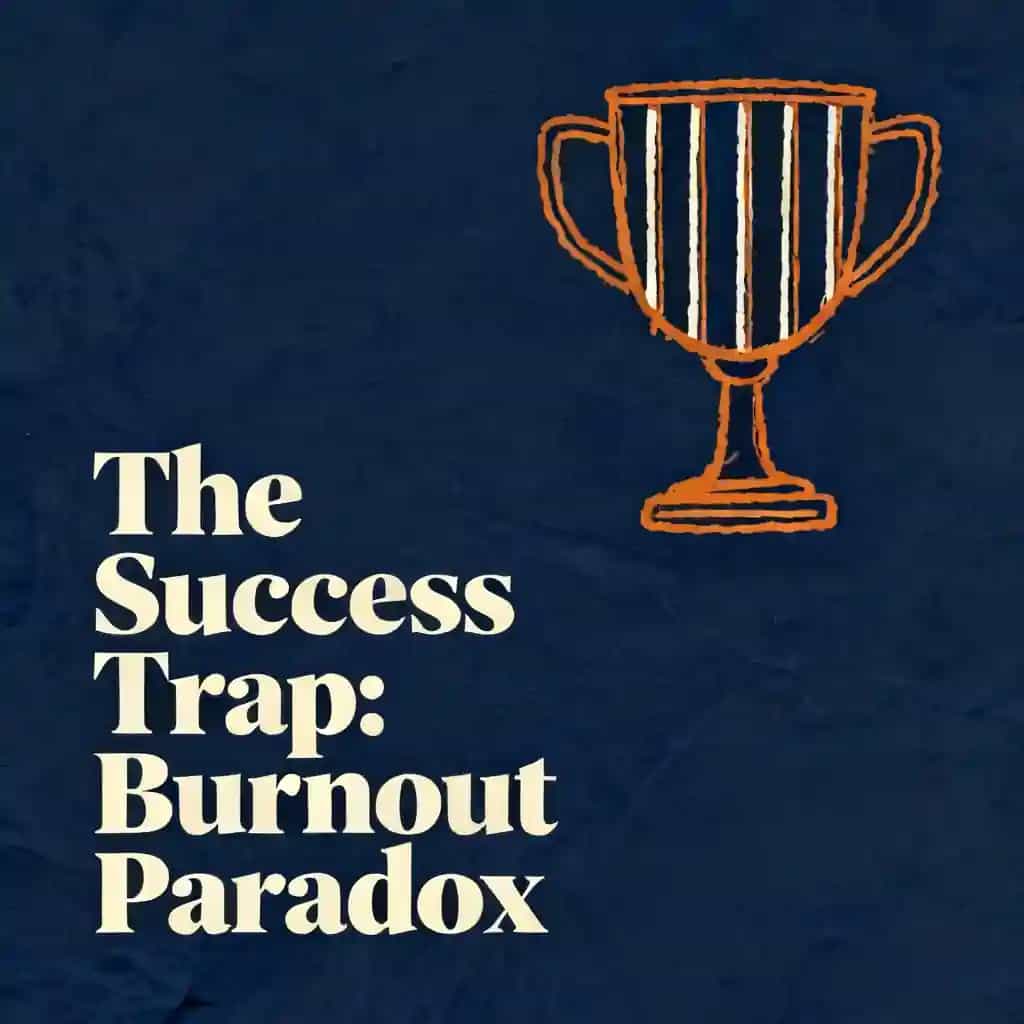
A woman sits in her office on a Tuesday afternoon, looking at a calendar that is so densely packed with color-coded blocks there is no white space left on the screen. She has just ended a call where she agreed to mentor a friend's cousin, and she is currently typing an email to a potential collaborator for a project she doesn't actually have the capacity to lead. Her phone buzzes with a notification—a message from a team member asking for help with a task she specifically delegated three days ago—and instead of pointing them back to the instructions, she starts typing the answer herself. She is highly successful, her businesses are growing, and to the outside world, she is the definition of "having it all," yet she feels like she is drowning in a sea of other people's needs and "good" opportunities that are slowly killing her "great" ones . This is the paradox of success: the very drive that built your empire often becomes the thing that threatens to dismantle your peace. When you are a high-achieving entrepreneur in your early thirties, you are often operating under the hidden assumption that "more is better" and that your value is tied to your responsiveness. But there is a ceiling to that approach, a point where your own excellence starts to work against you.
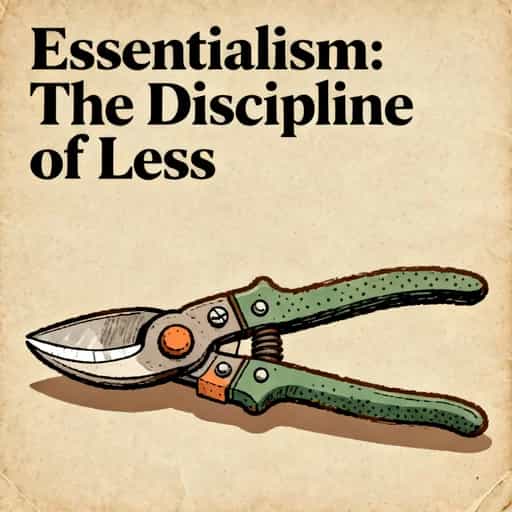
If you recognize that tension—the feeling that you are a bottleneck in your own life because you can't say no—then you are standing at a vital crossroads. This isn't just about time management; it is about the deeper architecture of your self-trust and the subtle ways you might be sabotaging your own growth by playing small in a very busy way. We are going to look at why you feel responsible for the emotions of everyone around you and how that empathy, while a gift, is being weaponized against your focus. We will explore the idea that most of what you are doing right now is actually noise, and that the path to a truly "big" life requires a radical kind of subtraction . By the time we finish, you will see your calendar not as a list of obligations, but as a series of choices that either honor your highest contribution or bury it under the weight of the unessential. This is the shift from being a "busy" leader to being an essentialist leader, and it starts with understanding the hidden barriers you’ve built around your own potential.