Lena: So as we start to wrap this up, let's give our listeners some concrete takeaways they can start implementing. What would you say are the most important first steps for someone who wants to explore their responsive arousal?
Eli: First, I'd say give yourself permission to be exactly where you are right now. There's nothing wrong with not experiencing spontaneous desire, and there's nothing wrong with needing time and specific conditions to access responsive arousal. You're not broken-you're just working with a different arousal pattern.
Lena: That permission piece is so important. And then what?
Eli: Start paying attention to your body in non-sexual contexts. Notice what kinds of touch feel good, what environments make you feel relaxed and receptive, what thoughts or fantasies create any kind of physical response. You're gathering data about your unique arousal fingerprint.
Lena: I love that phrase-arousal fingerprint. Because everyone's is different, right? What else would you recommend?
Eli: Practice the art of asking for what you need to feel safe and open. This might mean asking for more time, different lighting, no pressure to respond in any particular way, or just the space to explore without any goals. Remember, you're not asking for specific sexual acts-you're asking for conditions that support your authentic exploration.
Lena: And what about when things don't go as expected? Because I imagine this journey isn't always smooth.
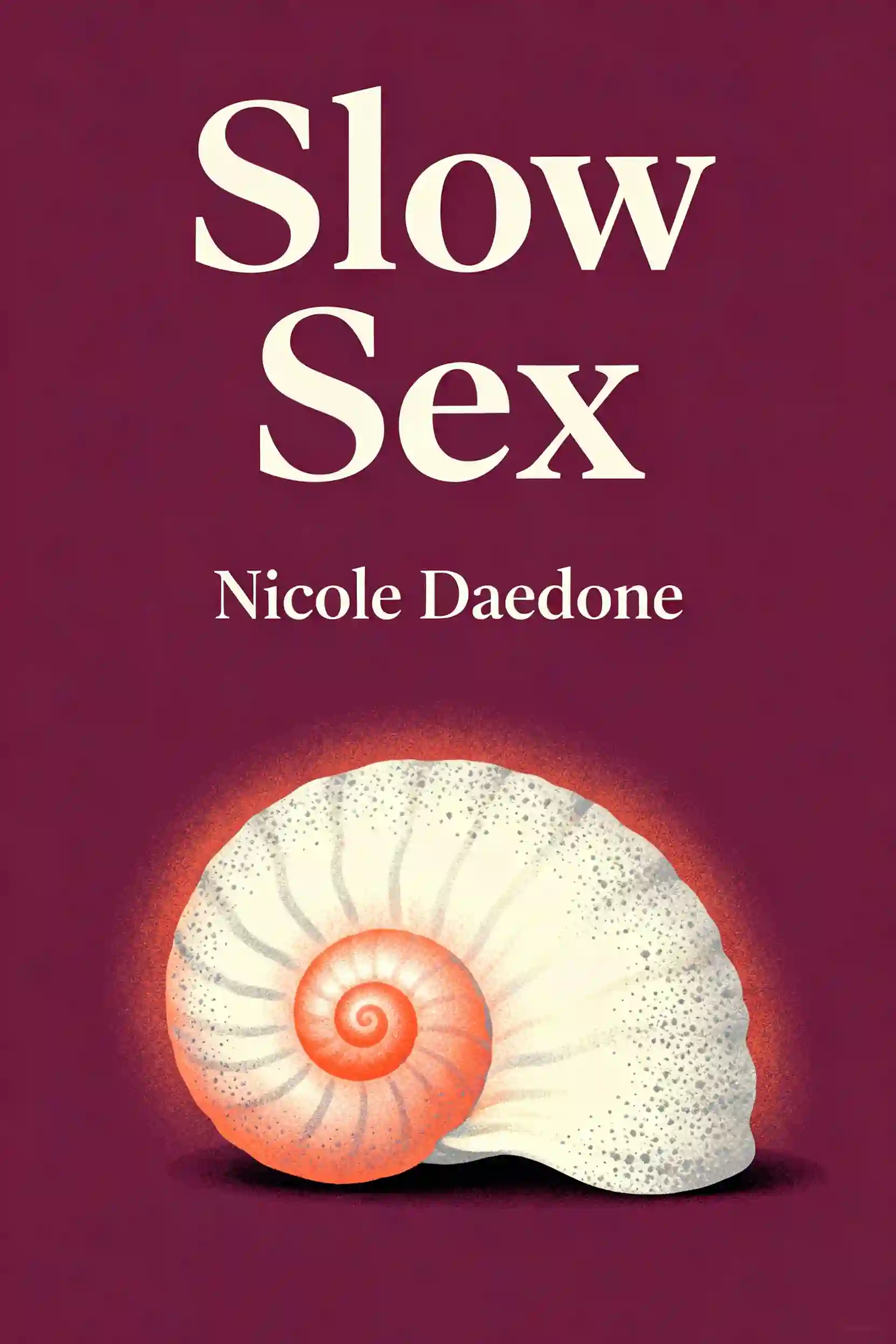
Eli: Absolutely expect some resistance and challenges. The research from "Slow Sex" shows that many women experience difficulty feeling anything at all during initial exploration because they've developed habitual patterns that numb sensitivity. But rebuilding that sensitivity happens naturally with patient, consistent practice.
Lena: So patience and persistence are key. What about working with a partner through this process?
Eli: Communication is crucial, but it's not about giving your partner a technical manual. It's about sharing your experience and needs honestly. Maybe that means saying, "I'm exploring how my arousal works, and I need you to know that if I don't respond the way you expect, it's not about you-it's about me learning my own body."
Lena: That takes so much courage, but it also creates the possibility for real intimacy. And for our listeners who might be feeling overwhelmed by all this, what would you want them to remember?
Eli: That your sexuality is yours to discover and define. The research consistently shows that when women are freed from external constraints and expectations, their desire becomes much more expansive and powerful than cultural stereotypes suggest. You have everything you need within you-it's just a matter of creating the right conditions for it to emerge.