The Invisible Anchor and the Myth of Performance
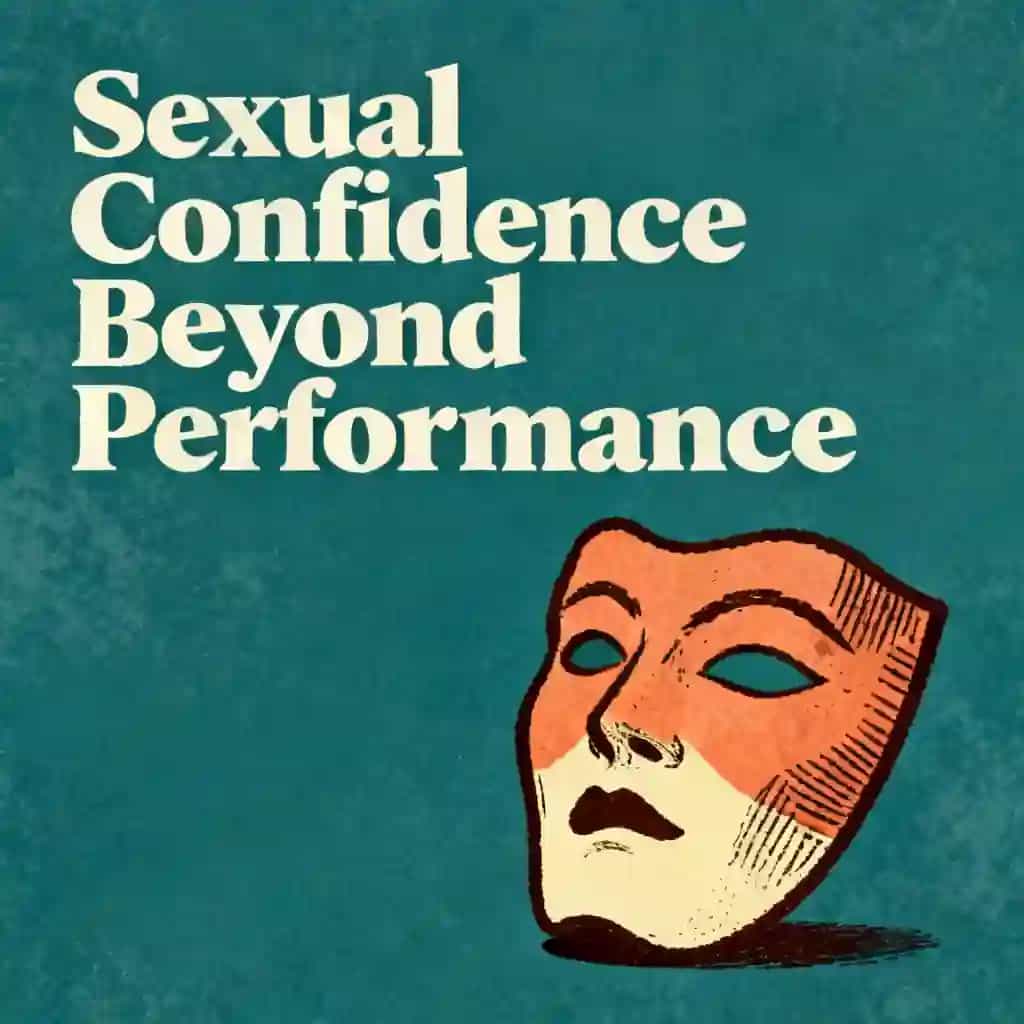
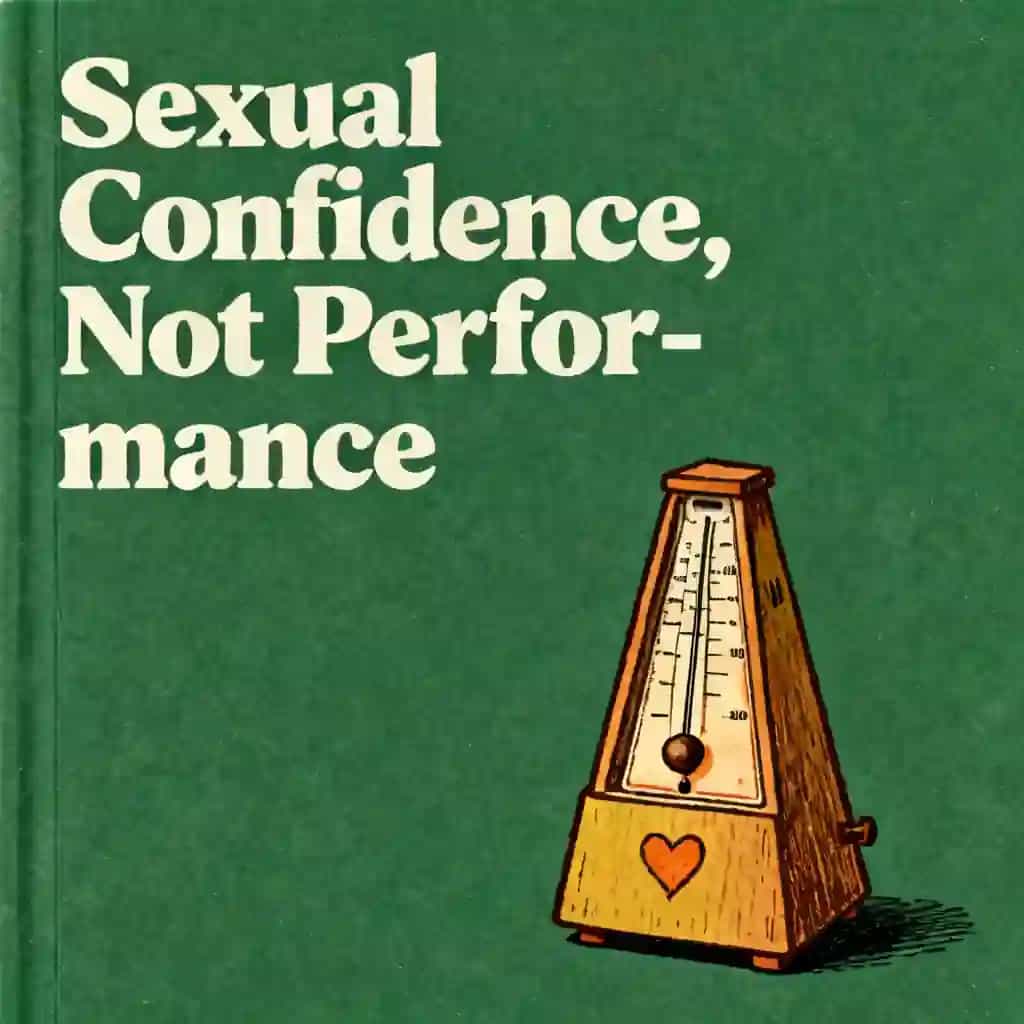
Imagine you are standing on a stage, the lights are blindingly bright, and you can feel the collective gaze of a thousand people waiting for you to speak. Your heart hammers against your ribs, your breath shallows, and suddenly, the speech you knew by heart vanishes into a fog of self-criticism. Now, shift that exact physiological state to your bedroom. The audience is smaller—just one person—but the stakes feel even higher. This is sexual performance anxiety, and the most counterintuitive thing I can tell you today is that your "performance" is failing precisely because you are trying so hard to perform. When you treat intimacy as an audition, you trigger a "spectatoring" effect where you mentally step outside your body to monitor your own responses—checking for an erection or gauging the timing of an orgasm—which effectively kills the very arousal you are trying to manufacture. This episode matters because it is going to teach you how to dismantle that internal stage. We are going to look at the deep biological reasons why your body "chokes" under pressure and, more importantly, I’m going to give you the physical, body-based tools to rewire that response. You’ll learn about the Reflective-Impulsive Model, a framework that explains why your conscious mind is often the enemy of your natural reflexes, and we’ll explore how simple shifts in breathing and muscle relaxation can act as a "reset button" for your nervous system. By the end of our time together, you won't just understand why this happens—you’ll have a playbook of grounding exercises and somatic strategies to stay present, relaxed, and fully in your body. So, let’s dive into the mechanics of why your brain and your body sometimes stop speaking the same language.