BeFreed
    Categories>Self-Growth>Toltec wisdom for finding personal freedom

    Toltec wisdom for finding personal freedom

    34분
    |
    |
    2026년 3월 29일
    Self-GrowthPhilosophy & Spirituality

    Feeling stuck in a cycle of reaction? Learn how Toltec traditions help you break self-limiting beliefs and reclaim your authentic life today.

    Toltec wisdom for finding personal freedom
    전달 방식을 선택하세요

    하나의 에피소드, 다양한 청취 방식.

    Toltec wisdom for finding personal freedom의 같은 아이디어를 나에게 맞는 목소리, 깊이, 속도로 만나보세요. 언제든 바꿀 수 있습니다.

    전체 대본 및 챕터

    챕터 1

    Waking Up From the Planet’s Dream

    Lena: You know, Miles, I was thinking about how often we feel like we’re just reacting to life, almost like we’re stuck in a dream we didn't choose. It can feel so heavy, right?

    Miles: It really can. And that’s actually a core idea in Toltec wisdom. They believe our collective reality is a "Dream of the Planet," but we often get lost in it and forget who we actually are.

    Lena: That’s such a powerful reframe. I mean, we’ve all heard of Carlos Castaneda and his apprenticeship with the shaman don Juan Matus in the Mexican deserts, but I didn't realize how practical these "Masteries" could be for everyday life.

    Miles: Exactly. Whether it’s the "Four Agreements" popularized by don Miguel Ruiz or the "Three Masteries" of awareness, transformation, and intent, it’s all about achieving personal freedom. It’s about choosing how to act rather than just reacting to everything around us.

    Lena: I love that. So, let’s explore how these ancient traditions can help us break those self-limiting beliefs and finally wake up to our own authentic lives.

    챕터 2

    The Domestication of the Human Spirit

    Lena: It’s so interesting that you mention this idea of a dream we didn't choose—because don Miguel Ruiz actually takes that a step further in his work. He calls it the "domestication of humans." It sounds a bit intense when you first hear it, doesn't it? Like we’re being trained like pets or something.

    Miles: It really does. But when you look at how we’re raised, the analogy actually fits quite well. Think about it—from the moment we’re born, we’re bombarded with rules and beliefs from our parents, our teachers, our religions, and the culture at large. We’re taught what is "good" and what is "bad," what is "right" and what is "wrong." And as children, we don't have the capacity to question any of it. We just hook our attention onto what the adults are saying and we agree to it.

    Lena: Right, and Ruiz points out that we’re often motivated by a system of rewards and punishments. If we follow the rules of the "Dream of the Planet," we get a reward—attention, a smile, a "good job." If we don't, we’re punished. Eventually, we become so afraid of the punishment and so hooked on the reward that we start to domesticate ourselves. We don't even need the external "judge" anymore because we’ve installed one right inside our own heads.

    Miles: That internal judge is a huge part of the Toltec framework. It’s that voice that's constantly evaluating everything we do against those rules we never actually chose. And then there’s the "Victim"—the part of us that suffers from the judge’s verdicts. It’s this cycle of self-judgment that creates so much of our emotional suffering. We’re basically living in a fog—the Toltecs call it a mitote—where we can't see who we truly are because of all these conflicting beliefs and voices.

    Lena: I was reading in The Voice of Knowledge that Ruiz describes this as growing up believing in lies. He says we’re born in truth—think of a one or two-year-old who just exists in a state of joy and exploration—but then we’re taught that we’re "imperfect" or that we need to be something different to be worthy of love. That’s one of the biggest lies of all, isn't it? That we aren't enough exactly as we are.

    Miles: Absolutely. And that’s where the "agreements" come in. We’ve made thousands of agreements with ourselves and the world that limit us. We’ve agreed that "I'm not good at math," "I'm not attractive," "I'll never be successful." Each of these is a thread in the tapestry of our personal dream. The goal of the Toltec path is to identify these self-limiting agreements and replace them with ones that actually foster freedom and happiness.

    Lena: It’s like we’re reclaiming our agency. Susan Gregg, who studied under don Miguel Ruiz and Sister Sarita, talks about this in The Toltec Way. She emphasizes that the gift of the Toltec is the ability to transcend ordinary awareness. Instead of just being a character in a dream written by someone else, you become the creator of your own life. You move from reacting to the events around you—being a victim of circumstances—to choosing how you want to show up.

    Miles: And that transition requires what they call the "Mastery of Awareness." You have to first realize that you are dreaming. You have to notice the Judge and the Victim in action. It’s about catching yourself in the moment when you’re about to beat yourself up for a mistake or when you’re making an assumption that’s going to lead to drama. Without that awareness, we’re just on autopilot, following the old script of our domestication.

    Lena: It’s fascinating how this ties into modern psychology, too. We talk so much today about "rewiring thought patterns" or "challenging core beliefs." The Toltec wisdom was doing this thousands of years ago through storytelling and oral tradition. They understood that our reality is shaped by the narratives we tell ourselves. If you can change the narrative—change the agreements—you literally change the world you live in.

    Miles: Exactly. And it’s not just about our personal world. Our individual dreams come together to form the "Dream of the Planet." So, when we start to free ourselves from these limiting beliefs, we’re actually contributing to a collective transformation. It starts with that one realization—that the "fog" in our minds isn't the truth. It’s just a collection of old stories that we no longer have to agree to.

    이 에피소드로 더 깊이 배우기

    이 에피소드의 아이디어를 BeFreed의 가이드 학습 경험으로 더 깊이 탐구해 보세요.

    챕터 3

    The Magic and Responsibility of the Word

    Lena: So, if we’re looking to start breaking these old agreements, the very first one don Miguel Ruiz gives us is "Be Impeccable with Your Word." At first glance, that sounds like a simple "don't lie" or "keep your promises," but it goes so much deeper than that, doesn't it?

    Miles: Way deeper. In the Toltec tradition, the "word" isn't just spoken speech—it’s the power you have to create. It’s the tool through which you manifest your reality. Ruiz calls it "pure magic." Think about it—your words can build someone up or they can completely tear them down. They can start a war or they can create peace. Being "impeccable" means using that power in the direction of truth and love. The word "impeccable" actually comes from the Latin pecatus, meaning "sin," and the prefix "im," meaning "without." So, to be impeccable is to be "without sin" against yourself.

    Lena: I love that definition. To be without sin against yourself. It means not using your word to judge or blame yourself. I think about how many times a day I might think something like, "Ugh, I'm so clumsy," or "I'm such an idiot for forgetting that." According to this agreement, that’s actually a form of "black magic" I'm casting on myself. I'm planting a seed of a self-limiting belief that will eventually grow and cause me suffering.

    Miles: That’s a perfect way to put it. Ruiz explains that every time we hear an opinion and believe it, we make an agreement, and that agreement becomes part of our dream. If someone tells a child, "You’re a terrible singer," and the child believes it, they’ve just been "enchanted" by that word. They might go the rest of their life never singing, all because of that one seed. Being impeccable with your word means being very careful about what seeds you allow to be planted in your mind and what seeds you plant in the minds of others.

    Lena: It also covers gossip, which Ruiz calls "emotional poison." It’s so easy to get sucked into talking about people behind their backs, but that’s a direct violation of this agreement. When we gossip, we’re spreading negativity and using our word to create a distorted reality for someone else. It actually creates a "mitote" or a fog between people. If I'm impeccable with my word, I only say what I truly mean, and I say it with integrity.

    Miles: And that integrity starts with the self. In The Voice of Knowledge, it’s mentioned that the only way to end emotional suffering is to stop believing in lies—especially the lies we tell ourselves. We tell ourselves we’re not enough, or that we need to be perfect to be loved. When we’re impeccable with our word, we stop repeating those lies. We start to speak truth to ourselves. We acknowledge our efforts, our value, and our inherent perfection as beings of light—as the Toltecs would say.

    Lena: It’s interesting, though, because some people find this agreement really difficult to implement. I was reading a critique from someone—I think her name was Marissa—who argued that Ruiz’s writing is a bit too simplistic and repetitive. She pointed out that he makes these absolute statements that can feel a bit reckless. For instance, if you’re always "impeccable," does that mean you can never express frustration or a difficult truth?

    Miles: Well, the key is the direction of the word. Being impeccable doesn't mean you can't be honest about a problem. It means you don't use the word to blame or shame. You can say, "I'm feeling frustrated by this situation," which is a truthful expression of your internal state. That’s very different from saying, "You’re a terrible person for making me feel this way." One is an expression of truth; the other is a projection of emotional poison.

    Lena: That’s a really helpful distinction. It’s about the intent behind the words. In the Toltec Masteries, "Intent" is one of the three pillars. It’s the energy that drives the action. If the intent behind your word is to hurt, you’re not being impeccable. If the intent is to bring clarity and move toward love, even if the conversation is tough, you’re honoring the agreement.

    Miles: Exactly. And it’s a practice. You’re not going to be 100 percent impeccable all the time right away. We’ve had years of "domestication" training us to use our words as weapons—either against ourselves or others. The goal is to become aware of when we’re slipping into those old patterns and to gently bring ourselves back to the agreement. As Ruiz says in The Four Agreements, "Your word is the power that you have to create. It is a gift that comes directly from God." When we realize that, we start to treat our speech with a lot more reverence.

    챕터 4

    Finding Sovereignty in a World of Opinions

    Lena: So, moving on to the Second Agreement: "Don't Take Anything Personally." This one feels like a complete superpower if you can actually master it. Imagine walking through the world and not being bothered by what anyone says about you.

    Miles: It really is a superpower. And the logic behind it is so liberating. The Toltec perspective is that everyone is living in their own "personal dream." Their reality is shaped by their own experiences, their own beliefs, and their own "domestication." So, when someone says something about you—whether it’s a compliment or a harsh criticism—they’re actually just expressing their own internal state. It’s not really about you at all.

    Lena: Right, Ruiz says that "Nothing others do is because of you." Even if someone insults you directly to your face, it’s a projection of their own reality. They’re dealing with their own "mitote," their own internal fog. If they’re feeling angry or insecure, they might lash out. If you take that personally, you’re basically agreeing with their distorted reality. You’re "eating their emotional garbage," as he puts it.

    Miles: That’s such a vivid image. And it works both ways—you shouldn't even take the praise personally. If someone says you’re the most amazing person in the world, that’s also a projection of their dream. While it feels better than an insult, if you rely on that praise for your self-worth, you’re still giving away your power. You’re letting someone else’s dream dictate how you feel about yourself.

    Lena: This is where that idea of "emotional sovereignty" comes in. By not taking things personally, you build a shield around your heart. You recognize that you are the only one responsible for your own dream and your own emotional state. In The Mastery of Self, don Miguel Ruiz Jr. talks about this as waking up from the illusions. When you realize that others’ opinions are just stories they’re telling themselves, those stories lose their power over you. You can be in the middle of a traffic jam or a heated work meeting and stay grounded in your own truth.

    Miles: It’s definitely easier said than done, though. We’re so wired for social connection and approval. We’ve been "domesticated" to care deeply about what our "tribe" thinks of us. So, when someone criticizes us, it can trigger a very real survival response. The work here is to catch that response and remind yourself: "This person is seeing me through the lens of their own dream. Their words are about them, not me."

    Lena: I found it interesting that some people, like that reviewer Marissa we mentioned earlier, find this agreement a bit problematic. She argued that sometimes criticism is our fault, and we need to own up to it. She was worried that if we never take anything personally, we might become morally relativistic or refuse to take responsibility for our mistakes.

    Miles: That’s a fair point to explore. But I think the agreement is more about the emotional reaction than the intellectual assessment. You can listen to feedback, see if there’s a grain of truth in it that you can use for growth, and still not take it personally. Taking it personally means letting it wound your soul or change your self-worth. You can say, "Okay, I see that I made a mistake in that report, and I’ll fix it," without making it mean "I am a failure as a human being."

    Lena: That’s an important distinction. Responsibility isn't the same as taking things personally. Responsibility is about owning your actions; taking it personally is about letting someone else define your identity. In fact, Ruiz argues that when we take things personally, we actually become more defensive and less likely to take responsibility because we’re so busy trying to protect our ego.

    Miles: Exactly. If you’re not taking it personally, you can actually be more objective and compassionate. You can see that the person yelling at you is probably in a lot of pain themselves. Instead of reacting with defensiveness, you can respond with clarity—or even just walk away, knowing that their "poison" doesn't have to become yours.

    Lena: It’s about detachment. Not in a cold or uncaring way, but in a way that preserves your inner peace. As it’s said in The Four Agreements, "When you are immune to the opinions and actions of others, you won't be the victim of needless suffering." That "needless suffering" is the key. So much of our stress comes from replaying what someone said or worrying about what they might think. This agreement just cuts through all of that.

    이 에피소드로 더 깊이 배우기

    이 에피소드의 아이디어를 BeFreed의 가이드 학습 경험으로 더 깊이 탐구해 보세요.

    챕터 5

    The Courage to Ask and the Power of Clarity

    Miles: Now, the Third Agreement is one that I think hits home for almost everyone: "Don't Make Assumptions." It sounds so simple, yet we do it constantly, don't we? We’re like little story-making machines.

    Lena: Oh, absolutely. We see a tiny fragment of information—a friend doesn't text back, a boss gives a short answer—and we immediately fill in the gaps with an entire narrative. And usually, because of our "domestication," that narrative is based on our own fears and insecurities. We assume the friend is mad at us or the boss is planning to fire us.
    Miles: And the wildest part is that we then start to believe our own stories as if they were the absolute truth. We take our assumptions personally, and then we react to them. So, we might get angry at the friend or start looking for a new job, all over something that might not even be happening. Ruiz says that we "make a mitote in our head." We create this huge internal drama out of nothing but thin air.

    Lena: He points out that we often make the assumption that everyone sees the world the way we do. We think, "If I were in their position, I would have done X, so because they did Y, they must mean Z." But as we established with the second agreement, everyone is living in their own unique dream. Their reasons for doing things are likely completely different from what we imagine.

    Miles: This is where the practice of "asking questions" becomes so vital. Instead of stewing in our assumptions, we have to find the courage to seek clarity. We have to be willing to say, "I noticed you were a bit quiet today, is everything okay?" or "When you said that in the meeting, what did you mean by it?" It sounds easy, but it requires a lot of vulnerability. We’re often afraid that asking will reveal a truth we don't want to hear, or that it will make us look "weak" or "needy."

    Lena: But the alternative is so much worse! It’s the "misunderstandings, sadness, and drama" that Ruiz talks about. Think about the amount of energy we waste on these internal movies. In The Four Agreements, he emphasizes that "it is always better to ask questions than to make an assumption, because assumptions set us up for suffering." When we stop assuming, our communication becomes much more impeccable. We start to deal with reality instead of our projections of it.

    Miles: It also applies to how we think about ourselves. We make assumptions about what we can and can't do. "I'm not the type of person who could ever give a public speech," or "I'm not worthy of a healthy relationship." These are all assumptions based on old agreements we made during our domestication. When we start to question those—when we ask ourselves, "Is this actually true?"—we open up room for transformation.

    Lena: I love that. It’s about moving from a state of presumption to a state of curiosity. In the Toltec Masteries, "Awareness" is the first step, and noticing your assumptions is a huge part of that. Once you’re aware that you’re making a story, you can choose to "Transform" that story by seeking the truth. This is how you reclaim your "Intent" and start to direct your energy toward what you actually want to create.

    Miles: And it’s not just in our personal lives. Think about how this applies in the workplace. So much professional friction comes from people assuming they know what’s expected of them or assuming their colleagues have certain motives. If everyone practiced "Don't Make Assumptions," productivity would probably skyrocket because we’d spend so much less time managing the "mitote" and more time actually collaborating.

    Lena: It’s a call for radical honesty and clarity. And it ties back to the first agreement—being impeccable with your word. If I'm clear and honest in my communication, I'm making it easier for others not to make assumptions about me. We’re creating a more transparent and harmonious "dream" together.

    Miles: Exactly. It’s about building a bridge of understanding rather than a wall of stories. It takes practice, and you’ll still find yourself jumping to conclusions sometimes. But the moment you catch it, you have the power to stop and ask. That simple act can save so much heartache.

    챕터 6

    The Grace of Doing Your Best

    Lena: The fourth and final agreement is "Always Do Your Best." On the surface, it almost sounds like something you’d see on a motivational poster in a high school hallway, doesn't it? But within the Toltec framework, it’s actually the one that makes the other three possible.

    Miles: It’s the "action" agreement. It’s what grounds the philosophy in reality. But the key—the really beautiful part—is Ruiz’s definition of "your best." He’s very clear that your best is not a fixed target. It’s going to change from moment to moment, day to day. Your "best" when you’re healthy and well-rested is going to look very different from your "best" when you’re sick, stressed, or grieving.

    Lena: That’s such a compassionate way to look at it. It completely dismantles the perfectionism that so many of us struggle with. We often have this idealized version of ourselves—the "Perfect Me"—and we judge our actual selves against that impossible standard. That’s the "Judge" in action again. But if we commit to just doing our actual best in this specific moment, the Judge loses its power. You can’t blame yourself if you truly did what you were capable of at that time.

    Miles: Exactly. If you try to do more than your best, you’re going to exhaust yourself and end up working against yourself. If you do less than your best, you’re going to end up with feelings of regret, guilt, and self-judgment. By hitting that "sweet spot" of doing your best—whatever that looks like right now—you avoid the suffering. It’s about being fully present in the action, without being overly attached to the outcome.

    Lena: This really resonates with the idea of "Mastery of Transformation." Every day is an opportunity to practice these agreements. Some days you’ll be impeccable with your word, you won't take anything personally, and you’ll ask all the right questions. Other days, you’ll slip up. But if you did your best on those "off" days too, then there’s no reason for self-abuse. You just acknowledge it and resolve to try again.

    Miles: It also helps us be more compassionate toward others. If we assume that everyone is doing their best—given their own "domestication," their own wounds, and their own level of awareness—it becomes much easier not to take their actions personally. We can see that they’re just operating with the tools they have in that moment.

    Lena: I think about how this applies to the "three masteries" we keep coming back to. Doing your best is a way of directing your "Intent." You’re putting your focused energy into the present moment. It’s not about the future reward or the past failure; it’s about the integrity of the action itself. In The Toltec Way, Susan Gregg talks about how this leads to a "wildly empowering freedom of personal responsibility." You’re no longer a victim of your own high expectations or your own laziness. You’re just... being.

    Miles: And it makes the other agreements sustainable. If you think you have to be perfectly impeccable with your word 24/7, you’re going to give up the first time you slip. But if your agreement is to do your best to be impeccable, then you can keep going. You can "wake up" from the slip and get back on the path. It turns the whole process into a journey of growth rather than a test you either pass or fail.

    Lena: That’s a great point. It’s about the effort and the sincerity, not the flawless execution. Even don Miguel Ruiz, in his own life, has faced incredible challenges—like the near-fatal heart attack he had in 2002. He could have spent his time resting and feeling limited, but he chose to do his best with the 16 percent heart capacity he had left. He continued to teach and travel, embodying the very principles he wrote about. That’s a powerful example of what "doing your best" really means.

    Miles: It really is. It’s about showing up for your life, exactly as it is, with whatever energy you have available. When you do that, you live without regret. You can lay your head down at night and say, "I did what I could today." And that’s where true peace comes from.

    이 에피소드로 더 깊이 배우기

    이 에피소드의 아이디어를 BeFreed의 가이드 학습 경험으로 더 깊이 탐구해 보세요.

    챕터 7

    Beyond the Agreements: Awareness and Energy

    Lena: We’ve spent a lot of time on the Four Agreements because they’re such a practical entry point, but it’s important to remember—as we’ve touched on—that Toltec wisdom is a much broader system. It’s not just a code of conduct; it’s a way of understanding our very nature as energetic beings.

    Miles: Right. The Toltecs saw humans as "beings of light" or "luminous energy." They believed that over time, through our domestication and our "agreements," that energy gets scattered and trapped in old stories and fears. The goal of the Toltec path is to reclaim that energy. That’s where the "Mastery of Awareness" comes in. It’s about identifying where your energy is being drained—is it by the Judge? By the Victim? By taking things personally?

    Lena: I found the concept of the "Tonal" and the "Nagual" really fascinating in this context. The Tonal is our rational world—our identity, our social roles, the part of us that follows the rules of the "Dream of the Planet." The Nagual is the spiritual realm, the infinite energy that we’re actually a part of. The Toltecs teach that for true wholeness, we have to find a balance between these two. We can't just ignore the Tonal—we still have to pay bills and interact with society—but we shouldn't forget our Nagual nature either.

    Miles: Exactly. Most of us are completely "stuck" in the Tonal. We think we are our job titles or our reputations. The "Mastery of Awareness" is what allows us to see beyond that. It’s about observing our thoughts and patterns from a place of detachment. When you start to do that, you begin to see the "mitote" for what it is—just a bunch of noisy thoughts that don't actually define you.

    Lena: This is also where the "Mastery of Transformation" becomes active. In The Mastery of Self, don Miguel Ruiz Jr. talks about this as the process of replacing old, fear-based agreements with ones that are based on love. It’s a gradual process of "rewriting" your personal dream. You use your "Intent"—your focused energy—to consciously shape your destiny. You’re no longer just drifting in the collective dream; you’re becoming the artist of your own life.

    Miles: It’s interesting how they view death in this tradition, too. They don't see it as an enemy, but as a "guide." The awareness of our mortality is what gives life its urgency and its meaning. If we know our time here is limited, it becomes much more important to be impeccable with our word, to stop taking things personally, and to do our best. Death reminds us to prioritize what actually matters—love, authenticity, and freedom.

    Lena: That’s a powerful perspective. It reminds me of the book The Toltec Art of Life and Death, where Ruiz shares his own spiritual journey while he was in a coma after his heart attack. He describes this internal battle between "life"—which is unending truth and energy—and "death"—which in this context is subjective knowledge and matter. It’s a reminder that we’re constantly in a process of renewal. Every time we let go of a limiting belief, it’s a form of spiritual rebirth.

    Miles: And it all comes back to personal responsibility. No one can do this work for you. A nagual or a teacher can guide you, but you’re the one who has to make the choices. You’re the one who has to practice awareness in the grocery store or in traffic. Toltec wisdom isn't a religion with rituals and dogmas; it’s a practical path that has to be lived to be real.

    Lena: It’s about reclaiming your power from the "Dream of the Planet." Instead of letting society or your past dictate who you are, you choose to live from a place of authenticity. As it says in The Four Agreements, this leads to "a new experience of freedom, true happiness, and love." It’s not about being "perfect"; it’s about being awake.

    챕터 8

    Applying the Wisdom in the Modern World

    Miles: So, how do we actually take these ancient principles and make them work in our high-speed, digital, 2026 reality? It can feel a bit daunting when you’re facing a mountain of emails or a stressful family dynamic.

    Lena: Well, it starts with small, conscious choices. One of the most practical things you can do is just write down the Four Agreements and put them somewhere you’ll see them every day—on your bathroom mirror, your computer monitor, or even as your phone’s lock screen. It’s about building that "Mastery of Awareness" by giving yourself constant reminders to check in.

    Miles: I love the idea of "morning intention setting." Before you even check your phone or start your day, you take a moment to decide which agreement you’re going to focus on. Maybe today you really want to practice being "impeccable with your word" during that difficult meeting. Or maybe you want to focus on "not taking anything personally" while you’re visiting family. It gives your "Intent" a clear direction for the day.

    Lena: And then, on the flip side, you have "evening reflection." At the end of the day, instead of just scrolling through social media, you take a few minutes to look back. Not to judge yourself—remember, the Judge is part of the old dream—but just to observe. "Where was I impeccable? Where did I make an assumption? Did I do my best?" This kind of self-observation is what builds the "muscle" of awareness.

    Miles: Journaling can be huge here, too. Writing things down helps you see the patterns in your "mitote." You might start to notice that you always take things personally when it comes to a specific person or situation. Once you see the pattern, you have the power to transform it. You can start to ask yourself, "What old agreement is driving this reaction?" and "What new agreement can I make instead?"

    Lena: It’s also about how we communicate with others. We can choose to be the person who stops the gossip or who asks the clarifying questions. By doing that, we’re not just changing our own dream; we’re helping to shift the environment around us. At work, being impeccable with your word and avoiding assumptions can lead to much more effective collaboration and less office drama.

    Miles: And let’s not forget the importance of self-compassion. The agreement to "Always Do Your Best" is your best friend in this process. There will be days when you feel like you’ve failed at every single agreement. In those moments, instead of letting the Judge take over, you can say, "Okay, that was my best for today. Tomorrow is a new opportunity to practice."

    Lena: Ruiz also suggests using practical prayers or meditations to help ground these principles. In The Four Agreements, he includes some at the end of the book. Even if you’re not "religious," these can be seen as a way of using your "word" to set a positive intention for your life. It’s like a daily "re-enchantment" toward truth and love.

    Miles: Ultimately, it’s a lifelong journey. It’s not a "quick fix" or a "productivity hack." It’s a fundamental shift in how you relate to yourself and the world. But the rewards—the emotional resilience, the healthier relationships, and the sense of personal freedom—are so worth the effort.

    Lena: It’s about moving from being a "warrior" who fights against the world to being a "peaceful warrior" who has mastered their own internal world. As don Miguel Ruiz says, "You don't need to change the world; you only need to change yourself." When you do that, the whole world changes with you.

    이 에피소드로 더 깊이 배우기

    이 에피소드의 아이디어를 BeFreed의 가이드 학습 경험으로 더 깊이 탐구해 보세요.

    챕터 9

    A Practical Playbook for the Listener

    Miles: As we’ve explored, Toltec wisdom isn't just a collection of interesting ideas—it’s a call to action. So, for everyone listening, what are some concrete steps you can take starting right now to begin your own journey toward personal freedom?

    Lena: The first step, and really the foundation for everything else, is to start practicing self-observation. Try to become an "observer" of your own mind. When you feel a surge of anger, or when you’re about to beat yourself up for a mistake, just notice it. Don't judge the thought, just say to yourself, "Oh, there’s the Judge," or "I'm about to take this personally." This simple act of noticing is how you begin to break the "fog" of the mitote.

    Miles: Building on that, pick just one of the Four Agreements to focus on for the next week. Don't try to master all of them at once—that’s a recipe for frustration. Maybe start with "Don't Make Assumptions." Every time you find yourself creating a story about someone else’s motives, stop and ask a question instead. Notice how much drama that single change saves you.

    Lena: Another great practice is to "clean up" your word. Start paying attention to how you speak about yourself and others. If you catch yourself gossiping, just stop. If you find yourself using harsh words against yourself, take a breath and reframe it. Use your word to plant seeds of encouragement and truth instead of "emotional poison."

    Miles: And remember to embrace the "Always Do Your Best" mindset. This is your "get out of jail free" card from perfectionism. If you have a rough day where you take everything personally and make a mountain of assumptions, don't use that as an excuse to give up. Just acknowledge that it was the best you could do with the energy you had, and start fresh the next moment. The Toltec path is about progress, not perfection.

    Lena: You might also find it helpful to revisit the core texts. Whether it’s The Four Agreements, The Mastery of Self, or The Toltec Way, these books are designed to be read and re-read. Each time you return to them, you’ll likely find a new insight that resonates with where you are in your life right now. It’s a way of keeping the wisdom "alive" and front-of-mind.

    Miles: And finally, look for opportunities to choose love over fear. In every interaction, in every decision, ask yourself, "Is this coming from a place of fear—fear of judgment, fear of not being enough—or is it coming from a place of love and authenticity?" The more you choose love, the more you reclaim your original energy and move toward your own "new dream."

    Lena: It’s a powerful realization that we have the agency to change our own reality. We don't have to be victims of our "domestication" or the "Dream of the Planet." We can choose to make new agreements—agreements that lead to joy, freedom, and a deep connection with our true selves.

    Miles: It’s a journey that starts with a single step—a single moment of awareness. And it’s a journey that’s open to anyone, regardless of their background or beliefs. The wisdom is there, ready to be used. All it takes is the "Intent" to begin.

    챕터 10

    Closing Reflection and Living the New Dream

    Lena: As we bring this conversation to a close, it’s worth reflecting on the core message of don Miguel Ruiz and the Toltec tradition. It’s a message of profound hope and individual empowerment. We were born in truth and joy, and even though we’ve been "domesticated" by a world of lies and limiting beliefs, we have the power to find our way back.

    Miles: Exactly. The Four Agreements—being impeccable with your word, not taking anything personally, not making assumptions, and always doing your best—are more than just rules. They’re tools for psychological liberation. They’re a roadmap to what Ruiz calls "the new dream"—a reality where you are the creator, living with integrity, compassion, and true freedom.

    Lena: It’s not always an easy path. Breaking lifelong patterns of thinking and reacting requires courage, patience, and a lot of self-love. But as we’ve seen, the alternative is a life of "needless suffering" in a fog of our own making. By choosing to practice these agreements, even in small ways, we start to clear that fog. We start to see ourselves and others with more clarity and less judgment.

    Miles: I love that image of "clearing the fog." It reminds us that our true nature—that "being of light"—is always there, just waiting to be rediscovered. Every time you choose not to take an insult personally, or every time you find the courage to ask a clarifying question, you’re reclaiming a piece of yourself. You’re moving one step closer to your authentic life.

    Lena: So, for everyone who’s been on this journey with us today, I encourage you to take one thing from this conversation and try it out in your own life. Maybe it’s a morning intention, or maybe it’s just a commitment to be a bit kinder to yourself when you fall short. These small actions are the seeds of a massive transformation.

    Miles: Thank you so much for joining us and for your willingness to explore these ideas. It’s been a real pleasure diving into this ancient, yet incredibly timely, wisdom. As you move through your day, remember that you have the power to choose your agreements and to create your own dream.

    Lena: We hope this has given you some valuable tools to navigate your own path with more awareness and love. Take a moment to reflect on what resonated with you most today, and perhaps think about how you can apply that one insight to a situation you’re facing right now. The journey to personal freedom is a continuous process, one agreement at a time. Thanks for being here, and take care of yourself.

    ★★★★★

    Toltec wisdom for finding personal freedom의 끝까지 도달했어요

    “23일째 매일 사용하고 있어요. 이제 제 일상의 한 부분이 되었습니다.”

    jayallen

    Toltec wisdom for finding personal freedom 베스트 인용

    “

    The goal of the Toltec path is to identify these self-limiting agreements and replace them with ones that actually foster freedom and happiness. Instead of just being a character in a dream written by someone else, you become the creator of your own life.

    ”

    Generated with BeFreed

    질문 입력

    Toltec living, castenada, Rosenthal, Ruiz, Sanchez

    호스트 음성
    Lenaplay
    Milesplay
    지식 출처
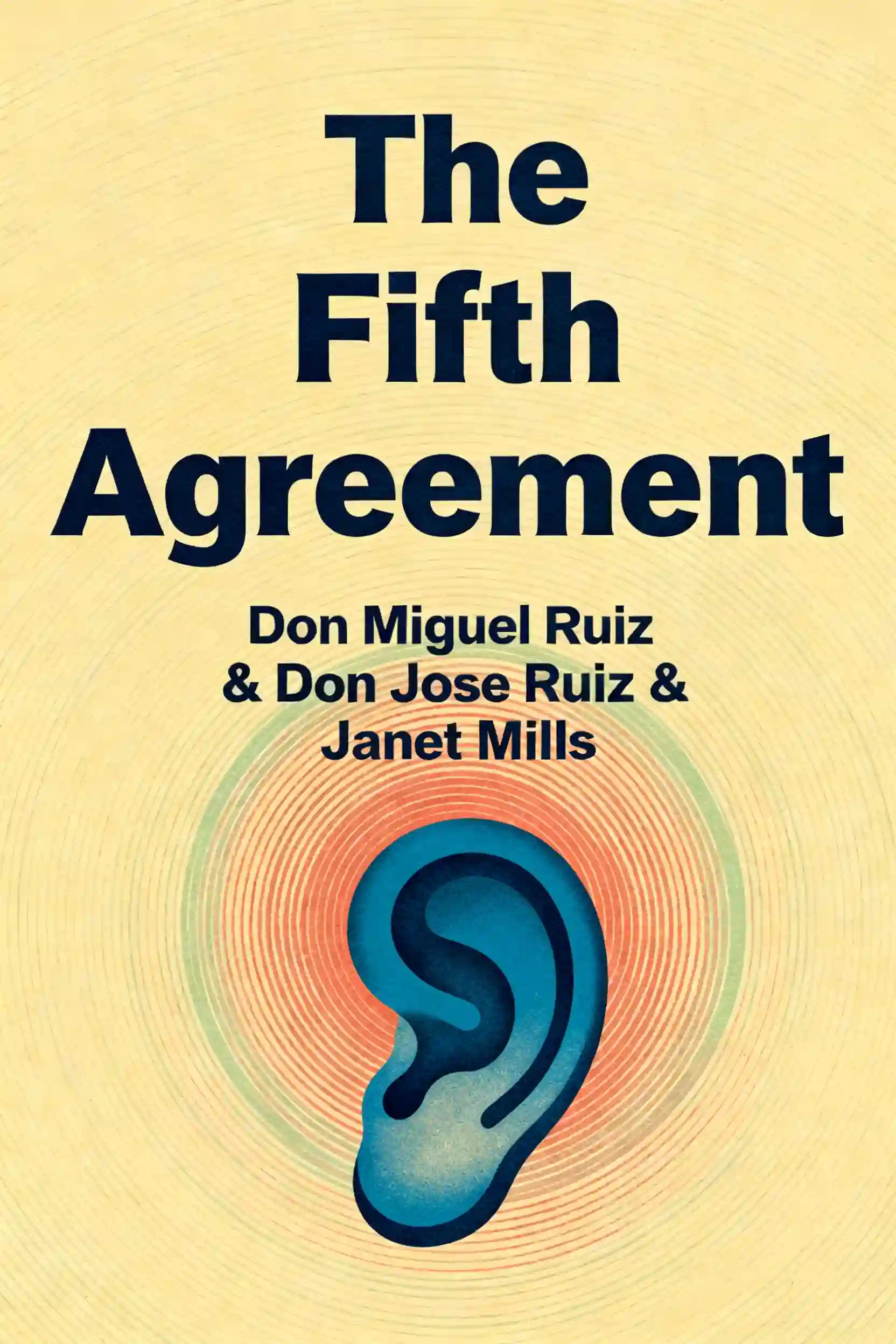
    Fifth Agreement
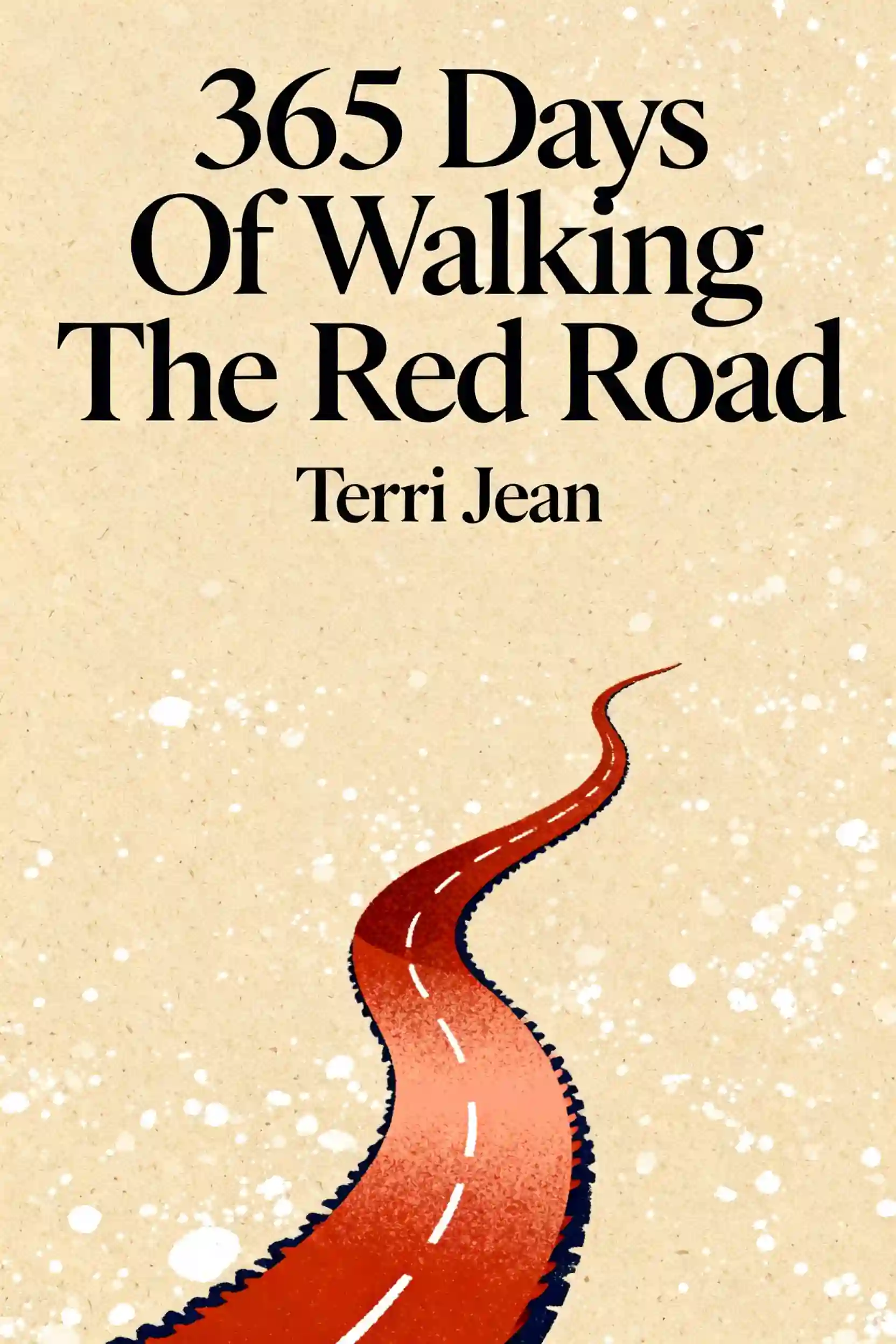
    365 Days of Walking the Red Road
    On the Toltec Path
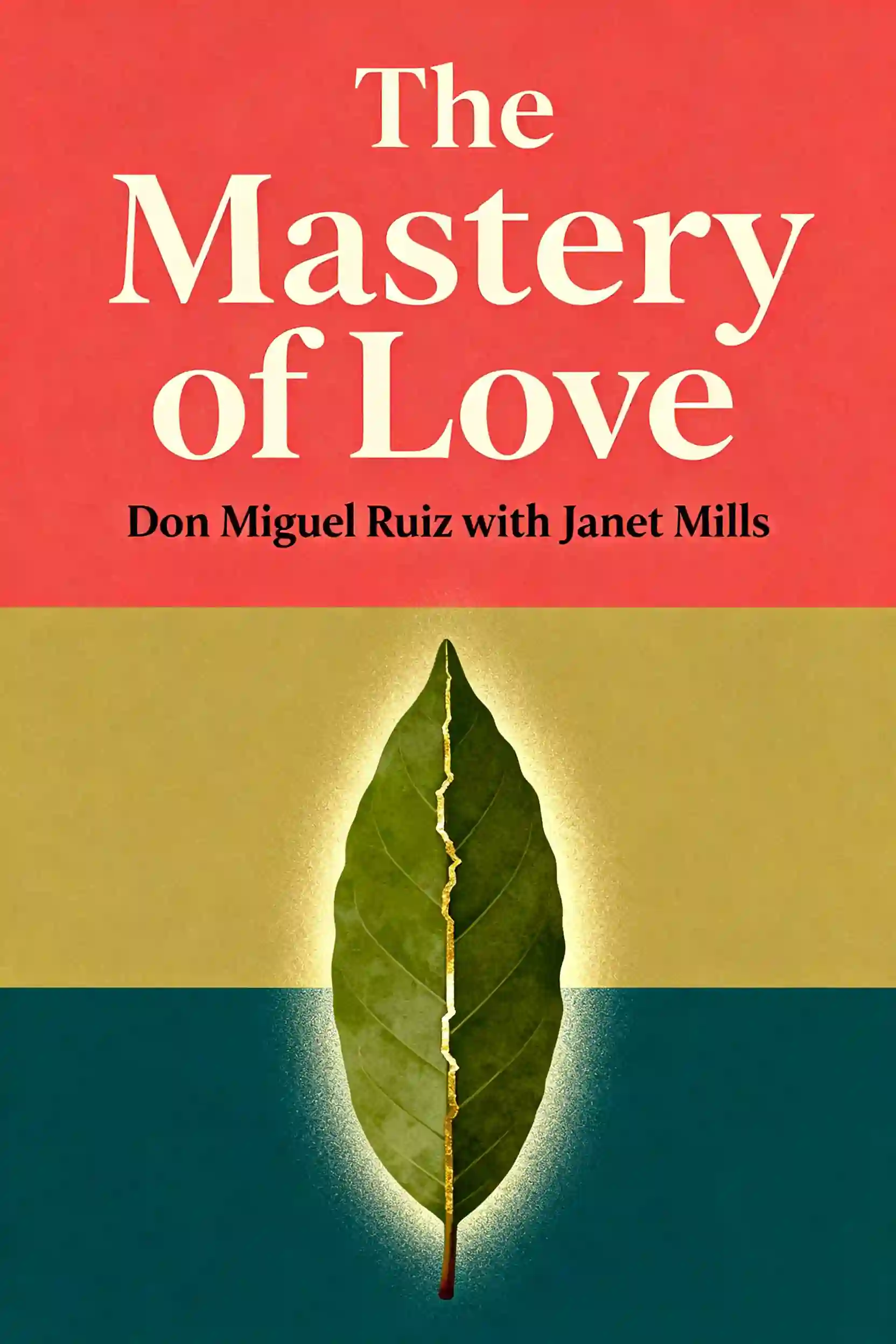
    The mastery of love
    Complete Game of Life and How to Play It
    Magic of Believing

    자주 묻는 질문

    The domestication of humans refers to the process by which we are trained as children to follow the rules and beliefs of the "Dream of the Planet." Through a system of rewards and punishments from parents, teachers, and society, we learn to adopt specific ideas of what is right and wrong. Eventually, we internalize these external rules, installing an "internal judge" and a "victim" within our own minds, which leads us to continue domesticating ourselves even as adults.

    This agreement is considered a superpower because it provides emotional sovereignty and immunity to the "emotional poison" of others. It is based on the insight that everyone lives in their own personal dream and their actions or words are merely projections of their own reality, not a reflection of yours. By detaching your self-worth from the opinions of others, you stop being a victim of needless suffering and can remain grounded even in difficult situations.

    Making assumptions is damaging because we often create elaborate, negative narratives based on very little information, such as a friend not texting back. We then believe these stories as absolute truth and react to them as if they were real, creating a "mitote" or internal fog of drama and misunderstanding. The script suggests that replacing assumptions with the courage to ask clarifying questions is the only way to deal with reality instead of our own projections.

    The agreement to "Always Do Your Best" is the action-oriented pillar that makes the other three agreements possible. It is a compassionate standard that acknowledges your "best" will change depending on your health, mood, and circumstances. By committing to do your actual best in any given moment—no more and no less—you eliminate the power of the internal judge, as you cannot blame yourself for an honest effort, thereby avoiding guilt and regret.

    The Toltec path involves three masteries: Awareness, Transformation, and Intent. Awareness allows you to realize you are dreaming and to notice the internal judge and victim in action. Transformation is the process of identifying and replacing self-limiting agreements with those that foster happiness. Finally, Intent is the focused energy that allows you to move from reacting to life to becoming the conscious creator of your own authentic dream.

    컬럼비아 대학교 동문들이 제작 | 샌프란시스코에서 개발

    BeFreed는 호기심 넘치는 글로벌 커뮤니티를 하나로 연결합니다

    4.7

    평균 평점

    앱 평가 7.84천 개 이상

    BeFreed 커뮤니티

    정말이지 아직 앱을 다 써 보지도 않았는데, 며칠 써 본 것만으로도 깊은 인상을 받았어요… BeFreed는 제가 써 본 어떤 학습 앱과도 차원이 달라요. 몰입감이 엄청나고 집중력도 실제로 좋아져서, 스마트폰을 하염없이 스크롤하는 분들께 딱이에요!

    @ladyInfinity

    정확히 23일 전에 BeFreed를 구입했는데, 그날부터 하루도 빠짐없이 쓰고 있어요. 제 일상 업무 흐름과 학습 습관에 완전히 자리 잡았어요.

    @jayallen

    솔직히 이 앱은 제 기대를 전부 뛰어넘었어요. 어떤 주제든 오디오로 만들어 달라고 할 수 있고, 결과물이 놀라워요. 제 전문 분야는 심리치료 쪽이고 여러 학문이 얽혀 있는데도 답변이 아주 정확해요.

    @Raguipa

    제일 고마운 건 스크롤하는 시간이 확 줄었다는 거예요. 검색하는 시간은 줄고 흡수하는 시간은 늘었어요. 오디오북 전권, 팟캐스트, 학습 플랜의 조합이 정말 훌륭해요.

    @colonyofcreatorsNGO

    저는 24년째 PhotoReading 속진 학습 강사로 일하고 있어요… 책과 독서, 배움이 제 전문인데, BeFreed는 정보를 소화하기 쉽게 전달하는 혁신적인 방식을 정말 잘 구현했어요.

    @BeFreed user

    단순한 책 요약 앱이 아니에요. '재미' 스타일을 써 봤는데, 전통적인 방식보다 훨씬 나은 요약이고 아이디어를 이해하기도 쉬워요. 이것만으로도 값어치를 해요.

    @austinakon

    이 앱이 정말 좋아요. 며칠 써 봤는데 듣는 걸 멈출 수가 없어요. 시작하기에 이보다 좋을 수 없어요.

    @jcrules328

    정말 마음에 들어요. 한 달 정도 써 봤는데 숨은 보석을 찾은 기분이에요. BeFreed로 제가 원하는 주제를 직접 만들 수 있어서 좋고, 목소리도 훌륭한 데다 내레이션 선택지가 무궁무진해요.

    @DanielCZ

    정말이지 아직 앱을 다 써 보지도 않았는데, 며칠 써 본 것만으로도 깊은 인상을 받았어요… BeFreed는 제가 써 본 어떤 학습 앱과도 차원이 달라요. 몰입감이 엄청나고 집중력도 실제로 좋아져서, 스마트폰을 하염없이 스크롤하는 분들께 딱이에요!

    @ladyInfinity

    정확히 23일 전에 BeFreed를 구입했는데, 그날부터 하루도 빠짐없이 쓰고 있어요. 제 일상 업무 흐름과 학습 습관에 완전히 자리 잡았어요.

    @jayallen

    솔직히 이 앱은 제 기대를 전부 뛰어넘었어요. 어떤 주제든 오디오로 만들어 달라고 할 수 있고, 결과물이 놀라워요. 제 전문 분야는 심리치료 쪽이고 여러 학문이 얽혀 있는데도 답변이 아주 정확해요.

    @Raguipa

    제일 고마운 건 스크롤하는 시간이 확 줄었다는 거예요. 검색하는 시간은 줄고 흡수하는 시간은 늘었어요. 오디오북 전권, 팟캐스트, 학습 플랜의 조합이 정말 훌륭해요.

    @colonyofcreatorsNGO

    저는 24년째 PhotoReading 속진 학습 강사로 일하고 있어요… 책과 독서, 배움이 제 전문인데, BeFreed는 정보를 소화하기 쉽게 전달하는 혁신적인 방식을 정말 잘 구현했어요.

    @BeFreed user

    단순한 책 요약 앱이 아니에요. '재미' 스타일을 써 봤는데, 전통적인 방식보다 훨씬 나은 요약이고 아이디어를 이해하기도 쉬워요. 이것만으로도 값어치를 해요.

    @austinakon

    이 앱이 정말 좋아요. 며칠 써 봤는데 듣는 걸 멈출 수가 없어요. 시작하기에 이보다 좋을 수 없어요.

    @jcrules328

    정말 마음에 들어요. 한 달 정도 써 봤는데 숨은 보석을 찾은 기분이에요. BeFreed로 제가 원하는 주제를 직접 만들 수 있어서 좋고, 목소리도 훌륭한 데다 내레이션 선택지가 무궁무진해요.

    @DanielCZ

    유용한 정보와 아이디어를 8~15분짜리 팟캐스트 스타일 오디오로 압축해서 들을 수 있다는 게 정말 좋아요. 원래 팟캐스트는 군더더기가 많아서 안 좋아했는데, 여기는 그걸 싹 걷어냈어요.

    @BeFreed user

    박사 과정을 마무리하는 중이라 낯선 자료를 많이 읽어야 해요… BeFreed에서는 프롬프트만 입력하면 앱이 자료를 찾아서 오디오 팟캐스트로 만들어 줘요. BeFreed의 과정이 NotebookLM보다 더 매끄럽게 느껴져요.

    @Brad

    아침을 준비하거나 산책하거나 출퇴근할 때 들을 것을 YouTube에서 자주 찾곤 했는데, BeFreed는 광고도 군더더기도 없이 훨씬 더 딱 맞는 걸 들려줘요!

    @BeFreed user

    이 플랫폼의 가장 큰 장점은 활용도예요. 다루지 못하는 주제가 말 그대로 하나도 없어요. 무엇을 던져도 다 소화해요… 제한이 전혀 없으면서 약속을 실제로 지키는 학습 도구는 정말 드물어요.

    @jayallen

    BeFreed는 환상적이에요. 디자인이 편해서 헤매는 시간은 줄고 배우는 시간은 늘었어요. 오디오북, 팟캐스트, 학습 플랜의 조합은 천재적이에요. 제 하루가 완전히 달라졌어요.

    @BeFreed user

    처음엔 이탈리아어로 팟캐스트를 만드는 방법을 이해하는 데 시간이 좀 걸렸는데, 알고 나니까 — 와! 정말 대단해요! 어떤 주제든 설명해 달라고 하면 정말 똑똑하게 잘 설명해 줘요!

    @matteo77

    BeFreed는 제가 매일 쓰는 오디오북 앱이 됐어요… 제일 마음에 드는 건 텍스트를 넣으면 이동 중에도 들을 수 있는 오디오로 만들어 준다는 점이에요.

    @kotanzu1

    유용한 정보와 아이디어를 8~15분짜리 팟캐스트 스타일 오디오로 압축해서 들을 수 있다는 게 정말 좋아요. 원래 팟캐스트는 군더더기가 많아서 안 좋아했는데, 여기는 그걸 싹 걷어냈어요.

    @BeFreed user

    박사 과정을 마무리하는 중이라 낯선 자료를 많이 읽어야 해요… BeFreed에서는 프롬프트만 입력하면 앱이 자료를 찾아서 오디오 팟캐스트로 만들어 줘요. BeFreed의 과정이 NotebookLM보다 더 매끄럽게 느껴져요.

    @Brad

    아침을 준비하거나 산책하거나 출퇴근할 때 들을 것을 YouTube에서 자주 찾곤 했는데, BeFreed는 광고도 군더더기도 없이 훨씬 더 딱 맞는 걸 들려줘요!

    @BeFreed user

    이 플랫폼의 가장 큰 장점은 활용도예요. 다루지 못하는 주제가 말 그대로 하나도 없어요. 무엇을 던져도 다 소화해요… 제한이 전혀 없으면서 약속을 실제로 지키는 학습 도구는 정말 드물어요.

    @jayallen

    BeFreed는 환상적이에요. 디자인이 편해서 헤매는 시간은 줄고 배우는 시간은 늘었어요. 오디오북, 팟캐스트, 학습 플랜의 조합은 천재적이에요. 제 하루가 완전히 달라졌어요.

    @BeFreed user

    처음엔 이탈리아어로 팟캐스트를 만드는 방법을 이해하는 데 시간이 좀 걸렸는데, 알고 나니까 — 와! 정말 대단해요! 어떤 주제든 설명해 달라고 하면 정말 똑똑하게 잘 설명해 줘요!

    @matteo77

    BeFreed는 제가 매일 쓰는 오디오북 앱이 됐어요… 제일 마음에 드는 건 텍스트를 넣으면 이동 중에도 들을 수 있는 오디오로 만들어 준다는 점이에요.

    @kotanzu1

    웹에서 BeFreed가 어떻게 논의되고 있는지 더 보기
    129.7K19.5K
    55.2K19.2K
    154.2K10827355
    48.1K2.5K
    81.2K6.6K
    82.3K1.8K
    지금 바로 학습 여정을 시작하세요
    BeFreed 앱
    BeFreed

    무엇이든 개인화된 학습

    DiscordLinkedIn
    추천 도서 요약
    Crucial ConversationsThe Perfect MarriageInto the WildNever Split the DifferenceAttachedGood to GreatSay Nothing
    인기 카테고리
    Self HelpCommunication SkillRelationshipMindfulnessPhilosophyInspirationProductivity
    유명인 추천 도서
    Elon MuskCharlie KirkBill GatesSteve JobsAndrew HubermanJoe RoganJordan Peterson
    수상작 컬렉션
    Pulitzer PrizeNational Book AwardGoodreads Choice AwardsNobel Prize in LiteratureNew York TimesCaldecott MedalNebula Award
    추천 주제
    ManagementAmerican HistoryWarTradingStoicismAnxietySex
    연도별 베스트 도서
    2025 Best Non Fiction Books2024 Best Non Fiction Books2023 Best Non Fiction Books
    추천 저자
    Chimamanda Ngozi AdichieGeorge OrwellO. J. SimpsonBarbara O'NeillWinston ChurchillCharlie Kirk
    BeFreed vs 다른 앱
    BeFreed vs. Other Book Summary AppsBeFreed vs. ElevenReaderBeFreed vs. ReadwiseBeFreed vs. Anki
    학습 도구
    Knowledge VisualizerAI Podcast Generator
    정보
    회사 소개arrow
    가격arrow
    FAQarrow
    블로그arrow
    채용arrow
    파트너십arrow
    앰배서더 프로그램arrow
    디렉토리arrow
    BeFreed
    Try now
    © 2026 BeFreed
    이용 약관개인정보 처리방침
    BeFreed

    무엇이든 개인화된 학습

    DiscordLinkedIn
    추천 도서 요약
    Crucial ConversationsThe Perfect MarriageInto the WildNever Split the DifferenceAttachedGood to GreatSay Nothing
    인기 카테고리
    Self HelpCommunication SkillRelationshipMindfulnessPhilosophyInspirationProductivity
    유명인 추천 도서
    Elon MuskCharlie KirkBill GatesSteve JobsAndrew HubermanJoe RoganJordan Peterson
    수상작 컬렉션
    Pulitzer PrizeNational Book AwardGoodreads Choice AwardsNobel Prize in LiteratureNew York TimesCaldecott MedalNebula Award
    추천 주제
    ManagementAmerican HistoryWarTradingStoicismAnxietySex
    연도별 베스트 도서
    2025 Best Non Fiction Books2024 Best Non Fiction Books2023 Best Non Fiction Books
    학습 도구
    Knowledge VisualizerAI Podcast Generator
    추천 저자
    Chimamanda Ngozi AdichieGeorge OrwellO. J. SimpsonBarbara O'NeillWinston ChurchillCharlie Kirk
    BeFreed vs 다른 앱
    BeFreed vs. Other Book Summary AppsBeFreed vs. ElevenReaderBeFreed vs. ReadwiseBeFreed vs. Anki
    정보
    회사 소개arrow
    가격arrow
    FAQarrow
    블로그arrow
    채용arrow
    파트너십arrow
    앰배서더 프로그램arrow
    디렉토리arrow
    BeFreed
    Try now
    © 2026 BeFreed
    이용 약관개인정보 처리방침

    비슷한 콘텐츠

    Toltec Living and Breaking the Dream of the Planet 책 표지
    Getting Castaneda365 Days of Walking the Red RoadOn the Toltec PathTales of Power
    25 sources
    Toltec Living and Breaking the Dream of the Planet
    Struggling with self-criticism? Explore how don Miguel Ruiz and Carlos Castaneda use Toltec wisdom to break old agreements and reclaim your energy.
    22 min
    Life as a Game: The Toltec Way 책 표지
    The Game of Life - Toltec SpiritThe Four Agreements Summary: Don Miguel Ruiz’s Book Review, Analysis & Guide – Your SummaryHow to Live The Four Agreements Every DayAbout - Ask Florence Scovel Shinn
    5 sources
    Life as a Game: The Toltec Way
    We often treat life like a stressful battle of rules we never signed. Discover how to break free from social domestication and reclaim your joy.
    18 min
    Breaking Free From Mental Autopilot 책 표지
    Living PresenceBe Here NowThe Art of LivingAwareness
    24 sources
    Breaking Free From Mental Autopilot
    Explore Eckhart Tolle's transformative insights on escaping the cycle of repetitive thinking and finding peace through present-moment awareness. Discover how to break free from the 'egoic mind' that creates suffering.
    11 min
    On the Toltec Path 책 표지
    On the Toltec Path
    Ken Eagle Feather
    A practical guide exploring Toltec spiritual practices and mystical teachings, based on the author's experiences and Castaneda's works.
    28 min
    Find Your Authentic Self: Break Free From Autopilot 책 표지
    source 1source 2source 3source 4
    6 sources
    Find Your Authentic Self: Break Free From Autopilot
    Discover actionable steps to escape childhood conditioning and reconnect with your true self. Learn how trauma lives in your body, why you're addicted to stress, and practical techniques to rewire your nervous system for authentic living.
    11 min
    Taoism: Ancient Wisdom for Modern Chaos 책 표지
    Tao Te ChingTao Te ChingThe Tao of PoohChange Your Thoughts – Change Your Life
    15 sources
    Taoism: Ancient Wisdom for Modern Chaos
    Discover how Taoism goes beyond 'going with the flow' to offer profound insights on balance, paradox, and harmony with nature's rhythms—a philosophy surprisingly relevant for our control-obsessed world.
    25 min
    The Smoky Mirror and the Gospel 책 표지
    The Four Agreements: Full Book Summary & Analysis | SparkNotesSaturate: Being Disciples of Jesus in the Everyday Stuff of Life SummaryReformed TheologyFour Agreements
    8 sources
    The Smoky Mirror and the Gospel
    Struggling with social conditioning and fear? Explore how Toltec wisdom and Reformed theology offer a path from 'domestication' to true identity.
    23 min
    Fifth Agreement 책 표지
    Fifth Agreement
    Don Miguel Ruiz & Don Jose Ruiz & Janet Mills
    A powerful guide to personal freedom through five Toltec wisdom agreements, transforming self-limiting beliefs into authentic living.
    28 min

    Recommended Learning Plans

    Teopan: The Path of the 20 Forces
    학습 계획

    Teopan: The Path of the 20 Forces

    This plan offers a deep dive into Mexica philosophy, ideal for students of history, spirituality, or Mesoamerican culture. It provides a structured path to understanding how ancient wisdom on cosmic balance and education can inform personal growth today.

    1 h 30 m•3 섹션
    The Existentialist Roadmap to Freedom
    학습 계획

    The Existentialist Roadmap to Freedom

    This plan is essential for individuals feeling trapped by societal expectations or existential dread, offering a path to radical self-ownership. It is designed for deep thinkers and aspiring leaders who want to build a life of authenticity and purpose beyond conventional norms.

    2 h•4 섹션
    The Stoic Forge and Nietzschean Fire
    학습 계획

    The Stoic Forge and Nietzschean Fire

    This plan bridges the gap between ancient discipline and modern existential freedom, offering a roadmap for self-mastery. It is ideal for individuals seeking to balance mental fortitude with the creative courage to define their own path in life.

    1 h 30 m•3 섹션
    The Dangerous Art of Living Free
    학습 계획

    The Dangerous Art of Living Free

    This plan is designed for individuals seeking to break free from societal conformity and internal dependency. It bridges the gap between Eastern and Western philosophy to provide a rigorous framework for those who value intellectual depth and personal sovereignty.

    2 h 24 m•4 섹션
    The Will to Power and Self-Mastery
    학습 계획

    The Will to Power and Self-Mastery

    This plan is essential for individuals seeking to break free from societal conditioning and reclaim their personal narrative. It is designed for those who want to master their internal impulses and transform their lives through the lens of existential philosophy and self-determination.

    1 h 12 m•3 섹션
    Ancient Wisdom for Modern Living
    학습 계획

    Ancient Wisdom for Modern Living

    In an era of constant distraction and uncertainty, these foundational philosophical principles offer a roadmap for mental clarity and emotional stability. This plan is ideal for anyone seeking to replace reactive habits with intentional living and ancient resilience strategies.

    1 h 30 m•3 섹션
    The Path to Radical Wholeness
    학습 계획

    The Path to Radical Wholeness

    This course is essential for individuals feeling stuck in repetitive emotional cycles or disconnected from their true selves. It provides a practical framework for shadow work and intuitive development, making it ideal for anyone seeking deep psychological integration and authentic living.

    2 h•4 섹션
    Taoism and Trauma Healing Exploration
    학습 계획

    Taoism and Trauma Healing Exploration

    This exploration bridges ancient Eastern wisdom with modern trauma science to offer a holistic path toward recovery. It is ideal for individuals seeking alternative somatic healing methods and practitioners looking to integrate Taoist energy principles into their therapeutic toolkit.

    5 h 24 m•4 섹션