The Strange Planet Where Toys Forget They Are Playing
Lena: Imagine waking up on a planet where every single person you see is actually a toy. I mean, literally—vibrant, plastic, or plush, designed for nothing but joy. But here is the catch: almost all of them have completely forgotten they’re toys. They’re walking around in these stiff little suits, carrying tiny briefcases, looking incredibly stressed about "toy deadlines" and "toy mortgages." It sounds like a Pixar movie, right? But this is actually a powerful dream recorded in the Toltec tradition . It’s a metaphor for how we live our lives today—trapped in a heavy, grayscale version of reality because we’ve forgotten that life is supposed to be a game.
Miles: That is such a vivid image to start with. It’s wild because when you look at it through that lens, you realize we spend so much energy pretending to be these very serious, very static characters. We practice one single role—the "serious professional" or the "worried parent"—until we’re master actors, but we lose the fluidity we had when we were five years old . Back then, we could be a pirate one minute and a doctor the next, and it didn't matter what anyone thought. We were just playing.
Lena: Exactly! And the reason this matters so much for us right now, in 2026, is that we are all feeling the weight of what Don Miguel Ruiz calls "The Dream of the Planet." It’s this collective set of rules and social contracts we never actually signed, but we follow them religiously . We’re exhausted because we’re playing a game where we don’t even know the rules, or worse, we’re playing games that nobody can ever win.
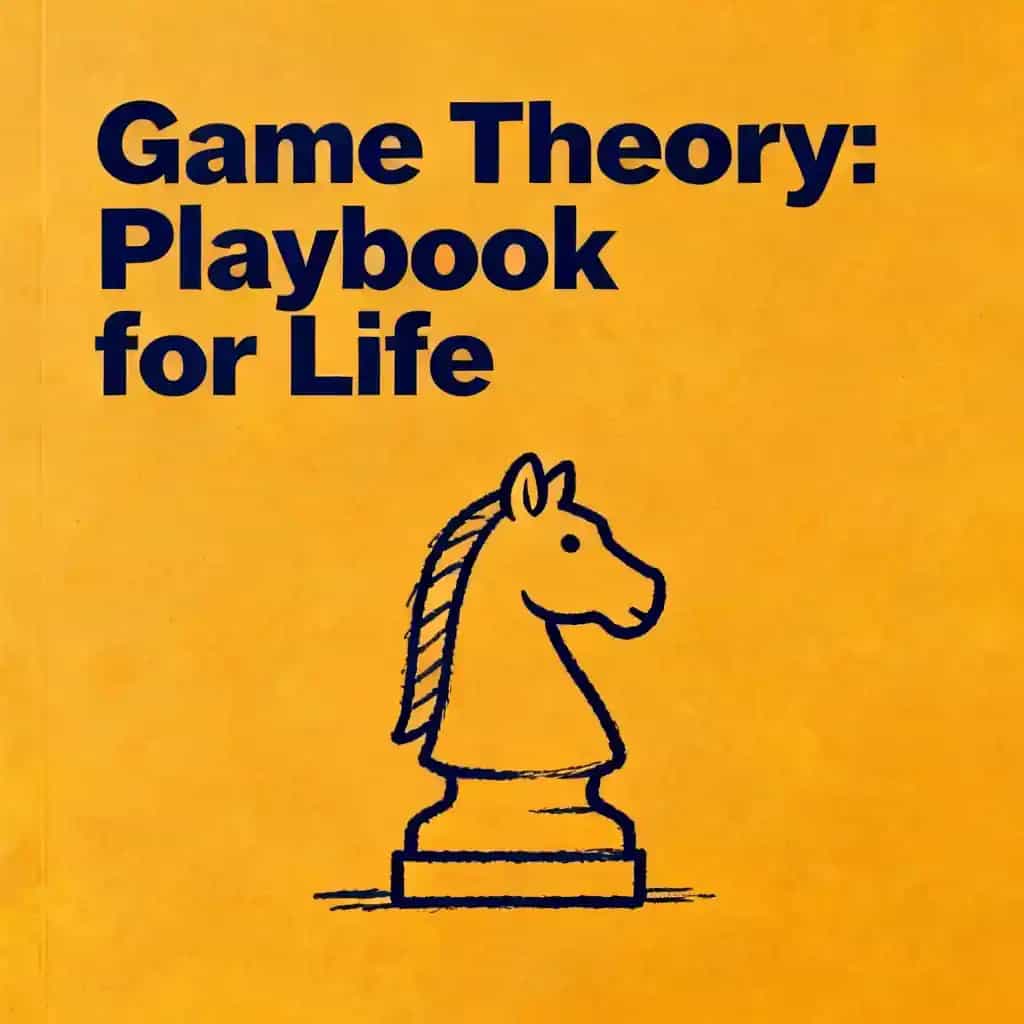
Miles: You’re talking about those "high drama" games, right? Like the "I’m right and you’re wrong" game. I see people playing that to the death every day on social media . It’s fascinating because the wisdom of the Toltecs and the insights from thinkers like Florence Scovel Shinn both point to the same thing: life isn't a battle to be fought; it’s a game to be played .
Lena: It really changes the stakes when you view it that way. If it’s a game, you can learn the mechanics. You can change your strategy. So today, we’re going to look at the "Four Agreements" as the ultimate rulebook for reclaiming that childhood freedom, while also using Shinn’s "Game of Life" framework to figure out how to actually win at being human. Let's dive into how we got so "domesticated" in the first place.