정말이지 아직 앱을 다 써 보지도 않았는데, 며칠 써 본 것만으로도 깊은 인상을 받았어요… BeFreed는 제가 써 본 어떤 학습 앱과도 차원이 달라요. 몰입감이 엄청나고 집중력도 실제로 좋아져서, 스마트폰을 하염없이 스크롤하는 분들께 딱이에요!
@ladyInfinity
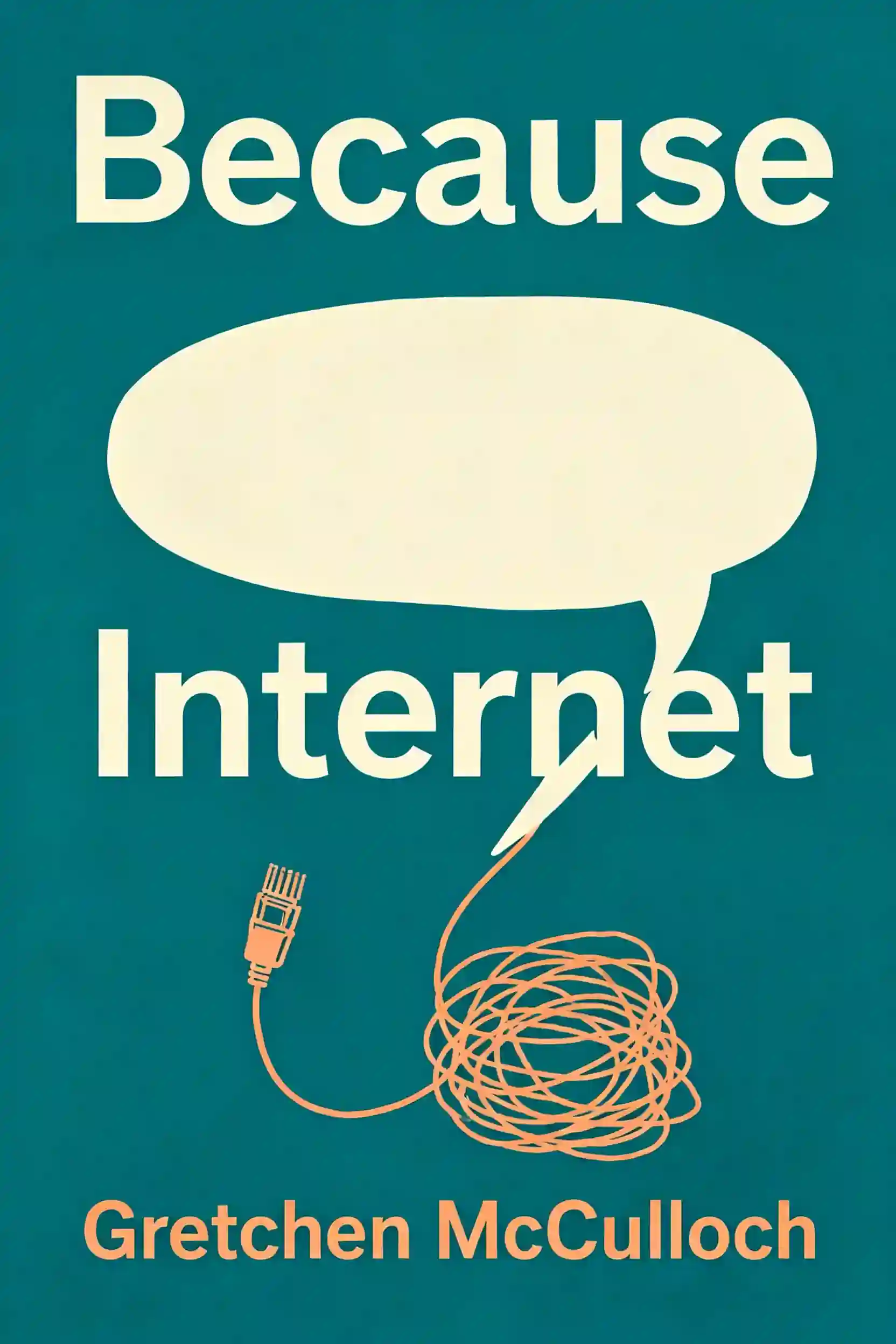
Exploring the hidden biases behind our snap judgments about vocal patterns like uptalk and vocal fry, and what the science reveals about speech, power, and generational divides.

We're not just judging voices—we're judging entire generations and genders based on linguistic changes that are actually quite sophisticated. Young people are the linguistic innovators, and they're not destroying English—they're creating it.
I was talking about the disrespectful, rude, passive aggressive up talking that the young people are doing or this in group part of the left, leaning progressive hierarchical structure that all liberals and young people especially women are doing that with Up talking vocal fry wearing spandex in public, twisting the mouth when they talk lisping putting ducks on their jeep window for men young men wearing beards as they drive their truck trucks and it seems to be ever present in the south here

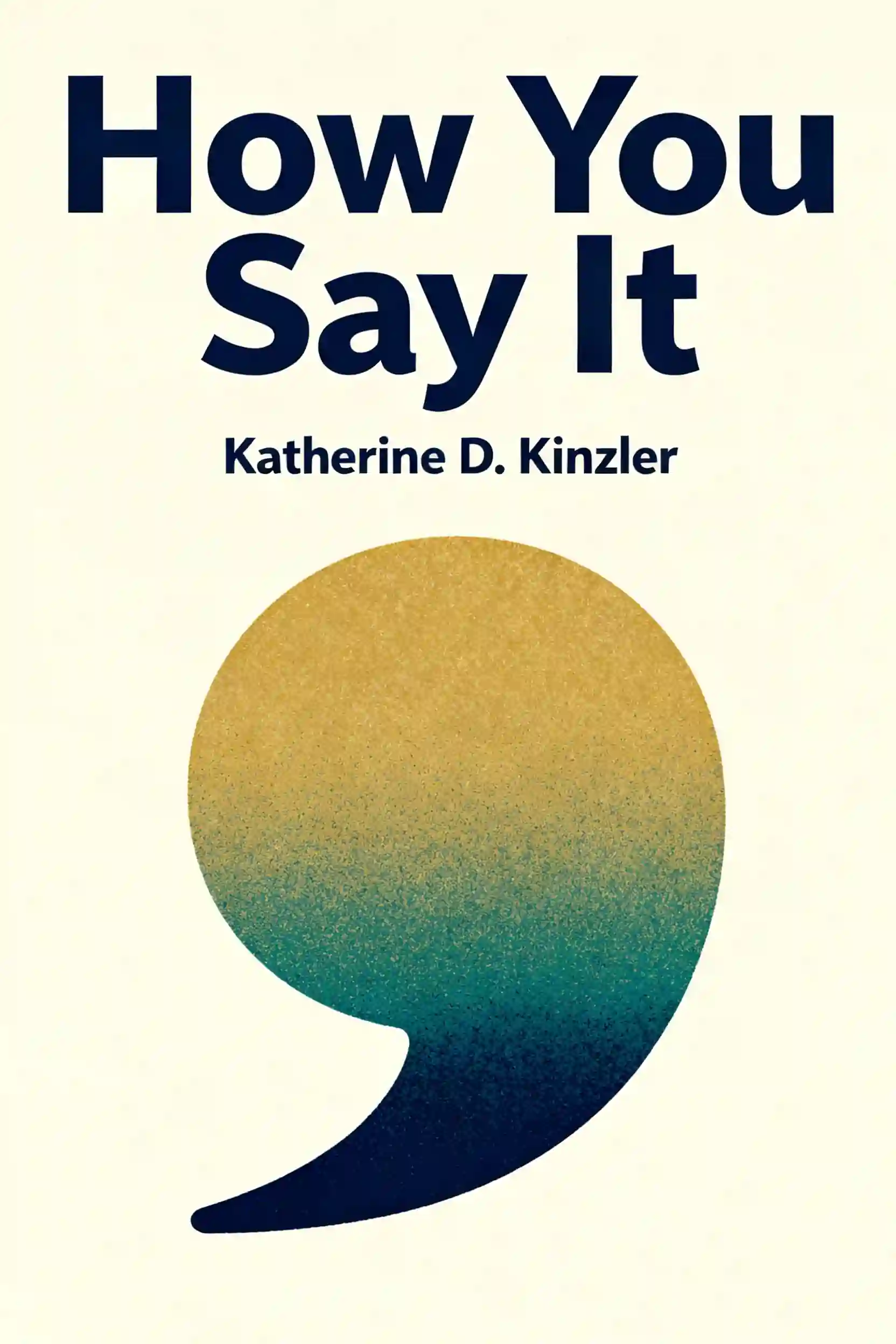
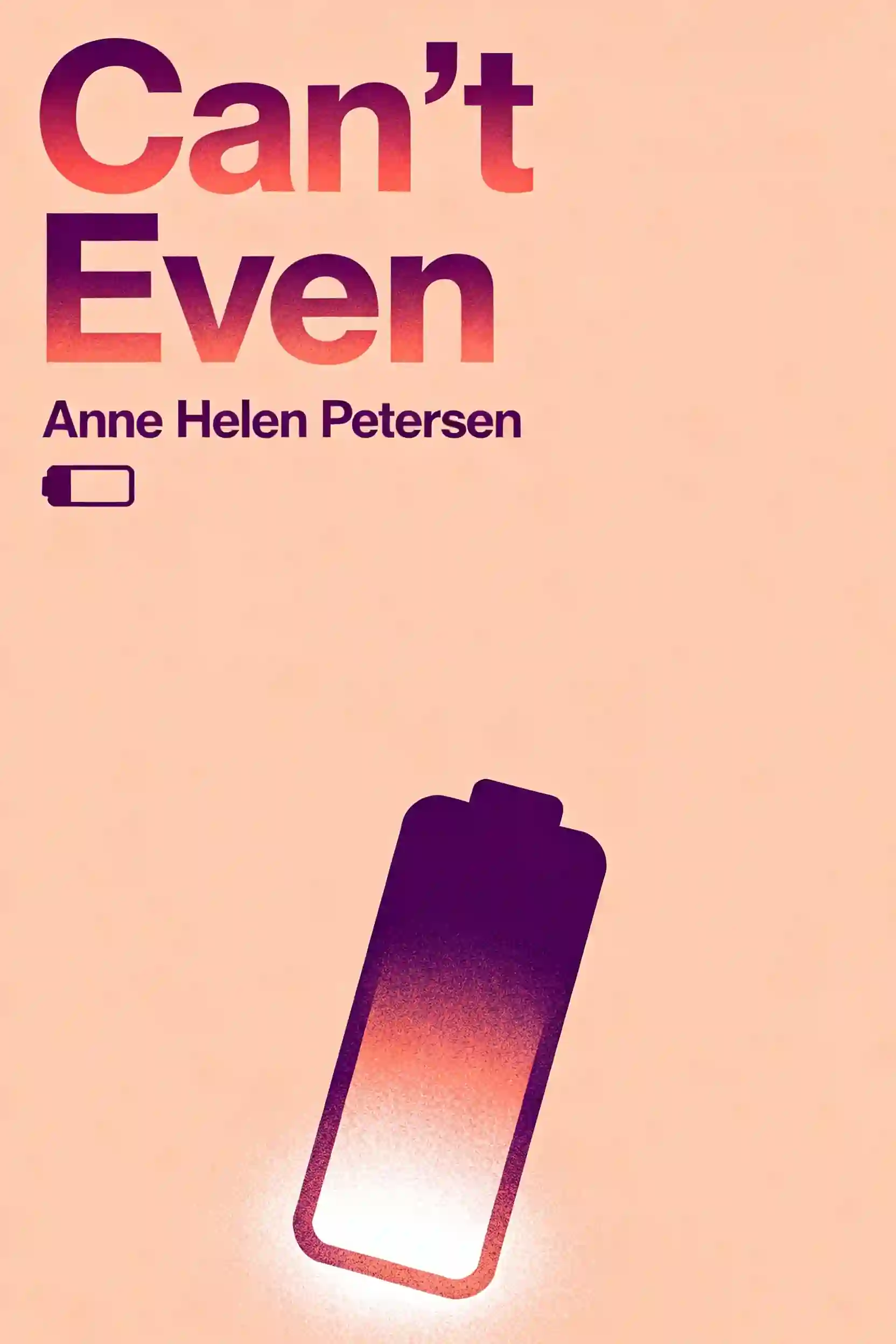
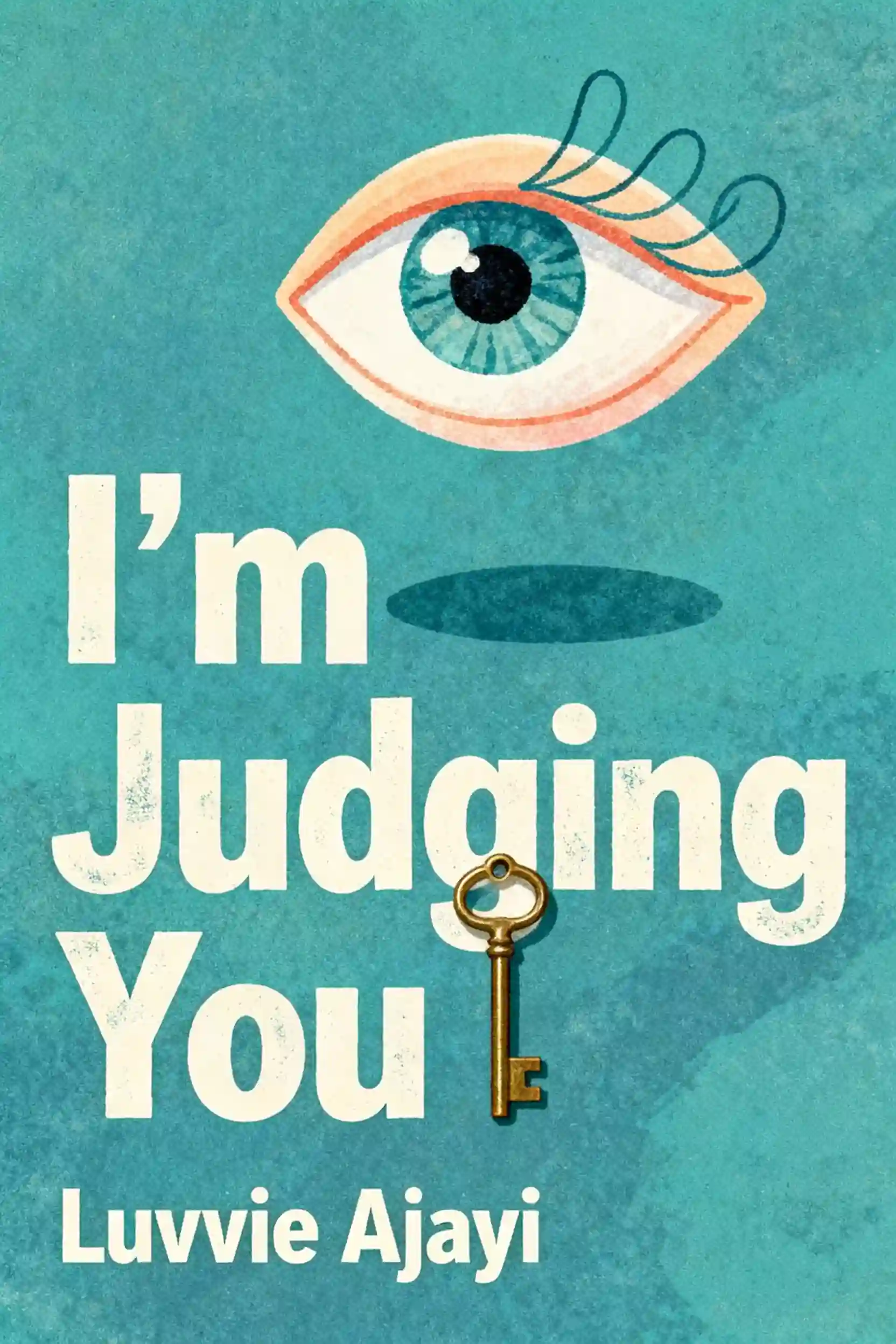
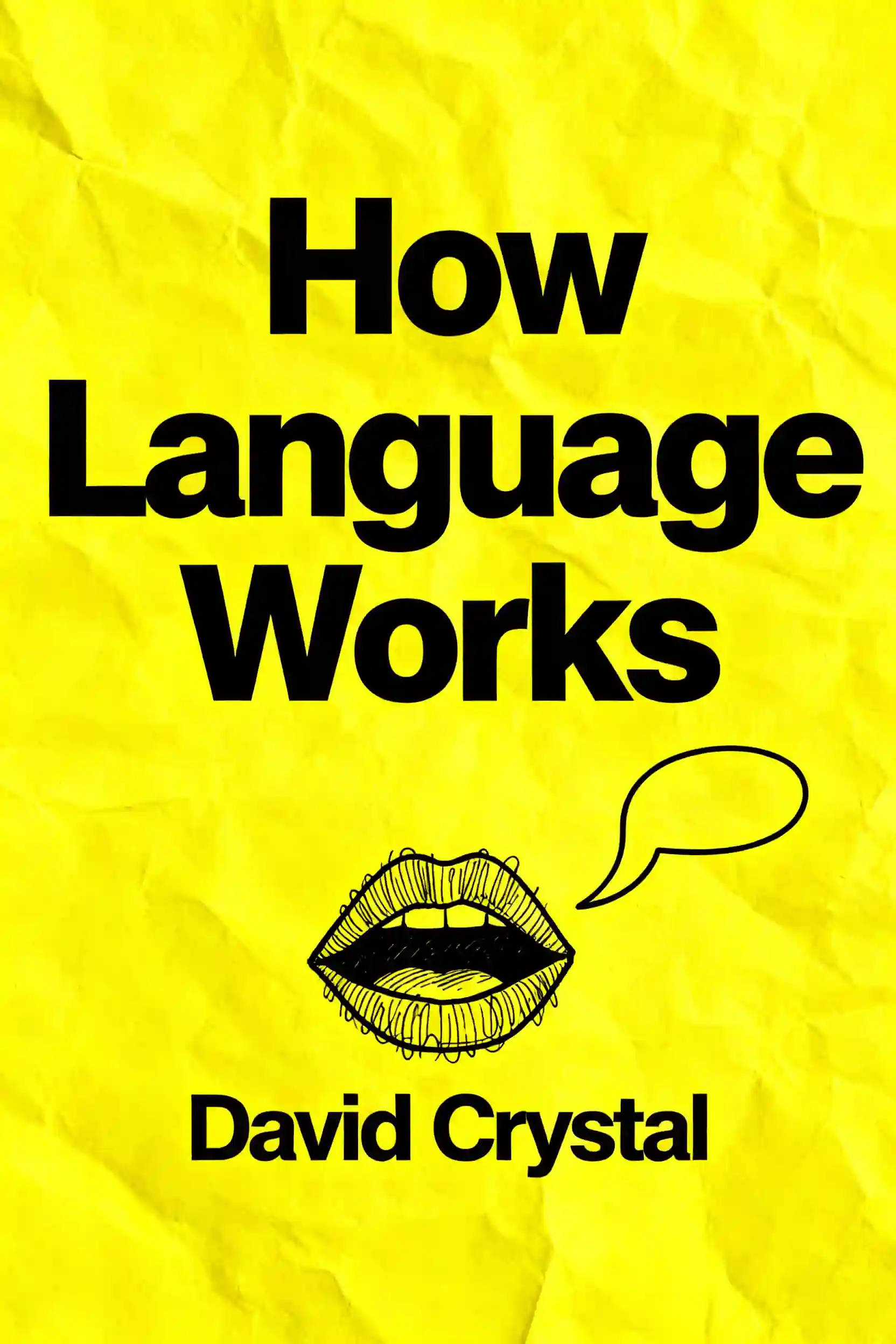
컬럼비아 대학교 동문들이 제작 | 샌프란시스코에서 개발
평균 평점
앱 평가 7.84천 개 이상
BeFreed 커뮤니티
정말이지 아직 앱을 다 써 보지도 않았는데, 며칠 써 본 것만으로도 깊은 인상을 받았어요… BeFreed는 제가 써 본 어떤 학습 앱과도 차원이 달라요. 몰입감이 엄청나고 집중력도 실제로 좋아져서, 스마트폰을 하염없이 스크롤하는 분들께 딱이에요!
@ladyInfinity
정확히 23일 전에 BeFreed를 구입했는데, 그날부터 하루도 빠짐없이 쓰고 있어요. 제 일상 업무 흐름과 학습 습관에 완전히 자리 잡았어요.
@jayallen
솔직히 이 앱은 제 기대를 전부 뛰어넘었어요. 어떤 주제든 오디오로 만들어 달라고 할 수 있고, 결과물이 놀라워요. 제 전문 분야는 심리치료 쪽이고 여러 학문이 얽혀 있는데도 답변이 아주 정확해요.
@Raguipa
제일 고마운 건 스크롤하는 시간이 확 줄었다는 거예요. 검색하는 시간은 줄고 흡수하는 시간은 늘었어요. 오디오북 전권, 팟캐스트, 학습 플랜의 조합이 정말 훌륭해요.
@colonyofcreatorsNGO
저는 24년째 PhotoReading 속진 학습 강사로 일하고 있어요… 책과 독서, 배움이 제 전문인데, BeFreed는 정보를 소화하기 쉽게 전달하는 혁신적인 방식을 정말 잘 구현했어요.
@BeFreed user
단순한 책 요약 앱이 아니에요. '재미' 스타일을 써 봤는데, 전통적인 방식보다 훨씬 나은 요약이고 아이디어를 이해하기도 쉬워요. 이것만으로도 값어치를 해요.
@austinakon
이 앱이 정말 좋아요. 며칠 써 봤는데 듣는 걸 멈출 수가 없어요. 시작하기에 이보다 좋을 수 없어요.
@jcrules328
정말 마음에 들어요. 한 달 정도 써 봤는데 숨은 보석을 찾은 기분이에요. BeFreed로 제가 원하는 주제를 직접 만들 수 있어서 좋고, 목소리도 훌륭한 데다 내레이션 선택지가 무궁무진해요.
@DanielCZ
유용한 정보와 아이디어를 8~15분짜리 팟캐스트 스타일 오디오로 압축해서 들을 수 있다는 게 정말 좋아요. 원래 팟캐스트는 군더더기가 많아서 안 좋아했는데, 여기는 그걸 싹 걷어냈어요.
@BeFreed user
박사 과정을 마무리하는 중이라 낯선 자료를 많이 읽어야 해요… BeFreed에서는 프롬프트만 입력하면 앱이 자료를 찾아서 오디오 팟캐스트로 만들어 줘요. BeFreed의 과정이 NotebookLM보다 더 매끄럽게 느껴져요.
@Brad
아침을 준비하거나 산책하거나 출퇴근할 때 들을 것을 YouTube에서 자주 찾곤 했는데, BeFreed는 광고도 군더더기도 없이 훨씬 더 딱 맞는 걸 들려줘요!
@BeFreed user
이 플랫폼의 가장 큰 장점은 활용도예요. 다루지 못하는 주제가 말 그대로 하나도 없어요. 무엇을 던져도 다 소화해요… 제한이 전혀 없으면서 약속을 실제로 지키는 학습 도구는 정말 드물어요.
@jayallen
BeFreed는 환상적이에요. 디자인이 편해서 헤매는 시간은 줄고 배우는 시간은 늘었어요. 오디오북, 팟캐스트, 학습 플랜의 조합은 천재적이에요. 제 하루가 완전히 달라졌어요.
@BeFreed user
처음엔 이탈리아어로 팟캐스트를 만드는 방법을 이해하는 데 시간이 좀 걸렸는데, 알고 나니까 — 와! 정말 대단해요! 어떤 주제든 설명해 달라고 하면 정말 똑똑하게 잘 설명해 줘요!
@matteo77
BeFreed는 제가 매일 쓰는 오디오북 앱이 됐어요… 제일 마음에 드는 건 텍스트를 넣으면 이동 중에도 들을 수 있는 오디오로 만들어 준다는 점이에요.
@kotanzu1




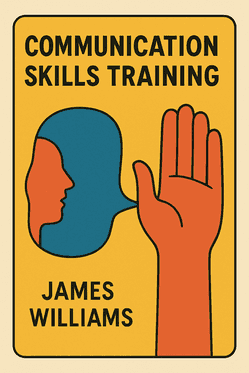
In professional environments, what is said is often less important than how it sounds. This plan is essential for negotiators, investigators, and leaders who need to decode hidden vocal cues to assess credibility and influence effectively.
In an era of superficial communication, finding your genuine resonance is a competitive advantage. This plan is designed for leaders and speakers who want to bridge the gap between their inner identity and their public presence by removing physical and mental blocks.

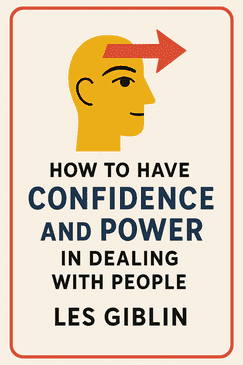
This program is designed for rising leaders who need to command respect and drive results in high-pressure environments. It bridges the gap between technical expertise and executive presence by mastering the art of concise communication and strategic influence.

Vocal confidence is essential for professional success, personal relationships, and leadership impact. This plan is designed for anyone who struggles with speaking anxiety, feels their voice doesn't match their message, or wants to command attention and influence in presentations, meetings, or everyday conversations.

High-pressure environments often trigger a fight-or-flight response that silences productive dialogue. This plan is essential for professionals and partners who struggle with emotional dysregulation, providing the nervous system tools and communication frameworks needed to stay present and articulate during conflict.

In today’s collaborative environment, the fear of judgment often stifles innovation and individual growth. This plan is designed for professionals and individuals who feel held back by social anxiety, offering a scientific roadmap to reclaim their voice and build lasting confidence.

In today's competitive landscape, clear and authoritative communication is a prerequisite for leadership. This plan is designed for professionals and aspiring executives who want to transform their vocal delivery from hesitant to commanding.

This playbook is essential for professionals and individuals who struggle with speech blocks or social anxiety in high-stakes settings. It provides a holistic approach combining physiological regulation with practical communication frameworks to build lasting verbal confidence.