BeFreed
    Categories>Self Help>The Self-Love Revolution: Breaking Free From Perfectionism

    The Self-Love Revolution: Breaking Free From Perfectionism

    26분
    |
    |
    2026년 2월 20일
    Self HelpPsychologyPersonal Development

    Discover why we were never taught to love ourselves and how self-compassion—not achievement—is the real key to happiness and success. Learn practical ways to befriend yourself.

    The Self-Love Revolution: Breaking Free From Perfectionism

    The Self-Love Revolution: Breaking Free From Perfectionism 베스트 인용

    “

    Your worthiness is not up for debate—it's a given. You are worthy of love exactly as you are right now, not when you achieve your goals or fix all your flaws.

    ”

    이 오디오 레슨은 BeFreed 커뮤니티 멤버가 만들었습니다

    질문 입력

    How to love yourself. Why it’s important. How to do it

    호스트 음성
    Lenaplay
    Milesplay
    학습 스타일
    심층
    지식 출처
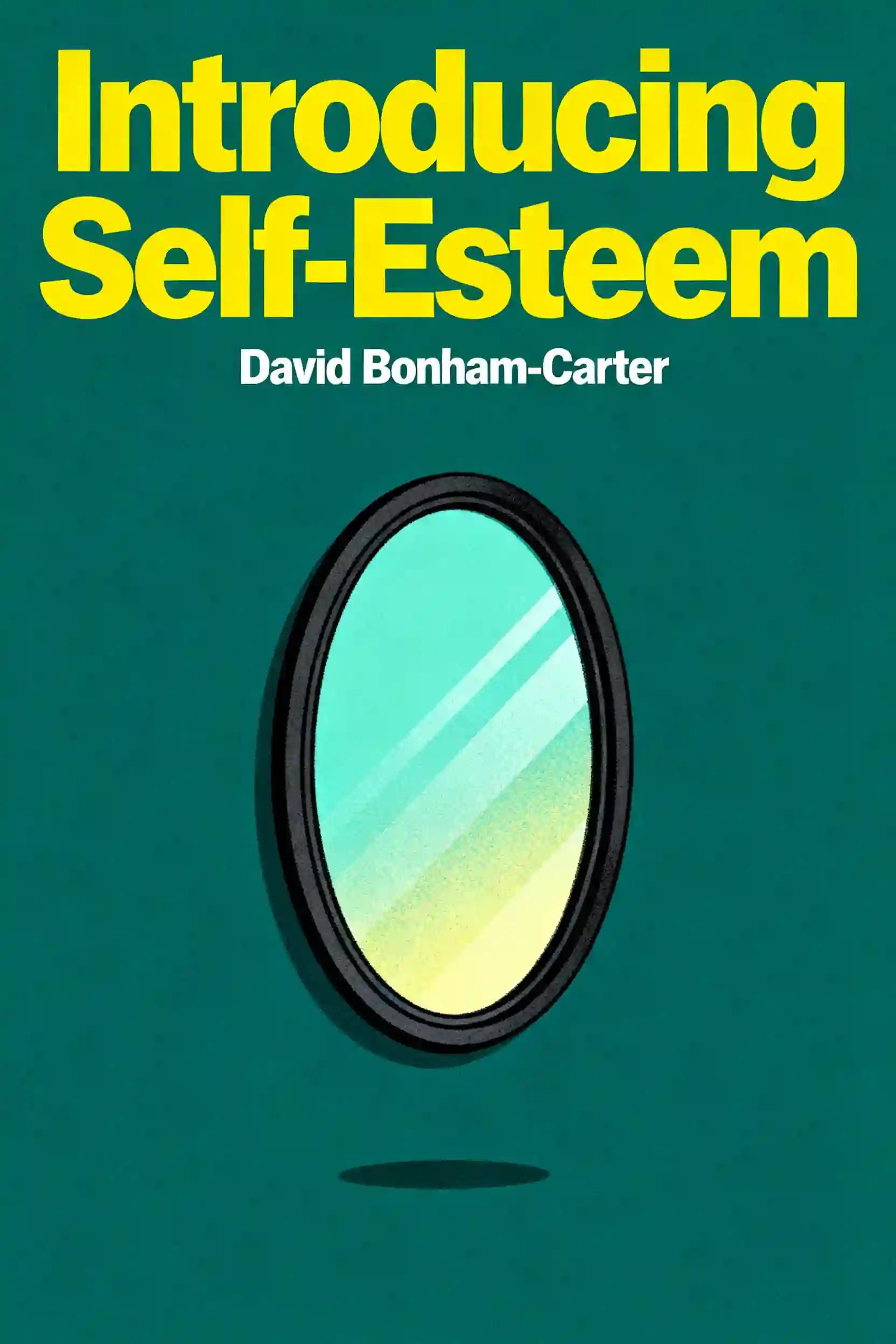
    Introducing Selfesteem A Practical Guide
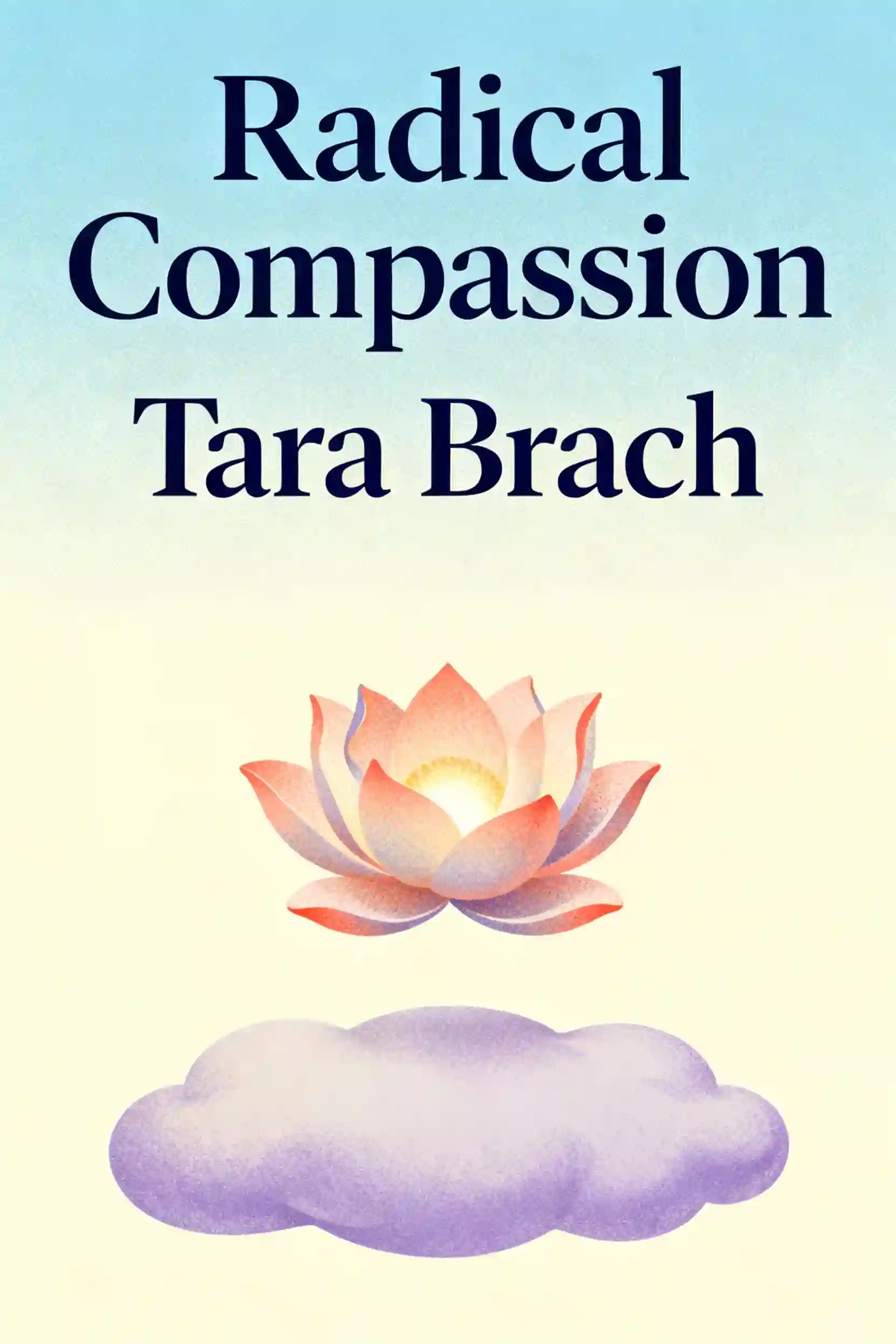
    Radical Compassion
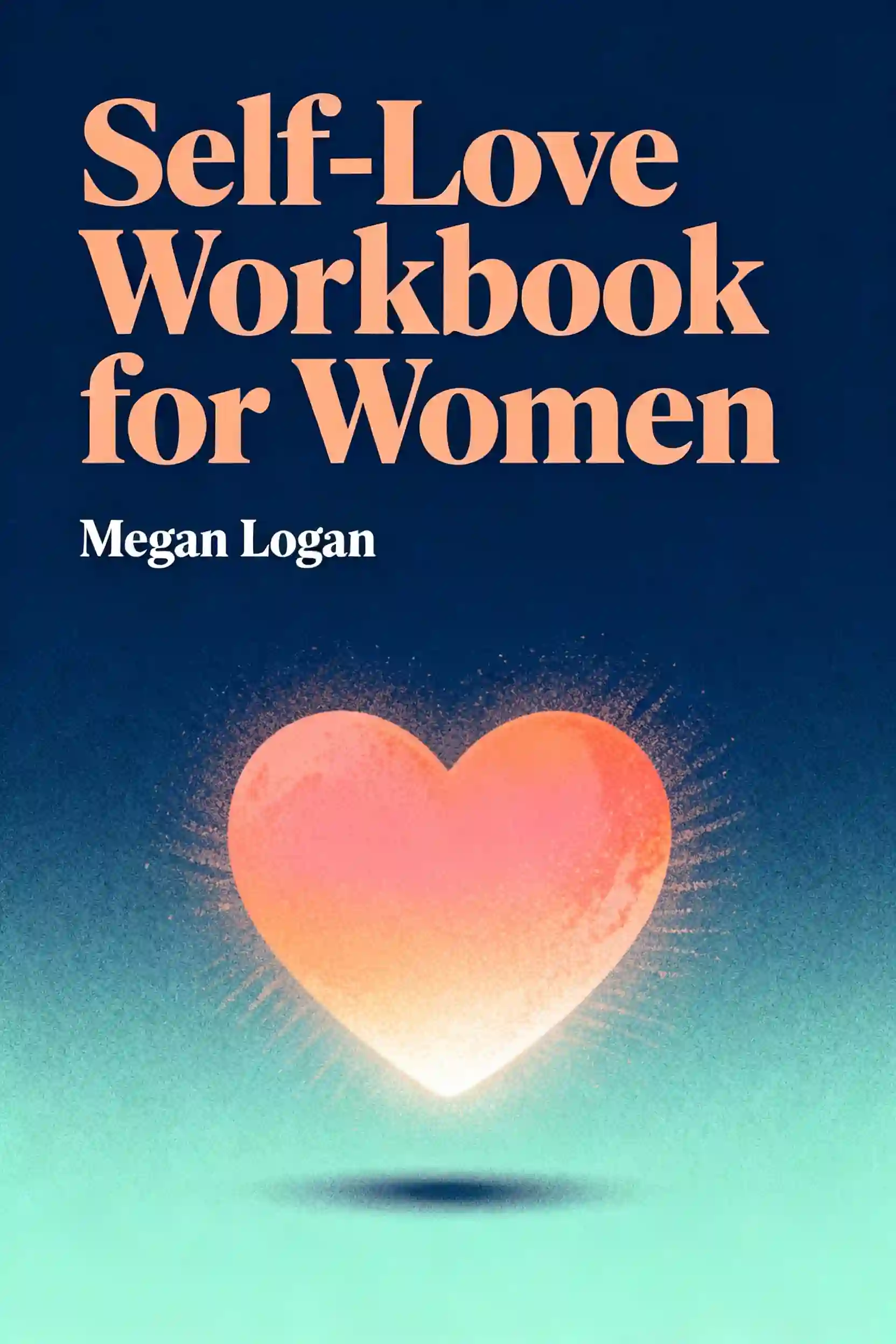
    Self-Love Workbook for Women
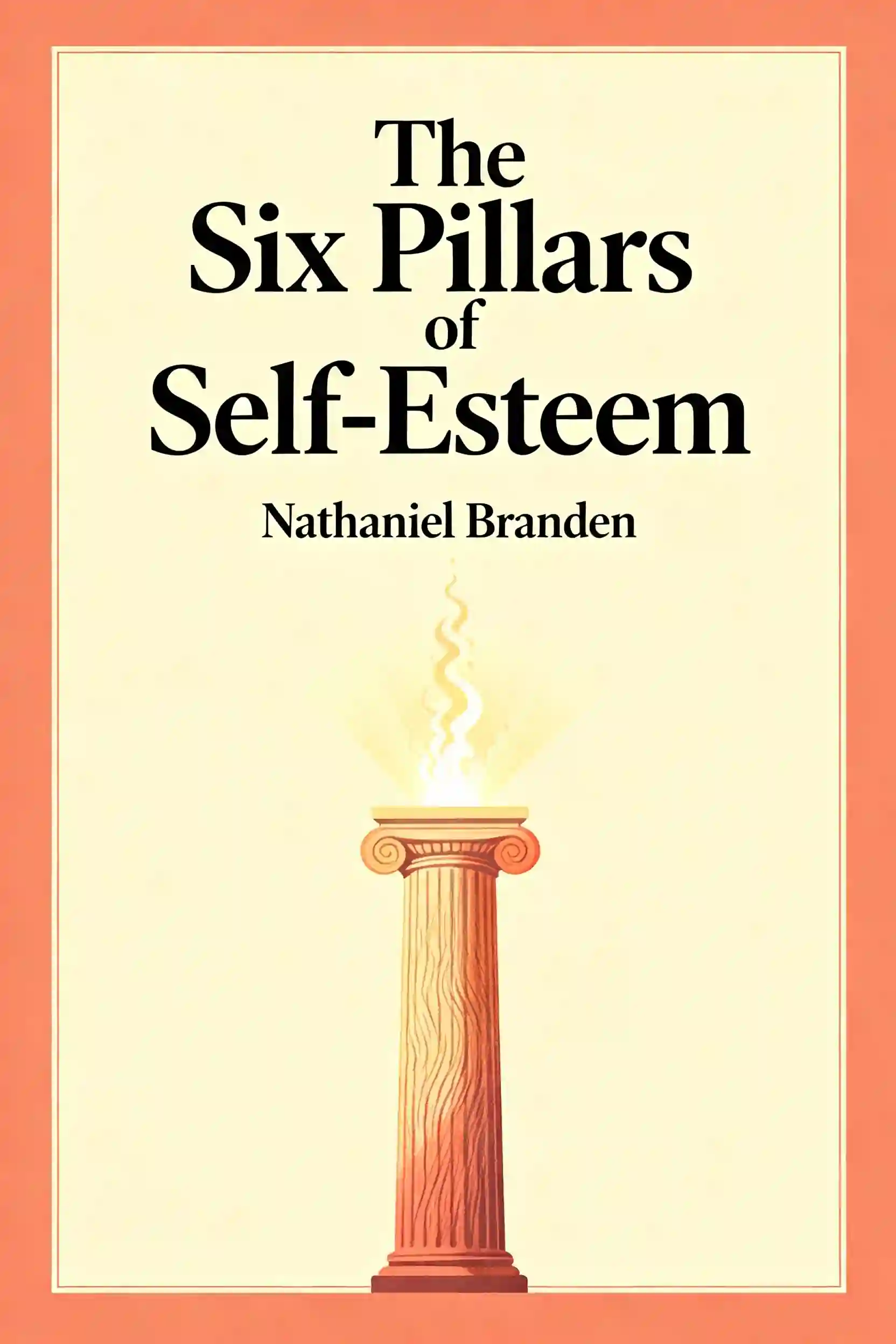
    The Six Pillars of Self-Esteem
    Emotional First Aid
    Year of Self-Care

    더 알아보기

    Learn to love myself

    Learn to love myself

    학습 계획

    Learn to love myself

    In a world driven by external validation, developing a resilient internal support system is essential for mental well-being. This plan is designed for anyone struggling with burnout, perfectionism, or a loud inner critic who wants to build a sustainable foundation of self-worth.

    3 h 5 m•5 섹션
    Build self-love & confidence

    Build self-love & confidence

    학습 계획

    Build self-love & confidence

    In a world that often promotes external validation, developing genuine self-love and confidence is essential for mental wellbeing and achieving your full potential. This learning plan helps anyone struggling with self-doubt, perfectionism, or people-pleasing to build a solid foundation of self-worth that withstands life's challenges.

    2 h 29 m•4 섹션
    Simple Ways to Build Self-Love & Embrace Self-Acceptance
    블로그

    Simple Ways to Build Self-Love & Embrace Self-Acceptance

    Discover simple ways to build unconditional self-love and embrace true joy through self-acceptance—practical steps to start healing today.

    BeFreed Team

    Self love and discipline

    Self love and discipline

    학습 계획

    Self love and discipline

    This learning plan is essential for anyone who struggles with the tension between self-acceptance and self-improvement, or who finds themselves swinging between harsh self-criticism and lack of follow-through. It's particularly valuable for those who have tried discipline-focused approaches that left them burnt out, or self-love practices that didn't translate into real change. By integrating both compassion and action, this plan offers a sustainable path to becoming your best self without sacrificing your well-being.

    2 h 2 m•4 섹션
    Master Confidence, Psychology & Self-Love

    Master Confidence, Psychology & Self-Love

    학습 계획

    Master Confidence, Psychology & Self-Love

    This plan is essential for anyone struggling with self-doubt or a harsh inner critic who wants to build a sustainable sense of worth. It bridges the gap between deep psychological inner work and practical outward expression, making it ideal for individuals seeking holistic personal growth.

    3 h 20 m•4 섹션
    End addiction and learn self-love

    End addiction and learn self-love

    학습 계획

    End addiction and learn self-love

    This learning plan is essential for individuals seeking to overcome addictive patterns by addressing the underlying neurological and emotional triggers. It is designed for anyone ready to move past shame and build a sustainable life rooted in self-compassion and mental resilience.

    3 h 24 m•4 섹션
    Love, Habits & Personal Growth

    Love, Habits & Personal Growth

    학습 계획

    Love, Habits & Personal Growth

    This plan bridges the gap between psychological theory and practical self-improvement for anyone seeking to improve their relationships and personal discipline. It is ideal for individuals looking to break negative cycles and intentionally design a life aligned with their authentic self.

    3 h 23 m•4 섹션
    Self-Worth

    Self-Worth

    학습 계획

    Self-Worth

    This plan is essential for anyone struggling with persistent self-doubt or a reliance on the approval of others to feel valuable. It provides a structured path to move from self-criticism to a resilient, value-based sense of identity.

    3 h 15 m•4 섹션

    샌프란시스코에서 컬럼비아 대학교 동문들이 만들었습니다

    BeFreed는 1,000,000 호기심 넘치는 글로벌 커뮤니티를 하나로 연결합니다
    웹에서 BeFreed가 어떻게 논의되고 있는지 더 보기

    "Instead of endless scrolling, I just hit play on BeFreed. It saves me so much time."

    @Moemenn
    platform
    star
    star
    star
    star
    star

    "I never knew where to start with nonfiction—BeFreed’s book lists turned into podcasts gave me a clear path."

    @Chloe, Solo founder, LA
    platform
    comments
    12
    likes
    117

    "Perfect balance between learning and entertainment. Finished ‘Thinking, Fast and Slow’ on my commute this week."

    @Raaaaaachelw
    platform
    star
    star
    star
    star
    star

    "Crazy how much I learned while walking the dog. BeFreed = small habits → big gains."

    @Matt, YC alum
    platform
    comments
    12
    likes
    108

    "Reading used to feel like a chore. Now it’s just part of my lifestyle."

    @Erin, Investment Banking Associate , NYC
    platform
    comments
    254
    likes
    17

    "Feels effortless compared to reading. I’ve finished 6 books this month already."

    @djmikemoore
    platform
    star
    star
    star
    star
    star

    "BeFreed turned my guilty doomscrolling into something that feels productive and inspiring."

    @Pitiful
    platform
    comments
    96
    likes
    4.5K

    "BeFreed turned my commute into learning time. 20-min podcasts are perfect for finishing books I never had time for."

    @SofiaP
    platform
    star
    star
    star
    star
    star

    "BeFreed replaced my podcast queue. Imagine Spotify for books — that’s it. 🙌"

    @Jaded_Falcon
    platform
    comments
    201
    thumbsUp
    16

    "It is great for me to learn something from the book without reading it."

    @OojasSalunke
    platform
    star
    star
    star
    star
    star

    "The themed book list podcasts help me connect ideas across authors—like a guided audio journey."

    @Leo, Law Student, UPenn
    platform
    comments
    37
    likes
    483

    "Makes me feel smarter every time before going to work"

    @Cashflowbubu
    platform
    star
    star
    star
    star
    star

    샌프란시스코에서 컬럼비아 대학교 동문들이 만들었습니다

    BeFreed는 1,000,000 호기심 넘치는 글로벌 커뮤니티를 하나로 연결합니다
    웹에서 BeFreed가 어떻게 논의되고 있는지 더 보기

    "Instead of endless scrolling, I just hit play on BeFreed. It saves me so much time."

    @Moemenn
    platform
    star
    star
    star
    star
    star

    "I never knew where to start with nonfiction—BeFreed’s book lists turned into podcasts gave me a clear path."

    @Chloe, Solo founder, LA
    platform
    comments
    12
    likes
    117

    "Perfect balance between learning and entertainment. Finished ‘Thinking, Fast and Slow’ on my commute this week."

    @Raaaaaachelw
    platform
    star
    star
    star
    star
    star

    "Crazy how much I learned while walking the dog. BeFreed = small habits → big gains."

    @Matt, YC alum
    platform
    comments
    12
    likes
    108

    "Reading used to feel like a chore. Now it’s just part of my lifestyle."

    @Erin, Investment Banking Associate , NYC
    platform
    comments
    254
    likes
    17

    "Feels effortless compared to reading. I’ve finished 6 books this month already."

    @djmikemoore
    platform
    star
    star
    star
    star
    star

    "BeFreed turned my guilty doomscrolling into something that feels productive and inspiring."

    @Pitiful
    platform
    comments
    96
    likes
    4.5K

    "BeFreed turned my commute into learning time. 20-min podcasts are perfect for finishing books I never had time for."

    @SofiaP
    platform
    star
    star
    star
    star
    star

    "BeFreed replaced my podcast queue. Imagine Spotify for books — that’s it. 🙌"

    @Jaded_Falcon
    platform
    comments
    201
    thumbsUp
    16

    "It is great for me to learn something from the book without reading it."

    @OojasSalunke
    platform
    star
    star
    star
    star
    star

    "The themed book list podcasts help me connect ideas across authors—like a guided audio journey."

    @Leo, Law Student, UPenn
    platform
    comments
    37
    likes
    483

    "Makes me feel smarter every time before going to work"

    @Cashflowbubu
    platform
    star
    star
    star
    star
    star

    "Instead of endless scrolling, I just hit play on BeFreed. It saves me so much time."

    @Moemenn
    platform
    star
    star
    star
    star
    star

    "I never knew where to start with nonfiction—BeFreed’s book lists turned into podcasts gave me a clear path."

    @Chloe, Solo founder, LA
    platform
    comments
    12
    likes
    117

    "Perfect balance between learning and entertainment. Finished ‘Thinking, Fast and Slow’ on my commute this week."

    @Raaaaaachelw
    platform
    star
    star
    star
    star
    star

    "Crazy how much I learned while walking the dog. BeFreed = small habits → big gains."

    @Matt, YC alum
    platform
    comments
    12
    likes
    108

    "Reading used to feel like a chore. Now it’s just part of my lifestyle."

    @Erin, Investment Banking Associate , NYC
    platform
    comments
    254
    likes
    17

    "Feels effortless compared to reading. I’ve finished 6 books this month already."

    @djmikemoore
    platform
    star
    star
    star
    star
    star

    "BeFreed turned my guilty doomscrolling into something that feels productive and inspiring."

    @Pitiful
    platform
    comments
    96
    likes
    4.5K

    "BeFreed turned my commute into learning time. 20-min podcasts are perfect for finishing books I never had time for."

    @SofiaP
    platform
    star
    star
    star
    star
    star

    "BeFreed replaced my podcast queue. Imagine Spotify for books — that’s it. 🙌"

    @Jaded_Falcon
    platform
    comments
    201
    thumbsUp
    16

    "It is great for me to learn something from the book without reading it."

    @OojasSalunke
    platform
    star
    star
    star
    star
    star

    "The themed book list podcasts help me connect ideas across authors—like a guided audio journey."

    @Leo, Law Student, UPenn
    platform
    comments
    37
    likes
    483

    "Makes me feel smarter every time before going to work"

    @Cashflowbubu
    platform
    star
    star
    star
    star
    star

    "Instead of endless scrolling, I just hit play on BeFreed. It saves me so much time."

    @Moemenn
    platform
    star
    star
    star
    star
    star

    "I never knew where to start with nonfiction—BeFreed’s book lists turned into podcasts gave me a clear path."

    @Chloe, Solo founder, LA
    platform
    comments
    12
    likes
    117

    "Perfect balance between learning and entertainment. Finished ‘Thinking, Fast and Slow’ on my commute this week."

    @Raaaaaachelw
    platform
    star
    star
    star
    star
    star

    "Crazy how much I learned while walking the dog. BeFreed = small habits → big gains."

    @Matt, YC alum
    platform
    comments
    12
    likes
    108

    "Reading used to feel like a chore. Now it’s just part of my lifestyle."

    @Erin, Investment Banking Associate , NYC
    platform
    comments
    254
    likes
    17

    "Feels effortless compared to reading. I’ve finished 6 books this month already."

    @djmikemoore
    platform
    star
    star
    star
    star
    star

    "BeFreed turned my guilty doomscrolling into something that feels productive and inspiring."

    @Pitiful
    platform
    comments
    96
    likes
    4.5K

    "BeFreed turned my commute into learning time. 20-min podcasts are perfect for finishing books I never had time for."

    @SofiaP
    platform
    star
    star
    star
    star
    star

    "BeFreed replaced my podcast queue. Imagine Spotify for books — that’s it. 🙌"

    @Jaded_Falcon
    platform
    comments
    201
    thumbsUp
    16

    "It is great for me to learn something from the book without reading it."

    @OojasSalunke
    platform
    star
    star
    star
    star
    star

    "The themed book list podcasts help me connect ideas across authors—like a guided audio journey."

    @Leo, Law Student, UPenn
    platform
    comments
    37
    likes
    483

    "Makes me feel smarter every time before going to work"

    @Cashflowbubu
    platform
    star
    star
    star
    star
    star
    1.5K Ratings4.7
    지금 바로 학습 여정을 시작하세요
    BeFreed App
    BeFreed

    무엇이든 개인화된 학습

    DiscordLinkedIn
    추천 도서 요약
    Crucial ConversationsThe Perfect MarriageInto the WildNever Split the DifferenceAttachedGood to GreatSay Nothing
    인기 카테고리
    Self HelpCommunication SkillRelationshipMindfulnessPhilosophyInspirationProductivity
    유명인 추천 도서
    Elon MuskCharlie KirkBill GatesSteve JobsAndrew HubermanJoe RoganJordan Peterson
    수상작 컬렉션
    Pulitzer PrizeNational Book AwardGoodreads Choice AwardsNobel Prize in LiteratureNew York TimesCaldecott MedalNebula Award
    추천 주제
    ManagementAmerican HistoryWarTradingStoicismAnxietySex
    연도별 베스트 도서
    2025 Best Non Fiction Books2024 Best Non Fiction Books2023 Best Non Fiction Books
    추천 저자
    Chimamanda Ngozi AdichieGeorge OrwellO. J. SimpsonBarbara O'NeillWinston ChurchillCharlie Kirk
    BeFreed vs 다른 앱
    BeFreed vs. Other Book Summary AppsBeFreed vs. ElevenReaderBeFreed vs. ReadwiseBeFreed vs. Anki
    학습 도구
    Knowledge VisualizerAI Podcast Generator
    정보
    회사 소개arrow
    가격arrow
    FAQarrow
    블로그arrow
    채용arrow
    파트너십arrow
    앰배서더 프로그램arrow
    디렉토리arrow
    BeFreed
    Try now
    © 2026 BeFreed
    이용 약관개인정보 처리방침
    BeFreed

    무엇이든 개인화된 학습

    DiscordLinkedIn
    추천 도서 요약
    Crucial ConversationsThe Perfect MarriageInto the WildNever Split the DifferenceAttachedGood to GreatSay Nothing
    인기 카테고리
    Self HelpCommunication SkillRelationshipMindfulnessPhilosophyInspirationProductivity
    유명인 추천 도서
    Elon MuskCharlie KirkBill GatesSteve JobsAndrew HubermanJoe RoganJordan Peterson
    수상작 컬렉션
    Pulitzer PrizeNational Book AwardGoodreads Choice AwardsNobel Prize in LiteratureNew York TimesCaldecott MedalNebula Award
    추천 주제
    ManagementAmerican HistoryWarTradingStoicismAnxietySex
    연도별 베스트 도서
    2025 Best Non Fiction Books2024 Best Non Fiction Books2023 Best Non Fiction Books
    학습 도구
    Knowledge VisualizerAI Podcast Generator
    추천 저자
    Chimamanda Ngozi AdichieGeorge OrwellO. J. SimpsonBarbara O'NeillWinston ChurchillCharlie Kirk
    BeFreed vs 다른 앱
    BeFreed vs. Other Book Summary AppsBeFreed vs. ElevenReaderBeFreed vs. ReadwiseBeFreed vs. Anki
    정보
    회사 소개arrow
    가격arrow
    FAQarrow
    블로그arrow
    채용arrow
    파트너십arrow
    앰배서더 프로그램arrow
    디렉토리arrow
    BeFreed
    Try now
    © 2026 BeFreed
    이용 약관개인정보 처리방침

    핵심 요점

    1

    The Self-Love School Gap

    0:00

    Lena: You know what's wild, Miles? I was reading that most of us were literally never taught how to love ourselves. Like, we learn math, we learn to drive, but self-love? That's supposed to just... happen somehow?

    0:13

    Miles: Right? And here's what really gets me—we're actually conditioned to believe we can only love ourselves *after* we've achieved everything perfectly. Got the dream job, the perfect body, the flawless life. But the research shows it's completely backwards.

    0:28

    Lena: Wait, backwards how?

    0:29

    Miles: Well, according to therapists and psychologists, you're actually more likely to achieve those goals and be genuinely happier when you already have that core belief that you're lovable just as you are. It's like... you can't pour from an empty cup, you know?

    0:43

    Lena: That's such a beautiful way to put it. And I love that one expert described self-love not as a feeling, but as a relationship—like befriending yourself.

    0:54

    Miles: Exactly! It's about turning toward yourself with compassion, especially in those messy, imperfect moments when you feel most unworthy. Because here's the thing—self-love isn't about feeling confident all the time or never doubting yourself.

    1:10

    Lena: So if it's not about perfection, what exactly is self-love, and why does it feel so impossibly hard for so many of us?

    2

    Why Self-Criticism Became Our Default Setting

    1:19

    Miles: You know what I find fascinating? Most of us have this incredibly harsh inner critic that we wouldn't tolerate from another person for even five minutes. Like, imagine if your best friend talked to you the way you talk to yourself when you mess up.

    1:34

    Lena: Oh my god, I would have zero friends left! But why do we do this to ourselves? Where does that voice even come from?

    1:42

    Miles: Well, it turns out our brains are actually wired for survival, not happiness. That inner critic? It's trying to protect us from social rejection, which back in our evolutionary past could literally mean death. So our minds developed this hypervigilant system that constantly scans for what could go wrong.

    2:00

    Lena: So we're basically walking around with ancient software that's not designed for modern life?

    0:54

    Miles: Exactly! And here's where it gets really interesting—research shows that self-criticism activates the same threat system in our brains as physical danger. So when you're beating yourself up about that presentation you gave, your nervous system is responding as if you're being chased by a tiger.

    2:25

    Lena: That explains why it feels so overwhelming sometimes. But here's what I'm curious about—if self-criticism is supposed to protect us, why does it seem to make everything worse?

    2:35

    Miles: That's the cruel irony. Studies have found that people who are highly self-critical are actually more likely to procrastinate, avoid challenges, and give up when things get difficult. It's like having a coach who only screams at you when you're down.

    2:51

    Lena: Whereas self-compassion—which feels counterintuitive—actually motivates us more effectively?

    2:56

    Miles: Absolutely. When we treat ourselves with kindness after a setback, we're more likely to learn from the experience, try again, and maintain our resilience. It's like the difference between a supportive coach and an abusive one.

    3:11

    Lena: I love this reframe. So self-love isn't about being soft on ourselves—it's actually about being more effective in how we motivate and support our own growth.

    3:22

    Miles: Right, and here's another piece that really shifted my perspective. Self-criticism often comes from this deep fear that if we're not constantly pushing ourselves, we'll become lazy or mediocre. But the research shows the opposite—people who practice self-compassion are more likely to take responsibility for their mistakes, not less.

    3:41

    Lena: Because they're not so afraid of admitting when something went wrong?

    3:45

    Miles: Exactly. When you know you'll treat yourself with understanding, you don't have to spend all this energy defending your ego or making excuses. You can actually look at what happened and learn from it.

    3

    The Mythology of Earned Worthiness

    3:58

    Lena: Okay, so we've talked about why we're so hard on ourselves, but there's this other thing that really gets me—this idea that we have to earn our own love and acceptance. Like, "I'll love myself when I lose ten pounds" or "I'll be proud of myself when I get that promotion."

    4:14

    Miles: Oh, this is huge. It's what I call the mythology of earned worthiness, and it's everywhere in our culture. We're constantly being sold this narrative that our value is conditional on our performance, our appearance, our achievements.

    4:28

    Lena: And social media has made this so much worse, right? Everyone's curating their highlight reels, and we're comparing our behind-the-scenes struggles to everyone else's polished presentations.

    4:39

    Miles: Totally. But here's what's really wild—this whole concept of earning your worth is completely backwards from how love actually works. Think about how you love the people closest to you. Do you love your best friend because they have perfect abs or because they never make mistakes?

    4:54

    Lena: Of course not! I love them for who they are, flaws and all. Actually, sometimes their quirks and imperfections are what make them most lovable.

    5:04

    Miles: Right! And yet we hold ourselves to this impossible standard that we would never apply to anyone else. There's this beautiful concept in psychology called "unconditional positive regard"—the idea that every person has inherent worth simply by virtue of being human.

    5:21

    Lena: But if that's true, why is it so hard to extend that same unconditional regard to ourselves?

    5:28

    Miles: Part of it is cultural conditioning. We live in a society that profits from our insecurities. When you feel bad about yourself, you buy more stuff, you work harder for external validation, you stay in the endless cycle of trying to prove your worth.

    5:42

    Lena: That's kind of depressing when you put it that way.

    5:45

    Miles: It is, but it's also liberating once you see it clearly. Because you can choose to step out of that game entirely. You can decide that your worth isn't up for debate—it's a given.

    5:56

    Lena: I love that phrase—"not up for debate." But practically speaking, how do you make that shift? Because I think a lot of our listeners are probably thinking, "That sounds nice, but how do I actually believe it?"

    6:09

    Miles: That's such a good question, and honestly, it's not about flipping a switch and suddenly feeling worthy. It's more like building a new muscle. You start by noticing when you're in that conditional love mode—when you're withholding kindness from yourself until you meet some arbitrary standard.

    6:25

    Lena: So it's about awareness first?

    3:45

    Miles: Exactly. And then you can start experimenting with small acts of unconditional self-kindness. Like, what if you spoke to yourself gently after a mistake, not because you deserved it based on your performance, but just because you're a human being who's trying their best?

    6:44

    Lena: That feels both simple and revolutionary at the same time.

    4

    The Science of Self-Compassion

    6:50

    Miles: So we've been talking about self-love and self-compassion pretty interchangeably, but I want to dive into what the research actually shows about self-compassion specifically, because the science here is pretty incredible.

    7:04

    Lena: Yes! I've been seeing more and more studies about this. What exactly are researchers finding?

    7:09

    Miles: Well, there's this researcher named Kristin Neff who's really pioneered the scientific study of self-compassion, and she's found that it has three key components: self-kindness instead of self-judgment, recognizing our common humanity instead of feeling isolated in our struggles, and mindfulness instead of getting overwhelmed by difficult emotions.

    7:28

    Lena: Can you break those down a bit more? Especially the common humanity part—that one's really interesting to me.

    7:34

    Miles: Sure! So self-kindness is pretty straightforward—it's about treating yourself with the same warmth you'd show a good friend. But common humanity is this recognition that suffering and imperfection are part of the human experience, not personal failings.

    7:50

    Lena: Oh, so instead of thinking "Why me?" or "I'm the only one who struggles with this," you recognize that everyone faces challenges?

    3:45

    Miles: Exactly. And that shift is huge because it takes you out of that isolating shame spiral and connects you to your shared humanity. The mindfulness piece is about being present with your pain without either suppressing it or being completely overwhelmed by it.

    8:14

    Lena: And what does the research show about the benefits of practicing these three components?

    8:18

    Miles: The results are pretty remarkable. Studies have found that people who practice self-compassion have lower levels of anxiety and depression, greater emotional resilience, more stable self-worth, and they're actually more motivated to improve themselves, not less.

    8:34

    Lena: Wait, more motivated? That really challenges the whole "self-compassion makes you soft" narrative.

    8:39

    Miles: Completely. There was one study where they had people take a really difficult vocabulary test that everyone failed. Then they randomly assigned participants to either a self-compassion condition or a control group. The self-compassion group spent more time studying for the second test and performed better.

    8:57

    Lena: Because they weren't so devastated by the initial failure?

    5:04

    Miles: Right! When you're not spending all your energy protecting your ego or recovering from harsh self-criticism, you have more resources available for actual learning and growth. And here's another fascinating finding—self-compassion is associated with better physical health too.

    9:15

    Lena: How does that work?

    9:16

    Miles: Well, chronic self-criticism activates our stress response systems, which over time can lead to inflammation, weakened immune function, and a whole host of health problems. Self-compassion, on the other hand, activates our care system—it literally changes our physiology in positive ways.

    9:33

    Lena: So being kind to ourselves isn't just feel-good psychology—it's actually medicine for our bodies too.

    3:45

    Miles: Exactly. And what I love about this research is that it shows self-compassion isn't just some touchy-feely concept—it's a learnable skill with measurable benefits. You can actually get better at it with practice.

    5

    Breaking the Perfectionism Prison

    9:55

    Lena: Speaking of practice, I want to talk about one of the biggest obstacles to self-love that I see everywhere—perfectionism. It's like this prison that so many of us are trapped in without even realizing it.

    10:07

    Miles: Oh, perfectionism is such a sneaky one because our culture celebrates it. We're told that perfectionism is about having high standards, but really, it's about fear—fear of not being good enough, fear of criticism, fear of rejection.

    10:22

    Lena: And it masquerades as motivation, but it's actually paralyzing, right?

    4:39

    Miles: Totally. True perfectionism isn't about excellence—it's about avoiding failure at all costs. And that leads to procrastination, anxiety, and this constant sense that nothing you do is ever good enough.

    10:40

    Lena: I read something recently that really stuck with me—the difference between healthy striving and perfectionism. Can you talk about that distinction?

    10:49

    Miles: Yes! Healthy striving is about setting high standards and working toward them while accepting that mistakes and setbacks are part of the process. Perfectionism is about setting impossibly high standards and then beating yourself up when you inevitably fall short.

    11:05

    Lena: So it's not about lowering your standards—it's about changing your relationship to the inevitable imperfections along the way?

    3:45

    Miles: Exactly. And here's what's really interesting—people who practice self-compassion actually tend to have higher achievement over the long term because they're not constantly derailed by setbacks.

    11:23

    Lena: Because they can bounce back faster when things don't go perfectly?

    11:28

    Miles: Right. They see failure as information, not as evidence of their unworthiness. There's this concept called "failing forward"—using mistakes as stepping stones rather than roadblocks.

    11:40

    Lena: But how do you make that shift when perfectionism feels so deeply ingrained? I think a lot of people developed it as a survival strategy, especially if they grew up in environments where love felt conditional on performance.

    11:54

    Miles: That's such an important point. For many people, perfectionism was a way of staying safe—if I'm perfect, I won't be criticized, rejected, or abandoned. So healing perfectionism often means healing those deeper wounds around worthiness and belonging.

    12:10

    Lena: And that's where self-compassion becomes so crucial, because you're essentially re-parenting yourself—giving yourself the unconditional acceptance you might not have received earlier.

    12:21

    Miles: Beautiful way to put it. You're learning to be the loving, supportive parent to yourself that you needed. And part of that means giving yourself permission to be human—to make mistakes, to have bad days, to be imperfect.

    12:35

    Lena: I love this idea of permission. Like, "I give myself permission to be a work in progress."

    10:49

    Miles: Yes! And permission to not have it all figured out, permission to change your mind, permission to prioritize your wellbeing over other people's expectations. These permissions can be revolutionary for someone who's been trapped in perfectionism.

    6

    The Inner Child Revolution

    12:58

    Lena: You mentioned re-parenting yourself, and that brings up something I've been thinking about a lot—this idea of connecting with your inner child. It sounds a bit woo-woo at first, but there's actually something really powerful about it when it comes to self-love.

    13:13

    Miles: Oh, I'm so glad you brought this up because the inner child work is where some of the deepest healing happens. And you're right, it can sound abstract, but it's actually very practical.

    13:24

    Lena: So what exactly is the inner child? And why is connecting with that part of ourselves so important for developing self-love?

    13:32

    Miles: Think of your inner child as the part of you that holds all your earliest experiences, needs, and wounds. It's the part that learned whether the world was safe or dangerous, whether you were lovable or not, whether your needs mattered.

    13:45

    Lena: So if you had experiences early in life that made you feel unloved or unworthy, that inner child is still carrying those beliefs?

    3:45

    Miles: Exactly. And here's the thing—that inner child doesn't understand that you're an adult now with resources and choices. It's still operating from those early survival strategies, still trying to protect you from the hurts it experienced.

    14:08

    Lena: Which might explain why even successful adults can feel so insecure or unlovable deep down?

    11:28

    Miles: Right. You can achieve everything you thought would make you feel worthy, but if that inner child still believes they're fundamentally flawed, the achievements feel hollow.

    14:24

    Lena: So how do you start healing that relationship with your inner child?

    14:29

    Miles: It begins with recognition and compassion. Instead of judging your insecurities or fears, you start to see them as messages from a younger part of you that's still hurting. You might ask yourself, "How old do I feel right now?" when you're in emotional pain.

    14:46

    Lena: That's such a gentle way to approach it. Instead of "Why am I being so ridiculous?" it's more like "What does this younger part of me need right now?"

    0:54

    Miles: Exactly! And often what that inner child needs is very simple—to be seen, heard, comforted, and told that they're loved just as they are. You can literally have conversations with that younger part of yourself.

    15:09

    Lena: Like actually talking to them?

    10:49

    Miles: Yes! You might visualize yourself at a younger age and speak to that child with the love and understanding they needed then. Tell them they're safe now, that you're here to take care of them, that they don't have to be perfect to be loved.

    15:25

    Lena: I have to say, even thinking about that brings up a lot of emotion. There's something so healing about the idea of going back and giving your younger self what they needed.

    15:36

    Miles: It can be incredibly powerful. And what's beautiful is that as you heal that relationship with your inner child, you naturally become more self-loving in the present. You stop abandoning yourself the way you might have been abandoned before.

    15:50

    Lena: Because you're finally giving yourself the unconditional love and acceptance that every child deserves?

    3:45

    Miles: Exactly. And you start to understand that the love you're seeking from others, you can actually give to yourself. It doesn't replace the need for connection with others, but it gives you a solid foundation that no one else can shake.

    7

    Daily Rituals for Self-Love

    16:11

    Lena: Okay, so we've covered a lot of theory and psychology, but I know our listeners are probably thinking, "This all sounds great, but what do I actually do? How do I start practicing self-love in my daily life?"

    16:25

    Miles: Such a good question, and I love that you're asking for practical application because self-love really is a practice—it's something you build through consistent, small actions rather than grand gestures.

    16:38

    Lena: So what are some of the most effective daily rituals for building that self-love muscle?

    16:43

    Miles: Well, one of the simplest but most powerful practices is morning gratitude, but not just gratitude for external things. I'm talking about gratitude for yourself—acknowledging something you appreciate about who you are or how you showed up the day before.

    16:58

    Lena: Oh, I love that twist. Instead of just "I'm grateful for my coffee," it's more like "I'm grateful for my patience with myself yesterday when I made that mistake."

    0:54

    Miles: Exactly! And then there's the practice of daily affirmations, but done in a way that feels authentic. Instead of generic statements that might feel fake, you create affirmations based on your actual strengths and growth areas.

    17:22

    Lena: Can you give an example of what that might sound like?

    17:24

    Miles: Sure. Instead of "I am perfect," which might feel untrue, you might say "I am learning and growing every day" or "I treat myself with the same kindness I show my friends." It's about affirming your commitment to self-love rather than claiming perfection.

    17:40

    Lena: That feels so much more accessible. What about journaling? I feel like that comes up a lot in self-love practices.

    17:47

    Miles: Journaling is incredible for building self-awareness and self-compassion. One powerful practice is writing letters to yourself—maybe to your inner child, or to yourself five years ago, or even to your future self. It helps you develop that nurturing, supportive inner voice.

    18:05

    Lena: And there's something about writing by hand that feels more intimate than typing, right?

    2:56

    Miles: Absolutely. There's research showing that handwriting engages different parts of the brain and can feel more emotionally connected. Another practice I love is the daily self-care check-in—literally asking yourself, "What do I need right now?" and then actually honoring that answer.

    18:27

    Lena: Even if it's something small?

    18:29

    Miles: Especially if it's something small! Maybe you need to drink more water, or take five deep breaths, or send yourself an encouraging text message. Self-love is built through these tiny acts of attunement to your own needs.

    18:43

    Lena: What about physical practices? I feel like there's something important about how we treat our bodies in relation to self-love.

    18:50

    Miles: Oh, absolutely. Moving your body in ways that feel good rather than punitive, eating foods that nourish you without guilt, getting adequate rest—these are all acts of self-love. It's about treating your body as a friend rather than an enemy to be controlled.

    19:06

    Lena: And boundary setting—that seems like it would be crucial too.

    10:49

    Miles: Yes! Learning to say no to things that drain you and yes to things that align with your values and wellbeing. Every boundary you set is essentially a love letter to yourself, saying "I matter enough to protect my energy and peace."

    8

    The Relationship Revolution

    19:25

    Lena: You know what I find fascinating? As we've been talking about all these self-love practices, I keep thinking about how they must transform your relationships with other people too. Like, when you truly love yourself, how does that change the way you show up in the world?

    19:40

    Miles: Oh, this is where self-love becomes revolutionary, not just personally but relationally. When you have a solid foundation of self-worth, you stop looking to other people to complete you or validate your existence.

    19:53

    Lena: Which probably makes you a much better partner, friend, and family member, right?

    0:54

    Miles: Exactly! You're no longer coming from a place of desperation or neediness. You're choosing to connect with people from a place of wholeness rather than trying to fill a void. And that completely changes the dynamic.

    20:09

    Lena: I imagine it also makes you way less tolerant of toxic or draining relationships.

    2:56

    Miles: Absolutely. When you love yourself, you naturally gravitate toward people who treat you well and distance yourself from those who don't. You stop making excuses for bad behavior because you know you deserve better.

    20:26

    Lena: And you probably stop trying to fix or change people too, because you're not so invested in getting their approval?

    5:04

    Miles: Right! You can love people for who they are without needing them to be different in order for you to feel okay about yourself. It's so much more peaceful and authentic.

    20:40

    Lena: What about conflict? I feel like self-love would change how you handle disagreements and difficult conversations.

    20:48

    Miles: Huge difference. When you're not constantly defending your worth, you can actually listen to feedback without feeling attacked. You can disagree with someone without making it mean you're a bad person or they hate you.

    21:00

    Lena: Because your sense of self isn't so fragile that every criticism feels like a threat to your existence?

    3:45

    Miles: Exactly. And you can also speak up for yourself more effectively because you're not coming from a place of reactive emotion. You're grounded in your own worth, so you can communicate your needs clearly and calmly.

    21:19

    Lena: This makes me think about parenting too. If you're modeling self-love for your kids, you're teaching them that they're inherently worthy just by existing.

    21:30

    Miles: Oh, that's so beautiful. Instead of unconsciously passing down patterns of conditional love or perfectionism, you're showing them what it looks like to treat yourself with kindness and respect. You're breaking generational cycles.

    21:43

    Lena: And in the workplace—I bet self-love changes your professional relationships too.

    21:48

    Miles: Definitely. You're more likely to advocate for yourself, set appropriate boundaries, and not take work stress personally. You can collaborate more effectively because you're not constantly worried about proving your value.

    22:00

    Lena: It sounds like self-love isn't selfish at all—it's actually a gift you give to everyone in your life.

    22:06

    Miles: That's exactly right. When you're not constantly seeking validation or trying to manage other people's emotions to feel okay about yourself, you free everyone up to be more authentic. You create space for genuine connection.

    9

    The Long Game of Self-Love

    22:21

    Lena: As we start to wrap up our conversation, I want to talk about something that I think is really important—the long-term perspective on self-love. Because this isn't a quick fix or a destination you arrive at, right?

    22:35

    Miles: Oh, absolutely not. Self-love is really a lifelong practice, and I think that's actually beautiful. It means you get to keep deepening your relationship with yourself throughout your entire life.

    22:46

    Lena: But I imagine that can also feel overwhelming for people who want to see immediate results. How do you stay motivated when the changes feel so gradual?

    22:55

    Miles: That's such a real challenge. I think it helps to understand that self-love isn't about reaching some perfect state where you never doubt yourself or have difficult emotions. It's about developing a more compassionate and supportive relationship with all parts of your experience.

    23:10

    Lena: So it's more about how you respond to the inevitable challenges rather than eliminating them entirely?

    3:45

    Miles: Exactly. You're going to have bad days, make mistakes, face setbacks—that's just being human. But when you have a foundation of self-love, you recover more quickly and learn more effectively from those experiences.

    23:29

    Lena: And I imagine the benefits compound over time, right? Like, the more you practice self-compassion, the more natural it becomes?

    2:56

    Miles: Absolutely. It's like building any other skill—at first it feels awkward and you have to consciously remember to do it, but eventually it becomes your default response. You start automatically treating yourself with kindness instead of criticism.

    23:50

    Lena: What would you say to someone who's listening and thinking, "This all sounds great, but I've been hard on myself for so long, I don't even know where to start"?

    23:59

    Miles: I would say start exactly where you are, with exactly the amount of self-compassion you can access right now, even if it's just 1%. You don't have to overhaul your entire relationship with yourself overnight.

    24:13

    Lena: So maybe it's just noticing when you're being self-critical and taking one deep breath before responding to yourself?

    24:20

    Miles: Perfect example. Or maybe it's just asking yourself, "What would I say to a friend in this situation?" and trying to offer yourself even a fraction of that same kindness.

    24:30

    Lena: And trusting that those small moments will add up over time?

    24:34

    Miles: Yes, because they absolutely will. Every time you choose self-compassion over self-criticism, you're literally rewiring your brain. You're creating new neural pathways that make self-love more accessible.

    24:47

    Lena: That's so hopeful. And I love that it puts the power back in your hands—you don't have to wait for anyone else to love you or validate you before you can start loving yourself.

    3:45

    Miles: Exactly. You can begin this journey right now, today, with whatever capacity you have. And as you practice, that capacity will grow.

    25:06

    Lena: So as we bring this conversation to a close, what's the one thing you most want our listeners to take away from everything we've discussed?

    25:15

    Miles: That you are worthy of love exactly as you are right now—not when you lose weight, not when you achieve your goals, not when you fix all your flaws. Your worthiness is not up for debate. The only question is whether you're willing to start treating yourself like the inherently valuable person you already are.

    25:34

    Lena: That's beautiful, Miles. And to everyone who's been listening, thank you for taking this journey with us into the heart of self-love. We know these conversations can bring up a lot of emotions and memories, and we're honored that you trusted us with your time and attention.

    2:56

    Miles: Absolutely. And remember, this is just the beginning. Self-love is a practice, not a performance. Be patient with yourself as you explore these ideas and find what works for you.

    26:01

    Lena: We'd love to hear about your own self-love journey—what resonated with you from today's conversation, what challenges you're facing, or what practices you're excited to try. Feel free to reach out and share your thoughts with us.

    26:15

    Miles: Until next time, be gentle with yourselves. You're doing better than you think you are, and you deserve all the love and compassion you're learning to give yourself.

    26:23

    Lena: Thanks for listening, everyone. Take care.

    비슷한 콘텐츠

    podcast cover
    Radical CompassionLet That Sh*t GoHow We HealThe Intelligent Heart
    22 sources
    The Self-Friendship Revolution: Getting Along with Yourself
    Discover how to transform your inner critic into your best friend. Learn practical tools for self-compassion and break free from perfectionism to build a loving relationship with yourself.
    32 min
    podcast cover
    Introducing Self-EsteemSix Pillars of Self-EsteemOvercoming Low Self-EsteemThe Six Pillars of Self-Esteem
    14 sources
    Rethinking Self-Love: Beyond the Myths
    Explore how true self-worth isn't a prerequisite for relationships but an ongoing journey of self-compassion. Learn practical ways to build genuine self-love through daily practices and meaningful connections.
    37 min
    podcast cover
    Radical CompassionSelf-CompassionOvercoming Low Self-EsteemIntroducing Self-Esteem
    13 sources
    The Power of Self-Love
    Discover why self-love is the most neglected yet powerful form of self-care, and learn practical steps to quiet your inner critic. This episode explores the science behind self-compassion and how to transform your relationship with yourself.
    24 min
    podcast cover
    Radical CompassionLove Yourself Like Your Life Depends on ItI Heart MeHow We Heal
    19 sources
    The Missing Skill: How to Love Yourself
    Discover why self-love wasn't taught to us and practical steps to develop this essential skill. Learn how embracing yourself creates ripple effects in your mental health and relationships.
    32 min
    podcast cover
    Toxic ParentsHealing the Shame that Binds YouAsshole No MoreThe Kindness Method
    17 sources
    Breaking the Self-Loathing Cycle
    Discover why we're often our own worst critics and how to transform toxic self-talk into genuine self-compassion. Learn practical strategies to build a healthier relationship with yourself.
    15 min
    podcast cover
    Radical CompassionThe Kindness MethodHow to Meet Your Self'I Hate Myself': 8 Ways to Combat Self-Hatred - Verywell Mind
    6 sources
    Stop Self-Hatred: Embrace Radical Self-Compassion
    Transform your inner critic into your best friend with proven methods for self-compassion. Learn the RAIN technique, break negative thought patterns, and accept your past while building genuine self-love.
    9 min
    book cover
    Fierce Self-Compassion
    Kristin Neff
    Learn to practice kindness and compassion towards yourself for a happier, more resilient life.
    9 min
    book cover
    Study Guide
    Jenna Banks
    Self-love revolution: unleash your power, stop the sacrifice.
    8 min