The Science of Internal Fulfillment
Discover why chasing material success is a trap and learn how to cultivate lasting happiness through psychological richness, gratitude, and emotional agility.

The Science of Internal Fulfillment 베스트 인용
The number one predictor of a long, happy, healthy life is the quality of your relationships. Social connections are really good for us, and loneliness kills.
Generated by Nacho
I want a Lessons about happinest in life

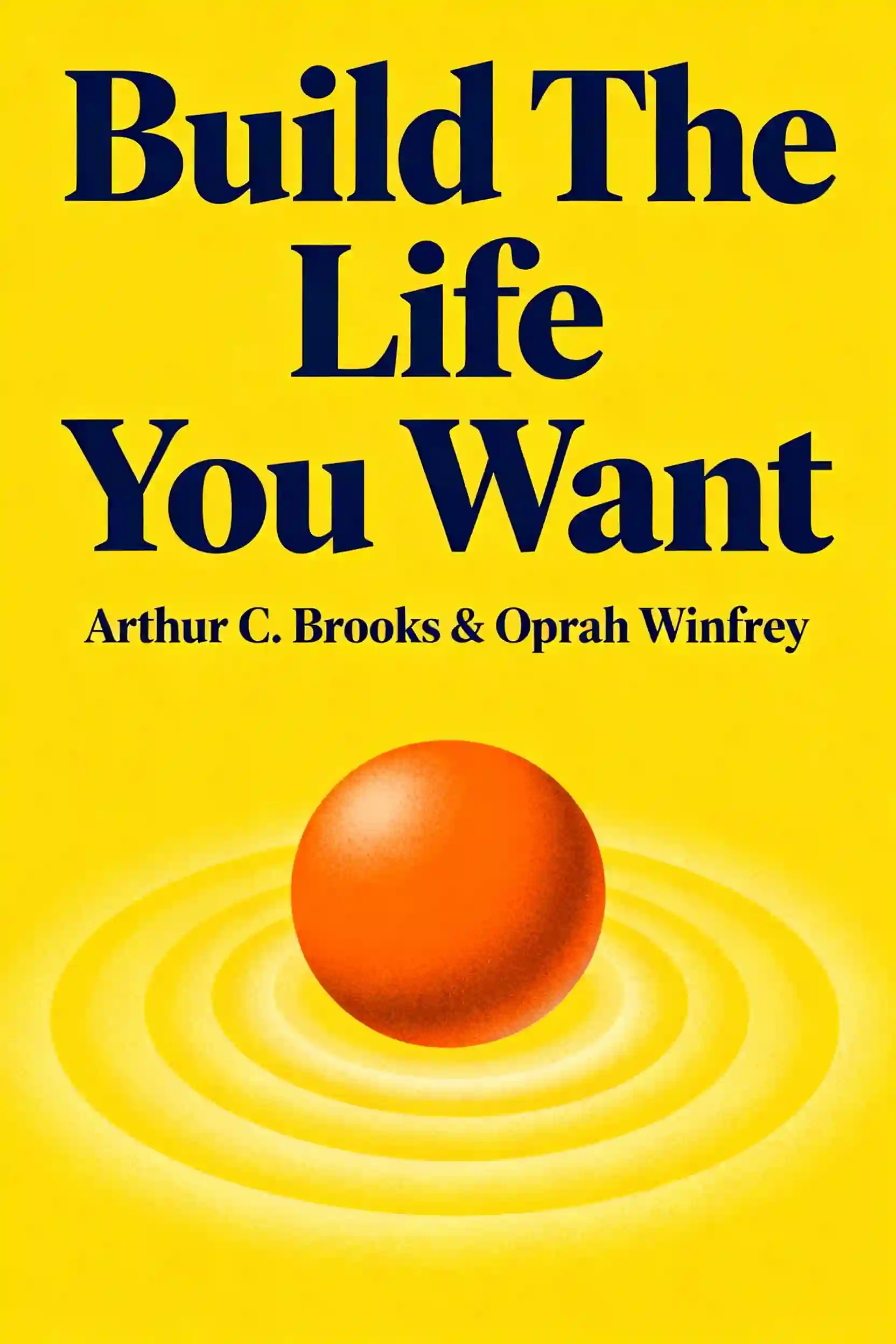
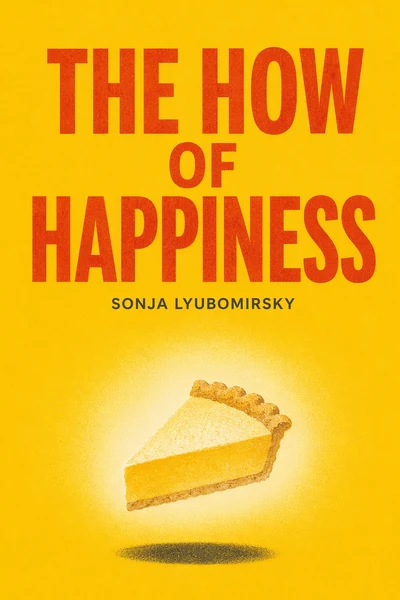
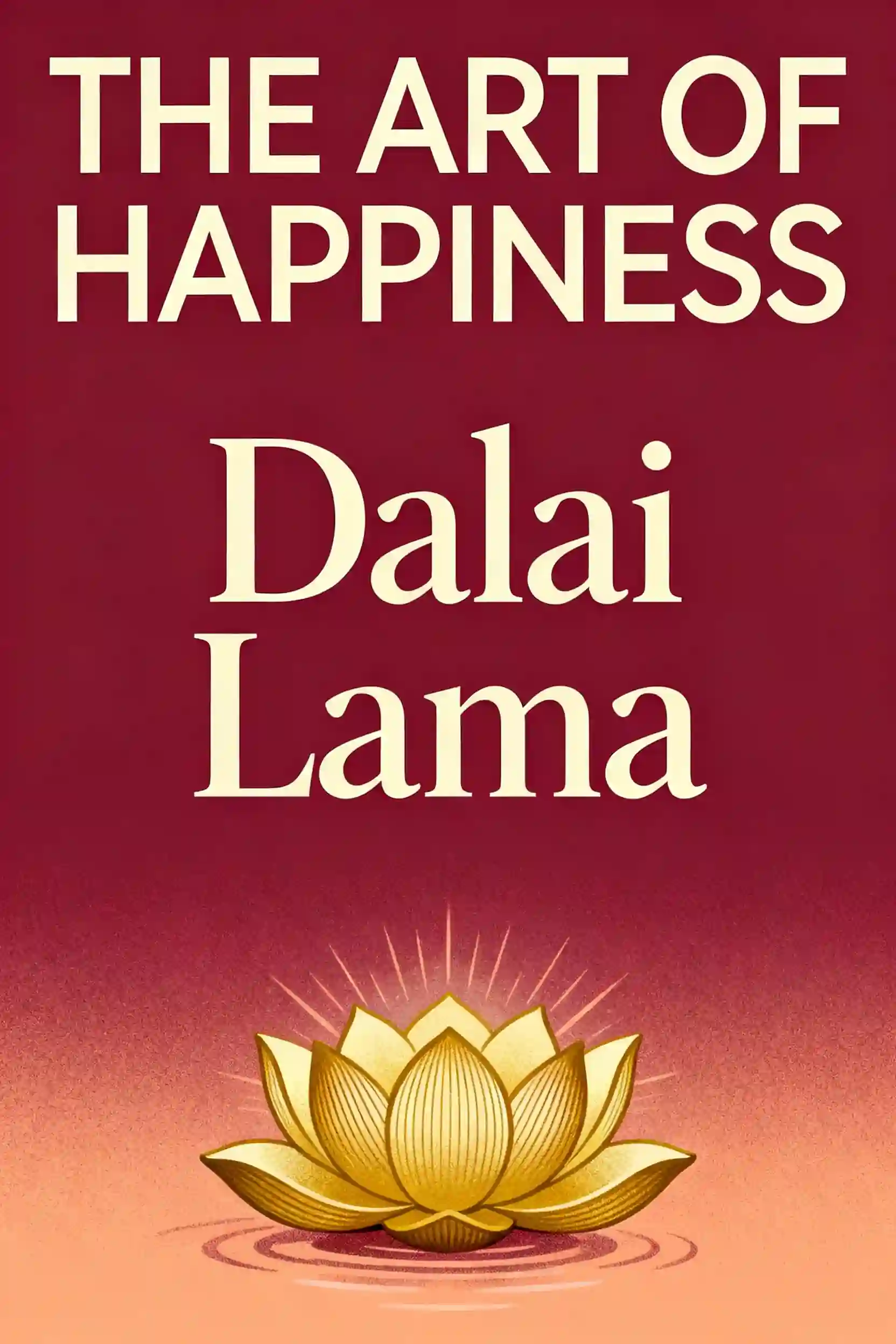
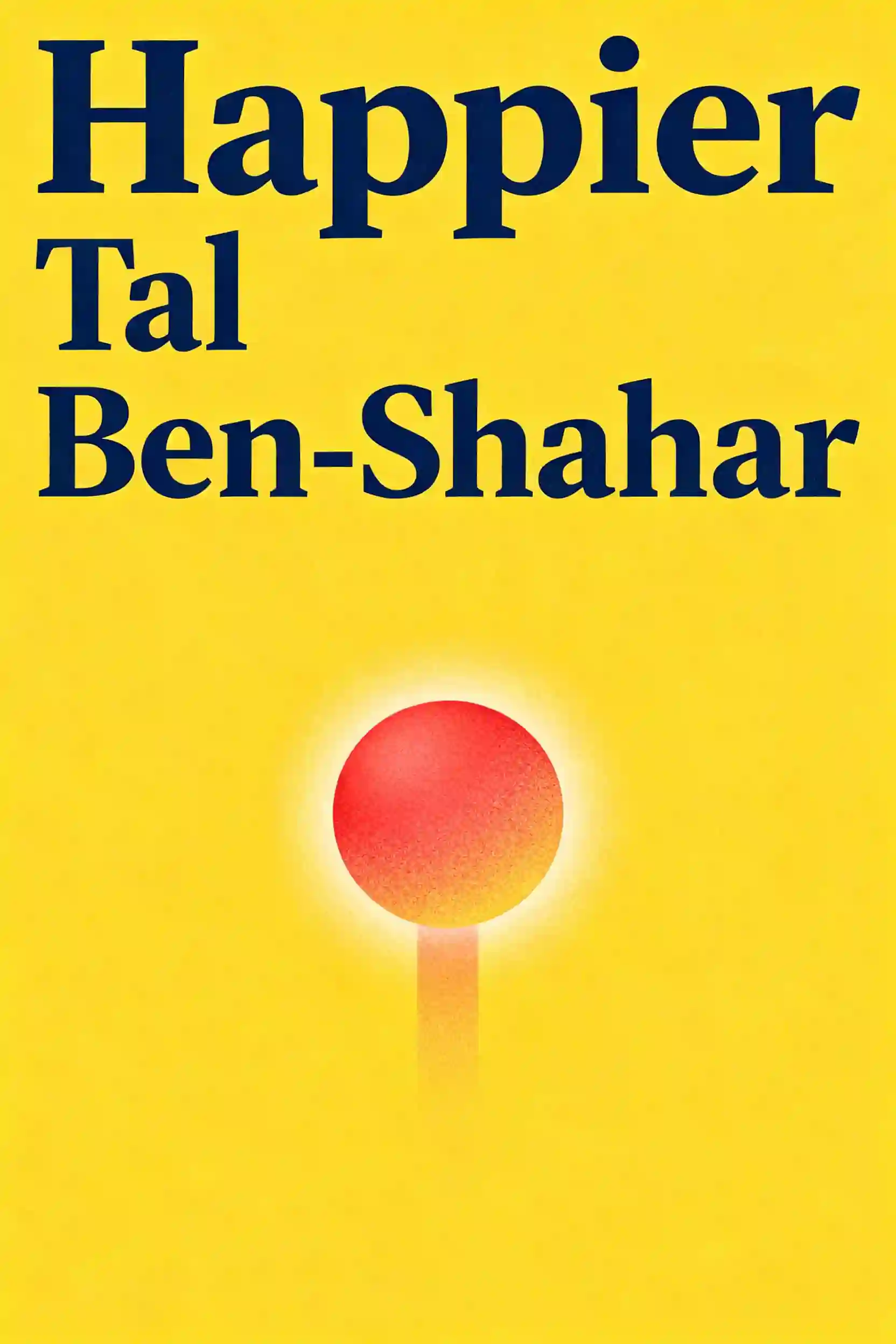
자주 묻는 질문
The Easterlin Paradox describes the phenomenon where, despite significant increases in per capita income in developed nations over several decades, reported life satisfaction has remained largely flat or even declined. Research suggests that while absolute income is vital for meeting basic needs like housing and healthcare, the emotional benefits of additional wealth tend to vanish once a certain "satiation point" is reached—often cited around $75,000 a year. Beyond this point, further financial gain often serves status-seeking rather than genuine joy, as people quickly adapt to their new "normal" through a process called the hedonic treadmill.
Experiential spending, such as traveling or sharing a meal, provides more enduring satisfaction because experiences are harder to compare than material goods, reducing the "social comparison" trap. Unlike a new car or watch, which can quickly feel outdated when a neighbor buys a newer version, experiences become a unique part of an individual's identity. Furthermore, experiences provide value in three stages: the anticipation before the event, the enjoyment of the actual moment, and the lasting memory afterward, whereas material objects often lose their excitement shortly after the purchase.
Psychological richness is a "third path" to a good life that prioritizes a life filled with diverse, interesting, and perspective-changing experiences. Unlike traditional happiness, which focuses on comfort and positive emotions, or a meaningful life, which focuses on purpose, a psychologically rich life may include difficult or unpleasant experiences—like a challenging move or a stressful trip—that ultimately broaden a person's worldview. This concept validates the harder parts of life, suggesting that curiosity and variety can lead to a fulfilling existence even when one is not feeling "happy" in the conventional sense.
The Harvard Study, which has tracked individuals for over eighty-five years, concludes that the quality of a person's relationships is the single most important predictor of health and happiness. The research found that "social fitness"—the intentional tending to close bonds—acts as a physical buffer against disability and cognitive decline. People in warm, supportive relationships not only live longer but also experience less emotional and physical pain as they age, whereas chronic loneliness is as damaging to physical health as smoking fifteen cigarettes a day.
Micro-habits are small, intentional actions that can rewire the brain for better well-being by counteracting the body's natural "negativity bias." Examples include practicing specific gratitude to trigger dopamine and serotonin, getting ten to twenty minutes of morning light to regulate circadian rhythms, and performing small acts of kindness to lower internal inflammation. These habits are effective because they focus on consistency over intensity, allowing individuals to build a "happiness toolkit" that supports autonomy and relatedness without the pressure of achieving perfection.
샌프란시스코에서 컬럼비아 대학교 동문들이 만들었습니다
"Instead of endless scrolling, I just hit play on BeFreed. It saves me so much time."


"I never knew where to start with nonfiction—BeFreed’s book lists turned into podcasts gave me a clear path."


"Perfect balance between learning and entertainment. Finished ‘Thinking, Fast and Slow’ on my commute this week."
"Crazy how much I learned while walking the dog. BeFreed = small habits → big gains."
"Reading used to feel like a chore. Now it’s just part of my lifestyle."

"Feels effortless compared to reading. I’ve finished 6 books this month already."
"BeFreed turned my guilty doomscrolling into something that feels productive and inspiring."

"BeFreed turned my commute into learning time. 20-min podcasts are perfect for finishing books I never had time for."
"BeFreed replaced my podcast queue. Imagine Spotify for books — that’s it. 🙌"

"It is great for me to learn something from the book without reading it."
"The themed book list podcasts help me connect ideas across authors—like a guided audio journey."
"Makes me feel smarter every time before going to work"
샌프란시스코에서 컬럼비아 대학교 동문들이 만들었습니다
"Instead of endless scrolling, I just hit play on BeFreed. It saves me so much time."
"I never knew where to start with nonfiction—BeFreed’s book lists turned into podcasts gave me a clear path."
"Perfect balance between learning and entertainment. Finished ‘Thinking, Fast and Slow’ on my commute this week."
"Crazy how much I learned while walking the dog. BeFreed = small habits → big gains."
"Reading used to feel like a chore. Now it’s just part of my lifestyle."
"Feels effortless compared to reading. I’ve finished 6 books this month already."
"BeFreed turned my guilty doomscrolling into something that feels productive and inspiring."
"BeFreed turned my commute into learning time. 20-min podcasts are perfect for finishing books I never had time for."
"BeFreed replaced my podcast queue. Imagine Spotify for books — that’s it. 🙌"
"It is great for me to learn something from the book without reading it."
"The themed book list podcasts help me connect ideas across authors—like a guided audio journey."
"Makes me feel smarter every time before going to work"
"Instead of endless scrolling, I just hit play on BeFreed. It saves me so much time."
"I never knew where to start with nonfiction—BeFreed’s book lists turned into podcasts gave me a clear path."
"Perfect balance between learning and entertainment. Finished ‘Thinking, Fast and Slow’ on my commute this week."
"Crazy how much I learned while walking the dog. BeFreed = small habits → big gains."
"Reading used to feel like a chore. Now it’s just part of my lifestyle."
"Feels effortless compared to reading. I’ve finished 6 books this month already."
"BeFreed turned my guilty doomscrolling into something that feels productive and inspiring."
"BeFreed turned my commute into learning time. 20-min podcasts are perfect for finishing books I never had time for."
"BeFreed replaced my podcast queue. Imagine Spotify for books — that’s it. 🙌"
"It is great for me to learn something from the book without reading it."
"The themed book list podcasts help me connect ideas across authors—like a guided audio journey."
"Makes me feel smarter every time before going to work"
"Instead of endless scrolling, I just hit play on BeFreed. It saves me so much time."
"I never knew where to start with nonfiction—BeFreed’s book lists turned into podcasts gave me a clear path."
"Perfect balance between learning and entertainment. Finished ‘Thinking, Fast and Slow’ on my commute this week."
"Crazy how much I learned while walking the dog. BeFreed = small habits → big gains."
"Reading used to feel like a chore. Now it’s just part of my lifestyle."
"Feels effortless compared to reading. I’ve finished 6 books this month already."
"BeFreed turned my guilty doomscrolling into something that feels productive and inspiring."
"BeFreed turned my commute into learning time. 20-min podcasts are perfect for finishing books I never had time for."
"BeFreed replaced my podcast queue. Imagine Spotify for books — that’s it. 🙌"
"It is great for me to learn something from the book without reading it."
"The themed book list podcasts help me connect ideas across authors—like a guided audio journey."
"Makes me feel smarter every time before going to work"