BeFreed
    Categories>Finance & Economics>Budgeting for Financial Freedom: Strategies and Tips

    Budgeting for Financial Freedom: Strategies and Tips

    22분
    |
    |
    2026년 4월 28일
    • Finance & Economics
    • Self-Growth

    Learn effective budgeting strategies to achieve financial freedom. Master personal finance and money management with practical tips for long-term independence.

    Budgeting for Financial Freedom: Strategies and Tips
    0:00 / 0:00
    전달 방식을 선택하세요

    하나의 에피소드, 다양한 청취 방식.

    Budgeting for Financial Freedom: Strategies and Tips의 같은 아이디어를 나에게 맞는 목소리, 깊이, 속도로 만나보세요. 언제든 바꿀 수 있습니다.

    전체 대본 및 챕터

    챕터 1

    The Reality Check on Modern Money Management

    Lena: You know, I was looking at some recent data and it really hit me how much the landscape of "just saving money" has shifted. We're sitting here in April 2026, and the old advice of "just skip the latte" feels almost like a joke when you realize that for the average U.S. household, housing and transportation alone now swallow up over half of everything they spend .

    Miles: It’s a heavy realization, isn't it? The Bureau of Labor Statistics showed that in 2024, average household spending was over $78,000, with a massive 33.4% going straight to housing and 17% to transportation . When you’re dealing with those kinds of structural costs, the traditional "financial freedom" talk can feel out of reach unless you have a very specific, very modern roadmap.

    Lena: That’s exactly why I wanted to have this conversation today. We’re not talking about deprivation or some rigid plan that breaks the second your car needs a new alternator. We’re looking at how to build a "spending plan"—not a restrictive budget—that actually accounts for the reality of 2026 costs .

    Miles: I love that framing. A budget isn't a cage; it’s a tool for emergency readiness and intentionality. The Consumer Financial Protection Bureau actually defines an emergency fund as cash set aside for those unplanned shocks—medical bills, home repairs, or sudden income loss . Without a plan to create that space, even a decent income can feel like you're constantly underwater.

    Lena: So, the goal for today is to move past the "shoulds" and get into the "hows." We’re going to break down the specific systems—from the classic 50/30/20 to the newer 60/30/10—and even look at the math of the FIRE movement, which is Financial Independence, Retire Early .

    Miles: And the best part is, there isn't one "perfect" way. The best method is simply the one that survives your real life, whether you’re a minimalist aiming for Lean FIRE or someone just trying to stop the "leftover money drift" where cash disappears because it never had a job . Let's get into why these foundations matter before we start picking our favorite tools.
    챕터 2

    The Architecture of Financial Independence

    Lena: If we’re going to talk about financial freedom, we have to talk about the "FIRE" number. It sounds like this big, mystical thing, but it’s actually just a math formula based on the 4% rule, right?

    Miles: Exactly. It’s remarkably simple. The core idea is that if you can save up 25 times your annual expenses, you've hit your FIRE number . The logic comes from the Trinity Study, which found that if you withdraw 4% of your portfolio annually—and adjust that for inflation—there’s a 95% or higher probability that the money will last at least 30 years .

    Lena: So, if someone spends $40,000 a year, they need a million dollars. If they spend $60,000, it’s one and a half million . But I noticed something interesting in the 2026 updates—some experts are saying the 4% rule might be a bit too aggressive if you plan on being retired for 50 years instead of 30.

    Miles: That is a vital distinction. If you’re retiring at 35 or 40, you’re looking at a half-century of retirement. In that case, many practitioners suggest dropping that withdrawal rate to 3.5% or even 3% . At a 3.5% rate, your target isn't 25 times your expenses anymore—it’s more like 28.6 times .

    Lena: It’s about building in a margin of safety. And it’s not just about the final number; it’s about the "types" of freedom people are chasing. I was fascinated by the concept of "Coast FIRE." That’s where you’ve already invested enough that you don't need to add another penny—you just let compound growth do its thing until you hit traditional retirement age .

    Miles: Coast FIRE is a huge stress reliever. You still work to cover your current bills, but the pressure to "save for the future" is gone because the math is already working in the background. Then you have "Barista FIRE," where you work part-time for the benefits or a little extra cash, while your investments cover the bulk of your life .

    Lena: It makes the whole concept feel less like an "all or nothing" marathon. But to get to any of these versions of freedom, you have to start with the most powerful variable in the entire equation: your savings rate .

    Miles: That’s the engine. It’s the percentage of your take-home pay that you actually keep. And the math here is non-linear, which is wild. If you save 10%, it takes about 51 years to reach independence. But if you can jump to 50%, you can get there in about 17 years . Every percentage point matters so much more when you're at the lower end of the scale.

    이 에피소드로 더 깊이 배우기

    이 에피소드의 아이디어를 BeFreed의 가이드 학습 경험으로 더 깊이 탐구해 보세요.

    챕터 3

    Choosing Your Spending Framework

    Lena: Okay, so we know the target numbers, but how do we actually manage the day-to-day to hit those savings rates? I want to look at the 50/30/20 rule because everyone seems to start there, but I'm hearing it might be getting a bit dusty in 2026.

    Miles: It’s a classic for a reason. You put 50% toward needs, 30% toward wants, and 20% toward savings and debt repayment . It’s great for beginners because you only have three "buckets" to track. You don't have to worry about whether you spent too much on specifically "organic kale" vs "regular kale"—you just look at the total "needs" bucket.

    Lena: But like we mentioned, housing and transport are taking up over 50% for many people now. If your rent alone is 40% of your income, that 50/30/20 model starts to feel like a fantasy .

    Miles: Which is why the 60/30/10 method has entered the chat this year. It acknowledges that for many households, especially in high-cost cities, essentials are just more expensive now . By allocating 60% to needs, it takes the guilt away. You’re being honest about your fixed costs instead of feeling like you're failing a traditional budget.

    Lena: The trade-off, of course, is that 10% savings rate. As we saw in the FIRE math, 10% means a 51-year path to independence . So it’s a realistic starting point, but maybe not the forever plan if you want to retire early.

    Miles: True. But a budget you actually follow is always better than a "perfect" one that you abandon after two weeks because it’s too restrictive. If you need more control than just broad percentages, that’s where Zero-Based Budgeting comes in. This is for the people who want to tell every single dollar where to go .

    Lena: I've tried that—the "income minus expenses equals zero" approach . It’s powerful because it stops that "money drift" we talked about. If you have $50 left at the end of the week, it doesn't just sit there; it gets a job, like "extra payment on the car" or "emergency fund" .

    Miles: It’s high maintenance, though. You have to be active. For people who want the exact opposite—the "set it and forget it" vibe—there’s "Pay-Yourself-First." You just move your savings and investment money the second your paycheck hits, and then you live on whatever is left .

    Lena: It’s a psychological hack. If the money isn't in your checking account, you can't spend it. The FDIC educational materials define this as saving and setting aside some of your money before you spend it . It’s about building the system around your behavior rather than relying on willpower every Friday night.

    챕터 4

    The Physical and Psychological Friction of Cash

    Lena: We’ve talked a lot about digital transfers and percentages, but there’s this "old school" method making a huge comeback in 2026: cash stuffing. It’s basically the envelope system but for the TikTok era.

    Miles: It’s funny how things come back around, isn't it? But there’s a real psychological reason for it. In a world of one-click payments and saved credit card info, we’ve lost the "friction" of spending. When you use the envelope system, you’re assigning physical cash to categories like groceries or dining out .

    Lena: And when the envelope is empty, the spending stops. There’s no "well, I’ll just pull from next month." It’s an immediate, visible limit . I think this is especially useful for those "problem" categories—the ones where you always find yourself wondering how you spent $300 on takeout in a single month.

    Miles: Exactly. It’s not necessarily great for paying your electric bill or your Netflix subscription, but for variable spending, it’s a powerhouse. It forces a level of awareness that an app notification just can’t match.

    Lena: I also want to touch on "Reverse Budgeting," which is like a cousin to Pay-Yourself-First. You focus entirely on hitting your big goals—like maxing out your 401(k) or HSA—and then as long as those are met, you don't obsess over the rest of the line items .

    Miles: It’s for the disciplined minimalist. If you’re already someone who doesn't overspend wildly, why track every coffee? Just hit the big targets. The 2026 contribution limits are actually quite generous—you can put $24,500 into a 401(k) and $7,500 into an IRA . If you hit those, you’re already doing more for your future than most.

    Lena: It’s about choosing the right level of "granularity" for your personality. Some people need the "tight category control" of an envelope or a zero-based budget, while others thrive with a "broad framework" like 50/30/20 .

    Miles: And we shouldn't forget the "Anti-Budget" or simple spending cap. This is for the person who hates spreadsheets. You pay your bills, you automate your savings, and you just set one number: "all bills are covered, $400 goes to savings, and personal spending cannot exceed $300 this month" . It’s the lowest mental cost of any system we’ve discussed.

    Lena: It’s survival-focused. If the goal is to make a habit that lasts, starting with the lowest friction possible is often the smartest move. You can always get more detailed later, but you can't get back the time you lost by quitting a system that was too hard.

    이 에피소드로 더 깊이 배우기

    이 에피소드의 아이디어를 BeFreed의 가이드 학습 경험으로 더 깊이 탐구해 보세요.

    챕터 5

    Navigating the 2026 Tax and Investment Landscape

    Lena: If we’re serious about financial freedom, we have to look at the actual vehicles where we’re putting this money. The 2026 rules have some interesting shifts that can really accelerate the timeline if you know where to look.

    Miles: Right, and it starts with the "three buckets" strategy for a tax-diversified portfolio. You want a "Pre-tax" bucket like a Traditional 401(k), a "Post-tax" bucket like a Roth IRA, and then a "Taxable brokerage" account to bridge the gap if you retire before you’re 59 and a half .

    Lena: That "bridge" is huge. If all your money is locked in a 401(k), and you hit your FIRE number at 45, you’re going to have a hard time getting to that cash without penalties. So the taxable brokerage account is your "early retirement" fund .

    Miles: And don't sleep on the HSA—the Health Savings Account. For 2026, the family limit is up to $8,850 . It’s often called the "triple tax advantage" because the money goes in tax-free, grows tax-free, and comes out tax-free for medical expenses. In the FIRE community, it’s basically a stealth IRA.

    Lena: Speaking of IRAs, the 2026 limits are $7,500, and for those over 50, there's a catch-up contribution of $1,100 . It might not seem like much compared to the 401(k) limit of $24,500, but when you factor in compound growth, those extra thousands are what shave years off that 51-year timeline.

    Miles: It’s also worth noting the new tax deductions for 2026—higher standard deductions and the $40,000 SALT cap . Every dollar you don't pay in taxes is a dollar that can go toward your savings rate. As James Crawford points out in the CalcMoney blog, FIRE isn't just about income; it’s about the gap between what you earn and what you spend .

    Lena: That’s a key point. Someone earning $60,000 who saves 50% is actually going to reach financial independence faster than someone earning $200,000 who only saves 10% . The lower your expenses, the smaller your "FIRE number" is, and the more of your income you can use to buy your freedom.

    Miles: It’s a double-edged sword in the best way. When you optimize your life to cost less, you’re simultaneously increasing your ability to invest and decreasing the amount you need to retire. It’s why focusing on the "big three"—housing, food, and transport—is so much more effective than worrying about small discretionary wins .

    챕터 6

    The Three Pillars of Expense Optimization

    Lena: We keep coming back to those "big three"—housing, food, and transportation. They usually account for 60 to 70% of a household's total spending . If you can move the needle on those, you're not just saving pennies; you're fundamentally changing your math.

    Miles: Let's look at housing first. In 2024, it was 33.4% of average spending . If you’re in a high-cost city, that might be 45 or 50%. This is why things like "house hacking" or moving to a low-cost area are so popular in the FIRE movement. If you can get housing down to 15 or 20%, your savings rate explodes .

    Lena: And transportation is the one that sneaks up on people. At 17% of average spending, it’s the second-biggest drain . Between car payments, insurance, gas, and maintenance, it’s a massive "fixed" cost. This is where the choice of car—or the choice to live somewhere bikeable—becomes a million-dollar decision over 20 years.

    Miles: Then there’s food. It’s the most "variable" of the big three. You can’t easily change your rent tomorrow, but you can change your food spending. A typical FIRE budget for a $100,000 income might aim for $6,000 a year on food—that's $500 a month .

    Lena: That takes some serious intentionality, especially with current prices. But that’s where those budgeting systems like the envelope method or zero-based tracking really shine. They give you the data to see where the "leakage" is happening.

    Miles: And we have to talk about healthcare. It’s often called the "FIRE killer." If you retire early and lose your employer subsidy, an ACA plan for a family can run $1,500 to $2,500 a month . If you haven't factored that into your FIRE number, your retirement might be much shorter than you planned.

    Lena: This is why "Regular FIRE" usually targets an annual spend of $40,000 to $70,000, while "Fat FIRE" looks at $70,000 to $120,000 or more . The "Fat FIRE" number accounts for that extra cushion—travel, dining out, and higher healthcare costs—but it requires a much larger nest egg, usually $1.75M to $3M .

    Miles: It all comes down to the life you want to live. "Lean FIRE" might mean living on under $40,000 a year, which is totally doable in many parts of the country, but it requires a very minimalist mindset . The point is to know your costs before you pick your number.

    이 에피소드로 더 깊이 배우기

    이 에피소드의 아이디어를 BeFreed의 가이드 학습 경험으로 더 깊이 탐구해 보세요.

    챕터 7

    The Strategy of the Simple Portfolio

    Lena: Once you’ve optimized your spending and you have that extra cash, where does it actually go? I think people expect some complex, day-trading secret, but the most common advice in the FIRE community is almost boringly simple.

    Miles: Simple is better. The standard approach is the "three-fund portfolio." You’re looking at a U.S. total stock market index fund, an international stock index fund, and a bond index fund . That’s it. You’re not trying to beat the market; you’re trying to be the market.

    Lena: And the reason index funds are the gold standard is the fees. You want to keep your expense ratios under 0.1% . If you’re paying 1% or 2% to a fund manager, you’re essentially handing over a massive chunk of your future compound growth.

    Miles: Exactly. Over 30 or 40 years, that 1% difference can mean hundreds of thousands of dollars. The goal is broad diversification and "dollar-cost averaging"—investing consistently every month, regardless of whether the market is up or down .

    Lena: I love the "7% real return" rule of thumb. While the S&P 500 has averaged about 10% annually over the long term, most FIRE calculations use 7% to account for inflation . It’s a conservative way to make sure your future dollars actually have the "buying power" you expect.

    Miles: You also have to consider "sequence of returns risk." This is a big one for anyone nearing their FIRE date. If the market drops 20% right after you retire, it can destroy your portfolio’s longevity . That’s why many experts suggest keeping one to two years of expenses in cash as you transition out of the workforce .

    Lena: It’s like having a buffer. If the market is down, you live off your cash and let your stocks recover. If the market is up, you sell your stocks and refill your cash. It’s a simple system to protect that 4% withdrawal rule.

    Miles: And as you get closer to your date, you might increase that bond allocation—maybe moving from 10% bonds to 25%—to further dampen that volatility . It’s about shifting from "aggressive growth" to "preservation and income."

    챕터 8

    Why Budgets Break and How to Fix Them

    Lena: We’ve painted a pretty clear picture of the math, but let’s get real—most people have started a budget and abandoned it. Why does that happen? Why is it so hard to stay on the path for 17 years?

    Miles: Usually, it’s because the budget was an "ideal" plan instead of a "usable" system . People build a budget for their "best self"—the version of them that never buys a spontaneous gift or has a flat tire. When real life hits, the budget breaks, they feel like a failure, and they stop tracking entirely.

    Lena: Right, and the CFPB points out that the real derailers are the "irregular expenses." Car repairs, annual fees, travel, holiday gifts—if those aren't "sinking funds" in your budget, they’ll feel like emergencies every time they happen .

    Miles: Another big mistake is obsessing over the small stuff while ignoring the structural issues. If you’re spending 50% of your income on rent, skipping a $5 coffee isn't going to save your budget . You have to address the "big rocks" first.

    Lena: I think there’s also a "motivation vs. systems" problem. Relying on willpower to save money is exhausting. The most successful people we’re looking at here are the ones who automate everything. They don't "decide" to invest $2,000 this month; it’s gone before they even see it .

    Miles: Automation is the superpower of the modern era. If you have to make a choice every payday, you’re eventually going to make a bad one. If the system makes the choice for you, you just adapt to what’s left in your account.

    Lena: And we have to mention "lifestyle inflation." You get a raise, you buy a nicer car, you move to a bigger apartment—suddenly your FIRE number has doubled because your annual expenses have doubled . The trick is to keep your "needs" steady even as your income grows.

    Miles: That’s where the "savings rate" becomes such a great metric. Instead of focusing on the dollar amount, focus on the percentage. If your income goes up, and your savings rate stays at 50%, you’re naturally capturing that raise for your future freedom rather than just buying more "stuff."

    이 에피소드로 더 깊이 배우기

    이 에피소드의 아이디어를 BeFreed의 가이드 학습 경험으로 더 깊이 탐구해 보세요.

    챕터 9

    The Practical Playbook for Financial Freedom

    Lena: Let's pull this all together into an action plan. If someone is listening to this and wants to start today—like, right now—what are the steps?

    Miles: Step one: Track every single dollar for at least one month. You can't optimize what you don't measure . You need to know your real starting point, not just what you think you spend.

    Lena: Step two: Calculate your current savings rate. Divide your monthly savings and investments by your take-home pay. Don't be discouraged if it's low—the goal is to just know the number .

    Miles: Step three: Choose your framework. If you’re a beginner, try the 50/30/20 or the 60/30/10 if your costs are high . If you need more discipline, look at the envelope system for your variable spending .

    Lena: Step four: Max out the "free money" first. If your employer offers a 401(k) match, that is a 100% return on your money immediately . After that, look at the Roth IRA and the HSA limits for 2026 .

    Miles: Step five: Tackle the big three. Look at your housing, transport, and food. Is there a way to cut 10% from one of those? That’s going to have a much bigger impact than any other "frugality" hack .

    Lena: Step six: Set your FIRE number. Take those annual expenses and multiply by 25—or 28.6 if you want that extra safety margin . Having that "finish line" in mind makes the daily choices feel like they’re part of a bigger mission.

    Miles: And finally, automate everything. Set up those transfers to your brokerage and retirement accounts to happen the day after you get paid . Build the system so it runs without you.

    Lena: It’s about building a "spending plan" that reflects your values. If you value freedom more than a newer car or a bigger house, your budget should show that. It’s not about saying "no" to things; it’s about saying "yes" to your future self.

    챕터 10

    Final Reflections on the Path Ahead

    Lena: As we bring this all together, what strikes me is that financial freedom isn't really about the money—it’s about the "optionality." Whether you’re aiming for Fat FIRE or just want the security of Coast FIRE, it’s about having the power to choose how you spend your time.

    Miles: That’s the real "wealth," isn't it? The math is just the tool to get there. And remember, a working budget isn't one where every category is perfect every single month . It’s one that keeps you moving toward your goals, even when life gets messy.

    Lena: Exactly. It’s about progress, not perfection. If you blow your "wants" bucket this month, you don't throw away the whole plan—you just adjust for next month. The only way to fail is to stop trying to be intentional with your resources.

    Miles: We’ve covered a lot today—from the 4% rule and the 2026 tax limits to the psychological benefits of cash stuffing. The core takeaway is that there is a system that fits your personality and your income pattern. You just have to pick one and start .

    Lena: I hope everyone listening feels a little more empowered to look at their own numbers this week. Even just knowing your "savings rate" or your "FIRE number" can change the way you see every dollar that passes through your hands.

    Miles: It really does. It turns spending into a series of trade-offs. You’re not just buying a thing; you’re deciding if that thing is worth a few more days or weeks of your working life. When you see it that way, the path to freedom becomes much clearer.

    Lena: Thank you so much for joining us for this deep dive into the 2026 financial landscape. It’s been a fascinating look at how the old rules are evolving to meet new realities.

    Miles: It really has. Take some time today to reflect on which of these methods felt right for you—was it the simplicity of the 50/30/20 or the precision of the zero-based budget? Whatever it is, that’s your starting point. Thanks for listening.

    ★★★★★

    Budgeting for Financial Freedom: Strategies and Tips의 끝까지 도달했어요

    “23일째 매일 사용하고 있어요. 이제 제 일상의 한 부분이 되었습니다.”

    jayallen

    Budgeting for Financial Freedom: Strategies and Tips 베스트 인용

    “

    Financial freedom isn't really about the money—it’s about the optionality. It’s about having the power to choose how you spend your time.

    ”
    G

    Generated by Gordon Jones

    질문 입력

    Budgeting for financial freedom

    호스트 음성
    Lenaplay
    Milesplay
    지식 출처
    The Simple Path to Wealth
    Your Money or Your Life
    Quit Like a Millionaire
    Best Budgeting Methods That Actually Work in 2026 | DaiLova
    link
    https://dailova.com/articles/best-budgeting-methods-that-actually-work-in-2026
    The FIRE Movement in 2026: How Much Do You Actually Need to Retire Early? | CalcMoney Blog | CalcMoney
    link
    https://www.calcmoney.co/blog/fire-movement-guide-2026
    Financial Independence & FIRE: A Complete Guide | ThisCalc
    link
    https://thiscalc.com/blog/financial-independence-fire-guide

    자주 묻는 질문

    Effective budgeting strategies for financial freedom involve tracking every expense and prioritizing savings to build long-term wealth. By implementing disciplined money management techniques, individuals can align their spending with their goals for financial independence. This process often includes categorizing costs, reducing unnecessary debt, and consistently allocating funds toward investments that support a life free from financial stress.

    Personal finance management is the foundation of financial independence because it provides a clear roadmap for your money. When you master budgeting, you gain control over your cash flow, allowing you to save more efficiently and invest for the future. This proactive approach ensures that you are not just living paycheck to paycheck but are actively building the resources needed to sustain your lifestyle without traditional employment.

    Budgeting is essential because it serves as a strategic plan for your financial health. It allows you to identify wasteful spending habits and redirect those funds toward your most important financial goals. Without a budget, it is difficult to measure progress or make informed decisions about large purchases. Consistent budgeting ensures that your money management remains focused on the ultimate objective of achieving total financial freedom.
    컬럼비아 대학교 동문들이 제작 | 샌프란시스코에서 개발

    BeFreed는 호기심 넘치는 글로벌 커뮤니티를 하나로 연결합니다

    4.7

    평균 평점

    앱 평가 7.84천 개 이상

    BeFreed 커뮤니티

    정말이지 아직 앱을 다 써 보지도 않았는데, 며칠 써 본 것만으로도 깊은 인상을 받았어요… BeFreed는 제가 써 본 어떤 학습 앱과도 차원이 달라요. 몰입감이 엄청나고 집중력도 실제로 좋아져서, 스마트폰을 하염없이 스크롤하는 분들께 딱이에요!

    @ladyInfinity

    정확히 23일 전에 BeFreed를 구입했는데, 그날부터 하루도 빠짐없이 쓰고 있어요. 제 일상 업무 흐름과 학습 습관에 완전히 자리 잡았어요.

    @jayallen

    솔직히 이 앱은 제 기대를 전부 뛰어넘었어요. 어떤 주제든 오디오로 만들어 달라고 할 수 있고, 결과물이 놀라워요. 제 전문 분야는 심리치료 쪽이고 여러 학문이 얽혀 있는데도 답변이 아주 정확해요.

    @Raguipa

    제일 고마운 건 스크롤하는 시간이 확 줄었다는 거예요. 검색하는 시간은 줄고 흡수하는 시간은 늘었어요. 오디오북 전권, 팟캐스트, 학습 플랜의 조합이 정말 훌륭해요.

    @colonyofcreatorsNGO

    저는 24년째 PhotoReading 속진 학습 강사로 일하고 있어요… 책과 독서, 배움이 제 전문인데, BeFreed는 정보를 소화하기 쉽게 전달하는 혁신적인 방식을 정말 잘 구현했어요.

    @BeFreed user

    단순한 책 요약 앱이 아니에요. '재미' 스타일을 써 봤는데, 전통적인 방식보다 훨씬 나은 요약이고 아이디어를 이해하기도 쉬워요. 이것만으로도 값어치를 해요.

    @austinakon

    이 앱이 정말 좋아요. 며칠 써 봤는데 듣는 걸 멈출 수가 없어요. 시작하기에 이보다 좋을 수 없어요.

    @jcrules328

    정말 마음에 들어요. 한 달 정도 써 봤는데 숨은 보석을 찾은 기분이에요. BeFreed로 제가 원하는 주제를 직접 만들 수 있어서 좋고, 목소리도 훌륭한 데다 내레이션 선택지가 무궁무진해요.

    @DanielCZ

    정말이지 아직 앱을 다 써 보지도 않았는데, 며칠 써 본 것만으로도 깊은 인상을 받았어요… BeFreed는 제가 써 본 어떤 학습 앱과도 차원이 달라요. 몰입감이 엄청나고 집중력도 실제로 좋아져서, 스마트폰을 하염없이 스크롤하는 분들께 딱이에요!

    @ladyInfinity

    정확히 23일 전에 BeFreed를 구입했는데, 그날부터 하루도 빠짐없이 쓰고 있어요. 제 일상 업무 흐름과 학습 습관에 완전히 자리 잡았어요.

    @jayallen

    솔직히 이 앱은 제 기대를 전부 뛰어넘었어요. 어떤 주제든 오디오로 만들어 달라고 할 수 있고, 결과물이 놀라워요. 제 전문 분야는 심리치료 쪽이고 여러 학문이 얽혀 있는데도 답변이 아주 정확해요.

    @Raguipa

    제일 고마운 건 스크롤하는 시간이 확 줄었다는 거예요. 검색하는 시간은 줄고 흡수하는 시간은 늘었어요. 오디오북 전권, 팟캐스트, 학습 플랜의 조합이 정말 훌륭해요.

    @colonyofcreatorsNGO

    저는 24년째 PhotoReading 속진 학습 강사로 일하고 있어요… 책과 독서, 배움이 제 전문인데, BeFreed는 정보를 소화하기 쉽게 전달하는 혁신적인 방식을 정말 잘 구현했어요.

    @BeFreed user

    단순한 책 요약 앱이 아니에요. '재미' 스타일을 써 봤는데, 전통적인 방식보다 훨씬 나은 요약이고 아이디어를 이해하기도 쉬워요. 이것만으로도 값어치를 해요.

    @austinakon

    이 앱이 정말 좋아요. 며칠 써 봤는데 듣는 걸 멈출 수가 없어요. 시작하기에 이보다 좋을 수 없어요.

    @jcrules328

    정말 마음에 들어요. 한 달 정도 써 봤는데 숨은 보석을 찾은 기분이에요. BeFreed로 제가 원하는 주제를 직접 만들 수 있어서 좋고, 목소리도 훌륭한 데다 내레이션 선택지가 무궁무진해요.

    @DanielCZ

    유용한 정보와 아이디어를 8~15분짜리 팟캐스트 스타일 오디오로 압축해서 들을 수 있다는 게 정말 좋아요. 원래 팟캐스트는 군더더기가 많아서 안 좋아했는데, 여기는 그걸 싹 걷어냈어요.

    @BeFreed user

    박사 과정을 마무리하는 중이라 낯선 자료를 많이 읽어야 해요… BeFreed에서는 프롬프트만 입력하면 앱이 자료를 찾아서 오디오 팟캐스트로 만들어 줘요. BeFreed의 과정이 NotebookLM보다 더 매끄럽게 느껴져요.

    @Brad

    아침을 준비하거나 산책하거나 출퇴근할 때 들을 것을 YouTube에서 자주 찾곤 했는데, BeFreed는 광고도 군더더기도 없이 훨씬 더 딱 맞는 걸 들려줘요!

    @BeFreed user

    이 플랫폼의 가장 큰 장점은 활용도예요. 다루지 못하는 주제가 말 그대로 하나도 없어요. 무엇을 던져도 다 소화해요… 제한이 전혀 없으면서 약속을 실제로 지키는 학습 도구는 정말 드물어요.

    @jayallen

    BeFreed는 환상적이에요. 디자인이 편해서 헤매는 시간은 줄고 배우는 시간은 늘었어요. 오디오북, 팟캐스트, 학습 플랜의 조합은 천재적이에요. 제 하루가 완전히 달라졌어요.

    @BeFreed user

    처음엔 이탈리아어로 팟캐스트를 만드는 방법을 이해하는 데 시간이 좀 걸렸는데, 알고 나니까 — 와! 정말 대단해요! 어떤 주제든 설명해 달라고 하면 정말 똑똑하게 잘 설명해 줘요!

    @matteo77

    BeFreed는 제가 매일 쓰는 오디오북 앱이 됐어요… 제일 마음에 드는 건 텍스트를 넣으면 이동 중에도 들을 수 있는 오디오로 만들어 준다는 점이에요.

    @kotanzu1

    유용한 정보와 아이디어를 8~15분짜리 팟캐스트 스타일 오디오로 압축해서 들을 수 있다는 게 정말 좋아요. 원래 팟캐스트는 군더더기가 많아서 안 좋아했는데, 여기는 그걸 싹 걷어냈어요.

    @BeFreed user

    박사 과정을 마무리하는 중이라 낯선 자료를 많이 읽어야 해요… BeFreed에서는 프롬프트만 입력하면 앱이 자료를 찾아서 오디오 팟캐스트로 만들어 줘요. BeFreed의 과정이 NotebookLM보다 더 매끄럽게 느껴져요.

    @Brad

    아침을 준비하거나 산책하거나 출퇴근할 때 들을 것을 YouTube에서 자주 찾곤 했는데, BeFreed는 광고도 군더더기도 없이 훨씬 더 딱 맞는 걸 들려줘요!

    @BeFreed user

    이 플랫폼의 가장 큰 장점은 활용도예요. 다루지 못하는 주제가 말 그대로 하나도 없어요. 무엇을 던져도 다 소화해요… 제한이 전혀 없으면서 약속을 실제로 지키는 학습 도구는 정말 드물어요.

    @jayallen

    BeFreed는 환상적이에요. 디자인이 편해서 헤매는 시간은 줄고 배우는 시간은 늘었어요. 오디오북, 팟캐스트, 학습 플랜의 조합은 천재적이에요. 제 하루가 완전히 달라졌어요.

    @BeFreed user

    처음엔 이탈리아어로 팟캐스트를 만드는 방법을 이해하는 데 시간이 좀 걸렸는데, 알고 나니까 — 와! 정말 대단해요! 어떤 주제든 설명해 달라고 하면 정말 똑똑하게 잘 설명해 줘요!

    @matteo77

    BeFreed는 제가 매일 쓰는 오디오북 앱이 됐어요… 제일 마음에 드는 건 텍스트를 넣으면 이동 중에도 들을 수 있는 오디오로 만들어 준다는 점이에요.

    @kotanzu1

    웹에서 BeFreed가 어떻게 논의되고 있는지 더 보기
    129.7K19.5K
    55.2K19.2K
    154.2K10827355
    48.1K2.5K
    81.2K6.6K
    82.3K1.8K
    지금 바로 학습 여정을 시작하세요
    BeFreed 앱
    BeFreed

    무엇이든 개인화된 학습

    DiscordLinkedIn
    추천 도서 요약
    Crucial ConversationsThe Perfect MarriageInto the WildNever Split the DifferenceAttachedGood to GreatSay Nothing
    인기 카테고리
    Self HelpCommunication SkillRelationshipMindfulnessPhilosophyInspirationProductivity
    유명인 추천 도서
    Elon MuskCharlie KirkBill GatesSteve JobsAndrew HubermanJoe RoganJordan Peterson
    수상작 컬렉션
    Pulitzer PrizeNational Book AwardGoodreads Choice AwardsNobel Prize in LiteratureNew York TimesCaldecott MedalNebula Award
    추천 주제
    ManagementAmerican HistoryWarTradingStoicismAnxietySex
    연도별 베스트 도서
    2025 Best Non Fiction Books2024 Best Non Fiction Books2023 Best Non Fiction Books
    추천 저자
    Chimamanda Ngozi AdichieGeorge OrwellO. J. SimpsonBarbara O'NeillWinston ChurchillCharlie Kirk
    BeFreed vs 다른 앱
    BeFreed vs. Other Book Summary AppsBeFreed vs. ElevenReaderBeFreed vs. ReadwiseBeFreed vs. Anki
    학습 도구
    Knowledge VisualizerAI Podcast Generator
    정보
    회사 소개arrow
    가격arrow
    FAQarrow
    블로그arrow
    채용arrow
    파트너십arrow
    앰배서더 프로그램arrow
    디렉토리arrow
    BeFreed
    Try now
    © 2026 BeFreed
    이용 약관개인정보 처리방침
    BeFreed

    무엇이든 개인화된 학습

    DiscordLinkedIn
    추천 도서 요약
    Crucial ConversationsThe Perfect MarriageInto the WildNever Split the DifferenceAttachedGood to GreatSay Nothing
    인기 카테고리
    Self HelpCommunication SkillRelationshipMindfulnessPhilosophyInspirationProductivity
    유명인 추천 도서
    Elon MuskCharlie KirkBill GatesSteve JobsAndrew HubermanJoe RoganJordan Peterson
    수상작 컬렉션
    Pulitzer PrizeNational Book AwardGoodreads Choice AwardsNobel Prize in LiteratureNew York TimesCaldecott MedalNebula Award
    추천 주제
    ManagementAmerican HistoryWarTradingStoicismAnxietySex
    연도별 베스트 도서
    2025 Best Non Fiction Books2024 Best Non Fiction Books2023 Best Non Fiction Books
    학습 도구
    Knowledge VisualizerAI Podcast Generator
    추천 저자
    Chimamanda Ngozi AdichieGeorge OrwellO. J. SimpsonBarbara O'NeillWinston ChurchillCharlie Kirk
    BeFreed vs 다른 앱
    BeFreed vs. Other Book Summary AppsBeFreed vs. ElevenReaderBeFreed vs. ReadwiseBeFreed vs. Anki
    정보
    회사 소개arrow
    가격arrow
    FAQarrow
    블로그arrow
    채용arrow
    파트너십arrow
    앰배서더 프로그램arrow
    디렉토리arrow
    BeFreed
    Try now
    © 2026 BeFreed
    이용 약관개인정보 처리방침

    비슷한 콘텐츠

    Budgeting for Beginners: Why Strict Plans Often Fail 책 표지
    You Need a BudgetMillionaire MissionGet Good with MoneyThe Total Money Makeover
    28 sources
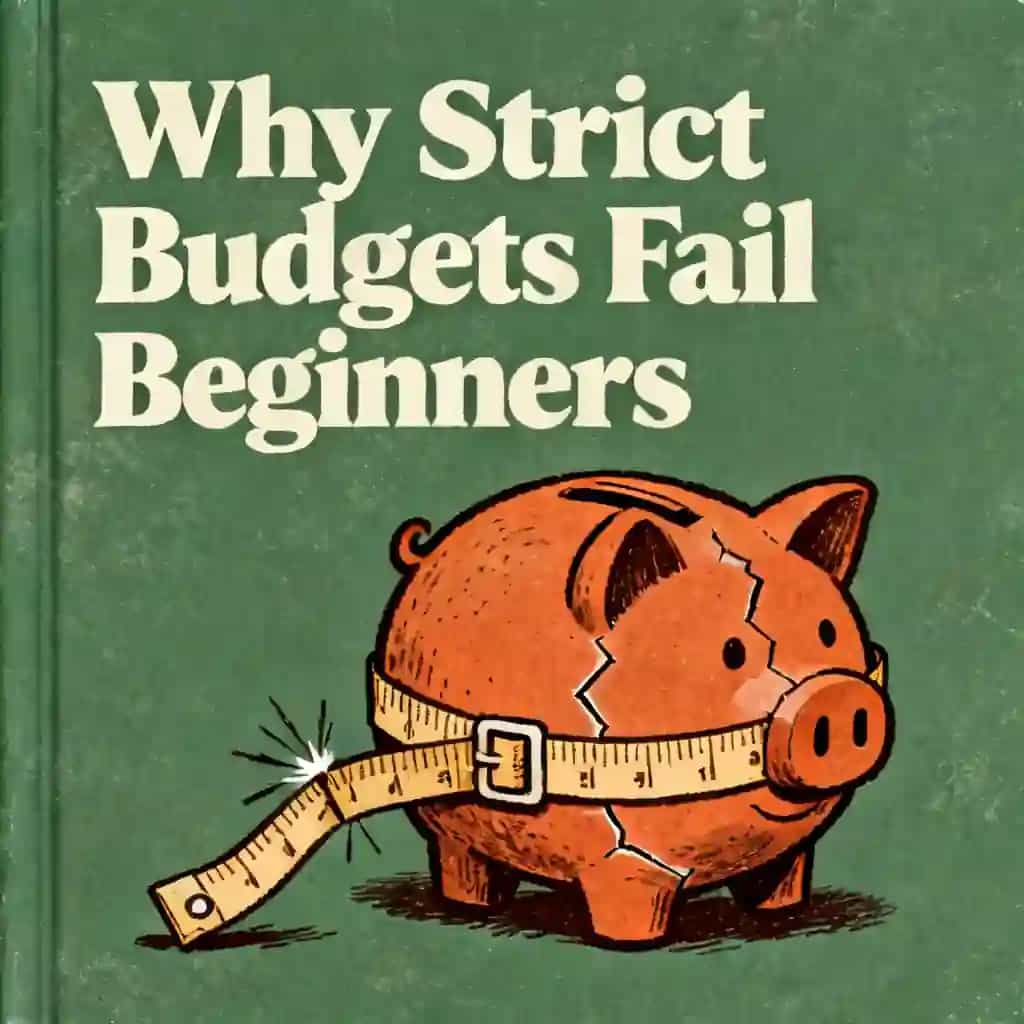
    Budgeting for Beginners: Why Strict Plans Often Fail
    Stop wondering where your money went. Learn how to use the 50/30/20 rule and zero-based budgeting to build a financial plan you can actually stick to.
    21 min
    Create a budget plan that actually works 책 표지
    The Total Money MakeoverMillionaire MissionGet Good with MoneyDave Ramseys Complete Guide To Money The Handbook Of Financial Peace University
    28 sources
    Create a budget plan that actually works
    Stop guessing where your money goes. Learn how to fix spending blindness and set up a personal finance system to save more each year.
    12 min
    Money Management That Actually Works 책 표지
    Making the Most of Your Money NowThe Total Money MakeoverJust Keep BuyingDave Ramsey's Complete Guide To Money
    23 sources
    Money Management That Actually Works
    Discover why traditional budgeting fails for most people and learn practical, flexible approaches to take control of your finances without feeling restricted by rigid systems.
    13 min
    Financial planning for life's biggest changes 책 표지
    Family fortunesMaking the most of your money nowAlgebra of WealthHow to Retire
    27 sources
    Financial planning for life's biggest changes
    When major life events make your old budget obsolete, the math is only half the story. Learn to build a resilient plan that evolves with your life.
    14 min
    Budgeting Through Debt: Your Financial Reset 책 표지
    The Total Money MakeoverReal Life MoneyDave Ramsey's Complete Guide To MoneyMillionaire Mission
    23 sources
    Budgeting Through Debt: Your Financial Reset
    Learn practical strategies to build a budget that tackles debt while growing savings. We'll break down proven methods like debt snowball and avalanche to help you make progress on all financial fronts.
    45 min
    Personal Finance Basics to Stop Living Paycheck to Paycheck 책 표지
    The Total Money MakeoverDave Ramseys Complete Guide To Money The Handbook Of Financial Peace UniversityReal Life MoneyBarefoot Investor
    27 sources
    Personal Finance Basics to Stop Living Paycheck to Paycheck
    Struggling with money stress? Learn how to build a financial airbag and use intentional spending to break the cycle and gain lasting security.
    14 min
    Debt-Free Strategies: Reclaiming Your Financial Future 책 표지
    The Debt Payoff Playbook: Strategies to Crush Your Debt in 2026 — The Money MuseThe Psychology of Debt: A Behavioral Finance Guide to Understanding and Reframing Debt | Villaire FinancialThe Psychology of Debt: Why It's Hard to Pay Off | DebtPayoffToolsStudent Loans and Credit Card Debt: Which Should You Pay Off First?
    5 sources
    Debt-Free Strategies: Reclaiming Your Financial Future
    Modern debt is designed to keep you stuck. Learn how to use the Snowball and Avalanche methods to dismantle your balances and find lasting peace.
    1006 min
    Financial Literacy: The Psychology of Money 책 표지
    Ranking the 49 Best Money Books of All TimeThe Bogleheads' Guide to Investing by Taylor Larimore — Review | Editors ReadsThe Psychology of Money by Morgan Housel — Review & Summary | Editors ReadsGet a Financial Life | Book by Beth Kobliner | Official Publisher Page | Simon & Schuster
    5 sources
    Financial Literacy: The Psychology of Money
    Struggling to track your spending? Learn why building wealth is about behavior, not math, so you can escape the complexity trap and gain freedom.
    1076 min

    Recommended Learning Plans

    Stop impulse spending and save money simply.
    학습 계획

    Stop impulse spending and save money simply.

    This plan is essential for anyone struggling with paycheck-to-paycheck living or habitual impulse shopping. It combines psychological insights with automated systems to help modern consumers regain financial control and build wealth effortlessly.

    3 h 21 m•4 섹션
    Overspending
    학습 계획

    Overspending

    Overspending affects millions who struggle to balance immediate desires with long-term financial health. This learning plan helps anyone caught in spend-regret cycles by addressing the psychological roots of money behaviors while providing practical systems for lasting financial control.

    3 h 57 m•4 섹션
    How to be more frugal
    학습 계획

    How to be more frugal

    This learning plan is essential for anyone feeling trapped by financial stress, living paycheck to paycheck, or wanting to take control of their financial future. It's particularly valuable for young professionals, families looking to reduce debt, or anyone seeking financial independence and the freedom that comes with intentional, frugal living. By combining mindset shifts with actionable strategies, this plan offers a comprehensive path from financial anxiety to empowered abundance.

    4 h 48 m•4 섹션
    Money Systems for Busy Lives
    학습 계획

    Money Systems for Busy Lives

    This plan is designed for busy professionals who struggle with inconsistent saving habits and financial fatigue. It provides a strategic framework to move beyond manual budgeting by leveraging automation and behavioral psychology.

    1 h 12 m•3 섹션
    The Self-Driving Money System
    학습 계획

    The Self-Driving Money System

    This plan is essential for professionals who struggle with manual budgeting and inconsistent savings. It provides a practical framework to automate personal finances, making it ideal for anyone looking to reduce financial stress and reclaim their time.

    1 h 12 m•3 섹션
    Personal finances
    학습 계획

    Personal finances

    This learning plan provides a complete roadmap from basic financial stability to advanced wealth creation. It is ideal for anyone looking to transition from reactive spending to strategic investing and long-term financial independence.

    4 h 25 m•4 섹션
    I want to achieve financial freedom
    학습 계획

    I want to achieve financial freedom

    This plan is essential for anyone feeling stuck in the paycheck-to-paycheck cycle or looking to retire decades early. It provides a comprehensive roadmap from basic budgeting to sophisticated investment strategies, making it ideal for both beginners and aspiring wealth builders.

    5 h 49 m•4 섹션
    From Budgeting to Market Mastery
    학습 계획

    From Budgeting to Market Mastery

    This plan is essential for individuals looking to bridge the gap between basic saving and sophisticated investing. It is designed for those who want to master their own psychology while gaining a deep technical understanding of market cycles and asset structures.

    1 h 30 m•3 섹션