The Invisible Architecture: Neuroscience of Sonic Branding
Explore how strategic sound bypasses visual logic to trigger instant emotional recall and long-term brand loyalty through the science of psychoacoustics.

The Invisible Architecture: Neuroscience of Sonic Branding 베스트 인용
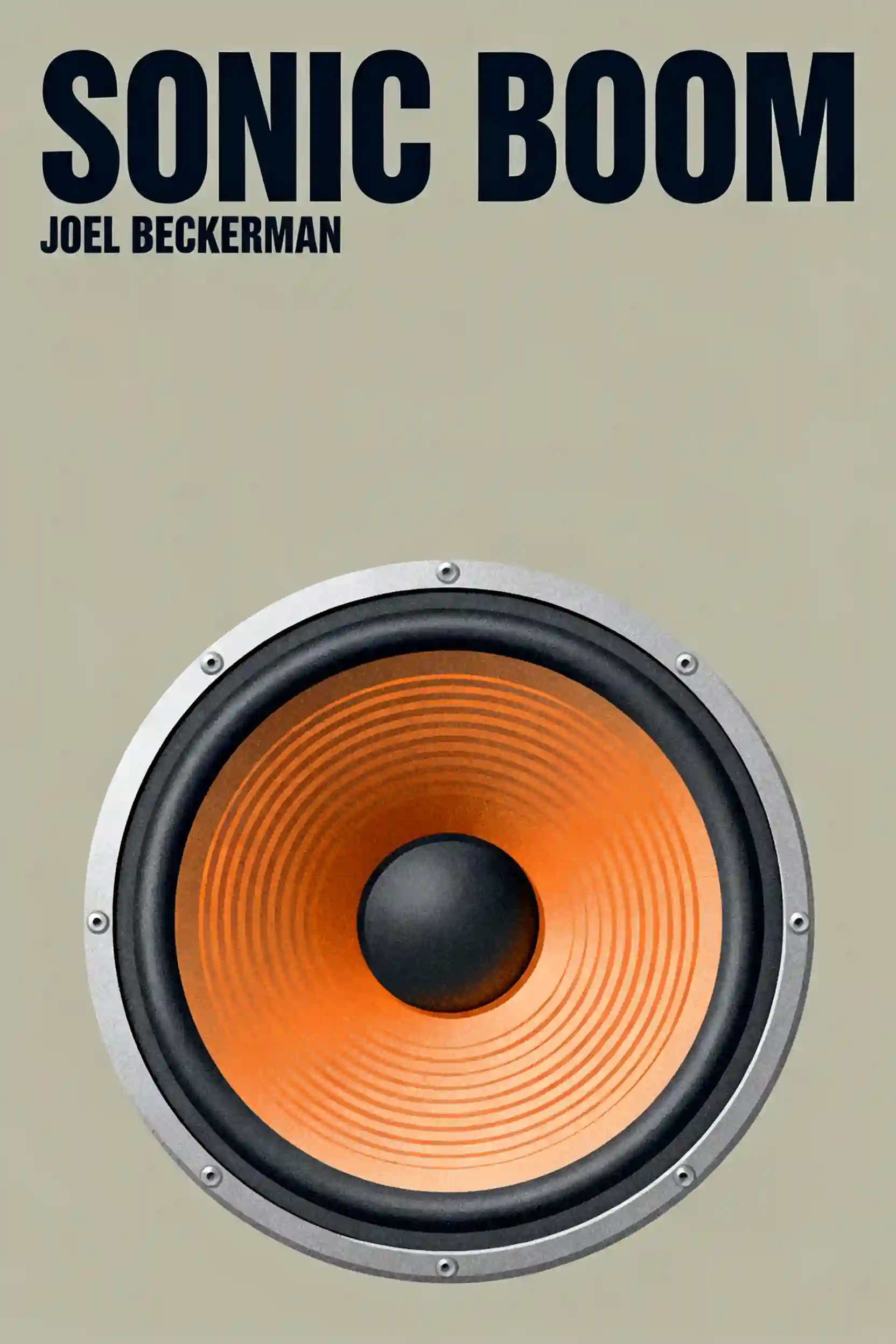
Our brains process sound in just 0.146 seconds—nearly three times faster than a visual logo hits our conscious mind. It’s a lightning-fast neural shortcut that bypasses our rational filters to trigger the reward system and the limbic system simultaneously.
Generated by Chayenne
Neuroscience and psychology of sonic branding

자주 묻는 질문
Our brains are hard-wired to process auditory stimuli as a reflex rather than a conscious choice. Sound waves reach the brain in just 0.146 seconds, which is nearly three times faster than a visual logo hits our conscious mind. This speed occurs because sound bypasses our rational filters and travels directly to the limbic system—the ancient part of the brain that handles emotions and survival instincts—triggering immediate reactions before we even have a chance to think about what we are hearing.
Brands utilize a process similar to Pavlov’s dogs by pairing a signature sound with a positive experience. For example, when a viewer hears the Netflix "ta-dum" sound before a show they enjoy, the brain strengthens the neural link between that sound and pleasure. Eventually, the sound alone becomes an "orienting response" that triggers the release of dopamine in the amygdala, causing the brain to feel anticipation and reward before the product or service is even consumed.
Sonic seasoning is a crossmodal phenomenon where specific sound frequencies change the way we perceive tastes or textures. High-pitched, "twinkly" sounds are subconsciously associated with sweetness, while low-pitched, "growling" sounds are linked to bitterness. This sensory translation allows sound to act as a prime for the other senses; for instance, a heavy thud when closing a car door can "overwrite" reality by making a consumer perceive a vehicle as sturdier and safer, regardless of the actual materials used.
The most successful sonic logos typically follow a "melodic blueprint" of five to six notes, which is short enough to be processed instantly but long enough to establish a pattern. These melodies trigger "involuntary musical imagery," or earworms, where the brain loops the sound in the auditory cortex. Brands also avoid "wear-out" by keeping these motifs short and adaptable, allowing them to change the instrumentation or tempo to stay fresh while keeping the core "musical DNA" recognizable to maintain trust and familiarity.
Timbre is a primal auditory cue that infants as young as two months can distinguish, and it serves as the "texture" of a brand’s identity. Even if the melody remains the same, changing the instrument can completely flip the brand's perceived personality. For example, a piano often signals sophistication and elegance, whereas a synth bass or electric guitar might communicate ruggedness and innovation. Brands aim for "brand fit" by ensuring the instrument's visceral and cultural associations match their core values.
샌프란시스코에서 컬럼비아 대학교 동문들이 만들었습니다
"Instead of endless scrolling, I just hit play on BeFreed. It saves me so much time."


"I never knew where to start with nonfiction—BeFreed’s book lists turned into podcasts gave me a clear path."


"Perfect balance between learning and entertainment. Finished ‘Thinking, Fast and Slow’ on my commute this week."
"Crazy how much I learned while walking the dog. BeFreed = small habits → big gains."
"Reading used to feel like a chore. Now it’s just part of my lifestyle."

"Feels effortless compared to reading. I’ve finished 6 books this month already."
"BeFreed turned my guilty doomscrolling into something that feels productive and inspiring."

"BeFreed turned my commute into learning time. 20-min podcasts are perfect for finishing books I never had time for."
"BeFreed replaced my podcast queue. Imagine Spotify for books — that’s it. 🙌"

"It is great for me to learn something from the book without reading it."
"The themed book list podcasts help me connect ideas across authors—like a guided audio journey."
"Makes me feel smarter every time before going to work"
샌프란시스코에서 컬럼비아 대학교 동문들이 만들었습니다
"Instead of endless scrolling, I just hit play on BeFreed. It saves me so much time."
"I never knew where to start with nonfiction—BeFreed’s book lists turned into podcasts gave me a clear path."
"Perfect balance between learning and entertainment. Finished ‘Thinking, Fast and Slow’ on my commute this week."
"Crazy how much I learned while walking the dog. BeFreed = small habits → big gains."
"Reading used to feel like a chore. Now it’s just part of my lifestyle."
"Feels effortless compared to reading. I’ve finished 6 books this month already."
"BeFreed turned my guilty doomscrolling into something that feels productive and inspiring."
"BeFreed turned my commute into learning time. 20-min podcasts are perfect for finishing books I never had time for."
"BeFreed replaced my podcast queue. Imagine Spotify for books — that’s it. 🙌"
"It is great for me to learn something from the book without reading it."
"The themed book list podcasts help me connect ideas across authors—like a guided audio journey."
"Makes me feel smarter every time before going to work"
"Instead of endless scrolling, I just hit play on BeFreed. It saves me so much time."
"I never knew where to start with nonfiction—BeFreed’s book lists turned into podcasts gave me a clear path."
"Perfect balance between learning and entertainment. Finished ‘Thinking, Fast and Slow’ on my commute this week."
"Crazy how much I learned while walking the dog. BeFreed = small habits → big gains."
"Reading used to feel like a chore. Now it’s just part of my lifestyle."
"Feels effortless compared to reading. I’ve finished 6 books this month already."
"BeFreed turned my guilty doomscrolling into something that feels productive and inspiring."
"BeFreed turned my commute into learning time. 20-min podcasts are perfect for finishing books I never had time for."
"BeFreed replaced my podcast queue. Imagine Spotify for books — that’s it. 🙌"
"It is great for me to learn something from the book without reading it."
"The themed book list podcasts help me connect ideas across authors—like a guided audio journey."
"Makes me feel smarter every time before going to work"
"Instead of endless scrolling, I just hit play on BeFreed. It saves me so much time."
"I never knew where to start with nonfiction—BeFreed’s book lists turned into podcasts gave me a clear path."
"Perfect balance between learning and entertainment. Finished ‘Thinking, Fast and Slow’ on my commute this week."
"Crazy how much I learned while walking the dog. BeFreed = small habits → big gains."
"Reading used to feel like a chore. Now it’s just part of my lifestyle."
"Feels effortless compared to reading. I’ve finished 6 books this month already."
"BeFreed turned my guilty doomscrolling into something that feels productive and inspiring."
"BeFreed turned my commute into learning time. 20-min podcasts are perfect for finishing books I never had time for."
"BeFreed replaced my podcast queue. Imagine Spotify for books — that’s it. 🙌"
"It is great for me to learn something from the book without reading it."
"The themed book list podcasts help me connect ideas across authors—like a guided audio journey."
"Makes me feel smarter every time before going to work"