The Fairness Trap: Just World Hypothesis and Managing Injustice
Explore The Fairness Trap and the Just World Hypothesis. Learn why injustice triggers rage, the psychology of victim blaming, and how to manage your internal sense of safety.
The Fairness Trap: Just World Hypothesis and Managing Injustice 베스트 인용
The goal isn't to hit the 'mute' button and feel zero, because zero means you have no data. The goal is a 'volume knob' where you dial the anger down enough to have the brainpower to decide what to do about it instead of just reacting.
Generated by Nika
Emotional regulation and anger management strategies specifically for situations involving perceived unfairness or injustice.






자주 묻는 질문
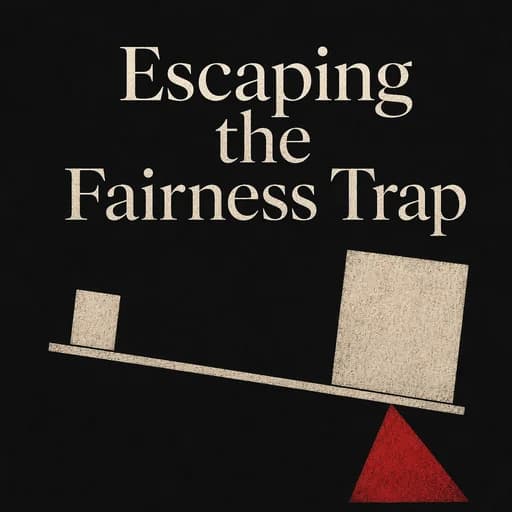
The Just World Hypothesis is a psychological belief that the world is inherently fair and that people eventually get what they deserve. This mindset acts like a mental vending machine where we expect rewards for good behavior. When we witness injustice, it challenges our internal sense of safety and understanding of how the world works. This often leads to intense frustration or rage because our brains struggle to process a reality where hard work and being a good person do not guarantee a positive outcome.
We experience rage because unfairness creates a psychological trap that breaks our internal sense of safety. When someone who doesn't follow the rules succeeds while we struggle, it feels like our brain is on fire. This reaction occurs because the injustice contradicts our deep-seated belief in a predictable world. Instead of just being a minor annoyance, these moments of cognitive dissonance make us feel like we are losing our minds as we lose faith in systems and people around us.
The Fairness Trap leads to victim blaming because admitting that bad things happen to good people for no reason is terrifying. If we acknowledge that the world is chaotic and we aren't in control, we feel vulnerable. To avoid this scary realization, our brains would rather blame a victim than accept that injustice is random. By convincing ourselves that a victim must have done something to deserve their fate, we protect our own illusion of safety and the belief that we can avoid similar outcomes.
샌프란시스코에서 컬럼비아 대학교 동문들이 만들었습니다
"Instead of endless scrolling, I just hit play on BeFreed. It saves me so much time."


"I never knew where to start with nonfiction—BeFreed’s book lists turned into podcasts gave me a clear path."


"Perfect balance between learning and entertainment. Finished ‘Thinking, Fast and Slow’ on my commute this week."
"Crazy how much I learned while walking the dog. BeFreed = small habits → big gains."
"Reading used to feel like a chore. Now it’s just part of my lifestyle."

"Feels effortless compared to reading. I’ve finished 6 books this month already."
"BeFreed turned my guilty doomscrolling into something that feels productive and inspiring."

"BeFreed turned my commute into learning time. 20-min podcasts are perfect for finishing books I never had time for."
"BeFreed replaced my podcast queue. Imagine Spotify for books — that’s it. 🙌"

"It is great for me to learn something from the book without reading it."
"The themed book list podcasts help me connect ideas across authors—like a guided audio journey."
"Makes me feel smarter every time before going to work"
샌프란시스코에서 컬럼비아 대학교 동문들이 만들었습니다
"Instead of endless scrolling, I just hit play on BeFreed. It saves me so much time."
"I never knew where to start with nonfiction—BeFreed’s book lists turned into podcasts gave me a clear path."
"Perfect balance between learning and entertainment. Finished ‘Thinking, Fast and Slow’ on my commute this week."
"Crazy how much I learned while walking the dog. BeFreed = small habits → big gains."
"Reading used to feel like a chore. Now it’s just part of my lifestyle."
"Feels effortless compared to reading. I’ve finished 6 books this month already."
"BeFreed turned my guilty doomscrolling into something that feels productive and inspiring."
"BeFreed turned my commute into learning time. 20-min podcasts are perfect for finishing books I never had time for."
"BeFreed replaced my podcast queue. Imagine Spotify for books — that’s it. 🙌"
"It is great for me to learn something from the book without reading it."
"The themed book list podcasts help me connect ideas across authors—like a guided audio journey."
"Makes me feel smarter every time before going to work"
"Instead of endless scrolling, I just hit play on BeFreed. It saves me so much time."
"I never knew where to start with nonfiction—BeFreed’s book lists turned into podcasts gave me a clear path."
"Perfect balance between learning and entertainment. Finished ‘Thinking, Fast and Slow’ on my commute this week."
"Crazy how much I learned while walking the dog. BeFreed = small habits → big gains."
"Reading used to feel like a chore. Now it’s just part of my lifestyle."
"Feels effortless compared to reading. I’ve finished 6 books this month already."
"BeFreed turned my guilty doomscrolling into something that feels productive and inspiring."
"BeFreed turned my commute into learning time. 20-min podcasts are perfect for finishing books I never had time for."
"BeFreed replaced my podcast queue. Imagine Spotify for books — that’s it. 🙌"
"It is great for me to learn something from the book without reading it."
"The themed book list podcasts help me connect ideas across authors—like a guided audio journey."
"Makes me feel smarter every time before going to work"
"Instead of endless scrolling, I just hit play on BeFreed. It saves me so much time."
"I never knew where to start with nonfiction—BeFreed’s book lists turned into podcasts gave me a clear path."
"Perfect balance between learning and entertainment. Finished ‘Thinking, Fast and Slow’ on my commute this week."
"Crazy how much I learned while walking the dog. BeFreed = small habits → big gains."
"Reading used to feel like a chore. Now it’s just part of my lifestyle."
"Feels effortless compared to reading. I’ve finished 6 books this month already."
"BeFreed turned my guilty doomscrolling into something that feels productive and inspiring."
"BeFreed turned my commute into learning time. 20-min podcasts are perfect for finishing books I never had time for."
"BeFreed replaced my podcast queue. Imagine Spotify for books — that’s it. 🙌"
"It is great for me to learn something from the book without reading it."
"The themed book list podcasts help me connect ideas across authors—like a guided audio journey."
"Makes me feel smarter every time before going to work"