The Heartache of the Unseen Giver
Nia: Hey everyone, so glad you could join us today. I was just thinking about that heavy, hollow feeling you get when you’ve poured your entire heart into helping someone, only to realize they didn't even notice. It’s like you’re invisible, right? We’re told that being kind and always being there for people is the ultimate virtue, but sometimes it feels like the more we give, the less we’re actually seen . It’s a total gut punch when your generosity starts feeling like someone else’s expectation rather than a gift you’re choosing to give.
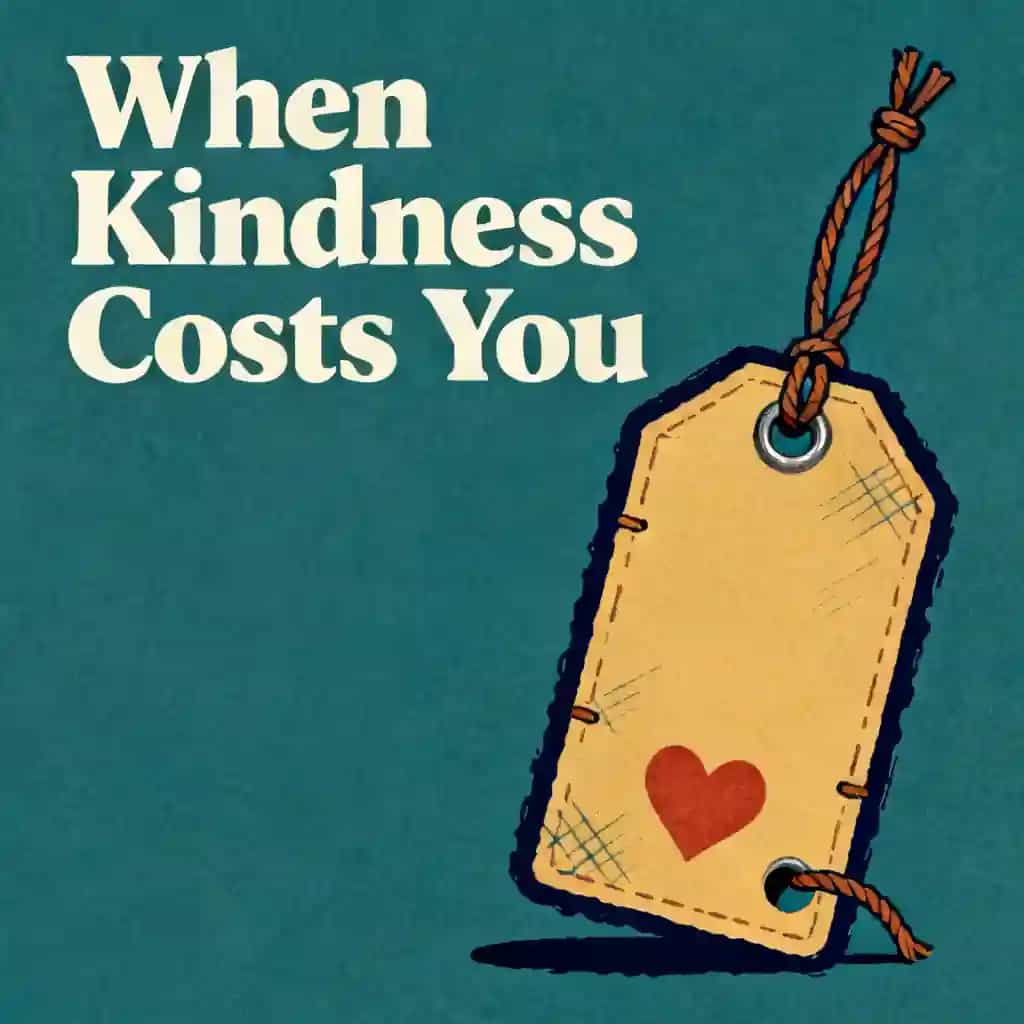
Miles: It really is. And the wild part, Nia, is that there’s actually a psychological reason for this. It’s not just in your head. When we make ourselves constantly available, we’re essentially telling the world that our time and energy have no limit—and therefore, no price tag . It’s what some researchers call the Status Signals Paradox. We think showing up with all these high-status markers will make people want to be our friends, but it often does the exact opposite .
Nia: That is so counterintuitive! You’d think being the most helpful person in the room would make you the most valued. But you’re saying that by being "too good," we might actually be pushing people away or teaching them to disregard us?
Miles: Exactly. It’s about the signal we’re sending. If a river never runs dry, nobody stops to praise it for the water—they just expect it to be there when they’re thirsty . We’re going to dig into why having no limits actually erodes the very respect we’re trying to build.
Nia: I’m so ready for this. It feels like we’re finally giving words to that "quiet unease" so many of us carry. So, let’s dive into how this cycle actually starts.