The Quiet Weight of Our Unspoken Needs
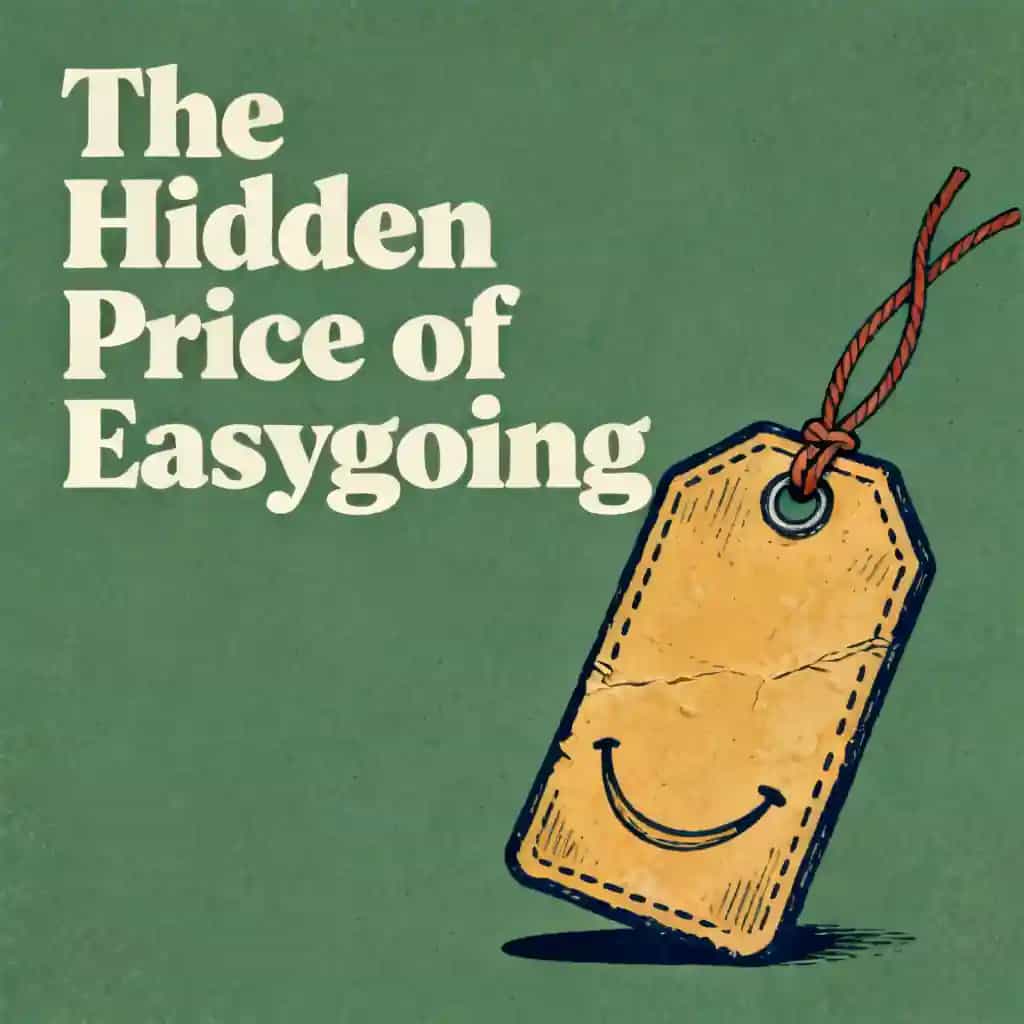
Lena: You know, I was sitting in my kitchen this morning just watching the light hit the floor, and I had this sudden, heavy realization. So many of us spend our entire lives feeling like we’re standing backstage in our own story. We’re the ones making sure the props are ready, the lighting is perfect, and everyone else has their lines memorized, but we never actually step into the spotlight ourselves. It’s that constant, nagging feeling that our own needs are somehow a burden to the people we love. If you’ve ever felt like your job in life is to be the "easy" one—the one who never complains, never asks for much, and always adapts—then today is really for you. We’re looking at why we do that, and more importantly, how we can start to gently reclaim our space without feeling like we’re breaking the world around us.
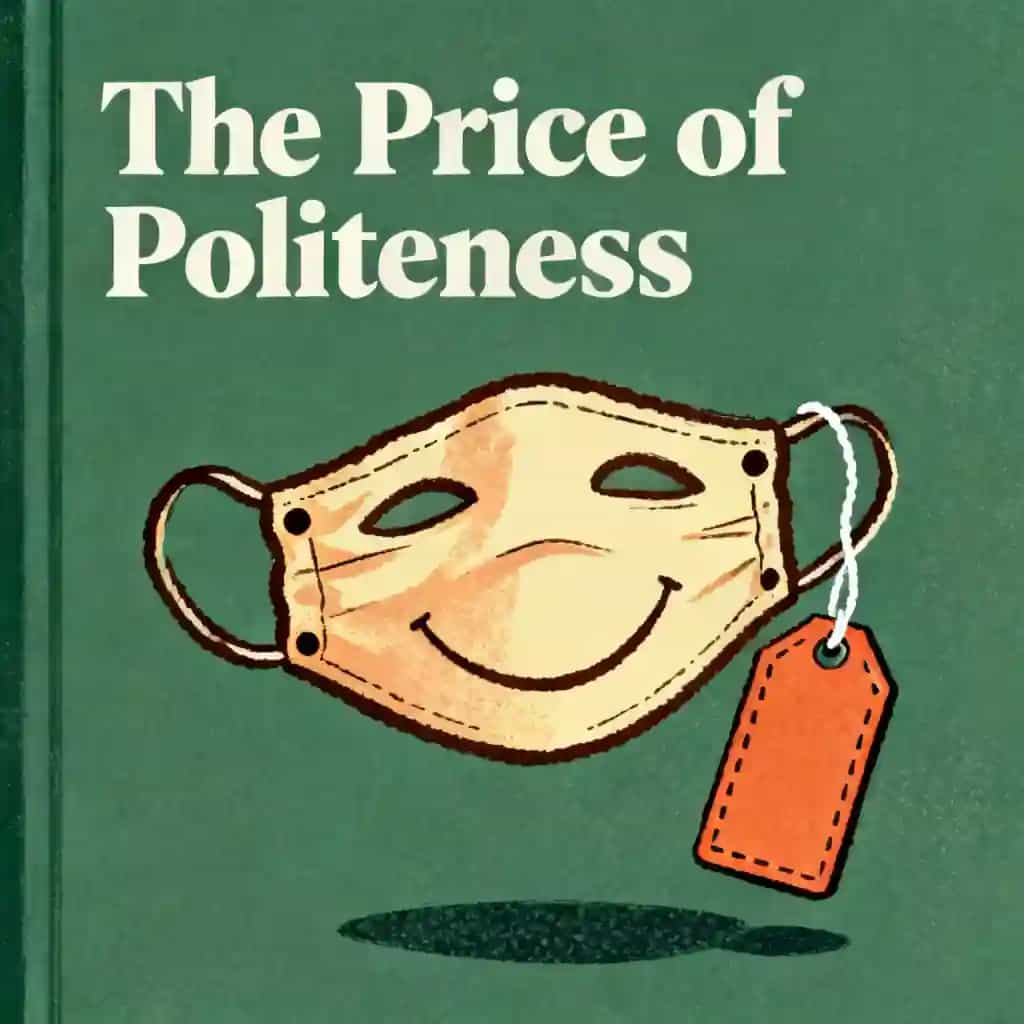
Miles: That hits home, Lena. It’s like we’ve convinced ourselves that being invisible is a form of kindness. We think, "If I don’t have needs, I’m easier to love," right? But what’s fascinating is that the source materials suggest this isn't just a personality quirk. It’s often a deeply ingrained survival strategy. When we stop expressing what we need, we aren't actually being selfless—we’re often just operating out of a fear of disconnection. We’re terrified that if we show up as a full person with messy desires and specific boundaries, the people we care about will find us "too much" and walk away. It’s a heavy way to live, always walking on eggshells in your own house.
Lena: It really is. And the irony is that by trying to be "low maintenance," we actually end up creating a barrier between ourselves and the people we want to be close to. You can’t be truly known if you’re hiding your requirements for happiness. It’s like trying to build a bridge but only showing the other person the blueprints for a completely different structure. They think they know you, but they only know the version of you that doesn’t ask for anything.
Miles: Exactly. And that sets the stage for a lot of internal resentment that we don’t always know what to do with. So, over the next bit of time, we’re going to unpack why we feel this way and how to start moving toward a place where saying "I need this" feels less like a confession and more like an invitation to a deeper connection.