The Blueprint for Modern Fashion Publishing
Discover how to launch a successful fashion magazine by balancing local cultural nuance with a curated brand voice and robust operational strategy.

The Blueprint for Modern Fashion Publishing 베스트 인용
In the fashion world, if you aren't specific, you're invisible. The 'riches are in the niches' because that level of focus creates a fiercely loyal readership and a unique point of view that corporate glossies can't replicate.
Generated by Rashid
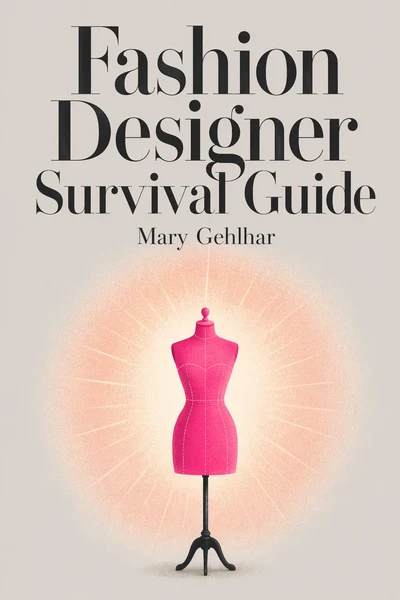
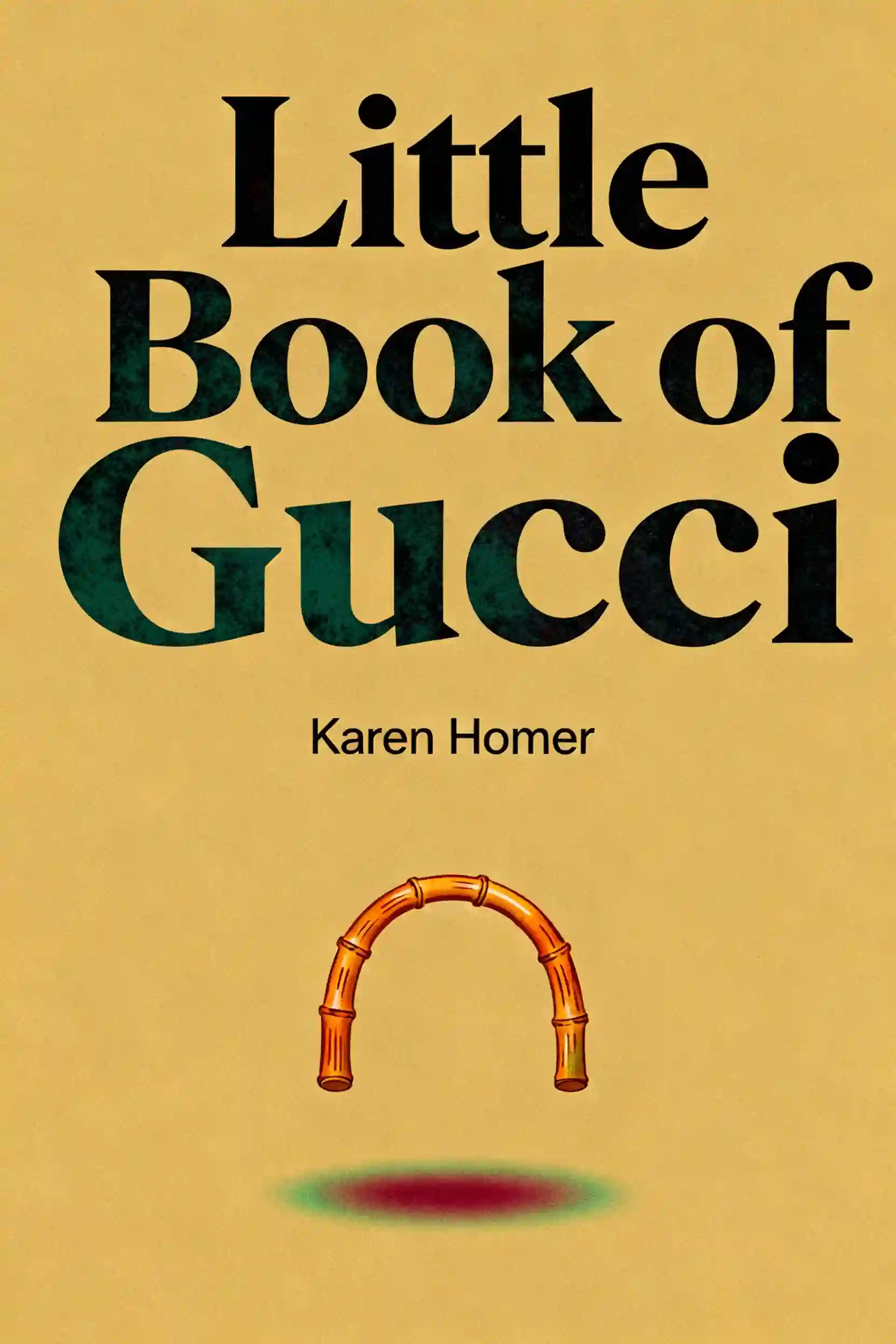
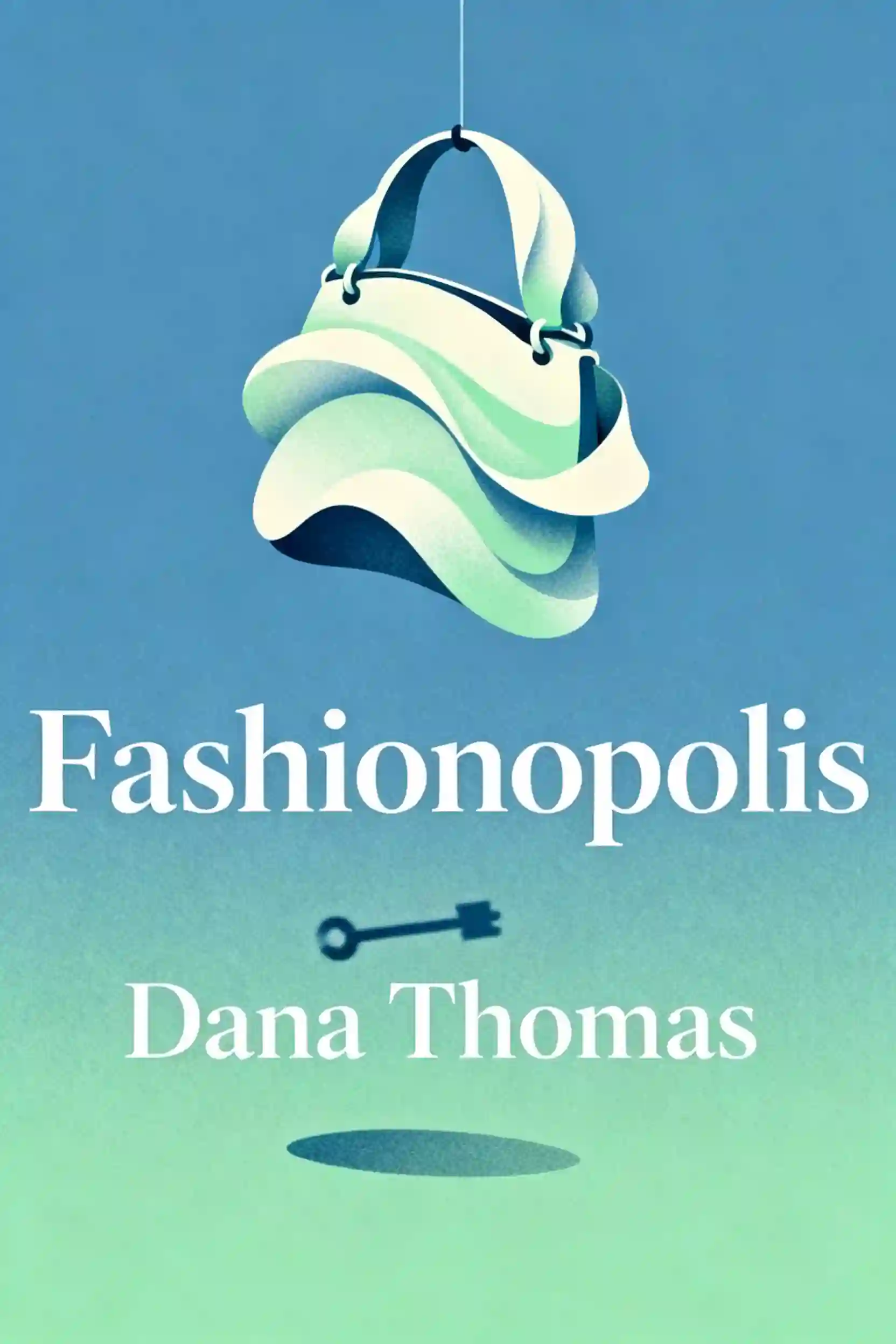
Making Fashion Magazine

자주 묻는 질문
The script emphasizes that "the riches are in the niches" because trying to appeal to everyone results in a bland product that struggles to compete with established corporate glossies. By focusing on a hyper-specific area—such as sustainable Scandinavian knitwear or 1990s Japanese workwear—a publisher can fill a "content gap" and solve specific problems for a target audience. This specialized focus builds a fiercely loyal readership and a unique point of view that makes the publication stand out in a crowded digital market.
Static PDFs are described as the "dial-up internet" of the modern magazine world because they offer a poor user experience, often requiring readers to "pinch and zoom" to see details. They lack the interactivity necessary for modern fashion storytelling, such as native animations, video embeds of runways, and audio clips. Furthermore, static PDFs are not optimized for SEO or AI discovery, whereas modern HTML-based platforms allow for "thumb-friendly" mobile navigation and provide granular analytics like "dwell time" and "scroll depth."
A Pull Letter is an official document from a magazine editor that acts as a "golden ticket" for stylists, allowing them to borrow clothing and accessories from designers and PR agencies free of charge. It serves as a formal guarantee that the items will be featured and properly credited in the publication. Without this letter, startup magazines would be forced to purchase all the clothing for their shoots, which is financially unsustainable for most new businesses.
To ensure consistency, publishers should adopt an "operational backbone" consisting of a thematic editorial calendar and a structured content workflow. Key strategies include using project management tools like Trello or Asana and creating highly detailed "content briefs" to reduce revision cycles. Additionally, the script recommends "atomizing" content—taking one deep-dive feature and repurposing it into blog posts, infographics, and short-form videos—to maximize the investment in a single piece of work.
The traditional model of relying solely on print ad sales has shifted toward digital revenue and "live experiences." Modern publishers generate income through high-margin events like summits or workshops, as well as "shoppable content" using affiliate links that drive direct sales to brand partners. Other successful strategies include "lead generation gating," where high-value reports are traded for contact info, and "freemium" models that offer current issues for free while placing archives behind a paywall.
샌프란시스코에서 컬럼비아 대학교 동문들이 만들었습니다
"Instead of endless scrolling, I just hit play on BeFreed. It saves me so much time."


"I never knew where to start with nonfiction—BeFreed’s book lists turned into podcasts gave me a clear path."


"Perfect balance between learning and entertainment. Finished ‘Thinking, Fast and Slow’ on my commute this week."
"Crazy how much I learned while walking the dog. BeFreed = small habits → big gains."
"Reading used to feel like a chore. Now it’s just part of my lifestyle."

"Feels effortless compared to reading. I’ve finished 6 books this month already."
"BeFreed turned my guilty doomscrolling into something that feels productive and inspiring."

"BeFreed turned my commute into learning time. 20-min podcasts are perfect for finishing books I never had time for."
"BeFreed replaced my podcast queue. Imagine Spotify for books — that’s it. 🙌"

"It is great for me to learn something from the book without reading it."
"The themed book list podcasts help me connect ideas across authors—like a guided audio journey."
"Makes me feel smarter every time before going to work"
샌프란시스코에서 컬럼비아 대학교 동문들이 만들었습니다
"Instead of endless scrolling, I just hit play on BeFreed. It saves me so much time."
"I never knew where to start with nonfiction—BeFreed’s book lists turned into podcasts gave me a clear path."
"Perfect balance between learning and entertainment. Finished ‘Thinking, Fast and Slow’ on my commute this week."
"Crazy how much I learned while walking the dog. BeFreed = small habits → big gains."
"Reading used to feel like a chore. Now it’s just part of my lifestyle."
"Feels effortless compared to reading. I’ve finished 6 books this month already."
"BeFreed turned my guilty doomscrolling into something that feels productive and inspiring."
"BeFreed turned my commute into learning time. 20-min podcasts are perfect for finishing books I never had time for."
"BeFreed replaced my podcast queue. Imagine Spotify for books — that’s it. 🙌"
"It is great for me to learn something from the book without reading it."
"The themed book list podcasts help me connect ideas across authors—like a guided audio journey."
"Makes me feel smarter every time before going to work"
"Instead of endless scrolling, I just hit play on BeFreed. It saves me so much time."
"I never knew where to start with nonfiction—BeFreed’s book lists turned into podcasts gave me a clear path."
"Perfect balance between learning and entertainment. Finished ‘Thinking, Fast and Slow’ on my commute this week."
"Crazy how much I learned while walking the dog. BeFreed = small habits → big gains."
"Reading used to feel like a chore. Now it’s just part of my lifestyle."
"Feels effortless compared to reading. I’ve finished 6 books this month already."
"BeFreed turned my guilty doomscrolling into something that feels productive and inspiring."
"BeFreed turned my commute into learning time. 20-min podcasts are perfect for finishing books I never had time for."
"BeFreed replaced my podcast queue. Imagine Spotify for books — that’s it. 🙌"
"It is great for me to learn something from the book without reading it."
"The themed book list podcasts help me connect ideas across authors—like a guided audio journey."
"Makes me feel smarter every time before going to work"
"Instead of endless scrolling, I just hit play on BeFreed. It saves me so much time."
"I never knew where to start with nonfiction—BeFreed’s book lists turned into podcasts gave me a clear path."
"Perfect balance between learning and entertainment. Finished ‘Thinking, Fast and Slow’ on my commute this week."
"Crazy how much I learned while walking the dog. BeFreed = small habits → big gains."
"Reading used to feel like a chore. Now it’s just part of my lifestyle."
"Feels effortless compared to reading. I’ve finished 6 books this month already."
"BeFreed turned my guilty doomscrolling into something that feels productive and inspiring."
"BeFreed turned my commute into learning time. 20-min podcasts are perfect for finishing books I never had time for."
"BeFreed replaced my podcast queue. Imagine Spotify for books — that’s it. 🙌"
"It is great for me to learn something from the book without reading it."
"The themed book list podcasts help me connect ideas across authors—like a guided audio journey."
"Makes me feel smarter every time before going to work"