The Difference Between Being Loved and Being Desired
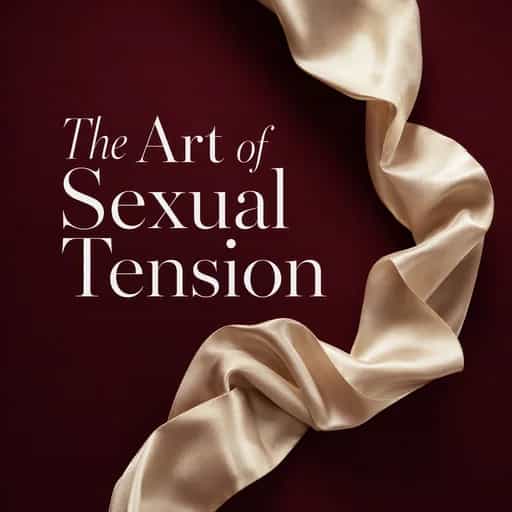
You might believe that because your relationship is stable, the intimacy is naturally taken care of, but there is a quiet hunger almost every person in a long-term partnership carries: the need to feel desired. It is a fundamental truth that being loved is merely the floor—it is the assumed baseline of a committed life—but being desired is the difference between feeling like a roommate and feeling like a lover. Most couples do not actually stop wanting each other; they simply stop expressing that want, letting it go underground until a partner wrongly concludes they are no longer chosen. This is where the concept of 24-hour foreplay becomes essential, moving away from the idea that intimacy is a separate event that only happens in the bedroom and toward a reality where it is the ongoing emotional atmosphere you create together. Building this tension throughout the day is not about relentless seduction—it is about the subtle, psychologically significant cultivation of warmth and playfulness. When you understand that desire is something you communicate constantly through a hundred tiny signals, you realize that the slow build of anticipation is one of the most underrated tools at your disposal. This journey starts with recognizing that your partner cannot read your mind, and the desire you feel but never show might as well not exist. We are going to dive into the mechanics of how to make that wanting visible again, starting with the foundation of why your brain actually prefers the wait to the reward.