Testing in the Age of AI
AI is changing how we code, but quality still starts with clean design. Learn to balance automation with human insight for better software in 2026.

Testing in the Age of AI 베스트 인용
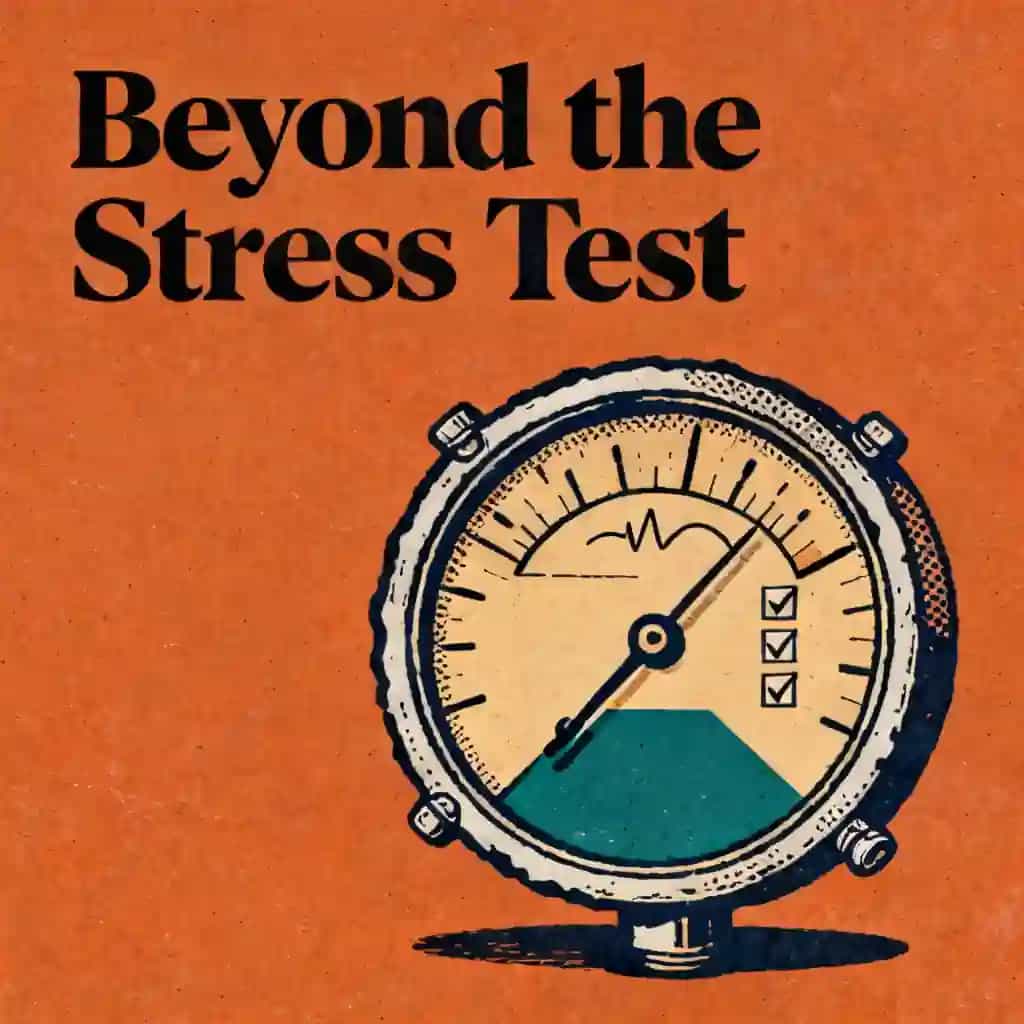
Fixing a bug after a release can be up to 150 times more expensive than catching it during the initial design phase. It really reframes testing from 'this annoying thing we have to do' to 'the thing that keeps us in business.'

이 오디오 레슨은 BeFreed 커뮤니티 멤버가 만들었습니다
test

자주 묻는 질문
더 알아보기

design in ai era
design in ai era
As AI transforms the design landscape, professionals must adapt or risk obsolescence. This learning path is essential for designers, UX professionals, and creative leaders who want to harness AI as a collaborative tool rather than view it as a threat. Whether you're looking to enhance your current practice or lead design teams through technological transformation, understanding AI's role in design is no longer optional—it's critical for career longevity and creative excellence.

ai design product
ai design product
As AI reshapes the digital landscape, designers must evolve from static layout creators to architects of intelligent systems. This plan is essential for product designers and leaders who want to bridge the gap between technical AI capabilities and meaningful, ethical user experiences.

Aprender sobre automation testing
Aprender sobre automation testing
Automation testing is essential for scaling modern software development without sacrificing quality. This plan is ideal for QA engineers and developers looking to master test strategies and CI/CD integration.

Master AI & design writing
Master AI & design writing
As AI transforms how we create, communicate, and design products, professionals need to understand both the technology and how to apply it thoughtfully. This learning plan is ideal for content creators, UX designers, product managers, and marketers who want to harness AI's potential while maintaining the human touch that makes great work resonate.
Learn how to better use AI
Learn how to better use AI
As artificial intelligence reshapes the professional landscape, literacy in these tools is no longer optional but a competitive necessity. This plan is designed for professionals and business leaders who need to transition from basic AI awareness to strategic, ethical implementation.
Learn to use AI effectively
Learn to use AI effectively
As AI transforms every industry and job function, knowing how to effectively leverage these tools is becoming as essential as digital literacy itself. This learning path is designed for professionals at any level who want to stay relevant, multiply their productivity, and position themselves strategically in an AI-powered future rather than being left behind by it.

AI agent for software development
AI agent for software development
As software engineering shifts toward automation, mastering AI agents is becoming a critical skill for modern developers. This plan is ideal for programmers looking to transition from traditional development to building autonomous, intelligent systems using Python and neural networks.
To build a new ai acitecture
To build a new ai acitecture
This curriculum is essential for engineers and researchers aiming to move beyond pre-built models to architecting original AI systems. It provides the technical depth required to design scalable, agentic, and transformer-based solutions for the next generation of intelligent software.
샌프란시스코에서 컬럼비아 대학교 동문들이 만들었습니다
"Instead of endless scrolling, I just hit play on BeFreed. It saves me so much time."


"I never knew where to start with nonfiction—BeFreed’s book lists turned into podcasts gave me a clear path."


"Perfect balance between learning and entertainment. Finished ‘Thinking, Fast and Slow’ on my commute this week."
"Crazy how much I learned while walking the dog. BeFreed = small habits → big gains."
"Reading used to feel like a chore. Now it’s just part of my lifestyle."

"Feels effortless compared to reading. I’ve finished 6 books this month already."
"BeFreed turned my guilty doomscrolling into something that feels productive and inspiring."

"BeFreed turned my commute into learning time. 20-min podcasts are perfect for finishing books I never had time for."
"BeFreed replaced my podcast queue. Imagine Spotify for books — that’s it. 🙌"

"It is great for me to learn something from the book without reading it."
"The themed book list podcasts help me connect ideas across authors—like a guided audio journey."
"Makes me feel smarter every time before going to work"
샌프란시스코에서 컬럼비아 대학교 동문들이 만들었습니다
"Instead of endless scrolling, I just hit play on BeFreed. It saves me so much time."
"I never knew where to start with nonfiction—BeFreed’s book lists turned into podcasts gave me a clear path."
"Perfect balance between learning and entertainment. Finished ‘Thinking, Fast and Slow’ on my commute this week."
"Crazy how much I learned while walking the dog. BeFreed = small habits → big gains."
"Reading used to feel like a chore. Now it’s just part of my lifestyle."
"Feels effortless compared to reading. I’ve finished 6 books this month already."
"BeFreed turned my guilty doomscrolling into something that feels productive and inspiring."
"BeFreed turned my commute into learning time. 20-min podcasts are perfect for finishing books I never had time for."
"BeFreed replaced my podcast queue. Imagine Spotify for books — that’s it. 🙌"
"It is great for me to learn something from the book without reading it."
"The themed book list podcasts help me connect ideas across authors—like a guided audio journey."
"Makes me feel smarter every time before going to work"
"Instead of endless scrolling, I just hit play on BeFreed. It saves me so much time."
"I never knew where to start with nonfiction—BeFreed’s book lists turned into podcasts gave me a clear path."
"Perfect balance between learning and entertainment. Finished ‘Thinking, Fast and Slow’ on my commute this week."
"Crazy how much I learned while walking the dog. BeFreed = small habits → big gains."
"Reading used to feel like a chore. Now it’s just part of my lifestyle."
"Feels effortless compared to reading. I’ve finished 6 books this month already."
"BeFreed turned my guilty doomscrolling into something that feels productive and inspiring."
"BeFreed turned my commute into learning time. 20-min podcasts are perfect for finishing books I never had time for."
"BeFreed replaced my podcast queue. Imagine Spotify for books — that’s it. 🙌"
"It is great for me to learn something from the book without reading it."
"The themed book list podcasts help me connect ideas across authors—like a guided audio journey."
"Makes me feel smarter every time before going to work"
"Instead of endless scrolling, I just hit play on BeFreed. It saves me so much time."
"I never knew where to start with nonfiction—BeFreed’s book lists turned into podcasts gave me a clear path."
"Perfect balance between learning and entertainment. Finished ‘Thinking, Fast and Slow’ on my commute this week."
"Crazy how much I learned while walking the dog. BeFreed = small habits → big gains."
"Reading used to feel like a chore. Now it’s just part of my lifestyle."
"Feels effortless compared to reading. I’ve finished 6 books this month already."
"BeFreed turned my guilty doomscrolling into something that feels productive and inspiring."
"BeFreed turned my commute into learning time. 20-min podcasts are perfect for finishing books I never had time for."
"BeFreed replaced my podcast queue. Imagine Spotify for books — that’s it. 🙌"
"It is great for me to learn something from the book without reading it."
"The themed book list podcasts help me connect ideas across authors—like a guided audio journey."
"Makes me feel smarter every time before going to work"