BeFreed
    Categories>Communication>Tactical Empathy: The FBI Negotiation Playbook

    Tactical Empathy: The FBI Negotiation Playbook

    34분
    |
    |
    2025년 12월 29일
    • Communication
    • Psychology
    • Career & Business

    Discover how FBI hostage negotiation techniques can transform your everyday interactions. Learn practical skills like mirroring and labeling emotions to create win-win outcomes in any situation.

    Tactical Empathy: The FBI Negotiation Playbook
    0:00 / 0:00
    전달 방식을 선택하세요

    하나의 에피소드, 다양한 청취 방식.

    Tactical Empathy: The FBI Negotiation Playbook의 같은 아이디어를 나에게 맞는 목소리, 깊이, 속도로 만나보세요. 언제든 바꿀 수 있습니다.

    전체 대본 및 챕터

    챕터 1

    Negotiation: Your Daily Hidden Battleground

    Lena: Hey there, Miles! I was just thinking about that time I was trying to buy a car and the salesperson kept pushing me to make a decision right away. I felt so uncomfortable, but I didn't know how to handle it.

    Miles: Oh, I've been there! It's that feeling of being backed into a corner, right? You know what's fascinating about situations like that? They're actually negotiations, even if we don't think of them that way.

    Lena: Wait, negotiations? I always thought negotiations were just for hostage situations or big business deals.

    Miles: That's what most people think! But according to Chris Voss, former FBI lead hostage negotiator and author of "Never Split the Difference," we're actually negotiating 5 to 7 times every single day. Everything from crossing the street to getting coffee at Starbucks involves some form of negotiation.

    Lena: That's wild! I never thought about it that way. So you're saying the skills used to negotiate with actual hostage-takers could help me buy a car without feeling manipulated?

    Miles: Exactly! And what's even more interesting is that these techniques aren't about manipulation or creating win-lose situations. They're about building genuine collaboration through something Voss calls "tactical empathy."

    Lena: Tactical empathy? That sounds almost contradictory—like using empathy as a strategy.

    Miles: I know, right? But it's actually about understanding the other person's perspective so deeply that you can create better outcomes for everyone involved. It's not about splitting the difference or compromising—it's about finding solutions where both sides feel they've been heard and respected.

    Lena: I could have really used some of these skills in so many situations. So how do we actually put this into practice?

    Miles: Let's break down the core techniques that Voss developed during his 24 years with the FBI—tools like mirroring, labeling emotions, and asking calibrated questions that can transform how we communicate in every aspect of our lives.

    챕터 2

    The Mirror Method: How Simple Repetition Unlocks Hidden Information

    Lena: So Miles, you mentioned mirroring as one of Chris Voss's key techniques. When I hear "mirroring," I think of copying someone's body language, but I'm guessing that's not what we're talking about here?

    Miles: You're absolutely right—this is something completely different. Voss's mirroring technique is actually about repeating the last few words someone just said, but with an upward inflection. It's almost embarrassingly simple, yet incredibly powerful.

    Lena: Wait, so if someone says "I can't afford that price," I would just repeat "can't afford that price?" with a questioning tone?

    Miles: Exactly! And here's what's fascinating—when you do this, people automatically feel compelled to elaborate. It's like you've opened a door for them to share more information without them even realizing it.

    Lena: That does sound simple, but I'm skeptical. How can something so basic actually work in real negotiations?

    Miles: I get the skepticism, but think about it from a psychological perspective. When someone mirrors your words back to you, it signals that you're being heard and understood. Your brain interprets this as safety, which naturally makes you want to share more.

    Lena: So it's tapping into our fundamental need to be understood?

    Miles: Precisely! And Voss discovered this technique wasn't just useful in hostage situations—it works everywhere. One negotiation expert I read about used mirroring with a difficult client who kept saying their budget was "impossible to work with." Instead of arguing, they simply repeated "impossible to work with?" The client immediately started explaining the specific constraints, revealing opportunities for creative solutions.

    Lena: That's brilliant because you're not challenging them or making them defensive. You're just... listening actively?

    Miles: Right! And here's another layer to this—mirroring also buys you time to think. Instead of rushing to respond with your own agenda, you're creating space to process what they've actually said and what it might mean.

    Lena: I can see how that would be incredibly valuable in high-pressure situations. But doesn't it feel awkward to just repeat someone's words back to them?

    Miles: That's what everyone thinks initially! But Voss found that people rarely notice the mirroring consciously. They just feel heard and understood. It's operating below the level of conscious awareness, which is why it's so effective.

    Lena: So when should we use this technique? Is it appropriate in every conversation?

    Miles: Great question! Mirroring works best when you need more information or when someone seems hesitant to share details. It's particularly powerful when emotions are running high, because it helps de-escalate tension while gathering intelligence about what's really going on.

    Lena: Intelligence—I love that you used that word. It really does feel like gathering information without interrogating someone.

    Miles: Exactly! And the beauty is that it works in both personal and professional contexts. Whether you're trying to understand why your teenager is upset or why a business deal is stalling, mirroring creates that safe space for people to reveal what's really happening beneath the surface.

    이 에피소드로 더 깊이 배우기

    이 에피소드의 아이디어를 BeFreed의 가이드 학습 경험으로 더 깊이 탐구해 보세요.

    챕터 3

    Labeling Emotions: The Art of Defusing Psychological Bombs

    Miles: Now, if mirroring is about gathering information, labeling is about defusing emotional landmines before they explode. This technique literally saved lives in Voss's FBI career, and it can save our everyday relationships too.

    Lena: Emotional landmines—that's quite an image! So what exactly is labeling in this context?

    Miles: Labeling is when you identify and verbalize the emotions you're observing in the other person. You start with phrases like "It seems like..." or "It sounds like..." followed by the emotion you're detecting. The key is you're not asking if they feel that way—you're simply stating your observation.

    Lena: So instead of saying "Are you angry?" I might say "It seems like you're frustrated about this situation?"

    Miles: Perfect example! And here's why this works so powerfully—when you label someone's emotion accurately, it actually diminishes the intensity of that emotion. There's neuroscience behind this. When the emotional part of the brain feels acknowledged, it literally calms down.

    Lena: That's fascinating! It's like you're giving their feelings permission to exist, which somehow makes them less overwhelming?

    Miles: Exactly! Voss learned this technique wasn't just theoretical—he used it in life-or-death situations. When a hostage-taker is feeling cornered and desperate, accurately labeling those emotions can prevent violence by making the person feel understood rather than attacked.

    Lena: I'm thinking about how this could work in everyday conflicts. Like when my partner comes home stressed from work and starts snapping at everyone. Instead of getting defensive, I could say something like "It sounds like work was really overwhelming today?"

    Miles: Now you're getting it! And notice how that approach invites connection rather than creating more conflict. You're not defending yourself or counter-attacking—you're creating space for them to process what they're actually feeling.

    Lena: But what if I label the emotion wrong? What if I say they seem frustrated when they're actually feeling something completely different?

    Miles: Great question! Here's the beautiful thing about labeling—even when you're wrong, it still works. If you say "It seems like you're frustrated" and they respond "No, I'm not frustrated, I'm disappointed," you've still achieved the goal. They've clarified their actual emotional state, and you've shown that you're trying to understand them.

    Miles: Plus, there's something called the "That's right" response that Voss discovered. When you label emotions accurately, people often respond with "That's right" or "Exactly"—and that's when you know you've created real understanding and connection.

    Lena: "That's right"—I love that phrase! It feels so much more powerful than just getting someone to say "yes" to something.

    Miles: Absolutely! Because "that's right" means they feel truly heard and understood, not just convinced or pressured. It's the difference between compliance and genuine agreement.

    Lena: So labeling is really about emotional intelligence in action—recognizing feelings and reflecting them back in a way that creates safety rather than judgment?

    Miles: You've hit the nail on the head! And what's remarkable is how this technique can transform even the most difficult conversations. When people feel their emotions are acknowledged rather than dismissed or argued with, they become much more open to finding solutions.

    챕터 4

    The Power of "No": Why Getting Rejected Opens Doors

    Lena: Okay, Miles, I have to admit something that's going to sound counterintuitive based on everything I've learned about negotiation. Voss actually says we should try to get people to say "no" rather than "yes." That goes against everything I thought I knew!

    Miles: I know, right? It's completely backwards from traditional negotiation advice! But Voss discovered something fascinating during his FBI career—"yes" is often the most dangerous word in a negotiation, while "no" can actually be your best friend.

    Lena: How is "yes" dangerous? I always thought getting someone to agree was the whole point!

    Miles: Here's the thing—there are actually three different types of "yes," and only one of them is genuine. There's counterfeit "yes," which is just someone trying to get you to leave them alone. There's confirmation "yes," which is just agreeing to simple facts. And then there's commitment "yes," which is the only one that actually matters.

    Lena: So when someone says "yes" just to end the conversation or avoid conflict, that's not actually helping anyone?

    Miles: Exactly! Voss learned this the hard way in hostage situations. A hostage-taker might say "yes, I'll surrender" just to buy time or throw negotiators off track. That kind of "yes" can be deadly because it creates false confidence.

    Lena: But how does "no" help? Doesn't rejection just shut down the conversation?

    Miles: That's what's so brilliant about Voss's insight—"no" actually makes people feel safe and in control. When someone can say "no," they feel like they have agency in the situation. They're not being pushed or manipulated. And paradoxically, that safety often makes them more open to exploring possibilities.

    Lena: So it's like giving them permission to disagree actually makes them more likely to engage genuinely?

    Miles: Precisely! Think about it—when was the last time someone tried really hard to get you to say "yes" to something? How did that feel?

    Lena: Honestly? Pushy and uncomfortable. Like that car salesperson I mentioned earlier. The harder they pushed for "yes," the more I wanted to run away.

    Miles: Exactly! But what if they had asked "Is this a bad time to discuss your car needs?" or "Would it be unreasonable for me to show you how this car could save you money?" Those questions invite "no," which feels much safer.

    Lena: Oh wow, I see what you mean! "Is this a bad time?" gives me the power to say "Actually, yes, it is a bad time," which feels respectful. But it also opens the door for me to say "No, now is fine" if I'm actually interested.

    Miles: You've got it! And here's another layer—when someone says "no" to one of these carefully crafted questions, they often feel compelled to explain why. That explanation gives you valuable information about their real concerns and constraints.

    Lena: So instead of trying to overcome objections, you're actually inviting them to share their objections, which helps you understand what they really need?

    Miles: Exactly! Voss found that "no" often means "I need more information" or "I'm not comfortable yet" rather than "absolutely never." When you make it safe for people to say "no," they're much more likely to share what would need to change for them to feel comfortable moving forward.

    Lena: This is such a mindset shift for me. I've always seen "no" as failure, but you're saying it's actually valuable information that can lead to better outcomes?

    Miles: Absolutely! And think about how this applies beyond formal negotiations. In relationships, giving people permission to say "no" creates much healthier dynamics. In business, it leads to more sustainable agreements because people only say "yes" when they genuinely mean it.

    이 에피소드로 더 깊이 배우기

    이 에피소드의 아이디어를 BeFreed의 가이드 학습 경험으로 더 깊이 탐구해 보세요.

    챕터 5

    Calibrated Questions: The Gentle Art of Giving People Control

    Miles: Now, Lena, let's talk about what might be the most powerful tool in Voss's entire arsenal—calibrated questions. These are questions that give the other person the illusion of control while actually guiding the conversation exactly where you need it to go.

    Lena: The illusion of control? That sounds a bit manipulative, doesn't it?

    Miles: I understand why it might sound that way, but it's actually the opposite of manipulation. Calibrated questions are designed to make the other person feel genuinely empowered while helping them think through problems collaboratively. The classic example is "How am I supposed to do that?"

    Lena: "How am I supposed to do that?" Okay, I can see how that's different from just saying "I can't do that." You're not rejecting their request—you're asking them to help you figure out how to make it work.

    Miles: Exactly! And notice what happens psychologically—instead of feeling rejected, they start problem-solving with you. They begin thinking about your constraints and limitations, which naturally leads them toward more reasonable requests.

    Lena: So it's collaborative problem-solving disguised as a question?

    Miles: Perfect way to put it! Voss discovered that questions beginning with "how" and "what" are incredibly powerful because they can't be answered with simple "yes" or "no" responses. They require the other person to think deeply and share information.

    Lena: What are some other examples of these calibrated questions?

    Miles: Great ones include "What about this is important to you?" "How can we solve this problem?" "What's the biggest challenge you face?" These questions accomplish multiple goals—they gather information, make the other person feel heard, and guide them toward collaborative thinking.

    Lena: I love "What about this is important to you?" because it's not assuming anything about their priorities. You're genuinely asking them to share what matters most.

    Miles: Exactly! And here's something fascinating—Voss found that calibrated questions work even in the most extreme situations. When dealing with hostage-takers, questions like "How do you want this to end?" or "What needs to happen for everyone to feel safe?" helped guide dangerous people toward peaceful resolutions.

    Lena: That's incredible! Instead of making demands or threats, you're asking them to envision positive outcomes and figure out how to achieve them.

    Miles: Right! And the beauty is that people support solutions they help create. When someone has contributed to developing a plan, they're much more invested in making it work than if you just imposed a solution on them.

    Lena: So these questions are really about shifting from adversarial thinking to collaborative thinking?

    Miles: Absolutely! Traditional negotiation often feels like a battle—you're trying to win, they're trying to win, and someone has to lose. But calibrated questions reframe the entire interaction as a shared problem that you're solving together.

    Lena: I'm thinking about how this could work in parenting. Instead of saying "Clean your room!" I could ask "What needs to happen for your room to be a space you actually want to spend time in?"

    Miles: That's a brilliant example! You're not nagging or controlling—you're helping them think about their own relationship with their space. They might come up with solutions you never would have thought of.

    Lena: And because it was their idea, they're more likely to follow through?

    Miles: Exactly! Voss learned that people have tremendous resistance to being told what to do, but they love solving problems and implementing their own solutions. Calibrated questions tap into that natural human drive to be creative and autonomous.

    Lena: This feels like such a more respectful way to interact with people. Instead of trying to convince or pressure them, you're trusting their intelligence and inviting them to participate in finding answers.

    Miles: You've captured the essence perfectly! And what's remarkable is how these questions can transform even the most stuck situations. When people feel like they're part of the solution rather than part of the problem, amazing things become possible.

    챕터 6

    The Late-Night FM DJ Voice: How Tone Shapes Reality

    Lena: Miles, I have to ask about something that sounds almost too simple to be true—Voss talks about using what he calls the "late-night FM DJ voice." Are you telling me that just changing my tone of voice can actually influence negotiation outcomes?

    Miles: I know it sounds almost silly, but voice tone is absolutely crucial! Voss discovered that this slow, calm, downward-inflecting voice has an almost hypnotic effect on people. It signals safety and control, which makes others more likely to collaborate rather than fight.

    Lena: So instead of speaking quickly or with rising intonation when I'm nervous, I should slow down and speak in this deeper, calmer tone?

    Miles: Exactly! Think about it—when you hear that smooth, late-night radio voice, how does it make you feel? Relaxed, right? Like you want to keep listening? That's the psychological effect Voss learned to harness in even the most tense situations.

    Lena: I'm trying to imagine using this voice with a hostage-taker. It seems like it would be incredibly difficult to stay calm enough to control your voice when lives are on the line.

    Miles: That's exactly why it's so powerful! When everyone else is escalating emotionally, the person who can maintain that calm, controlled voice becomes the anchor point. They become the voice of reason that others gravitate toward.

    Lena: But doesn't this risk coming across as condescending or manipulative? I mean, if I suddenly start talking like a late-night DJ, won't people notice?

    Miles: Great question! The key is authenticity within the technique. You're not putting on a fake persona—you're accessing a calmer, more grounded version of yourself. It's about finding your own version of that soothing, confident tone.

    Lena: So it's more about emotional regulation than voice manipulation?

    Miles: Exactly! When you consciously slow down and lower your voice, it actually helps regulate your own nervous system too. It's like a feedback loop—the calm voice makes you feel calmer, which makes your voice naturally more calm and confident.

    Lena: That's fascinating! So the technique serves dual purposes—it influences the other person while also helping you maintain emotional control?

    Miles: Precisely! And Voss found that this voice tone works across cultures and languages. There's something universally soothing about that slow, downward-inflecting pattern that transcends specific words or cultural contexts.

    Lena: I'm thinking about how this could apply in everyday situations. Like when my kids are having meltdowns—instead of matching their energy level, I could use this calm voice to help de-escalate?

    Miles: That's a perfect application! Children are especially responsive to voice tone because they're not yet fully verbal. When a parent maintains that calm, controlled voice during chaos, it signals safety and helps regulate the child's emotional state.

    Lena: And I imagine this works in business settings too? Like when meetings get heated or when delivering difficult feedback?

    Miles: Absolutely! Think about the most effective leaders you've encountered—they probably had this quality of remaining calm under pressure. That voice tone communicates competence and trustworthiness without saying a word about competence or trustworthiness.

    Lena: So it's really about embodying the energy you want to create in the interaction?

    Miles: You've hit the nail on the head! Your voice tone sets the emotional temperature for the entire conversation. When you model calm confidence, you invite others to match that energy rather than escalating into conflict or anxiety.

    Lena: This makes me realize how much I probably escalate situations without meaning to, just by speaking quickly or with a tense voice when I'm stressed.

    Miles: Don't feel bad—we all do it! But the amazing thing is that this is completely within our control. Unlike many negotiation factors, voice tone is something we can practice and improve immediately.

    이 에피소드로 더 깊이 배우기

    이 에피소드의 아이디어를 BeFreed의 가이드 학습 경험으로 더 깊이 탐구해 보세요.

    챕터 7

    Summary and Accusation Audit: Addressing Elephants Before They Stampede

    Lena: Miles, there's something else from Voss's approach that really intrigues me—this idea of an "accusation audit." It sounds like you're supposed to attack yourself before the other person can attack you?

    Miles: It's not quite attacking yourself, but you're definitely onto something important! An accusation audit is when you proactively acknowledge all the negative things the other person might be thinking about you, your position, or your proposal. It's like clearing the air before the conversation even begins.

    Lena: So instead of pretending those negative thoughts don't exist, you just put them all on the table?

    Miles: Exactly! Voss learned that people carry around these unspoken concerns and judgments, and they create invisible barriers to communication. By voicing them yourself, you eliminate their power to derail the conversation later.

    Lena: Can you give me an example of what this might sound like in practice?

    Miles: Sure! Let's say you're asking for a raise. Instead of just making your case, you might start with: "I know you might be thinking that I haven't been here very long, that the budget is tight right now, and that other people have been waiting longer for promotions..."

    Lena: Oh wow, that's counterintuitive! I would think listing all those negatives would hurt my case.

    Miles: That's what everyone thinks initially! But here's the magic—when you voice those concerns yourself, several things happen. First, you show that you understand their perspective. Second, you demonstrate that you're not naive or unrealistic. And third, you take away their ammunition.

    Lena: Take away their ammunition—I love that phrase! So if they were planning to say "But you haven't been here very long," and you've already acknowledged that, they can't use it as a weapon against you?

    Miles: Exactly! Plus, there's a psychological phenomenon where people often feel compelled to defend you against your own self-criticism. When you say "I know I'm probably asking for too much," they might actually respond with "Well, let's not jump to conclusions about that."

    Lena: That's fascinating! So by being vulnerable and honest about potential weaknesses, you actually invite the other person to be more generous and understanding?

    Miles: Precisely! And this technique works because it demonstrates emotional intelligence and self-awareness. People trust others who can see themselves clearly, including their limitations and challenges.

    Lena: I'm thinking about how this could work in personal relationships too. Like if I need to have a difficult conversation with a friend about something they did that hurt my feelings.

    Miles: Perfect application! You might start with something like: "I know this might sound petty, and I know you probably didn't mean anything by it, and I realize I might be being too sensitive, but I need to talk about what happened at dinner last night."

    Lena: That feels so much safer than just launching into accusations or complaints! You're creating space for them to respond thoughtfully rather than defensively.

    Miles: Exactly! And notice how the accusation audit naturally leads into what Voss calls a "summary"—where you demonstrate that you understand their position, their constraints, and their concerns before making your own case.

    Lena: So the summary is like showing your work? Proving that you've really listened and understood their perspective before asking for what you need?

    Miles: Beautiful way to put it! When you can accurately summarize someone's position—especially the parts they haven't explicitly stated—you earn the right to be heard. They think, "This person really gets it, so maybe I should listen to what they have to say."

    Lena: And I imagine this is especially powerful when you can summarize not just their stated position, but their underlying emotions and concerns?

    Miles: Absolutely! When you can say something like "It sounds like you're worried about setting a precedent that might be hard to manage with other employees, and you're probably feeling pressure from upper management about budget constraints," you're demonstrating deep empathy and understanding.

    Lena: This whole approach seems to be about leading with vulnerability and understanding rather than strength and demands.

    Miles: You've captured something essential! Voss learned that true strength in negotiation comes from emotional intelligence and genuine connection, not from power plays or manipulation. When people feel understood and respected, they become partners rather than adversaries.

    챕터 8

    The Black Swan: Discovering Game-Changing Information

    Miles: Lena, let's talk about what might be the most exciting concept in Voss's entire system—the idea of the "Black Swan." This is information that completely changes everything about a negotiation, but it's hidden beneath the surface.

    Lena: Black Swan—like the Nassim Taleb book about unpredictable, high-impact events? How does that apply to negotiation?

    Miles: Exactly that reference! Voss named his company The Black Swan Group because he discovered that in almost every negotiation, there's crucial information that neither side initially knows about. When you uncover it, it can transform the entire dynamic.

    Lena: So it's like there are hidden factors that could completely change the game if we could just figure out what they are?

    Miles: Precisely! And here's what's fascinating—traditional negotiation approaches often miss these Black Swans because they focus on positions and demands rather than on deep discovery of underlying needs and constraints.

    Lena: Can you give me an example of what a Black Swan might look like in a real situation?

    Miles: Sure! Voss tells a story about a business negotiation where the other side kept rejecting reasonable offers. Using his techniques, they discovered the real issue wasn't money—it was that the decision-maker's boss had a personal grudge against their company from a decades-old incident. Once they knew that, they could address the real problem.

    Lena: Wow! So they were negotiating on completely the wrong level. They thought it was about terms and conditions, but it was actually about personal history and relationships.

    Miles: Exactly! And this is why techniques like calibrated questions and labeling are so powerful—they're designed to uncover these hidden layers of information that traditional negotiation tactics would never reveal.

    Lena: So when you ask something like "What about this situation is most concerning to you?" you might discover something completely unexpected?

    Miles: Absolutely! Maybe they reveal that they're worried about how their team will react, or that they have a personal commitment that affects their timeline, or that there's a political dynamic you weren't aware of. These revelations can completely reframe the negotiation.

    Lena: This makes me think about how often we assume we know what the other person wants or needs, when we probably have no idea about their real constraints and motivations.

    Miles: You've hit on something crucial! We tend to negotiate against our own assumptions rather than against reality. The Black Swan concept reminds us to stay curious and keep digging deeper, because the most important information is usually not obvious.

    Lena: And I imagine that when you do discover these Black Swans, it often leads to solutions that neither side had originally considered?

    Miles: Exactly! Voss found that Black Swan discoveries often reveal opportunities for creative problem-solving that can benefit everyone involved. Instead of fighting over a fixed pie, you might discover ways to make the pie bigger or find entirely different pies.

    Lena: So it's like the difference between playing checkers and playing chess? In checkers, the moves are pretty obvious, but in chess, there are hidden possibilities that can change everything?

    Miles: That's a brilliant analogy! Traditional negotiation is often like checkers—straightforward moves and counter-moves. But when you're hunting for Black Swans, you're playing a much more sophisticated game where the real opportunities are hidden beneath the surface.

    Lena: How do you actually go about discovering these Black Swans? Is there a systematic approach?

    Miles: Great question! It starts with genuine curiosity and the assumption that you don't know the whole story. You use calibrated questions to explore not just what they want, but why they want it, what constraints they're operating under, and what success looks like from their perspective.

    Lena: And probably staying alert to things that don't quite make sense or seem disproportionate to the situation?

    Miles: Exactly! When someone's reaction seems bigger than the issue warrants, or when they keep saying no to seemingly reasonable proposals, that's often a sign there's a Black Swan lurking underneath.

    Lena: This whole concept makes negotiation feel less like a battle and more like detective work.

    Miles: Perfect way to put it! You're not trying to defeat the other person—you're trying to solve a mystery together. And when you find those hidden pieces of information, everyone benefits from the clearer picture of what's really going on.

    이 에피소드로 더 깊이 배우기

    이 에피소드의 아이디어를 BeFreed의 가이드 학습 경험으로 더 깊이 탐구해 보세요.

    챕터 9

    Your Negotiation Playbook: Practical Steps for Immediate Implementation

    Lena: Alright, Miles, we've covered so many powerful concepts from Chris Voss's approach. But I'm sitting here thinking—how do I actually start using these techniques tomorrow? What's my practical playbook for becoming a better negotiator?

    Miles: Great question! Let's break this down into actionable steps that anyone can start implementing immediately. First, begin with the easiest technique—mirroring. This week, practice repeating the last few words of what people say with an upward inflection. Do it in low-stakes conversations first.

    Lena: So I could try this with the barista at my coffee shop or with colleagues in casual conversations?

    Miles: Exactly! Start where it doesn't matter, so you can get comfortable with the technique before using it in important situations. You'll be amazed at how much more information people share when they feel heard through mirroring.

    Lena: What about labeling emotions? That seems like it could backfire if I get it wrong.

    Miles: Remember, getting it "wrong" still works! Start with simple observations like "It seems like this is frustrating" or "It sounds like you're concerned about something." Even if you're off, they'll correct you and give you the real information.

    Lena: Okay, so step one is practice mirroring in casual conversations, step two is start labeling emotions with low-risk phrases. What's step three?

    Miles: Step three is to completely change your relationship with the word "no." Instead of trying to get people to say yes, start crafting questions that make it easy and safe for them to say no. "Is it unreasonable for me to ask about...?" "Would it be terrible if we considered...?"

    Lena: I love how that reframes rejection as just information rather than failure. What about those calibrated questions? How do I get better at asking the right "how" and "what" questions?

    Miles: Practice replacing "why" questions with "what" and "how" questions. Instead of "Why can't you do this?" ask "What makes this difficult?" Instead of "Why don't you like this idea?" ask "What about this doesn't work for you?"

    Lena: That's such a simple switch, but I can feel how different those questions would land. "Why" feels accusatory, while "what" feels genuinely curious.

    Miles: Exactly! And here's a crucial implementation tip—start every important conversation with an accusation audit. Before your next difficult conversation, write down all the negative things the other person might be thinking, and address them upfront.

    Lena: So if I'm asking my boss for flexible work arrangements, I might start with "I know you might be worried about productivity, and I realize this could create complications with other team members..."

    Miles: Perfect! You're demonstrating self-awareness and making it safe for them to share their real concerns rather than hiding behind surface objections.

    Lena: What about that late-night FM DJ voice? How do I practice that without feeling ridiculous?

    Miles: Start by noticing your current voice patterns. When you're stressed or excited, do you speak faster? Higher? Then consciously practice slowing down and dropping your voice, especially when delivering important information or asking for something significant.

    Lena: And I suppose I should practice this when I'm not in high-pressure situations, so it becomes natural when I really need it?

    Miles: Absolutely! Like any skill, these techniques need to become second nature through practice. The goal is to have them available when emotions are high and stakes are significant.

    Lena: What's the biggest mistake people make when they first start implementing these techniques?

    Miles: Trying to use them as manipulation tactics rather than genuine communication tools. These techniques work because they're based on real empathy and understanding. If you're just going through the motions to get what you want, people will sense that inauthenticity.

    Lena: So the foundation has to be genuine curiosity and care about the other person's experience?

    Miles: Exactly! Voss's techniques are powerful because they're rooted in authentic human connection. When you truly want to understand and help the other person, these tools become natural extensions of that intention.

    Lena: For our listeners who want to dive deeper, what would you recommend as next steps?

    Miles: Definitely read "Never Split the Difference" for the full system and more detailed examples. But also consider practicing these skills in volunteer situations—customer service roles, community mediation, or even suicide prevention hotlines, where Voss himself learned many of these techniques.

    Lena: And remember, these aren't just negotiation techniques—they're relationship and communication skills that can improve every interaction we have, from parenting to partnerships to professional relationships.

    Miles: Absolutely! The beautiful thing about Voss's approach is that it makes every conversation an opportunity to create better understanding and stronger connections.

    챕터 10

    Transforming Conflict Into Connection

    Miles: You know, Lena, as we wrap up our exploration of Chris Voss's negotiation techniques, I keep coming back to this fundamental shift in how we think about human interaction. We've moved from seeing negotiation as warfare to seeing it as collaboration.

    Lena: That's such a powerful reframe! Instead of trying to defeat the other person, we're trying to understand them so deeply that we can find solutions that work for everyone involved. It's like the difference between playing against someone and playing with someone.

    Miles: Exactly! And what strikes me most is how these techniques address something we all crave—the feeling of being truly heard and understood. When you use mirroring, labeling, and calibrated questions, you're not just gathering information. You're giving people the gift of feeling seen.

    Lena: Right! And that's probably why these techniques work across cultures and contexts. Whether you're dealing with a hostage situation, buying a car, or having a difficult conversation with your teenager, the fundamental human need to be understood remains the same.

    Miles: What's also fascinating is how these tools help us manage our own emotions while navigating challenging interactions. That late-night FM DJ voice isn't just about influencing others—it's about staying grounded and centered when everything around you might be chaotic.

    Lena: I love that point! It's like having an emotional anchor that keeps you stable while helping others feel safe enough to be honest about what they really need and want.

    Miles: And think about the ripple effects of this approach. When you model this kind of empathetic, curious communication, you're not just improving one conversation—you're potentially changing how the other person approaches their future interactions too.

    Lena: That's beautiful! It's like emotional intelligence is contagious. When someone experiences being truly heard and understood, they're more likely to offer that same gift to others.

    Miles: Exactly! Voss learned these techniques in life-or-death situations, but they're really about something much bigger—how we can show up as human beings in a way that creates connection rather than division, understanding rather than conflict.

    Lena: For everyone listening, I hope you'll experiment with these techniques this week. Try mirroring in a casual conversation. Practice labeling emotions when someone seems upset. Ask "what" and "how" questions instead of "why" questions. See what happens when you make it safe for people to say no.
    Miles: And remember, these skills take practice. Don't expect to master them overnight. Start small, be patient with yourself, and focus on genuine curiosity about the people in your life. The techniques will follow naturally when your intention is authentic.

    Lena: We'd love to hear about your experiences as you put these ideas into practice. What worked? What surprised you? What challenges did you encounter? Your stories help all of us learn and grow together.

    Miles: Thanks for joining us on this deep dive into the art and science of negotiation. Until next time, keep listening deeply, stay curious about the people around you, and remember—every conversation is an opportunity to create better understanding and stronger connection.

    Lena: Absolutely! Here's to transforming conflict into collaboration, one conversation at a time. We'll see you next episode!

    ★★★★★

    Tactical Empathy: The FBI Negotiation Playbook의 끝까지 도달했어요

    “23일째 매일 사용하고 있어요. 이제 제 일상의 한 부분이 되었습니다.”

    jayallen

    Tactical Empathy: The FBI Negotiation Playbook 베스트 인용

    “

    Negotiation is not about manipulation or creating win-lose situations; it's about building genuine collaboration through tactical empathy—understanding the other person's perspective so deeply that you can create better outcomes for everyone involved.

    ”
    F

    Generated by Freedee_20C3CA36

    질문 입력

    Create podcast of never split the difference

    호스트 음성
    Lenaplay
    Milesplay
    지식 출처
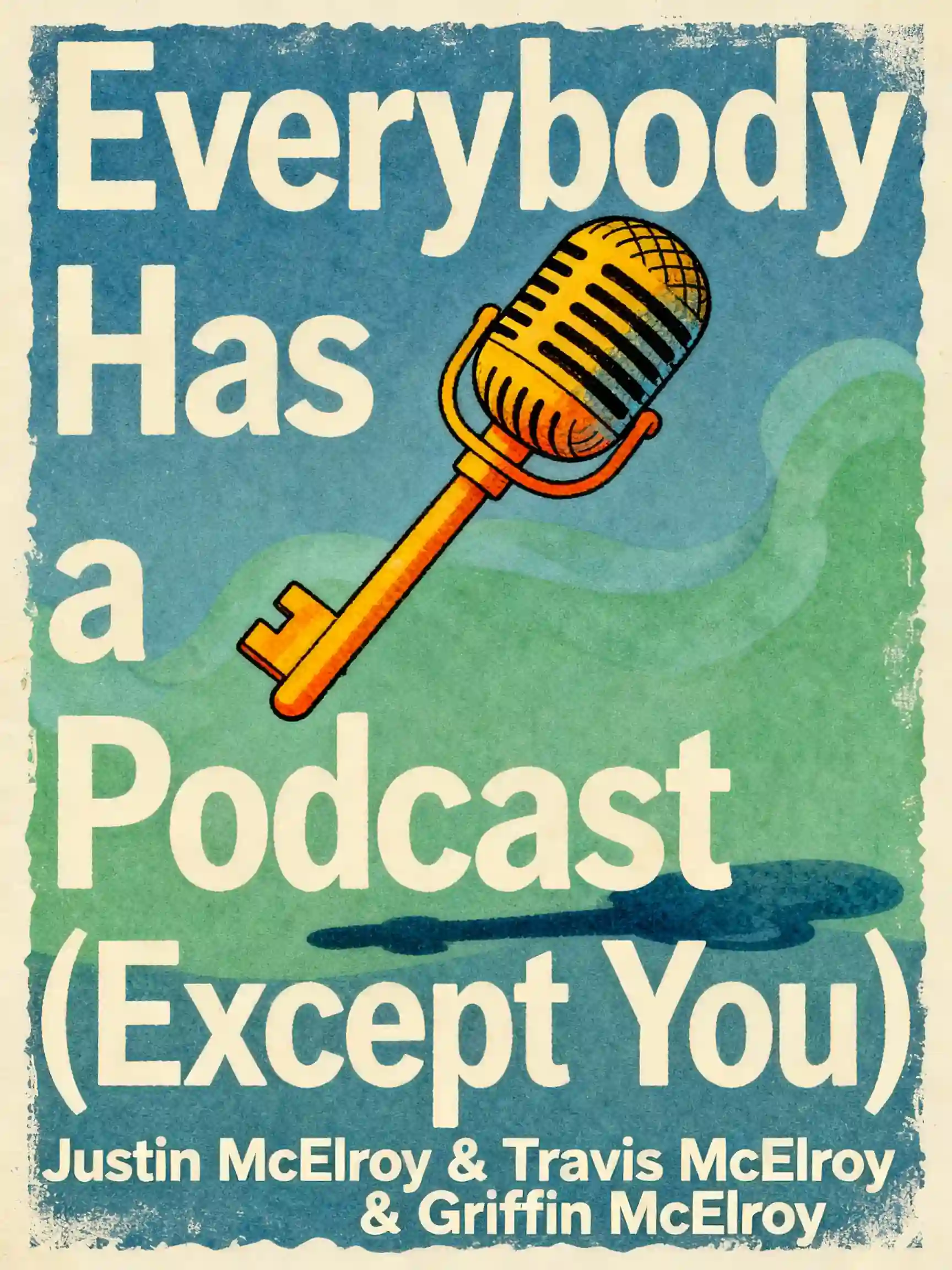
    Everybody Has a Podcast
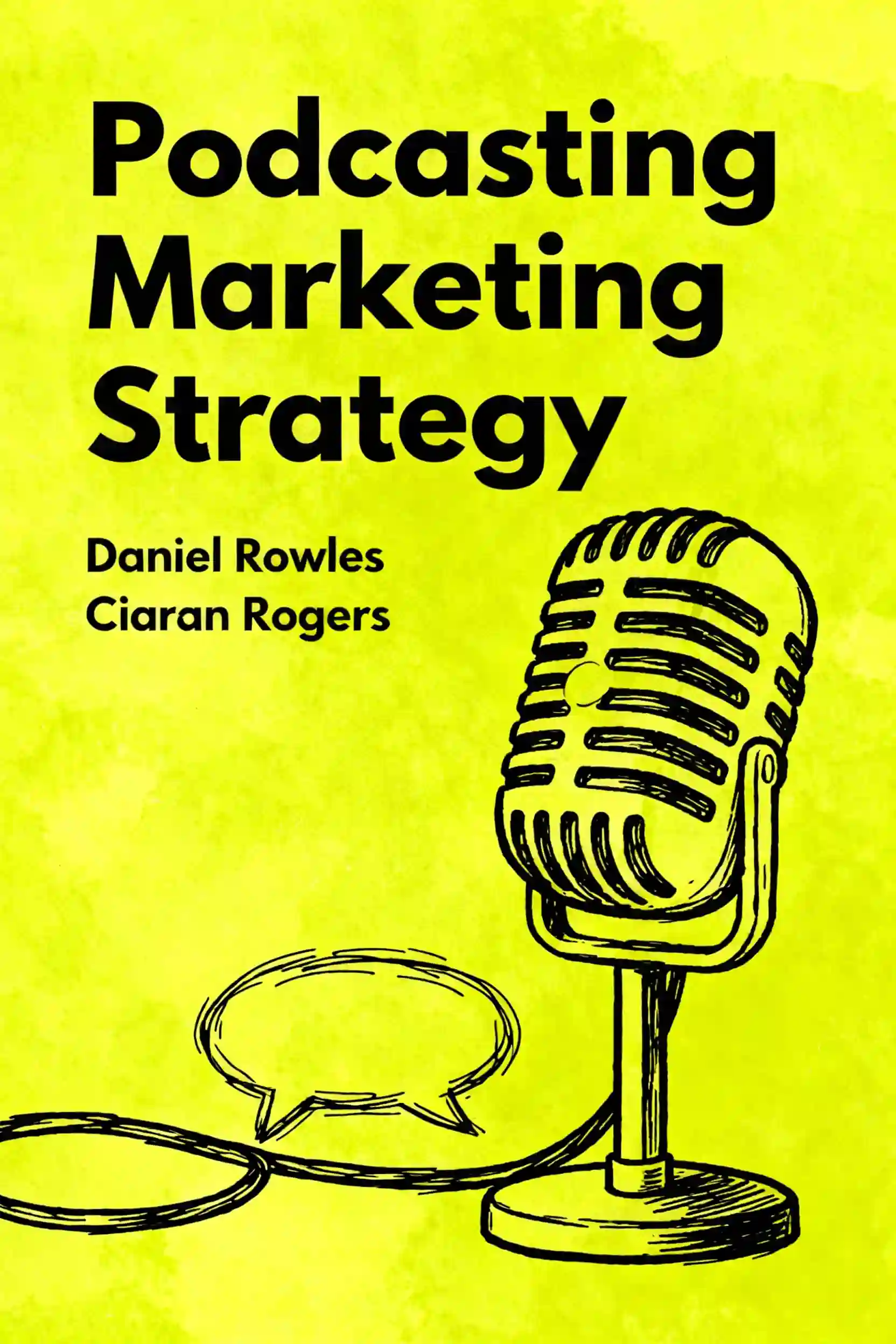
    Podcasting Marketing Strategy
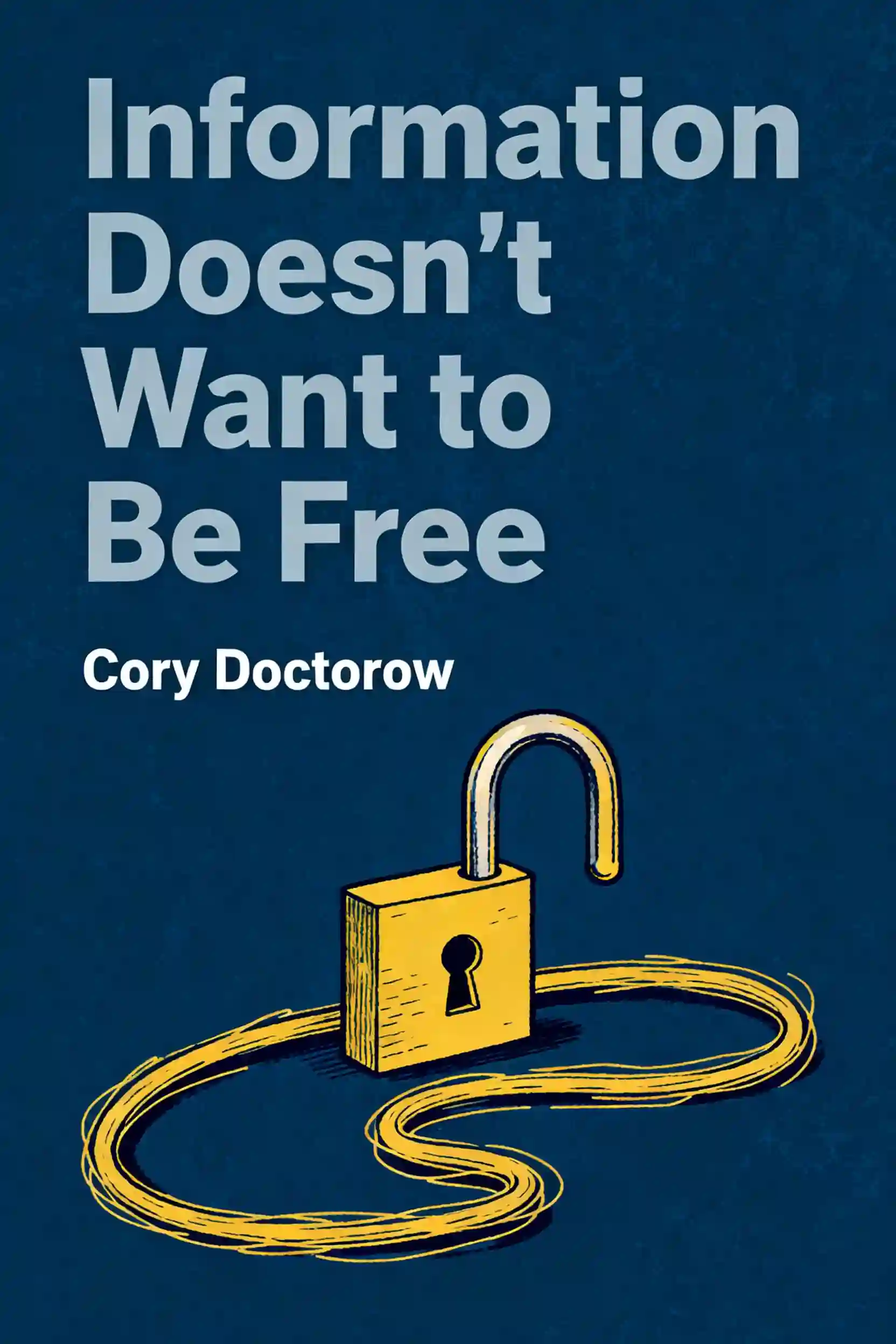
    Information Doesn't Want to Be Free
    Show Your Work!
    Content Rules
    Split the Pie

    컬럼비아 대학교 동문들이 제작 | 샌프란시스코에서 개발

    BeFreed는 호기심 넘치는 글로벌 커뮤니티를 하나로 연결합니다

    4.7

    평균 평점

    앱 평가 7.84천 개 이상

    BeFreed 커뮤니티

    정말이지 아직 앱을 다 써 보지도 않았는데, 며칠 써 본 것만으로도 깊은 인상을 받았어요… BeFreed는 제가 써 본 어떤 학습 앱과도 차원이 달라요. 몰입감이 엄청나고 집중력도 실제로 좋아져서, 스마트폰을 하염없이 스크롤하는 분들께 딱이에요!

    @ladyInfinity

    정확히 23일 전에 BeFreed를 구입했는데, 그날부터 하루도 빠짐없이 쓰고 있어요. 제 일상 업무 흐름과 학습 습관에 완전히 자리 잡았어요.

    @jayallen

    솔직히 이 앱은 제 기대를 전부 뛰어넘었어요. 어떤 주제든 오디오로 만들어 달라고 할 수 있고, 결과물이 놀라워요. 제 전문 분야는 심리치료 쪽이고 여러 학문이 얽혀 있는데도 답변이 아주 정확해요.

    @Raguipa

    제일 고마운 건 스크롤하는 시간이 확 줄었다는 거예요. 검색하는 시간은 줄고 흡수하는 시간은 늘었어요. 오디오북 전권, 팟캐스트, 학습 플랜의 조합이 정말 훌륭해요.

    @colonyofcreatorsNGO

    저는 24년째 PhotoReading 속진 학습 강사로 일하고 있어요… 책과 독서, 배움이 제 전문인데, BeFreed는 정보를 소화하기 쉽게 전달하는 혁신적인 방식을 정말 잘 구현했어요.

    @BeFreed user

    단순한 책 요약 앱이 아니에요. '재미' 스타일을 써 봤는데, 전통적인 방식보다 훨씬 나은 요약이고 아이디어를 이해하기도 쉬워요. 이것만으로도 값어치를 해요.

    @austinakon

    이 앱이 정말 좋아요. 며칠 써 봤는데 듣는 걸 멈출 수가 없어요. 시작하기에 이보다 좋을 수 없어요.

    @jcrules328

    정말 마음에 들어요. 한 달 정도 써 봤는데 숨은 보석을 찾은 기분이에요. BeFreed로 제가 원하는 주제를 직접 만들 수 있어서 좋고, 목소리도 훌륭한 데다 내레이션 선택지가 무궁무진해요.

    @DanielCZ

    정말이지 아직 앱을 다 써 보지도 않았는데, 며칠 써 본 것만으로도 깊은 인상을 받았어요… BeFreed는 제가 써 본 어떤 학습 앱과도 차원이 달라요. 몰입감이 엄청나고 집중력도 실제로 좋아져서, 스마트폰을 하염없이 스크롤하는 분들께 딱이에요!

    @ladyInfinity

    정확히 23일 전에 BeFreed를 구입했는데, 그날부터 하루도 빠짐없이 쓰고 있어요. 제 일상 업무 흐름과 학습 습관에 완전히 자리 잡았어요.

    @jayallen

    솔직히 이 앱은 제 기대를 전부 뛰어넘었어요. 어떤 주제든 오디오로 만들어 달라고 할 수 있고, 결과물이 놀라워요. 제 전문 분야는 심리치료 쪽이고 여러 학문이 얽혀 있는데도 답변이 아주 정확해요.

    @Raguipa

    제일 고마운 건 스크롤하는 시간이 확 줄었다는 거예요. 검색하는 시간은 줄고 흡수하는 시간은 늘었어요. 오디오북 전권, 팟캐스트, 학습 플랜의 조합이 정말 훌륭해요.

    @colonyofcreatorsNGO

    저는 24년째 PhotoReading 속진 학습 강사로 일하고 있어요… 책과 독서, 배움이 제 전문인데, BeFreed는 정보를 소화하기 쉽게 전달하는 혁신적인 방식을 정말 잘 구현했어요.

    @BeFreed user

    단순한 책 요약 앱이 아니에요. '재미' 스타일을 써 봤는데, 전통적인 방식보다 훨씬 나은 요약이고 아이디어를 이해하기도 쉬워요. 이것만으로도 값어치를 해요.

    @austinakon

    이 앱이 정말 좋아요. 며칠 써 봤는데 듣는 걸 멈출 수가 없어요. 시작하기에 이보다 좋을 수 없어요.

    @jcrules328

    정말 마음에 들어요. 한 달 정도 써 봤는데 숨은 보석을 찾은 기분이에요. BeFreed로 제가 원하는 주제를 직접 만들 수 있어서 좋고, 목소리도 훌륭한 데다 내레이션 선택지가 무궁무진해요.

    @DanielCZ

    유용한 정보와 아이디어를 8~15분짜리 팟캐스트 스타일 오디오로 압축해서 들을 수 있다는 게 정말 좋아요. 원래 팟캐스트는 군더더기가 많아서 안 좋아했는데, 여기는 그걸 싹 걷어냈어요.

    @BeFreed user

    박사 과정을 마무리하는 중이라 낯선 자료를 많이 읽어야 해요… BeFreed에서는 프롬프트만 입력하면 앱이 자료를 찾아서 오디오 팟캐스트로 만들어 줘요. BeFreed의 과정이 NotebookLM보다 더 매끄럽게 느껴져요.

    @Brad

    아침을 준비하거나 산책하거나 출퇴근할 때 들을 것을 YouTube에서 자주 찾곤 했는데, BeFreed는 광고도 군더더기도 없이 훨씬 더 딱 맞는 걸 들려줘요!

    @BeFreed user

    이 플랫폼의 가장 큰 장점은 활용도예요. 다루지 못하는 주제가 말 그대로 하나도 없어요. 무엇을 던져도 다 소화해요… 제한이 전혀 없으면서 약속을 실제로 지키는 학습 도구는 정말 드물어요.

    @jayallen

    BeFreed는 환상적이에요. 디자인이 편해서 헤매는 시간은 줄고 배우는 시간은 늘었어요. 오디오북, 팟캐스트, 학습 플랜의 조합은 천재적이에요. 제 하루가 완전히 달라졌어요.

    @BeFreed user

    처음엔 이탈리아어로 팟캐스트를 만드는 방법을 이해하는 데 시간이 좀 걸렸는데, 알고 나니까 — 와! 정말 대단해요! 어떤 주제든 설명해 달라고 하면 정말 똑똑하게 잘 설명해 줘요!

    @matteo77

    BeFreed는 제가 매일 쓰는 오디오북 앱이 됐어요… 제일 마음에 드는 건 텍스트를 넣으면 이동 중에도 들을 수 있는 오디오로 만들어 준다는 점이에요.

    @kotanzu1

    유용한 정보와 아이디어를 8~15분짜리 팟캐스트 스타일 오디오로 압축해서 들을 수 있다는 게 정말 좋아요. 원래 팟캐스트는 군더더기가 많아서 안 좋아했는데, 여기는 그걸 싹 걷어냈어요.

    @BeFreed user

    박사 과정을 마무리하는 중이라 낯선 자료를 많이 읽어야 해요… BeFreed에서는 프롬프트만 입력하면 앱이 자료를 찾아서 오디오 팟캐스트로 만들어 줘요. BeFreed의 과정이 NotebookLM보다 더 매끄럽게 느껴져요.

    @Brad

    아침을 준비하거나 산책하거나 출퇴근할 때 들을 것을 YouTube에서 자주 찾곤 했는데, BeFreed는 광고도 군더더기도 없이 훨씬 더 딱 맞는 걸 들려줘요!

    @BeFreed user

    이 플랫폼의 가장 큰 장점은 활용도예요. 다루지 못하는 주제가 말 그대로 하나도 없어요. 무엇을 던져도 다 소화해요… 제한이 전혀 없으면서 약속을 실제로 지키는 학습 도구는 정말 드물어요.

    @jayallen

    BeFreed는 환상적이에요. 디자인이 편해서 헤매는 시간은 줄고 배우는 시간은 늘었어요. 오디오북, 팟캐스트, 학습 플랜의 조합은 천재적이에요. 제 하루가 완전히 달라졌어요.

    @BeFreed user

    처음엔 이탈리아어로 팟캐스트를 만드는 방법을 이해하는 데 시간이 좀 걸렸는데, 알고 나니까 — 와! 정말 대단해요! 어떤 주제든 설명해 달라고 하면 정말 똑똑하게 잘 설명해 줘요!

    @matteo77

    BeFreed는 제가 매일 쓰는 오디오북 앱이 됐어요… 제일 마음에 드는 건 텍스트를 넣으면 이동 중에도 들을 수 있는 오디오로 만들어 준다는 점이에요.

    @kotanzu1

    웹에서 BeFreed가 어떻게 논의되고 있는지 더 보기
    129.7K19.5K
    55.2K19.2K
    154.2K10827355
    48.1K2.5K
    81.2K6.6K
    82.3K1.8K
    지금 바로 학습 여정을 시작하세요
    BeFreed 앱
    BeFreed

    무엇이든 개인화된 학습

    DiscordLinkedIn
    추천 도서 요약
    Crucial ConversationsThe Perfect MarriageInto the WildNever Split the DifferenceAttachedGood to GreatSay Nothing
    인기 카테고리
    Self HelpCommunication SkillRelationshipMindfulnessPhilosophyInspirationProductivity
    유명인 추천 도서
    Elon MuskCharlie KirkBill GatesSteve JobsAndrew HubermanJoe RoganJordan Peterson
    수상작 컬렉션
    Pulitzer PrizeNational Book AwardGoodreads Choice AwardsNobel Prize in LiteratureNew York TimesCaldecott MedalNebula Award
    추천 주제
    ManagementAmerican HistoryWarTradingStoicismAnxietySex
    연도별 베스트 도서
    2025 Best Non Fiction Books2024 Best Non Fiction Books2023 Best Non Fiction Books
    추천 저자
    Chimamanda Ngozi AdichieGeorge OrwellO. J. SimpsonBarbara O'NeillWinston ChurchillCharlie Kirk
    BeFreed vs 다른 앱
    BeFreed vs. Other Book Summary AppsBeFreed vs. ElevenReaderBeFreed vs. ReadwiseBeFreed vs. Anki
    학습 도구
    Knowledge VisualizerAI Podcast Generator
    정보
    회사 소개arrow
    가격arrow
    FAQarrow
    블로그arrow
    채용arrow
    파트너십arrow
    앰배서더 프로그램arrow
    디렉토리arrow
    BeFreed
    Try now
    © 2026 BeFreed
    이용 약관개인정보 처리방침
    BeFreed

    무엇이든 개인화된 학습

    DiscordLinkedIn
    추천 도서 요약
    Crucial ConversationsThe Perfect MarriageInto the WildNever Split the DifferenceAttachedGood to GreatSay Nothing
    인기 카테고리
    Self HelpCommunication SkillRelationshipMindfulnessPhilosophyInspirationProductivity
    유명인 추천 도서
    Elon MuskCharlie KirkBill GatesSteve JobsAndrew HubermanJoe RoganJordan Peterson
    수상작 컬렉션
    Pulitzer PrizeNational Book AwardGoodreads Choice AwardsNobel Prize in LiteratureNew York TimesCaldecott MedalNebula Award
    추천 주제
    ManagementAmerican HistoryWarTradingStoicismAnxietySex
    연도별 베스트 도서
    2025 Best Non Fiction Books2024 Best Non Fiction Books2023 Best Non Fiction Books
    학습 도구
    Knowledge VisualizerAI Podcast Generator
    추천 저자
    Chimamanda Ngozi AdichieGeorge OrwellO. J. SimpsonBarbara O'NeillWinston ChurchillCharlie Kirk
    BeFreed vs 다른 앱
    BeFreed vs. Other Book Summary AppsBeFreed vs. ElevenReaderBeFreed vs. ReadwiseBeFreed vs. Anki
    정보
    회사 소개arrow
    가격arrow
    FAQarrow
    블로그arrow
    채용arrow
    파트너십arrow
    앰배서더 프로그램arrow
    디렉토리arrow
    BeFreed
    Try now
    © 2026 BeFreed
    이용 약관개인정보 처리방침

    비슷한 콘텐츠

    FBI Tactics for Everyday Negotiations 책 표지
    The Full-Fee AgentSplit the PieSecrets of Power NegotiatingBargaining for Advantage
    13 sources
    FBI Tactics for Everyday Negotiations
    Discover how Chris Voss's FBI hostage negotiation techniques from 'Never Split the Difference' can transform your daily conversations through tactical empathy and challenging conventional compromise.
    27 min
    FBI Negotiation Secrets Revealed 책 표지
    Split the PieThe Full-Fee AgentSecrets of Power NegotiatingBargaining for Advantage
    21 sources
    FBI Negotiation Secrets Revealed
    Discover how former FBI hostage negotiator Chris Voss transforms traditional negotiation tactics with 'tactical empathy' instead of compromise, offering powerful techniques for everything from salary talks to daily conversations.
    45 min
    Master FBI Negotiation Tactics 책 표지
    The Full-Fee AgentSecrets of Power NegotiatingSplit the PieBargaining for Advantage
    22 sources
    Master FBI Negotiation Tactics
    Discover how former FBI hostage negotiator Chris Voss's counterintuitive techniques can transform your everyday negotiations, replacing compromise with tactical empathy for better outcomes in any situation.
    37 min
    Tactical Empathy for School Leaders 책 표지
    6 sources
    Tactical Empathy for School Leaders
    Struggling with high-stakes meetings? Learn FBI negotiation tactics like mirroring and labeling to turn school-room conflict into collaboration.
    1091 min
    Tactical Empathy: The Art of Negotiation 책 표지
    YouTube video jC30mx2ozLI
    1 source
    Tactical Empathy: The Art of Negotiation
    When high-stakes talks feel like a battle, fear is often the biggest obstacle. Use tactical empathy and calm to turn tension into connection.
    15 min
    Never Split the Difference: Tactical Empathy 책 표지
    Never Split the Difference Summary & Review | ClickUpNever Split the Difference Summary: Chapter-by-Chapter ExplainedBook Summary: Never Split the Difference by Chris Voss - To SummariseThe "Never Split the Difference" 10 Key Lessons, summary, and Main Idea | business tips
    5 sources
    Never Split the Difference: Tactical Empathy
    Logic often fails in high-stakes negotiations because humans are driven by emotion. Learn how to use mirroring and labeling to build trust and win.
    1422 min
    FBI Tactics to Read Body Language 책 표지
    Watch Former FBI Agent Breaks Down Interrogation Techniques | The Language Show | WIRED
    4 sources
    FBI Tactics to Read Body Language
    Forget the Hollywood myths of catching liars. Learn how FBI experts use psychological comfort to read signals and uncover the truth in any room.
    1371 min
    FBI Tactics: Reading Body Language 책 표지
    Watch Former FBI Agent Breaks Down Interrogation Techniques | The Language Show | WIREDPerspective: Detecting Deception — LEBFormer FBI Agent Explains How to Read Body Language | Tradecraft | WIREDThe Like Switch Book Summary, by Jack Schafer PhD - Allen Cheng
    6 sources
    FBI Tactics: Reading Body Language
    Forget the myths about spotting liars. Learn how elite FBI agents use psychological comfort and distress signals to decode what people are really thinking.
    1385 min

    Recommended Learning Plans

    The Tactical Empathy Playbook
    학습 계획

    The Tactical Empathy Playbook

    This playbook is essential for sales professionals who face constant resistance and repetitive objections in high-stakes environments. It provides a psychological framework to move past surface-level rejection and build genuine influence with skeptical prospects.

    1 h 12 m•3 섹션
    Tactical Influence and Psychological Defense
    학습 계획

    Tactical Influence and Psychological Defense

    This learning plan is essential for professionals navigating high-stakes environments where psychological dynamics dictate success. It is designed for leaders and negotiators who need to master both the offensive tools of persuasion and the defensive skills required to counter exploitative behavior.

    2 h•4 섹션
    The Assertive Negotiator's Playbook
    학습 계획

    The Assertive Negotiator's Playbook

    In high-stakes environments, the ability to maintain composure and leverage psychological insights is a critical competitive advantage. This playbook is designed for professionals who need to move beyond passive compromise toward assertive, value-driven results.

    2 h 24 m•4 섹션
    Read the Room and Spot the Lie
    학습 계획

    Read the Room and Spot the Lie

    This plan is essential for professionals who need to navigate high-stakes negotiations or lead complex teams. It benefits recruiters, managers, and investigators by merging neuroscience with practical behavioral analysis to ensure authentic communication.

    1 h 45 m•3 섹션
    Tactical Composure for High-Stakes Moments
    학습 계획

    Tactical Composure for High-Stakes Moments

    In high-pressure environments, the ability to remain objective is a competitive advantage. This plan is designed for leaders and professionals who need to maintain mental clarity and executive function when facing unexpected crises or interpersonal friction.

    1 h 30 m•3 섹션
    Mastering High-Stakes Interpersonal Communication
    학습 계획

    Mastering High-Stakes Interpersonal Communication

    This learning plan is essential for leaders and professionals who must navigate intense negotiations or sensitive workplace conflicts. It provides the psychological and linguistic tools needed to turn volatile confrontations into collaborative breakthroughs.

    2 h•4 섹션
    Negotiating
    학습 계획

    Negotiating

    Effective negotiation is a critical skill for leaders and professionals looking to drive value and resolve conflict. This plan is ideal for anyone seeking to move beyond basic bargaining into advanced psychological mastery and strategic deal-making.

    5 h 38 m•4 섹션
    The Interpersonal Neurobiology of Conflict
    학습 계획

    The Interpersonal Neurobiology of Conflict

    This plan bridges the gap between neuroscience and conflict resolution, offering practical tools to manage the brain's survival instincts. It is essential for leaders, partners, and professionals who want to transform reactive habits into intentional communication.

    1 h 30 m•3 섹션