The Psychology of Erotic Exploration and the Secure Base
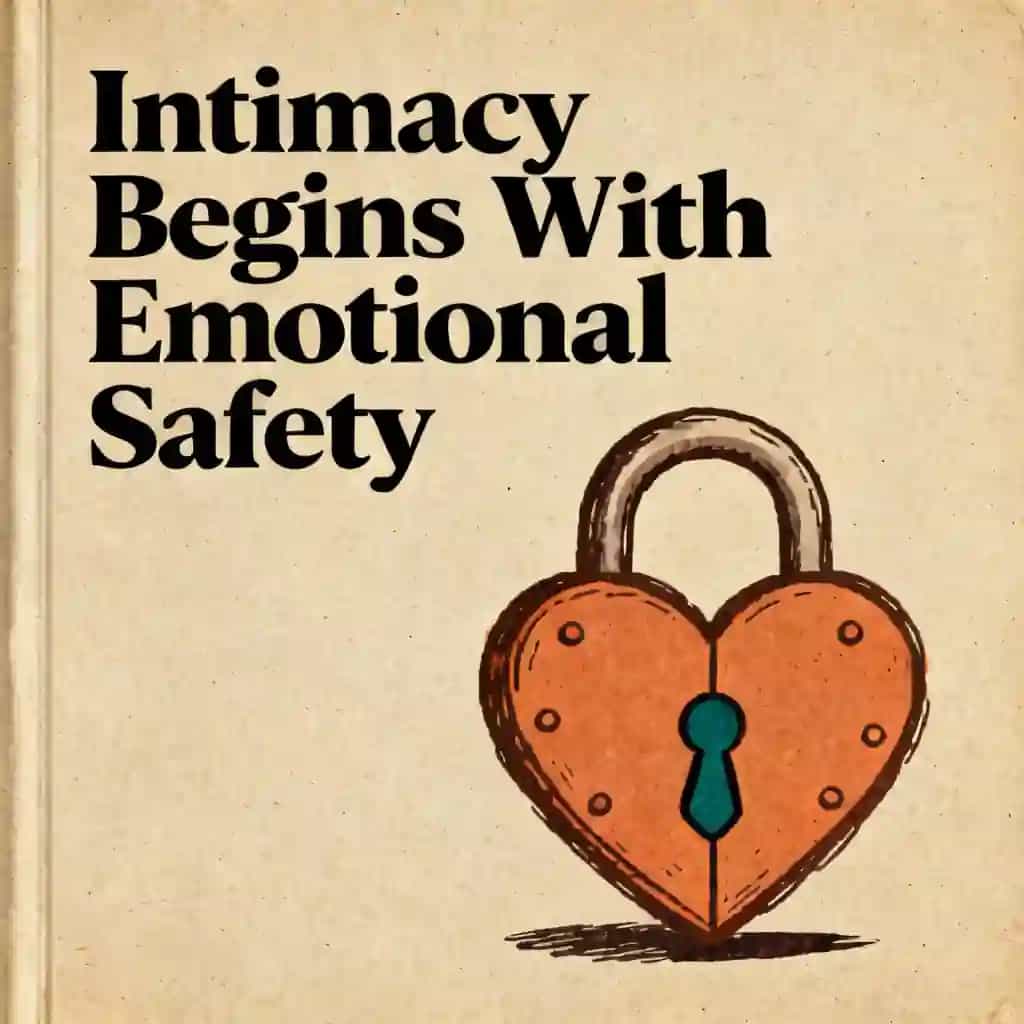
Lena: It is a fascinating paradox of human intimacy that the very thing we often crave—a sense of wild, uninhibited sexual exploration—is frequently the very thing that triggers the deepest apprehension. We find ourselves caught between a visceral desire for novelty and a socially conditioned sense of shame, sometimes even feeling "dirty" for wanting to step outside the conventional boundaries of our domestic lives . But what if we reframed this tension? Instead of viewing "wild" sex as a departure from a healthy relationship, we should perhaps analyze it as an advanced function of a secure one. Research into what is now termed "sexploration" suggests that our ability to dive into the multifaceted dimensions of our sexuality—our identities, our fantasies, and our behaviors—is actually a byproduct of how safely we are anchored to our partners .
Miles: That is a smooth way to look at it, Lena. It is like having a home base that is so solid you feel totally free to wander off into the woods because you know exactly where the porch light is. When we talk about "wild" sex, we are really talking about high-stakes vulnerability. If you do not have that underlying security, that vulnerability feels like a threat instead of an adventure. The data actually shows that people who are more securely attached—those who aren't constantly worried about abandonment or suffocated by closeness—are the ones who report seeing sexual exploration as something positive and enjoyable . They have this internal "secure base script" that tells them it is okay to take risks because their partner is a reliable safety net.
Lena: Precisely. This "secure base" concept, which originated in developmental psychology to describe the bond between a child and a caregiver, is an essential framework for understanding adult eroticism. In an adult context, a partner provides availability, non-interference, and encouragement . When these three pillars are present, the bedroom transforms from a space of performance into a laboratory for self-discovery. We are not just talking about "spice" for the sake of variety; we are talking about a rigorous process of self-expansion where we incorporate the partner into our sense of self while simultaneously maintaining enough distance to see them as a source of desire .
Miles: And that is the hook, right? You need that balance. If you are too close, the mystery dies. If you are too far, the trust isn't there to get weird. It is a nuanced dance. We are going to deconstruct how these attachment dynamics actually dictate what happens when the lights go out—and how understanding your own "sexploration script" can turn that apprehension into a legitimate catalyst for growth.
Lena: Let's look closer at the mechanics of that security, because it is the prerequisite for everything else we will discuss today.