Rhythms in Darkness 베스트 인용
Temporal organization might be as fundamental to life as spatial organization; just as cells need to organize their contents in space, they also need to organize their activities in time.

이 오디오 레슨은 BeFreed 커뮤니티 멤버가 만들었습니다
Dark physiology

더 알아보기

Before the Alarm Clock
Modern productivity often ignores the biological reality of how our bodies actually recover. This plan is essential for high-performers and chronic sleepers who want to move beyond basic rest and master their internal rhythms for sustained energy.

Rhythm of Existence: Sustainable Daily Flow
In an era of constant burnout, mastering sustainable productivity is essential for long-term success. This plan is designed for overwhelmed professionals and creatives who need to transition from chaotic reactivity to a structured yet flexible daily rhythm.

Design Your Ideal Daily Rhythm
In an era of constant burnout, mastering your time is essential for sustained productivity and well-being. This plan is designed for busy professionals and creatives who feel overwhelmed by their schedules and need a science-backed approach to reclaiming their day.

The Rhythm of Sustainable High-Performance
In an era of constant burnout, mastering your personal energy rhythm is essential for long-term success. This plan is designed for high-achievers and professionals who want to maximize their daily output without sacrificing their mental well-being or personal life.

Learn stable AM/PM routines for better sleep
Consistent sleep routines are foundational to physical health, cognitive function, and emotional wellbeing, yet many people struggle with disrupted sleep patterns. This learning plan helps anyone experiencing sleep difficulties or energy fluctuations establish science-backed daily routines that work with their body's natural rhythms.
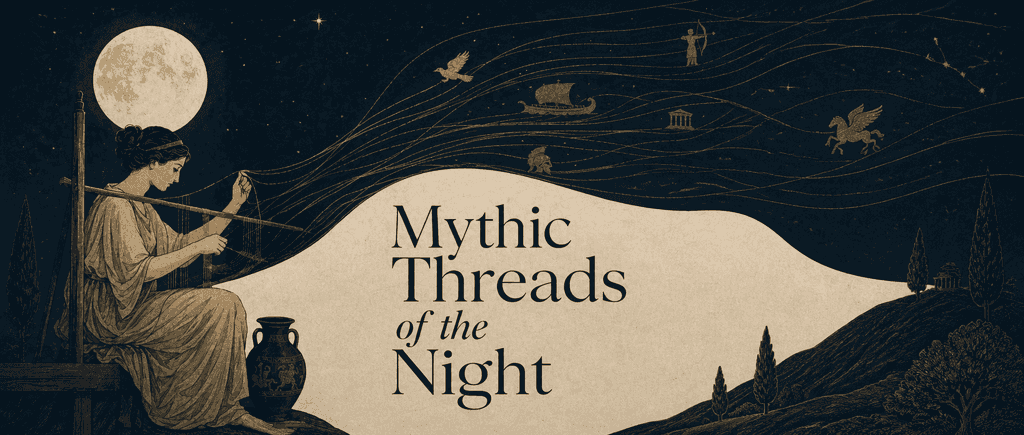
Mythic Threads of the Night
This plan is essential for creatives and folklore enthusiasts seeking to understand the intersection of nature and mysticism. It provides a deep dive into the symbolic language of the night, perfect for writers, artists, or anyone fascinated by the darker side of mythology.

Break the Late Night Loop
This plan is essential for high-performers and night owls struggling with compulsive late-night habits that drain their energy. It provides a science-backed framework to move beyond failing willpower and toward structural, identity-level change.
Mastering Creative Timing and Space
This plan is essential for professionals and creatives struggling with burnout and fragmented focus in a high-distraction world. It provides a strategic framework to synchronize your biological clock with your workload while mastering the psychological transitions required for deep concentration.
샌프란시스코에서 컬럼비아 대학교 동문들이 만들었습니다
"Instead of endless scrolling, I just hit play on BeFreed. It saves me so much time."


"I never knew where to start with nonfiction—BeFreed’s book lists turned into podcasts gave me a clear path."


"Perfect balance between learning and entertainment. Finished ‘Thinking, Fast and Slow’ on my commute this week."
"Crazy how much I learned while walking the dog. BeFreed = small habits → big gains."
"Reading used to feel like a chore. Now it’s just part of my lifestyle."

"Feels effortless compared to reading. I’ve finished 6 books this month already."
"BeFreed turned my guilty doomscrolling into something that feels productive and inspiring."

"BeFreed turned my commute into learning time. 20-min podcasts are perfect for finishing books I never had time for."
"BeFreed replaced my podcast queue. Imagine Spotify for books — that’s it. 🙌"

"It is great for me to learn something from the book without reading it."
"The themed book list podcasts help me connect ideas across authors—like a guided audio journey."
"Makes me feel smarter every time before going to work"
샌프란시스코에서 컬럼비아 대학교 동문들이 만들었습니다
"Instead of endless scrolling, I just hit play on BeFreed. It saves me so much time."
"I never knew where to start with nonfiction—BeFreed’s book lists turned into podcasts gave me a clear path."
"Perfect balance between learning and entertainment. Finished ‘Thinking, Fast and Slow’ on my commute this week."
"Crazy how much I learned while walking the dog. BeFreed = small habits → big gains."
"Reading used to feel like a chore. Now it’s just part of my lifestyle."
"Feels effortless compared to reading. I’ve finished 6 books this month already."
"BeFreed turned my guilty doomscrolling into something that feels productive and inspiring."
"BeFreed turned my commute into learning time. 20-min podcasts are perfect for finishing books I never had time for."
"BeFreed replaced my podcast queue. Imagine Spotify for books — that’s it. 🙌"
"It is great for me to learn something from the book without reading it."
"The themed book list podcasts help me connect ideas across authors—like a guided audio journey."
"Makes me feel smarter every time before going to work"
"Instead of endless scrolling, I just hit play on BeFreed. It saves me so much time."
"I never knew where to start with nonfiction—BeFreed’s book lists turned into podcasts gave me a clear path."
"Perfect balance between learning and entertainment. Finished ‘Thinking, Fast and Slow’ on my commute this week."
"Crazy how much I learned while walking the dog. BeFreed = small habits → big gains."
"Reading used to feel like a chore. Now it’s just part of my lifestyle."
"Feels effortless compared to reading. I’ve finished 6 books this month already."
"BeFreed turned my guilty doomscrolling into something that feels productive and inspiring."
"BeFreed turned my commute into learning time. 20-min podcasts are perfect for finishing books I never had time for."
"BeFreed replaced my podcast queue. Imagine Spotify for books — that’s it. 🙌"
"It is great for me to learn something from the book without reading it."
"The themed book list podcasts help me connect ideas across authors—like a guided audio journey."
"Makes me feel smarter every time before going to work"
"Instead of endless scrolling, I just hit play on BeFreed. It saves me so much time."
"I never knew where to start with nonfiction—BeFreed’s book lists turned into podcasts gave me a clear path."
"Perfect balance between learning and entertainment. Finished ‘Thinking, Fast and Slow’ on my commute this week."
"Crazy how much I learned while walking the dog. BeFreed = small habits → big gains."
"Reading used to feel like a chore. Now it’s just part of my lifestyle."
"Feels effortless compared to reading. I’ve finished 6 books this month already."
"BeFreed turned my guilty doomscrolling into something that feels productive and inspiring."
"BeFreed turned my commute into learning time. 20-min podcasts are perfect for finishing books I never had time for."
"BeFreed replaced my podcast queue. Imagine Spotify for books — that’s it. 🙌"
"It is great for me to learn something from the book without reading it."
"The themed book list podcasts help me connect ideas across authors—like a guided audio journey."
"Makes me feel smarter every time before going to work"