BeFreed
    Categories>Education>How to Read Arabic from the Quran: A Beginner's Guide

    How to Read Arabic from the Quran: A Beginner's Guide

    35분
    |
    |
    2026년 4월 8일
    EducationSpiritualityPersonal Development

    Learn how to read Arabic from the Quran with our beginner's guide. Master the Arabic alphabet and start your journey into Quranic Arabic and Islamic studies today.

    How to Read Arabic from the Quran: A Beginner's Guide

    How to Read Arabic from the Quran: A Beginner's Guide 베스트 인용

    “

    The goal of the roadmap isn't just 'literacy'; it’s 'accuracy.' You are participating in an oral tradition that has remained unchanged for over 1,400 years.

    ”

    이 오디오 레슨은 BeFreed 커뮤니티 멤버가 만들었습니다

    질문 입력

    I want to learn to read Arabic from the Quran

    호스트 음성
    Lenaplay
    Milesplay
    학습 스타일
    심층
    지식 출처
    The Koran
    In The Early Hours
    Hijab Butch Blues
    Fluent in 3 Months
    First Muslim
    Secrets of Divine Love

    자주 묻는 질문

    더 알아보기

    Learn Islam Arabic Quran my deen

    Learn Islam Arabic Quran my deen

    학습 계획

    Learn Islam Arabic Quran my deen

    This learning plan is essential for individuals seeking a comprehensive foundation in Islamic faith, language, and practice. It is specifically designed for new Muslims or those looking to reconnect with their deen through structured study of the Quran and Arabic.

    3 h 15 m•4 섹션
    About the Quran

    About the Quran

    학습 계획

    About the Quran

    This plan provides a comprehensive academic and practical foundation for understanding Islam's central scripture. It is ideal for students of religion, history buffs, or anyone seeking to understand the Quran’s role in both historical and modern societies.

    2 h 44 m•4 섹션
    Learn Najdi Arabic through YouTube mining

    Learn Najdi Arabic through YouTube mining

    학습 계획

    Learn Najdi Arabic through YouTube mining

    This plan is essential for learners who want to move beyond formal textbooks and master the authentic Najdi dialect used in daily Saudi life. It is ideal for expats, travelers, or professionals seeking fluency through immersive digital content and cultural context.

    4 h 26 m•4 섹션
    I want to learn French quick

    I want to learn French quick

    학습 계획

    I want to learn French quick

    This plan is designed for busy individuals who need to achieve functional French fluency in a short timeframe. It combines cognitive science with practical speaking drills to help beginners bypass traditional, slow-paced learning methods.

    2 h 20 m•4 섹션
    reading a book efficiently

    reading a book efficiently

    학습 계획

    reading a book efficiently

    In an era of information overload, the ability to process and retain knowledge quickly is a vital competitive advantage. This plan is designed for students, professionals, and lifelong learners who want to stop skimming and start mastering complex texts with efficiency.

    2 h 29 m•4 섹션
    Read more in less time

    Read more in less time

    학습 계획

    Read more in less time

    In an era of information overload, the ability to process and retain knowledge quickly is a competitive necessity. This plan is designed for professionals and lifelong learners who want to master speed reading, effective note-taking, and analytical strategies to maximize their intellectual ROI.

    2 h 35 m•4 섹션
    Urdu

    Urdu

    학습 계획

    Urdu

    This plan is designed for individuals seeking more than just basic vocabulary, focusing on the intersection of linguistic mastery and cultural depth. It is ideal for learners who want to appreciate Urdu's poetic heritage while gaining advanced communication tools for real-world influence.

    1 h 23 m•3 섹션
    Convert PDFs to Urdu audio

    Convert PDFs to Urdu audio

    학습 계획

    Convert PDFs to Urdu audio

    Converting PDFs to Urdu audio opens educational materials and documents to visually impaired users, language learners, and those who prefer audio consumption. This learning plan equips developers and content creators with the technical skills to make Urdu content more accessible across multiple platforms.

    1 h 47 m•4 섹션

    샌프란시스코에서 컬럼비아 대학교 동문들이 만들었습니다

    BeFreed는 1,000,000 호기심 넘치는 글로벌 커뮤니티를 하나로 연결합니다
    웹에서 BeFreed가 어떻게 논의되고 있는지 더 보기

    "Instead of endless scrolling, I just hit play on BeFreed. It saves me so much time."

    @Moemenn
    platform
    star
    star
    star
    star
    star

    "I never knew where to start with nonfiction—BeFreed’s book lists turned into podcasts gave me a clear path."

    @Chloe, Solo founder, LA
    platform
    comments
    12
    likes
    117

    "Perfect balance between learning and entertainment. Finished ‘Thinking, Fast and Slow’ on my commute this week."

    @Raaaaaachelw
    platform
    star
    star
    star
    star
    star

    "Crazy how much I learned while walking the dog. BeFreed = small habits → big gains."

    @Matt, YC alum
    platform
    comments
    12
    likes
    108

    "Reading used to feel like a chore. Now it’s just part of my lifestyle."

    @Erin, Investment Banking Associate , NYC
    platform
    comments
    254
    likes
    17

    "Feels effortless compared to reading. I’ve finished 6 books this month already."

    @djmikemoore
    platform
    star
    star
    star
    star
    star

    "BeFreed turned my guilty doomscrolling into something that feels productive and inspiring."

    @Pitiful
    platform
    comments
    96
    likes
    4.5K

    "BeFreed turned my commute into learning time. 20-min podcasts are perfect for finishing books I never had time for."

    @SofiaP
    platform
    star
    star
    star
    star
    star

    "BeFreed replaced my podcast queue. Imagine Spotify for books — that’s it. 🙌"

    @Jaded_Falcon
    platform
    comments
    201
    thumbsUp
    16

    "It is great for me to learn something from the book without reading it."

    @OojasSalunke
    platform
    star
    star
    star
    star
    star

    "The themed book list podcasts help me connect ideas across authors—like a guided audio journey."

    @Leo, Law Student, UPenn
    platform
    comments
    37
    likes
    483

    "Makes me feel smarter every time before going to work"

    @Cashflowbubu
    platform
    star
    star
    star
    star
    star

    샌프란시스코에서 컬럼비아 대학교 동문들이 만들었습니다

    BeFreed는 1,000,000 호기심 넘치는 글로벌 커뮤니티를 하나로 연결합니다
    웹에서 BeFreed가 어떻게 논의되고 있는지 더 보기

    "Instead of endless scrolling, I just hit play on BeFreed. It saves me so much time."

    @Moemenn
    platform
    star
    star
    star
    star
    star

    "I never knew where to start with nonfiction—BeFreed’s book lists turned into podcasts gave me a clear path."

    @Chloe, Solo founder, LA
    platform
    comments
    12
    likes
    117

    "Perfect balance between learning and entertainment. Finished ‘Thinking, Fast and Slow’ on my commute this week."

    @Raaaaaachelw
    platform
    star
    star
    star
    star
    star

    "Crazy how much I learned while walking the dog. BeFreed = small habits → big gains."

    @Matt, YC alum
    platform
    comments
    12
    likes
    108

    "Reading used to feel like a chore. Now it’s just part of my lifestyle."

    @Erin, Investment Banking Associate , NYC
    platform
    comments
    254
    likes
    17

    "Feels effortless compared to reading. I’ve finished 6 books this month already."

    @djmikemoore
    platform
    star
    star
    star
    star
    star

    "BeFreed turned my guilty doomscrolling into something that feels productive and inspiring."

    @Pitiful
    platform
    comments
    96
    likes
    4.5K

    "BeFreed turned my commute into learning time. 20-min podcasts are perfect for finishing books I never had time for."

    @SofiaP
    platform
    star
    star
    star
    star
    star

    "BeFreed replaced my podcast queue. Imagine Spotify for books — that’s it. 🙌"

    @Jaded_Falcon
    platform
    comments
    201
    thumbsUp
    16

    "It is great for me to learn something from the book without reading it."

    @OojasSalunke
    platform
    star
    star
    star
    star
    star

    "The themed book list podcasts help me connect ideas across authors—like a guided audio journey."

    @Leo, Law Student, UPenn
    platform
    comments
    37
    likes
    483

    "Makes me feel smarter every time before going to work"

    @Cashflowbubu
    platform
    star
    star
    star
    star
    star

    "Instead of endless scrolling, I just hit play on BeFreed. It saves me so much time."

    @Moemenn
    platform
    star
    star
    star
    star
    star

    "I never knew where to start with nonfiction—BeFreed’s book lists turned into podcasts gave me a clear path."

    @Chloe, Solo founder, LA
    platform
    comments
    12
    likes
    117

    "Perfect balance between learning and entertainment. Finished ‘Thinking, Fast and Slow’ on my commute this week."

    @Raaaaaachelw
    platform
    star
    star
    star
    star
    star

    "Crazy how much I learned while walking the dog. BeFreed = small habits → big gains."

    @Matt, YC alum
    platform
    comments
    12
    likes
    108

    "Reading used to feel like a chore. Now it’s just part of my lifestyle."

    @Erin, Investment Banking Associate , NYC
    platform
    comments
    254
    likes
    17

    "Feels effortless compared to reading. I’ve finished 6 books this month already."

    @djmikemoore
    platform
    star
    star
    star
    star
    star

    "BeFreed turned my guilty doomscrolling into something that feels productive and inspiring."

    @Pitiful
    platform
    comments
    96
    likes
    4.5K

    "BeFreed turned my commute into learning time. 20-min podcasts are perfect for finishing books I never had time for."

    @SofiaP
    platform
    star
    star
    star
    star
    star

    "BeFreed replaced my podcast queue. Imagine Spotify for books — that’s it. 🙌"

    @Jaded_Falcon
    platform
    comments
    201
    thumbsUp
    16

    "It is great for me to learn something from the book without reading it."

    @OojasSalunke
    platform
    star
    star
    star
    star
    star

    "The themed book list podcasts help me connect ideas across authors—like a guided audio journey."

    @Leo, Law Student, UPenn
    platform
    comments
    37
    likes
    483

    "Makes me feel smarter every time before going to work"

    @Cashflowbubu
    platform
    star
    star
    star
    star
    star

    "Instead of endless scrolling, I just hit play on BeFreed. It saves me so much time."

    @Moemenn
    platform
    star
    star
    star
    star
    star

    "I never knew where to start with nonfiction—BeFreed’s book lists turned into podcasts gave me a clear path."

    @Chloe, Solo founder, LA
    platform
    comments
    12
    likes
    117

    "Perfect balance between learning and entertainment. Finished ‘Thinking, Fast and Slow’ on my commute this week."

    @Raaaaaachelw
    platform
    star
    star
    star
    star
    star

    "Crazy how much I learned while walking the dog. BeFreed = small habits → big gains."

    @Matt, YC alum
    platform
    comments
    12
    likes
    108

    "Reading used to feel like a chore. Now it’s just part of my lifestyle."

    @Erin, Investment Banking Associate , NYC
    platform
    comments
    254
    likes
    17

    "Feels effortless compared to reading. I’ve finished 6 books this month already."

    @djmikemoore
    platform
    star
    star
    star
    star
    star

    "BeFreed turned my guilty doomscrolling into something that feels productive and inspiring."

    @Pitiful
    platform
    comments
    96
    likes
    4.5K

    "BeFreed turned my commute into learning time. 20-min podcasts are perfect for finishing books I never had time for."

    @SofiaP
    platform
    star
    star
    star
    star
    star

    "BeFreed replaced my podcast queue. Imagine Spotify for books — that’s it. 🙌"

    @Jaded_Falcon
    platform
    comments
    201
    thumbsUp
    16

    "It is great for me to learn something from the book without reading it."

    @OojasSalunke
    platform
    star
    star
    star
    star
    star

    "The themed book list podcasts help me connect ideas across authors—like a guided audio journey."

    @Leo, Law Student, UPenn
    platform
    comments
    37
    likes
    483

    "Makes me feel smarter every time before going to work"

    @Cashflowbubu
    platform
    star
    star
    star
    star
    star
    1.5K Ratings4.7
    지금 바로 학습 여정을 시작하세요
    BeFreed App
    BeFreed

    무엇이든 개인화된 학습

    DiscordLinkedIn
    추천 도서 요약
    Crucial ConversationsThe Perfect MarriageInto the WildNever Split the DifferenceAttachedGood to GreatSay Nothing
    인기 카테고리
    Self HelpCommunication SkillRelationshipMindfulnessPhilosophyInspirationProductivity
    유명인 추천 도서
    Elon MuskCharlie KirkBill GatesSteve JobsAndrew HubermanJoe RoganJordan Peterson
    수상작 컬렉션
    Pulitzer PrizeNational Book AwardGoodreads Choice AwardsNobel Prize in LiteratureNew York TimesCaldecott MedalNebula Award
    추천 주제
    ManagementAmerican HistoryWarTradingStoicismAnxietySex
    연도별 베스트 도서
    2025 Best Non Fiction Books2024 Best Non Fiction Books2023 Best Non Fiction Books
    추천 저자
    Chimamanda Ngozi AdichieGeorge OrwellO. J. SimpsonBarbara O'NeillWinston ChurchillCharlie Kirk
    BeFreed vs 다른 앱
    BeFreed vs. Other Book Summary AppsBeFreed vs. ElevenReaderBeFreed vs. ReadwiseBeFreed vs. Anki
    학습 도구
    Knowledge VisualizerAI Podcast Generator
    정보
    회사 소개arrow
    가격arrow
    FAQarrow
    블로그arrow
    채용arrow
    파트너십arrow
    앰배서더 프로그램arrow
    디렉토리arrow
    BeFreed
    Try now
    © 2026 BeFreed
    이용 약관개인정보 처리방침
    BeFreed

    무엇이든 개인화된 학습

    DiscordLinkedIn
    추천 도서 요약
    Crucial ConversationsThe Perfect MarriageInto the WildNever Split the DifferenceAttachedGood to GreatSay Nothing
    인기 카테고리
    Self HelpCommunication SkillRelationshipMindfulnessPhilosophyInspirationProductivity
    유명인 추천 도서
    Elon MuskCharlie KirkBill GatesSteve JobsAndrew HubermanJoe RoganJordan Peterson
    수상작 컬렉션
    Pulitzer PrizeNational Book AwardGoodreads Choice AwardsNobel Prize in LiteratureNew York TimesCaldecott MedalNebula Award
    추천 주제
    ManagementAmerican HistoryWarTradingStoicismAnxietySex
    연도별 베스트 도서
    2025 Best Non Fiction Books2024 Best Non Fiction Books2023 Best Non Fiction Books
    학습 도구
    Knowledge VisualizerAI Podcast Generator
    추천 저자
    Chimamanda Ngozi AdichieGeorge OrwellO. J. SimpsonBarbara O'NeillWinston ChurchillCharlie Kirk
    BeFreed vs 다른 앱
    BeFreed vs. Other Book Summary AppsBeFreed vs. ElevenReaderBeFreed vs. ReadwiseBeFreed vs. Anki
    정보
    회사 소개arrow
    가격arrow
    FAQarrow
    블로그arrow
    채용arrow
    파트너십arrow
    앰배서더 프로그램arrow
    디렉토리arrow
    BeFreed
    Try now
    © 2026 BeFreed
    이용 약관개인정보 처리방침

    핵심 요점

    1

    The Quranic Literacy Roadmap

    0:00

    Lena: You know, Miles, I was talking to a friend who wanted to start reading the Quran, and they were convinced they had to master the entire Arabic language first. It felt like this massive, impossible mountain to climb.

    0:12

    Miles: That is actually the number one mistake people make! They think they need a degree in Arabic linguistics before they even open the Book. But here’s the counterintuitive part: you can actually reach functional fluency—meaning you can open any page and read it without stumbling—in just eight to twelve weeks if you have the right roadmap.

    0:31

    Lena: Only two or three months? That’s incredible. So, if we aren't starting with a full language course, where do we actually begin?

    0:40

    Miles: It’s all about a specific sequence. We’re going to look at the "Noorani Qaida" method, which is like the ultimate toolkit for beginners. Let’s dive into how this foundation helps you avoid the common pitfalls of learning alone.

    2

    The First Step of the Ascent

    0:53

    Miles: It is really interesting because when we talk about that specific sequence, we have to talk about the script itself. Most people see Arabic and their brain immediately categorizes it as "art" rather than "language." It looks like calligraphy, right? Those flowing lines and dots. But the secret to demystifying it is realizing that the Arabic alphabet—the *Huroof*—is actually incredibly logical. It consists of 28 letters, and for the Quran, we sometimes count the *Hamzah* separately, making it 29. And here is the thing that shocks people: every single one of those letters represents a consonant.

    1:32

    Lena: Wait, so there are no vowels in the alphabet? How do you even make sounds? It sounds like trying to speak in code.

    1:40

    Miles: Exactly! That is usually the first hurdle. The vowels aren't letters; they are these tiny symbols called *Tashkeel* or *Harakat* that sit above or below the letters. Think of them like musical notation. The letter tells you which instrument to play, and the *Tashkeel* tells you which note to hit. This is why the *Noorani Qaida* is so effective. It doesn’t start by teaching you how to order a coffee in Cairo; it starts by isolating those letters so you can recognize them in their "home" state.

    2:10

    Lena: I love that—the "home" state. But I’ve noticed that Arabic letters change shape. If I’m looking at the Quran, a letter at the beginning of a word doesn’t look like the same letter at the end. That seems like it would triple the amount of memorization needed.

    2:23

    Miles: It feels that way at first, but it is actually much simpler. Think of it like cursive in English. When you connect letters, they naturally reach out to hold hands with their neighbors. Most letters have four forms: isolated, initial, medial, and final. But the "skeleton" of the letter—the core shape—usually stays the same. The *Noorani Qaida* breaks this down into shape families. Instead of learning 28 random characters, you learn the "Baa" family, the "Jim" family, and so on.

    2:56

    Lena: Shape families? That sounds way more manageable. So you’re looking for patterns rather than memorizing a hundred different shapes.

    3:03

    Miles: Precisely. For instance, the letters *Baa*, *Taa*, and *Thaa* all share the same base "boat" shape. The only difference is the dots. One dot below is *Baa*, two dots above is *Taa*, and three dots above is *Thaa*. Once you realize that the dots are the actual differentiators, the script stops looking like a secret code and starts looking like a system. Research shows that learners who group by shape family instead of alphabetical order actually recognize letters up to 35% faster. It is about working with how our brains naturally categorize visual information.

    3:41

    Lena: That makes so much sense. So, we’ve got the letters and these shape families. But even if I recognize the letter *Baa*, how do I know if I’m saying it right for the Quran? I’ve heard that pronunciation in the Quran—*Tajweed*—is on a whole different level of precision.

    3:55

    Miles: You’ve hit on the most important part. In the Quran, pronunciation isn't just about being understood; it’s about preserving the word of God. This brings us to *Makharij al-Huruf*, which literally translates to the "exit points" of the letters. Every letter has a specific "address" in your mouth, throat, or lips. If you change the address, you change the letter. And if you change the letter, you can accidentally change the entire meaning of a verse.

    4:25

    Lena: That sounds a bit intimidating. Like, if I trip over my tongue, am I changing the message?

    4:31

    Miles: It is a serious responsibility, but it’s also a beautiful science. Think of it like this: if you say *Qalb* with a *Qaaf*—which comes from the very back of the throat—it means "heart." But if you move that sound just a little bit forward to the *Kaaf* position, you’re saying *Kalb*, which means "dog." Imagine reciting a verse about the "heart" and accidentally saying "dog." That is why we start with *Makharij*. It’s the physical retraining of your speech muscles.

    5:00

    Lena: So it’s almost like a workout for your mouth? You’re learning to use muscles you didn’t even know you had.

    5:06

    Miles: Absolutely. For non-native speakers, letters like *Ayn* or *Haa*—the deep, breathy "H"—require you to activate the middle and lower parts of your throat. These are sounds that simply don't exist in English. But the roadmap is clear: you don't just listen and repeat; you learn where to place your tongue, how to constrict your throat, and whether to let air flow or stop it. It’s a mechanical process before it’s a spiritual one.

    3

    The Architecture of Sound

    5:32

    Lena: You know, Miles, when you mentioned the "exit points" or *Makharij*, it really made me think about how much we take our own speech for granted. We just talk without thinking about where our tongue is. But for the Quran, it seems like you have to be incredibly intentional. You mentioned five main regions for these sounds, right?

    5:52

    Miles: Yes, and visualizing these regions is like having a map of your own mouth. The five regions are the *Al-Jawf*—the empty space in the throat and mouth; *Al-Halq*—the throat itself; *Al-Lisan*—the tongue, which is the busiest area; *Ash-Shafatayn*—the lips; and *Al-Khayashum*—the nasal passage. Most of the letters—18 of them, in fact—come from the tongue. But the throat letters are usually the biggest challenge for beginners because they involve the "deep" sounds.

    6:23

    Lena: I imagine the throat letters are where most people get stuck. If I’m a beginner, how do I even know if I’m hitting the right spot in my throat? It’s not like I can see it in a mirror.

    6:33

    Miles: That is where the "Physical Tests" come in. For the throat letters, you can actually place your hand on your throat. If you’re saying a *Hamzah* or a *Haa*, you’ll feel the vibration at the very bottom, near the chest. But as you move up to the middle of the throat for the letters *Ayn* and *Haa*, the vibration moves up. Then you have the top of the throat for *Ghayn* and *Khaa*. It’s a vertical ladder of sound. A great tip for beginners is to use a mirror to watch the "Adam’s apple" area move as they cycle through these.

    7:02

    Lena: That is so practical. I can see why you said earlier that a teacher is vital. I could be vibrating my throat all day and still be off by an inch, and I’d never know without someone to catch it.

    7:14

    Miles: Exactly. And the tongue is even more complex. You have the back of the tongue hitting the soft palate for *Qaaf*, the middle of the tongue for *Jeem* and *Sheen*, and the sides of the tongue for the famous letter *Daad*. Arabic is actually called "the language of the *Daad*" because that specific sound—pressing the side of the tongue against the upper molars—is unique to Arabic. No other language uses that specific articulation point.

    7:38

    Lena: "The language of the *Daad*." That’s such a cool title. It makes the language feel like this exclusive, finely tuned instrument. But what about the letters that *do* sound like English? Like *Baa* or *Meem*? Do we just breeze past those?

    7:53

    Miles: You’d think so, but even the "easy" letters have specific rules in the Quran. Take the letter *Meem*. It’s a lip letter, sure, but it also involves the nasal passage—the *Khayashum*. If you say a *Meem* or a *Noon*, and you pinch your nose, the sound should stop or change significantly. If it doesn’t, you aren't using your nasal resonance correctly. This is called *Ghunnah*. It’s that beautiful, humming quality you hear in professional reciters.

    8:18

    Lena: Oh, I know that sound! It’s so meditative. I didn't realize it was a technical requirement. It sounds like *Tajweed* is really just the art of making sure every letter gets its full "right."

    8:30

    Miles: That is actually the definition of *Tajweed*—giving every letter its *Haqq*, its right, and its *Mustahaqq*, its deserved characteristics. And once you have the "where"—the *Makhraj*—you have to learn the "how"—the *Sifaat*. These are the characteristics. Is the letter heavy or light? Does it have an "echo" like the *Qalqalah* letters? For instance, the letters in the phrase *Qutb Jadin*—*Qaaf, Taa, Baa, Jeem, Dal*—all have a "bouncing" sound when they carry a *Sukoon*, which is the symbol for no vowel.

    9:02

    Lena: A bouncing sound? Like a vocal trampoline?

    1:40

    Miles: Exactly! If you’re saying the word *Ahad*, you don't just stop at the *Dal*. You give it a slight "echo"—*Ahad-u*. It adds this rhythmic, percussive quality to the recitation. Beginners often miss this because they’re so focused on just getting the letter out. But these characteristics are what turn "reading" into "reciting."

    9:25

    Lena: It sounds like a lot to keep track of at once. You’re watching your tongue, your throat, your nasal resonance, and now you’re listening for echoes. How do you stop your brain from short-circuiting?

    9:36

    Miles: You "chunk" the information. This is why the roadmap emphasizes starting with just the alphabet and the *Harakat*—the short vowels. You master those for a few weeks until they’re automatic. Then you add the *Sukoon* and the *Qalqalah*. Then you move to the rules for *Noon* and *Meem*. If you try to do it all at once, you’ll burn out by week three. But if you follow a structured primer like the *Noorani Qaida*, you’re only ever learning one new "layer" at a time. It’s like building a house—you don't put the roof on until the foundation is cured.

    4

    The Rhythm of the Breath

    10:06

    Lena: So we’ve talked about the letters and the sounds, but when I listen to someone recite the Quran, there’s this incredible flow. It’s not just one word after another; it’s like this continuous stream of sound. How do you move from "staccato" letter-by-letter reading to that smooth, rhythmic flow?

    10:27

    Miles: That is where the rules of connection come in, specifically the rules of *Noon Sakinah* and *Tanween*. These are essentially the "traffic laws" of the Quran. When a "Noon" with no vowel—a *Noon Sakinah*—or a *Tanween*, which is that double vowel sound at the end of a word, meets another letter, the sound changes based on what is coming next. It’s the ultimate test of a reader’s focus.

    10:50

    Lena: Traffic laws... okay, I’m following. So what happens at these intersections?

    10:55

    Miles: There are four main things that can happen. You have *Izhar*, which means "clarity"—you pronounce the *Noon* clearly. Then there’s *Idgham*, which means "merging"—you basically skip the *Noon* and slide right into the next letter. Then *Iqlab*, where you turn the *Noon* into a *Meem* sound. And finally, *Ikhfa*, which is "hiding"—you keep the nasal sound but hide the tongue's contact.

    11:17

    Lena: Wait, you *change* the letter? If I see a *Noon*, but I’m supposed to say a *Meem*, how am I supposed to know that just by looking at the page?

    11:26

    Miles: Well, the beauty of the modern Mushaf—the printed Quran—is that it often uses color-coding or specific symbol placements to tip you off. But the real goal is to memorize the "trigger" letters. For example, if a *Noon Sakinah* is followed by the letter *Baa*, it’s always *Iqlab*. You’ll even see a tiny little "m" symbol above the *Noon* to remind you to flip the sound. It creates this seamless transition so the breath doesn’t have to "reset" between every word.

    11:54

    Lena: That is fascinating. It’s almost like the language is designed to be aerodynamic. It wants to keep moving. But what about the parts where the reciter holds a note for a long time? That doesn't seem very "fast."

    12:07

    Miles: That is the *Madd*—the rules of elongation. This is another area where beginners often struggle. There are three "Madd letters"—*Alif*, *Waw*, and *Ya*. Normally, you hold them for two counts, which we call *Madd Asli*. It’s like a steady "one-two." But depending on what follows those letters—like a *Hamzah* or a *Shaddah*—you might have to stretch that sound to four, five, or even six counts.

    12:32

    Lena: Six counts? That’s a long time to hold a vowel!

    12:35

    Miles: It is! And it adds this majestic, epic quality to the recitation. It’s not just for style, though; it’s often used for emphasis or to mark the end of a thought. For a beginner, the key is consistency. Most people either make their *Madd* too short or way too long. A great trick is to use your fingers. You literally tap out "one-two-three-four" as you recite. It turns the timing from a "feeling" into a measurement.

    13:01

    Lena: I can see how that would help. It’s like having a metronome in your hand. But what happens if you run out of breath in the middle of one of those long stretches? I’ve seen those little symbols at the end of verses... are those like "rest" markers in music?

    1:40

    Miles: Exactly! Those are the *Waqf* or "stopping" signs. This is a crucial part of the roadmap that people often overlook. You can't just stop wherever you want because, again, you might change the meaning of the sentence. There are symbols like the *Meem*, which means "Mandatory Stop," and the *Laa*, which means "Do Not Stop." It’s like a GPS for your breath. It tells you where it’s safe to pull over and take a breath without breaking the theological integrity of the verse.

    13:39

    Lena: It sounds like reading the Quran is a full-body experience. You’re managing your breath, your fingers are counting, your eyes are looking ahead for stop signs, and your mouth is hitting these specific exit points. It’s a lot of multitasking!

    13:54

    Miles: It is, but that is also why it’s so rewarding. When all those pieces click together—when you hit the *Makhraj*, apply the *Ghunnah*, stretch the *Madd*, and stop at the correct *Waqf*—you aren't just reading a book anymore. You are participating in an oral tradition that has remained unchanged for over 1,400 years. The goal of the roadmap isn't just "literacy"; it’s "accuracy." That is why we emphasize doing 15 to 20 minutes of daily practice rather than one long session once a week. You need that muscle memory to become automatic.

    5

    The Grammar of Connection

    14:27

    Lena: Miles, we’ve spent a lot of time on the sounds and the "how-to" of reading, but I want to talk about the "what." You mentioned earlier that the Quran is written in Classical Arabic. If someone is learning to read it, do they eventually have to tackle the grammar? Or can you be a proficient reader without knowing why the words end the way they do?

    14:47

    Miles: You can definitely be a proficient *reader* without knowing grammar—many people are. But if you want to move from "active recitation" to "active comprehension," you have to look at *I’rab*. This is the system of grammatical case endings. In Arabic, the last vowel on a word tells you its job in the sentence. It tells you who did the action, who the action was done to, and who owns what.

    15:11

    Lena: Wait, so the tiny little vowel mark at the very end of a word is what determines the whole meaning? That seems... fragile. Like, if I misread a *Dammah* as a *Fathah*, I’ve changed the subject into the object?

    1:40

    Miles: Exactly! That is why the *Noorani Qaida* and *Tajweed* are so obsessed with those short vowels. They aren't just "sounds"; they are grammatical markers. There are three primary cases: *Marfu’*, which usually ends in a *Dammah* and marks the subject; *Mansub*, which ends in a *Fathah* and marks the object; and *Majrur*, which ends in a *Kasrah* and marks possession or follows a preposition.

    15:48

    Lena: Okay, so if I see a *Kasrah*—that little line under the letter—I know something is being owned or there’s a preposition involved. That’s like a secret shortcut to understanding the sentence structure!

    12:35

    Miles: It is! And once you spot those, you start to see the two main types of sentences in the Quran: the *Nominal* and the *Verbal*. A Nominal sentence starts with a noun and usually states a fact or a truth—like "Allah is the Light of the heavens and the earth." A Verbal sentence starts with a verb and usually tells a story or gives a command. In a Verbal sentence, the order is usually Verb-Subject-Object. This is different from English, where we usually say "The man (subject) ate (verb) the apple (object)."

    16:31

    Lena: So in Arabic, it’s more like "Ate (verb) the man (subject) the apple (object)?" That’s a total flip!

    16:39

    Miles: It is. And if you aren't expecting it, you might get confused about who is doing what. But the grammar is your guide. The person doing the eating will have that *Dammah* at the end of their name, and the apple will have the *Fathah*. It’s a beautifully precise system. Another thing that helps beginners is understanding the "Trilateral Root System." Almost every word in the Quran is built from a three-letter root.

    17:01

    Lena: I’ve heard about this! Like the letters K-T-B, right?

    7:14

    Miles: Exactly. K-T-B is the root for "writing." From those three letters, you get *Kataba* (he wrote), *Yaktubu* (he writes), *Kitab* (book), *Maktab* (office), and *Katib* (writer). If you can identify the three-letter root of a word, you can often guess its general meaning even if you’ve never seen that specific word before. It’s like having a master key to the entire vocabulary of the Quran.

    17:30

    Lena: That sounds like it would save so much time. Instead of memorizing 50,000 words, you’re just looking for those core roots. But I’ve also heard that the Quran uses words that aren't in modern Arabic. Is it like reading Shakespeare compared to a modern novel?

    17:45

    Miles: That is a perfect analogy. Classical Arabic—which the Quran is written in—is the "prestige" form. It’s more complex, more poetic, and has a much richer vocabulary than Modern Standard Arabic, or MSA. While MSA is used in news and schools today, Classical Arabic is the foundation. If you learn the Quranic script and grammar first, MSA becomes incredibly easy because it’s basically a simplified version of what you already know.

    18:11

    Lena: So, for our listener who wants to read the Quran, starting with the Quranic script is actually the "power move." It gives you the deepest foundation possible.

    5:06

    Miles: Absolutely. And it avoids what we call the "App Trap." A lot of people download a general Arabic app and spend months learning how to say "The apple is red" in a modern dialect, hoping it will eventually help them read the Quran. But the vocabulary and the rhythm are so different that they end up frustrated. If your goal is the Quran, you have to use resources built *for* the Quran—like the *Al-Menhaj* book or specific Quranic Arabic courses. You want to be in the "Classical" world from day one.

    6

    The Toolkit for Consistency

    18:52

    Lena: We’ve talked a lot about the technical side, but I want to get into the "how" of actually doing this. If I’m a busy person—maybe I have a job, a family—how do I realistically fit this into my life? You said 15 minutes a day, but what does that 15 minutes actually look like?

    19:09

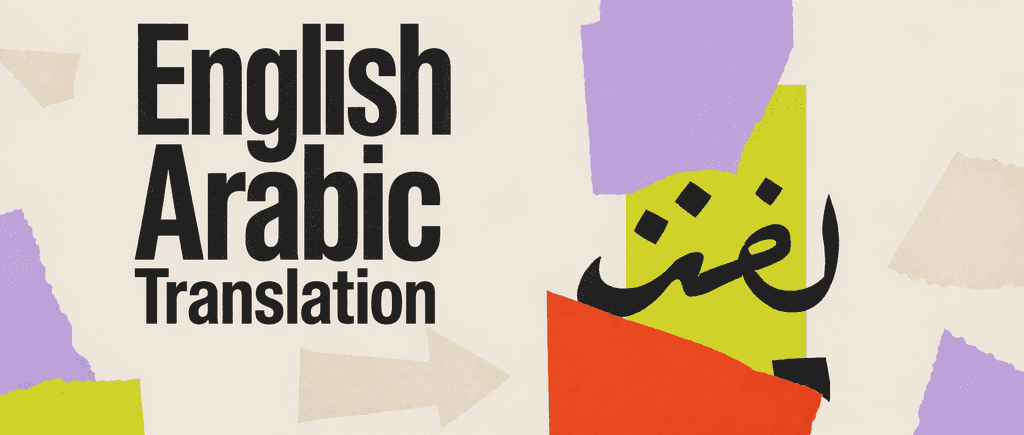
    Miles: That is the million-dollar question. The most successful learners I’ve seen follow what I call the "Backbone and Top-up" strategy. Your "backbone" is your structured course—something like *Alif Arabic* or a 1-on-1 session with a teacher. This is where you learn the new concepts. You should aim for two or three of these "deep work" sessions a week.
    19:29

    Lena: Okay, so that’s the heavy lifting. And the "top-up?"

    19:32

    Miles: The "top-up" is your daily habit. This is where you use apps or flashcards for just 10 or 15 minutes. It’s not for learning new things; it’s for *reviewing* what you learned in your backbone session. Small and constant always wins over big and infrequent. If you study for three hours on a Sunday and then don't touch it until the next Sunday, you’ll spend the first hour of that next session just trying to remember what you forgot.

    19:56

    Lena: That’s so true. I’ve definitely been guilty of the "Sunday Cram." So, what about the resources themselves? There are so many apps and YouTube channels out there. How do we filter through the noise?

    20:08

    Miles: You have to be ruthless about "Clear Structure." A good resource for a Quranic learner shouldn't start with vocabulary lists; it should start with the script and the *Makharij*. Avoid anything that uses "Romanization"—you know, writing Arabic sounds using English letters. It feels easier for the first three days, but it creates a ceiling that you’ll hit very quickly. You’ll never learn the true sounds of the throat letters if you’re reading them as English "H"s or "A"s.

    20:36

    Lena: That makes sense. It’s like using training wheels that are actually locked in place—you’ll never learn to balance. What about YouTube? I feel like I could get lost in a "How to learn Arabic" rabbit hole for hours.

    20:48

    Miles: YouTube is a double-edged sword. The trick is to find *one* channel with a dedicated beginner playlist—someone who explains the "why" behind the rules—and stick to it. Don't jump between five different teachers. Every teacher has a slightly different way of explaining *Tajweed* or grammar, and as a beginner, that variety will just confuse you. Find one voice that clicks with you and follow their sequence all the way through.

    21:13

    Lena: And what about the "Noorani Qaida" we mentioned? Is that something you can do on your own?

    21:18

    Miles: You can find PDFs and apps for it, but I always recommend having at least *some* live feedback. Even two or three sessions a month with a qualified teacher can make a huge difference. They can hear the subtle mistakes in your *Makhraj* that you can't hear yourself. Remember, your own brain will try to "autocorrect" what you’re hearing to match sounds you already know. You need an outside ear to say, "No, move your tongue a little further back for that *Qaaf*."

    21:44

    Lena: It’s like having a coach for your vocal cords. So, the playbook is: a structured course as your backbone, a daily 15-minute app session for review, one consistent YouTube teacher for when you’re stuck, and a live coach to catch those pronunciation slips.

    7:14

    Miles: Exactly. And the final piece of the toolkit is "Supervised Reading." Once you’ve moved past the *Qaida*—usually around week six or eight—you start reading short *Surahs* from the *Juz Amma*, the last part of the Quran. But you don't read them alone yet. You read them aloud while listening to a professional reciter, or better yet, in front of your teacher. This is where you start to integrate everything—the letters, the vowels, the *Tajweed* rules, and the rhythm. It’s the transition from "learning to read" to "actually reading."

    22:27

    Lena: It sounds so rewarding. I can imagine that first time you open the Mushaf and realize you can actually navigate a verse on your own. It must be such a powerful moment.

    22:39

    Miles: It’s a life-changing moment. And it usually happens sooner than people think. Most adult learners who stay consistent can reach that "confident recognition" phase in just three to four weeks. From there, it’s just about building speed and refining the beauty of the sound. The mountain isn't as tall as it looks; you just need to stop trying to sprint and start taking the right steps in the right order.

    7

    Navigating the Early Plateau

    23:04

    Lena: Miles, we have to talk about the "Wall." You know, that point usually a couple of weeks in where the initial excitement wears off, and suddenly the letters all look the same again, and you’re wondering why you ever thought you could learn a whole new script. Every learner hits it, right?

    5:06

    Miles: Oh, absolutely. I call it the "Week Two Wobble." It’s usually when you move from the single letters to the connected forms. Suddenly, that *Jeem* you spent all of Monday memorizing looks completely different because it’s "holding hands" with a *Lam* and a *Meem*. It feels like the rules just changed in the middle of the game.

    23:39

    Lena: So how do we get over that wall? Is there a mindset shift that helps?

    23:44

    Miles: The biggest thing is to realize that "rough" is not the same as "failing." If you’re struggling to recognize a medial *Ayn*, it doesn't mean you aren't cut out for this; it means you’re right in the middle of the learning process. One practical tip is to go back to handwriting. Research shows that writing the letters by hand—actually feeling the flow of the script on paper—creates much stronger neural connections than just looking at a screen or typing.

    24:08

    Lena: That is so interesting! So, instead of just staring at an app, I should be physically drawing those connected shapes?

    Miles: Yes! There’s something about the motor memory of the hand that helps the brain "see" the skeleton of the letter even when it’s connected. Spend five minutes of your daily practice just copying out a few lines from the *Noorani Qaida*. Another trick for the plateau is to focus on "Small Wins." Don't worry about reading a whole page yet. Celebrate the fact that you correctly identified a *Shaddah*—that little "w" shape that doubles a letter—in the middle of a word. Those small recognitions are the building blocks of fluency.

    24:44

    Lena: "Small wins." I love that. It keeps the motivation high. But what about the sounds? Some people really struggle with the throat letters. If I just can't get that *Ayn* sound, should I just keep moving, or do I stop everything until it’s perfect?

    24:57

    Miles: That is a common dilemma. My advice is: don't let the perfect be the enemy of the good, but also don't ignore it. Keep moving through the curriculum so you don't get bored, but set aside three minutes every single day *just* for that one difficult sound. Use the "Minimal Pairs" drill. Practice saying *Asad* (lion) with a *Hamzah*, then *Abad* (servant) with an *Ayn*. Contrast them back-to-back. Your ear needs to learn to hear the difference before your mouth can make the difference.

    25:27

    Lena: So it’s a dual-track approach. You keep moving forward with the script and the rules, but you keep a "side project" of refining those tricky sounds.

    7:14

    Miles: Exactly. And remember, the Quran was revealed as an oral text. It was meant to be heard. So when you’re feeling stuck, stop trying to "read" and just "listen." Find a recording of a slow reciter—someone like *Husary*—and just follow along with your eyes. Don't even try to pronounce it yet. Just let your eyes track the letters as you hear the sounds. It’s like a "reset" for your brain. It reminds you of the goal—the beauty of the recitation—and helps your brain subconsciously map the visual script to the auditory sound.

    26:09

    Lena: That sounds so much more relaxing than banging your head against a textbook. It’s like letting the language wash over you.

    26:16

    Miles: It really is. And the final tip for the plateau: check your resources. If you’re feeling overwhelmed, maybe you’ve downloaded too many things. Remember our rule? Two or three high-quality resources used consistently are better than ten used randomly. If you have four different apps, delete three of them. Go back to the one that has the clearest structure and just stay there. The "Wall" is usually just a sign that you need to simplify and focus.

    8

    The Bridge to Comprehension

    26:44

    Lena: Miles, we’ve talked about the "how" of reading, but I’m thinking about the listener who doesn't just want to read the sounds—they want to *feel* the meaning. We mentioned the trilateral roots and a bit of grammar, but is there a way to start connecting with the meaning *while* you’re still learning the alphabet?

    27:02

    Miles: That is actually one of the most effective ways to stay motivated. Instead of just learning random words like "apple" or "house," you should start with what we call "High-Frequency Quranic Words." There are about 300 to 500 words that make up a massive percentage of the entire Quranic text. If you learn just a handful of these—words like *Rabb* (Lord), *Allah*, *Al-Alameen* (the worlds), *Rahman* (the Merciful)—you’ll start seeing them on every single page.

    27:31

    Lena: Oh, that would be so cool! You’re reading along, struggling with a new letter, and then—boom—you recognize a word you actually know. It’s like a lighthouse in the middle of a foggy sea.

    1:40

    Miles: Exactly! It gives you an immediate "anchor." And building on that, you can look for "Roots in Action." If you know the root S-L-M means "peace" or "submission," and you see the word *Islam* or *Muslim* or *Salam*, you can start to see how the grammar "shapes" that root. You aren't just memorizing a list; you’re seeing a living system. This is what the *Quranic Arabic Academy* and other specialized courses focus on. They don't separate reading from understanding; they weave them together from day one.

    28:12

    Lena: It makes the whole process feel so much more purposeful. It’s not just a linguistic exercise; it’s a spiritual one. But I have to ask—what about the differences between Quranic Arabic and what people speak today? If our listener learns to read the Quran, will they be able to talk to someone in a café in Dubai?

    28:32

    Miles: (Laughs) Well, yes and no. It’s like if you learned to read the most elegant, formal English—like the King James Bible or Shakespeare. You’d be able to understand the "root" of everything, and people would certainly understand you, but you might sound a bit like a time traveler. Modern Standard Arabic—MSA—is the simplified version used in news and business today, and then you have the local dialects which are even more casual.

    24:45

    Lena: A time traveler! I love that. "Pardon me, good sir, couldst thou direct me to the nearest apothecary?"

    1:40

    Miles: Exactly! But here is the advantage: because Classical Arabic is the "parent" language, once you master it, learning MSA or a dialect is like a "downgrade" in terms of complexity. You already know the hard stuff. The grammar in modern dialects is much looser, and the vocabulary is smaller. So, by starting with the Quran, you’re actually taking the "High Road." It’s the most challenging path, but it gives you the absolute best view of the whole linguistic landscape.

    29:30

    Lena: So it’s the ultimate "power move." You start with the most prestigious, complex version, and then everything else is a breeze. It really reframes the whole challenge. It’s not just "learning to read"; it’s "unlocking the source code" of the whole language.

    29:47

    Miles: That is a perfect way to put it. And for a beginner, that source code starts with those three primary short vowels—the *Fatha*, *Kasra*, and *Damma*. Those three marks are the heartbeat of the language. They determine the sound, the rhythm, and the grammar. If you can master those three little marks, you have mastered the most important part of Arabic. The rest is just details.

    9

    Practical Playbook for the Listener

    30:12

    Lena: Alright, Miles, we’ve covered the roadmap, the sounds, the grammar, and even how to handle the "Week Two Wobble." Now, I want us to get really practical for our listener. If they’re finishing this episode and they’re ready to start *tomorrow*, what is the step-by-step "Playbook" they should follow?

    30:29

    Miles: Let’s break it down into a clear, action-first checklist. Step one: Pick your "Backbone." Don't spend a week researching; just pick one structured course. Whether it’s *Alif Arabic*, the *Noorani Qaida* method, or a 1-on-1 tutor from a place like the *Arabic Learning Centre*, just get your name on a list. You need that structure to keep you moving forward.

    30:51

    Lena: Step one: Choose the anchor. Got it. What’s step two?

    30:55

    Miles: Step two: Set your "Micro-Habit." Commit to exactly 15 minutes of daily practice. Not 14, not 16—15. Put it in your calendar. Maybe it’s right after breakfast or right before bed. Use that time for review—use an app for your *Huroof* (letters) or write out your shape families by hand. Consistency is your superpower here.

    31:17

    Lena: 15 minutes. That is totally doable. Step three?

    31:21

    Miles: Step three: The "Physical Check." When you’re practicing your sounds, don't just do it in your head. Stand in front of a mirror. Use the touch test—feel your throat for those deep vibrations, check your lip position for the *Faa* and *Baa*. Use your body to verify the sound. If you aren't physically engaged, you aren't really learning *Tajweed*.

    31:43

    Lena: Mirror work and physical checks. I like it. It makes it real. Step four?

    31:48

    Miles: Step four: The "Audio Anchor." Find a slow, clear reciter—I always recommend *Sheikh Al-Husary*. Listen to him for five minutes a day, even if you don't understand a word. Just let your ears get used to the rhythm, the *Ghunnah*, and the *Madd*. It’s about training your ear to recognize what "correct" sounds like before you even try to produce it yourself.

    32:11

    Lena: Training the ear. And what about the pitfalls? What is the one thing they should *avoid* at all costs?

    32:18

    Miles: Avoid the "Resource Buffet." Do NOT download five apps, bookmark ten YouTube channels, and buy three books. That is just procrastination in disguise. Pick two things—your course and maybe one review app—and delete everything else. If you feel the urge to go looking for something "better," it’s usually just a sign that the current work is getting hard. Stay the course.

    32:40

    Lena: Stay the course. Don't go to the buffet. And finally, what about that "Week Two Wobble" we talked about? How do they prep for that?

    32:49

    Miles: Expect it. Mark "The Wall" on your calendar for about 14 days from now. When you hit it and you feel like quitting, just remind yourself: "This is exactly where everyone else quits. If I keep going today, even if I only do five minutes, I’m already ahead of the pack." The plateau is a sign that your brain is re-wiring itself. It’s a good thing.

    33:10

    Lena: It’s a sign of progress, not a sign of failure. I love that. So: Anchor, Micro-Habit, Physical Check, Audio Anchor, and Narrow Focus. That’s a solid plan.

    16:39

    Miles: It is. And remember, the goal isn't to be perfect by next month. The goal is to be *better* than you were yesterday. Arabic rewards patience more than almost any other language. If you give it your consistency, it will give you its beauty. It’s a fair trade.

    10

    Closing Reflection & Wrap-up

    33:40

    Lena: So, Miles, as we bring this to a close, I’m reflecting on how this journey is about so much more than just "literacy." It’s about building a relationship with the text. It’s about that moment where the script stops being "foreign" and starts being "familiar."

    33:56

    Miles: You’ve hit the nail on the head. It’s a transformation. You start out looking at these strange shapes, and a few months later, you’re reciting verses that have echoed through history for over a millennium. Every *Makhraj* you master, every *Madd* you stretch, is a way of honoring that tradition. It’s a profound thing.

    26:16

    Lena: It really is. And to everyone listening—if you’ve been on the fence, if you’ve been intimidated by that "mountain," we hope this roadmap has shown you that there is a clear, manageable path up the slope. You don't have to be a linguistic genius; you just have to be someone who shows up for those 15 minutes.

    7:14

    Miles: Exactly. The Arabic script that looks like art today will be a book you can read tomorrow. Just take that first step. Pick your anchor, find your mirror, and start with the letter *Alif*. The rest will follow.

    34:46

    Lena: We want to thank you all so much for joining us on this deep dive. It’s been an absolute joy to explore this architecture of sound and meaning with you.

    34:55

    Miles: It really has. We hope you take a moment today to reflect on your own "why." Why do you want to read the Quran? Let that goal be the fuel for your consistency over the coming weeks.

    35:06

    Lena: Well said. Good luck with your first 15 minutes tomorrow. We’re rooting for you. Thank you for listening.

    비슷한 콘텐츠

    podcast cover
    ArabsThe KoranNoah Webster's first edition of an American dictionary of the English languageSays Who?
    20 sources
    Arabic Nouns: Why an Ism Is Different Than You Think
    Feeling overwhelmed by the Quran? Learn how the triliteral root system and four noun properties help you master 75% of the text with just 500 words.
    35 min
    podcast cover
    Fluent In 3 MonthsArabs: A 3,000-Year History of Peoples, Tribes and EmpiresFluent ForeverThe Language Instinct
    21 sources
    Speak Arabic with Confidence
    Discover seven proven strategies to transform your Arabic speaking skills through consistent 15-30 minute daily practice rather than cramming, following natural language acquisition stages from listening to expression.
    39 min
    podcast cover
    source 1Qur'an | Description, Meaning, History, & Facts | BritannicaHistory of the Quran - Wikipediasource 4
    6 sources
    The Quran: History, Structure, and Sacred Message
    A fascinating deep dive into Islam's holy book - from 7th-century oral revelations to global phenomenon. Explore how the Quran was compiled, why it's organized by length not chronology, and what this influential text actually says about faith, justice, and human dignity.
    24 min
    podcast cover
    How to Talk to AnyoneArabsFluent in 3 MonthsSex and Lies
    22 sources
    Arabic Sentences You Actually Need for Fluency
    Stop memorizing complex vocabulary and start with the 100 most used sentences. Learn the core phrases that cover 80% of everyday Arabic conversation.
    26 min
    podcast cover
    ArabsFluent in 3 MonthsHow Language WorksSays Who?
    22 sources
    Arabic verbs are easier than they look
    Feeling overwhelmed by Arabic vocabulary? Learn how a simple three-letter root system and ten patterns unlock thousands of words with logical ease.
    33 min
    podcast cover
    Metaphors We Live ByArabsFluent in 3 MonthsThrough the Language Glass
    21 sources
    Arabic grammar for speaking is easier than you think
    Struggling to turn memorized Arabic words into real conversation? Learn how to use flexible sentence structures to stop stalling and start speaking.
    33 min
    book cover
    10 days to faster reading
    The Princeton Language Institute & Abby Marks Beale
    Boost your reading speed and comprehension in just 10 days with practical techniques and exercises for efficient learning.
    9 min
    book cover
    The Koran
    Michael A. Cook
    Sacred text decoded: Islam's foundational document through scholarly eyes
    9 min