BeFreed
    Categories>Communication>Quick Wit Boot Camp

    Quick Wit Boot Camp

    24분
    |
    |
    2026년 1월 28일
    • Communication
    • Creativity
    • Self-Growth

    Discover systematic techniques used by improv comedians and debate champions to develop spontaneous creativity. Learn practical exercises, conversation hacks, and mental frameworks that train your brain to generate fresh perspectives instantly.

    Quick Wit Boot Camp
    0:00 / 0:00
    전달 방식을 선택하세요

    하나의 에피소드, 다양한 청취 방식.

    Quick Wit Boot Camp의 같은 아이디어를 나에게 맞는 목소리, 깊이, 속도로 만나보세요. 언제든 바꿀 수 있습니다.

    전체 대본 및 챕터

    챕터 1

    Quick Wit, Practiced Art

    Ever notice how the perfect comeback always hits you five minutes too late? You're not alone. Here's the surprising truth: thinking on your feet isn't a talent you're born with—it's a skill you can systematically develop. I've spent years studying how improv comedians, debate champions, and negotiation experts train their brains for spontaneous creativity. Today, I'll share the practical frameworks and mental shortcuts they use to generate fresh perspectives instantly. We'll cover exercises you can practice during your commute, conversation hacks that create thinking space when you're put on the spot, and the counterintuitive "Yes, And" technique that transforms how you process new information. The best part? These aren't just party tricks—they're powerful tools that rewire your brain for creative problem-solving in any situation.

    챕터 2

    The Mental Gymnasium: Building Your Creative Response System

    Think of your brain as having two distinct operating modes: the familiar highway of habitual responses and the winding back roads of creative exploration. Most of us cruise exclusively on the highway—it's faster, requires less mental fuel, and gets us to predictable destinations. But here's what the research reveals: the most innovative thinkers deliberately practice taking those back roads until navigating them becomes second nature.

    Neuroscience shows us that creative thinking emerges from the dynamic interplay between your brain's default mode network—the wandering, associative part—and your executive control network—the focused, analytical part. When these networks communicate flexibly, you can access both spontaneous insights and deliberate analysis in real time. The key insight? This flexibility isn't fixed. You can train it.

    Edward de Bono's concept of lateral thinking provides the foundation for this training. Unlike vertical thinking, which follows logical, sequential steps, lateral thinking deliberately disrupts patterns to generate new possibilities. It's not about being illogical—it's about being differently logical. When someone asks you to "think outside the box," they're really asking you to practice lateral thinking, though they rarely provide the tools to do it effectively.

    The most powerful technique I've encountered is what I call "perspective pivoting"—the ability to rapidly shift your viewpoint when encountering new information. Instead of immediately evaluating whether something is right or wrong, good or bad, you first ask: "What angle would make this interesting?" This single question transforms your brain from a judge into an explorer.

    Here's a simple drill to build this capacity: When you encounter any statement today, practice generating three different ways to interpret it. If someone says "Traffic was terrible," you might explore: the literal interpretation (road congestion), the emotional interpretation (feeling of frustration), and the systemic interpretation (urban planning challenges). This isn't about being contrarian—it's about expanding your mental repertoire so you have more options when you need them.

    The "Yes, And" principle from improvisation takes this further. Rather than responding to new ideas with "Yes, but" or "No, because," you practice "Yes, and"—accepting the premise and building upon it. This doesn't mean agreeing with everything; it means engaging constructively with the possibility space that any idea opens up. When your colleague suggests a seemingly impractical solution, instead of immediately listing obstacles, you might say: "Yes, and if we pursued that direction, what would we need to solve first?" This keeps creative momentum alive while still engaging your analytical capabilities.

    Research on cognitive flexibility reveals that people who regularly practice perspective-taking—literally imagining how situations look from different vantage points—develop stronger neural pathways for creative problem-solving. The brain treats perspective-taking like a muscle: the more you exercise it, the stronger and more automatic it becomes.

    이 에피소드로 더 깊이 배우기

    이 에피소드의 아이디어를 BeFreed의 가이드 학습 경험으로 더 깊이 탐구해 보세요.

    챕터 3

    The Power of Productive Constraints

    Here's a paradox that trips up most people: unlimited freedom actually stifles creativity, while smart constraints unleash it. When faced with a blank canvas—whether that's brainstorming session or an open-ended question—your brain often freezes. Too many possibilities create what psychologists call "choice paralysis." But introduce the right constraints, and suddenly your mind starts generating novel solutions.

    The research on structured freedom is compelling. Studies show that creative output increases dramatically when people work within defined boundaries rather than complete openness. It's why Twitter's 280-character limit sparked more linguistic creativity than platforms with unlimited text. It's why haikus often capture more emotional depth than free verse. The constraint forces your brain to find unexpected pathways.

    This principle transforms how you approach thinking on your feet. Instead of trying to generate the perfect response from infinite possibilities, you can use constraint techniques to focus your creative energy. One powerful method is "assumption flipping"—taking the most obvious assumption about a situation and deliberately reversing it to see what emerges.

    Let's say someone challenges your team's approach by asking: "Why are we even doing this project?" Instead of getting defensive, you might flip the assumption that the project must continue as planned. "You're right—what if we weren't doing this project? What would we do instead, and how might that insight improve what we are doing?" This constraint—temporarily assuming the project shouldn't exist—often reveals hidden assumptions and generates fresh approaches.

    Another constraint technique involves "resource limitation." When someone presents a problem, immediately ask: "How would we solve this if we had only 10% of our current resources?" or "What if we had to implement this in 24 hours?" These artificial limitations force your brain away from complex, resource-intensive solutions toward elegant, simple ones. Often, these constrained solutions prove more effective than the elaborate alternatives.

    The "single word constraint" is particularly useful in conversations. Pick one word from what someone just said and use it as a creative prompt. If they mention "budget constraints," you might focus on the word "constraints" and explore: "What if we treated constraints as design features rather than obstacles? What would that change about our approach?" This technique keeps you anchored in the conversation while opening unexpected directions.

    Time constraints work similarly. Give yourself exactly 30 seconds to generate three responses to any question or challenge. The time pressure prevents overthinking and forces your brain to access its more intuitive, associative processes. You'll be surprised how often these rapid-fire responses contain kernels of insight that slower, more deliberate thinking misses.

    챕터 4

    The Art of Strategic Confusion

    Most people treat confusion as a problem to solve quickly. They rush to clarity, to certainty, to the comfort of knowing exactly what's happening. But research on creative cognition reveals something counterintuitive: strategic confusion—deliberately maintaining uncertainty while gathering more information—often leads to more innovative solutions than premature clarity.

    When you're thinking on your feet, confusion signals that your brain is processing new patterns. Instead of immediately trying to resolve that discomfort, you can learn to surf it. The key is distinguishing between productive confusion and unproductive confusion. Productive confusion occurs when you're encountering genuinely new information or perspectives that don't fit your existing mental models. Unproductive confusion happens when you simply lack basic information or context.

    The technique of "staying curious longer" helps you leverage productive confusion. When someone presents an idea that initially seems wrong or irrelevant, instead of dismissing it, you might say: "I'm having trouble seeing how that connects. Help me understand your thinking." This buys you time while gathering information, but more importantly, it keeps your brain in exploration mode rather than judgment mode.

    Neuroscience research shows that the brain's insight mechanisms often work best when you're in a slightly confused, uncertain state. This is why breakthrough ideas frequently emerge during transitional moments—walking between meetings, taking a shower, or having casual conversations. Your brain is processing information without the pressure of immediate resolution.

    One powerful application involves "productive misunderstanding." When someone explains something to you, occasionally repeat back what you heard in a slightly different way—not to be difficult, but to explore alternative interpretations. "So if I understand correctly, you're suggesting that our real challenge isn't the timeline but the way we're thinking about priorities?" This technique often reveals assumptions that both parties were making unconsciously.

    The "what if I'm wrong" technique pushes this further. After forming an initial opinion about something, immediately ask yourself: "What if I'm completely wrong about this? What would I need to believe instead, and what evidence might support that alternative view?" This isn't about undermining your confidence—it's about expanding your perspective before committing to a single interpretation.

    Research on cognitive flexibility shows that people who regularly practice holding multiple contradictory ideas simultaneously develop stronger problem-solving abilities. They become comfortable with ambiguity, which allows them to process complex situations without rushing to oversimplified conclusions.

    이 에피소드로 더 깊이 배우기

    이 에피소드의 아이디어를 BeFreed의 가이드 학습 경험으로 더 깊이 탐구해 보세요.

    챕터 5

    The Conversation Aikido Technique

    In martial arts, aikido practitioners don't oppose incoming force directly—they redirect it, using an attacker's energy to create new possibilities. The same principle applies brilliantly to thinking on your feet during challenging conversations. Instead of meeting difficult questions or criticisms head-on, you can learn to redirect conversational energy in productive directions.

    The foundation of conversation aikido is recognizing that every statement contains multiple energy vectors. When someone says "This idea will never work," they're expressing skepticism (one vector) but also revealing their criteria for what "working" means (another vector) and possibly their past experiences with similar failures (a third vector). Instead of defending against the skepticism, you can redirect toward the more productive vectors.

    A simple redirect might sound like: "You're right to be concerned about feasibility—what would 'working' look like from your perspective?" This acknowledges their concern without accepting their conclusion, while redirecting the conversation toward constructive criteria rather than abstract judgment. You're using their skeptical energy to fuel a more productive discussion about success metrics.

    The "find the gift" technique takes this further. In every criticism or challenge, there's usually a gift—a piece of information, a different perspective, or a hidden assumption worth exploring. When someone says your proposal is "too complicated," the gift might be their preference for simplicity, their awareness of implementation challenges, or their understanding of user needs. Instead of defending complexity, you might say: "That's useful feedback—help me understand what simplicity would look like in this context."

    Research on negotiation and conflict resolution shows that people who practice redirecting conversational energy rather than opposing it directly achieve better outcomes and maintain stronger relationships. They're not being manipulative—they're being strategically collaborative, finding ways to transform competitive dynamics into cooperative ones.

    The "yes, and what else" technique provides a specific tool for this redirection. When someone presents a challenge or criticism, you first acknowledge it ("Yes, that's a real concern") and then expand the conversation ("And what else should we be considering?"). This moves from defensive positioning to collaborative problem-solving while honoring the other person's contribution.

    Another powerful redirect involves "assumption archaeology"—digging into the underlying assumptions that drive someone's position. When faced with strong opposition, you might say: "I can see this raises concerns for you. What assumptions about the situation are driving those concerns?" This often reveals that you and the other person are operating from different foundational beliefs, which can be addressed more productively than the surface-level disagreement.

    챕터 6

    Rapid Pattern Recognition: Training Your Mental Eye

    The ability to quickly spot patterns, connections, and underlying structures is perhaps the most valuable skill for thinking on your feet. Pattern recognition allows you to rapidly understand new situations by connecting them to familiar frameworks, while also identifying what's genuinely novel about each specific context.

    Professional improvisers excel at this because they've trained themselves to recognize conversational and dramatic patterns in real time. When a scene partner says something unexpected, experienced improvisers don't panic—they quickly scan for patterns that might connect the new information to something they can work with. They're looking for emotional patterns, relationship dynamics, or situational structures that provide handles for creative response.

    You can develop similar pattern recognition abilities through deliberate practice. Start by collecting mental models—frameworks for understanding how different types of situations typically unfold. Business strategists recognize competitive patterns, negotiators recognize influence patterns, and designers recognize user experience patterns. The more patterns you consciously collect, the more quickly you can orient yourself in new situations.

    The "pattern interruption" technique helps you identify what makes each situation unique. When you recognize a familiar pattern, immediately ask: "What's different about this specific case?" This prevents you from defaulting to standard responses while helping you identify the novel elements that might require creative thinking.

    Research on expertise shows that masters in any field have developed extensive libraries of patterns that allow them to quickly assess new situations. Chess grandmasters don't calculate every possible move—they recognize board patterns that suggest promising strategies. Similarly, you can develop pattern libraries for the types of conversations and challenges you encounter regularly.

    One practical exercise involves "pattern narration"—describing the underlying structure of situations as they unfold. During meetings, you might mentally note: "This is a resource allocation discussion disguised as a strategic planning conversation" or "This is a trust-building exercise happening through technical problem-solving." This practice sharpens your ability to see beneath surface content to underlying dynamics.

    The "connection web" technique helps you link new information to existing knowledge rapidly. When someone introduces an unfamiliar concept, immediately ask yourself: "What does this remind me of?" and "How is this different from what it reminds me of?" This creates multiple pathways for understanding and responding to new information.

    이 에피소드로 더 깊이 배우기

    이 에피소드의 아이디어를 BeFreed의 가이드 학습 경험으로 더 깊이 탐구해 보세요.

    챕터 7

    The Science of Strategic Procrastination

    Here's another counterintuitive insight: sometimes the best way to think on your feet is to deliberately not think. Strategic procrastination—purposefully delaying your response to create space for better ideas to emerge—can dramatically improve the quality of your spontaneous thinking.

    This isn't about being slow or indecisive. It's about understanding how your brain's creative processes work and giving them optimal conditions. Neuroscience research reveals that many insights occur during "incubation periods"—times when your conscious mind is occupied with something else while your unconscious mind continues processing information in the background.

    The key is learning to create micro-incubation periods during conversations and meetings. Simple techniques like "Let me think about that for a moment" or "That's an interesting question—give me a second to consider it properly" buy you valuable processing time. Most people respect thoughtfulness more than speed, especially when dealing with complex issues.

    The "productive pause" technique involves deliberately inserting brief silences into conversations to allow ideas to percolate. Instead of filling every moment with words, you occasionally let silence do the work. This often prompts other people to elaborate on their thoughts, giving you additional information while your brain continues processing what's already been shared.

    Research on creativity shows that alternating between focused attention and diffuse attention—what researchers call the "focused-diffuse toggle"—enhances problem-solving abilities. When you're stuck on a challenging question, briefly shifting your attention to something else (even just looking around the room) can help your brain make new connections.

    The "mental inventory" technique helps you use brief delays productively. When someone asks a difficult question, you might mentally review: "What do I already know about this topic? What similar situations have I encountered? What resources or frameworks might apply here?" This rapid internal scan often reveals relevant information that wasn't immediately obvious.

    Another approach involves "productive stalling"—using clarifying questions to buy thinking time while gathering useful information. "When you say 'improve efficiency,' what specific aspects are you most concerned about?" This serves dual purposes: it helps you understand the question better while giving your brain time to formulate a more thoughtful response.

    챕터 8

    Building Your Creative Response Arsenal

    The most consistently creative people don't rely on inspiration—they rely on systems. They've developed reliable methods for generating fresh perspectives and novel solutions, even under pressure. Building your own creative response arsenal means collecting and practicing specific techniques until they become automatic.

    Start with "perspective multiplication"—the ability to rapidly generate multiple viewpoints on any situation. When faced with a challenge, practice asking: "How would a customer see this? How would a competitor see this? How would someone from a completely different industry see this?" Each perspective shift reveals different aspects of the situation and suggests different response strategies.

    The "constraint variation" technique involves systematically changing the parameters of a problem to see what new solutions emerge. If someone says "We need to reduce costs," you might explore: "What if we had to eliminate costs entirely? What if we had to increase costs but improve value? What if we had to reduce costs using only changes that customers would actually prefer?" Each constraint variation opens different solution spaces.

    Research on divergent thinking shows that people generate more creative ideas when they use systematic ideation techniques rather than relying on free-form brainstorming. The key is having multiple reliable methods for breaking out of conventional thinking patterns.

    The "assumption reversal" technique provides one such method. Take the most obvious assumption about a situation and deliberately reverse it. If everyone assumes a project needs more resources, explore what would happen if it needed fewer resources. If everyone assumes a problem needs a technical solution, explore non-technical alternatives. This systematic reversal often reveals overlooked possibilities.

    Another powerful technique involves "analogical thinking"—deliberately connecting your current situation to completely different domains. "How is this problem like cooking? Like gardening? Like conducting an orchestra?" These analogies often suggest unexpected approaches because they import successful strategies from other fields.

    The "worst possible idea" technique leverages reverse psychology. When stuck, deliberately generate the worst possible solutions you can imagine. This often reveals hidden assumptions about what makes solutions "good" or "bad," and occasionally leads to genuinely innovative approaches by highlighting overlooked possibilities.

    Building fluency with these techniques requires regular practice. Choose one technique per week and look for opportunities to apply it in low-stakes situations. Practice perspective multiplication during casual conversations. Try assumption reversal when reading news articles. Use analogical thinking when problem-solving at home. This builds the neural pathways that will serve you when higher-stakes situations arise.

    이 에피소드로 더 깊이 배우기

    이 에피소드의 아이디어를 BeFreed의 가이드 학습 경험으로 더 깊이 탐구해 보세요.

    챕터 9

    The Practice Playground: Daily Exercises for Mental Agility

    Thinking on your feet isn't just about having good techniques—it's about developing the mental fitness to apply them smoothly under pressure. Just as athletes need regular conditioning to perform when it matters, creative thinkers need daily exercises to maintain their cognitive agility.

    The most effective practice happens in low-pressure situations where you can experiment freely. Your commute, casual conversations, and routine activities become training opportunities for building creative response muscles. The key is approaching ordinary situations with an experimental mindset, treating them as chances to practice new ways of thinking.

    Start with "daily reframing"—taking one routine experience each day and deliberately viewing it from an unusual angle. If you're stuck in traffic, instead of feeling frustrated, you might explore: "How is this traffic jam like a meditation retreat? What if I treated this delay as a gift rather than an obstacle? What opportunities does this create that wouldn't exist otherwise?" This builds your ability to shift perspectives quickly and find value in unexpected places.

    The "conversation expansion" exercise helps you practice building on others' ideas. During casual conversations, challenge yourself to find something interesting or valuable in everything the other person says, even if you initially disagree. Instead of waiting for your turn to speak, practice genuinely exploring their perspective. Ask follow-up questions that help them develop their ideas further. This builds both your listening skills and your ability to find creative potential in any starting point.

    Research on expertise development shows that deliberate practice—focused, goal-oriented practice that pushes you slightly beyond your comfort zone—is more effective than passive repetition. The key is setting specific challenges for yourself rather than just hoping improvement will happen naturally.

    Try the "random connection" exercise: throughout your day, practice connecting unrelated things you encounter. Connect the coffee shop you visit to the meeting you're attending. Connect the book you're reading to the project you're working on. Connect the weather outside to the conversation you just had. This builds your brain's pattern-matching abilities and makes you more skilled at finding unexpected relationships between ideas.

    The "question multiplication" technique involves taking any statement and generating multiple questions it might be answering. If someone says "Sales are down this quarter," practice generating different questions this might address: "How are we performing financially? What trends are we seeing in customer behavior? How effective are our marketing efforts? What external factors might be affecting us?" This builds your ability to see multiple dimensions in any piece of information.

    Another valuable exercise involves "response variation"—taking any question you encounter and generating three different types of responses: a practical response, a creative response, and a questioning response. If someone asks "What should we do about the budget shortfall?" you might practice generating: a practical response (specific cost-cutting measures), a creative response (novel revenue opportunities), and a questioning response (examining assumptions about what the budget should accomplish). This builds flexibility in your response repertoire.

    챕터 10

    Your Next Creative Challenge

    The journey from reactive thinking to creative responsiveness doesn't happen overnight, but it doesn't require years either. The techniques we've explored today—perspective pivoting, strategic constraints, productive confusion, conversation aikido, pattern recognition, strategic procrastination, and systematic practice—form a complete system for developing your ability to think on your feet.

    The most important insight is that creativity isn't about having brilliant flashes of inspiration. It's about developing reliable methods for approaching any situation with curiosity, flexibility, and systematic creativity. When you have these tools at your disposal, you stop fearing unexpected questions or challenging conversations. Instead, you start seeing them as opportunities to practice and demonstrate your creative thinking abilities.

    Your assignment, should you choose to accept it, is simple: pick one technique that resonated with you today and commit to practicing it for the next week. Notice how it changes not just your responses, but your relationship to uncertainty itself. Pay attention to how developing one creative thinking skill strengthens others. Most importantly, remember that every expert was once a beginner who decided to practice deliberately rather than hope for natural improvement.

    The world needs more people who can think creatively under pressure, who can find fresh angles on old problems, and who can help others see new possibilities in challenging situations. These aren't superhuman abilities—they're learnable skills that become more powerful with practice. The question isn't whether you're naturally creative enough to think on your feet. The question is whether you're committed enough to develop these skills systematically.

    Thanks for joining me on this exploration of creative thinking and spontaneous problem-solving. I'd love to hear about your experiments with these techniques and any insights you discover along the way. Until next time, keep practicing, keep questioning, and keep finding fresh angles on everything you encounter. Your future creative self will thank you for starting today.

    ★★★★★

    Quick Wit Boot Camp의 끝까지 도달했어요

    “23일째 매일 사용하고 있어요. 이제 제 일상의 한 부분이 되었습니다.”

    jayallen

    Quick Wit Boot Camp 베스트 인용

    “

    Thinking on your feet isn't a talent you're born with—it's a skill you can systematically develop. By practicing techniques like perspective pivoting and 'Yes, And,' you can rewire your brain to transform any challenge into a creative opportunity.

    ”
    Y

    Generated by Yash

    질문 입력

    Practical steps to think on my feet and have a different and a fun angle on anything i come across

    호스트 음성
    Niaplay
    지식 출처
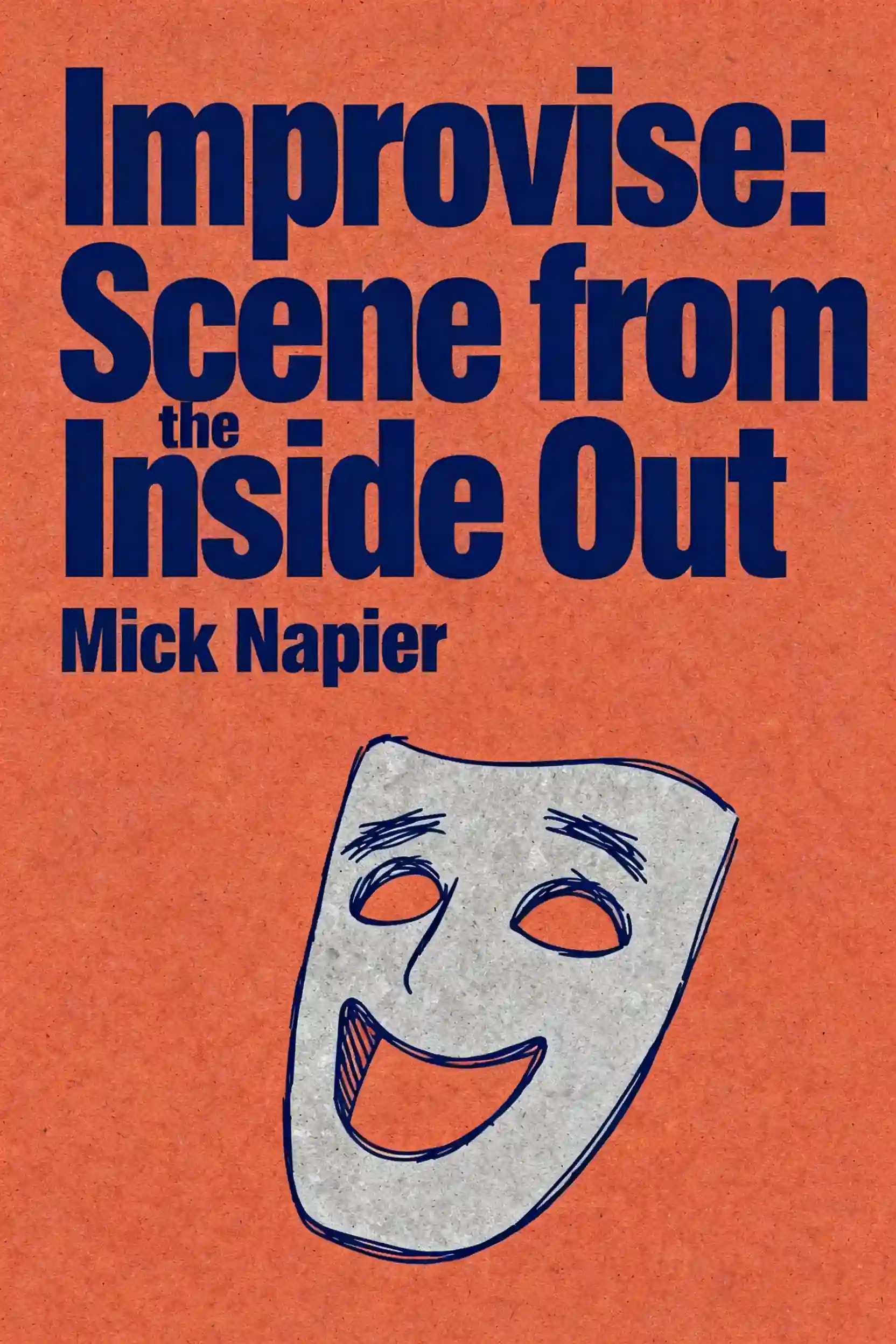
    Improvise
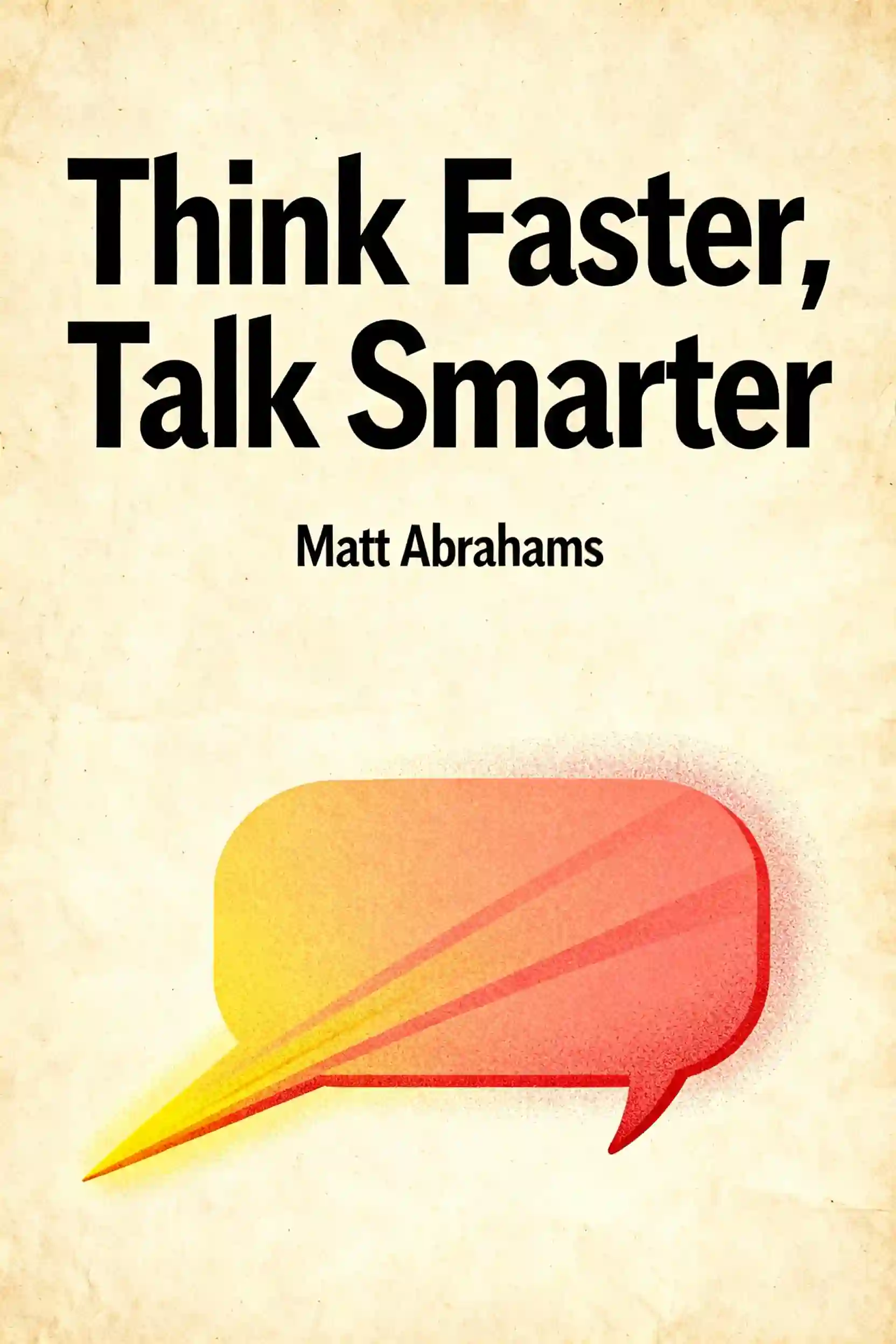
    Think Faster, Talk Smarter
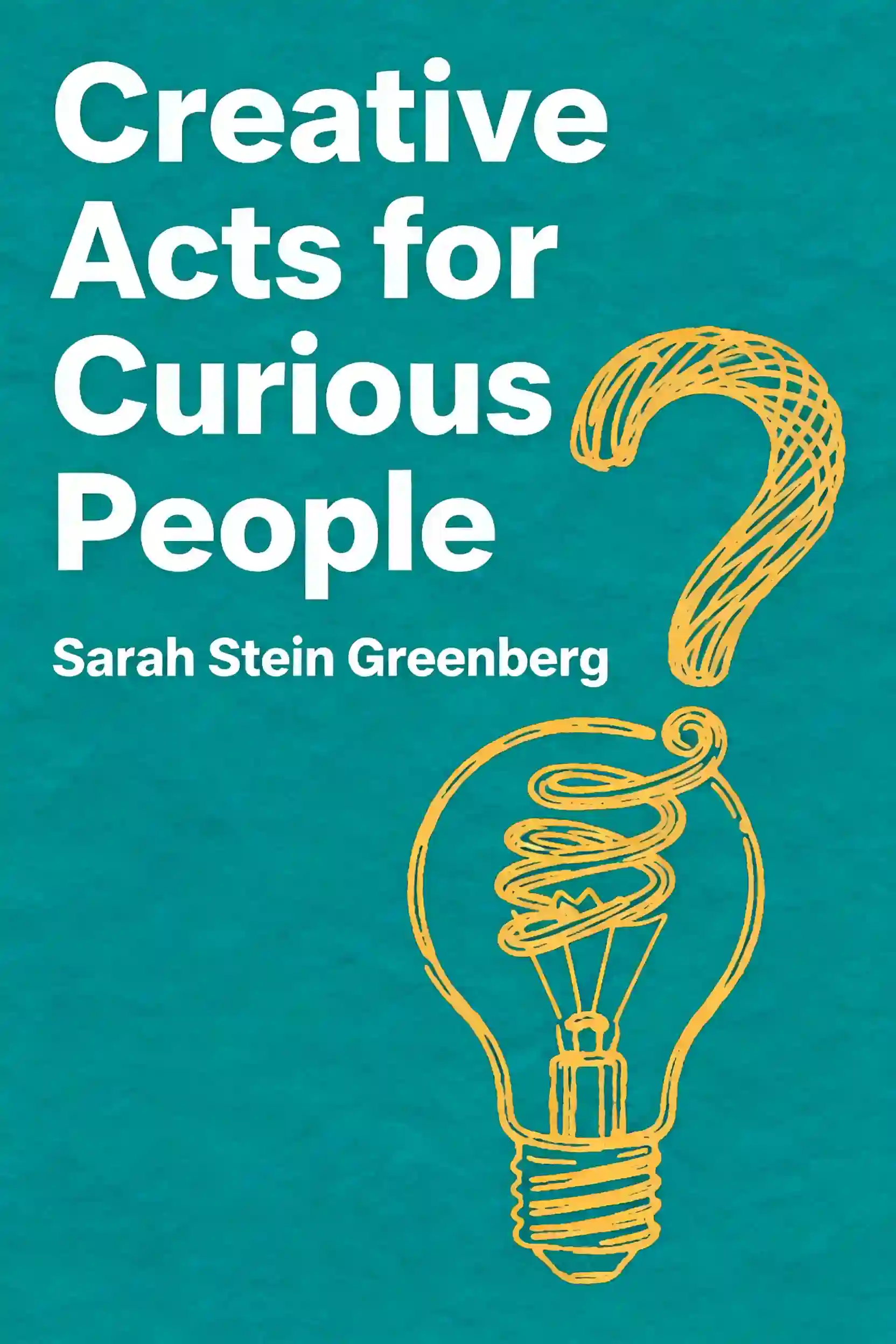
    Creative Acts for Curious People
    Serious Creativity
    The Five Elements of Effective Thinking
    Lateral Thinking

    컬럼비아 대학교 동문들이 제작 | 샌프란시스코에서 개발

    BeFreed는 호기심 넘치는 글로벌 커뮤니티를 하나로 연결합니다

    4.7

    평균 평점

    앱 평가 7.84천 개 이상

    BeFreed 커뮤니티

    정말이지 아직 앱을 다 써 보지도 않았는데, 며칠 써 본 것만으로도 깊은 인상을 받았어요… BeFreed는 제가 써 본 어떤 학습 앱과도 차원이 달라요. 몰입감이 엄청나고 집중력도 실제로 좋아져서, 스마트폰을 하염없이 스크롤하는 분들께 딱이에요!

    @ladyInfinity

    정확히 23일 전에 BeFreed를 구입했는데, 그날부터 하루도 빠짐없이 쓰고 있어요. 제 일상 업무 흐름과 학습 습관에 완전히 자리 잡았어요.

    @jayallen

    솔직히 이 앱은 제 기대를 전부 뛰어넘었어요. 어떤 주제든 오디오로 만들어 달라고 할 수 있고, 결과물이 놀라워요. 제 전문 분야는 심리치료 쪽이고 여러 학문이 얽혀 있는데도 답변이 아주 정확해요.

    @Raguipa

    제일 고마운 건 스크롤하는 시간이 확 줄었다는 거예요. 검색하는 시간은 줄고 흡수하는 시간은 늘었어요. 오디오북 전권, 팟캐스트, 학습 플랜의 조합이 정말 훌륭해요.

    @colonyofcreatorsNGO

    저는 24년째 PhotoReading 속진 학습 강사로 일하고 있어요… 책과 독서, 배움이 제 전문인데, BeFreed는 정보를 소화하기 쉽게 전달하는 혁신적인 방식을 정말 잘 구현했어요.

    @BeFreed user

    단순한 책 요약 앱이 아니에요. '재미' 스타일을 써 봤는데, 전통적인 방식보다 훨씬 나은 요약이고 아이디어를 이해하기도 쉬워요. 이것만으로도 값어치를 해요.

    @austinakon

    이 앱이 정말 좋아요. 며칠 써 봤는데 듣는 걸 멈출 수가 없어요. 시작하기에 이보다 좋을 수 없어요.

    @jcrules328

    정말 마음에 들어요. 한 달 정도 써 봤는데 숨은 보석을 찾은 기분이에요. BeFreed로 제가 원하는 주제를 직접 만들 수 있어서 좋고, 목소리도 훌륭한 데다 내레이션 선택지가 무궁무진해요.

    @DanielCZ

    정말이지 아직 앱을 다 써 보지도 않았는데, 며칠 써 본 것만으로도 깊은 인상을 받았어요… BeFreed는 제가 써 본 어떤 학습 앱과도 차원이 달라요. 몰입감이 엄청나고 집중력도 실제로 좋아져서, 스마트폰을 하염없이 스크롤하는 분들께 딱이에요!

    @ladyInfinity

    정확히 23일 전에 BeFreed를 구입했는데, 그날부터 하루도 빠짐없이 쓰고 있어요. 제 일상 업무 흐름과 학습 습관에 완전히 자리 잡았어요.

    @jayallen

    솔직히 이 앱은 제 기대를 전부 뛰어넘었어요. 어떤 주제든 오디오로 만들어 달라고 할 수 있고, 결과물이 놀라워요. 제 전문 분야는 심리치료 쪽이고 여러 학문이 얽혀 있는데도 답변이 아주 정확해요.

    @Raguipa

    제일 고마운 건 스크롤하는 시간이 확 줄었다는 거예요. 검색하는 시간은 줄고 흡수하는 시간은 늘었어요. 오디오북 전권, 팟캐스트, 학습 플랜의 조합이 정말 훌륭해요.

    @colonyofcreatorsNGO

    저는 24년째 PhotoReading 속진 학습 강사로 일하고 있어요… 책과 독서, 배움이 제 전문인데, BeFreed는 정보를 소화하기 쉽게 전달하는 혁신적인 방식을 정말 잘 구현했어요.

    @BeFreed user

    단순한 책 요약 앱이 아니에요. '재미' 스타일을 써 봤는데, 전통적인 방식보다 훨씬 나은 요약이고 아이디어를 이해하기도 쉬워요. 이것만으로도 값어치를 해요.

    @austinakon

    이 앱이 정말 좋아요. 며칠 써 봤는데 듣는 걸 멈출 수가 없어요. 시작하기에 이보다 좋을 수 없어요.

    @jcrules328

    정말 마음에 들어요. 한 달 정도 써 봤는데 숨은 보석을 찾은 기분이에요. BeFreed로 제가 원하는 주제를 직접 만들 수 있어서 좋고, 목소리도 훌륭한 데다 내레이션 선택지가 무궁무진해요.

    @DanielCZ

    유용한 정보와 아이디어를 8~15분짜리 팟캐스트 스타일 오디오로 압축해서 들을 수 있다는 게 정말 좋아요. 원래 팟캐스트는 군더더기가 많아서 안 좋아했는데, 여기는 그걸 싹 걷어냈어요.

    @BeFreed user

    박사 과정을 마무리하는 중이라 낯선 자료를 많이 읽어야 해요… BeFreed에서는 프롬프트만 입력하면 앱이 자료를 찾아서 오디오 팟캐스트로 만들어 줘요. BeFreed의 과정이 NotebookLM보다 더 매끄럽게 느껴져요.

    @Brad

    아침을 준비하거나 산책하거나 출퇴근할 때 들을 것을 YouTube에서 자주 찾곤 했는데, BeFreed는 광고도 군더더기도 없이 훨씬 더 딱 맞는 걸 들려줘요!

    @BeFreed user

    이 플랫폼의 가장 큰 장점은 활용도예요. 다루지 못하는 주제가 말 그대로 하나도 없어요. 무엇을 던져도 다 소화해요… 제한이 전혀 없으면서 약속을 실제로 지키는 학습 도구는 정말 드물어요.

    @jayallen

    BeFreed는 환상적이에요. 디자인이 편해서 헤매는 시간은 줄고 배우는 시간은 늘었어요. 오디오북, 팟캐스트, 학습 플랜의 조합은 천재적이에요. 제 하루가 완전히 달라졌어요.

    @BeFreed user

    처음엔 이탈리아어로 팟캐스트를 만드는 방법을 이해하는 데 시간이 좀 걸렸는데, 알고 나니까 — 와! 정말 대단해요! 어떤 주제든 설명해 달라고 하면 정말 똑똑하게 잘 설명해 줘요!

    @matteo77

    BeFreed는 제가 매일 쓰는 오디오북 앱이 됐어요… 제일 마음에 드는 건 텍스트를 넣으면 이동 중에도 들을 수 있는 오디오로 만들어 준다는 점이에요.

    @kotanzu1

    유용한 정보와 아이디어를 8~15분짜리 팟캐스트 스타일 오디오로 압축해서 들을 수 있다는 게 정말 좋아요. 원래 팟캐스트는 군더더기가 많아서 안 좋아했는데, 여기는 그걸 싹 걷어냈어요.

    @BeFreed user

    박사 과정을 마무리하는 중이라 낯선 자료를 많이 읽어야 해요… BeFreed에서는 프롬프트만 입력하면 앱이 자료를 찾아서 오디오 팟캐스트로 만들어 줘요. BeFreed의 과정이 NotebookLM보다 더 매끄럽게 느껴져요.

    @Brad

    아침을 준비하거나 산책하거나 출퇴근할 때 들을 것을 YouTube에서 자주 찾곤 했는데, BeFreed는 광고도 군더더기도 없이 훨씬 더 딱 맞는 걸 들려줘요!

    @BeFreed user

    이 플랫폼의 가장 큰 장점은 활용도예요. 다루지 못하는 주제가 말 그대로 하나도 없어요. 무엇을 던져도 다 소화해요… 제한이 전혀 없으면서 약속을 실제로 지키는 학습 도구는 정말 드물어요.

    @jayallen

    BeFreed는 환상적이에요. 디자인이 편해서 헤매는 시간은 줄고 배우는 시간은 늘었어요. 오디오북, 팟캐스트, 학습 플랜의 조합은 천재적이에요. 제 하루가 완전히 달라졌어요.

    @BeFreed user

    처음엔 이탈리아어로 팟캐스트를 만드는 방법을 이해하는 데 시간이 좀 걸렸는데, 알고 나니까 — 와! 정말 대단해요! 어떤 주제든 설명해 달라고 하면 정말 똑똑하게 잘 설명해 줘요!

    @matteo77

    BeFreed는 제가 매일 쓰는 오디오북 앱이 됐어요… 제일 마음에 드는 건 텍스트를 넣으면 이동 중에도 들을 수 있는 오디오로 만들어 준다는 점이에요.

    @kotanzu1

    웹에서 BeFreed가 어떻게 논의되고 있는지 더 보기
    129.7K19.5K
    55.2K19.2K
    154.2K10827355
    48.1K2.5K
    81.2K6.6K
    82.3K1.8K
    지금 바로 학습 여정을 시작하세요
    BeFreed 앱
    BeFreed

    무엇이든 개인화된 학습

    DiscordLinkedIn
    추천 도서 요약
    Crucial ConversationsThe Perfect MarriageInto the WildNever Split the DifferenceAttachedGood to GreatSay Nothing
    인기 카테고리
    Self HelpCommunication SkillRelationshipMindfulnessPhilosophyInspirationProductivity
    유명인 추천 도서
    Elon MuskCharlie KirkBill GatesSteve JobsAndrew HubermanJoe RoganJordan Peterson
    수상작 컬렉션
    Pulitzer PrizeNational Book AwardGoodreads Choice AwardsNobel Prize in LiteratureNew York TimesCaldecott MedalNebula Award
    추천 주제
    ManagementAmerican HistoryWarTradingStoicismAnxietySex
    연도별 베스트 도서
    2025 Best Non Fiction Books2024 Best Non Fiction Books2023 Best Non Fiction Books
    추천 저자
    Chimamanda Ngozi AdichieGeorge OrwellO. J. SimpsonBarbara O'NeillWinston ChurchillCharlie Kirk
    BeFreed vs 다른 앱
    BeFreed vs. Other Book Summary AppsBeFreed vs. ElevenReaderBeFreed vs. ReadwiseBeFreed vs. Anki
    학습 도구
    Knowledge VisualizerAI Podcast Generator
    정보
    회사 소개arrow
    가격arrow
    FAQarrow
    블로그arrow
    채용arrow
    파트너십arrow
    앰배서더 프로그램arrow
    디렉토리arrow
    BeFreed
    Try now
    © 2026 BeFreed
    이용 약관개인정보 처리방침
    BeFreed

    무엇이든 개인화된 학습

    DiscordLinkedIn
    추천 도서 요약
    Crucial ConversationsThe Perfect MarriageInto the WildNever Split the DifferenceAttachedGood to GreatSay Nothing
    인기 카테고리
    Self HelpCommunication SkillRelationshipMindfulnessPhilosophyInspirationProductivity
    유명인 추천 도서
    Elon MuskCharlie KirkBill GatesSteve JobsAndrew HubermanJoe RoganJordan Peterson
    수상작 컬렉션
    Pulitzer PrizeNational Book AwardGoodreads Choice AwardsNobel Prize in LiteratureNew York TimesCaldecott MedalNebula Award
    추천 주제
    ManagementAmerican HistoryWarTradingStoicismAnxietySex
    연도별 베스트 도서
    2025 Best Non Fiction Books2024 Best Non Fiction Books2023 Best Non Fiction Books
    학습 도구
    Knowledge VisualizerAI Podcast Generator
    추천 저자
    Chimamanda Ngozi AdichieGeorge OrwellO. J. SimpsonBarbara O'NeillWinston ChurchillCharlie Kirk
    BeFreed vs 다른 앱
    BeFreed vs. Other Book Summary AppsBeFreed vs. ElevenReaderBeFreed vs. ReadwiseBeFreed vs. Anki
    정보
    회사 소개arrow
    가격arrow
    FAQarrow
    블로그arrow
    채용arrow
    파트너십arrow
    앰배서더 프로그램arrow
    디렉토리arrow
    BeFreed
    Try now
    © 2026 BeFreed
    이용 약관개인정보 처리방침

    이 학습 계획의 일부

    Master banter, body language & quick wit
    학습 계획

    Master banter, body language & quick wit

    3 h 7 m•4 에피소드
    Master Witty Flirting & Spontaneous Action
    학습 계획

    Master Witty Flirting & Spontaneous Action

    4 h 39 m•4 에피소드

    비슷한 콘텐츠

    Quick Wit Secrets: Conversation Confidence Unlocked 책 표지
    How to Talk to AnyoneThe Art of Witty BanterThe Fine Art Of Small TalkBetter Small Talk
    23 sources
    Quick Wit Secrets: Conversation Confidence Unlocked
    Discover science-backed strategies to develop razor-sharp wit and create deeper connections through better conversations. Learn the frameworks that make every chat flow naturally.
    27 min
    The Art of Quick Thinking: Master Communication Under Pressure 책 표지
    Made to StickInfluence: The Psychology of PersuasionCrucial Conversations: Tools for Talking When Stakes Are HighDifficult Conversations: How to Discuss What Matters Most
    35 sources
    The Art of Quick Thinking: Master Communication Under Pressure
    BeFreed
    Discover science-backed techniques to communicate brilliantly when put on the spot. Drawing from Stanford's popular podcast, cognitive psychology research, and FBI negotiation tactics, learn how breathing exercises and simple frameworks can transform your ability to think fast and speak smart.
    10 min
    The Improv Misconception That Kills Comedy 책 표지
    Improvise: Scene from the Inside OutHow To Write FunnyThe Comedy BibleYes, And
    23 sources
    The Improv Misconception That Kills Comedy
    Discover why the biggest myth about improv—being quick and witty—actually destroys comedy, and learn the counterintuitive principles that create genuine laughs and connection.
    13 min
    Think Fast: The Art of Spontaneous Brilliance 책 표지
    Lateral ThinkingCreative Acts for Curious PeopleDeviateThe Eureka Factor
    27 sources
    Think Fast: The Art of Spontaneous Brilliance
    Master practical mental techniques to transform panic-inducing moments into opportunities for creative, confident responses. Learn counterintuitive strategies that make quick thinking feel effortless.
    28 min
    Master Magnetic Conversations: Be Funny & Interesting 책 표지
    source 1source 2source 3source 4
    6 sources
    Master Magnetic Conversations: Be Funny & Interesting
    Discover the science-backed frameworks for authentic wit and engaging storytelling that transform awkward small talk into magnetic connections. Learn practical techniques from comedy and conversation experts to become genuinely funny and interesting.
    9 min
    Improv Comedy: Structure in Spontaneity 책 표지
    Improvise: Scene from the Inside OutYes, AndHow To Write FunnyThe Comedy Bible
    21 sources
    Improv Comedy: Structure in Spontaneity
    Discover how improv comedy isn't just about being naturally funny, but follows learnable principles like 'Yes, and...' that anyone can master through practice and specific techniques.
    26 min
    Master Humor and Social Tact Like a Pro 책 표지
    source 1source 2source 3Master the Art of Humor: Boost Your Social Skills and Well-Being
    6 sources
    Master Humor and Social Tact Like a Pro
    Transform from awkward to magnetic with science-backed techniques for witty banter, perfect timing, and charismatic presence. Learn the systematic approaches that turn ordinary conversations into memorable connections.
    23 min
    Improvise 책 표지
    Improvise
    Mick Napier
    A provocative guide challenging improv conventions, offering fresh techniques to unleash creativity and spontaneity on stage.
    26 min

    Recommended Learning Plans

    The Art of Quick-Witted Banter
    학습 계획

    The Art of Quick-Witted Banter

    In a world where social intelligence is a key differentiator, mastering verbal agility allows you to navigate high-stakes conversations with confidence. This plan is ideal for professionals, performers, or anyone looking to overcome social anxiety and command presence through sharp, playful communication.

    1 h 36 m•4 섹션
    Rapid Synthesis and Conversational Agility
    학습 계획

    Rapid Synthesis and Conversational Agility

    In a fast-paced world, the ability to process information and respond instantly is a critical competitive advantage. This plan is designed for professionals and social navigators who want to overcome mental blocks and master the art of rapid, witty engagement.

    1 h 12 m•3 섹션
    Talk Smart on the Spot
    학습 계획

    Talk Smart on the Spot

    In fast-paced professional environments, the ability to think and speak clearly under pressure is a critical differentiator. This plan is designed for ambitious professionals and leaders who need to eliminate cognitive freezes and project authority during spontaneous high-stakes interactions.

    1 h 12 m•3 섹션
    Master banter, body language & quick wit
    학습 계획

    Master banter, body language & quick wit

    In a world where digital interaction dominates, mastering face-to-face charisma is a vital competitive advantage. This plan is designed for professionals and individuals looking to overcome social anxiety, sharpen their humor, and project a more confident, influential presence in any environment.

    3 h 7 m•4 섹션
    Speak Your Mind Without the Script
    학습 계획

    Speak Your Mind Without the Script

    This plan is designed for neurodivergent individuals or anyone who struggles with social anxiety and over-rehearsing conversations. It addresses the root causes of communication burnout and provides practical tools for reclaiming spontaneity in social settings.

    1 h 12 m•3 섹션
    Speak with Grace and Grit
    학습 계획

    Speak with Grace and Grit

    In fast-paced professional environments, the ability to think on your feet is a critical differentiator. This plan is designed for professionals who struggle with mental blanks or verbal fluency, offering tactical tools to balance authoritative command with authentic social connection.

    2 h•4 섹션
    Improve humor and social charisma
    학습 계획

    Improve humor and social charisma

    Social success is often a learned skill rather than an innate trait. This plan is designed for professionals and individuals looking to overcome social friction by mastering the mechanics of wit, presence, and narrative influence.

    4 h 42 m•4 섹션
    Speak Fast, Think Smart
    학습 계획

    Speak Fast, Think Smart

    In today's fast-paced environment, the ability to articulate ideas instantly is a critical leadership skill. This plan is designed for professionals and students who need to overcome the anxiety of impromptu speaking and transform scattered thoughts into persuasive, concise communication.

    1 h 24 m•4 섹션