Psychopathia Sexualis: How One Book Created Modern Sexuality
Explore how Krafft-Ebing's controversial 1886 text revolutionized our understanding of human sexuality, created the language we still use today, and sparked the evolution from moral condemnation to medical compassion in psychiatry.

Psychopathia Sexualis: How One Book Created Modern Sexuality 베스트 인용
The shift from describing acts to describing people was absolutely foundational to how we think about sexuality today. When you create categories, you create identities.

이 오디오 레슨은 BeFreed 커뮤니티 멤버가 만들었습니다
the key ideas and historical significance of Psychopathia Sexualis



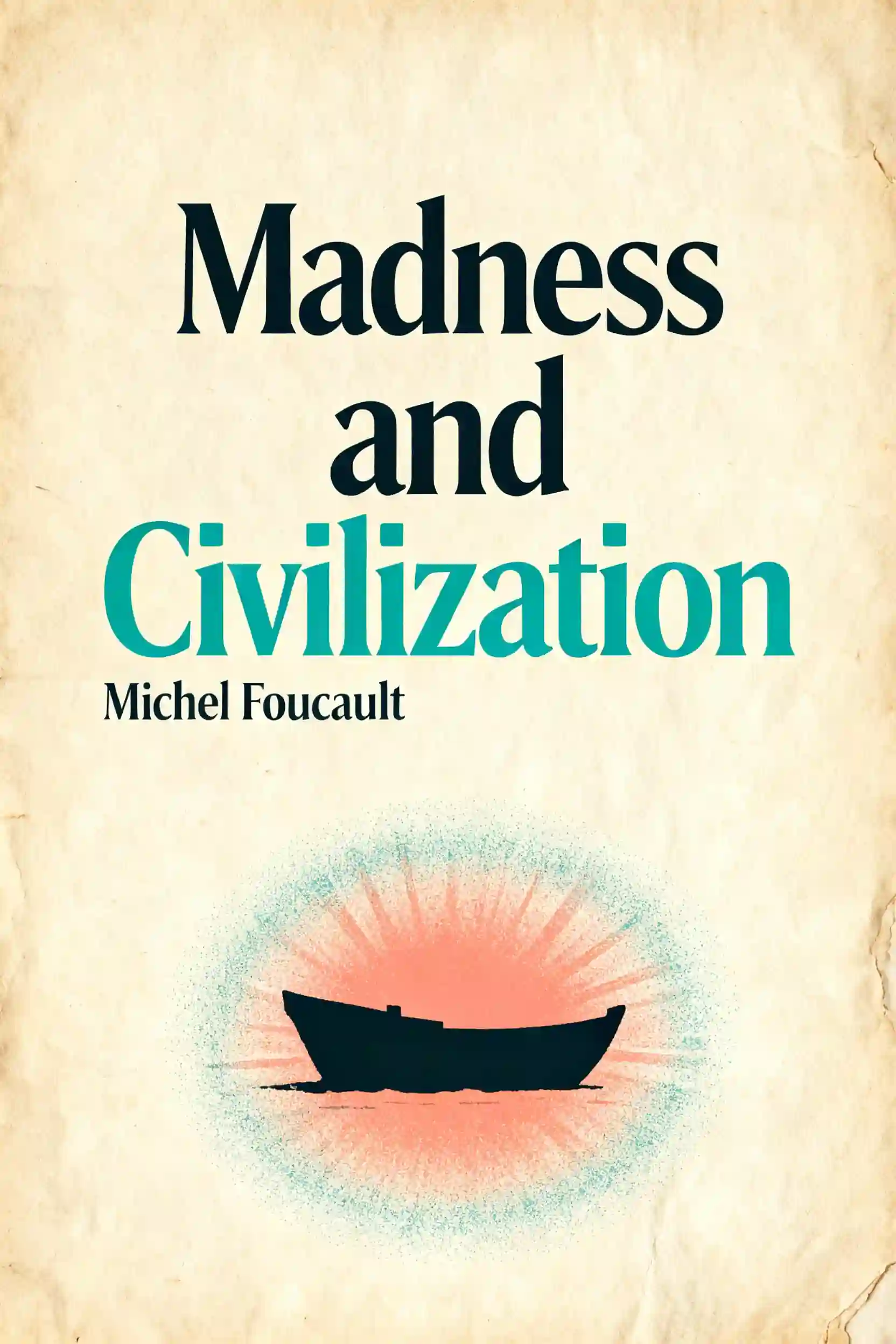

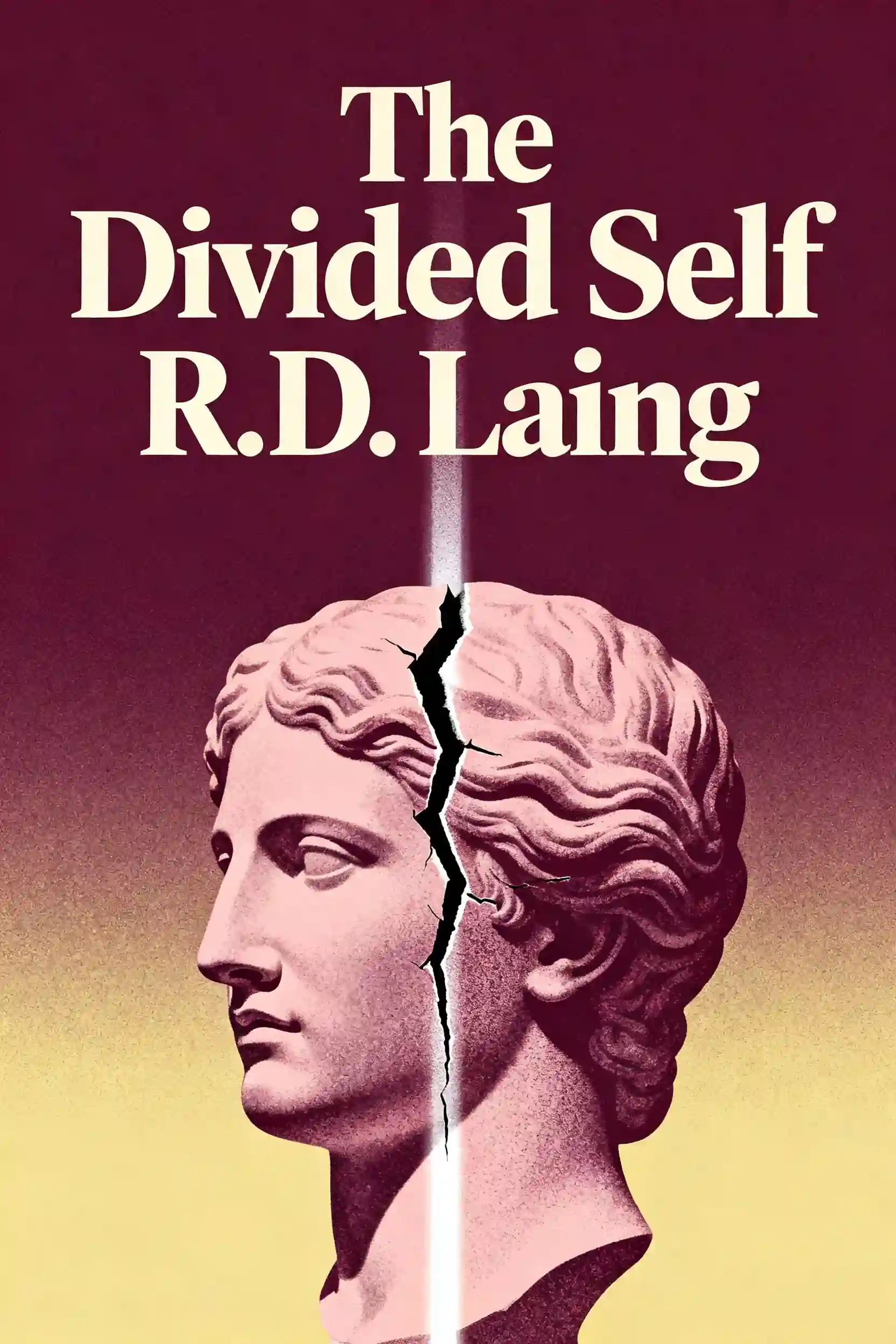
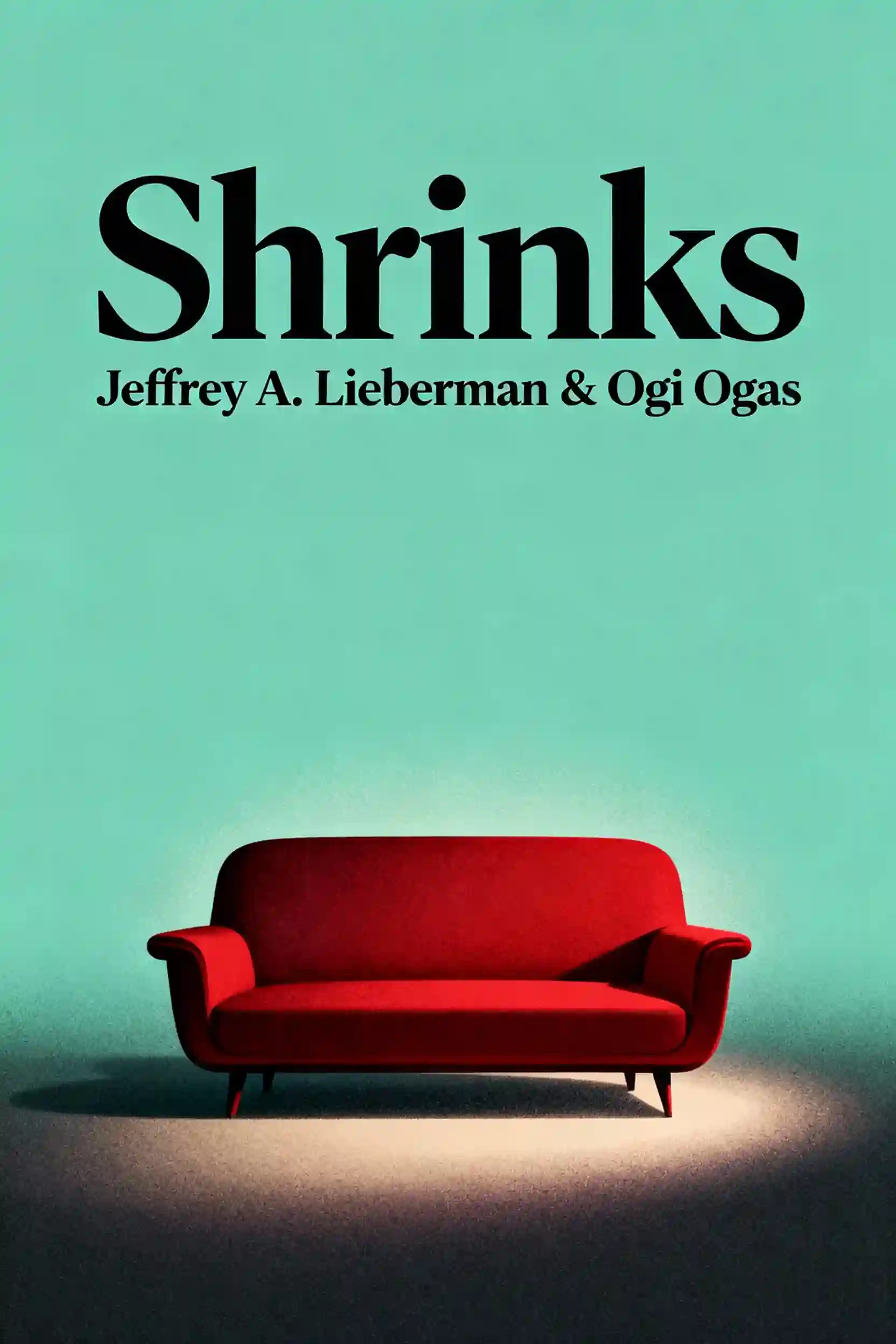
더 알아보기

Sex
This comprehensive guide bridges the gap between biological health and emotional connection, offering a holistic approach to human intimacy. It is designed for individuals or couples seeking to deepen their physical skills, improve communication, and explore the spiritual dimensions of sexuality.

Sexual mastery
This learning path addresses the widespread gap between cultural silence around sexuality and the human need for fulfilling intimate connection. It's designed for anyone seeking to move beyond shame, insecurity, or routine in their sexual life—whether exploring solo, deepening partnership intimacy, or recovering authentic desire after trauma or disconnection.

I want to learn about sex, porn, and fantasy addiction from the therapeutic/psychological perspective. Not dealing with these issues myself
This learning plan provides a professional understanding of sexual addiction disorders from a clinical perspective, without requiring personal experience with these issues. It's ideal for psychology students, healthcare professionals, or individuals seeking to understand loved ones struggling with these challenges.

BDSM: History, Fetishes & Scene Building
This learning plan provides a comprehensive foundation for understanding the intersection of human sexuality, history, and power dynamics. It is designed for individuals seeking to transition from curiosity to informed practice by prioritizing psychological depth and safety protocols.

Surviving the Storm of Hypersexuality
This plan is designed for individuals navigating the complexities of bipolar disorder or related conditions where hypersexuality impacts daily life. It provides a non-judgmental, clinical framework for moving from crisis management to sustainable recovery and relationship repair.

The Sociology of Morbid Curiosity
This learning plan provides a critical lens into the darker corners of digital social behavior and the collapse of traditional narratives. It is essential for sociologists, digital strategists, and cultural critics seeking to understand why modern audiences are drawn to transgression and chaos.

Psychologie et codes de la séduction
Ce parcours s'adresse à toute personne souhaitant comprendre les mécanismes profonds de l'attraction humaine au-delà des clichés. Il combine l'analyse comportementale et la psychologie relationnelle pour construire des liens solides, de la première rencontre à la vie de couple.

Dr. Justin Lehmiller
This learning plan provides a comprehensive bridge between academic sexology and practical application. It is ideal for psychology students, healthcare professionals, or anyone seeking a deep, evidence-based understanding of human desire and behavior.
샌프란시스코에서 컬럼비아 대학교 동문들이 만들었습니다
"Instead of endless scrolling, I just hit play on BeFreed. It saves me so much time."


"I never knew where to start with nonfiction—BeFreed’s book lists turned into podcasts gave me a clear path."


"Perfect balance between learning and entertainment. Finished ‘Thinking, Fast and Slow’ on my commute this week."
"Crazy how much I learned while walking the dog. BeFreed = small habits → big gains."
"Reading used to feel like a chore. Now it’s just part of my lifestyle."

"Feels effortless compared to reading. I’ve finished 6 books this month already."
"BeFreed turned my guilty doomscrolling into something that feels productive and inspiring."

"BeFreed turned my commute into learning time. 20-min podcasts are perfect for finishing books I never had time for."
"BeFreed replaced my podcast queue. Imagine Spotify for books — that’s it. 🙌"

"It is great for me to learn something from the book without reading it."
"The themed book list podcasts help me connect ideas across authors—like a guided audio journey."
"Makes me feel smarter every time before going to work"
샌프란시스코에서 컬럼비아 대학교 동문들이 만들었습니다
"Instead of endless scrolling, I just hit play on BeFreed. It saves me so much time."
"I never knew where to start with nonfiction—BeFreed’s book lists turned into podcasts gave me a clear path."
"Perfect balance between learning and entertainment. Finished ‘Thinking, Fast and Slow’ on my commute this week."
"Crazy how much I learned while walking the dog. BeFreed = small habits → big gains."
"Reading used to feel like a chore. Now it’s just part of my lifestyle."
"Feels effortless compared to reading. I’ve finished 6 books this month already."
"BeFreed turned my guilty doomscrolling into something that feels productive and inspiring."
"BeFreed turned my commute into learning time. 20-min podcasts are perfect for finishing books I never had time for."
"BeFreed replaced my podcast queue. Imagine Spotify for books — that’s it. 🙌"
"It is great for me to learn something from the book without reading it."
"The themed book list podcasts help me connect ideas across authors—like a guided audio journey."
"Makes me feel smarter every time before going to work"
"Instead of endless scrolling, I just hit play on BeFreed. It saves me so much time."
"I never knew where to start with nonfiction—BeFreed’s book lists turned into podcasts gave me a clear path."
"Perfect balance between learning and entertainment. Finished ‘Thinking, Fast and Slow’ on my commute this week."
"Crazy how much I learned while walking the dog. BeFreed = small habits → big gains."
"Reading used to feel like a chore. Now it’s just part of my lifestyle."
"Feels effortless compared to reading. I’ve finished 6 books this month already."
"BeFreed turned my guilty doomscrolling into something that feels productive and inspiring."
"BeFreed turned my commute into learning time. 20-min podcasts are perfect for finishing books I never had time for."
"BeFreed replaced my podcast queue. Imagine Spotify for books — that’s it. 🙌"
"It is great for me to learn something from the book without reading it."
"The themed book list podcasts help me connect ideas across authors—like a guided audio journey."
"Makes me feel smarter every time before going to work"
"Instead of endless scrolling, I just hit play on BeFreed. It saves me so much time."
"I never knew where to start with nonfiction—BeFreed’s book lists turned into podcasts gave me a clear path."
"Perfect balance between learning and entertainment. Finished ‘Thinking, Fast and Slow’ on my commute this week."
"Crazy how much I learned while walking the dog. BeFreed = small habits → big gains."
"Reading used to feel like a chore. Now it’s just part of my lifestyle."
"Feels effortless compared to reading. I’ve finished 6 books this month already."
"BeFreed turned my guilty doomscrolling into something that feels productive and inspiring."
"BeFreed turned my commute into learning time. 20-min podcasts are perfect for finishing books I never had time for."
"BeFreed replaced my podcast queue. Imagine Spotify for books — that’s it. 🙌"
"It is great for me to learn something from the book without reading it."
"The themed book list podcasts help me connect ideas across authors—like a guided audio journey."
"Makes me feel smarter every time before going to work"