Paving Mental Highways: The Science of Mastery
Discover how your brain physically transforms effort into expertise. Learn to build lasting neural pathways through the power of repetition and strategic practice.

Paving Mental Highways: The Science of Mastery 베스트 인용
Repetition isn't just a study tip—it’s a biological requirement for structural change. We have to give the brain a reason to keep those synapses alive by walking the path until it decides it’s worth the paving cost of myelin.
Generated by EPSTARTER
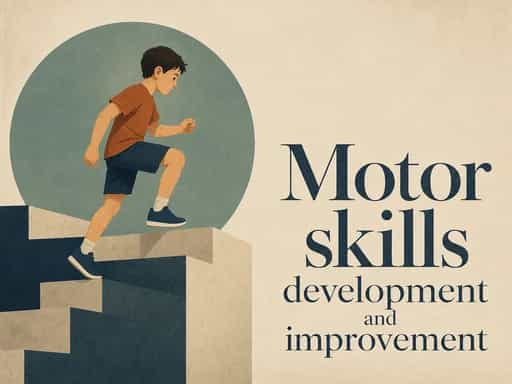
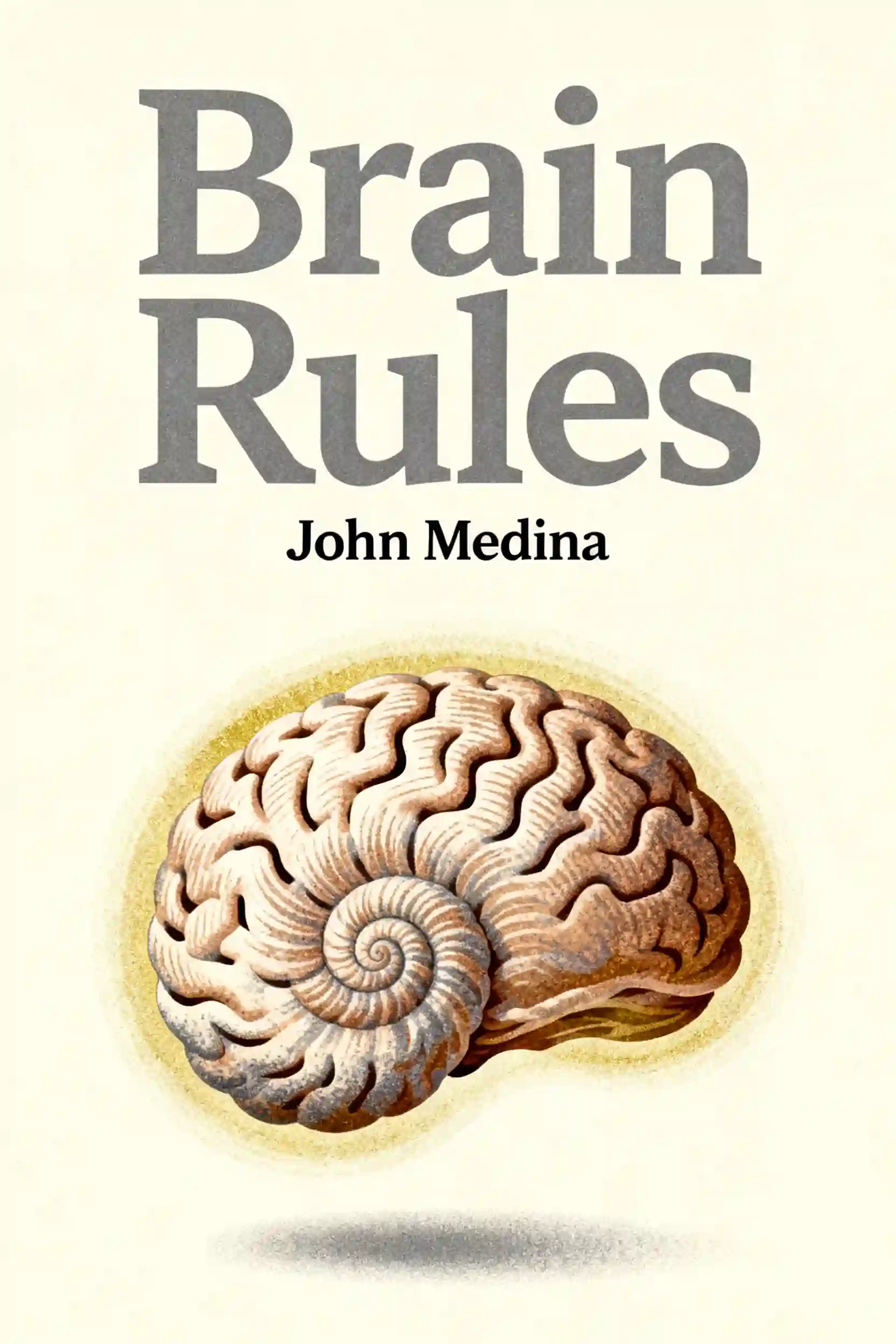
Key Idea 1 — The Brain Rebuilds Through Practice The brain learns by repetition. Every time we listen, read, or think about something again, the brain strengthens the pathway connected to that memory. Think of the brain like a path through grass. The first time you walk the path, it is hard to see. But if you walk the same path every day, the trail becomes clear. Learning works the same way. When we repeat information, the brain builds stronger memory trails. That is why this podcast

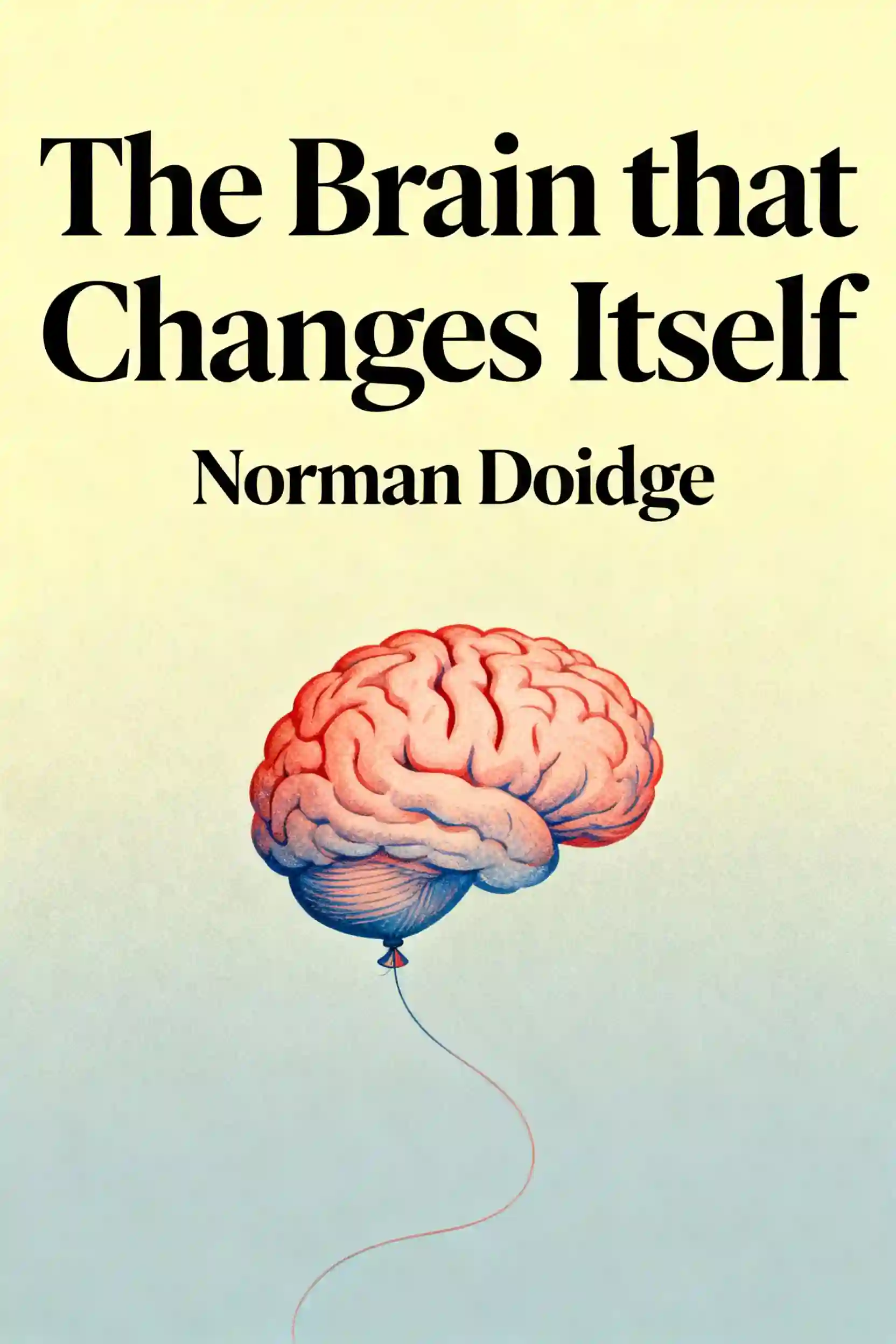
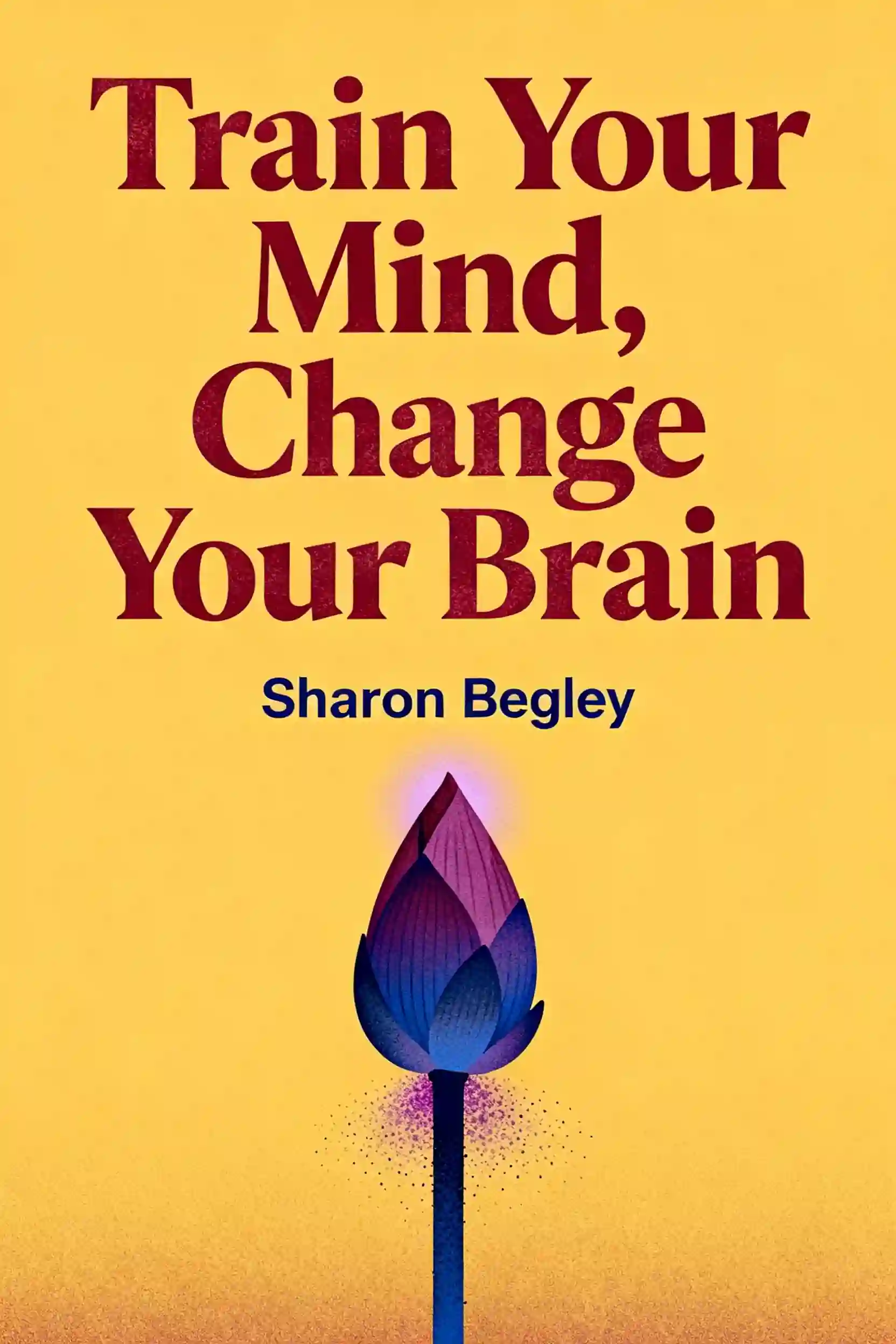
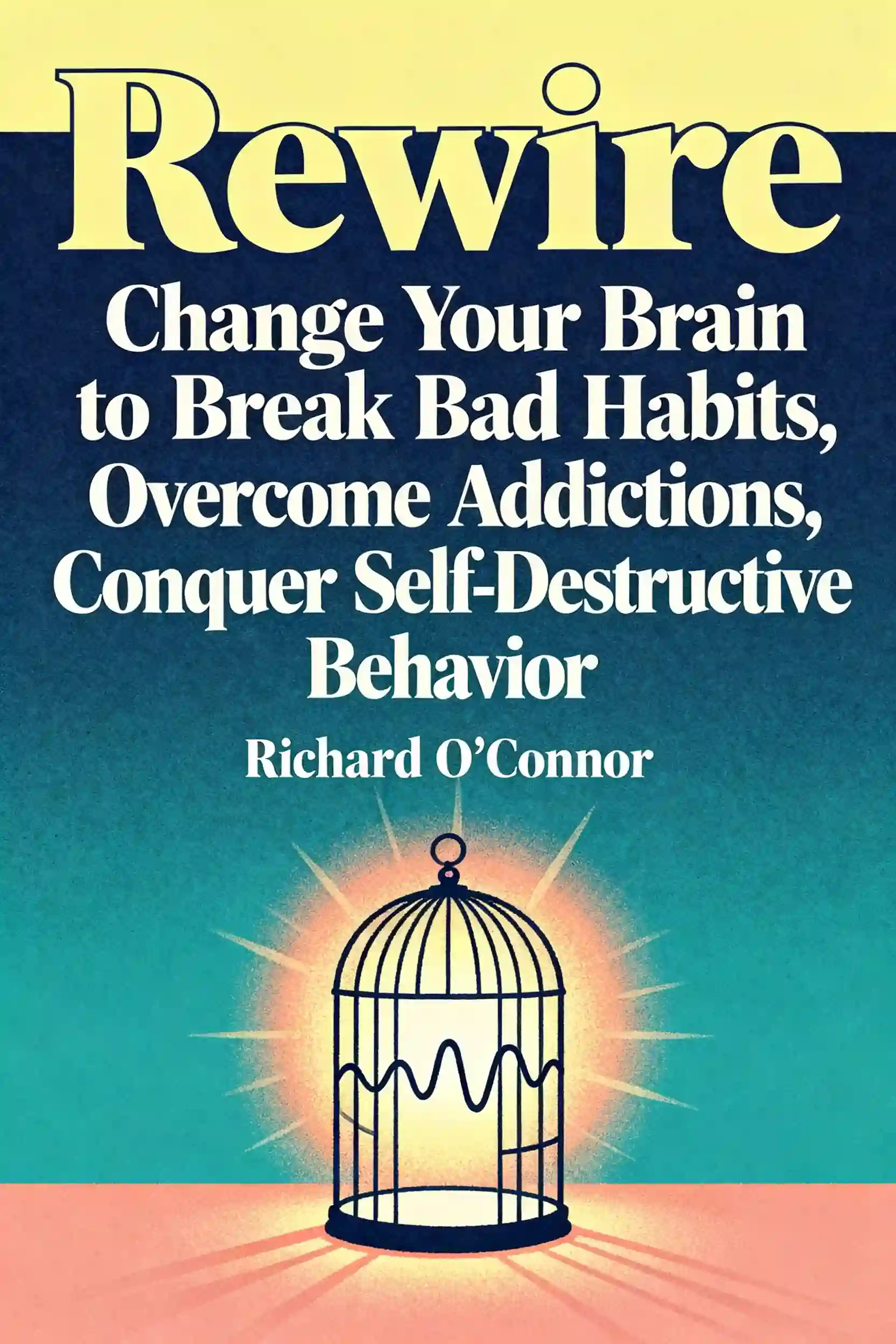
자주 묻는 질문
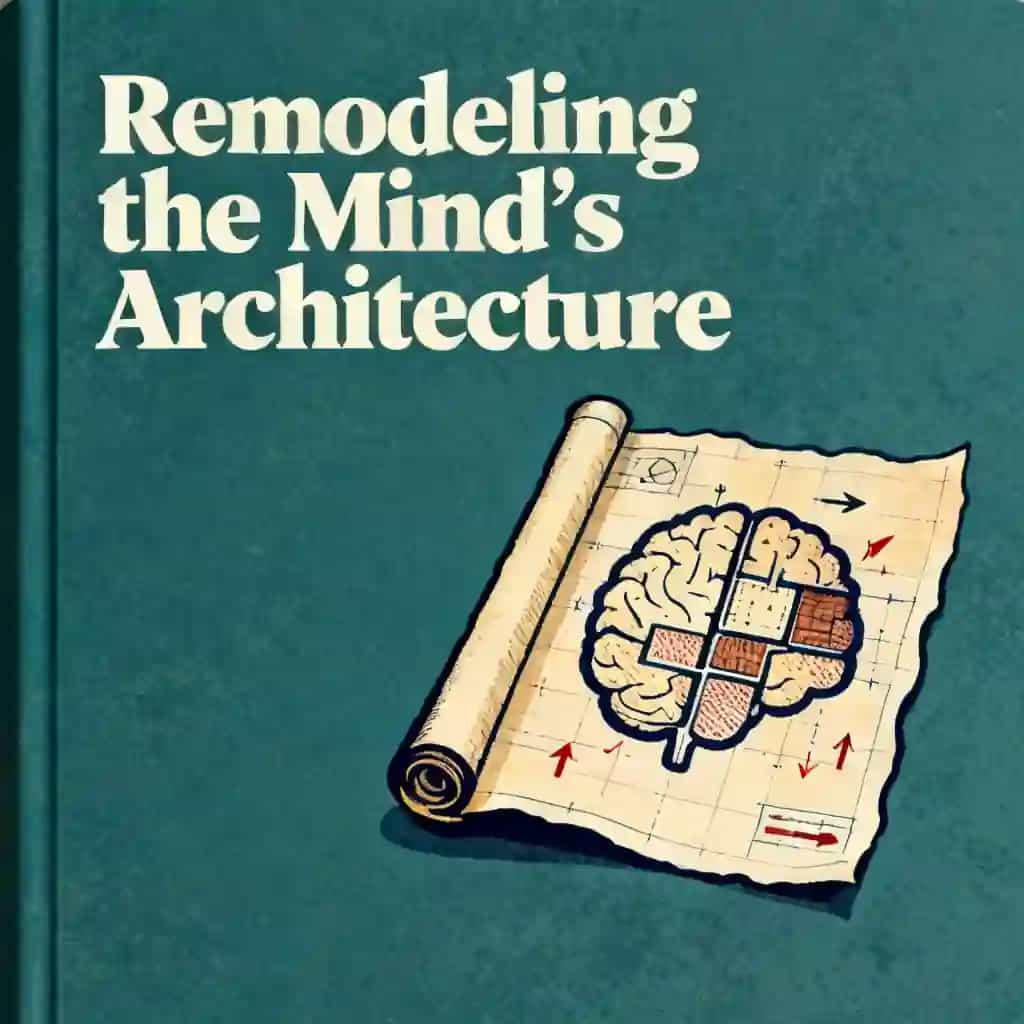
Neuroplasticity is the brain's inherent ability to physically reorganize itself by forming new connections between cells. When you learn a new skill, your brain acts as a biological engineer, triggering synaptogenesis to create new synapses and strengthening existing ones through a process called Long-term Potentiation (LTP). This physical restructuring turns difficult, "waist-high grass" tasks into smooth, well-worn neural trails.
While we fire neurons during the day through practice, the actual structural changes and paving of neural highways happen during sleep. During deep sleep and REM cycles, the brain replays the firing patterns from the day to consolidate memories and thicken the myelin sheath, which acts as high-speed insulation for neural wires. Without this "night shift," the brain cannot perform the physical construction required to turn temporary information into long-term mastery.
WARP stands for Working memory, Attention, Retrieval, and Prior knowledge, representing the four gatekeepers of the brain. Working memory is limited to about four "chunks" of information at a time, while Attention acts as a single spotlight that cannot effectively multitask. Retrieval emphasizes that the brain only strengthens a path when you try to pull information out, and Prior knowledge acts as a foundation that allows new information to "hook" onto existing neural highways.
Re-reading and highlighting are considered "low utility" strategies because they create an illusion of competence without forcing the brain to do the hard work of retrieval. Active Recall, or the "Testing Effect," involves the mental strain of trying to remember information from scratch, which signals the brain to invest in long-term structural changes. This "effortful retrieval" is what actually clears the clutter in the brain's "memory warehouse" and builds permanent access routes.
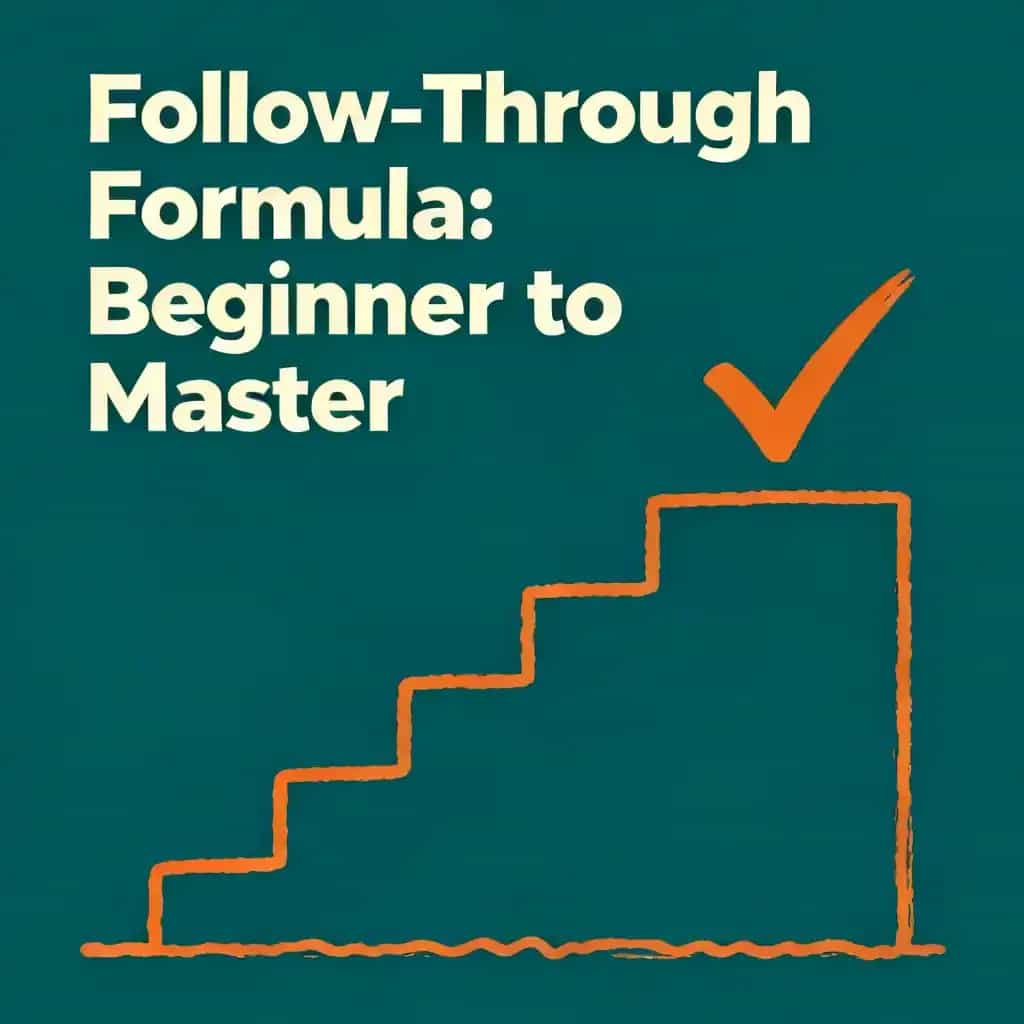
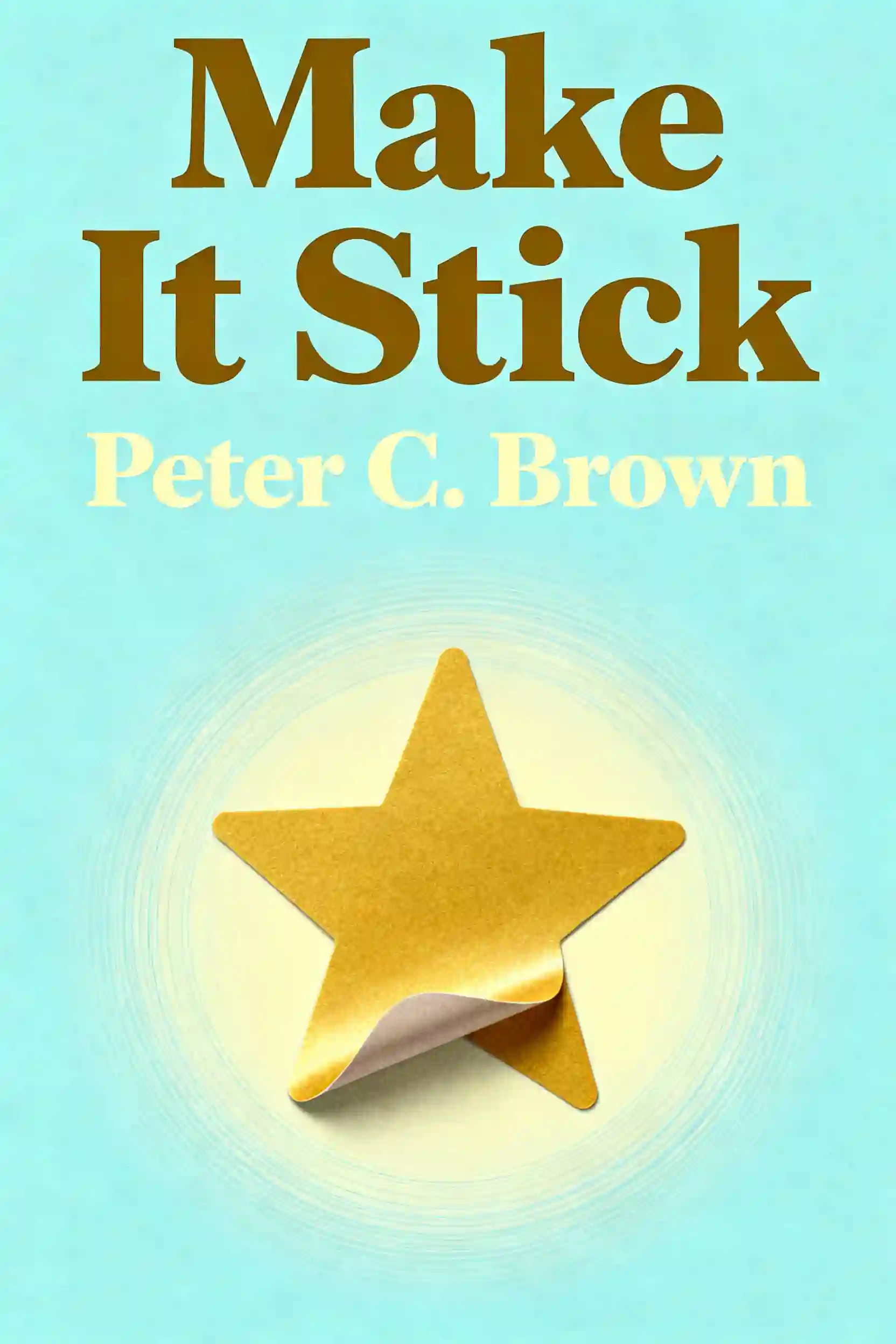
Spaced learning involves spreading out practice sessions over time rather than cramming, which works with the brain's natural rhythm. By waiting until you are on the verge of forgetting something before reviewing it, you trigger "effortful retrieval" and allow the brain time to consolidate the information between sessions. This process flattens the "forgetting curve," ensuring that the neural path stays packed down and permanent rather than springing back up like bent grass.
샌프란시스코에서 컬럼비아 대학교 동문들이 만들었습니다
"Instead of endless scrolling, I just hit play on BeFreed. It saves me so much time."


"I never knew where to start with nonfiction—BeFreed’s book lists turned into podcasts gave me a clear path."


"Perfect balance between learning and entertainment. Finished ‘Thinking, Fast and Slow’ on my commute this week."
"Crazy how much I learned while walking the dog. BeFreed = small habits → big gains."
"Reading used to feel like a chore. Now it’s just part of my lifestyle."

"Feels effortless compared to reading. I’ve finished 6 books this month already."
"BeFreed turned my guilty doomscrolling into something that feels productive and inspiring."

"BeFreed turned my commute into learning time. 20-min podcasts are perfect for finishing books I never had time for."
"BeFreed replaced my podcast queue. Imagine Spotify for books — that’s it. 🙌"

"It is great for me to learn something from the book without reading it."
"The themed book list podcasts help me connect ideas across authors—like a guided audio journey."
"Makes me feel smarter every time before going to work"
샌프란시스코에서 컬럼비아 대학교 동문들이 만들었습니다
"Instead of endless scrolling, I just hit play on BeFreed. It saves me so much time."
"I never knew where to start with nonfiction—BeFreed’s book lists turned into podcasts gave me a clear path."
"Perfect balance between learning and entertainment. Finished ‘Thinking, Fast and Slow’ on my commute this week."
"Crazy how much I learned while walking the dog. BeFreed = small habits → big gains."
"Reading used to feel like a chore. Now it’s just part of my lifestyle."
"Feels effortless compared to reading. I’ve finished 6 books this month already."
"BeFreed turned my guilty doomscrolling into something that feels productive and inspiring."
"BeFreed turned my commute into learning time. 20-min podcasts are perfect for finishing books I never had time for."
"BeFreed replaced my podcast queue. Imagine Spotify for books — that’s it. 🙌"
"It is great for me to learn something from the book without reading it."
"The themed book list podcasts help me connect ideas across authors—like a guided audio journey."
"Makes me feel smarter every time before going to work"
"Instead of endless scrolling, I just hit play on BeFreed. It saves me so much time."
"I never knew where to start with nonfiction—BeFreed’s book lists turned into podcasts gave me a clear path."
"Perfect balance between learning and entertainment. Finished ‘Thinking, Fast and Slow’ on my commute this week."
"Crazy how much I learned while walking the dog. BeFreed = small habits → big gains."
"Reading used to feel like a chore. Now it’s just part of my lifestyle."
"Feels effortless compared to reading. I’ve finished 6 books this month already."
"BeFreed turned my guilty doomscrolling into something that feels productive and inspiring."
"BeFreed turned my commute into learning time. 20-min podcasts are perfect for finishing books I never had time for."
"BeFreed replaced my podcast queue. Imagine Spotify for books — that’s it. 🙌"
"It is great for me to learn something from the book without reading it."
"The themed book list podcasts help me connect ideas across authors—like a guided audio journey."
"Makes me feel smarter every time before going to work"
"Instead of endless scrolling, I just hit play on BeFreed. It saves me so much time."
"I never knew where to start with nonfiction—BeFreed’s book lists turned into podcasts gave me a clear path."
"Perfect balance between learning and entertainment. Finished ‘Thinking, Fast and Slow’ on my commute this week."
"Crazy how much I learned while walking the dog. BeFreed = small habits → big gains."
"Reading used to feel like a chore. Now it’s just part of my lifestyle."
"Feels effortless compared to reading. I’ve finished 6 books this month already."
"BeFreed turned my guilty doomscrolling into something that feels productive and inspiring."
"BeFreed turned my commute into learning time. 20-min podcasts are perfect for finishing books I never had time for."
"BeFreed replaced my podcast queue. Imagine Spotify for books — that’s it. 🙌"
"It is great for me to learn something from the book without reading it."
"The themed book list podcasts help me connect ideas across authors—like a guided audio journey."
"Makes me feel smarter every time before going to work"