BeFreed
    Categories>Psychology>Parentification's Lasting Impact on Adult Lives

    Parentification's Lasting Impact on Adult Lives

    26분
    |
    |
    2025년 12월 7일
    • Psychology
    • Self-Growth
    • Relationships

    Explore how childhood parentification creates lasting patterns of people-pleasing, boundary struggles, and relationship challenges. Discover the hidden costs of growing up too fast and practical steps toward healing.

    Parentification's Lasting Impact on Adult Lives
    0:00 / 0:00
    전달 방식을 선택하세요

    하나의 에피소드, 다양한 청취 방식.

    Parentification's Lasting Impact on Adult Lives의 같은 아이디어를 나에게 맞는 목소리, 깊이, 속도로 만나보세요. 언제든 바꿀 수 있습니다.

    전체 대본 및 챕터

    챕터 1

    Opening & Welcome to Our Deep Dive

    Jackson: Hey everyone, welcome back to another personalized episode from BeFreed! I'm Jackson, and I'm here with my co-host Nia, and we are genuinely excited to explore something really important today.

    Nia: Absolutely, Jackson! And you know what? This topic hits close to home for so many people, even when they don't realize it at first. We're diving into the long-term effects of parentification-basically what happens when children are forced to grow up way too fast and take on adult responsibilities. It's one of those invisible childhood experiences that can shape your entire adult life.

    Jackson: That's exactly right. And what's fascinating is how this connects to so many other patterns we see in adulthood-relationship struggles, boundary issues, that constant feeling of being responsible for everyone else's emotions. Today we're going to unpack all of this together.

    챕터 2

    Topic Introduction & Source Material Setup

    Nia: So Jackson, when we talk about parentification, we're really talking about role reversal, right? It's when a child becomes the caregiver instead of being cared for.

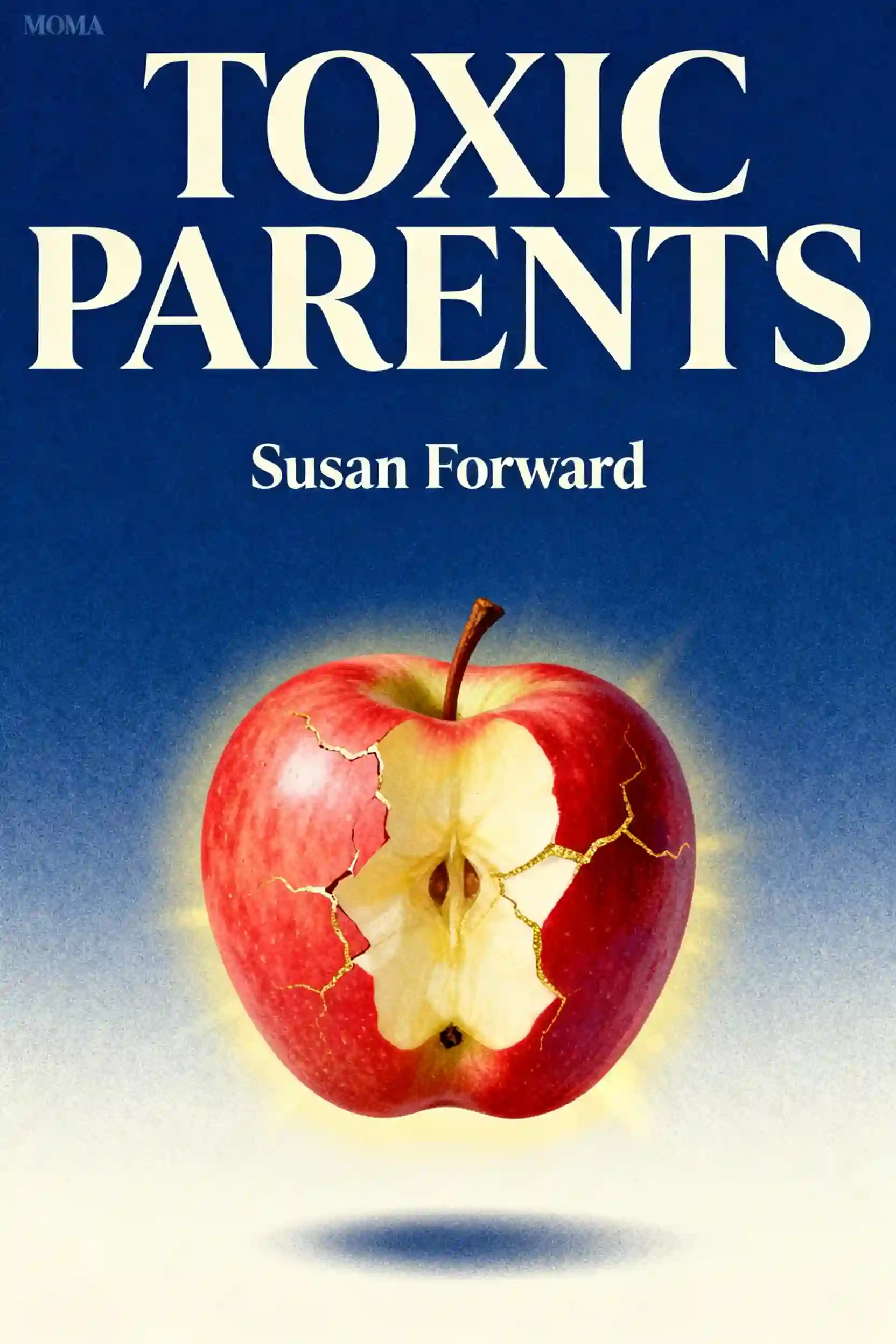
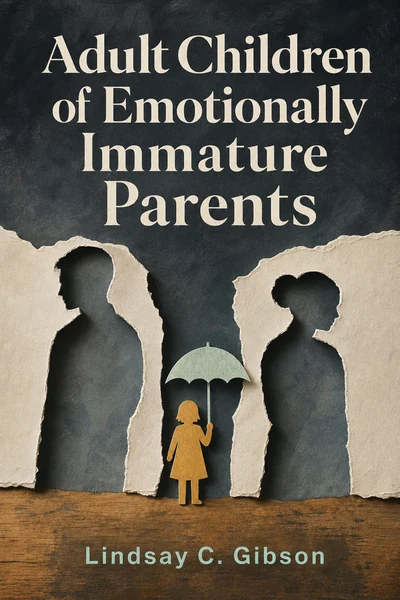
    Jackson: Exactly. And what I find so compelling about the research we've been diving into is how comprehensive it is. We've got insights from Psychology Today articles on parentification, Susan Forward's groundbreaking work "Toxic Parents," and Lindsay Gibson's incredible book "Adult Children of Emotionally Immature Parents." Plus there's this massive systematic review from the NIH that looked at studies from six different continents.

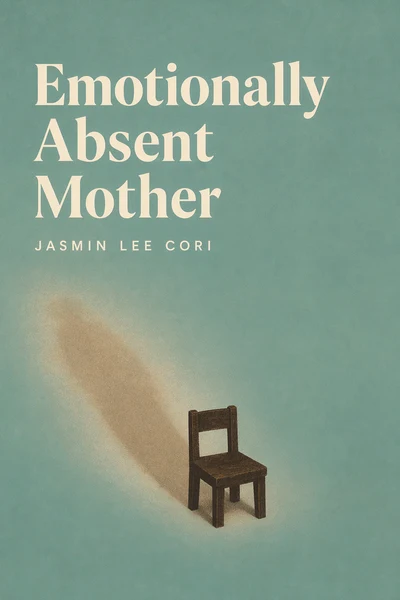
    Nia: Right! And then there's Jasmin Lee Cori's work on "The Emotionally Absent Mother"-which really rounds out our understanding of how these early experiences create lasting patterns. What strikes me is how all these sources point to the same thing: when children are forced into adult roles too early, it creates this ripple effect that can last for decades.

    Jackson: You know, Nia, I was reading about how parentification shows up in two main ways. There's instrumental parentification-where kids are doing things like cooking, cleaning, managing finances, or taking care of siblings. Then there's emotional parentification, where they become their parent's therapist, confidant, or emotional support system.

    Nia: Oh, that emotional piece is huge. Imagine being eight years old and having your mom dump all her relationship problems on you, or feeling responsible for keeping dad from getting angry. As one researcher put it, these children learn to "discount their own needs in pursuit of caring for their parent."

    Jackson: That's such a powerful way to put it. And what's really striking is how global this phenomenon is. The research shows parentification happening across cultures, from the United States to Poland to Zimbabwe to Israel. It's not limited to any particular socioeconomic group or family structure.

    Nia: Absolutely. And I think that's important for our listeners to understand-this isn't about "bad" parents necessarily. Sometimes parentification happens because of circumstances like parental illness, divorce, addiction, or even something as widespread as what we saw during COVID-19, where suddenly kids had to take on way more responsibility.

    이 에피소드로 더 깊이 배우기

    이 에피소드의 아이디어를 BeFreed의 가이드 학습 경험으로 더 깊이 탐구해 보세요.

    챕터 3

    The Hidden Costs of Growing Up Too Fast

    Jackson: So let's talk about what this actually looks like in adult life. Because I think a lot of people might recognize themselves in these patterns without ever connecting it back to their childhood experiences.

    Nia: Oh, absolutely. One of the most common things we see is this intense people-pleasing behavior. Adults who were parentified as children often become what researchers call "emotional tuning forks"-they're constantly scanning everyone around them, trying to manage other people's emotions and needs.

    Jackson: Right, and that makes so much sense when you think about it. If you spent your childhood being praised for being "mature" or "wise beyond your years" because you were taking care of everyone else, of course you'd carry that pattern into adulthood.

    Nia: Exactly! And here's what's really interesting-the research shows that emotional parentification tends to be more damaging long-term than instrumental parentification. Like, doing chores and helping around the house? That can actually build some positive skills. But when you're expected to manage your parent's emotional world as a child? That creates much deeper wounds.

    Jackson: That distinction is so important. Because emotional parentification puts children in situations they literally cannot handle developmentally. A ten-year-old doesn't have the cognitive or emotional capacity to be their parent's therapist, you know?

    Nia: And the crazy thing is, these kids often get praised for it! People say things like "Oh, she's so mature" or "He's an old soul." But what they're really witnessing is a child who's been forced to skip crucial developmental stages.

    Jackson: You know what really gets me? The research from "Adult Children of Emotionally Immature Parents" talks about how these children develop what's called a "role-self" instead of their authentic self. They become so focused on meeting other people's needs that they lose touch with their own wants, feelings, and even identity.

    Nia: Yes! And this creates what Gibson calls "emotional loneliness"-you can be surrounded by people but still feel profoundly alone because nobody's really seeing or responding to your authentic self. One person in her research described it as "floating in an ocean with no one around," even when living in a full household.

    Jackson: That's heartbreaking. And it makes sense why so many adults struggle with boundaries, right? If you never learned that your needs matter, how do you suddenly start saying no to people or asking for what you want?

    챕터 4

    The Anxiety Connection and Hypervigilance

    Nia: Jackson, one thing that really stands out in the research is how parentification creates this chronic state of hypervigilance and anxiety. Can you talk about that connection?

    Jackson: Absolutely. So think about it-these children are constantly managing situations that are way beyond their developmental capacity. They're trying to keep the family stable, manage a parent's emotions, or even handle financial responsibilities. That creates a chronic state of stress and worry.

    Nia: And what happens is they develop this sense that the world is dangerous and unpredictable, and that no one else can really be trusted to handle important things. As one Psychology Today article puts it, they typically develop "a sense of fear, isolation, and helplessness."

    Jackson: Right, and that hypervigilance doesn't just disappear when they become adults. The research shows these individuals often struggle with generalized anxiety, social anxiety, and this constant feeling of being "on duty" even when they're supposed to be relaxing.

    Nia: Oh my gosh, yes. I was reading about this one study where they found that parentified adults often feel anxious when things are calm! Like, their nervous system is so used to crisis mode that peace actually feels threatening.

    Jackson: That's such a profound insight. And it connects to what Susan Forward writes about in "Toxic Parents"-how children in these situations learn that their survival depends on being hyperaware of their parent's moods and needs. They become like little emotional detectives, constantly scanning for signs of trouble.

    Nia: Exactly. And here's what's really sad-the research shows that these children often carry this deep belief that if they just try hard enough, they can fix their family or make their parent happy. But of course, that's an impossible task for a child.

    Jackson: Which sets them up for a lifetime of feeling like they're not doing enough, right? Even when they're incredibly accomplished adults, they often struggle with this sense of never being good enough because they couldn't solve their childhood family problems.

    Nia: And that perfectionism becomes another coping mechanism. If you can just be perfect enough, maybe you can finally earn the love and stability you needed as a child. But it's exhausting and ultimately impossible to maintain.

    이 에피소드로 더 깊이 배우기

    이 에피소드의 아이디어를 BeFreed의 가이드 학습 경험으로 더 깊이 탐구해 보세요.

    챕터 5

    Relationship Patterns and Intimacy Struggles

    Jackson: Nia, let's dive into how parentification affects adult relationships, because this is where so many people start to connect the dots about their own patterns.

    Nia: Oh, this is huge. So many adults who were parentified struggle with what researchers call "enmeshed relationships" or they go to the complete opposite extreme and become hyper-independent. Either way, genuine intimacy becomes really challenging.

    Jackson: Right, and it makes sense when you think about it. If your early experience of "love" was conditional on you taking care of someone else, you might unconsciously seek out partners who need fixing, or you might attract people who want to be taken care of.

    Nia: Exactly! The research from "Toxic Parents" talks about how these patterns often repeat themselves. Like, children of alcoholics often marry alcoholics, not because they consciously want that, but because the chaos and caretaking feel familiar-it feels like love because that's what they learned love looked like.

    Jackson: And on the flip side, you have people who become so self-reliant that they can't let anyone else help them or take care of them. The NIH research mentions this "hyper-independence" as a really common pattern.

    Nia: Yes! And here's what's really interesting-the research shows that parentified individuals often have trouble with something called "asking for help or being vulnerable." Because when you're the one everyone depends on, admitting you need support can feel terrifying.

    Jackson: That's so true. And I think about the relationship patterns described in Lindsay Gibson's work-how these adults often find themselves in relationships where they're doing all the emotional labor, just like they did as children.

    Nia: Right! They become what she calls "internalizers"-people who solve problems from within, take responsibility for everything, and try to make relationships work through their own effort. Meanwhile, they often end up with partners who are more like their emotionally immature parents.

    Jackson: And that creates this cycle where they're constantly trying to earn love through caretaking, but they never feel truly seen or valued for who they are. It's like they're stuck in that childhood role of being needed rather than loved.

    Nia: Exactly. And the really heartbreaking part is that many of these adults describe feeling guilty when they put their own needs first, even in small ways. The research talks about how they carry this deep shame, as if taking care of themselves is somehow selfish or wrong.

    챕터 6

    The Grief of Lost Childhood

    Jackson: You know, Nia, something that really struck me in the research is how many adults who were parentified carry this deep sense of grief about their lost childhood. Can we talk about that?

    Nia: Oh, absolutely. And it's such a complex grief because often these individuals were praised for their maturity and responsibility. So there's this confusion-like, "Was what happened to me actually harmful if everyone thought I was so capable and mature?"

    Jackson: Right, and that's where the research from the systematic review is so validating. It clearly shows that even when parentification leads to some positive outcomes-like resilience or leadership skills-it comes at a significant cost. As they put it, "any benefits came at a cost."

    Nia: Exactly. And I love how Jasmin Lee Cori talks about this in "The Emotionally Absent Mother." She describes how many people carry grief not just for what they experienced, but for what they never got to experience-like carefree play, being protected, or just getting to be a kid.

    Jackson: That's so profound. And what's really important is that this grief is legitimate, even if their parents were doing their best under difficult circumstances. The impact on the child is real regardless of the parent's intentions.

    Nia: Absolutely. And the research shows that this grief often doesn't surface until adulthood, sometimes not until these individuals have children of their own and suddenly realize what childhood is supposed to look like.

    Jackson: Yes! And there's often this moment of recognition-like, "Wait, I was responsible for way too much at way too young an age." One study participant described it as "permanently mourning the relationship with them that I never had."

    Nia: And that mourning process is actually crucial for healing. The research consistently shows that you have to acknowledge what was lost before you can start building healthier patterns. You can't heal what you don't acknowledge.

    Jackson: Which brings up something really important-this idea that healing doesn't require your parents to change or even acknowledge what happened. As Susan Forward emphasizes, you can recover and build a healthy life regardless of whether your parents ever understand or validate your experience.

    Nia: That's such an empowering realization. Because so many people get stuck waiting for their parents to apologize or change, but your healing can happen independently of that. You don't need anyone's permission to acknowledge your own experience and start taking care of yourself differently.

    이 에피소드로 더 깊이 배우기

    이 에피소드의 아이디어를 BeFreed의 가이드 학습 경험으로 더 깊이 탐구해 보세요.

    챕터 7

    The Positive Side: Resilience and Strengths

    Jackson: Now, Nia, while we're talking about all these challenges, I think it's really important to acknowledge that the research also shows some remarkable strengths that can come from these experiences. Can you talk about that?

    Nia: Oh, absolutely! And this is where the research gets really interesting. The systematic review found that many parentified individuals develop incredible empathy, leadership skills, and what they call "remarkable resilience." They often become highly capable, self-sufficient adults.

    Jackson: Right, and that makes sense. If you've been managing complex family situations since childhood, you probably have some pretty advanced problem-solving skills and emotional intelligence.

    Nia: Exactly! The research talks about how these individuals often become excellent in crisis situations because they're used to handling chaos. They're natural leaders, they're highly responsible, and they often have this deep capacity for understanding and helping others.

    Jackson: And interestingly, the studies show that many parentified adults become exceptional parents themselves. They're often more sensitive to their children's needs because they remember what it felt like to have their own needs overlooked.

    Nia: Yes! They're determined to provide what they missed. And that's actually one of the most hopeful findings in all this research-that these patterns don't have to continue. You can break the cycle.

    Jackson: That's so important. And the research from the qualitative studies shows that when parentified individuals receive acknowledgment and support, they often describe their experiences as leading to "personal growth" and "strengthened relationships," particularly with siblings who went through similar experiences.

    Nia: Right! And there's this concept in the research called "perceived benefits" that's really interesting. When people can reframe their experiences as having contributed to their strength and empathy, it actually becomes protective against negative mental health outcomes.

    Jackson: That's fascinating. So it's not about denying that harm was done, but about recognizing that you developed real strengths in response to those challenges.

    Nia: Exactly. And I think that's where the healing really happens-when you can hold both truths. Yes, you missed out on important aspects of childhood, and yes, you developed remarkable capabilities as a result. Both can be true simultaneously.

    챕터 8

    Breaking the Patterns: Recognition and Healing

    Jackson: So let's talk about healing, because I think this is what our listeners really want to know about. If someone recognizes themselves in these patterns, what does the research say about recovery?

    Nia: Well, the first step that comes up consistently across all the sources is recognition and validation. You have to be able to name what happened and acknowledge that it wasn't normal or healthy, even if it was normalized in your family.

    Jackson: Right, and that can be really challenging because, as we talked about, these individuals were often praised for their maturity and helpfulness. So there's this internal voice saying, "But I was just being responsible" or "My parents needed help."

    Nia: Exactly. And that's where the research from Psychology Today is so helpful. It emphasizes that parentification is distinct from age-appropriate chores or helping out. We're talking about children being expected to manage adult responsibilities and emotions that are beyond their developmental capacity.

    Jackson: And the healing process involves what Susan Forward calls "challenging conventional wisdom about forgiveness." The research shows that rushing to forgive or excuse your parents' behavior can actually prevent healing.

    Nia: Yes! Forward talks about how you need to work through the anger and grief first. You can't just skip to forgiveness without processing the real impact these experiences had on your life.

    Jackson: And interestingly, the research shows that therapy can be incredibly helpful, but it needs to be with someone who understands relational trauma. Regular therapy approaches might not address the specific patterns that come from parentification.

    Nia: Absolutely. And the systematic review found that group therapy or support groups can be particularly validating because you get to hear other people's stories and realize you're not alone in these experiences.

    Jackson: That makes so much sense. There's something powerful about hearing someone else describe patterns you thought were just your personal quirks and realizing they're actually common responses to parentification.

    이 에피소드로 더 깊이 배우기

    이 에피소드의 아이디어를 BeFreed의 가이드 학습 경험으로 더 깊이 탐구해 보세요.

    챕터 9

    Boundaries and Learning to Say No

    Nia: Jackson, one of the biggest challenges for adults who were parentified is learning to set boundaries. Can we dive into that?

    Jackson: Oh, absolutely. And this is where the research gets really practical. These individuals often struggle with what the studies call "difficulty saying no" and "feeling responsible for others' feelings."

    Nia: Right, and it makes perfect sense when you think about it. If you spent your childhood being praised for taking care of everyone else's needs, saying no can feel selfish or even dangerous.

    Jackson: And the research from "Adult Children of Emotionally Immature Parents" talks about how these adults often have to learn that they have a right to their own time, energy, and emotional space. It sounds basic, but it's revolutionary for someone who never learned that.

    Nia: Exactly! And Lindsay Gibson suggests starting with small boundaries in low-stakes situations. Like, maybe you don't immediately respond to every text, or you say no to one small request per day.

    Jackson: That's such practical advice. And the research shows that boundary-setting often triggers guilt at first because it goes against everything these individuals learned about their role in relationships.

    Nia: Yes, but here's what's interesting-the studies found that true friends and loving partners actually respect boundaries. If someone gets angry when you set a reasonable boundary, that tells you something important about the relationship.

    Jackson: That's such a good point. And Susan Forward talks about how you can use simple, non-defensive responses like "That's interesting" or "I'm sorry you don't approve" to avoid getting pulled back into old patterns.

    Nia: I love that! It's like having a script when your nervous system wants to go into people-pleasing mode. And the research shows that with practice, setting boundaries becomes easier and feels more natural.

    Jackson: And what's really hopeful is that the studies show these individuals often discover that they have much more energy and emotional availability when they're not constantly managing everyone else's feelings.

    Nia: Right! Because they can finally start putting some of that caretaking energy toward themselves, which is what should have been happening all along.

    챕터 10

    The Inner Child and Self-Compassion

    Jackson: Nia, something that comes up across multiple sources is this concept of healing the "inner child." Can you talk about what that actually means in practical terms?

    Nia: Oh, this is so important! Essentially, it's about recognizing that there's a part of you that's still that child who had to grow up too fast, and that part needs acknowledgment and care.

    Jackson: Right, and it's not about regressing or being childish. It's about giving yourself permission to have needs, to play, to not always be the responsible one.

    Nia: Exactly! The research talks about how many parentified adults have to literally learn how to relax and have fun. Like, they feel guilty when they're not being productive or helping someone.

    Jackson: And Jasmin Lee Cori talks about this beautifully in her work on emotional absence. She describes how healing involves learning to be your own "Good Mother"-giving yourself the nurturing and validation you didn't receive as a child.

    Nia: Yes! And that includes things like speaking to yourself with kindness, acknowledging your feelings as valid, and taking care of your basic needs without guilt.

    Jackson: The research shows that self-compassion is actually one of the most powerful healing tools. Instead of that harsh inner critic that says "You should be able to handle this" or "Stop being so sensitive," you learn to respond to yourself the way you'd respond to a good friend.

    Nia: And here's what's really beautiful-the studies show that as these individuals learn to nurture themselves, they often become even better at caring for others, but from a place of choice rather than compulsion.

    Jackson: That's such an important distinction. Caring for others because you want to versus caring for others because you feel like you have to-those create completely different experiences for everyone involved.

    Nia: Exactly. And the research consistently shows that when you take care of your own needs first, you actually have more genuine care and energy to offer others. It's like the airplane oxygen mask principle.

    Jackson: And what's really hopeful is that the brain research shows we can literally rewire these patterns. It takes time and practice, but these deep-seated beliefs about our worth and role in relationships can actually change.

    이 에피소드로 더 깊이 배우기

    이 에피소드의 아이디어를 BeFreed의 가이드 학습 경험으로 더 깊이 탐구해 보세요.

    챕터 11

    Practical Applications & Listener Takeaways

    Jackson: So as we start to wrap up our conversation, Nia, let's talk about some concrete steps our listeners can take if they're recognizing themselves in these patterns.

    Nia: Absolutely! And the first thing I want to say to everyone listening is that if this conversation is resonating with you, your feelings are valid. You don't need anyone else's permission to acknowledge your own experience.

    Jackson: That's so important. And the research suggests starting with what they call "self-validation." You might try journaling about your childhood experiences or just noticing when you fall into those old caretaking patterns.

    Nia: Yes! And be gentle with yourself in this process. The studies show that these patterns developed as survival mechanisms-they helped you navigate a difficult situation as a child. There's nothing wrong with you for having developed them.

    Jackson: Right, and one practical step that comes up across multiple sources is learning to check in with yourself throughout the day. Like, "What am I feeling right now? What do I need?" Because many parentified adults are so externally focused that they've lost touch with their own internal experience.

    Nia: Oh, that's huge! And start small. Maybe it's just asking yourself "Am I hungry? Am I tired? Do I need a break?" before jumping in to help someone else.

    Jackson: And the research really emphasizes the importance of finding support, whether that's through therapy, support groups, or trusted friends who can help you practice these new patterns.

    Nia: Exactly. And for everyone listening who might be thinking "But I don't want to burden anyone with my problems"-that's actually a parentification response right there! Healthy relationships involve mutual support and care.

    Jackson: That's such a good catch, Nia. And the studies show that learning to receive care and support is often just as challenging as learning to set boundaries, but it's equally important for healing.

    Nia: And here's something really practical-the research suggests practicing saying things like "I need to think about that" when someone asks you to take on a responsibility. You don't have to say yes immediately just because someone needs something.

    Jackson: And remember, taking care of yourself isn't selfish-it's necessary. The research consistently shows that when parentified adults start prioritizing their own well-being, their relationships actually improve because they're showing up as their authentic selves rather than their role-selves.

    Nia: And if you're a parent listening to this, the research offers hope that you can break these cycles. Being aware of these patterns is the first step toward ensuring your children get to be children.

    챕터 12

    Wrap-up & Closing Reflection

    Jackson: So as we bring this conversation to a close, Nia, what do you want our listeners to take away from everything we've discussed today?

    Nia: You know, Jackson, I think the most important message is that your experience matters, and your healing is possible. If you grew up having to be the adult in your family, that wasn't your fault, and it wasn't fair, even if everyone around you praised you for being so mature and capable.

    Jackson: Absolutely. And what gives me so much hope is how the research shows that these individuals often become incredibly compassionate, capable adults. Yes, there are challenges to work through, but there are also real strengths that came from your experiences.

    Nia: Exactly! And I love how the research emphasizes that you don't have to wait for anyone else to change or acknowledge what happened. Your healing can begin right now, with small steps toward treating yourself with the kindness and care you deserved all along.

    Jackson: And remember, this isn't about blaming your parents or dwelling on the past. It's about understanding how your early experiences shaped you so you can make conscious choices about how you want to live and love as an adult.

    Nia: Yes! And for everyone listening who might be feeling overwhelmed by all of this, remember that healing happens gradually. You don't have to change everything at once. Even just recognizing these patterns is a huge first step.

    Jackson: And the research consistently shows that with support, awareness, and self-compassion, people can transform these early wounds into sources of wisdom and strength. You can learn to be both caring toward others and caring toward yourself.

    Nia: And here's what I find most beautiful about all this research-it shows that the same sensitivity and empathy that made you so attuned to others' needs as a child can become your greatest gift as an adult, once you learn to include yourself in that circle of care.

    Jackson: That's such a powerful way to think about it. You're not losing your caring nature by setting boundaries or taking care of yourself-you're actually honoring it by making sure everyone, including you, gets the care they deserve.

    Nia: Exactly. And on that note, I want to encourage everyone listening to be patient and compassionate with themselves as they explore these ideas. Healing from parentification is possible, and you deserve to experience relationships where you're valued for who you are, not just what you can do for others.

    Jackson: Beautifully said, Nia. And remember, if this conversation has brought up difficult feelings, that's actually a sign that your emotional system is working properly. Consider reaching out for support from a therapist who understands these dynamics.

    Nia: And keep those questions coming, everyone! We love hearing from you and exploring these important topics together. Until next time, stay curious, be gentle with yourselves, and remember that your healing journey is valid and valuable.

    Jackson: Thanks for joining us today, everyone. Take care of yourselves, and we'll see you next time on BeFreed!

    ★★★★★

    Parentification's Lasting Impact on Adult Lives의 끝까지 도달했어요

    “23일째 매일 사용하고 있어요. 이제 제 일상의 한 부분이 되었습니다.”

    jayallen

    Parentification's Lasting Impact on Adult Lives 베스트 인용

    “

    When children are forced into adult roles too early, it creates a ripple effect that can last for decades. They often develop a 'role-self' instead of their authentic self, becoming so focused on meeting other people's needs that they lose touch with their own identity.

    ”
    Y

    Generated by yazmyon

    질문 입력

    What effects can parentification have on children later in life

    호스트 음성
    Jacksonplay
    Niaplay
    지식 출처
    The Parentified Child in Adulthood | Psychology Today
    link
    https://www.psychologytoday.com/us/blog/of-prisons-and-pathos/202107/the-parentified-child-in-adulthood
    Toxic Parents
    Parentification Effects: How Growing Up Too Fast Impacts Adulthood
    link
    https://www.simplypsychology.org/parentification-effects.html
    Adult Children of Emotionally Immature Parents
    Parentification Vulnerability, Reactivity, Resilience, and Thriving - NIH
    link
    https://pmc.ncbi.nlm.nih.gov/articles/PMC10341267/
    Emotionally Absent Mother

    컬럼비아 대학교 동문들이 제작 | 샌프란시스코에서 개발

    BeFreed는 호기심 넘치는 글로벌 커뮤니티를 하나로 연결합니다

    4.7

    평균 평점

    앱 평가 7.84천 개 이상

    BeFreed 커뮤니티

    정말이지 아직 앱을 다 써 보지도 않았는데, 며칠 써 본 것만으로도 깊은 인상을 받았어요… BeFreed는 제가 써 본 어떤 학습 앱과도 차원이 달라요. 몰입감이 엄청나고 집중력도 실제로 좋아져서, 스마트폰을 하염없이 스크롤하는 분들께 딱이에요!

    @ladyInfinity

    정확히 23일 전에 BeFreed를 구입했는데, 그날부터 하루도 빠짐없이 쓰고 있어요. 제 일상 업무 흐름과 학습 습관에 완전히 자리 잡았어요.

    @jayallen

    솔직히 이 앱은 제 기대를 전부 뛰어넘었어요. 어떤 주제든 오디오로 만들어 달라고 할 수 있고, 결과물이 놀라워요. 제 전문 분야는 심리치료 쪽이고 여러 학문이 얽혀 있는데도 답변이 아주 정확해요.

    @Raguipa

    제일 고마운 건 스크롤하는 시간이 확 줄었다는 거예요. 검색하는 시간은 줄고 흡수하는 시간은 늘었어요. 오디오북 전권, 팟캐스트, 학습 플랜의 조합이 정말 훌륭해요.

    @colonyofcreatorsNGO

    저는 24년째 PhotoReading 속진 학습 강사로 일하고 있어요… 책과 독서, 배움이 제 전문인데, BeFreed는 정보를 소화하기 쉽게 전달하는 혁신적인 방식을 정말 잘 구현했어요.

    @BeFreed user

    단순한 책 요약 앱이 아니에요. '재미' 스타일을 써 봤는데, 전통적인 방식보다 훨씬 나은 요약이고 아이디어를 이해하기도 쉬워요. 이것만으로도 값어치를 해요.

    @austinakon

    이 앱이 정말 좋아요. 며칠 써 봤는데 듣는 걸 멈출 수가 없어요. 시작하기에 이보다 좋을 수 없어요.

    @jcrules328

    정말 마음에 들어요. 한 달 정도 써 봤는데 숨은 보석을 찾은 기분이에요. BeFreed로 제가 원하는 주제를 직접 만들 수 있어서 좋고, 목소리도 훌륭한 데다 내레이션 선택지가 무궁무진해요.

    @DanielCZ

    정말이지 아직 앱을 다 써 보지도 않았는데, 며칠 써 본 것만으로도 깊은 인상을 받았어요… BeFreed는 제가 써 본 어떤 학습 앱과도 차원이 달라요. 몰입감이 엄청나고 집중력도 실제로 좋아져서, 스마트폰을 하염없이 스크롤하는 분들께 딱이에요!

    @ladyInfinity

    정확히 23일 전에 BeFreed를 구입했는데, 그날부터 하루도 빠짐없이 쓰고 있어요. 제 일상 업무 흐름과 학습 습관에 완전히 자리 잡았어요.

    @jayallen

    솔직히 이 앱은 제 기대를 전부 뛰어넘었어요. 어떤 주제든 오디오로 만들어 달라고 할 수 있고, 결과물이 놀라워요. 제 전문 분야는 심리치료 쪽이고 여러 학문이 얽혀 있는데도 답변이 아주 정확해요.

    @Raguipa

    제일 고마운 건 스크롤하는 시간이 확 줄었다는 거예요. 검색하는 시간은 줄고 흡수하는 시간은 늘었어요. 오디오북 전권, 팟캐스트, 학습 플랜의 조합이 정말 훌륭해요.

    @colonyofcreatorsNGO

    저는 24년째 PhotoReading 속진 학습 강사로 일하고 있어요… 책과 독서, 배움이 제 전문인데, BeFreed는 정보를 소화하기 쉽게 전달하는 혁신적인 방식을 정말 잘 구현했어요.

    @BeFreed user

    단순한 책 요약 앱이 아니에요. '재미' 스타일을 써 봤는데, 전통적인 방식보다 훨씬 나은 요약이고 아이디어를 이해하기도 쉬워요. 이것만으로도 값어치를 해요.

    @austinakon

    이 앱이 정말 좋아요. 며칠 써 봤는데 듣는 걸 멈출 수가 없어요. 시작하기에 이보다 좋을 수 없어요.

    @jcrules328

    정말 마음에 들어요. 한 달 정도 써 봤는데 숨은 보석을 찾은 기분이에요. BeFreed로 제가 원하는 주제를 직접 만들 수 있어서 좋고, 목소리도 훌륭한 데다 내레이션 선택지가 무궁무진해요.

    @DanielCZ

    유용한 정보와 아이디어를 8~15분짜리 팟캐스트 스타일 오디오로 압축해서 들을 수 있다는 게 정말 좋아요. 원래 팟캐스트는 군더더기가 많아서 안 좋아했는데, 여기는 그걸 싹 걷어냈어요.

    @BeFreed user

    박사 과정을 마무리하는 중이라 낯선 자료를 많이 읽어야 해요… BeFreed에서는 프롬프트만 입력하면 앱이 자료를 찾아서 오디오 팟캐스트로 만들어 줘요. BeFreed의 과정이 NotebookLM보다 더 매끄럽게 느껴져요.

    @Brad

    아침을 준비하거나 산책하거나 출퇴근할 때 들을 것을 YouTube에서 자주 찾곤 했는데, BeFreed는 광고도 군더더기도 없이 훨씬 더 딱 맞는 걸 들려줘요!

    @BeFreed user

    이 플랫폼의 가장 큰 장점은 활용도예요. 다루지 못하는 주제가 말 그대로 하나도 없어요. 무엇을 던져도 다 소화해요… 제한이 전혀 없으면서 약속을 실제로 지키는 학습 도구는 정말 드물어요.

    @jayallen

    BeFreed는 환상적이에요. 디자인이 편해서 헤매는 시간은 줄고 배우는 시간은 늘었어요. 오디오북, 팟캐스트, 학습 플랜의 조합은 천재적이에요. 제 하루가 완전히 달라졌어요.

    @BeFreed user

    처음엔 이탈리아어로 팟캐스트를 만드는 방법을 이해하는 데 시간이 좀 걸렸는데, 알고 나니까 — 와! 정말 대단해요! 어떤 주제든 설명해 달라고 하면 정말 똑똑하게 잘 설명해 줘요!

    @matteo77

    BeFreed는 제가 매일 쓰는 오디오북 앱이 됐어요… 제일 마음에 드는 건 텍스트를 넣으면 이동 중에도 들을 수 있는 오디오로 만들어 준다는 점이에요.

    @kotanzu1

    유용한 정보와 아이디어를 8~15분짜리 팟캐스트 스타일 오디오로 압축해서 들을 수 있다는 게 정말 좋아요. 원래 팟캐스트는 군더더기가 많아서 안 좋아했는데, 여기는 그걸 싹 걷어냈어요.

    @BeFreed user

    박사 과정을 마무리하는 중이라 낯선 자료를 많이 읽어야 해요… BeFreed에서는 프롬프트만 입력하면 앱이 자료를 찾아서 오디오 팟캐스트로 만들어 줘요. BeFreed의 과정이 NotebookLM보다 더 매끄럽게 느껴져요.

    @Brad

    아침을 준비하거나 산책하거나 출퇴근할 때 들을 것을 YouTube에서 자주 찾곤 했는데, BeFreed는 광고도 군더더기도 없이 훨씬 더 딱 맞는 걸 들려줘요!

    @BeFreed user

    이 플랫폼의 가장 큰 장점은 활용도예요. 다루지 못하는 주제가 말 그대로 하나도 없어요. 무엇을 던져도 다 소화해요… 제한이 전혀 없으면서 약속을 실제로 지키는 학습 도구는 정말 드물어요.

    @jayallen

    BeFreed는 환상적이에요. 디자인이 편해서 헤매는 시간은 줄고 배우는 시간은 늘었어요. 오디오북, 팟캐스트, 학습 플랜의 조합은 천재적이에요. 제 하루가 완전히 달라졌어요.

    @BeFreed user

    처음엔 이탈리아어로 팟캐스트를 만드는 방법을 이해하는 데 시간이 좀 걸렸는데, 알고 나니까 — 와! 정말 대단해요! 어떤 주제든 설명해 달라고 하면 정말 똑똑하게 잘 설명해 줘요!

    @matteo77

    BeFreed는 제가 매일 쓰는 오디오북 앱이 됐어요… 제일 마음에 드는 건 텍스트를 넣으면 이동 중에도 들을 수 있는 오디오로 만들어 준다는 점이에요.

    @kotanzu1

    웹에서 BeFreed가 어떻게 논의되고 있는지 더 보기
    129.7K19.5K
    55.2K19.2K
    154.2K10827355
    48.1K2.5K
    81.2K6.6K
    82.3K1.8K
    지금 바로 학습 여정을 시작하세요
    BeFreed 앱
    BeFreed

    무엇이든 개인화된 학습

    DiscordLinkedIn
    추천 도서 요약
    Crucial ConversationsThe Perfect MarriageInto the WildNever Split the DifferenceAttachedGood to GreatSay Nothing
    인기 카테고리
    Self HelpCommunication SkillRelationshipMindfulnessPhilosophyInspirationProductivity
    유명인 추천 도서
    Elon MuskCharlie KirkBill GatesSteve JobsAndrew HubermanJoe RoganJordan Peterson
    수상작 컬렉션
    Pulitzer PrizeNational Book AwardGoodreads Choice AwardsNobel Prize in LiteratureNew York TimesCaldecott MedalNebula Award
    추천 주제
    ManagementAmerican HistoryWarTradingStoicismAnxietySex
    연도별 베스트 도서
    2025 Best Non Fiction Books2024 Best Non Fiction Books2023 Best Non Fiction Books
    추천 저자
    Chimamanda Ngozi AdichieGeorge OrwellO. J. SimpsonBarbara O'NeillWinston ChurchillCharlie Kirk
    BeFreed vs 다른 앱
    BeFreed vs. Other Book Summary AppsBeFreed vs. ElevenReaderBeFreed vs. ReadwiseBeFreed vs. Anki
    학습 도구
    Knowledge VisualizerAI Podcast Generator
    정보
    회사 소개arrow
    가격arrow
    FAQarrow
    블로그arrow
    채용arrow
    파트너십arrow
    앰배서더 프로그램arrow
    디렉토리arrow
    BeFreed
    Try now
    © 2026 BeFreed
    이용 약관개인정보 처리방침
    BeFreed

    무엇이든 개인화된 학습

    DiscordLinkedIn
    추천 도서 요약
    Crucial ConversationsThe Perfect MarriageInto the WildNever Split the DifferenceAttachedGood to GreatSay Nothing
    인기 카테고리
    Self HelpCommunication SkillRelationshipMindfulnessPhilosophyInspirationProductivity
    유명인 추천 도서
    Elon MuskCharlie KirkBill GatesSteve JobsAndrew HubermanJoe RoganJordan Peterson
    수상작 컬렉션
    Pulitzer PrizeNational Book AwardGoodreads Choice AwardsNobel Prize in LiteratureNew York TimesCaldecott MedalNebula Award
    추천 주제
    ManagementAmerican HistoryWarTradingStoicismAnxietySex
    연도별 베스트 도서
    2025 Best Non Fiction Books2024 Best Non Fiction Books2023 Best Non Fiction Books
    학습 도구
    Knowledge VisualizerAI Podcast Generator
    추천 저자
    Chimamanda Ngozi AdichieGeorge OrwellO. J. SimpsonBarbara O'NeillWinston ChurchillCharlie Kirk
    BeFreed vs 다른 앱
    BeFreed vs. Other Book Summary AppsBeFreed vs. ElevenReaderBeFreed vs. ReadwiseBeFreed vs. Anki
    정보
    회사 소개arrow
    가격arrow
    FAQarrow
    블로그arrow
    채용arrow
    파트너십arrow
    앰배서더 프로그램arrow
    디렉토리arrow
    BeFreed
    Try now
    © 2026 BeFreed
    이용 약관개인정보 처리방침

    비슷한 콘텐츠

    Adult Children of Emotionally Immature Parents 책 표지
    source 1source 2source 3source 4
    6 sources
    Adult Children of Emotionally Immature Parents
    Blythe and Nia explore how emotionally absent parents create lasting wounds, examining four types of immature parenting and the healing journey from people-pleasing to authentic self-discovery.
    11 min
    Childhood Wounds, Adult Struggles 책 표지
    Toxic ParentsComplex PTSDThe Boy Who Was Raised as a DogAdult Children of Emotionally Immature Parents
    14 sources
    Childhood Wounds, Adult Struggles
    Exploring how early trauma—from parental conflict to physical abuse—shapes adult psychology, including addiction and identity formation, while offering pathways toward healing and breaking inherited cycles of pain.
    12 min
    Adult Children of Emotionally Immature Parents 책 표지
    Adult Children of Emotionally Immature ParentsToxic ParentsThe Emotionally Absent MotherThe Book You Wish Your Parents Had Read (and Your Children Will Be Glad That You Did)
    23 sources
    Adult Children of Emotionally Immature Parents
    Explore Lindsay Gibson's groundbreaking insights on healing from childhood emotional neglect and breaking cycles of immaturity that left you feeling empty despite an outwardly 'normal' upbringing.
    31 min
    Trauma, Parenting, and the Burden of the Past 책 표지
    Writing a New Story: Thriving as a Parent After Surviving Abuse — Mental Health Therapy For Women Covered by InsuranceA framework of healing from coercive control and abuse | When Love HurtsWhy Healing From a Narcissistic or Abusive Partner Takes So Long - Wellbeing MagazineLeaving an Abusive Relationship When You Have Children - Partnership Against Domestic Violence
    5 sources
    Trauma, Parenting, and the Burden of the Past
    Healing from abuse is harder when children remind you of the past. Learn why your body stays in survival mode and how to reclaim your life.
    21 min
    Emotionally Immature Parents: The Path to Healing 책 표지
    Adult Children of Emotionally Immature ParentsAdult Children of Emotionally Immature Parents: a cult self-help book encourages detachment – but is that what we need?Adult Children of Emotionally Immature Parents: What Gibson's Book Gets Right (And What Comes Next) — Annie Wright, LMFTMy 6 Takeaways from ‘Adult Children of Emotionally Immature Parents’ as a Therapist
    7 sources
    Emotionally Immature Parents: The Path to Healing
    Do you feel unseen by the people who raised you? Learn to identify emotional immaturity in parents and reclaim your autonomy from a cycle of neglect.
    24 min
    Unresolved: How Childhood Stages Shape Adult Patterns 책 표지
    Erikson's Stages of Psychosocial Development: A Comprehensive Overview * Psychology TownUnderstanding Erikson's Psychosocial Development Stages * Psychology TownErikson's Stages of Psychosocial Development: A Lifespan Perspective for Therapistssource 4
    6 sources
    Unresolved: How Childhood Stages Shape Adult Patterns
    Explore how Erik Erikson's developmental stages create lasting thought patterns and behaviors when unresolved. Discover the hidden connections between early experiences and adult struggles with trust, identity, and relationships.
    7 min
    Surviving Toxic Parents: Emotional Boundaries Guide 책 표지
    source 1source 2source 3source 4
    6 sources
    Surviving Toxic Parents: Emotional Boundaries Guide
    Essential strategies to maintain your adult self and avoid childhood patterns when staying with a critical, volatile parent. Learn practical tools for emotional protection and boundary-setting.
    23 min
    The Paradox of Modern Parenting 책 표지
    Dalai Lama, on parenting, “Give the ones you love wings to fly, roots to come back and reasons to stay”Embrace the Let Them Theory for Better ParentingParenting Is a Progressive Letting Go - Rooted MinistryLet Her Fly by Malala Yousafzai & Louise Carpenter & Ziauddin Yousafzai | Hachette Book Group
    6 sources
    The Paradox of Modern Parenting
    We are more involved than ever, yet childhood anxiety is rising. Learn why letting go is a biological necessity for building resilient, capable kids.
    14 min

    Recommended Learning Plans

    Children of alcoholic parents
    학습 계획

    Children of alcoholic parents

    Growing up with an alcoholic parent creates lasting impacts on emotional development, self-worth, and relationship patterns that persist into adulthood. This learning plan is essential for adult children of alcoholics who struggle with codependency, relationship difficulties, shame, or repeating unhealthy family patterns. Understanding and healing these wounds is critical for breaking the cycle and building the fulfilling, authentic life you deserve.

    4 h 47 m•4 섹션
    Heal from emotionally unavailable parenting
    학습 계획

    Heal from emotionally unavailable parenting

    This plan is designed for adults who grew up with emotionally distant or immature caregivers and struggle with self-worth or relationship patterns. It provides a structured path to move from survival-based coping mechanisms to a life of secure attachment and authentic connection.

    4 h 3 m•4 섹션
    Set boundaries with critical parent at 19
    학습 계획

    Set boundaries with critical parent at 19

    This plan is designed for young adults navigating the transition to independence while dealing with emotionally immature parents. It provides the psychological tools and communication strategies needed to claim your autonomy and heal from critical household dynamics.

    5 h 23 m•4 섹션
    Parenting
    학습 계획

    Parenting

    Parenting is one of life's most important yet challenging roles, and most of us receive little formal preparation for it. This learning plan provides evidence-based strategies and practical tools to help parents at any stage—from those with young children to those preparing for the teen years—build stronger relationships, communicate more effectively, and raise confident, resilient children who thrive emotionally and socially.

    4 h 18 m•4 섹션
    Becoming a better parent
    학습 계획

    Becoming a better parent

    Parenting is one of life's most important roles, yet most of us receive no formal training for it. This learning plan provides evidence-based strategies grounded in child development research and psychology to help parents build stronger connections, handle challenges effectively, and raise emotionally healthy children. It's ideal for parents at any stage—from those with young children seeking a strong foundation to those navigating the turbulent teenage years.

    4 h 37 m•4 섹션
    Great parent
    학습 계획

    Great parent

    Parenting is one of life's most important roles, yet few of us receive formal training in child development, emotional intelligence, or effective communication strategies. This learning plan is essential for parents, caregivers, and guardians who want to move beyond reactive parenting to build secure, confident, and emotionally resilient children through science-backed approaches and mindful practices.

    4 h 23 m•4 섹션
    Build Resilience in People-Pleasing Kids
    학습 계획

    Build Resilience in People-Pleasing Kids

    This plan is essential for parents who notice their children prioritizing others' happiness at the expense of their own well-being. It provides a roadmap for transforming submissive behaviors into confident self-advocacy, making it ideal for families seeking to raise emotionally secure and resilient individuals.

    5 h 5 m•4 섹션
    Heal from mom's narcissism & adoption trauma
    학습 계획

    Heal from mom's narcissism & adoption trauma

    This learning plan addresses the profound and often invisible impact of being raised by a narcissistic mother combined with adoption trauma, which can create deep-rooted patterns of depression, anxiety, and Complex PTSD. Adult women who experienced these dual traumas often struggle with relationships, self-worth, and emotional regulation without understanding why. This program offers science-backed healing strategies specifically designed to help you understand your past, rewire your brain, and reclaim your authentic self.

    5 h 1 m•4 섹션