BeFreed
    Categories>Technology>National 5 Biology: Life's Complete Blueprint

    National 5 Biology: Life's Complete Blueprint

    23분
    |
    |
    2025년 11월 24일
    TechnologyEducationEntrepreneurship

    Explore Scotland's National 5 Biology course from cellular foundations to evolutionary connections. Nia and Blythe unpack DNA, ecosystems, transport systems, and how evolution weaves through every biological concept in this comprehensive educational journey.

    National 5 Biology: Life's Complete Blueprint
    전달 방식을 선택하세요

    하나의 에피소드, 다양한 청취 방식.

    National 5 Biology: Life's Complete Blueprint의 같은 아이디어를 나에게 맞는 목소리, 깊이, 속도로 만나보세요. 언제든 바꿀 수 있습니다.

    전체 대본 및 챕터

    챕터 1

    Opening & Welcome

    Nia: Hey everyone, welcome back to BeFreed! I'm Nia, and I'm absolutely thrilled to dive into today's topic with my co-host Blythe. We're exploring National 5 Biology, and honestly, I can't wait to unpack all the fascinating concepts that make up this course.

    Blythe: And I'm Blythe! You know what I love about National 5 Biology? It's like getting the ultimate backstage pass to life itself. We're talking about everything from the tiniest cells doing their microscopic dance to the grand story of evolution that connects every living thing on Earth. Trust me, this is going to be way more exciting than you might think!

    Nia: Exactly! And what's amazing is how this course takes you on this incredible journey-starting with the building blocks of life at the cellular level, then zooming out to see how multicellular organisms work, and finally exploring how all life on Earth is connected through ecosystems and evolution.

    챕터 2

    Topic Introduction & Source Material Setup

    Blythe: So let's set the stage here. The National 5 Biology course specification from SQA is basically our roadmap to understanding life sciences. It's structured around three main areas that build on each other beautifully-cell biology, multicellular organisms, and life on Earth.

    Nia: Right, and what I find fascinating is how comprehensive this course is. I was just reading through the course materials, and it covers everything from DNA and protein production to transport systems in plants and animals, all the way to evolution and food production. It's like getting a complete picture of how life works at every level.

    Blythe: And here's the thing-this isn't just about memorizing facts. The course emphasizes scientific inquiry and investigation. Students are expected to plan experiments, analyze data, and draw conclusions. It's hands-on science at its finest! Plus, there's this amazing assignment component where students get to choose their own research topic and conduct actual experimental work.

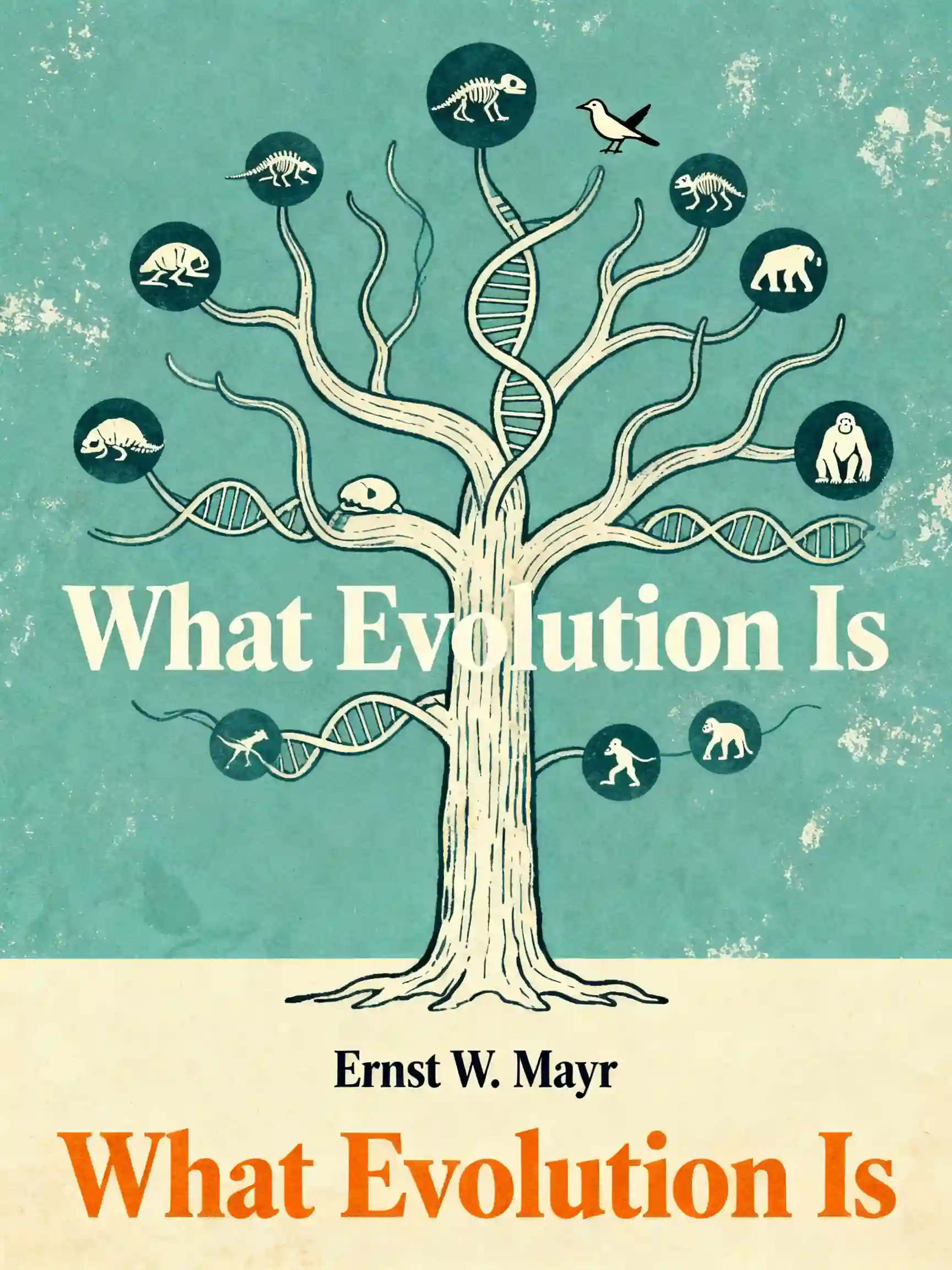
    Nia: That's what makes it so engaging! And when we look at resources like BBC Bitesize and the past papers, you can see how this knowledge gets tested and applied. But what really blew my mind was reading Ernst Mayr's "What Evolution Is"-it puts everything into this incredible evolutionary context that makes you realize how connected all these biological concepts really are.

    Blythe: Oh, absolutely! Mayr's work is like the ultimate "aha!" moment for understanding biology. He shows how evolution isn't just another topic-it's the thread that weaves through everything. When you understand evolution, suddenly cell structure, reproduction, variation, ecosystems-it all makes sense as part of this grand, interconnected story.

    이 에피소드로 더 깊이 배우기

    이 에피소드의 아이디어를 BeFreed의 가이드 학습 경험으로 더 깊이 탐구해 보세요.

    챕터 3

    The Cellular Foundation of Life

    Nia: Let's start at the beginning-cells. The National 5 course dives deep into cell biology, and honestly, it's mind-blowing when you really think about what's happening at this microscopic level.

    Blythe: Right? So we're talking about plant cells, animal cells, fungal cells, and bacterial cells-each with their own unique structures and functions. The course specification breaks this down beautifully, looking at organelles like mitochondria, chloroplasts, ribosomes, and how they all work together like a perfectly orchestrated cellular city.

    Nia: What I love is how the course connects structure to function. Like, why do plant cells have cell walls made of cellulose? Because they need that rigid structure for support. Why do red blood cells have that biconcave shape and no nucleus? Because it maximizes their surface area for oxygen transport and makes them more flexible for squeezing through tiny capillaries.

    Blythe: And then there's the whole transport across membranes thing-diffusion, osmosis, active transport. It's like the cell membrane is this incredibly sophisticated bouncer, deciding what gets in and what stays out. The course materials really emphasize how this selective permeability is crucial for maintaining cellular homeostasis.

    Nia: The practical work here is fantastic too. Students get to observe different cell types under microscopes, investigate osmosis using potato cells, and explore how factors like temperature affect cell membranes. It's one thing to read about cells, but actually seeing them and experimenting with them? That's when it really clicks.

    Blythe: And we can't forget about DNA and protein production! The course covers how DNA carries genetic information, how mRNA carries that information from the nucleus to ribosomes, and how proteins are assembled. It's like understanding the cellular instruction manual and how it gets translated into action.

    Nia: Exactly! And when you connect this to genetic engineering-which is also covered in the course-you start to see how scientists can actually manipulate these cellular processes. Using enzymes to cut and paste genes, inserting them into bacterial plasmids to create genetically modified organisms. It's cutting-edge science that's happening right now!

    챕터 4

    Proteins, Enzymes, and Cellular Energy

    Blythe: Speaking of proteins, let's talk about these molecular workhorses! The National 5 course really emphasizes how protein structure determines function, and honestly, it's one of those concepts that makes you appreciate the elegance of biological systems.

    Nia: Oh, I love this part! Proteins aren't just one thing-they're structural components, enzymes, hormones, antibodies, receptors. Each one has a specific shape that's perfectly suited to its job. It's like having a toolbox where every tool is precisely designed for a particular task.

    Blythe: And enzymes-these are the real stars of the show! They're biological catalysts that speed up reactions without being consumed in the process. The course covers how enzymes have active sites that are complementary to their substrates, like a lock and key mechanism. But here's where it gets interesting-they can be denatured by temperature and pH changes, which affects reaction rates.

    Nia: The practical investigations around enzymes are brilliant. Students can test how temperature affects enzyme activity, investigate enzyme specificity, and explore what happens when conditions aren't optimal. I was looking at some of the suggested activities, and they include everything from testing catalase activity to investigating the effect of pH on different enzymes.

    Blythe: And then we get to respiration-the process that powers all cellular activities. The course breaks this down into glucose breakdown, ATP production, and the differences between aerobic respiration and fermentation. It's fascinating how cells can adapt their energy production based on whether oxygen is available or not.

    Nia: What strikes me is how this connects to real-world applications. When you understand fermentation, you can appreciate how yeast produces alcohol and carbon dioxide, which is used in brewing and baking. When you understand aerobic respiration, you can see why we need oxygen and why exercise makes us breathe harder.

    Blythe: Absolutely! And the course includes practical work with respirometers to measure respiration rates in different organisms. Students can investigate how factors like temperature affect respiration, using everything from germinating peas to small invertebrates. It's hands-on science that makes these abstract concepts tangible.

    이 에피소드로 더 깊이 배우기

    이 에피소드의 아이디어를 BeFreed의 가이드 학습 경험으로 더 깊이 탐구해 보세요.

    챕터 5

    Multicellular Complexity and Organization

    Nia: Now let's zoom out from individual cells to multicellular organisms. This is where things get really fascinating because we're looking at how cells work together to create complex living systems.

    Blythe: The course starts with mitosis-how cells divide to create new cells for growth and repair. Students learn about chromatids, spindle fibers, and how the diploid chromosome complement is maintained. But what's really cool is the concept of stem cells and how they can differentiate into specialized cell types.

    Nia: Right! And this leads into the whole hierarchy of organization-cells to tissues to organs to systems. It's like biological architecture, where simple components combine to create increasingly complex structures. The course covers how this specialization allows multicellular organisms to be so much more than the sum of their parts.

    Blythe: The control and communication section is particularly fascinating. We're talking about nervous control with the central nervous system, different types of neurons, and how electrical impulses carry messages. Plus hormonal control, where chemical messengers coordinate activities throughout the body.

    Nia: The reflex arc is such a great example to study! It shows how the nervous system can produce rapid responses to protect the body. And the blood glucose regulation system demonstrates how hormones like insulin and glucagon work together to maintain homeostasis. It's like having multiple communication networks all working simultaneously.

    Blythe: And then reproduction-where we explore how organisms create new individuals. The course covers gametes, fertilization, and how the fusion of haploid cells creates diploid offspring. It's the foundation of genetic continuity and variation.

    Nia: The variation and inheritance section builds on this beautifully. Students learn about discrete versus continuous variation, genetic terminology, and how to work through monohybrid crosses using Punnett squares. It's like being a genetic detective, predicting how traits will be passed from parents to offspring.

    Blythe: What I love is how the course connects this to real examples. Family trees, inherited characteristics in different species, and why predicted ratios don't always match actual outcomes in small populations. It makes genetics feel relevant and applicable to understanding the world around us.

    챕터 6

    Transport Systems and Life Support

    Nia: Let's talk about transport systems, because this is where we really see how multicellular organisms solve the challenge of getting materials where they need to go and removing waste products.

    Blythe: The plant transport section is brilliant! Students learn about xylem and phloem, transpiration, and how water moves from roots to leaves. The course includes practical work with potometers to measure transpiration rates and investigate how factors like wind speed and humidity affect water loss.

    Nia: I love how the course explains the structure-function relationship here. Xylem vessels are dead, lignified tubes that can withstand the pressure changes as water moves through the plant. Phloem cells have sieve plates and companion cells for transporting sugars. Each structure is perfectly adapted for its specific transport role.

    Blythe: And the animal transport system is equally fascinating! The course covers blood composition, specialized blood cells, and how the heart pumps blood through different types of vessels. Students learn why arteries have thick walls and narrow channels, while veins have thinner walls and valves to prevent backflow.

    Nia: The heart structure is particularly engaging to study. Looking at diagrams showing the four chambers, valves, and associated blood vessels, understanding how oxygenated and deoxygenated blood follow different pathways. It's like understanding a biological pump that never stops working.

    Blythe: And then absorption of materials-this is where we see how organisms maximize their ability to exchange materials with the environment. The course emphasizes common features: large surface area, thin walls, and extensive blood supply.

    Nia: The alveoli in lungs are such a perfect example! Millions of tiny air sacs providing enormous surface area for gas exchange. And the villi in the small intestine, with their finger-like projections maximizing absorption of nutrients. Each villus has its own capillary network and lacteal for different types of absorption.

    Blythe: What's great about this section is how it connects to health and medicine. Understanding gas exchange helps explain respiratory diseases, understanding nutrient absorption helps explain digestive disorders. It's biology with direct relevance to human health and wellbeing.

    이 에피소드로 더 깊이 배우기

    이 에피소드의 아이디어를 BeFreed의 가이드 학습 경험으로 더 깊이 탐구해 보세요.

    챕터 7

    Ecosystems, Energy Flow, and Environmental Connections

    Nia: Now let's explore the bigger picture-how organisms interact with each other and their environment. The "Life on Earth" section of the National 5 course is where everything comes together in this beautiful, complex web of relationships.

    Blythe: Ecosystems are like nature's cities! The course defines all these ecological terms-species, biodiversity, populations, food chains, food webs. But what's really fascinating is the concept of ecological niches-the specific role each organism plays in its community.

    Nia: Right! And competition is such a key concept. Interspecific competition between different species for shared resources, and intraspecific competition within the same species for all resources. The course explains why intraspecific competition is actually more intense-it's like competing with someone who wants exactly the same things you do.

    Blythe: The practical work here is fantastic. Students use quadrats and pitfall traps to sample organisms, measure abiotic factors like light intensity and soil pH, and investigate how these factors affect distribution. It's real fieldwork that connects classroom learning to the natural world.

    Nia: And photosynthesis-this is where we see how energy enters ecosystems! The course breaks it down into light reactions and carbon fixation, showing how plants convert light energy into chemical energy. Students can investigate limiting factors and see how carbon dioxide concentration, light intensity, and temperature affect photosynthesis rates.

    Blythe: Energy flow through ecosystems is such an important concept. The course explains how energy is lost at each level of a food chain through heat, movement, and undigested materials. Only a tiny fraction is actually available for growth at the next level. It's why food chains rarely have more than four or five levels.

    Nia: The pyramids of numbers and energy are great visual tools for understanding this. Sometimes pyramids of numbers look irregular-like when you have one tree supporting many insects-but pyramids of energy always have that classic pyramid shape because they show the actual energy available at each level.

    Blythe: And then food production-this is where biology meets global challenges. The course explores how increasing human populations require increased food yields, leading to fertilizer and pesticide use. But it also covers the environmental consequences of these practices.

    챕터 8

    Evolution, Adaptation, and the Grand Story of Life

    Nia: This brings us to what I think is the most profound part of the course-evolution. And this is where Ernst Mayr's insights from "What Evolution Is" become so relevant to understanding National 5 Biology concepts.

    Blythe: Absolutely! Mayr revolutionized our understanding by showing that evolution isn't about fixed types but about variable populations. Every individual in a species is genetically unique, and this variation is the raw material for evolutionary change. It's such a fundamental shift in thinking!

    Nia: The National 5 course covers mutations as the source of new alleles, and how these can be neutral, advantageous, or disadvantageous. What's fascinating is that environmental factors like radiation can increase mutation rates, but mutations themselves are random-it's natural selection that's non-random.

    Blythe: And natural selection-this is evolution's engine! The course explains how species produce more offspring than the environment can sustain, creating selection pressures. The best-adapted individuals survive and reproduce, passing on favorable alleles that increase in frequency over time.

    Nia: Speciation is such a beautiful process to study. The course covers how populations become isolated by geographical, ecological, or behavioral barriers. Different mutations occur in each subpopulation, natural selection acts differently on each group, and eventually they become so genetically different they're separate species.

    Blythe: What I love is how this connects to Scottish examples! The course mentions species like the Arran Whitebeam and St Kilda Wren-organisms that evolved in isolation and became distinct species. It makes evolution feel local and relevant, not just something that happened millions of years ago.

    Nia: And when you think about it from Mayr's perspective, humans are part of this same evolutionary story. We're not separate from nature-we're one branch on the tree of life, connected to every other living thing through common ancestry. It's both humbling and amazing.

    Blythe: The course also covers rapid evolutionary changes happening right now-antibiotic resistance in bacteria, pesticide resistance in insects. These are examples of evolution we can observe directly, which makes the concept much more tangible for students.

    Nia: It's incredible how evolution provides the framework for understanding everything else in biology. Cell structure, reproduction, variation, ecosystems-they all make sense when you see them through an evolutionary lens. Every adaptation, every biological process, has been shaped by millions of years of natural selection.

    이 에피소드로 더 깊이 배우기

    이 에피소드의 아이디어를 BeFreed의 가이드 학습 경험으로 더 깊이 탐구해 보세요.

    챕터 9

    Practical Applications & Listener Takeaways

    Blythe: So what does all this mean for our listeners, especially those studying or thinking about studying National 5 Biology? First off, this course gives you a comprehensive foundation for understanding life sciences that's incredibly relevant to the modern world.

    Nia: Absolutely! The skills you develop-scientific inquiry, data analysis, experimental design-these are transferable to so many fields. Whether you're interested in medicine, environmental science, biotechnology, or just want to be a more scientifically literate citizen, this course provides essential knowledge.

    Blythe: And the practical work is invaluable. Using microscopes, measuring enzyme activity, investigating plant transport, sampling ecosystems-these hands-on experiences give you real scientific skills. Plus, the assignment component lets you choose your own research topic and conduct original investigations.

    Nia: The course also prepares you beautifully for further study. If you're thinking about Higher Biology, Advanced Higher, or university-level life sciences, National 5 provides the perfect foundation. The concepts build logically from cellular level through to ecosystem level understanding.

    Blythe: But even if you don't pursue biology further, this course changes how you see the world. You'll understand why we need to be concerned about antibiotic resistance, how genetic engineering works, why biodiversity matters, and how climate change affects ecosystems. It's science that matters for informed citizenship.

    Nia: The evolutionary perspective is particularly transformative. Once you understand that all life is connected through common ancestry, that humans are part of nature rather than separate from it, it changes your relationship with the natural world. You start to see the extraordinary in the ordinary-the remarkable journey from simple cells to the incredible diversity of life around us.

    Blythe: And for everyone listening who's currently studying this course-embrace the practical work! Don't just memorize facts; try to understand the underlying principles. Ask questions, make connections between different topics, and remember that biology is the science of life itself. You're studying the most fundamental processes that make existence possible.

    Nia: The assessment structure supports this approach too. The question paper tests both knowledge and scientific skills, while the assignment lets you develop research and investigation abilities. It's designed to create well-rounded scientific thinkers, not just fact-memorizers.

    챕터 10

    Wrap-up & Closing Reflection

    Blythe: As we bring this exploration to a close, I'm struck by how National 5 Biology isn't just a course-it's an invitation to understand the incredible complexity and beauty of life itself. From the molecular machinery inside our cells to the vast ecosystems that sustain our planet, every concept connects to create this amazing picture of how life works.

    Nia: You know what really gets me? It's how this course shows that science isn't just abstract knowledge-it's intimately connected to our daily lives and the challenges we face as a society. Understanding cell biology helps us appreciate medical advances, understanding ecosystems helps us tackle environmental problems, understanding evolution helps us address issues like antibiotic resistance.

    Blythe: And there's something profoundly humbling about studying biology through an evolutionary lens. Mayr's insights remind us that we're not the pinnacle of creation but one remarkable branch on the tree of life. We share common ancestry with every living thing, from the bacteria in our gut to the trees in our gardens to the birds in our skies.

    Nia: What's beautiful is how the course balances this big-picture perspective with detailed understanding of how life works at every level. You learn about the intricate molecular processes in cells, the sophisticated transport systems in multicellular organisms, and the complex interactions in ecosystems. Each level of organization reveals new wonders and new insights.

    Blythe: For our listeners studying this course, remember that you're not just learning facts-you're developing a scientific way of thinking that will serve you throughout your life. The ability to observe, hypothesize, experiment, and draw evidence-based conclusions is invaluable in our rapidly changing world.

    Nia: And for everyone else, I hope this conversation has sparked some curiosity about the living world around you. Biology isn't just something that happens in laboratories and classrooms-it's happening all around us, all the time. Every breath you take, every meal you digest, every step you walk involves countless biological processes that scientists are still working to understand.

    Blythe: The National 5 Biology course specification, with its emphasis on practical work and scientific inquiry, prepares students not just for exams but for lifelong learning and engagement with science. In a world facing challenges like climate change, emerging diseases, and food security, we need citizens who understand biological principles and can think scientifically about complex problems.

    Nia: And on that note, whether you're a student tackling this course, an educator teaching these concepts, or simply someone curious about how life works, remember that biology is fundamentally about wonder and discovery. Every organism, every ecosystem, every evolutionary adaptation tells a story of remarkable creativity and resilience.

    Blythe: So stay curious, keep those questions coming, and never stop marveling at the extraordinary complexity and beauty of life on Earth. After all, understanding biology means understanding ourselves and our place in the magnificent web of life that surrounds us.

    Nia: Thanks for joining us on this journey through National 5 Biology. Until next time, keep exploring, keep learning, and keep appreciating the incredible science of life itself!

    ★★★★★

    National 5 Biology: Life's Complete Blueprint의 끝까지 도달했어요

    “23일째 매일 사용하고 있어요. 이제 제 일상의 한 부분이 되었습니다.”

    jayallen

    National 5 Biology: Life's Complete Blueprint 베스트 인용

    “

    Evolution isn't just another topic—it's the thread that weaves through everything. When you understand evolution, suddenly cell structure, reproduction, variation, and ecosystems all make sense as part of this grand, interconnected story.

    ”
    J

    Generated by Jennifer Paice

    질문 입력

    Nat 5 Biology

    호스트 음성
    Niaplay
    Blytheplay
    지식 출처
    [PDF] National 5 Biology Course Specification - SQA
    link
    https://www.sqa.org.uk/files_ccc/n5-course-spec-biology.pdf
    National 5 Biology - Course overview and resources - SQA
    link
    https://www.sqa.org.uk/sqa/47427.html
    National 5 Biology - BBC Bitesize
    link
    https://www.bbc.co.uk/bitesize/subjects/zync87h
    Past papers and marking instructions - Results - SQA
    link
    https://www.sqa.org.uk/pastpapers/findpastpaper.htm?subject=Biology&level=N5
    SQA National 5 Biology Past Papers [PDFs & Mark Schemes]
    link
    https://www.savemyexams.com/national-5/biology/sqa/past-papers/
    What Evolution Is

    컬럼비아 대학교 동문들이 제작 | 샌프란시스코에서 개발

    BeFreed는 호기심 넘치는 글로벌 커뮤니티를 하나로 연결합니다

    4.7

    평균 평점

    앱 평가 7.84천 개 이상

    BeFreed 커뮤니티

    정말이지 아직 앱을 다 써 보지도 않았는데, 며칠 써 본 것만으로도 깊은 인상을 받았어요… BeFreed는 제가 써 본 어떤 학습 앱과도 차원이 달라요. 몰입감이 엄청나고 집중력도 실제로 좋아져서, 스마트폰을 하염없이 스크롤하는 분들께 딱이에요!

    @ladyInfinity

    정확히 23일 전에 BeFreed를 구입했는데, 그날부터 하루도 빠짐없이 쓰고 있어요. 제 일상 업무 흐름과 학습 습관에 완전히 자리 잡았어요.

    @jayallen

    솔직히 이 앱은 제 기대를 전부 뛰어넘었어요. 어떤 주제든 오디오로 만들어 달라고 할 수 있고, 결과물이 놀라워요. 제 전문 분야는 심리치료 쪽이고 여러 학문이 얽혀 있는데도 답변이 아주 정확해요.

    @Raguipa

    제일 고마운 건 스크롤하는 시간이 확 줄었다는 거예요. 검색하는 시간은 줄고 흡수하는 시간은 늘었어요. 오디오북 전권, 팟캐스트, 학습 플랜의 조합이 정말 훌륭해요.

    @colonyofcreatorsNGO

    저는 24년째 PhotoReading 속진 학습 강사로 일하고 있어요… 책과 독서, 배움이 제 전문인데, BeFreed는 정보를 소화하기 쉽게 전달하는 혁신적인 방식을 정말 잘 구현했어요.

    @BeFreed user

    단순한 책 요약 앱이 아니에요. '재미' 스타일을 써 봤는데, 전통적인 방식보다 훨씬 나은 요약이고 아이디어를 이해하기도 쉬워요. 이것만으로도 값어치를 해요.

    @austinakon

    이 앱이 정말 좋아요. 며칠 써 봤는데 듣는 걸 멈출 수가 없어요. 시작하기에 이보다 좋을 수 없어요.

    @jcrules328

    정말 마음에 들어요. 한 달 정도 써 봤는데 숨은 보석을 찾은 기분이에요. BeFreed로 제가 원하는 주제를 직접 만들 수 있어서 좋고, 목소리도 훌륭한 데다 내레이션 선택지가 무궁무진해요.

    @DanielCZ

    정말이지 아직 앱을 다 써 보지도 않았는데, 며칠 써 본 것만으로도 깊은 인상을 받았어요… BeFreed는 제가 써 본 어떤 학습 앱과도 차원이 달라요. 몰입감이 엄청나고 집중력도 실제로 좋아져서, 스마트폰을 하염없이 스크롤하는 분들께 딱이에요!

    @ladyInfinity

    정확히 23일 전에 BeFreed를 구입했는데, 그날부터 하루도 빠짐없이 쓰고 있어요. 제 일상 업무 흐름과 학습 습관에 완전히 자리 잡았어요.

    @jayallen

    솔직히 이 앱은 제 기대를 전부 뛰어넘었어요. 어떤 주제든 오디오로 만들어 달라고 할 수 있고, 결과물이 놀라워요. 제 전문 분야는 심리치료 쪽이고 여러 학문이 얽혀 있는데도 답변이 아주 정확해요.

    @Raguipa

    제일 고마운 건 스크롤하는 시간이 확 줄었다는 거예요. 검색하는 시간은 줄고 흡수하는 시간은 늘었어요. 오디오북 전권, 팟캐스트, 학습 플랜의 조합이 정말 훌륭해요.

    @colonyofcreatorsNGO

    저는 24년째 PhotoReading 속진 학습 강사로 일하고 있어요… 책과 독서, 배움이 제 전문인데, BeFreed는 정보를 소화하기 쉽게 전달하는 혁신적인 방식을 정말 잘 구현했어요.

    @BeFreed user

    단순한 책 요약 앱이 아니에요. '재미' 스타일을 써 봤는데, 전통적인 방식보다 훨씬 나은 요약이고 아이디어를 이해하기도 쉬워요. 이것만으로도 값어치를 해요.

    @austinakon

    이 앱이 정말 좋아요. 며칠 써 봤는데 듣는 걸 멈출 수가 없어요. 시작하기에 이보다 좋을 수 없어요.

    @jcrules328

    정말 마음에 들어요. 한 달 정도 써 봤는데 숨은 보석을 찾은 기분이에요. BeFreed로 제가 원하는 주제를 직접 만들 수 있어서 좋고, 목소리도 훌륭한 데다 내레이션 선택지가 무궁무진해요.

    @DanielCZ

    유용한 정보와 아이디어를 8~15분짜리 팟캐스트 스타일 오디오로 압축해서 들을 수 있다는 게 정말 좋아요. 원래 팟캐스트는 군더더기가 많아서 안 좋아했는데, 여기는 그걸 싹 걷어냈어요.

    @BeFreed user

    박사 과정을 마무리하는 중이라 낯선 자료를 많이 읽어야 해요… BeFreed에서는 프롬프트만 입력하면 앱이 자료를 찾아서 오디오 팟캐스트로 만들어 줘요. BeFreed의 과정이 NotebookLM보다 더 매끄럽게 느껴져요.

    @Brad

    아침을 준비하거나 산책하거나 출퇴근할 때 들을 것을 YouTube에서 자주 찾곤 했는데, BeFreed는 광고도 군더더기도 없이 훨씬 더 딱 맞는 걸 들려줘요!

    @BeFreed user

    이 플랫폼의 가장 큰 장점은 활용도예요. 다루지 못하는 주제가 말 그대로 하나도 없어요. 무엇을 던져도 다 소화해요… 제한이 전혀 없으면서 약속을 실제로 지키는 학습 도구는 정말 드물어요.

    @jayallen

    BeFreed는 환상적이에요. 디자인이 편해서 헤매는 시간은 줄고 배우는 시간은 늘었어요. 오디오북, 팟캐스트, 학습 플랜의 조합은 천재적이에요. 제 하루가 완전히 달라졌어요.

    @BeFreed user

    처음엔 이탈리아어로 팟캐스트를 만드는 방법을 이해하는 데 시간이 좀 걸렸는데, 알고 나니까 — 와! 정말 대단해요! 어떤 주제든 설명해 달라고 하면 정말 똑똑하게 잘 설명해 줘요!

    @matteo77

    BeFreed는 제가 매일 쓰는 오디오북 앱이 됐어요… 제일 마음에 드는 건 텍스트를 넣으면 이동 중에도 들을 수 있는 오디오로 만들어 준다는 점이에요.

    @kotanzu1

    유용한 정보와 아이디어를 8~15분짜리 팟캐스트 스타일 오디오로 압축해서 들을 수 있다는 게 정말 좋아요. 원래 팟캐스트는 군더더기가 많아서 안 좋아했는데, 여기는 그걸 싹 걷어냈어요.

    @BeFreed user

    박사 과정을 마무리하는 중이라 낯선 자료를 많이 읽어야 해요… BeFreed에서는 프롬프트만 입력하면 앱이 자료를 찾아서 오디오 팟캐스트로 만들어 줘요. BeFreed의 과정이 NotebookLM보다 더 매끄럽게 느껴져요.

    @Brad

    아침을 준비하거나 산책하거나 출퇴근할 때 들을 것을 YouTube에서 자주 찾곤 했는데, BeFreed는 광고도 군더더기도 없이 훨씬 더 딱 맞는 걸 들려줘요!

    @BeFreed user

    이 플랫폼의 가장 큰 장점은 활용도예요. 다루지 못하는 주제가 말 그대로 하나도 없어요. 무엇을 던져도 다 소화해요… 제한이 전혀 없으면서 약속을 실제로 지키는 학습 도구는 정말 드물어요.

    @jayallen

    BeFreed는 환상적이에요. 디자인이 편해서 헤매는 시간은 줄고 배우는 시간은 늘었어요. 오디오북, 팟캐스트, 학습 플랜의 조합은 천재적이에요. 제 하루가 완전히 달라졌어요.

    @BeFreed user

    처음엔 이탈리아어로 팟캐스트를 만드는 방법을 이해하는 데 시간이 좀 걸렸는데, 알고 나니까 — 와! 정말 대단해요! 어떤 주제든 설명해 달라고 하면 정말 똑똑하게 잘 설명해 줘요!

    @matteo77

    BeFreed는 제가 매일 쓰는 오디오북 앱이 됐어요… 제일 마음에 드는 건 텍스트를 넣으면 이동 중에도 들을 수 있는 오디오로 만들어 준다는 점이에요.

    @kotanzu1

    웹에서 BeFreed가 어떻게 논의되고 있는지 더 보기
    129.7K19.5K
    55.2K19.2K
    154.2K10827355
    48.1K2.5K
    81.2K6.6K
    82.3K1.8K
    지금 바로 학습 여정을 시작하세요
    BeFreed 앱
    BeFreed

    무엇이든 개인화된 학습

    DiscordLinkedIn
    추천 도서 요약
    Crucial ConversationsThe Perfect MarriageInto the WildNever Split the DifferenceAttachedGood to GreatSay Nothing
    인기 카테고리
    Self HelpCommunication SkillRelationshipMindfulnessPhilosophyInspirationProductivity
    유명인 추천 도서
    Elon MuskCharlie KirkBill GatesSteve JobsAndrew HubermanJoe RoganJordan Peterson
    수상작 컬렉션
    Pulitzer PrizeNational Book AwardGoodreads Choice AwardsNobel Prize in LiteratureNew York TimesCaldecott MedalNebula Award
    추천 주제
    ManagementAmerican HistoryWarTradingStoicismAnxietySex
    연도별 베스트 도서
    2025 Best Non Fiction Books2024 Best Non Fiction Books2023 Best Non Fiction Books
    추천 저자
    Chimamanda Ngozi AdichieGeorge OrwellO. J. SimpsonBarbara O'NeillWinston ChurchillCharlie Kirk
    BeFreed vs 다른 앱
    BeFreed vs. Other Book Summary AppsBeFreed vs. ElevenReaderBeFreed vs. ReadwiseBeFreed vs. Anki
    학습 도구
    Knowledge VisualizerAI Podcast Generator
    정보
    회사 소개arrow
    가격arrow
    FAQarrow
    블로그arrow
    채용arrow
    파트너십arrow
    앰배서더 프로그램arrow
    디렉토리arrow
    BeFreed
    Try now
    © 2026 BeFreed
    이용 약관개인정보 처리방침
    BeFreed

    무엇이든 개인화된 학습

    DiscordLinkedIn
    추천 도서 요약
    Crucial ConversationsThe Perfect MarriageInto the WildNever Split the DifferenceAttachedGood to GreatSay Nothing
    인기 카테고리
    Self HelpCommunication SkillRelationshipMindfulnessPhilosophyInspirationProductivity
    유명인 추천 도서
    Elon MuskCharlie KirkBill GatesSteve JobsAndrew HubermanJoe RoganJordan Peterson
    수상작 컬렉션
    Pulitzer PrizeNational Book AwardGoodreads Choice AwardsNobel Prize in LiteratureNew York TimesCaldecott MedalNebula Award
    추천 주제
    ManagementAmerican HistoryWarTradingStoicismAnxietySex
    연도별 베스트 도서
    2025 Best Non Fiction Books2024 Best Non Fiction Books2023 Best Non Fiction Books
    학습 도구
    Knowledge VisualizerAI Podcast Generator
    추천 저자
    Chimamanda Ngozi AdichieGeorge OrwellO. J. SimpsonBarbara O'NeillWinston ChurchillCharlie Kirk
    BeFreed vs 다른 앱
    BeFreed vs. Other Book Summary AppsBeFreed vs. ElevenReaderBeFreed vs. ReadwiseBeFreed vs. Anki
    정보
    회사 소개arrow
    가격arrow
    FAQarrow
    블로그arrow
    채용arrow
    파트너십arrow
    앰배서더 프로그램arrow
    디렉토리arrow
    BeFreed
    Try now
    © 2026 BeFreed
    이용 약관개인정보 처리방침

    비슷한 콘텐츠

    How biology defines life and the future of cell design 책 표지
    The Hunchback of Notre DameShe Has Her Mother's LaughEpigenetics revolutionGenome
    23 sources
    How biology defines life and the future of cell design
    What makes something alive? We explore the five rules of biology and how synthetic genomics is rewriting the code of life to transform modern medicine.
    35 min
    Five Kingdom Classification Mastery for ICSE Biology 책 표지
    The Animal KingdomWhat Evolution IsThe Song of the CellI Contain Multitudes
    22 sources
    Five Kingdom Classification Mastery for ICSE Biology
    Master the complete five kingdom system with a step-by-step framework that transforms confusing classification into clear, exam-ready knowledge for Class 9 ICSE Biology students.
    33 min
    Complete Cell Biology Guide for Biomedical Exams 책 표지
    source 1source 2source 3source 4
    6 sources
    Complete Cell Biology Guide for Biomedical Exams
    Comprehensive deep-dive into cellular biology covering structure, biomembranes, physiology, and everything essential for biomedical entrance exams. From molecular foundations to cutting-edge applications.
    9 min
    The Science of Life in Action 책 표지
    The Immune SystemThe Song of the CellThe BodyAdventures in Human Being
    24 sources
    The Science of Life in Action
    Explore how your body's remarkable systems maintain balance and function, from cellular processes to organ systems, revealing the dynamic instruction manual that keeps you alive without conscious effort.
    50 min
    Cells Explained Like You're 5 책 표지
    source 1source 2source 3NCERT Class 9 Science Chapter 5 The Fundamental Unit of Life Notes
    6 sources
    Cells Explained Like You're 5
    A fun journey through your body's tiny factories! Learn how trillions of microscopic cells work together to keep you alive, explained with simple stories and amazing analogies that make complex science easy to understand.
    13 min
    Grade 11 Combined Science Mastery 책 표지
    The Feynman Lectures on PhysicsSeven Brief Lessons on PhysicsThe Biggest Ideas in the UniverseSix Easy Pieces
    26 sources
    Grade 11 Combined Science Mastery
    Discover how to transform your Grade 11 science understanding by connecting biology, chemistry, and physics into one integrated story, with practical strategies that mirror real scientific research.
    47 min
    The Chemical Foundation of Life 책 표지
    source 1source 2source 3source 4
    6 sources
    The Chemical Foundation of Life
    Explore how chemistry became biology in this fascinating journey from primordial hydrothermal vents to the molecular machinery powering consciousness. Discover the extraordinary chemical processes happening inside you right now.
    11 min
    Backbones and Beyond: Mastering Animal Classification 책 표지
    The Animal KingdomAn Immense WorldPython for Kids
    24 sources
    Backbones and Beyond: Mastering Animal Classification
    Explore the Sri Lankan jungle to master Grade 7 science. Learn to classify everything from pythons to butterflies by understanding vertebrates, invertebrates, and the secrets of biological symmetry.
    23 min

    Recommended Learning Plans

    Biology Foundations and Exam Success
    학습 계획

    Biology Foundations and Exam Success

    This learning plan provides a comprehensive overview of biological principles, from microscopic cellular functions to macroscopic ecological systems. It is ideal for students preparing for exams or science enthusiasts seeking a structured foundation in life sciences.

    1 h 36 m•4 섹션
    Life's Deep History: From RNA to Humans
    학습 계획

    Life's Deep History: From RNA to Humans

    This plan offers a comprehensive overview of biological history for science enthusiasts and students of evolutionary biology. It bridges the gap between molecular chemistry and paleoanthropology to explain how life emerged and eventually became human.

    1 h 30 m•3 섹션
    Bases fondamentales de biologie cellulaire
    학습 계획

    Bases fondamentales de biologie cellulaire

    Ce parcours est essentiel pour quiconque souhaite comprendre les briques élémentaires de la vie et la complexité des systèmes biologiques. Il s'adresse particulièrement aux étudiants en sciences de la vie et aux professionnels de santé cherchant à consolider leurs connaissances théoriques.

    1 h•2 섹션
    Learning about Nanobiotechnology
    학습 계획

    Learning about Nanobiotechnology

    This learning plan is essential for anyone looking to understand the convergence of physical sciences and biology. It is ideal for students, healthcare professionals, and investors who want to grasp the transformative potential of engineering life at the nanoscale.

    5 h 34 m•4 섹션
    Human physioligy
    학습 계획

    Human physioligy

    This plan provides a comprehensive foundation in how the human body functions from a cellular to a systemic level. It is ideal for students, healthcare aspirants, or curious learners seeking to understand the biological mechanisms that sustain life.

    6 h 31 m•4 섹션
    The Biology of Belonging
    학습 계획

    The Biology of Belonging

    Understanding the biological roots of social interaction is essential for anyone looking to deepen their interpersonal skills or lead more effectively. This plan is ideal for psychologists, leaders, and curious minds seeking to bridge the gap between hard science and human connection.

    1 h 12 m•3 섹션
    Biochemistry, Neuroscience, Molecular
    학습 계획

    Biochemistry, Neuroscience, Molecular

    This multidisciplinary plan bridges the gap between molecular biology and brain science, offering a comprehensive look at how life operates from the atomic level to complex consciousness. It is ideal for aspiring scientists, medical students, or curious learners seeking to understand the chemical foundations of human thought and behavior.

    5 h 18 m•4 섹션
    The Foundational Nutrition Blueprint
    학습 계획

    The Foundational Nutrition Blueprint

    This blueprint is essential for individuals looking to move beyond surface-level dieting toward a deep understanding of biological health. It is ideal for health-conscious professionals and biohackers who want to optimize their microbiome and cognitive longevity through science-backed nutrition.

    1 h 12 m•3 섹션