BeFreed
    Categories>History & Society>Monsters in the Mirror: The History of Fear and Human Anxiety

    Monsters in the Mirror: The History of Fear and Human Anxiety

    14분
    |
    |
    2026년 6월 25일
    • History & Society
    • Psychology
    • Fiction

    Explore the history of fear and how monsters reflect human anxiety. Discover the origins of vampires and Babylonian spirits as maps of the human psyche.

    Monsters in the Mirror: The History of Fear and Human Anxiety
    0:00 / 0:00
    전달 방식을 선택하세요

    하나의 에피소드, 다양한 청취 방식.

    Monsters in the Mirror: The History of Fear and Human Anxiety의 같은 아이디어를 나에게 맞는 목소리, 깊이, 속도로 만나보세요. 언제든 바꿀 수 있습니다.

    전체 대본 및 챕터

    챕터 1

    The Hidden Architecture of Your Nightmares

    Think about the last time you felt a chill down your spine while watching a horror movie or reading a ghost story. You might have brushed it off as just a bit of fun—a cheap thrill designed to make your heart race. But there is a much deeper, more persistent intelligence behind these monsters that has been part of the human experience for thousands of years. These creatures are not just random inventions of the imagination; they are sophisticated, symbolic vessels for the things we cannot find the words to say . When you look at a vampire, a werewolf, or a zombie, you are actually looking into a mirror that reflects the specific anxieties of the era that created it. This episode is about why these shadows matter to you today, and how understanding their origins can help you make sense of the "abject" horror—the place where meaning collapses—that we all face when life feels overwhelming . You are going to discover that these legends often began as a way to explain the unexplainable, from the terrifying speed of a plague to the confusing physical realities of a decomposing body . We are talking about 4,000-year-old Assyrian spirits and 18th-century medical mysteries that still shape the way you think about death, identity, and the "beast" that lives inside every one of us . By the end of this journey, you will see that the monsters under the bed are actually maps of the human psyche, designed to help us navigate the most difficult parts of being alive. So, let’s dive into where this all began—with the restless dead who refused to stay in their graves.
    챕터 2

    The Restless Dead and the Birth of the Revenant

    To understand the modern vampire, you have to travel back to a time before the suave, cape-wearing aristocrat existed. Long before Bram Stoker’s Dracula, people in medieval Europe lived in genuine terror of the "revenant"—a word for the restless dead who rose from their graves to torment the living . Imagine living in a small, isolated village in the 12th century. There are no germ theories, no forensic labs, and no clear explanation for why a sudden sickness is killing your neighbors one by one. In this environment, if a man who was known to be "sinful" died without his last rites, and shortly after his burial, a pestilence swept through the town, the conclusion was obvious: he was back . One of the most striking accounts comes from William of Newburgh, a 12th-century historian who described a man in York who fell from the rafters of his home while spying on his unfaithful wife, later became ill, and died before repenting for his sins . Because he died unrepentant, his corpse was said to wander the streets at night, pursued by barking dogs, while his "foul carcass" poisoned the air with a "pestiferous breath" that brought disease and death to every house . This isn't just a spooky story; it’s a narrative response to the trauma of an epidemic. When you can't see a virus, you invent a monster you can fight. These revenants were described as "bloated" and "suffused with blood," which we now know are natural signs of decomposition, but to a medieval villager, it looked like the corpse had been feasting . The only way to stop the terror was to dig up the body, pierce it with a stake, and burn the remains—a ritualized way of "killing" the disease that was ravaging the community . This is where the foundation of the vampire myth was laid: in the desperate need to give a face to an invisible killer.

    이 에피소드로 더 깊이 배우기

    이 에피소드의 아이디어를 BeFreed의 가이드 학습 경험으로 더 깊이 탐구해 보세요.

    챕터 3

    Shadowy Medical Mysteries and the Vampire Epidemic

    The transition from local folklore to a global scientific obsession happened in the 1720s, and it was sparked by a specific political event. When the Habsburg Empire annexed territories from the Ottoman Empire, Austrian officials encountered Serbian communities that were gripped by "vampire mania" . One of the most famous cases involved a man named Peter Plogojowitz, who reportedly returned from the dead to ask his son for food—and then proceeded to "throttle" nine other villagers who claimed on their deathbeds that he had sucked their blood . When the authorities exhumed Plogojowitz, they found a body that had not decomposed, with fresh blood at the mouth—a sight that terrified the onlookers into driving a stake through his heart . As word of these "vampires" spread to the Enlightenment centers of London and Paris, doctors and philosophers tried to apply reason to the horror . You'll find it fascinating that many of the traits we associate with vampires—like their aversion to sunlight or their "monstrous" appearance—likely stem from misunderstood medical conditions . For instance, a disease called pellagra, caused by a dietary deficiency, makes the skin extremely sensitive to light and can cause bad breath . Then there’s porphyria, a group of blood disorders that can cause painful photosensitivity, reddish teeth, and even psychosis . In an era before modern medicine, someone retreating into the shadows to hide their blistering skin or appearing with "bloody" teeth wasn't seen as a patient—they were seen as a predator . Even rabies, with its symptoms of insomnia, foaming at the mouth, and an intense aversion to water and light, fits the profile of the "undead" monster . These legends emerged because the human mind hates a vacuum; it would rather have a terrifying supernatural explanation than no explanation at all.

    챕터 4

    The Beast Within and the Werewolf’s Howl

    If the vampire represents the external threat of disease and death, the werewolf represents the internal threat of losing your own humanity. The idea of "lycanthropy"—the transformation of a human into a wolf—is one of the oldest themes in Western literature, appearing in the Epic of Gilgamesh over 4,000 years ago . But it was in the 18th century that the werewolf became a symbol of societal panic. Take the "Beast of Gévaudan" in 1760s France, a creature that supposedly killed over 100 people, leaving their bodies with their heads gnawed off and necks torn . Rumors spread that this was an upright-walking monster impervious to bullets, triggering a massive hunt by thousands of volunteers . While the "beast" may have just been a pack of wolves or an escaped lion, the psychological impact was profound. The werewolf taps into a deep-seated fear of "the beast within"—the idea that under the right conditions, like a full moon or a moment of extreme rage, the "veneer of civilization" can crack . This fear was often projected onto those with "hypertrichosis," a genetic condition that causes excessive hair growth all over the body, or people suffering from "clinical lycanthropy," a mental delusion where a person truly believes they have turned into an animal . Notice how the werewolf myth often involves a "bite" that transfers the condition. This mirrors the real-world terror of rabies, a disease that can cause symptoms like excess saliva and muscle spasms and is transmitted through animal bites, bridging the gap between the human and the animal world in the most violent way possible . When you hear a werewolf story, you are listening to a meditation on the fragility of human self-control and the primal instincts that we try so hard to bury.

    이 에피소드로 더 깊이 배우기

    이 에피소드의 아이디어를 BeFreed의 가이드 학습 경험으로 더 깊이 탐구해 보세요.

    챕터 5

    Enslavement and the Soul of the Zombie

    The history of the zombie is perhaps the most tragic of all the Western monsters because it is rooted not in ancient spirits, but in the brutal reality of 17th-century slavery. In the sugar plantations of French-controlled Haiti, enslaved Africans believed that death was the only path to freedom—a release that would allow their souls to return to their homeland . However, there was a terrifying caveat: if you took your own life, you would be denied that eternal reward and instead be trapped forever as a "zombi"—a soulless corpse reanimated to do their bidding . For these people, the zombie wasn't a monster that ate you; it was a fate worse than death because it meant being a slave even in the afterlife . This belief was deeply intertwined with the Voodoo religion, where "bokors" or sorcerers were said to use a "coup de poudre"—a mystical powder made from human remains and herbs and animal parts—to make a victim appear dead . After the victim was buried, the sorcerer would dig them up and use them as a mindless puppet . When you look at the modern, Hollywood version of the zombie—the mindless, shambling creature from George A. Romero's films—it’s easy to forget this origin . But even in modern cinema, the zombie remains a symbol of "abject" horror—the "body without a soul" that exists on the boundary between life and death . It represents a loss of self and a loss of agency, reflecting a societal fear of becoming part of a mindless, consuming mass. Whether it’s the historical fear of eternal enslavement or the modern fear of a global pandemic, the zombie is a vessel for the anxiety that our "self" can be stripped away, leaving only a hollow, hungry shell.

    챕터 6

    Mummies and the Dread of the Unfinished

    The mummy occupies a unique space in our cultural graveyard because it represents a deliberate, ritualized attempt to conquer death that eventually turned into a source of dread. In ancient Egypt, the process of embalming was an act of reverence, a way to preserve the body for the "ka" or soul to return to . But even back then, there was an underlying unease about the dead "stirring" if their tombs were disturbed . By the time these preserved bodies were "rediscovered" by Western explorers, they were no longer sacred ancestors; they became "monsters" that embodied the fear of death’s permanence slipping away . When you think about a mummy rising from its sarcophagus, you are seeing a representation of "death's unfinished business" . Unlike the zombie, which is mindless, the mummy often carries a curse—a specific, intelligent vengeance for a violation of the sacred . This mirrors the psychological concept of the "abject"—that which must be "radically excluded" from our lives to maintain our sense of self . The mummy is a literal "corpse" that refuses to stay in the past, forcing the living to confront the reality of their own eventual decay. It’s a reminder that we are all, as one theorist put it, "pregnant with death," and that the rituals we use to hide from that fact are fragile . The mummy is a monster born of a collision between ancient religious practice and modern colonial guilt, symbolizing the fear that the things we have buried—whether they are bodies or historical sins—will eventually claw their way back into the light.

    이 에피소드로 더 깊이 배우기

    이 에피소드의 아이디어를 BeFreed의 가이드 학습 경험으로 더 깊이 탐구해 보세요.

    챕터 7

    Witches and the Shadow of the Marginalized

    The myth of the witch is perhaps the clearest example of how society uses "monstrosity" to demonize those it fears or doesn't understand. In the medieval and early modern periods, the "witch" was often a woman who existed outside the traditional power structures—perhaps a healer, a widow, or someone who simply didn't fit in . This ties back to a deeply misogynistic "blood-hierarchy" where women’s bodies were viewed as inherently "unbalanced" and polluting . There was a widespread belief that women "drained the blood of men" through sexual intercourse to sustain themselves, a fear that eventually fed into the vampire myth . But the witch was also a figure of "shadow" fears. In psychological terms, we often "disown" the parts of ourselves we find unacceptable—our anger, our hidden desires, our capacity for malice—and project them onto a "monster" . By labeling someone a witch, a community could "channel and expel" its own internal anxieties . This is why witch hunts often coincided with periods of social upheaval or plague. If you've ever felt like an "outsider" or struggled with your identity, the witch myth should resonate with you as a "thought experiment" about what happens when society decides someone is "inhuman" . Today, we see a shift where the witch is often reclaimed as a symbol of power and independence, but for centuries, she was a vessel for the "abject" horror of female autonomy in a world that demanded control . The witch reminds us that the monsters we create are often just the people we are most afraid to truly see.

    챕터 8

    Transforming Trauma into Narrative Meaning

    Now that you've seen the historical and medical roots of these legends, it’s worth asking: why do we keep telling these stories? Why do you pay money to be scared by things that don't exist? The answer lies in a psychological process called "experiential processing" . When you experience a trauma—whether it’s a personal loss like a cancer diagnosis or a collective one like a war—it creates a "shattering of assumptions" about the world being a safe place . This trauma is often "unspeakable"; you can't find a way to tell the story, so the story tells you through nightmares, flashbacks, or "monster imagery" . Here is the playbook for how you can use these "monsters" to your advantage. First, recognize that a monster is a "symbolic emergence" of something you need to face . In therapy, for instance, a survivor might visualize their fear as a "shadowy figure" or a "demon" . By giving the fear a form, you make it something you can interact with, fight, and eventually integrate into your understanding of yourself . In the film "The Shallows," a woman’s battle with a monstrous shark becomes a metaphor for her struggle with the trauma of losing her mother to cancer . The shark is the "abject" representation of the disease—an unthinking, biological killer—and by defeating it, she completes a "hero’s journey" of psychological integration . You can do the same. When you feel an overwhelming anxiety, try to "externalize" it. Give it a name. Give it a face. When the "threat that can’t be found" becomes a monster you can see, it loses its power to paralyze you . These stories aren't just about things that go bump in the night; they are tools for "meaning-making" in a world that can often feel random and brutal.

    이 에피소드로 더 깊이 배우기

    이 에피소드의 아이디어를 BeFreed의 가이드 학습 경험으로 더 깊이 탐구해 보세요.

    챕터 9

    The Mirror of the Monster and Your Own Resilience

    As we pull these threads together, you can see that European legends like the vampire and the werewolf, and the zombie, which comes from Haitian Vodou are far more than just entertainment. They are the "archaeology of our anxieties," revealing how we have wrestled with the same core fears for thousands of years . Whether it was the 11th-century Russian "upir" rising from a plague-ridden grave or a modern cinematic vampire reflecting our fears of "capitalist exploitation" or toxic relationships, these creatures serve as a "mirror of human existence" . They help us make sense of the "abject"—that thin, terrifying line between life and death, health and illness, or the "human" and the "beast" . I want to thank you for spending this time with me, exploring the darker corners of our history and our minds. It takes a certain kind of courage to look directly at the things that scare us, but as we've seen, that is exactly how we grow. The next time you see a "monster" on a screen or feel a shadow of anxiety in your own life, I encourage you to stop and ask: "What is this trying to tell me? What part of my story is this monster trying to help me process?" Because at the end of the day, these legends are a testament to your own resilience. They are proof that even in the face of the most overwhelming trauma, the human spirit has an "adaptive actualising tendency"—an instinctive drive to take the "dragon" home and integrate it into a stronger, more "whole" version of yourself . You have the power to turn your monsters into mentors, and your fears into the gold of a new, more meaningful story. Take a moment to reflect on which of these shadows feels most familiar to you, and remember that by naming the beast, you’ve already begun to tame it.

    ★★★★★

    Monsters in the Mirror: The History of Fear and Human Anxiety의 끝까지 도달했어요

    “23일째 매일 사용하고 있어요. 이제 제 일상의 한 부분이 되었습니다.”

    jayallen

    Monsters in the Mirror: The History of Fear and Human Anxiety 베스트 인용

    “

    These creatures are not just random inventions of the imagination; they are sophisticated, symbolic vessels for the things we cannot find the words to say.

    ”
    R

    Generated by Ricky

    질문 입력

    A comprehensive exploration of the historical, cultural, and psychological origins of Western legends: vampires, werewolves, mummies, witches, zombies, and ghosts. Focus on the real-world fears, historical events, and beliefs that shaped these myths, and analyze what they reveal about the anxieties, values, and psychology of Western societies.

    호스트 음성
    Lenaplay
    지식 출처
    The blood-curdling origins of vampires, zombies, and werewolves | National Geographic
    link
    https://www.nationalgeographic.com/history/history-magazine/article/tracing-the-origins-of-vampires-zombies-and-werewolves
    Revenants, Vampires, and Ghosts, Oh My! European Folklore and the Supernatural | Origins
    link
    https://origins.osu.edu/read/revenants-vampires-ghosts-european-folklore-supernatural
    Monsters and posttraumatic stress: an experiential-processing model of monster imagery in psychological therapy, film and television | Humanities and Social Sciences Communications
    link
    https://preview-www.nature.com/articles/s41599-020-00628-2
    Real Medical Conditions that May Have Inspired Vampire and ...
    link
    https://www.discovermagazine.com/real-medical-conditions-that-may-have-inspired-vampire-and-werewolf-myths-42943
    How vampire lore emerged from shadowy medical mysteries - PBS
    link
    https://www.pbs.org/newshour/science/how-vampire-lore-emerged-from-shadowy-medical-mysteries
    Vampires, Werewolves & The Undead: The Ancient Origins of Horror Creatures | Ancient Origins
    link
    https://www.ancient-origins.net/news-general-myths-legends/monster-origins-0021973

    자주 묻는 질문

    Monsters are far more than simple inventions of the imagination; they serve as sophisticated, symbolic vessels for the things humans cannot easily express. For thousands of years, creatures like vampires, werewolves, and zombies have acted as mirrors reflecting the specific cultural anxieties of the eras that created them. By studying these legends, we can better understand how our ancestors used storytelling to navigate complex emotions and the persistent intelligence behind the history of fear.

    Abject horror represents the place where meaning collapses, often occurring when life feels overwhelming or when we face the unexplainable. This episode explores how understanding the origins of monsters helps us make sense of this collapse. By examining the symbolism of monsters, we can see how they function as maps of the human psyche, helping us navigate the 'beast' that lives inside every person and the confusing physical realities of existence.

    The history of fear stretches back thousands of years, including 4,000-year-old Babylonian spirits and 18th-century medical mysteries. These legends often began as practical ways to explain terrifying phenomena, such as the rapid spread of a plague or the unsettling sight of a decomposing body. Whether it is ancient spirits or vampire origins, these stories were designed to provide a framework for understanding death, identity, and the various medical mysteries that once seemed impossible to solve.

    컬럼비아 대학교 동문들이 제작 | 샌프란시스코에서 개발

    BeFreed는 호기심 넘치는 글로벌 커뮤니티를 하나로 연결합니다

    4.7

    평균 평점

    앱 평가 7.84천 개 이상

    BeFreed 커뮤니티

    정말이지 아직 앱을 다 써 보지도 않았는데, 며칠 써 본 것만으로도 깊은 인상을 받았어요… BeFreed는 제가 써 본 어떤 학습 앱과도 차원이 달라요. 몰입감이 엄청나고 집중력도 실제로 좋아져서, 스마트폰을 하염없이 스크롤하는 분들께 딱이에요!

    @ladyInfinity

    정확히 23일 전에 BeFreed를 구입했는데, 그날부터 하루도 빠짐없이 쓰고 있어요. 제 일상 업무 흐름과 학습 습관에 완전히 자리 잡았어요.

    @jayallen

    솔직히 이 앱은 제 기대를 전부 뛰어넘었어요. 어떤 주제든 오디오로 만들어 달라고 할 수 있고, 결과물이 놀라워요. 제 전문 분야는 심리치료 쪽이고 여러 학문이 얽혀 있는데도 답변이 아주 정확해요.

    @Raguipa

    제일 고마운 건 스크롤하는 시간이 확 줄었다는 거예요. 검색하는 시간은 줄고 흡수하는 시간은 늘었어요. 오디오북 전권, 팟캐스트, 학습 플랜의 조합이 정말 훌륭해요.

    @colonyofcreatorsNGO

    저는 24년째 PhotoReading 속진 학습 강사로 일하고 있어요… 책과 독서, 배움이 제 전문인데, BeFreed는 정보를 소화하기 쉽게 전달하는 혁신적인 방식을 정말 잘 구현했어요.

    @BeFreed user

    단순한 책 요약 앱이 아니에요. '재미' 스타일을 써 봤는데, 전통적인 방식보다 훨씬 나은 요약이고 아이디어를 이해하기도 쉬워요. 이것만으로도 값어치를 해요.

    @austinakon

    이 앱이 정말 좋아요. 며칠 써 봤는데 듣는 걸 멈출 수가 없어요. 시작하기에 이보다 좋을 수 없어요.

    @jcrules328

    정말 마음에 들어요. 한 달 정도 써 봤는데 숨은 보석을 찾은 기분이에요. BeFreed로 제가 원하는 주제를 직접 만들 수 있어서 좋고, 목소리도 훌륭한 데다 내레이션 선택지가 무궁무진해요.

    @DanielCZ

    정말이지 아직 앱을 다 써 보지도 않았는데, 며칠 써 본 것만으로도 깊은 인상을 받았어요… BeFreed는 제가 써 본 어떤 학습 앱과도 차원이 달라요. 몰입감이 엄청나고 집중력도 실제로 좋아져서, 스마트폰을 하염없이 스크롤하는 분들께 딱이에요!

    @ladyInfinity

    정확히 23일 전에 BeFreed를 구입했는데, 그날부터 하루도 빠짐없이 쓰고 있어요. 제 일상 업무 흐름과 학습 습관에 완전히 자리 잡았어요.

    @jayallen

    솔직히 이 앱은 제 기대를 전부 뛰어넘었어요. 어떤 주제든 오디오로 만들어 달라고 할 수 있고, 결과물이 놀라워요. 제 전문 분야는 심리치료 쪽이고 여러 학문이 얽혀 있는데도 답변이 아주 정확해요.

    @Raguipa

    제일 고마운 건 스크롤하는 시간이 확 줄었다는 거예요. 검색하는 시간은 줄고 흡수하는 시간은 늘었어요. 오디오북 전권, 팟캐스트, 학습 플랜의 조합이 정말 훌륭해요.

    @colonyofcreatorsNGO

    저는 24년째 PhotoReading 속진 학습 강사로 일하고 있어요… 책과 독서, 배움이 제 전문인데, BeFreed는 정보를 소화하기 쉽게 전달하는 혁신적인 방식을 정말 잘 구현했어요.

    @BeFreed user

    단순한 책 요약 앱이 아니에요. '재미' 스타일을 써 봤는데, 전통적인 방식보다 훨씬 나은 요약이고 아이디어를 이해하기도 쉬워요. 이것만으로도 값어치를 해요.

    @austinakon

    이 앱이 정말 좋아요. 며칠 써 봤는데 듣는 걸 멈출 수가 없어요. 시작하기에 이보다 좋을 수 없어요.

    @jcrules328

    정말 마음에 들어요. 한 달 정도 써 봤는데 숨은 보석을 찾은 기분이에요. BeFreed로 제가 원하는 주제를 직접 만들 수 있어서 좋고, 목소리도 훌륭한 데다 내레이션 선택지가 무궁무진해요.

    @DanielCZ

    유용한 정보와 아이디어를 8~15분짜리 팟캐스트 스타일 오디오로 압축해서 들을 수 있다는 게 정말 좋아요. 원래 팟캐스트는 군더더기가 많아서 안 좋아했는데, 여기는 그걸 싹 걷어냈어요.

    @BeFreed user

    박사 과정을 마무리하는 중이라 낯선 자료를 많이 읽어야 해요… BeFreed에서는 프롬프트만 입력하면 앱이 자료를 찾아서 오디오 팟캐스트로 만들어 줘요. BeFreed의 과정이 NotebookLM보다 더 매끄럽게 느껴져요.

    @Brad

    아침을 준비하거나 산책하거나 출퇴근할 때 들을 것을 YouTube에서 자주 찾곤 했는데, BeFreed는 광고도 군더더기도 없이 훨씬 더 딱 맞는 걸 들려줘요!

    @BeFreed user

    이 플랫폼의 가장 큰 장점은 활용도예요. 다루지 못하는 주제가 말 그대로 하나도 없어요. 무엇을 던져도 다 소화해요… 제한이 전혀 없으면서 약속을 실제로 지키는 학습 도구는 정말 드물어요.

    @jayallen

    BeFreed는 환상적이에요. 디자인이 편해서 헤매는 시간은 줄고 배우는 시간은 늘었어요. 오디오북, 팟캐스트, 학습 플랜의 조합은 천재적이에요. 제 하루가 완전히 달라졌어요.

    @BeFreed user

    처음엔 이탈리아어로 팟캐스트를 만드는 방법을 이해하는 데 시간이 좀 걸렸는데, 알고 나니까 — 와! 정말 대단해요! 어떤 주제든 설명해 달라고 하면 정말 똑똑하게 잘 설명해 줘요!

    @matteo77

    BeFreed는 제가 매일 쓰는 오디오북 앱이 됐어요… 제일 마음에 드는 건 텍스트를 넣으면 이동 중에도 들을 수 있는 오디오로 만들어 준다는 점이에요.

    @kotanzu1

    유용한 정보와 아이디어를 8~15분짜리 팟캐스트 스타일 오디오로 압축해서 들을 수 있다는 게 정말 좋아요. 원래 팟캐스트는 군더더기가 많아서 안 좋아했는데, 여기는 그걸 싹 걷어냈어요.

    @BeFreed user

    박사 과정을 마무리하는 중이라 낯선 자료를 많이 읽어야 해요… BeFreed에서는 프롬프트만 입력하면 앱이 자료를 찾아서 오디오 팟캐스트로 만들어 줘요. BeFreed의 과정이 NotebookLM보다 더 매끄럽게 느껴져요.

    @Brad

    아침을 준비하거나 산책하거나 출퇴근할 때 들을 것을 YouTube에서 자주 찾곤 했는데, BeFreed는 광고도 군더더기도 없이 훨씬 더 딱 맞는 걸 들려줘요!

    @BeFreed user

    이 플랫폼의 가장 큰 장점은 활용도예요. 다루지 못하는 주제가 말 그대로 하나도 없어요. 무엇을 던져도 다 소화해요… 제한이 전혀 없으면서 약속을 실제로 지키는 학습 도구는 정말 드물어요.

    @jayallen

    BeFreed는 환상적이에요. 디자인이 편해서 헤매는 시간은 줄고 배우는 시간은 늘었어요. 오디오북, 팟캐스트, 학습 플랜의 조합은 천재적이에요. 제 하루가 완전히 달라졌어요.

    @BeFreed user

    처음엔 이탈리아어로 팟캐스트를 만드는 방법을 이해하는 데 시간이 좀 걸렸는데, 알고 나니까 — 와! 정말 대단해요! 어떤 주제든 설명해 달라고 하면 정말 똑똑하게 잘 설명해 줘요!

    @matteo77

    BeFreed는 제가 매일 쓰는 오디오북 앱이 됐어요… 제일 마음에 드는 건 텍스트를 넣으면 이동 중에도 들을 수 있는 오디오로 만들어 준다는 점이에요.

    @kotanzu1

    웹에서 BeFreed가 어떻게 논의되고 있는지 더 보기
    129.7K19.5K
    55.2K19.2K
    154.2K10827355
    48.1K2.5K
    81.2K6.6K
    82.3K1.8K
    지금 바로 학습 여정을 시작하세요
    BeFreed 앱
    BeFreed

    무엇이든 개인화된 학습

    DiscordLinkedIn
    추천 도서 요약
    Crucial ConversationsThe Perfect MarriageInto the WildNever Split the DifferenceAttachedGood to GreatSay Nothing
    인기 카테고리
    Self HelpCommunication SkillRelationshipMindfulnessPhilosophyInspirationProductivity
    유명인 추천 도서
    Elon MuskCharlie KirkBill GatesSteve JobsAndrew HubermanJoe RoganJordan Peterson
    수상작 컬렉션
    Pulitzer PrizeNational Book AwardGoodreads Choice AwardsNobel Prize in LiteratureNew York TimesCaldecott MedalNebula Award
    추천 주제
    ManagementAmerican HistoryWarTradingStoicismAnxietySex
    연도별 베스트 도서
    2025 Best Non Fiction Books2024 Best Non Fiction Books2023 Best Non Fiction Books
    추천 저자
    Chimamanda Ngozi AdichieGeorge OrwellO. J. SimpsonBarbara O'NeillWinston ChurchillCharlie Kirk
    BeFreed vs 다른 앱
    BeFreed vs. Other Book Summary AppsBeFreed vs. ElevenReaderBeFreed vs. ReadwiseBeFreed vs. Anki
    학습 도구
    Knowledge VisualizerAI Podcast Generator
    정보
    회사 소개arrow
    가격arrow
    FAQarrow
    블로그arrow
    채용arrow
    파트너십arrow
    앰배서더 프로그램arrow
    디렉토리arrow
    BeFreed
    Try now
    © 2026 BeFreed
    이용 약관개인정보 처리방침
    BeFreed

    무엇이든 개인화된 학습

    DiscordLinkedIn
    추천 도서 요약
    Crucial ConversationsThe Perfect MarriageInto the WildNever Split the DifferenceAttachedGood to GreatSay Nothing
    인기 카테고리
    Self HelpCommunication SkillRelationshipMindfulnessPhilosophyInspirationProductivity
    유명인 추천 도서
    Elon MuskCharlie KirkBill GatesSteve JobsAndrew HubermanJoe RoganJordan Peterson
    수상작 컬렉션
    Pulitzer PrizeNational Book AwardGoodreads Choice AwardsNobel Prize in LiteratureNew York TimesCaldecott MedalNebula Award
    추천 주제
    ManagementAmerican HistoryWarTradingStoicismAnxietySex
    연도별 베스트 도서
    2025 Best Non Fiction Books2024 Best Non Fiction Books2023 Best Non Fiction Books
    학습 도구
    Knowledge VisualizerAI Podcast Generator
    추천 저자
    Chimamanda Ngozi AdichieGeorge OrwellO. J. SimpsonBarbara O'NeillWinston ChurchillCharlie Kirk
    BeFreed vs 다른 앱
    BeFreed vs. Other Book Summary AppsBeFreed vs. ElevenReaderBeFreed vs. ReadwiseBeFreed vs. Anki
    정보
    회사 소개arrow
    가격arrow
    FAQarrow
    블로그arrow
    채용arrow
    파트너십arrow
    앰배서더 프로그램arrow
    디렉토리arrow
    BeFreed
    Try now
    © 2026 BeFreed
    이용 약관개인정보 처리방침

    비슷한 콘텐츠

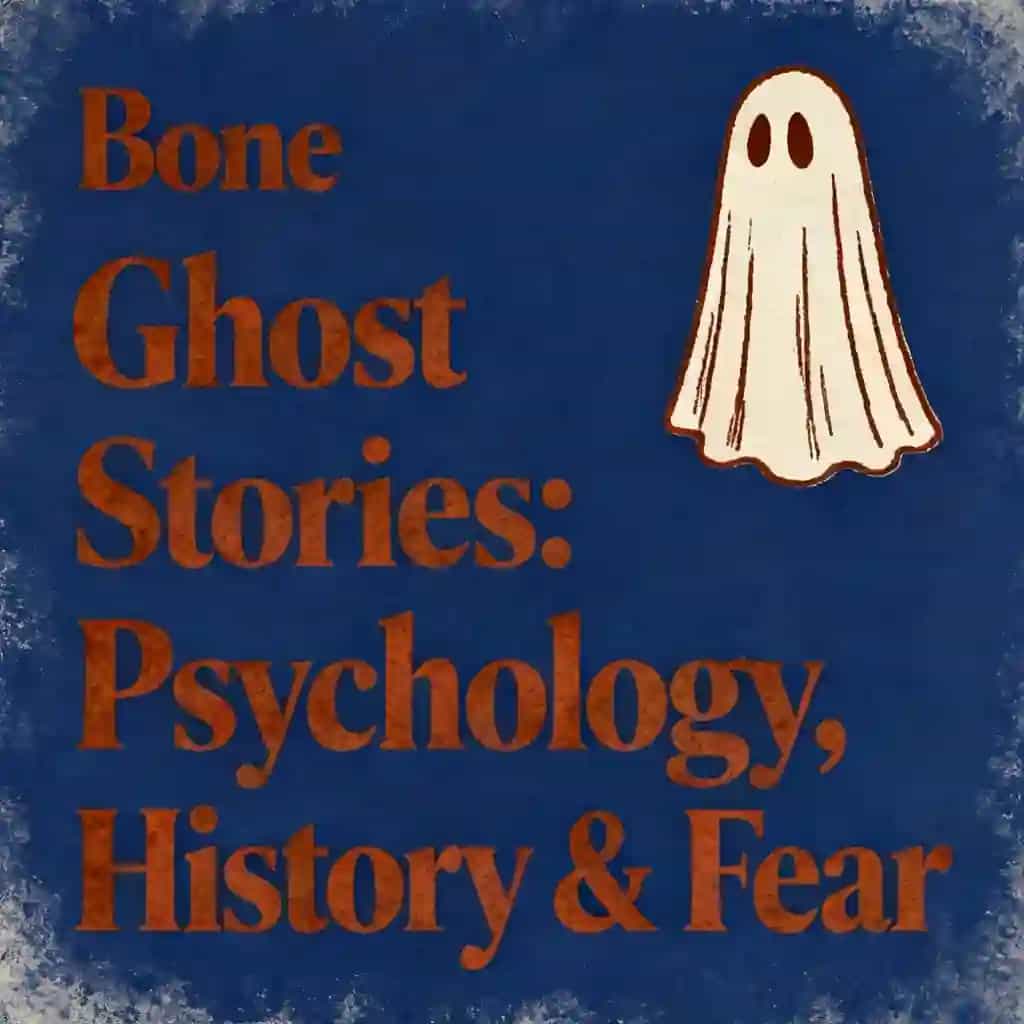
    Ghost Stories: Psychology, History & Human Fear 책 표지
    source 1The History Of Ghost Stories: From Folklore To Urban Legendssource 3The Psychology of Ghost Stories
    6 sources
    Ghost Stories: Psychology, History & Human Fear
    Deep dive into why ghost stories captivate us across cultures and centuries. Explore the psychology behind our love of fear, evolution from folklore to modern horror, and how supernatural tales reveal our deepest anxieties and moral values.
    25 min
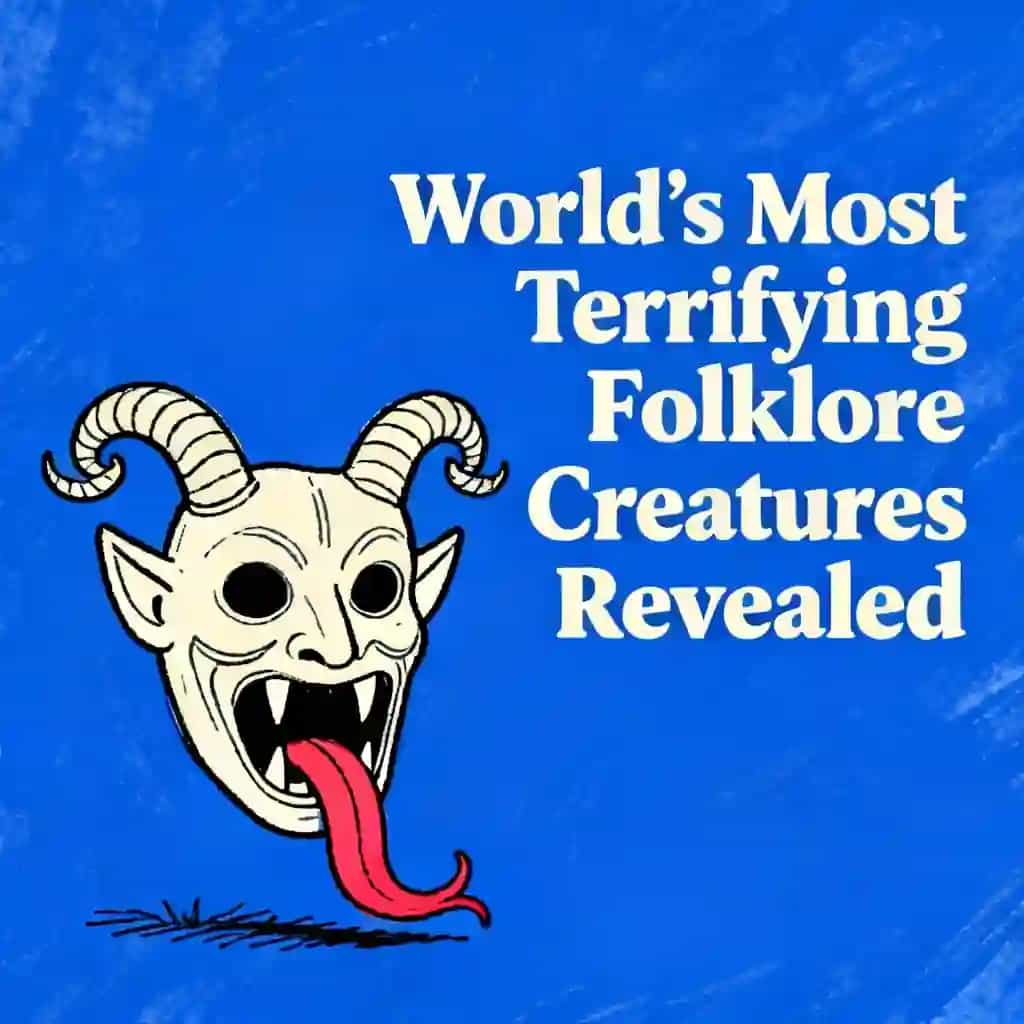
    World's Most Terrifying Folklore Creatures Revealed 책 표지
    source 116 Terrifying Mythical Creatures from Around the World | TheCollector14 Terrifying Mythological Creatures and Their Chilling Storiessource 4
    6 sources
    World's Most Terrifying Folklore Creatures Revealed
    Journey through spine-chilling global folklore from Lovecraft's cosmic horrors to ancient mythological beasts, Stephen King's everyday terrors, and modern urban legends that still haunt us today.
    36 min
    The Evolutionary Fear of the Dark 책 표지
    Why humans are afraid of the dark: An evolutionary biologist explains the ancient survival instinct we can’t seem to forget | - The Times of IndiaWhy Young Children Protest Bedtime: Evolutionary Mismatch | Psychology TodayAfraid of the dark: Light acutely suppresses activity in the human amygdalaSomething Scary is Out There II: the Interplay of Childhood Experiences, Relict Sexual Dinichism, and Cross-cultural Differences in Spatial Fears | Evolutionary Psychological Science | Springer Nature Link
    5 sources
    The Evolutionary Fear of the Dark
    Ever wonder why a dark room still triggers unease? Discover how your brain's amygdala uses ancient survival instincts to keep you safe from the shadows.
    1184 min
    Fear 책 표지
    Fear
    Joanna Bourke
    A gripping exploration of fear's evolution over two centuries, examining its impact on society, culture, and the human psyche.
    27 min
    Night of the Living Dead: The Birth of Modern Horror 책 표지
    Why Night of the Living Dead was a big-bang moment for horror movies | BFIGeorge Romero didn’t mean to tackle race in Night of the Living Dead, but he did anyway | VoxNight of the Living Dead - WikipediaPublic Domain of The Living Dead - IPOsgoode - York University
    7 sources
    Night of the Living Dead: The Birth of Modern Horror
    Before 1968, horror was gothic and safe. Discover how George Romero’s gritty masterpiece shattered the rules and turned the zombie into a mirror of society.
    1240 min
    Dracula 책 표지
    Dracula
    Bram Stoker
    A chilling Gothic horror that explores Victorian anxieties through the tale of an ancient vampire invading modern England.
    23 min
    The Origin of Dragons: A Global Mystery 책 표지
    Where Did Dragons Come From? - Smithsonian MagazineDragon - WikipediaWise, lucky, terrifying: The surprising 4,000-year history of dragonsDragons: A History - Ronald Hutton
    6 sources
    The Origin of Dragons: A Global Mystery
    Why do cultures worldwide share the same monster? Explore how ancient fossils and primal instincts shaped the legendary creatures we fear and revere.
    1209 min
    The Origin of Dragons: Our Primal Fear 책 표지
    Where Did Dragons Come From? - Smithsonian MagazineDragon - WikipediaWise, lucky, terrifying: The surprising 4,000-year history of dragonsDragons: A History - Ronald Hutton
    8 sources
    The Origin of Dragons: Our Primal Fear
    Why do cultures worldwide share the same mythical beast? Explore how ancient predators and biological instincts fused to create the global dragon legend.
    1638 min