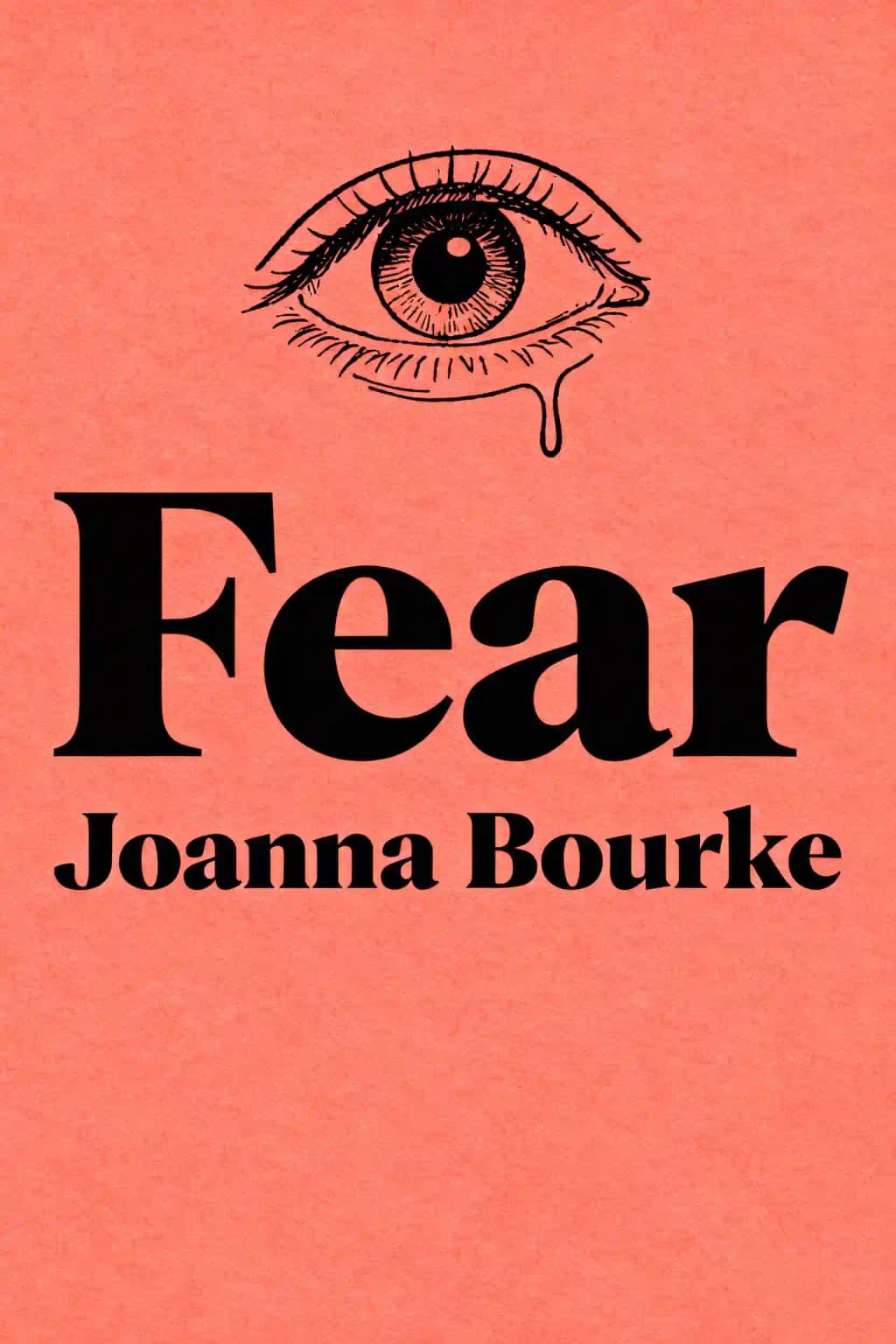
Fear
Fear 개요
Joanna Bourke's groundbreaking exploration dissects how fear has shaped societies from Victorian burial anxieties to nuclear terror. This interdisciplinary masterpiece reveals how our deepest dreads are culturally manufactured - what invisible fears might be controlling your thoughts without you realizing it?
Fear의 핵심 주제
- cultural history of dread
- medicalization of death
- evolutionary emotional expression
- premature burial anxiety
- commercialization of terror
Fear의 명언
Death anxiety itself transformed dramatically through the century.
Fear has haunted humanity throughout history, but its nature transforms across time and cultures.
Science replaced supernatural threats with equally terrifying microbes.
Insurance agents deliberately stoked burial fears.
Modern anxieties center on excessive prolongation of life after pleasure has ended.
Fear의 등장인물
- Joanna BourkeAuthor and historian of the human psyche
- Duchenne de BoulogneScientist who studied facial expressions
- William SavoryPhysician who medicalized the process of dying
- Eleanor MarkhamWoman whose story fueled fears of premature burial
저자 소개
Fear의 저자 소개
Joanna Bourke, award-winning historian and author of Fear: A Cultural History, is a professor of history at Birkbeck, University of London, and a Fellow of the British Academy.
Her groundbreaking work explores the intersections of emotion, power, and society, with Fear examining how cultural and political forces shape collective anxieties across two centuries.
A prolific scholar, Bourke has authored 14 books, including the Wolfson Prize–winning An Intimate History of Killing and The Story of Pain: From Prayer to Painkillers, which delve into wartime psychology and the evolution of human suffering. Her research on gender, violence, and militarization has been translated into nine languages and featured in major media outlets like The Guardian and BBC programs.
Currently leading a Wellcome Trust project on sexual violence and psychiatry, Bourke combines rigorous historical analysis with contemporary relevance. Fear was shortlisted for the British Academy Book Prize, cementing her status as a leading voice in cultural history.
Fear 요약 다운로드
Fear 요약을 무료 PDF 또는 EPUB으로 받으세요. 인쇄하거나 오프라인에서 언제든 읽을 수 있습니다.
이 책에 대한 FAQ
Fear: A Cultural History by Joanna Bourke examines fear’s evolution as a social and political tool across 200 years, analyzing how it shapes societies. The book explores historical fears like burial alive, Cold War anxieties, and modern terrorism, while connecting fear to power structures, media manipulation, and psychological control. Bourke argues fear is both a survival mechanism and a weapon of oppression.
This book suits readers interested in psychology, history, or sociology, particularly those examining fear’s role in politics, media, and culture. Academics, activists, and general audiences will appreciate its blend of rigorous research and accessible insights into societal anxieties.
Yes, for its groundbreaking analysis of fear’s cultural impact. Bourke’s interdisciplinary approach—combining history, philosophy, and psychology—offers fresh perspectives on topics like media-driven panic and wartime trauma. The book’s relevance to modern issues like terrorism and public health crises enhances its value.
Bourke critiques how governments and institutions weaponize fear to justify wars, suppress dissent, and manipulate voters. Examples include Cold War anti-communist propaganda and post-9/11 counterterrorism policies. She highlights fear’s role in consolidating power and creating societal divisions.
The media amplifies fear for profit and influence, sensationalizing threats like crime or pandemics to boost engagement. Bourke argues this fosters irrational public anxiety and reinforces “us vs. them” mentalities, as seen in coverage of immigration or nuclear threats.
Bourke examines women’s pervasive fear of sexual violence, linking it to societal silence and stigmatization. She praises survivors’ resilience while critiquing inadequate academic research on perpetrators. This analysis underscores fear’s gendered dimensions and systemic roots.
The book traces fears from 19th-century burial phobias to Cold War nuclear dread. Notable cases include WWII trauma, AIDS panic, and post-9/11 terrorism anxieties. These examples reveal how cultural contexts reshape fears over time.
Strategies include community-building, education, and activism. Bourke advocates reframing fear as a catalyst for positive change rather than a paralyzing force. Practical tips include mindfulness and critical engagement with fear-inducing narratives.
Some scholars argue Bourke oversimplifies fear’s biological roots or underplays individual resilience. Others note limited exploration of non-Western perspectives. Despite this, the book is praised for its bold interdisciplinary scope.
While written pre-2023, Bourke’s framework applies to contemporary anxieties. Her analysis of media amplification and political exploitation of fear resonates with debates over AI ethics, climate disasters, and global pandemics.
Unlike her focused studies on pain or warfare, Fear offers a sweeping cultural analysis. It shares her trademark blend of academic rigor and narrative flair but stands out for its broad chronological and thematic range.
Key ideas include:
- “Fear is the most political of emotions.”
- “Media sells fear as voraciously as it sells sex.”
- “Survivors reclaim fear through collective action.”
These emphasize fear’s societal manipulation and resistance strategies.