Does money actually buy happiness?
Is there a limit to how much money can improve your life? Discover why the old income plateaus were wrong and how to spend for lasting fulfillment.

Does money actually buy happiness? 베스트 인용
Money is a magnifier: if your life has a solid foundation, money adds layers of flourishing, but if the foundation is cracked, money just buys you a nicer view of the cracks.
Generated with BeFreed
Does money actually buy happiness?






자주 묻는 질문
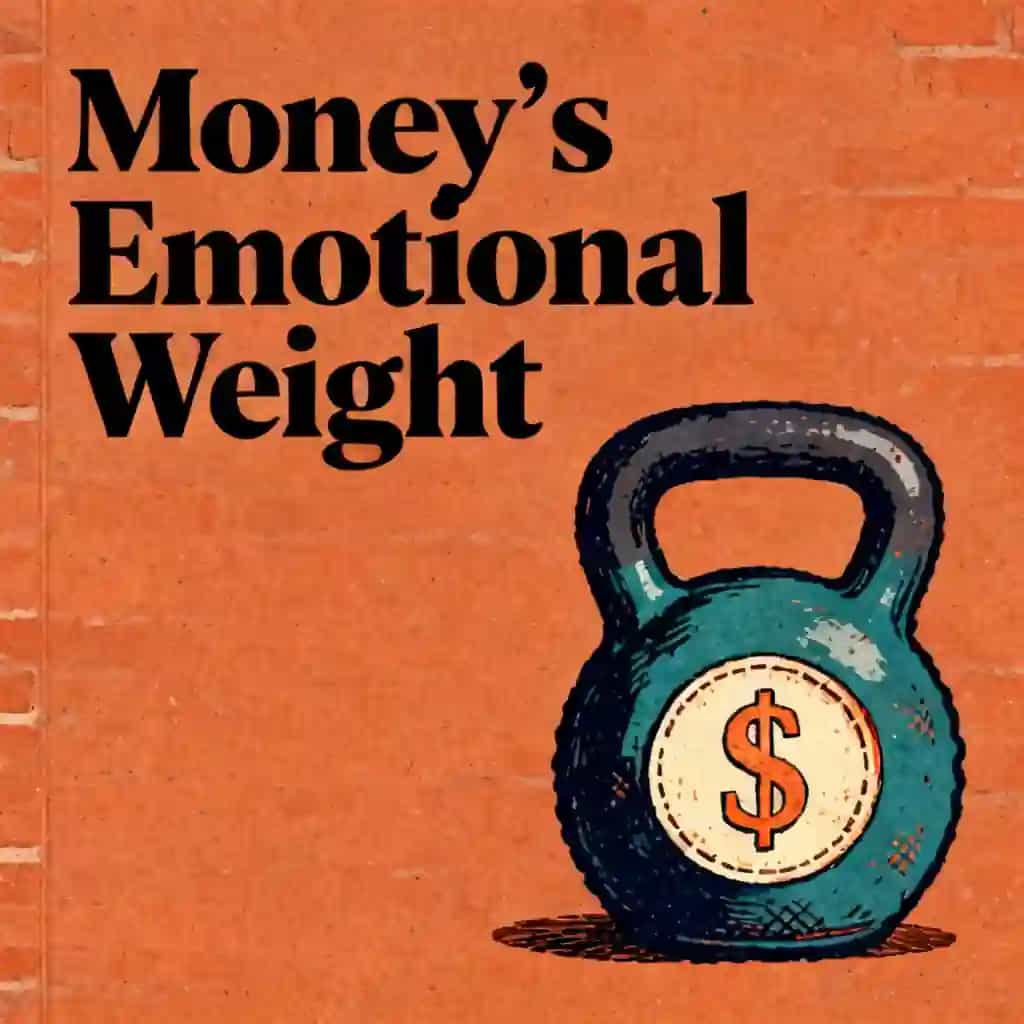
The idea that happiness plateaus at seventy-five thousand dollars has been refined by more recent research. For the majority of people who are already reasonably content, happiness actually continues to rise linearly with income without a clear ceiling. However, there is a "unhappy minority"—the bottom twenty percent of people dealing with issues like clinical depression or heartbreak—who do experience a plateau. For this group, more money helps alleviate the pains of poverty, but once they reach about a hundred thousand dollars a year, additional wealth cannot fix their underlying misery.
Research shows that people who spend money to outsource tasks they dislike, such as cleaning or grocery delivery, report significantly higher life satisfaction. This is because time is a finite resource that directly impacts "vitality," one of the core components of well-being. While we tend to adapt to material purchases almost immediately—a phenomenon known as the hedonic treadmill—buying back time allows us to avoid "recurring miseries" like long commutes and reinvest that time into relationships, sleep, or hobbies.
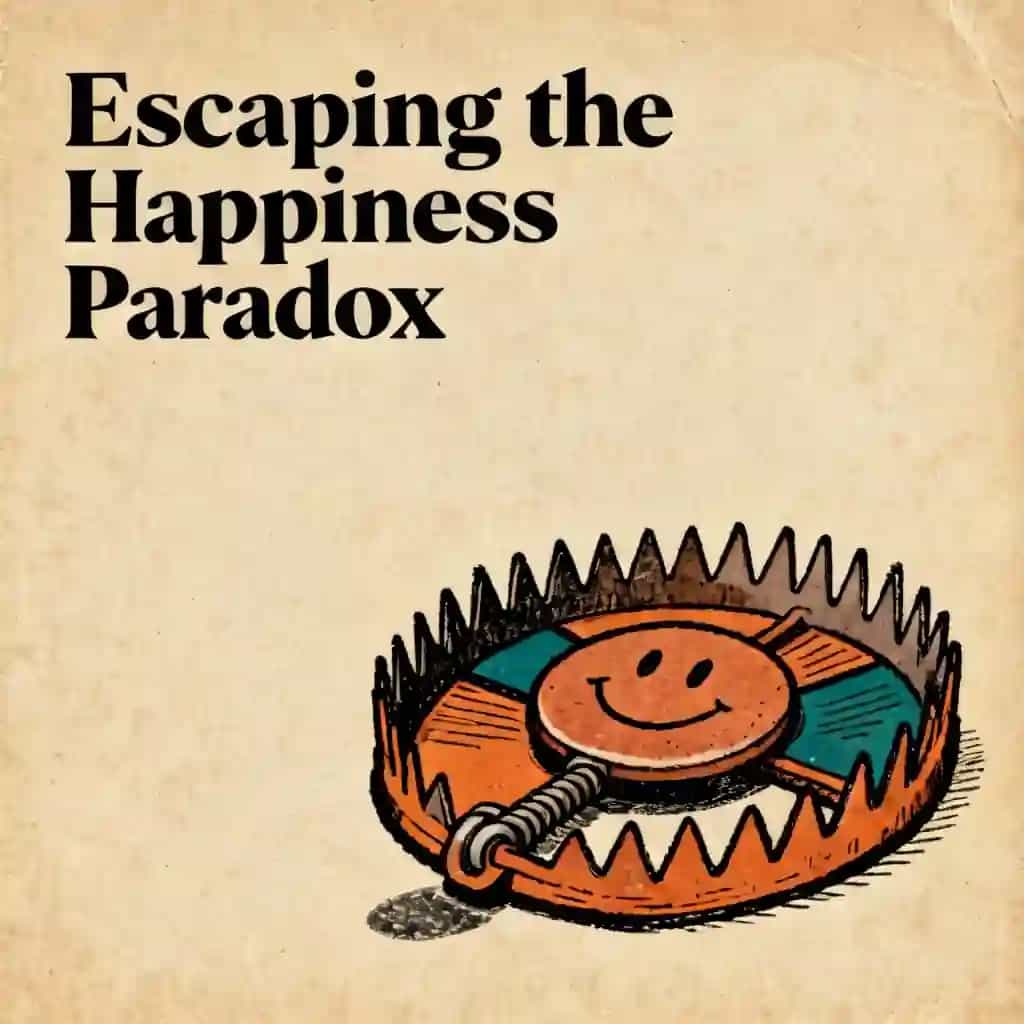
Your happiness is often tied more closely to your social rank within your country than to your absolute wealth. This "Income Rank" hypothesis suggests that even if you are financially stable, you may feel less happy if you perceive yourself as falling behind your neighbors or peers. This effect is particularly strong in materialistic societies but is less prevalent in communities with high social capital and trust. To avoid this trap, researchers suggest focusing on experiential spending, which is harder to compare against others than material goods like cars or houses.
The PERMA-V framework is a model for human flourishing that stands for Positive emotion, Engagement, Relationships, Meaning, Accomplishment, and Vitality. Instead of optimizing for net worth, the script suggests optimizing for these six areas. For example, spending money on a shared trip with family invests in "Relationships," while spending on a hobby that creates a flow state invests in "Engagement." Using money as a tool to fund these specific buckets leads to more enduring happiness than "success-oriented materialism," which uses wealth simply as a scoreboard.
Yes, "prosocial spending"—spending money on gifts for others or charitable donations—is one of the most consistent ways to boost happiness. It triggers reward centers in the brain that personal spending does not. However, for this to work, the spending must feel autonomous. If someone feels forced to be generous or feels the need to perform their generosity for an audience on social media, the happiness boost is diminished because it undermines their sense of personal agency.
샌프란시스코에서 컬럼비아 대학교 동문들이 만들었습니다
"Instead of endless scrolling, I just hit play on BeFreed. It saves me so much time."


"I never knew where to start with nonfiction—BeFreed’s book lists turned into podcasts gave me a clear path."


"Perfect balance between learning and entertainment. Finished ‘Thinking, Fast and Slow’ on my commute this week."
"Crazy how much I learned while walking the dog. BeFreed = small habits → big gains."
"Reading used to feel like a chore. Now it’s just part of my lifestyle."

"Feels effortless compared to reading. I’ve finished 6 books this month already."
"BeFreed turned my guilty doomscrolling into something that feels productive and inspiring."

"BeFreed turned my commute into learning time. 20-min podcasts are perfect for finishing books I never had time for."
"BeFreed replaced my podcast queue. Imagine Spotify for books — that’s it. 🙌"

"It is great for me to learn something from the book without reading it."
"The themed book list podcasts help me connect ideas across authors—like a guided audio journey."
"Makes me feel smarter every time before going to work"
샌프란시스코에서 컬럼비아 대학교 동문들이 만들었습니다
"Instead of endless scrolling, I just hit play on BeFreed. It saves me so much time."
"I never knew where to start with nonfiction—BeFreed’s book lists turned into podcasts gave me a clear path."
"Perfect balance between learning and entertainment. Finished ‘Thinking, Fast and Slow’ on my commute this week."
"Crazy how much I learned while walking the dog. BeFreed = small habits → big gains."
"Reading used to feel like a chore. Now it’s just part of my lifestyle."
"Feels effortless compared to reading. I’ve finished 6 books this month already."
"BeFreed turned my guilty doomscrolling into something that feels productive and inspiring."
"BeFreed turned my commute into learning time. 20-min podcasts are perfect for finishing books I never had time for."
"BeFreed replaced my podcast queue. Imagine Spotify for books — that’s it. 🙌"
"It is great for me to learn something from the book without reading it."
"The themed book list podcasts help me connect ideas across authors—like a guided audio journey."
"Makes me feel smarter every time before going to work"
"Instead of endless scrolling, I just hit play on BeFreed. It saves me so much time."
"I never knew where to start with nonfiction—BeFreed’s book lists turned into podcasts gave me a clear path."
"Perfect balance between learning and entertainment. Finished ‘Thinking, Fast and Slow’ on my commute this week."
"Crazy how much I learned while walking the dog. BeFreed = small habits → big gains."
"Reading used to feel like a chore. Now it’s just part of my lifestyle."
"Feels effortless compared to reading. I’ve finished 6 books this month already."
"BeFreed turned my guilty doomscrolling into something that feels productive and inspiring."
"BeFreed turned my commute into learning time. 20-min podcasts are perfect for finishing books I never had time for."
"BeFreed replaced my podcast queue. Imagine Spotify for books — that’s it. 🙌"
"It is great for me to learn something from the book without reading it."
"The themed book list podcasts help me connect ideas across authors—like a guided audio journey."
"Makes me feel smarter every time before going to work"
"Instead of endless scrolling, I just hit play on BeFreed. It saves me so much time."
"I never knew where to start with nonfiction—BeFreed’s book lists turned into podcasts gave me a clear path."
"Perfect balance between learning and entertainment. Finished ‘Thinking, Fast and Slow’ on my commute this week."
"Crazy how much I learned while walking the dog. BeFreed = small habits → big gains."
"Reading used to feel like a chore. Now it’s just part of my lifestyle."
"Feels effortless compared to reading. I’ve finished 6 books this month already."
"BeFreed turned my guilty doomscrolling into something that feels productive and inspiring."
"BeFreed turned my commute into learning time. 20-min podcasts are perfect for finishing books I never had time for."
"BeFreed replaced my podcast queue. Imagine Spotify for books — that’s it. 🙌"
"It is great for me to learn something from the book without reading it."
"The themed book list podcasts help me connect ideas across authors—like a guided audio journey."
"Makes me feel smarter every time before going to work"