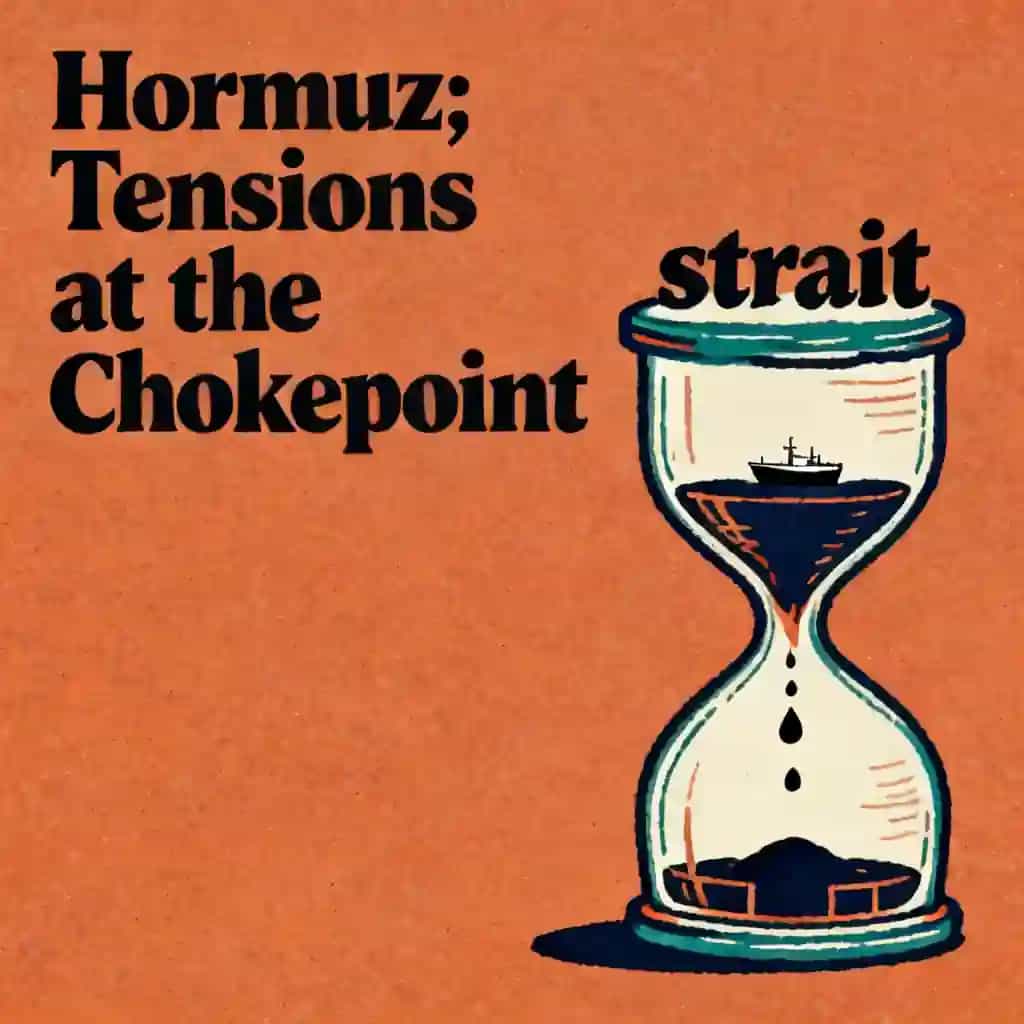
Middle East History and Conflict: An Impartial Guide to the Region
Explore an impartial guide to Middle East history and conflict. Understand the factions, geopolitics, and current events shaping the region without Western bias.

Middle East History and Conflict: An Impartial Guide to the Region 베스트 인용
The Middle East is moving away from a world where the U.S. was the only security guarantor to a world where regional players are building their own 'mini-NATO' structures to manage their own neighborhoods.
Generated by Paulio
I want to know about the Middle East. I want to understand the different factions, conflicts, history and issues. It needs to be totally fair and impartial with no bias towards the West, Europe or America. It needs to be focused very much on the current situation and what things have led to things being as they are.

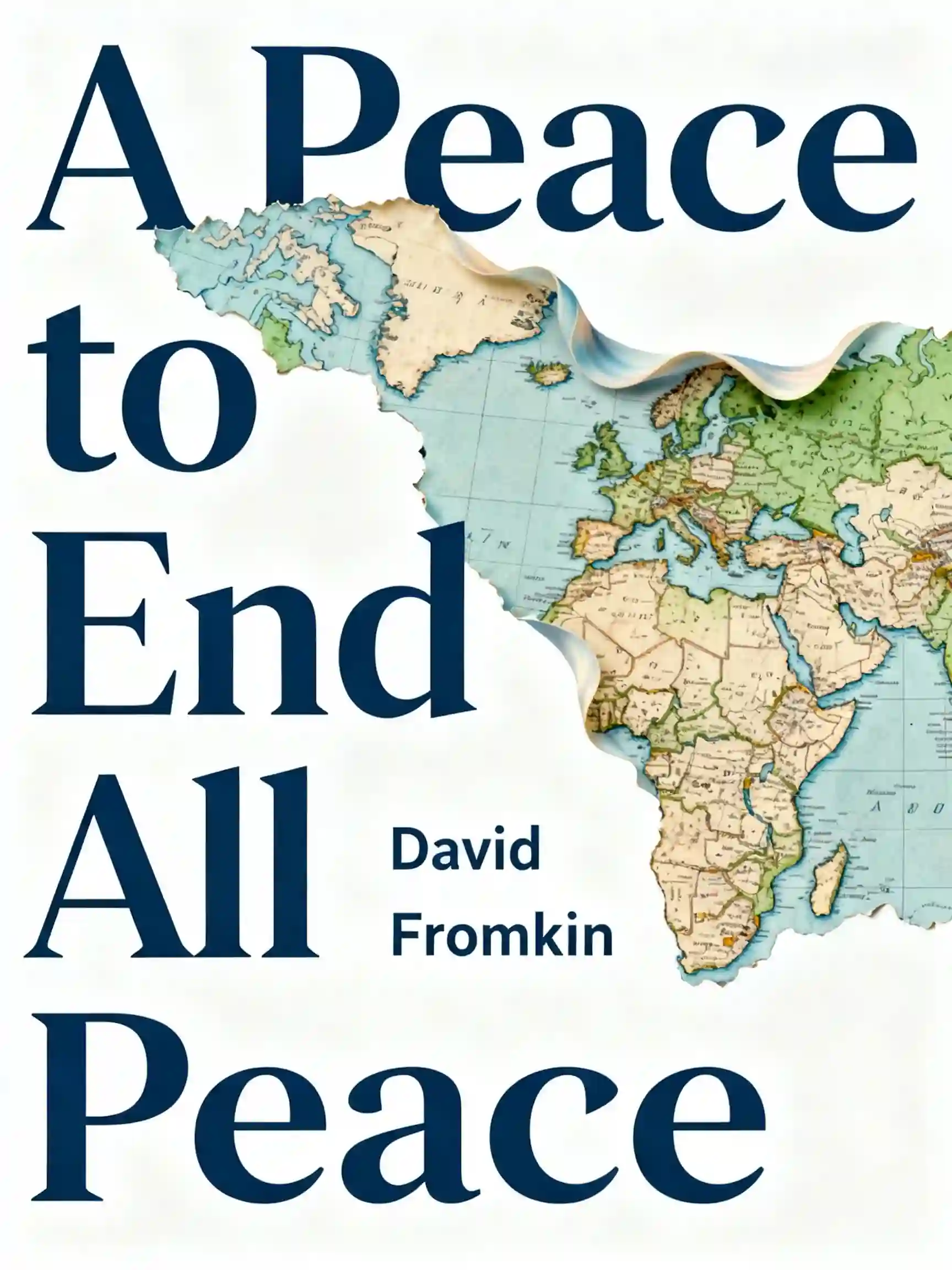
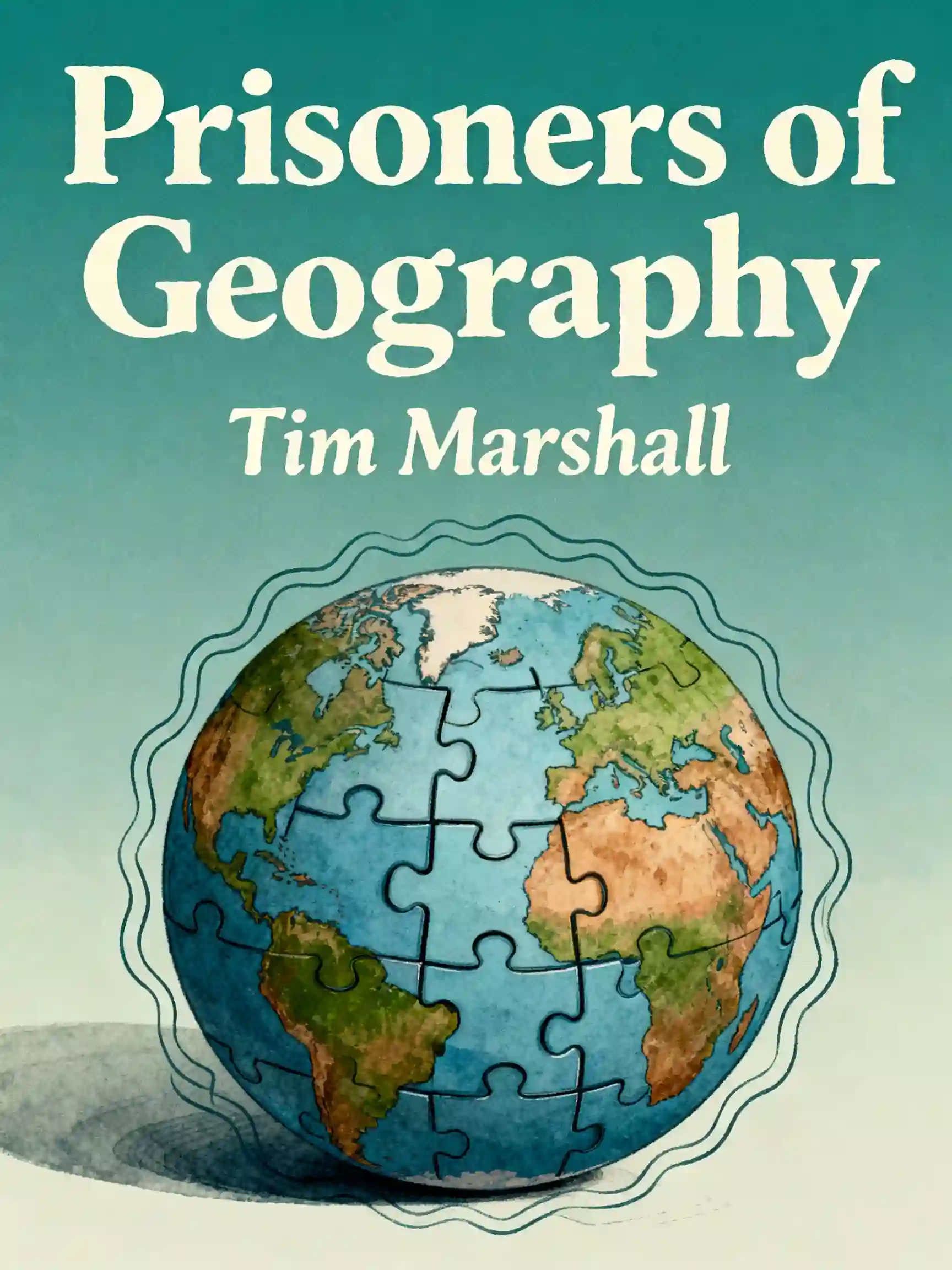

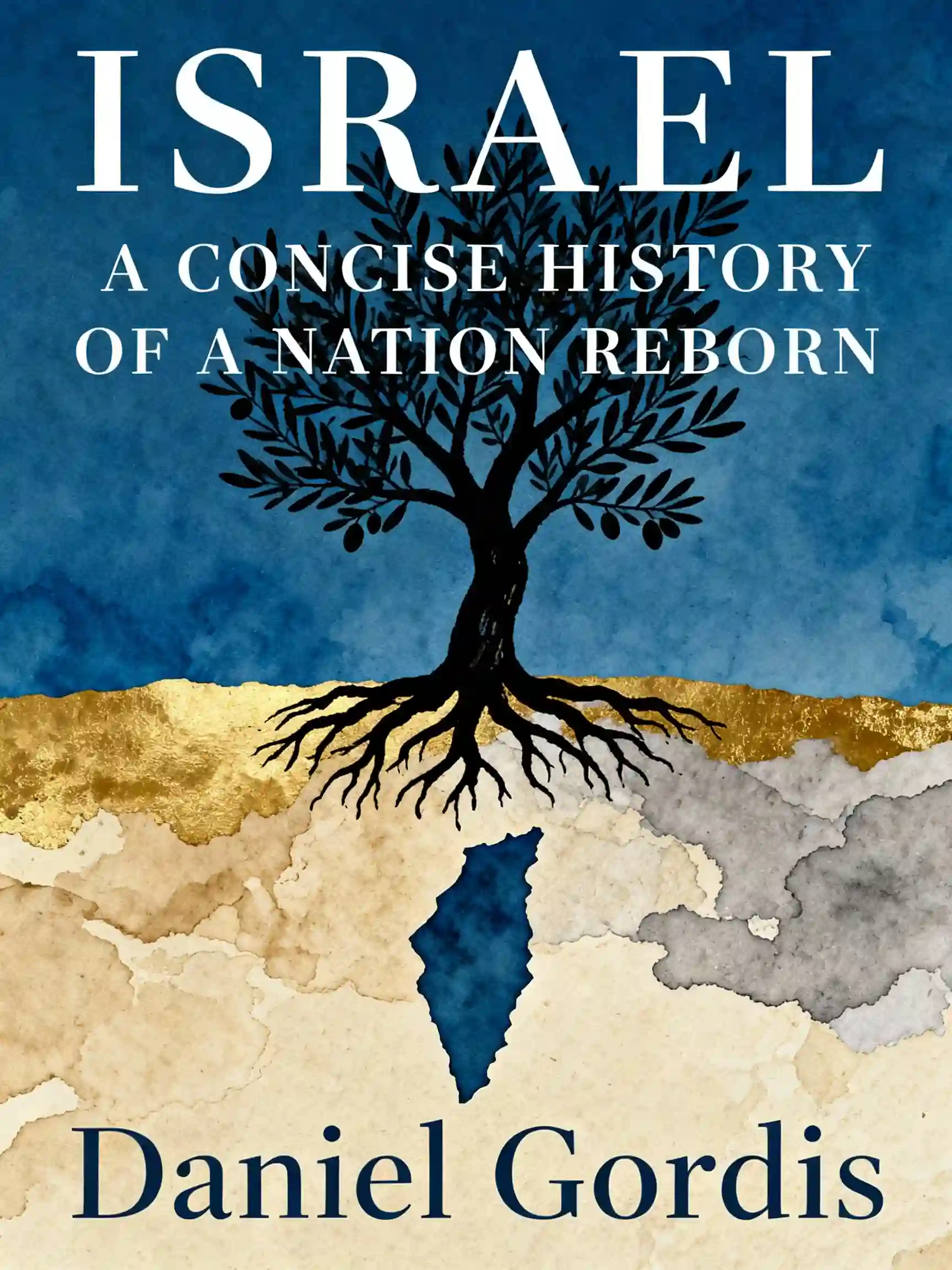
자주 묻는 질문
The current Middle East situation is the result of complex historical layers, including the legacy of colonial borders, religious diversity, and competition for regional influence. This guide examines how various factions and historical grievances have evolved over time to create the modern geopolitical landscape. By focusing on an impartial analysis of these events, we can better understand why specific tensions persist today and how past decisions continue to impact regional stability and international relations.
Achieving an impartial Middle East analysis requires looking beyond Western or Eurocentric perspectives to focus on the internal dynamics of the region. This resource prioritizes the historical narratives of the local populations and the specific motivations of regional factions. By examining the facts of Middle East history and geopolitics without a biased lens, we provide a balanced overview that helps listeners understand the diverse viewpoints involved in long-standing regional disputes.
The geopolitics of the Middle East involve a wide array of state and non-state actors, each with unique historical backgrounds and political goals. These factions often represent different religious, ethnic, or national interests that compete for resources and influence. Understanding these groups is essential for grasping the current Middle East situation, as their interactions drive both local conflicts and broader regional shifts. This guide breaks down these complex relationships to clarify the roles each faction plays.
샌프란시스코에서 컬럼비아 대학교 동문들이 만들었습니다
"Instead of endless scrolling, I just hit play on BeFreed. It saves me so much time."


"I never knew where to start with nonfiction—BeFreed’s book lists turned into podcasts gave me a clear path."


"Perfect balance between learning and entertainment. Finished ‘Thinking, Fast and Slow’ on my commute this week."
"Crazy how much I learned while walking the dog. BeFreed = small habits → big gains."
"Reading used to feel like a chore. Now it’s just part of my lifestyle."

"Feels effortless compared to reading. I’ve finished 6 books this month already."
"BeFreed turned my guilty doomscrolling into something that feels productive and inspiring."

"BeFreed turned my commute into learning time. 20-min podcasts are perfect for finishing books I never had time for."
"BeFreed replaced my podcast queue. Imagine Spotify for books — that’s it. 🙌"

"It is great for me to learn something from the book without reading it."
"The themed book list podcasts help me connect ideas across authors—like a guided audio journey."
"Makes me feel smarter every time before going to work"
샌프란시스코에서 컬럼비아 대학교 동문들이 만들었습니다
"Instead of endless scrolling, I just hit play on BeFreed. It saves me so much time."
"I never knew where to start with nonfiction—BeFreed’s book lists turned into podcasts gave me a clear path."
"Perfect balance between learning and entertainment. Finished ‘Thinking, Fast and Slow’ on my commute this week."
"Crazy how much I learned while walking the dog. BeFreed = small habits → big gains."
"Reading used to feel like a chore. Now it’s just part of my lifestyle."
"Feels effortless compared to reading. I’ve finished 6 books this month already."
"BeFreed turned my guilty doomscrolling into something that feels productive and inspiring."
"BeFreed turned my commute into learning time. 20-min podcasts are perfect for finishing books I never had time for."
"BeFreed replaced my podcast queue. Imagine Spotify for books — that’s it. 🙌"
"It is great for me to learn something from the book without reading it."
"The themed book list podcasts help me connect ideas across authors—like a guided audio journey."
"Makes me feel smarter every time before going to work"
"Instead of endless scrolling, I just hit play on BeFreed. It saves me so much time."
"I never knew where to start with nonfiction—BeFreed’s book lists turned into podcasts gave me a clear path."
"Perfect balance between learning and entertainment. Finished ‘Thinking, Fast and Slow’ on my commute this week."
"Crazy how much I learned while walking the dog. BeFreed = small habits → big gains."
"Reading used to feel like a chore. Now it’s just part of my lifestyle."
"Feels effortless compared to reading. I’ve finished 6 books this month already."
"BeFreed turned my guilty doomscrolling into something that feels productive and inspiring."
"BeFreed turned my commute into learning time. 20-min podcasts are perfect for finishing books I never had time for."
"BeFreed replaced my podcast queue. Imagine Spotify for books — that’s it. 🙌"
"It is great for me to learn something from the book without reading it."
"The themed book list podcasts help me connect ideas across authors—like a guided audio journey."
"Makes me feel smarter every time before going to work"
"Instead of endless scrolling, I just hit play on BeFreed. It saves me so much time."
"I never knew where to start with nonfiction—BeFreed’s book lists turned into podcasts gave me a clear path."
"Perfect balance between learning and entertainment. Finished ‘Thinking, Fast and Slow’ on my commute this week."
"Crazy how much I learned while walking the dog. BeFreed = small habits → big gains."
"Reading used to feel like a chore. Now it’s just part of my lifestyle."
"Feels effortless compared to reading. I’ve finished 6 books this month already."
"BeFreed turned my guilty doomscrolling into something that feels productive and inspiring."
"BeFreed turned my commute into learning time. 20-min podcasts are perfect for finishing books I never had time for."
"BeFreed replaced my podcast queue. Imagine Spotify for books — that’s it. 🙌"
"It is great for me to learn something from the book without reading it."
"The themed book list podcasts help me connect ideas across authors—like a guided audio journey."
"Makes me feel smarter every time before going to work"