Mastering the C.O.R.E. of Body Language
Stop letting your body language sabotage your message. Learn the C.O.R.E. framework to align your nonverbal signals with your words for maximum authority and trust.

Mastering the C.O.R.E. of Body Language 베스트 인용
If the words and the body don't match, people always trust the body. Research shows that up to 55% of communication impact actually comes from nonverbal signals.
Generated by Ibrahim
How to talk and body language

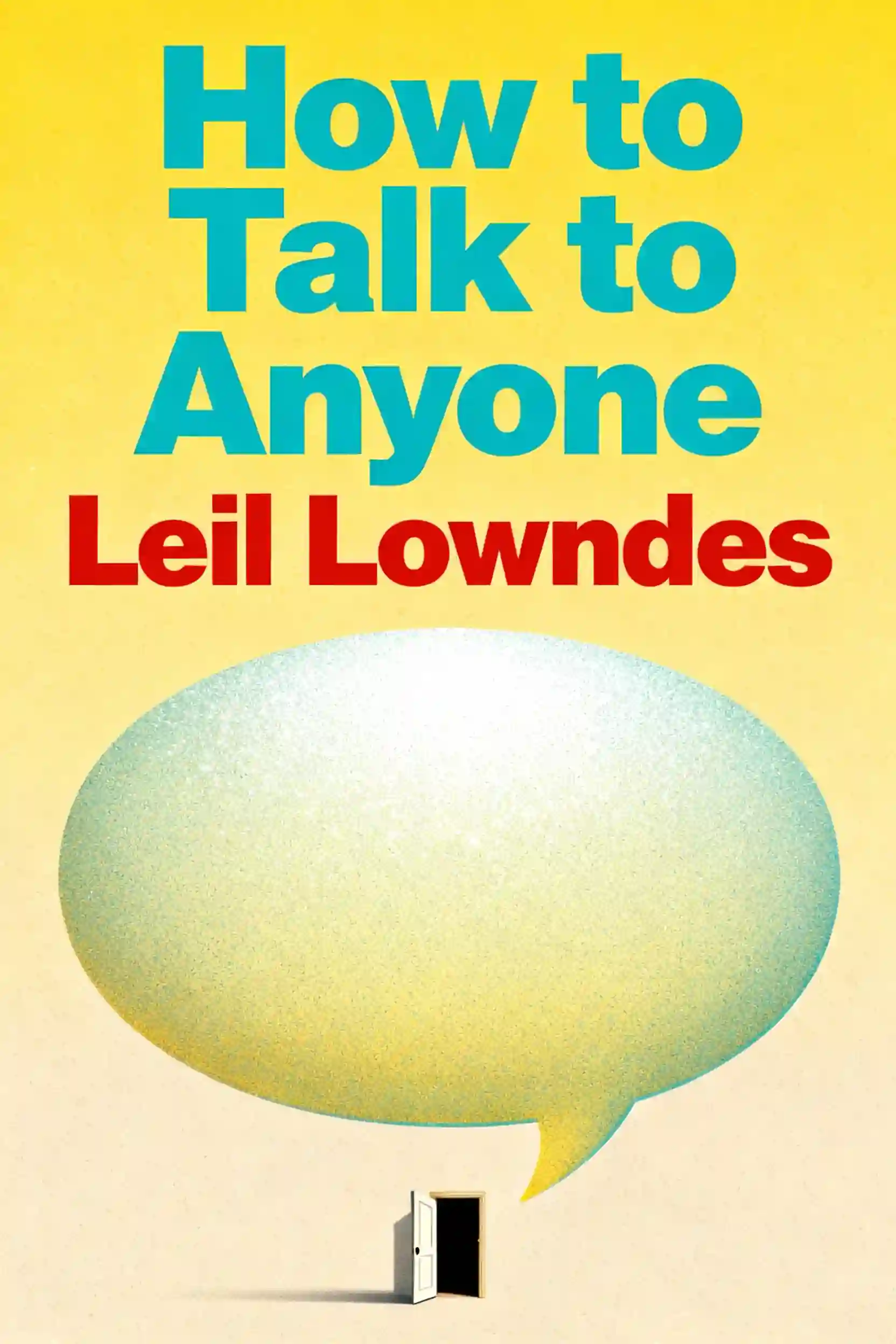
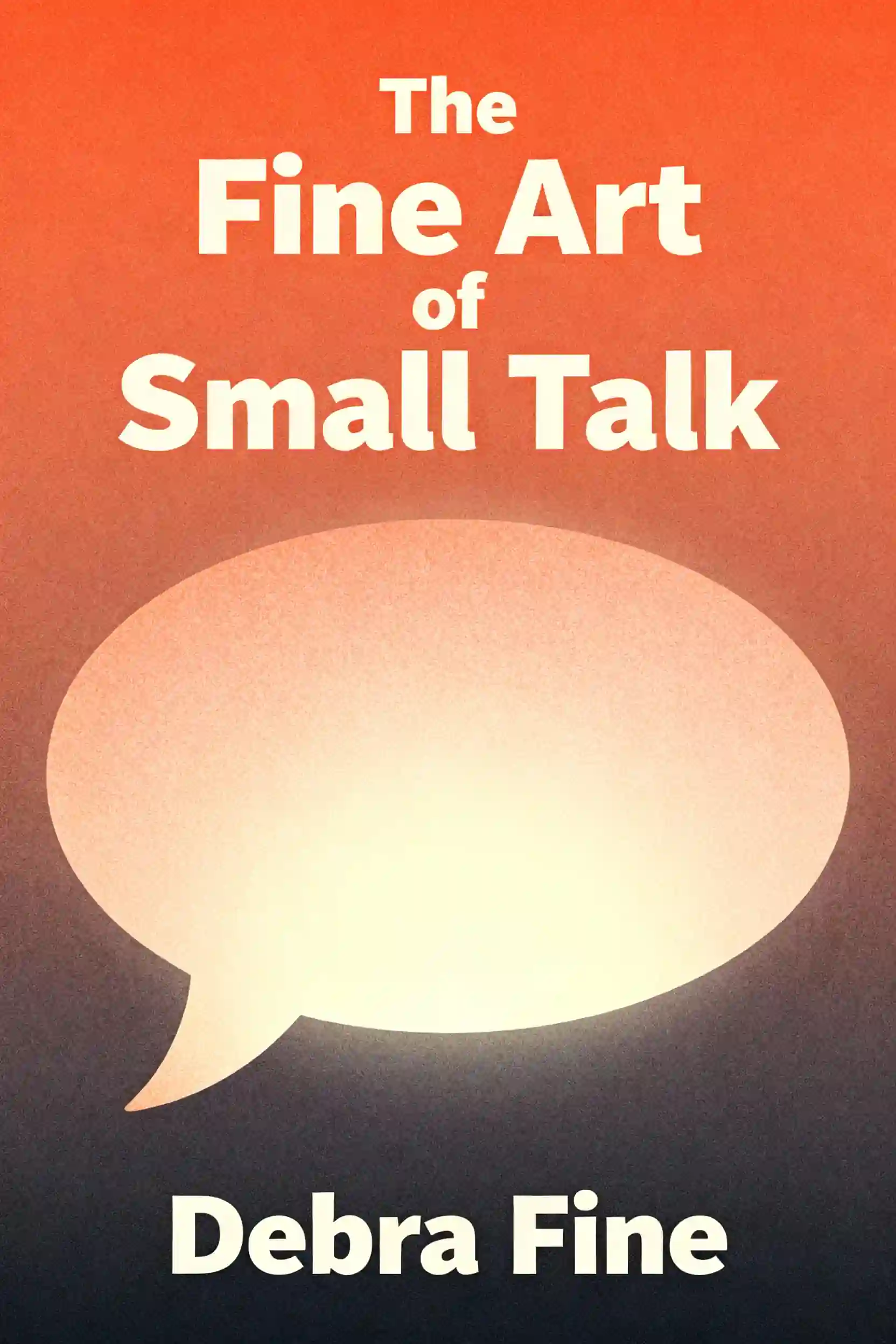
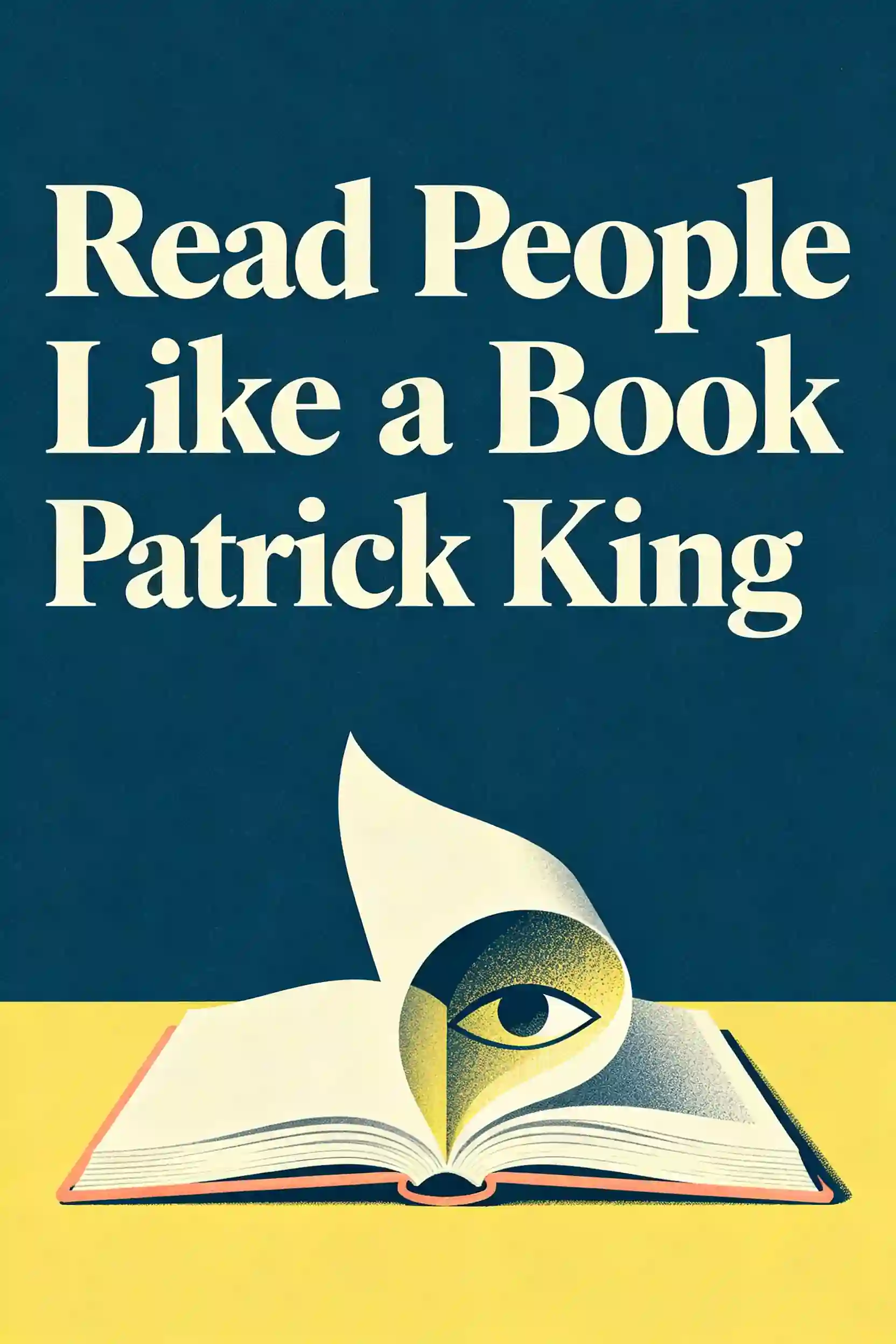
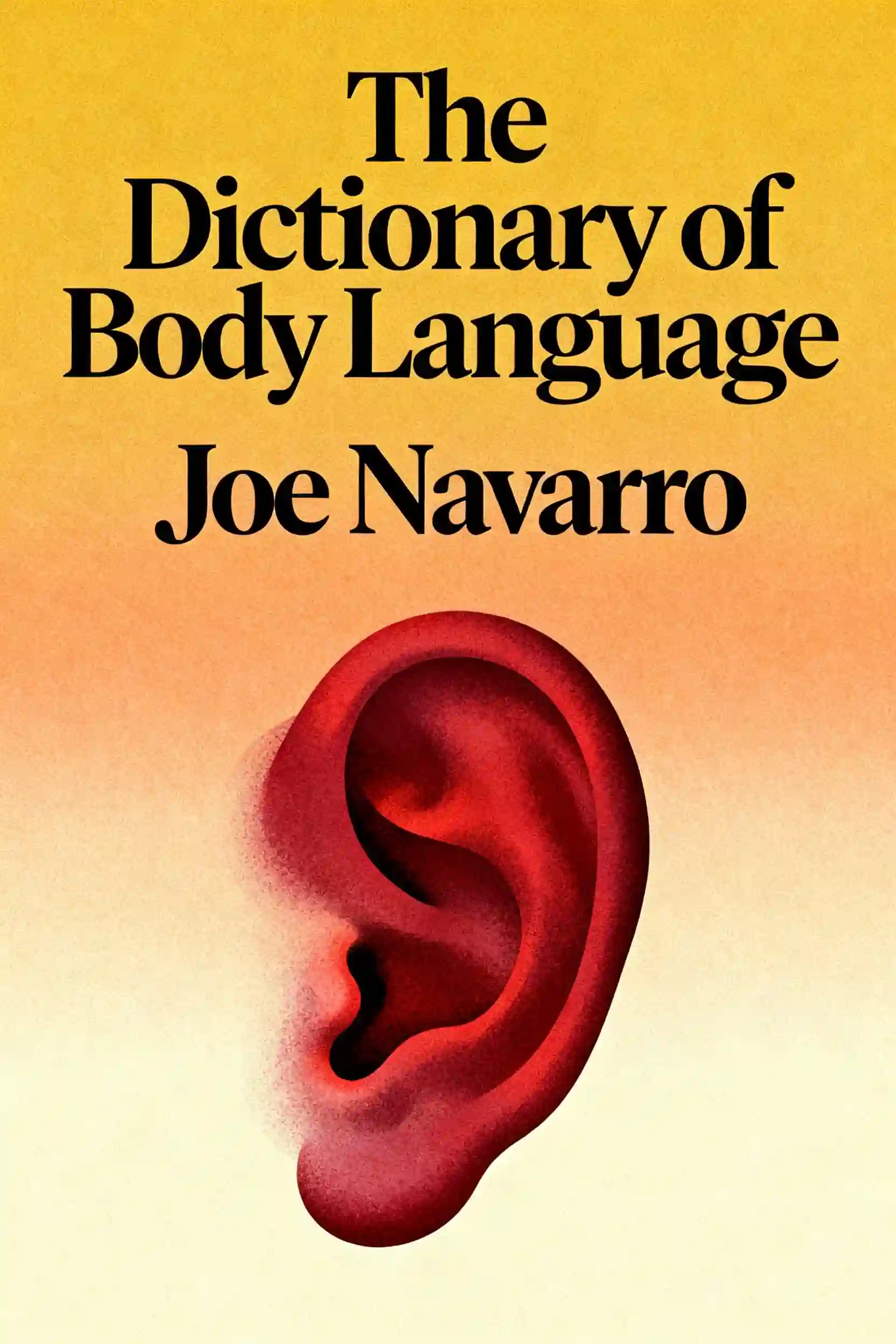
자주 묻는 질문
The C.O.R.E. framework is a four-pillar checklist designed to help individuals command a room through nonverbal communication. It stands for Command Posture, Open Gestures, Regulated Eye Contact, and Expansive Spatial Awareness. By focusing on these areas—such as maintaining an elongated spine, using purposeful hand movements like "steepling," following the 70/30 eye contact rule, and claiming physical space at a table—leaders can ensure their body language aligns with their words to project authority and confidence.
You can look for "nonverbal leakage" through microexpressions, which are involuntary facial flashes that last only a fraction of a second. There are seven universal microexpressions, including disgust, contempt, and fear. For example, if someone says they agree with a proposal but flashes a one-sided smirk, they may actually be feeling contempt. To accurately judge these signals, it is important to look for "clustering cues," where the person’s posture and hand movements also support the emotion seen on their face.
Several subtle habits can unintentionally signal submissiveness or anxiety. These include the "laptop shield," where a person hides behind their computer; the "fig leaf" position of clasping hands in front of the body; and the "head tilt apology," which turns a firm statement into a question. Additionally, "self-soothing" gestures like touching your neck or fidgeting with rings act as nervous energy leaks that can dilute your perceived authority during high-stakes moments like negotiations.
Mirroring, or the "chameleon effect," involves subtly mimicking the posture, energy, or speaking tone of the person you are communicating with to create a sense of harmony. To avoid looking like a mime, you should employ a three-to-five-second delay before matching a gesture. When done correctly, this technique signals empathy and alignment at an unconscious level, making the other person feel more comfortable and "seen" during the conversation.
The power pause is a technique where a speaker walks slowly to the front of the room, stands still, and surveys the audience for two to three seconds before speaking. This silence builds anticipation and signals that the speaker is in total control of the environment. Using strategic silence after making a major point also gives the message more weight, as it demonstrates that the speaker is comfortable with the gap and isn't rushing due to anxiety.
샌프란시스코에서 컬럼비아 대학교 동문들이 만들었습니다
"Instead of endless scrolling, I just hit play on BeFreed. It saves me so much time."


"I never knew where to start with nonfiction—BeFreed’s book lists turned into podcasts gave me a clear path."


"Perfect balance between learning and entertainment. Finished ‘Thinking, Fast and Slow’ on my commute this week."
"Crazy how much I learned while walking the dog. BeFreed = small habits → big gains."
"Reading used to feel like a chore. Now it’s just part of my lifestyle."

"Feels effortless compared to reading. I’ve finished 6 books this month already."
"BeFreed turned my guilty doomscrolling into something that feels productive and inspiring."

"BeFreed turned my commute into learning time. 20-min podcasts are perfect for finishing books I never had time for."
"BeFreed replaced my podcast queue. Imagine Spotify for books — that’s it. 🙌"

"It is great for me to learn something from the book without reading it."
"The themed book list podcasts help me connect ideas across authors—like a guided audio journey."
"Makes me feel smarter every time before going to work"
샌프란시스코에서 컬럼비아 대학교 동문들이 만들었습니다
"Instead of endless scrolling, I just hit play on BeFreed. It saves me so much time."
"I never knew where to start with nonfiction—BeFreed’s book lists turned into podcasts gave me a clear path."
"Perfect balance between learning and entertainment. Finished ‘Thinking, Fast and Slow’ on my commute this week."
"Crazy how much I learned while walking the dog. BeFreed = small habits → big gains."
"Reading used to feel like a chore. Now it’s just part of my lifestyle."
"Feels effortless compared to reading. I’ve finished 6 books this month already."
"BeFreed turned my guilty doomscrolling into something that feels productive and inspiring."
"BeFreed turned my commute into learning time. 20-min podcasts are perfect for finishing books I never had time for."
"BeFreed replaced my podcast queue. Imagine Spotify for books — that’s it. 🙌"
"It is great for me to learn something from the book without reading it."
"The themed book list podcasts help me connect ideas across authors—like a guided audio journey."
"Makes me feel smarter every time before going to work"
"Instead of endless scrolling, I just hit play on BeFreed. It saves me so much time."
"I never knew where to start with nonfiction—BeFreed’s book lists turned into podcasts gave me a clear path."
"Perfect balance between learning and entertainment. Finished ‘Thinking, Fast and Slow’ on my commute this week."
"Crazy how much I learned while walking the dog. BeFreed = small habits → big gains."
"Reading used to feel like a chore. Now it’s just part of my lifestyle."
"Feels effortless compared to reading. I’ve finished 6 books this month already."
"BeFreed turned my guilty doomscrolling into something that feels productive and inspiring."
"BeFreed turned my commute into learning time. 20-min podcasts are perfect for finishing books I never had time for."
"BeFreed replaced my podcast queue. Imagine Spotify for books — that’s it. 🙌"
"It is great for me to learn something from the book without reading it."
"The themed book list podcasts help me connect ideas across authors—like a guided audio journey."
"Makes me feel smarter every time before going to work"
"Instead of endless scrolling, I just hit play on BeFreed. It saves me so much time."
"I never knew where to start with nonfiction—BeFreed’s book lists turned into podcasts gave me a clear path."
"Perfect balance between learning and entertainment. Finished ‘Thinking, Fast and Slow’ on my commute this week."
"Crazy how much I learned while walking the dog. BeFreed = small habits → big gains."
"Reading used to feel like a chore. Now it’s just part of my lifestyle."
"Feels effortless compared to reading. I’ve finished 6 books this month already."
"BeFreed turned my guilty doomscrolling into something that feels productive and inspiring."
"BeFreed turned my commute into learning time. 20-min podcasts are perfect for finishing books I never had time for."
"BeFreed replaced my podcast queue. Imagine Spotify for books — that’s it. 🙌"
"It is great for me to learn something from the book without reading it."
"The themed book list podcasts help me connect ideas across authors—like a guided audio journey."
"Makes me feel smarter every time before going to work"