BeFreed
    Categories>Psychology>Master Cold Reading: Read Anyone in Minutes

    Master Cold Reading: Read Anyone in Minutes

    30분
    |
    |
    2025년 11월 24일
    • Psychology
    • Communication
    • Self-Growth

    Learn FBI-tested techniques to instantly read people's thoughts, emotions, and intentions through body language, speech patterns, and psychological cues. Transform from observer to mind reader using ethical, science-backed methods.

    Master Cold Reading: Read Anyone in Minutes
    0:00 / 0:00
    전달 방식을 선택하세요

    하나의 에피소드, 다양한 청취 방식.

    Master Cold Reading: Read Anyone in Minutes의 같은 아이디어를 나에게 맞는 목소리, 깊이, 속도로 만나보세요. 언제든 바꿀 수 있습니다.

    전체 대본 및 챕터

    챕터 1

    Opening & Welcome

    Lena: Hey everyone, welcome to your personalized BeFreed podcast! I'm Lena, and I'm absolutely thrilled to be diving into today's fascinating topic with my co-host Eli.

    Eli: And I'm Eli! Oh man, Lena, I am so pumped about this one. We're exploring the art of cold reading-basically how to read people like an open book within minutes of meeting them. It's like having superpowers, but it's all grounded in real psychology and behavioral science.

    Lena: Exactly! And for everyone listening who wants to master this skill, we're going to break down the techniques, the psychology behind it, and give you practical tools you can start using right away. This isn't about manipulation-it's about genuine understanding and connection.

    챕터 2

    Topic Introduction & Source Material Setup

    Eli: So let's set the stage here. Cold reading is this incredible ability to appear to know intimate details about someone you've just met. It's not magic-it's a sophisticated blend of observation, psychology, and communication techniques.

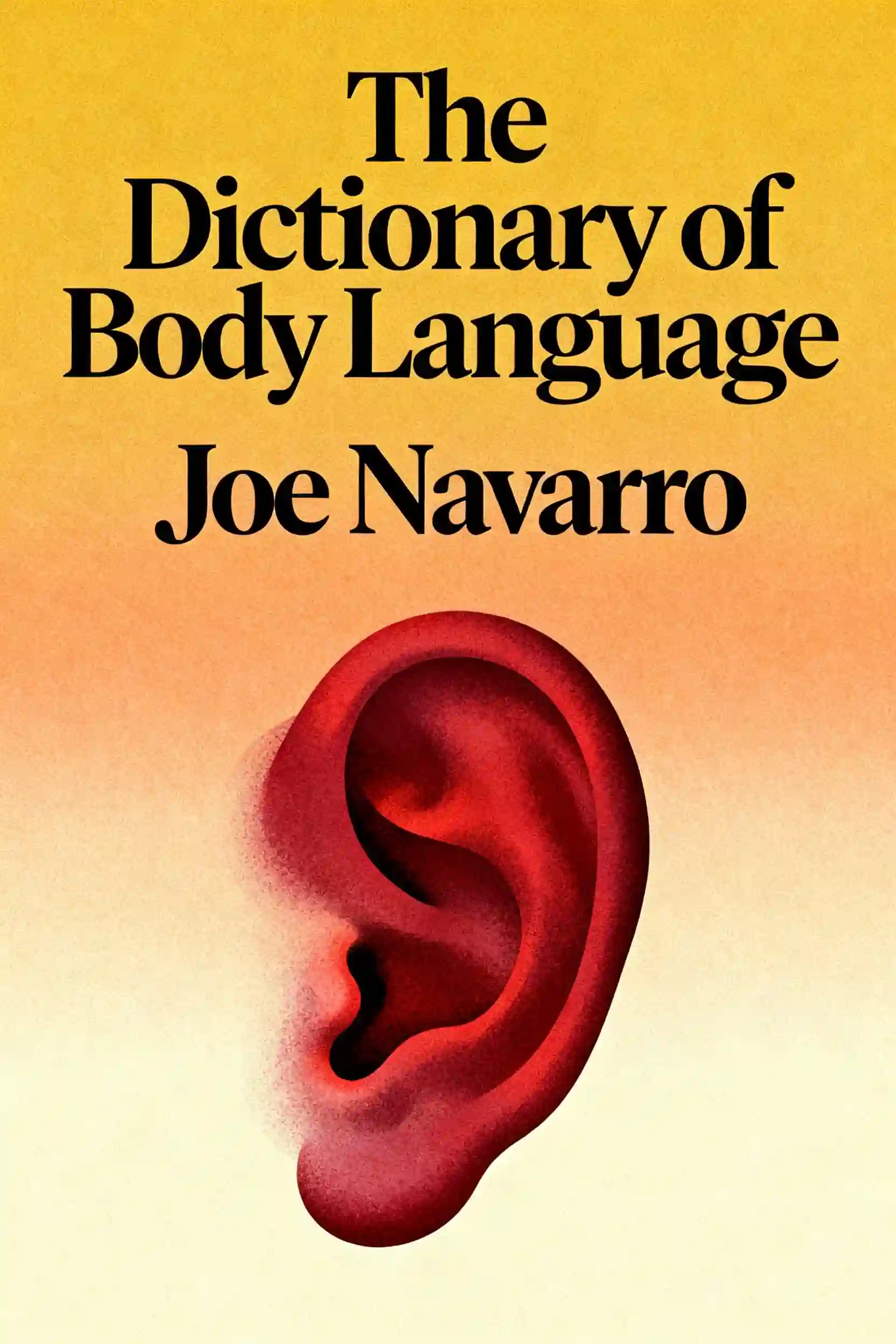
    Lena: Right, and we've got some amazing sources to draw from today. I was just reading Joe Navarro's "The Dictionary of Body Language"-this guy spent 25 years as an FBI agent reading criminals and spies. Talk about real-world application!

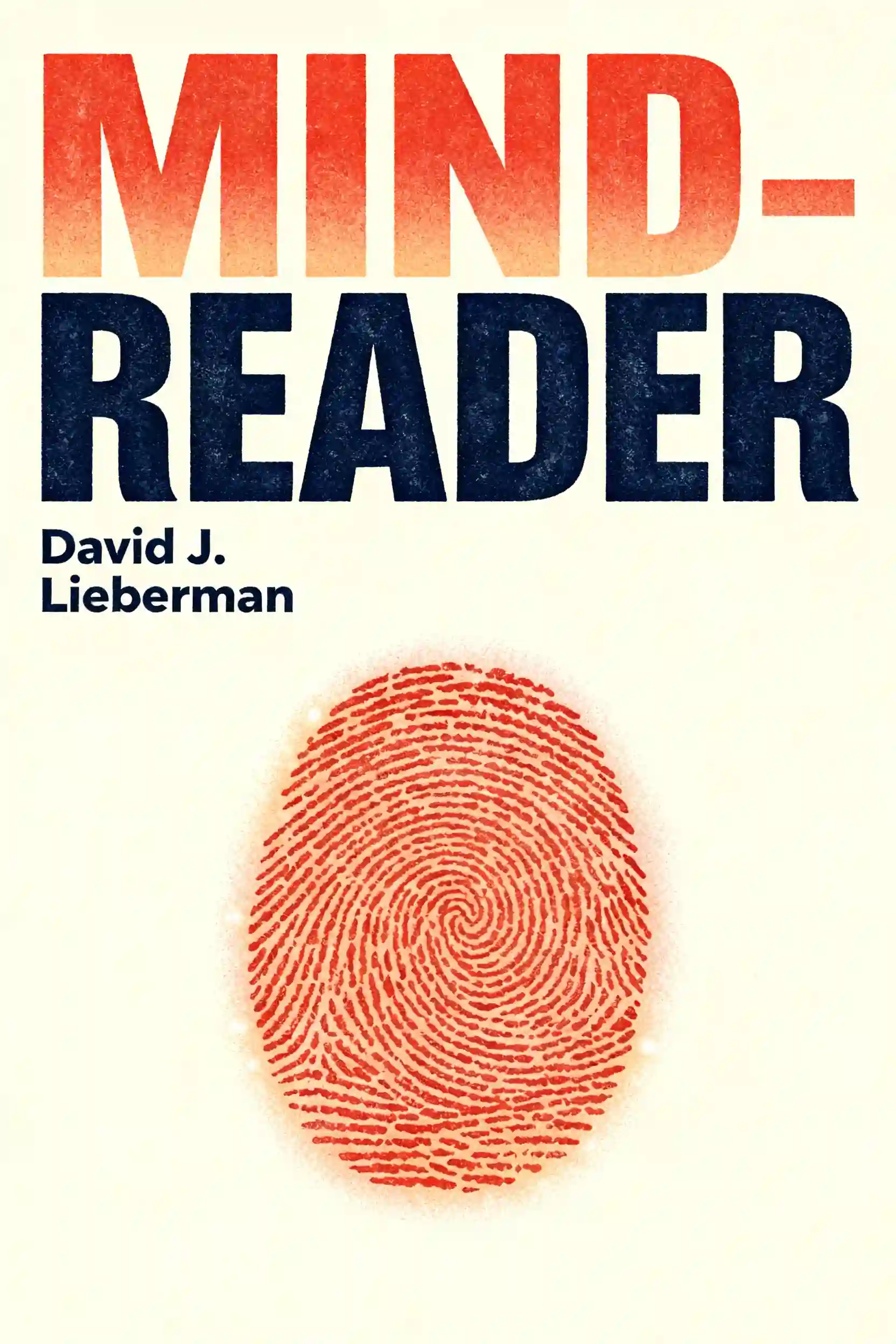
    Eli: Oh, absolutely! And then there's David Lieberman's "Mindreader," which goes beyond just body language into the hidden patterns in how people speak and think. Plus Chase Hughes' "Six-Minute X-Ray"-I mean, the title says it all. He claims you can profile someone completely in just six minutes.

    Lena: That's fascinating! And we can't forget about the broader psychological principles behind cold reading. The research shows how our minds are actually wired to make these techniques so effective. It's like we're hardwired to be susceptible to certain patterns.

    Eli: Exactly! And here's what's really cool-cold reading isn't just for psychics or mentalists. Sales professionals use it, therapists use elements of it, even law enforcement. It's everywhere once you start recognizing it.

    Lena: So for our listeners who want to develop this skill, we're going to walk through everything-from the basic psychological principles to advanced techniques. By the end of this, you'll have a complete toolkit for reading people accurately and ethically.

    이 에피소드로 더 깊이 배우기

    이 에피소드의 아이디어를 BeFreed의 가이드 학습 경험으로 더 깊이 탐구해 보세요.

    챕터 3

    The Foundation: Understanding Human Psychology

    Eli: Alright, so let's start with the foundation. Chase Hughes makes this brilliant point in "Six-Minute X-Ray"-he says there are four fundamental laws about human behavior. First, everyone is suffering and insecure in some way.

    Lena: That's such a profound starting point. It's not cynical-it's compassionate. We all carry emotional baggage, right? Even the most confident-seeming person has vulnerabilities.

    Eli: Absolutely! And the second law is that everyone wears a mask to hide their true selves. The third is that we all pretend not to wear these masks. And fourth-our behaviors are largely shaped by childhood experiences of suffering and reward.

    Lena: You know, that connects beautifully with what Lieberman discusses in "Mindreader." He talks about how our language patterns reveal these hidden psychological states. When someone feels insecure, they unconsciously change how they speak.

    Eli: Right! And here's where it gets really interesting. Hughes suggests we need to look at people through four lenses: People are broken, people are different, people are facts, and people are reasons. It's like having X-ray vision for human behavior.

    Lena: I love that framework. It's saying, okay, recognize that everyone has flaws and pain, but also that everyone is unique. Then observe them objectively as facts, but remember there's always a reason behind their actions.

    Eli: Exactly! And this is where the real skill comes in. Most of us go through life making snap judgments or missing these subtle cues entirely. But when you understand these principles, you start seeing the deeper patterns.

    Lena: It's like learning a new language, isn't it? Once you know what to look for, these signals become obvious. Speaking of which, let's talk about what Navarro discovered about body language. As a Cuban refugee who didn't speak English, he had to learn to read people's true intentions just to survive.

    Eli: That's such a powerful origin story! And it shows how these skills aren't just academic-they're survival tools. Navarro learned that the body never lies. When someone says "I'm fine" but their shoulders slump and their lips compress, their body is telling the truth their words won't admit.

    챕터 4

    Reading the Body's Honest Signals

    Lena: So let's dive into the specifics of body language. Navarro organizes everything from head to toe, and it's fascinating how much information we're constantly broadcasting without realizing it.

    Eli: Starting with the head-this is our most expressive communication center. Even something as simple as hair can function as what Navarro calls an "unofficial resume." It signals rank, identity, status.

    Lena: That's so true! And the movements are crucial. Like, when someone nods while pursing their lips, it might look like agreement, but it actually signals disagreement. The body is contradicting the gesture.

    Eli: Yes! And here's a technique I found fascinating-the "hooding" gesture. When someone interlaces their fingers behind their head with elbows out, it resembles a cobra's hood. It's a dominance display that signals comfort and authority.

    Lena: But here's the key insight-you rarely see this gesture around higher-status individuals. It reveals the power dynamics in the room. It's like the body is unconsciously respecting hierarchy.

    Eli: Exactly! And let's talk about eyes and eyebrows. Navarro mentions this thing called "eyebrow flashing"-a rapid, gravity-defying movement that happens in under one-fifth of a second. It signals excitement or acknowledgment when verbal greeting isn't possible.

    Lena: I've noticed this! Like when you see someone across a crowded room and can't call out to them. That quick eyebrow flash is like a silent "hey, I see you!" But when it's absent-like when store clerks avoid eye contact-it's instantly noticeable and creates disconnect.

    Eli: Right! And pupils are incredible truth detectors. They involuntarily reveal emotions-dilating with comfort or attraction, constricting with dislike. It's especially visible in light-colored eyes.

    Lena: This connects to something Lieberman discusses about confidence versus anxiety. When we're confident and "in the zone," our focus shifts outward and self-awareness disappears. But anxiety reverses this, turning attention inward.

    Eli: That's brilliant! And you can see it physically. Anxiety produces visible signs-flushed or pale face, rapid breathing, trembling, higher vocal pitch from tightened vocal cords. The body can't hide these stress responses.

    Lena: And moving down to the mouth and lips-these are uniquely human features rich with nerve endings. Navarro explains how lips become smaller when stressed and fuller when relaxed as blood flow shifts.

    Eli: The micro-compressions are amazing too. Throughout the day, our lips compress during negative experiences-even brief compressions lasting just 1/20th of a second signal negative emotions. It's like a real-time emotional barometer.

    이 에피소드로 더 깊이 배우기

    이 에피소드의 아이디어를 BeFreed의 가이드 학습 경험으로 더 깊이 탐구해 보세요.

    챕터 5

    The Language of Truth and Deception

    Lena: Now let's get into something really practical-how language reveals truth and deception. Lieberman's research on this is groundbreaking.

    Eli: Oh, this is where it gets really fascinating! First-person pronouns like "I" and "me" indicate psychological ownership. When someone says "I really liked your presentation" versus just "Nice presentation," the first shows personal investment.

    Lena: That's such a subtle but powerful distinction. And high performers actually use about 60% more first-person pronouns in job interviews because they're drawing from genuine experiences, not fabricating responses.

    Eli: Exactly! And then there's the shift from active to passive voice. Politicians saying "Mistakes were made" instead of "I made a mistake"-it's a way of decreasing personal responsibility.

    Lena: You can see this with children too. A kid who's excited about camp will use active language: "I ate breakfast, then we went to the park." But a lackluster experience becomes passive: "First, it was breakfast, then they moved us to the park."

    Eli: Right! And spatial words reveal emotional connection. Using "this" or "here" signals positive association, while distancing language indicates detachment. It's like the mind is literally positioning itself closer to or farther from experiences.

    Lena: This ties into what Hughes calls the "Behavioral Table of Elements." He breaks down complex human interactions into observable, measurable components. Eye movement patterns, gestural tendencies, speech patterns-it's all data.

    Eli: And for lie detection, the key is cognitive load. Lying requires more mental energy than truth-telling, creating detectable patterns as liars take shortcuts. Truthful people show more emotional expressiveness in unfair situations.

    Lena: That's counterintuitive, isn't it? You'd think liars would be more emotional, but they're actually often more controlled because they're managing their deception. Truthful people can afford to be genuinely reactive.

    Eli: Absolutely! And here's a practical tip from Lieberman-to improve assessment, introduce an emotional stressor by alluding to possible misconduct without direct accusation. Innocent people won't recognize the implication while guilty ones become defensive.

    Lena: So you're essentially creating a psychological pressure test. The innocent person thinks "What are they talking about?" while the guilty person immediately starts building defenses.

    챕터 6

    Micro-Expressions and Rapid Assessment

    Eli: Let's dive deeper into Hughes' six-minute profiling system. He talks about micro-expressions-these brief, involuntary facial expressions that reveal true emotions, often lasting just fractions of a second.

    Lena: This is where the real skill comes in, right? Most people miss these completely because they happen so fast. But with practice, you can learn to spot and interpret them.

    Eli: Exactly! A quick lip compression might indicate someone's holding back an opinion or emotion. A subtle eyebrow flash can signal recognition or interest. Even the speed at which someone's eyes move-what Hughes calls "shutter speed"-provides information about their emotional state and cognitive processing.

    Lena: And it's not just individual gestures. You have to look at clusters of behaviors. One isolated movement doesn't tell the whole story, but when you see patterns emerge, you can make accurate assessments.

    Eli: Right! Like Navarro's observation about shoulders. A single raised shoulder typically signals doubt, while raised and maintained high shoulders-the "turtle effect"-reveal insecurity. It's like the person is trying to hide in plain sight.

    Lena: I see this all the time when someone's asked to volunteer or when students face unexpected questions. The shoulders go up and stay up. It's such a clear signal of discomfort.

    Eli: And arms are fascinating too. Self-hugging provides comfort when we're stressed or need self-soothing. Arm-crossing often shields our vulnerable belly when feeling threatened, or physically restrains us when upset.

    Lena: Like that angry customer who's been bumped from a flight. You can literally see them holding themselves back with their arms. The body is managing the emotion before the mind even processes it.

    Eli: Exactly! And hands are incredible communication tools. The "rogatory position"-palms up-universally communicates humility and cooperation. It's saying "My hands are clean" or "I am at your command."

    Lena: But then you have hand steepling-placing fingertips together like a church steeple. That universally displays confidence. Leaders like Germany's Chancellor Angela Merkel frequently use this gesture.

    Eli: Though Hughes makes an important point-it doesn't guarantee accuracy. Someone can be confidently wrong yet still convince others through this powerful display. It's about perceived authority, not actual knowledge.

    이 에피소드로 더 깊이 배우기

    이 에피소드의 아이디어를 BeFreed의 가이드 학습 경험으로 더 깊이 탐구해 보세요.

    챕터 7

    The Lower Body Truth Detector

    Lena: Now let's talk about something most people completely ignore-feet and legs. Da Vinci called the human foot "a masterpiece of engineering and a work of art."

    Eli: And they're incredible truth detectors! Feet that suddenly go "flat" indicate concerns-it's an evolutionary freezing response. During conversations, we signal wanting to leave by pointing one foot toward the door.

    Lena: That's so practical! I bet everyone listening can think of times they've unconsciously done this. When you dislike someone, your feet often turn away from them or toward exits, even when you're trying to be polite.

    Eli: Right! And turning toes inward-"pigeon toes"-signals insecurity or vulnerability. But a single foot's toes pointing upward with the heel grounded typically indicates positive emotions.

    Lena: You can see this in poker games, right? Emotional highs manifest through animated, jumpy feet. Both excited children and adults with winning hands show this pattern.

    Eli: Absolutely! And our legs naturally gravitate toward what interests us. In dating situations, when women are comfortable, they might dangle their shoe near the foot's instep. But this behavior ceases immediately if discomfort arises.

    Lena: It's like the lower body is this honest reporter that can't be easily controlled by our conscious mind. While we're managing our facial expressions and words, our feet and legs are broadcasting our real feelings.

    Eli: Exactly! And this connects to something Hughes emphasizes-you need to observe these behaviors systematically. In the first minute, focus on overall body language and positioning. Second minute, zero in on facial expressions and micro-expressions.

    Lena: Then minutes three and four are about speech patterns and content. Minute five, look for consistencies or inconsistencies between verbal and non-verbal communication. And in the final minute, step back for the big picture.

    챕터 8

    Advanced Psychological Profiling

    Eli: Let's get into some of the more advanced concepts. Lieberman talks about relationship dynamics and how they reveal themselves through language patterns. Pronoun choice exposes relationship quality with incredible precision.

    Lena: This is fascinating stuff. Crime victims rarely use "we" when describing interactions with attackers. But in healthy romantic relationships, using "we" instead of "you/I" signals couple identity and predicts relationship satisfaction.

    Eli: Right! And the order in which people mention information reveals subconscious priorities. Earlier mentions suggest stronger connections. It's like the mind is organizing information by emotional importance.

    Lena: Power dynamics show up clearly too. Lower-status individuals don't command those of higher status. The extent of request modification-using "please," turning commands into questions, apologizing-reveals perceived status position.

    Eli: And here's something counterintuitive-powerful people tend to use fewer first-person pronouns than those of lower status. We become self-oriented when feeling insecure and outwardly oriented when feeling empowered.

    Lena: So someone saying "You should know this" versus "I would like you to know this" is revealing their perceived power position. The more secure they feel, the less they need to reference themselves.

    Eli: Exactly! And Hughes talks about what he calls "Gestural Hemispheric Tendency"-which side of the body someone tends to gesture with. Right-side gestures often indicate confidence and openness, while left-side gestures can suggest hesitation or deception.

    Lena: It's like the brain's processing is literally showing up in physical behavior. The analytical left brain controlling the right side of the body, and the emotional right brain controlling the left side.

    Eli: And in poker-which Hughes uses as a perfect laboratory for reading people-nervous betting often accompanies strong hands because players feel pressure about maximizing their opportunity. Bluffers appear more casual because they maintain control over their choices.

    Lena: That's brilliant! The person with the strong hand has fewer options and more pressure, while the bluffer is completely in control of their narrative. The stress patterns are completely different.

    이 에피소드로 더 깊이 배우기

    이 에피소드의 아이디어를 BeFreed의 가이드 학습 경험으로 더 깊이 탐구해 보세요.

    챕터 9

    Emotional Intelligence and Connection

    Lena: Now, I want to talk about something crucial-the ethical use of these skills. This isn't about manipulation. It's about genuine understanding and connection.

    Eli: Absolutely! Lieberman makes this beautiful point that the ultimate goal isn't mind reading-it's meaningful connection. These insights serve as pathways to deeper relationships, not just tools for advantage.

    Lena: And there's a difference between self-esteem and confidence that's really important to understand. Confidence relates to effectiveness in specific situations, while self-esteem is recognizing our inherent worthiness.

    Eli: Right! Someone might have high self-esteem but low confidence in particular skills. But those who build identity around specific traits-"I'm significant because I'm pretty; valuable because I'm smart"-may appear confident but actually have low self-esteem.

    Lena: Because they require constant comparison to feel worthy. And here's something fascinating-inflated ego actually stems from self-loathing, not high self-esteem. Arrogance compensates for a faltering self-image, while humility signifies healthy self-regard.

    Eli: That's such an important distinction for anyone developing these reading skills. When you see arrogance or boastfulness, you're often seeing someone who's deeply insecure underneath. It changes how you respond to them.

    Lena: Exactly! And authentic happiness comes from connection to reality, not escape. The more meaningful something is, the greater pleasure it brings. Research shows those prioritizing relationships, personal growth, and social causes are happier than those pursuing money and fame.

    Eli: This ties back to Hughes' point about everyone being broken and suffering in some way. When you approach people with this understanding, these reading skills become tools for compassion rather than manipulation.

    Lena: And emotional resilience-which Lieberman discusses-is our capacity to adapt to stress without psychological dysfunction. It's like having emotional Teflon coating that helps us handle pressures and traumas.

    Eli: Building resilience requires facing anxiety rather than avoiding it. Escaping anxiety provides temporary relief but strengthens avoidance patterns. It's counterintuitive, but you have to lean into discomfort to build strength.

    챕터 10

    Practical Applications and Real-World Use

    Lena: So let's get practical. How do our listeners actually apply this in real life? I mean, this sounds amazing in theory, but what does it look like in practice?

    Eli: Great question! Let's start with everyday situations. In a business meeting, you can quickly assess who the real decision-makers are by watching body language and listening to language patterns. The person everyone else subtly orient toward, who uses more commanding language-that's your real target audience.

    Lena: And in sales, which is mentioned across all these sources, you can adapt your approach based on what you're reading. If someone's showing signs of anxiety or insecurity, you might focus more on reassurance and building trust rather than pushing features and benefits.

    Eli: Exactly! And dating is another huge application. Instead of just talking about yourself or trying to impress, you can read whether someone is genuinely interested or just being polite. Are their feet pointing toward you or the exit? Are they using "we" language or keeping everything separate?

    Lena: But here's something important-you have to practice this ethically. Navarro emphasizes that this awareness isn't about manipulation. It's about fostering empathy and recognizing when others need support.

    Eli: Right! Like if you notice someone showing signs of stress or discomfort, instead of exploiting that, you can adjust your approach to make them more comfortable. Maybe slow down the conversation, give them more space, or simply acknowledge what they might be feeling.

    Lena: And in parenting! Oh my goodness, imagine being able to better read your children's emotional states. When a kid says they're "fine" but their body language says otherwise, you can address what's really going on.

    Eli: That's beautiful! And it works in reverse too. Kids are natural cold readers-they pick up on inconsistencies between what adults say and how they act. Being more aware of your own signals makes you a more authentic communicator.

    Lena: Let's talk about the workplace. Hughes mentions that these techniques are used by Fortune 500 executives and FBI negotiators. In negotiations, you can tell when someone is genuinely considering your offer versus when they've already decided but are going through the motions.

    Eli: And in team meetings, you can identify who has concerns they're not voicing, who's genuinely engaged versus who's just being polite, and how the group dynamics are really playing out beneath the surface conversation.

    Lena: But remember what all these authors emphasize-look for clusters of behaviors, not isolated gestures. And always consider baseline behavior. Someone might naturally be fidgety or use certain speech patterns, so you need to notice changes from their norm.

    Eli: Absolutely! And practice makes perfect. Hughes suggests starting with low-stakes situations. People-watch at coffee shops, observe interactions at social gatherings, practice with friends who know what you're doing.

    이 에피소드로 더 깊이 배우기

    이 에피소드의 아이디어를 BeFreed의 가이드 학습 경험으로 더 깊이 탐구해 보세요.

    챕터 11

    Building Your Cold Reading Toolkit

    Eli: Alright, let's give our listeners a practical toolkit they can start using immediately. First, master the basics of observation. Navarro's head-to-toe approach is perfect for this.

    Lena: Start with the face. Look for micro-expressions, incongruence between different parts of the face, and changes in baseline expression. Remember, the left side of the face shows negative emotions more accurately due to emotional chirality.

    Eli: Then move to posture and positioning. How is someone orienting their body? Are they open or closed off? Are they creating barriers with objects or their arms? Where are their feet pointing?

    Lena: And listen to speech patterns. Lieberman's insights about first-person pronouns, active versus passive voice, and spatial language are incredibly practical. You can start noticing these patterns in every conversation.

    Eli: Here's a specific technique from Hughes-introduce mild emotional stressors and watch the response. Not to manipulate, but to get more accurate reads. Ask slightly challenging questions or bring up topics that might reveal true feelings.

    Lena: But always do this ethically! The goal is understanding, not exploitation. If you discover someone is struggling or insecure, use that information to be more supportive, not to take advantage.

    Eli: And practice the Barnum statement technique. These are vague, general statements that appear specific but can apply to many people. "You have a great need for others to like and admire you" or "You pride yourself on being an independent thinker."

    Lena: Watch how people respond to these. Do they light up with recognition? Do they elaborate and provide specific examples? This teaches you about the Forer effect-our tendency to accept generalized descriptions as uniquely applicable to ourselves.

    Eli: Another practical tip-use the "fishing" technique. Make tentative statements and gauge reactions. "I sense a connection to the letter M" and then adjust based on their response. But again, use this for connection, not manipulation.

    Lena: And develop your emotional intelligence alongside these technical skills. The quality of our relationships directly mirrors our emotional health. When we're self-absorbed-whether from pain, arrogance, or self-pity-meaningful connection becomes impossible.

    Eli: That's such an important point. These skills are most powerful when they diminish the "I" and create space for others. It's about genuine curiosity and care for understanding people, not about feeling superior or gaining advantage.

    챕터 12

    Practical Applications and Listener Takeaways

    Lena: So as we start wrapping up, let's talk about the most practical takeaways for everyone listening. What can you start doing today to develop these skills?

    Eli: First, become a student of human behavior. Start noticing the patterns we've discussed. When you're in conversations, pay attention to how people's body language changes when topics shift. Notice when someone's words don't match their nonverbal cues.

    Lena: And practice the baseline observation technique. When you first meet someone, quickly assess their normal behavior patterns. How do they usually hold their shoulders? What's their typical speech pace? Then watch for deviations from that baseline.

    Eli: Here's something practical from Navarro-look for pacifying behaviors. When people touch their neck, especially at the suprasternal notch, they're revealing insecurity and anxiety. Men tend to grab their neck robustly, while women touch it more delicately.

    Lena: And remember the power of questions. Instead of making statements, ask open-ended questions and listen not just to the content but to how people respond. Are they comfortable with the topic? Are they providing rich detail or staying surface-level?

    Eli: Hughes emphasizes the importance of systematic observation. Don't try to read everything at once. Focus on one area at a time-first overall body language, then facial expressions, then speech patterns, then look for consistencies.

    Lena: And here's something crucial-practice self-awareness too. Notice your own patterns. When do you touch your face or neck? How does your posture change in different situations? Understanding yourself makes you a better reader of others.

    Eli: For our listeners in professional settings, pay attention to power dynamics. Who makes eye contact while speaking versus listening? Who uses more commanding language? These patterns reveal the real hierarchy in any group.

    Lena: And in personal relationships, notice pronoun usage. Couples who use "we/our/us" language report greater satisfaction and lower divorce rates. If someone consistently uses "you" and "I" instead of "we," it might indicate emotional distance.

    Eli: But remember Lieberman's point about ethical use. The goal isn't to become manipulative. It's to become more empathetic and understanding. When you recognize that someone is struggling or insecure, respond with kindness and support.

    Lena: Exactly! And build your skills gradually. Start with low-stakes situations. Practice at coffee shops, social gatherings, or with willing friends. Don't jump into high-pressure situations until you've developed your observational skills.

    Eli: One more practical tip-learn to recognize your own cognitive biases. We all have confirmation bias, selective memory, and subjective validation tendencies. Being aware of these helps you make more accurate assessments.

    Lena: And always remember that cold reading is about probabilities, not certainties. You're making educated guesses based on patterns and observations. Stay humble and be willing to adjust your assessments as you gather more information.

    이 에피소드로 더 깊이 배우기

    이 에피소드의 아이디어를 BeFreed의 가이드 학습 경험으로 더 깊이 탐구해 보세요.

    챕터 13

    Wrap-up & Closing Reflection

    Lena: So as we bring this fascinating exploration to a close, I'm struck by how these cold reading techniques really reveal something profound about human nature and connection.

    Eli: Absolutely! What we've discovered today isn't just about reading people-it's about understanding the incredible complexity of human communication. We're constantly broadcasting information about our thoughts, feelings, and intentions, often without realizing it.

    Lena: And the beautiful thing is that this knowledge can make us more compassionate. When you understand that everyone is carrying some form of suffering or insecurity, when you can read the subtle signs of someone's emotional state, it naturally leads to greater empathy.

    Eli: Exactly! Hughes, Navarro, and Lieberman all emphasize this point-these skills are most powerful when they're used to build genuine connections rather than to gain advantage over others. It's about seeing people as they truly are, beyond the masks they wear.

    Lena: You know, what fascinates me most is how these techniques work because of our shared humanity. The reason Barnum statements are effective, the reason we respond to certain body language cues, the reason our speech patterns reveal our inner states-it's all because we have these common psychological foundations.

    Eli: Right! And it shows how much we're all seeking the same basic things-understanding, acceptance, connection. When someone lights up because they feel truly seen and understood, that's not manipulation-that's meeting a fundamental human need.

    Lena: For everyone listening who wants to develop these skills, remember that it's a journey, not a destination. Even the experts we've discussed today are constantly learning and refining their abilities. The key is to approach it with curiosity and genuine care for others.

    Eli: And start small! You don't need to become an FBI profiler overnight. Begin by simply paying more attention to the people around you. Notice the subtle signals, practice reading body language, listen for speech patterns. Most importantly, use what you learn to be a better friend, colleague, partner, or family member.

    Lena: What strikes me is how this knowledge can make us better communicators too. When you understand how your own body language and speech patterns affect others, you can be more intentional about the messages you're sending.

    Eli: Absolutely! And it can help us become more authentic. When you realize how much your nonverbal communication reveals, it encourages alignment between what you're thinking, feeling, and expressing. It's harder to be fake when you know how transparent you actually are.

    Lena: There's also something liberating about understanding these psychological principles. When you recognize your own cognitive biases, when you understand how your mind processes information and forms beliefs, it gives you more choice in how you respond to situations.

    Eli: And it can protect you from manipulation. When you understand how cold reading techniques work, you're less likely to be taken in by unethical practitioners who might try to exploit these psychological principles.

    Lena: So to everyone listening, I hope this has given you both practical tools and a deeper appreciation for the incredible complexity of human behavior. We're all walking around with these rich inner worlds, constantly communicating in ways we're not even aware of.

    Eli: And remember, the most important insight from all of this research is that everyone you meet is fighting a battle you know nothing about. These cold reading skills aren't about gaining an advantage-they're about fostering genuine understanding and connection.

    Lena: As Lieberman beautifully puts it, the true power isn't in reading minds but in opening hearts-both others' and our own. When we approach people with curiosity, compassion, and genuine interest in understanding them, that's when these techniques become truly transformative.

    Eli: So go out there and start practicing! Pay attention to the subtle signals, listen for the patterns in speech, observe the body language cues we've discussed. But most importantly, use these skills to build deeper, more meaningful relationships with the people in your life.

    Lena: And on that note, keep those questions coming, stay curious about human behavior, and remember that every interaction is an opportunity to practice these skills while making someone else feel truly seen and understood.

    Eli: Until next time, keep reading people with compassion and using your insights to create more authentic connections. Thanks for joining us on this fascinating journey into the psychology of human behavior!

    ★★★★★

    Master Cold Reading: Read Anyone in Minutes의 끝까지 도달했어요

    “23일째 매일 사용하고 있어요. 이제 제 일상의 한 부분이 되었습니다.”

    jayallen

    Master Cold Reading: Read Anyone in Minutes 베스트 인용

    “

    Cold reading isn't just about appearing to know intimate details; it's a sophisticated blend of observation and psychology used to foster genuine understanding and connection rather than manipulation.

    ”
    C

    Generated by Chad T

    질문 입력

    I want to learn how to do "cold reading" of people

    호스트 음성
    Lenaplay
    Eliplay
    지식 출처
    Dictionary of Body Language
    Mindreader
    Six-Minute X-Ray
    Cold Reading in Psychology: Techniques, Applications, and Ethical Concerns
    link
    https://neurolaunch.com/what-is-cold-reading-in-psychology/
    Psychology or 'Cold' Reading Explained - Psychologist World
    link
    https://www.psychologistworld.com/cognitive/cold-reading
    Cold Reader Tips: How Cold Reading Works - 2025 - MasterClass
    link
    https://www.masterclass.com/articles/cold-reader-guide

    컬럼비아 대학교 동문들이 제작 | 샌프란시스코에서 개발

    BeFreed는 호기심 넘치는 글로벌 커뮤니티를 하나로 연결합니다

    4.7

    평균 평점

    앱 평가 7.84천 개 이상

    BeFreed 커뮤니티

    정말이지 아직 앱을 다 써 보지도 않았는데, 며칠 써 본 것만으로도 깊은 인상을 받았어요… BeFreed는 제가 써 본 어떤 학습 앱과도 차원이 달라요. 몰입감이 엄청나고 집중력도 실제로 좋아져서, 스마트폰을 하염없이 스크롤하는 분들께 딱이에요!

    @ladyInfinity

    정확히 23일 전에 BeFreed를 구입했는데, 그날부터 하루도 빠짐없이 쓰고 있어요. 제 일상 업무 흐름과 학습 습관에 완전히 자리 잡았어요.

    @jayallen

    솔직히 이 앱은 제 기대를 전부 뛰어넘었어요. 어떤 주제든 오디오로 만들어 달라고 할 수 있고, 결과물이 놀라워요. 제 전문 분야는 심리치료 쪽이고 여러 학문이 얽혀 있는데도 답변이 아주 정확해요.

    @Raguipa

    제일 고마운 건 스크롤하는 시간이 확 줄었다는 거예요. 검색하는 시간은 줄고 흡수하는 시간은 늘었어요. 오디오북 전권, 팟캐스트, 학습 플랜의 조합이 정말 훌륭해요.

    @colonyofcreatorsNGO

    저는 24년째 PhotoReading 속진 학습 강사로 일하고 있어요… 책과 독서, 배움이 제 전문인데, BeFreed는 정보를 소화하기 쉽게 전달하는 혁신적인 방식을 정말 잘 구현했어요.

    @BeFreed user

    단순한 책 요약 앱이 아니에요. '재미' 스타일을 써 봤는데, 전통적인 방식보다 훨씬 나은 요약이고 아이디어를 이해하기도 쉬워요. 이것만으로도 값어치를 해요.

    @austinakon

    이 앱이 정말 좋아요. 며칠 써 봤는데 듣는 걸 멈출 수가 없어요. 시작하기에 이보다 좋을 수 없어요.

    @jcrules328

    정말 마음에 들어요. 한 달 정도 써 봤는데 숨은 보석을 찾은 기분이에요. BeFreed로 제가 원하는 주제를 직접 만들 수 있어서 좋고, 목소리도 훌륭한 데다 내레이션 선택지가 무궁무진해요.

    @DanielCZ

    정말이지 아직 앱을 다 써 보지도 않았는데, 며칠 써 본 것만으로도 깊은 인상을 받았어요… BeFreed는 제가 써 본 어떤 학습 앱과도 차원이 달라요. 몰입감이 엄청나고 집중력도 실제로 좋아져서, 스마트폰을 하염없이 스크롤하는 분들께 딱이에요!

    @ladyInfinity

    정확히 23일 전에 BeFreed를 구입했는데, 그날부터 하루도 빠짐없이 쓰고 있어요. 제 일상 업무 흐름과 학습 습관에 완전히 자리 잡았어요.

    @jayallen

    솔직히 이 앱은 제 기대를 전부 뛰어넘었어요. 어떤 주제든 오디오로 만들어 달라고 할 수 있고, 결과물이 놀라워요. 제 전문 분야는 심리치료 쪽이고 여러 학문이 얽혀 있는데도 답변이 아주 정확해요.

    @Raguipa

    제일 고마운 건 스크롤하는 시간이 확 줄었다는 거예요. 검색하는 시간은 줄고 흡수하는 시간은 늘었어요. 오디오북 전권, 팟캐스트, 학습 플랜의 조합이 정말 훌륭해요.

    @colonyofcreatorsNGO

    저는 24년째 PhotoReading 속진 학습 강사로 일하고 있어요… 책과 독서, 배움이 제 전문인데, BeFreed는 정보를 소화하기 쉽게 전달하는 혁신적인 방식을 정말 잘 구현했어요.

    @BeFreed user

    단순한 책 요약 앱이 아니에요. '재미' 스타일을 써 봤는데, 전통적인 방식보다 훨씬 나은 요약이고 아이디어를 이해하기도 쉬워요. 이것만으로도 값어치를 해요.

    @austinakon

    이 앱이 정말 좋아요. 며칠 써 봤는데 듣는 걸 멈출 수가 없어요. 시작하기에 이보다 좋을 수 없어요.

    @jcrules328

    정말 마음에 들어요. 한 달 정도 써 봤는데 숨은 보석을 찾은 기분이에요. BeFreed로 제가 원하는 주제를 직접 만들 수 있어서 좋고, 목소리도 훌륭한 데다 내레이션 선택지가 무궁무진해요.

    @DanielCZ

    유용한 정보와 아이디어를 8~15분짜리 팟캐스트 스타일 오디오로 압축해서 들을 수 있다는 게 정말 좋아요. 원래 팟캐스트는 군더더기가 많아서 안 좋아했는데, 여기는 그걸 싹 걷어냈어요.

    @BeFreed user

    박사 과정을 마무리하는 중이라 낯선 자료를 많이 읽어야 해요… BeFreed에서는 프롬프트만 입력하면 앱이 자료를 찾아서 오디오 팟캐스트로 만들어 줘요. BeFreed의 과정이 NotebookLM보다 더 매끄럽게 느껴져요.

    @Brad

    아침을 준비하거나 산책하거나 출퇴근할 때 들을 것을 YouTube에서 자주 찾곤 했는데, BeFreed는 광고도 군더더기도 없이 훨씬 더 딱 맞는 걸 들려줘요!

    @BeFreed user

    이 플랫폼의 가장 큰 장점은 활용도예요. 다루지 못하는 주제가 말 그대로 하나도 없어요. 무엇을 던져도 다 소화해요… 제한이 전혀 없으면서 약속을 실제로 지키는 학습 도구는 정말 드물어요.

    @jayallen

    BeFreed는 환상적이에요. 디자인이 편해서 헤매는 시간은 줄고 배우는 시간은 늘었어요. 오디오북, 팟캐스트, 학습 플랜의 조합은 천재적이에요. 제 하루가 완전히 달라졌어요.

    @BeFreed user

    처음엔 이탈리아어로 팟캐스트를 만드는 방법을 이해하는 데 시간이 좀 걸렸는데, 알고 나니까 — 와! 정말 대단해요! 어떤 주제든 설명해 달라고 하면 정말 똑똑하게 잘 설명해 줘요!

    @matteo77

    BeFreed는 제가 매일 쓰는 오디오북 앱이 됐어요… 제일 마음에 드는 건 텍스트를 넣으면 이동 중에도 들을 수 있는 오디오로 만들어 준다는 점이에요.

    @kotanzu1

    유용한 정보와 아이디어를 8~15분짜리 팟캐스트 스타일 오디오로 압축해서 들을 수 있다는 게 정말 좋아요. 원래 팟캐스트는 군더더기가 많아서 안 좋아했는데, 여기는 그걸 싹 걷어냈어요.

    @BeFreed user

    박사 과정을 마무리하는 중이라 낯선 자료를 많이 읽어야 해요… BeFreed에서는 프롬프트만 입력하면 앱이 자료를 찾아서 오디오 팟캐스트로 만들어 줘요. BeFreed의 과정이 NotebookLM보다 더 매끄럽게 느껴져요.

    @Brad

    아침을 준비하거나 산책하거나 출퇴근할 때 들을 것을 YouTube에서 자주 찾곤 했는데, BeFreed는 광고도 군더더기도 없이 훨씬 더 딱 맞는 걸 들려줘요!

    @BeFreed user

    이 플랫폼의 가장 큰 장점은 활용도예요. 다루지 못하는 주제가 말 그대로 하나도 없어요. 무엇을 던져도 다 소화해요… 제한이 전혀 없으면서 약속을 실제로 지키는 학습 도구는 정말 드물어요.

    @jayallen

    BeFreed는 환상적이에요. 디자인이 편해서 헤매는 시간은 줄고 배우는 시간은 늘었어요. 오디오북, 팟캐스트, 학습 플랜의 조합은 천재적이에요. 제 하루가 완전히 달라졌어요.

    @BeFreed user

    처음엔 이탈리아어로 팟캐스트를 만드는 방법을 이해하는 데 시간이 좀 걸렸는데, 알고 나니까 — 와! 정말 대단해요! 어떤 주제든 설명해 달라고 하면 정말 똑똑하게 잘 설명해 줘요!

    @matteo77

    BeFreed는 제가 매일 쓰는 오디오북 앱이 됐어요… 제일 마음에 드는 건 텍스트를 넣으면 이동 중에도 들을 수 있는 오디오로 만들어 준다는 점이에요.

    @kotanzu1

    웹에서 BeFreed가 어떻게 논의되고 있는지 더 보기
    129.7K19.5K
    55.2K19.2K
    154.2K10827355
    48.1K2.5K
    81.2K6.6K
    82.3K1.8K
    지금 바로 학습 여정을 시작하세요
    BeFreed 앱
    BeFreed

    무엇이든 개인화된 학습

    DiscordLinkedIn
    추천 도서 요약
    Crucial ConversationsThe Perfect MarriageInto the WildNever Split the DifferenceAttachedGood to GreatSay Nothing
    인기 카테고리
    Self HelpCommunication SkillRelationshipMindfulnessPhilosophyInspirationProductivity
    유명인 추천 도서
    Elon MuskCharlie KirkBill GatesSteve JobsAndrew HubermanJoe RoganJordan Peterson
    수상작 컬렉션
    Pulitzer PrizeNational Book AwardGoodreads Choice AwardsNobel Prize in LiteratureNew York TimesCaldecott MedalNebula Award
    추천 주제
    ManagementAmerican HistoryWarTradingStoicismAnxietySex
    연도별 베스트 도서
    2025 Best Non Fiction Books2024 Best Non Fiction Books2023 Best Non Fiction Books
    추천 저자
    Chimamanda Ngozi AdichieGeorge OrwellO. J. SimpsonBarbara O'NeillWinston ChurchillCharlie Kirk
    BeFreed vs 다른 앱
    BeFreed vs. Other Book Summary AppsBeFreed vs. ElevenReaderBeFreed vs. ReadwiseBeFreed vs. Anki
    학습 도구
    Knowledge VisualizerAI Podcast Generator
    정보
    회사 소개arrow
    가격arrow
    FAQarrow
    블로그arrow
    채용arrow
    파트너십arrow
    앰배서더 프로그램arrow
    디렉토리arrow
    BeFreed
    Try now
    © 2026 BeFreed
    이용 약관개인정보 처리방침
    BeFreed

    무엇이든 개인화된 학습

    DiscordLinkedIn
    추천 도서 요약
    Crucial ConversationsThe Perfect MarriageInto the WildNever Split the DifferenceAttachedGood to GreatSay Nothing
    인기 카테고리
    Self HelpCommunication SkillRelationshipMindfulnessPhilosophyInspirationProductivity
    유명인 추천 도서
    Elon MuskCharlie KirkBill GatesSteve JobsAndrew HubermanJoe RoganJordan Peterson
    수상작 컬렉션
    Pulitzer PrizeNational Book AwardGoodreads Choice AwardsNobel Prize in LiteratureNew York TimesCaldecott MedalNebula Award
    추천 주제
    ManagementAmerican HistoryWarTradingStoicismAnxietySex
    연도별 베스트 도서
    2025 Best Non Fiction Books2024 Best Non Fiction Books2023 Best Non Fiction Books
    학습 도구
    Knowledge VisualizerAI Podcast Generator
    추천 저자
    Chimamanda Ngozi AdichieGeorge OrwellO. J. SimpsonBarbara O'NeillWinston ChurchillCharlie Kirk
    BeFreed vs 다른 앱
    BeFreed vs. Other Book Summary AppsBeFreed vs. ElevenReaderBeFreed vs. ReadwiseBeFreed vs. Anki
    정보
    회사 소개arrow
    가격arrow
    FAQarrow
    블로그arrow
    채용arrow
    파트너십arrow
    앰배서더 프로그램arrow
    디렉토리arrow
    BeFreed
    Try now
    © 2026 BeFreed
    이용 약관개인정보 처리방침

    비슷한 콘텐츠

    Master Body Language: Read Anyone Like a Book 책 표지
    source 1source 2source 3source 4
    6 sources
    Master Body Language: Read Anyone Like a Book
    Unlock the secret language of nonverbal communication with expert techniques from FBI agents and behavioral scientists. Learn to decode gestures, facial expressions, and hidden emotions to build deeper connections and navigate social interactions with confidence.
    10 min
    Master the Art of Reading People 책 표지
    Read People Like a BookInfluence is Your SuperpowerMindreader: The New Science of Deciphering What People Really Think, What They Really Want, and Who They Really AreThe Laws of Human Nature
    15 sources
    Master the Art of Reading People
    Discover proven techniques to decode body language, detect deception, and understand the hidden psychology behind human behavior. Learn to read emotions, intentions, and power dynamics to build stronger relationships and protect yourself from manipulation.
    62 min
    How to Actually Read People Like an Expert 책 표지
    Unmasking the FaceWhat Every BODY is SayingThe Dictionary of Body LanguageHow to Read Nonverbal Communication Cues: 5 Techniques
    6 sources
    How to Actually Read People Like an Expert
    Discover FBI-backed techniques to decode body language, facial expressions, and word choices. Learn to spot authentic emotions and build genuine connections through proven psychological insights.
    8 min
    Master Cold Approach: Science-Backed Connection Secrets 책 표지
    Mastering Cold Approach: Here's What I Learned - The Harlow Methodsource 2The Art of Cold Approach Pt 1 - The Basics - Paging Dr. NerdLovesource 4
    6 sources
    Master Cold Approach: Science-Backed Connection Secrets
    Lena and Eli decode the psychology of first impressions and authentic connection, revealing how to transform stranger encounters into meaningful relationships using research-backed techniques from leading social psychology experts.
    13 min
    The CIA's Guide to Mastering Mind Reading 책 표지
    Mindreader: The New Science of Deciphering What People Really Think, What They Really Want, and Who They Really AreThe Dictionary of Body LanguageRead People Like a BookWhat Every BODY is Saying
    24 sources
    The CIA's Guide to Mastering Mind Reading
    Discover how to decode thoughts through physical signals using the CIA's remote viewing frameworks and the science of micro-expressions.
    35 min
    Decode Anyone: The Science of Reading Minds 책 표지
    The Dictionary of Body LanguageUnmasking the FaceThe Definitive Book of Body LanguageThe Art of Reading Minds
    24 sources
    Decode Anyone: The Science of Reading Minds
    Learn the scientific secrets behind reading people's true emotions and intentions through micro-expressions, vocal cues, and body language signals that reveal what others are really thinking.
    13 min
    The Science of Reading People 책 표지
    What Every Body Is SayingIt Is Hard to Read Minds without Words: Cues to Use to Achieve Empathic AccuracyHow to Read People Like a ProHow Mentalists Read Minds: Inference in Mentalism Psychology - The Mentalism Course
    7 sources
    The Science of Reading People
    Ever wonder how mentalists and negotiators seem to read minds? Learn the mechanics of empathic accuracy to better interpret the people around you.
    1064 min
    Read People Instantly: Decode Hidden Body Language 책 표지
    What Every BODY is SayingUnmasking the FaceThe Dictionary of Body LanguageHow to Read People and Decode 7 Body Language Cues
    6 sources
    Read People Instantly: Decode Hidden Body Language
    Learn to see the secret language everyone speaks but few understand. Discover how feet, faces, and micro-expressions reveal true emotions instantly, giving you a superpower hiding in plain sight.
    8 min

    Recommended Learning Plans

    Master reading body language
    학습 계획

    Master reading body language

    Body language accounts for over 60% of human communication, yet most people miss critical nonverbal cues that reveal true intentions and emotions. This learning plan is essential for professionals in sales, leadership, negotiation, law enforcement, HR, and anyone seeking to improve their interpersonal effectiveness and ability to read people accurately.

    4 h 45 m•4 섹션
    I want to read people better
    학습 계획

    I want to read people better

    Reading people is one of the most valuable skills for success in relationships, business, and life. This comprehensive plan combines insights from psychology, behavioral science, and professional interrogation techniques to give you a systematic approach to understanding human nature. Perfect for leaders, negotiators, salespeople, therapists, or anyone who wants to build stronger connections and navigate social dynamics with confidence.

    5 h 2 m•4 섹션
    Reading people
    학습 계획

    Reading people

    Reading people is a critical skill that impacts success in virtually every area of life, from personal relationships and leadership to negotiation and security. This learning plan is ideal for professionals in sales, management, HR, law enforcement, counseling, or anyone seeking to improve their interpersonal effectiveness and make better decisions based on understanding others. Whether you're navigating workplace dynamics, building deeper connections, or need to assess credibility and intent in critical situations, these skills provide a significant competitive advantage.

    5 h 44 m•4 섹션
    Read Body Language to Understand People
    학습 계획

    Read Body Language to Understand People

    In an era where much is left unsaid, mastering nonverbal cues provides a significant competitive advantage in both personal and professional settings. This plan is ideal for leaders, negotiators, and anyone looking to enhance their emotional intelligence and detect hidden social dynamics.

    6 h 28 m•4 섹션
    Read the Room in Real Time
    학습 계획

    Read the Room in Real Time

    In high-stakes professional environments, technical expertise is often secondary to the ability to decode unspoken human behavior. This plan is designed for leaders and negotiators who need to master physiological signals and micro-expressions to navigate complex power dynamics effectively.

    1 h 30 m•3 섹션
    Read Minds and Stay Centered
    학습 계획

    Read Minds and Stay Centered

    This plan is essential for professionals and leaders who need to navigate high-stakes social environments with precision. It benefits anyone looking to enhance their emotional intelligence, from sales experts to negotiators, by blending advanced observation with internal self-regulation.

    2 h•4 섹션
    Master Dark Psychology Tactics & Application
    학습 계획

    Master Dark Psychology Tactics & Application

    In an era of hidden agendas, understanding the mechanics of influence is essential for self-protection and social navigation. This plan is designed for professionals and individuals seeking to safeguard their boundaries and master the nuances of human behavior.

    5 h 59 m•4 섹션
    Master Communication & Dating Skills
    학습 계획

    Master Communication & Dating Skills

    In an increasingly digital world, mastering face-to-face interaction and emotional intelligence is a critical competitive advantage. This plan is ideal for individuals looking to overcome social anxiety, enhance their romantic life, and project a more magnetic presence in any room.

    4 h 44 m•4 섹션