BeFreed
    Categories>Technology>Linguistics: The Science Behind Speech

    Linguistics: The Science Behind Speech

    50분
    |
    |
    2026년 1월 5일
    TechnologyEducationCommunication

    Explore the fascinating world of linguistics, where we uncover the universal principles behind 6,000 languages and discover how the science of language shapes our daily communication.

    Linguistics: The Science Behind Speech
    전달 방식을 선택하세요

    하나의 에피소드, 다양한 청취 방식.

    Linguistics: The Science Behind Speech의 같은 아이디어를 나에게 맞는 목소리, 깊이, 속도로 만나보세요. 언제든 바꿀 수 있습니다.

    전체 대본 및 챕터

    챕터 1

    The Hidden Science of Speech

    Lena: Hey there, language enthusiasts! Welcome to today's episode. You know what's fascinating? Even though we speak every day, most of us never stop to think about the incredible complexity behind language. Miles, I was reading that there are between 5,000 and 6,000 languages spoken around the world today!

    Miles: That's right, Lena! And each one is as unique as a human fingerprint. No two languages are exactly alike. What's even more mind-blowing is that despite this incredible diversity, all natural languages share certain properties or characteristics.

    Lena: I've never thought about that! So there are universal principles that apply to all languages? That seems counterintuitive when you consider how different, say, English is from Chinese or Swahili.

    Miles: Exactly. And that's what linguistics helps us understand. It's not just about learning multiple languages—it's about studying the science of language itself. The patterns, the structures, the way our brains process sounds and meaning.

    Lena: I think many people confuse linguistics with just knowing lots of languages. But it sounds like it's much more about understanding how language works as a system, right?

    Miles: Absolutely! Linguistics is to language what physics is to the physical world—it helps us understand the underlying mechanisms. And it touches everything from how we form sounds with our vocal tract to how social constructs influence the way we speak. Let's dive into what makes linguistics such a fascinating field of study and why understanding language matters to all of us.

    챕터 2

    The Building Blocks of Human Communication

    Miles: So let's start with the most fundamental question—what exactly are we dealing with when we study language? You know, Lena, when linguists break down language, they're essentially looking at it like architects examining a building.

    Lena: That's a great analogy! So what are these building blocks you're talking about?

    Miles: Well, think about it this way—every time you speak, you're actually performing multiple complex operations simultaneously. First, you're producing sounds with your mouth, tongue, and vocal cords. That's phonetics. Then you're organizing those sounds into meaningful patterns—that's phonology.

    Lena: Okay, so phonetics is about the actual physical sounds we make, and phonology is about how those sounds work together in a particular language?

    Miles: Exactly! But here's where it gets really interesting. Take the word "cat." In phonetics, we'd analyze exactly how your tongue hits the roof of your mouth for that "t" sound, or how your vocal cords vibrate for the vowel. But phonology asks a different question—why does changing that "c" to a "b" completely change the meaning to "bat"?

    Lena: Right, because in English, those sounds are what linguists call phonemes—they're the smallest units that can change meaning. But I'm guessing this works differently in other languages?

    Miles: Absolutely! This is where linguistics gets fascinating. In English, we distinguish between "p" and "b" sounds—they're separate phonemes. But in Arabic, there are sounds that English speakers can barely hear as different, yet they completely change word meanings. It's like our ears are trained from birth to hear certain distinctions and ignore others.

    Lena: That's incredible! So our brains are essentially filtering sound through the lens of our native language from day one. But let's move up to the next level—once we have these sound units, how do we build words?

    Miles: That brings us to morphology—the study of word structure. And this is where things get really creative. Every language has these building blocks called morphemes, which are the smallest meaningful units. Some words are just one morpheme, like "cat" or "run." But then you can add pieces to change the meaning.

    Lena: Like adding "-ed" to make "runned"—well, "ran" in English, but you get the idea!

    Miles: Exactly! Though English is actually pretty simple compared to some languages. In Turkish, for example, you can pile morpheme after morpheme onto a single word to express what would take us a whole sentence. There's a famous example—"Muvaffakiyetsizleştiricileştiriveremeyebileceklerimizdenmişsinizcesine"—which roughly means "as if you are from those whom we may not be able to easily make into a maker of unsuccessful ones."

    Lena: That's one word? That's mind-boggling! So morphology is like having different toolkits for building words, and each language has its own preferred tools?

    Miles: Perfect way to put it! Some languages love to stick pieces together like Turkish. Others, like Chinese, prefer to keep things more separate. And then there's syntax—how we arrange words into sentences. This is where the real magic happens, because with a finite set of words, we can create infinite meanings.

    Lena: I love this idea of infinite creativity from finite resources. But syntax rules must be pretty strict, right? I mean, "The dog chased the cat" means something completely different from "The cat chased the dog."

    Miles: You've hit on something crucial there! Word order can completely flip meaning in English. But here's what's fascinating—not all languages work this way. In Latin, for instance, you could say "Dog cat chased" or "Cat dog chased" and use word endings to show who's doing the chasing. The flexibility is built into the morphology instead of the syntax.

    Lena: So different languages solve the same communication problem—expressing who did what to whom—using completely different strategies. That's like having different architectural styles that all create functional buildings.

    Miles: That's exactly right! And this brings us to meaning—semantics and pragmatics. Because once we've got our sounds, words, and sentences organized, we still need to figure out what they actually mean in context.

    Lena: Right, because the same sentence can mean totally different things depending on the situation. Like if I say "It's hot in here," I might be making an observation, or I might be hinting that someone should open a window.

    Miles: Perfect example! Semantics would deal with the literal meaning—the temperature observation. But pragmatics asks, "What is Lena actually trying to accomplish by saying this?" Maybe you're making a request, or expressing discomfort, or even criticizing someone for not noticing.

    Lena: It's like we're constantly reading between the lines when we communicate. And I imagine this gets even more complex across cultures?

    Miles: Absolutely! What counts as polite indirectness in one culture might seem confusing or even rude in another. Japanese has incredibly elaborate systems for expressing politeness levels that English speakers often miss entirely. Meanwhile, some cultures value very direct communication that might strike others as blunt.

    Lena: This is making me realize how much invisible work our brains are doing every time we have a conversation. We're simultaneously processing sounds, recognizing word patterns, parsing sentence structure, interpreting meaning, and reading social cues—all in real time!

    Miles: And we do it so automatically that we're barely conscious of the process. It's like being a master juggler who doesn't even realize they're juggling. But here's what's really remarkable—children figure out all these complex systems just by listening to the adults around them, without explicit instruction.

    Lena: That's incredible when you think about it. No one sits down with a three-year-old and explains phonemes or morphemes, yet somehow kids crack the code of their language. There must be something special about how our brains are wired for language.

    Miles: Exactly! And that's where linguistics connects with psychology, neuroscience, and even computer science. We're not just studying language—we're studying one of the most remarkable capabilities of the human mind.

    이 에피소드로 더 깊이 배우기

    이 에피소드의 아이디어를 BeFreed의 가이드 학습 경험으로 더 깊이 탐구해 보세요.

    챕터 3

    The Architecture of Meaning

    Lena: You know, Miles, as we're talking about these building blocks, I keep thinking about meaning. Because it seems like meaning isn't just sitting there in the words themselves—it's something we construct together as we communicate.

    Miles: That's such an insightful observation! And it gets to the heart of one of the biggest debates in linguistics. Take a simple word like "dog." What does it actually mean?

    Lena: Well, it refers to that four-legged, furry animal that barks and wags its tail. But I have a feeling you're about to complicate this for me!

    Miles: Just a little! Because here's the thing—when you say "dog," are you thinking of a specific dog, like your neighbor's golden retriever? Or the abstract concept of "dogness" that includes everything from chihuahuas to Great Danes? Semantics calls this the difference between reference and sense.

    Lena: Ah, so reference is pointing to something specific in the world, while sense is more about the concept itself and how it relates to other concepts?

    Miles: Exactly! And this is where things get really interesting. The sense of "dog" in your mind includes relationships to other concepts—"animal," "pet," "mammal," "friend." It's like each word sits in this vast web of interconnected meanings.

    Lena: That makes me think about how kids learn words. They don't just memorize definitions—they're building these conceptual networks. A child might first think "dog" means any four-legged animal, then gradually narrow it down.

    Miles: Perfect example! And what's fascinating is that these semantic networks aren't the same across languages. Some languages have one word where English has several, or vice versa. Russian has different words for light blue and dark blue that are as distinct as "red" and "pink" are to us.

    Lena: So speakers of different languages might literally carve up the world of meaning differently? That's mind-blowing!

    Miles: It is! Though linguists debate how much this actually affects thinking versus just giving us different tools to express the same thoughts. But here's where pragmatics comes in—because meaning isn't just about the words themselves, it's about what we do with those words in real situations.

    Lena: Right, like when someone says "Can you pass the salt?" they're not really asking about your physical ability to pass salt. They're making a polite request.

    Miles: Exactly! Pragmatics recognizes that we use language to perform actions—we don't just describe the world, we try to change it. We make promises, give warnings, tell jokes, express love, negotiate deals. Language is a tool for getting things done.

    Lena: And I imagine this is where cultural knowledge becomes crucial. Because knowing when to be direct versus indirect, formal versus casual—that's not really about grammar, it's about understanding social relationships.

    Miles: You've nailed it! This is why someone can be perfectly fluent in the grammar and vocabulary of a language but still struggle with pragmatics. They might know all the words but miss the social subtleties of how those words are actually used.

    Lena: It's like knowing all the chess pieces but not understanding strategy. So when linguists study meaning, they're really studying this complex interaction between words, concepts, context, and social relationships?

    Miles: That's beautifully put! And here's what makes it even more complex—meaning isn't just constructed by individuals, it's negotiated between people in real time. When we're having this conversation, we're constantly checking whether you understand what I mean, adjusting our language, building on each other's ideas.

    Lena: Right! Like when you said "semantic networks" earlier, I had to connect that to what I already knew about concepts and relationships. We're co-creating understanding as we go.

    Miles: Exactly! And this brings up something really important about how linguists study meaning. They can't just look at words in isolation—they have to study language in use, in real conversations between real people.

    Lena: That makes sense. Because meaning emerges from the interaction, not just from the individual words or even sentences. It's like studying music—you can analyze individual notes, but the real magic happens when they're combined in performance.

    Miles: I love that analogy! And just like music, language has rhythm, timing, emphasis. The same sentence can convey completely different meanings depending on which word you stress, or whether you say it with rising or falling intonation.

    Lena: So pragmatics includes all these non-verbal elements too? The tone, the timing, the context?

    Miles: Absolutely! In fact, some researchers estimate that a huge portion of communication is non-verbal. A raised eyebrow, a pause, a shift in posture—these all contribute to meaning. And different cultures have different conventions for all of these elements.

    Lena: This is making me realize how miraculous it is that we ever understand each other at all! We're juggling all these different levels of meaning simultaneously—the literal words, the conceptual relationships, the social context, the non-verbal cues.

    Miles: And yet we do it so effortlessly that we rarely think about it. But here's what's really remarkable—when linguists study meaning across languages, they find both incredible diversity and surprising universals.

    Lena: What kind of universals?

    Miles: Well, all languages seem to have ways to express basic concepts like existence, possession, location. They all have ways to ask questions, make statements, give commands. They all have metaphorical language—using concrete concepts to talk about abstract ones.

    Lena: So despite all the surface differences between languages, there might be some deep commonalities in how humans organize and express meaning?

    Miles: That's exactly what many linguists think! It suggests something fundamental about how our minds work, how we categorize experience, how we use language to navigate our social and physical world.

    챕터 4

    The Time Machine of Language Change

    Miles: Lena, here's something that absolutely fascinates me about language—it's constantly changing, right under our noses, and most of the time we don't even notice it happening.

    Lena: You mean like how kids today say things differently than we did growing up? I've definitely noticed some of that!

    Miles: Exactly! But it goes so much deeper than just slang or new words. Languages are like living organisms—they're born, they evolve, they sometimes die. And linguists can actually trace these changes backwards through time, like archaeologists uncovering layers of history.

    Lena: That's such a cool way to think about it! So historical linguistics is like being a detective, looking for clues about how languages developed?

    Miles: Perfect analogy! Take English, for instance. If you tried to read Old English from a thousand years ago, you'd be completely lost. Here's a line from Beowulf: "Hwæt! We Gardena in geardagum." That means "Listen! We of the Spear-Danes in days of old." It's technically the same language, but it might as well be foreign.

    Lena: That's incredible! So English has basically transformed into a completely different language over time. But how do linguists figure out these connections?

    Miles: They look for patterns in how sounds change systematically across related languages. For example, if you look at the word for "father" across Indo-European languages—"father" in English, "padre" in Spanish, "père" in French, "pater" in Latin, "pitā" in Sanskrit—you can see they all come from the same ancient root.

    Lena: So it's like these languages are all cousins, descended from some common ancestor language that was spoken thousands of years ago?

    Miles: Exactly! Linguists call it Proto-Indo-European, and even though no one wrote it down, we can reconstruct a lot of it by comparing its descendant languages. It's like reverse-engineering the original from all the copies.

    Lena: That's amazing! But what actually drives these changes? Why doesn't language just stay the same?

    Miles: Great question! There are so many factors. Sometimes it's just the natural drift that happens when sounds get easier to pronounce over time. Other times it's contact between different groups of speakers. When languages meet, they borrow from each other like crazy.

    Lena: Right! English is famous for borrowing words from everywhere, isn't it?

    Miles: Oh, absolutely! English is like the magpie of languages—it'll grab shiny words from anywhere. We've got "kindergarten" from German, "entrepreneur" from French, "tsunami" from Japanese, "safari" from Swahili. Some linguists joke that English doesn't just borrow words, it mugs other languages in dark alleys!

    Lena: That's hilarious! But I imagine this borrowing isn't random—there must be patterns to what gets borrowed and when?

    Miles: You're absolutely right! Usually, languages borrow words for new concepts or technologies. When Europeans encountered coffee through Arabic traders, they borrowed the Arabic word "qahwa," which became "coffee." When computers were invented, languages worldwide started borrowing terms like "software" and "internet."

    Lena: So language change often reflects cultural and technological change. That makes perfect sense! But what about changes in grammar and structure? Do those happen too?

    Miles: Definitely! Though they tend to be much slower. English used to have complex case systems like German still does—different word endings depending on whether something was a subject or object. Over centuries, we gradually lost most of that complexity.

    Lena: Is that why English grammar seems simpler than some other languages? We've just worn away a lot of the complicated bits over time?

    Miles: That's part of it! Though "simpler" is tricky—we've traded morphological complexity for syntactic complexity. Instead of word endings showing relationships, we rely more on word order and prepositions. It's not necessarily easier, just different.

    Lena: Interesting! So languages don't necessarily evolve toward simplicity—they just shift complexity around?

    Miles: Exactly! And here's something really fascinating—languages can also become more complex over time. Creole languages, which develop when groups with different languages need to communicate, often start very simple but gradually develop more sophisticated grammar over generations.

    Lena: That's so cool! So we can actually watch new languages being born?

    Miles: We can! And it tells us a lot about how the human language faculty works. Kids growing up with a simple pidgin—a basic contact language—will automatically make it more complex, adding consistent grammar rules that weren't there before.

    Lena: That suggests something really deep about human nature, doesn't it? That we have this drive to create complex, rule-governed communication systems?

    Miles: Absolutely! And comparative linguistics—studying relationships between languages—has revealed some incredible insights about human migration and cultural contact. Languages are like genetic markers for human populations.

    Lena: How so?

    Miles: Well, when linguists mapped out language families, they found patterns that match archaeological and genetic evidence about how humans spread around the world. The distribution of language families tells the story of human migration over thousands of years.

    Lena: So linguistics can actually contribute to anthropology and history? That's incredible!

    Miles: It really can! For instance, the fact that the Polynesian languages are all closely related helped confirm that Pacific islands were settled by seafaring peoples spreading from a common origin. Language relationships preserve ancient history that no written records captured.

    Lena: This is blowing my mind! So every time we speak, we're not just communicating in the present—we're participating in this vast historical process that connects us to speakers thousands of years in the past?

    Miles: Beautiful way to put it! And it's still happening. Right now, as we speak, languages are borrowing from each other, sounds are shifting, new words are being coined, old grammatical patterns are disappearing. We're living participants in the ongoing evolution of human language.

    Lena: It makes me want to pay more attention to how language is changing around me. Like, are we witnessing history in the making every day?

    Miles: We absolutely are! Social media, globalization, technological change—they're all accelerating language change in ways we're just beginning to understand. Future linguists will look back at this period as a time of incredibly rapid linguistic evolution.

    이 에피소드로 더 깊이 배우기

    이 에피소드의 아이디어를 BeFreed의 가이드 학습 경험으로 더 깊이 탐구해 보세요.

    챕터 5

    The Social Symphony of Speech

    Lena: Miles, as we've been talking about all these structural aspects of language, I keep thinking about something—language doesn't exist in a vacuum, right? It's deeply embedded in social relationships and cultural contexts.

    Miles: Absolutely! And that's where sociolinguistics comes in. It's one of the most eye-opening branches of linguistics because it shows how language is never just about communication—it's about identity, power, belonging, social status.

    Lena: That makes so much sense! I mean, we all adjust how we speak depending on who we're talking to. I don't talk to my grandmother the same way I talk to my friends.

    Miles: Exactly! Sociolinguists call this "code-switching," and everyone does it. You might use more formal language in a job interview, more casual language with friends, maybe switch between languages entirely if you're multilingual. It's like having different outfits for different social occasions.

    Lena: But it's more than just being polite, isn't it? The way we speak actually signals something about who we are and where we belong?

    Miles: You've hit on something crucial! Language is one of the most powerful markers of group identity. Think about regional accents—a Southern drawl, a Boston accent, a Scottish brogue. These aren't just different ways of pronouncing words; they're badges of regional identity that people often feel very strongly about.

    Lena: Right! And I've noticed that people sometimes exaggerate their accents when they want to emphasize their connection to a place or community. It's like linguistic flag-waving.

    Miles: Perfect analogy! And this gets really complex when you consider that every person actually has multiple identities—regional, ethnic, professional, generational. We're constantly navigating between different ways of speaking that reflect these different aspects of ourselves.

    Lena: That sounds incredibly sophisticated. How do we manage all that complexity without even thinking about it?

    Miles: It's remarkable, isn't it? We're like social chameleons, unconsciously adjusting our language to fit the situation. But here's where it gets really interesting—these adjustments aren't just individual choices. They're part of larger social patterns that reveal power structures and social hierarchies.

    Lena: What do you mean by that?

    Miles: Well, think about which varieties of language get labeled as "standard" or "correct." It's usually not because they're inherently better—it's because they're associated with groups that have social power. The language of educated, urban, economically privileged speakers becomes the "prestige" variety.

    Lena: So when people talk about "proper English" or "correct grammar," they're not really making linguistic judgments—they're making social judgments?

    Miles: Exactly! From a purely linguistic perspective, saying "I ain't got none" is just as systematic and rule-governed as saying "I don't have any." But one gets labeled as "incorrect" because of social associations, not linguistic ones.

    Lena: That's such an important distinction! It means that when we judge someone's language, we're really judging their social background, aren't we?

    Miles: Unfortunately, yes. And this has real consequences. Studies show that people make assumptions about intelligence, education, trustworthiness, even moral character based on how someone speaks. It's a form of linguistic discrimination that can affect everything from job opportunities to treatment in the justice system.

    Lena: That's deeply troubling. But I imagine sociolinguistics also reveals how communities use language creatively to build solidarity and express identity?

    Miles: Absolutely! Think about African American Vernacular English, for instance. For decades, it was dismissed as "broken English," but sociolinguistic research has shown it's a fully systematic variety with its own complex grammatical rules. And it serves crucial functions in building community identity and solidarity.

    Lena: So what looked like linguistic deficiency was actually linguistic richness that wasn't being recognized or valued by the dominant culture?

    Miles: Exactly! And this pattern repeats across many communities. Teenagers develop their own slang, professional groups develop specialized jargon, immigrant communities blend languages in creative ways. All of these are examples of linguistic innovation and creativity.

    Lena: It sounds like language is constantly being reinvented by communities to serve their specific needs and express their particular identities.

    Miles: That's beautifully put! And sociolinguists have found that this variation isn't random—it follows predictable patterns. For instance, women and men often use language differently, not because of biology, but because of social expectations and roles.

    Lena: What kinds of differences do they find?

    Miles: It varies by culture, but some common patterns include women using more "prestige" forms in formal contexts, more collaborative conversational styles, different patterns of politeness. But these are statistical tendencies, not absolute rules, and they're changing as gender roles evolve.

    Lena: That makes sense. And I imagine age plays a role too? Different generations having different linguistic styles?

    Miles: Definitely! Each generation develops its own linguistic markers—slang, pronunciation patterns, communication styles. It's partly about distinguishing themselves from their parents' generation, partly about adapting to new technologies and social contexts.

    Lena: Speaking of technology, how is digital communication changing the sociolinguistic landscape?

    Miles: It's creating fascinating new varieties! Text messaging has its own grammar and conventions. Social media platforms each develop their own linguistic norms. Online communities create specialized vocabularies and communication styles. We're witnessing the birth of entirely new forms of human language use.

    Lena: And I imagine this is all happening at warp speed compared to traditional language change?

    Miles: Absolutely! Digital communication is accelerating linguistic innovation and spread in unprecedented ways. A new expression can go viral and spread globally in hours. It's like watching linguistic evolution in fast-forward.

    Lena: This makes me think about multilingual communities. How do sociolinguists study situations where people regularly use multiple languages?

    Miles: That's such an important area! In multilingual communities, people don't just switch between languages randomly—they use different languages for different social functions. Maybe Spanish at home, English at work, code-switching between both with bilingual friends.

    Lena: So multilingualism isn't just about knowing multiple languages—it's about knowing when and how to use each one appropriately in different social contexts?

    Miles: Exactly! And this challenges the monolingual bias that treats multilingualism as unusual. Actually, most of the world's population is multilingual. Monolingualism is more the exception than the rule globally.

    챕터 6

    The Mind's Language Laboratory

    Lena: You know what really fascinates me, Miles? We've been talking about all these complex linguistic systems, but somehow our brains just... figure it all out. How does that even work?

    Miles: That's the million-dollar question that psycholinguistics tries to answer! And honestly, the more we learn about how the mind processes language, the more miraculous it seems. Think about what happens when you hear a sentence—your brain has to recognize individual sounds, group them into words, parse the grammatical structure, extract meaning, all in real time.

    Lena: And we do this so automatically that we're not even aware it's happening. It's like our brains have this incredibly sophisticated language-processing computer running in the background.

    Miles: Perfect analogy! But here's what's really mind-blowing—we don't just passively decode language like a computer program. We're actively predicting what comes next, using context to fill in gaps, even "hearing" sounds that aren't actually there when speech is unclear.

    Lena: Wait, we hallucinate sounds? That's wild!

    Miles: It's called the phoneme restoration effect. If there's a cough or noise that covers up a sound in a word, your brain will literally fill in the missing sound based on context. You'll swear you heard the complete word, but part of it was just your brain's prediction.

    Lena: That's incredible! So we're not just passive receivers of language—we're active constructors of meaning, using our knowledge and expectations to make sense of what we hear?

    Miles: Exactly! And this gets even more interesting when we look at how children acquire language. Because kids aren't just memorizing words and rules—they're extracting patterns from the speech around them and building their own internal grammar systems.

    Lena: Right! No one sits down with a toddler and explains the rules of grammar, yet somehow they figure out incredibly complex patterns. How do they do that?

    Miles: That's one of the biggest puzzles in psycholinguistics! Children seem to have this remarkable ability to find patterns in linguistic input, even when that input is messy and incomplete. They'll hear "I walked" and "I talked" and somehow extract the rule that you add "-ed" for past tense.

    Lena: But then they make mistakes like "I goed" or "I runned," right? Which actually shows they've learned the rule—they're just overapplying it?

    Miles: Exactly! Those "mistakes" are actually evidence of sophisticated pattern learning. Kids extract the general rule first, then gradually learn the exceptions. It's like they're little linguists, forming hypotheses about how their language works and testing them out.

    Lena: That's so cool! But what about the speed of it all? Kids go from babbling to full conversations in just a few years. That seems impossibly fast for such a complex system.

    Miles: It really is remarkable! And what's even more amazing is that this happens regardless of intelligence, social class, or even whether children receive explicit language instruction. Every normally developing child in a linguistic environment will acquire language. It seems to be as natural as learning to walk.

    Lena: That suggests something really fundamental about human nature, doesn't it? Like we're biologically wired for language in some deep way?

    Miles: Many linguists think so! Noam Chomsky famously argued that humans have an innate "language acquisition device"—some kind of built-in capacity that makes language learning possible. The idea is that all human languages share certain universal properties because they're all products of the same underlying mental architecture.

    Lena: But if that's true, how do we account for all the diversity we see across languages? I mean, some languages seem incredibly different from each other.

    Miles: That's the fascinating tension in psycholinguistics! Yes, languages can seem very different on the surface—different sounds, different word orders, different ways of expressing concepts. But underneath, there might be deeper universals in how our minds organize and process language.

    Lena: So it's like different musical instruments playing the same underlying harmonic structures? The surface expressions vary, but there are common patterns underneath?

    Miles: I love that analogy! And psycholinguists use all kinds of clever techniques to probe these underlying processes. They measure reaction times to see how quickly people process different kinds of sentences. They track eye movements to see what people look at while listening to speech. They even use brain imaging to watch language processing in real time.

    Lena: What kinds of things have they discovered using these techniques?

    Miles: So many fascinating findings! For instance, they've found that when you hear the beginning of a word, your brain immediately activates not just that word, but all the other words that start with the same sounds. So when you hear "can-," your brain briefly considers "candle," "candy," "canoe," and dozens of other possibilities before settling on the intended word.

    Lena: So word recognition is like a competition between all these possible candidates? That's incredible!

    Miles: Exactly! And sentence processing works similarly. As you hear a sentence unfold, your brain is constantly building and revising interpretations. If you hear "The man who the woman kissed...," your brain has to hold multiple possible interpretations in mind until it gets enough information to decide which one is correct.

    Lena: This is making me realize how much mental gymnastics we're doing every time we have a conversation. It's like we're simultaneously solving multiple puzzles—sound recognition, word identification, grammatical parsing, meaning construction—all at lightning speed.

    Miles: And that's just comprehension! Production is equally complex. When you want to say something, your brain has to translate thoughts into words, organize those words grammatically, plan the motor movements for articulation, monitor your own speech for errors, all while keeping track of what your listener needs to know.

    Lena: It's honestly miraculous that we ever manage to communicate successfully at all! But what happens when this system breaks down? Can studying language disorders teach us about normal language processing?

    Miles: Absolutely! Studying aphasia—language disorders caused by brain damage—has taught us enormous amounts about how language is organized in the brain. Different types of damage affect different aspects of language, which suggests that various linguistic functions are handled by different brain regions.

    Lena: So the brain has specialized areas for different aspects of language processing?

    Miles: It seems that way! There are regions that seem particularly important for grammar, others for word meaning, others for speech sounds. But it's not like each area works in isolation—language processing involves complex networks of brain regions working together.

    Lena: This makes me think about multilingual brains. How do people who speak multiple languages manage all that complexity?

    Miles: That's such an active area of research! Multilingual brains seem to develop enhanced cognitive control systems—they get better at managing competing information and switching between different rule systems. Some studies suggest that multilingualism might even provide protection against cognitive decline in aging.

    Lena: So learning multiple languages doesn't just give you more communication tools—it actually changes how your brain works?

    Miles: It seems that way! The brain is remarkably plastic, and intensive language learning appears to strengthen various cognitive networks. It's like cross-training for the mind.

    이 에피소드로 더 깊이 배우기

    이 에피소드의 아이디어를 BeFreed의 가이드 학습 경험으로 더 깊이 탐구해 보세요.

    챕터 7

    The Digital Revolution in Language

    Lena: Miles, I've been thinking about how much technology is changing the way we use and study language. It feels like we're living through a linguistic revolution!

    Miles: You're absolutely right! Computational linguistics has exploded in the past couple decades, and it's transforming both how we understand language and how we use it in daily life. I mean, think about it—you probably interact with language AI multiple times a day without even realizing it.

    Lena: True! Like when I'm typing on my phone and it predicts what I'm going to say next, or when I ask my voice assistant a question. But how do these systems actually work? Are they really understanding language the way humans do?

    Miles: That's such a fascinating question! Current AI systems are incredibly sophisticated at pattern recognition—they can identify statistical regularities in massive amounts of text and use those patterns to generate surprisingly human-like responses. But whether they're truly "understanding" language in the way humans do is still hotly debated.

    Lena: What's the difference? If an AI can carry on a conversation that seems natural to me, isn't that understanding?

    Miles: Well, here's the thing—these systems excel at what we might call "surface" language patterns. They can predict that after "The cat sat on the..." you're likely to say "mat" or "chair." But do they really grasp what a cat is, what sitting means, why someone might mention this? That's much less clear.

    Lena: So they might be like incredibly sophisticated parrots—producing appropriate responses without genuine comprehension?

    Miles: That's one way to think about it! Though even that comparison is getting more complex as AI systems become more sophisticated. Some researchers argue that if a system can use language appropriately across a wide range of contexts, maybe the distinction between "real" and "simulated" understanding becomes less meaningful.

    Lena: That's a mind-bending philosophical question! But let's talk about the practical applications. How is computational linguistics changing fields like translation?

    Miles: Oh, it's revolutionizing translation! Machine translation used to be pretty terrible—you'd get hilariously garbled results. But modern systems trained on vast multilingual datasets can produce surprisingly good translations, especially for common language pairs and straightforward content.

    Lena: I've definitely noticed that! Though I imagine it still struggles with things like cultural context, humor, or subtle meanings?

    Miles: Absolutely! These systems often miss pragmatic nuances—the social and cultural layers of meaning we talked about earlier. They might translate the words correctly but miss the tone, the cultural references, the implied meanings that a human translator would catch.

    Lena: Right, because translation isn't just about converting words from one language to another—it's about conveying meaning across cultural contexts. That requires deep cultural knowledge, not just linguistic knowledge.

    Miles: Exactly! And this highlights something important about computational linguistics—it's incredibly powerful for certain tasks but still limited in others. Where it really shines is in analyzing massive amounts of linguistic data that would be impossible for humans to process manually.

    Lena: What kinds of insights are researchers getting from these big data approaches?

    Miles: So many exciting discoveries! Researchers can now track how language changes in real time by analyzing millions of social media posts. They can map dialect variations across geographic regions using location data. They can even identify emerging social trends by watching how new words and expressions spread through online communities.

    Lena: That's incredible! So we can actually watch language evolution happening in real time?

    Miles: We can! And it's revealing patterns we never could have seen before. For instance, researchers have found that linguistic innovations often spread through social networks in predictable ways—they start with certain types of users and follow specific pathways through online communities.

    Lena: This makes me think about how digital communication itself is creating new forms of language. Like, texting and social media have their own grammatical conventions that didn't exist before.

    Miles: Absolutely! Digital communication is creating fascinating new linguistic varieties. Text messaging developed its own abbreviated writing system—"u" for "you," "ur" for "your," emoji as a new form of paralinguistic communication. Each social media platform develops its own conventions and norms.

    Lena: And it's not just informal communication, right? I've noticed that even professional communication has become more casual and immediate because of digital tools.

    Miles: You're right! Email, instant messaging, video calls—they're all blending formal and informal communication in new ways. We're developing new norms for digital politeness, new ways of expressing tone without face-to-face cues, new conventions for managing multiple conversations simultaneously.

    Lena: But I imagine this is also creating new challenges for language learning and literacy?

    Miles: Definitely! On one hand, digital tools are making language learning more accessible than ever. You can use apps to practice vocabulary, watch videos in foreign languages with subtitles, have conversations with AI tutors. But on the other hand, the rapid pace of digital communication might be affecting how people develop deeper literacy skills.

    Lena: What do you mean by deeper literacy skills?

    Miles: Things like sustained attention for reading long texts, careful composition of complex arguments, nuanced interpretation of written material. Some educators worry that constant exposure to bite-sized digital content might be changing how our brains process written language.

    Lena: That's concerning! But could it also be developing new kinds of literacy? Like the ability to rapidly scan and synthesize information from multiple sources?

    Miles: Great point! Digital natives are incredibly skilled at navigating complex information environments, multitasking between different communication channels, rapidly filtering relevant from irrelevant information. These are genuinely new cognitive skills that previous generations didn't need to develop.

    Lena: So maybe we're not losing linguistic abilities—we're just developing different ones adapted to new technological environments?

    Miles: That's a really thoughtful way to frame it! Language has always adapted to new technologies—writing, printing, broadcasting, now digital communication. Each shift brings both losses and gains, new possibilities and new challenges.

    Lena: Speaking of new possibilities, what about AI as a tool for linguistic research itself? How is that changing what linguists can study?

    Miles: It's opening up incredible new research possibilities! Linguists can now analyze massive corpora of spoken and written language, identify subtle patterns across thousands of languages, model language change over time, even test hypotheses about language universals using computational methods.

    Lena: So AI is not just changing how we use language—it's changing how we study and understand language?

    Miles: Exactly! And it's creating new interdisciplinary collaborations between linguists, computer scientists, cognitive scientists, neuroscientists. The boundaries between these fields are becoming more fluid as computational tools become more sophisticated.

    Lena: This all sounds incredibly exciting! But it also raises some concerns, doesn't it? About privacy, about the power of tech companies, about how AI might shape language use?

    Miles: Those are really important concerns! When a few large tech companies control the AI systems that millions of people interact with daily, they have enormous influence over language norms and practices. And the data these systems are trained on reflects existing biases and inequalities in society.

    Lena: So AI language systems might perpetuate or even amplify linguistic discrimination?

    Miles: Unfortunately, yes. If training data reflects societal biases about different varieties of language, AI systems can learn and reproduce those biases. It's a challenge that computational linguists are actively working to address, but it requires constant vigilance.

    챕터 8

    Your Linguistic Toolkit for Daily Life

    Lena: Okay Miles, we've covered so much fascinating ground about linguistics, but I'm wondering—how can our listeners actually apply these insights in their daily lives? What's the practical takeaway from understanding how language works?

    Miles: That's such an important question! I think the biggest shift is developing what we might call "linguistic awareness"—becoming more conscious of how language shapes our interactions, our thinking, and our relationships with others.

    Lena: Can you give me a concrete example of what that looks like?

    Miles: Sure! Let's start with something we all do—making assumptions about people based on how they speak. Once you understand that linguistic variation is natural and systematic, you can catch yourself making unfair judgments about someone's intelligence or character based on their accent or dialect.

    Lena: Right! So instead of thinking "this person doesn't speak correctly," you might think "this person speaks a different variety of the language than I'm used to."

    Miles: Exactly! And that shift in perspective can make you a more empathetic communicator. You start recognizing that everyone is code-switching, everyone is navigating multiple linguistic identities, everyone deserves respect regardless of how they speak.

    Lena: That's such a valuable mindset shift! What about in terms of learning languages? How can understanding linguistics make someone a better language learner?

    Miles: Oh, this is huge! Once you understand that languages have different organizational principles—different ways of expressing time, different sound systems, different cultural pragmatics—you can approach language learning with more realistic expectations and better strategies.

    Lena: How so?

    Miles: Well, instead of expecting a new language to work like your native language, you can embrace the differences. If you're learning Japanese and struggling with the politeness levels, you can understand that this isn't just "extra vocabulary"—it's a fundamentally different way of organizing social relationships through language.

    Lena: So linguistic knowledge helps you understand why certain aspects of a new language feel difficult, and that difficulty is normal and expected?

    Miles: Exactly! And it can help you focus your learning efforts more effectively. If you know that your native language lacks certain sounds that exist in the language you're learning, you can spend extra time on phonetic training. If you understand that the new language has a different pragmatic system, you can pay special attention to social context and appropriateness.

    Lena: That makes so much sense! What about communication in our native language? How can linguistic awareness improve how we communicate with others?

    Miles: One of the biggest applications is developing sensitivity to context and audience. Understanding pragmatics helps you recognize when miscommunication happens not because of what you said, but because of how your words were interpreted in a particular social context.

    Lena: Can you give an example?

    Miles: Sure! Let's say you're giving feedback to a colleague and you say, "That's an interesting approach." Depending on your tone, their cultural background, the power dynamics in your relationship, this could be heard as genuine praise, polite skepticism, or even sarcasm. Linguistic awareness helps you recognize these multiple layers of meaning.

    Lena: So it makes you more intentional about how you communicate, and more skilled at reading between the lines when others communicate with you?

    Miles: Absolutely! And it can make you a better listener too. When someone is struggling to express something, linguistic awareness helps you focus on what they're trying to communicate rather than getting distracted by surface features like grammar mistakes or unfamiliar expressions.

    Lena: That's especially important in diverse workplaces or communities where people might be speaking in their second or third language.

    Miles: Exactly! Understanding that multilingual speakers are juggling complex linguistic systems can make you more patient and collaborative in communication. Instead of focusing on errors, you focus on successful meaning-making.

    Lena: What about written communication? How can linguistic insights improve our writing?

    Miles: Understanding semantics and pragmatics can make your writing much more effective. You become more aware of how word choice affects tone, how sentence structure affects emphasis, how cultural assumptions affect interpretation.

    Lena: So you're more intentional about crafting your message for your specific audience?

    Miles: Right! And understanding morphology and syntax can help you vary your sentence structure for better flow and emphasis. Instead of always using simple subject-verb-object sentences, you might use different constructions to highlight important information or create rhythm.

    Lena: This is making me think about digital communication too. How can linguistic awareness help us navigate online interactions?

    Miles: Oh, that's crucial! Digital communication strips away so many of the paralinguistic cues we rely on—tone of voice, facial expressions, body language. Understanding this helps you compensate by being more explicit about your intentions and more generous in interpreting others' messages.

    Lena: Right, because that comment that seems rude might just be someone communicating in a different style or dealing with the constraints of the medium.

    Miles: Exactly! And understanding how different online platforms have different linguistic norms can help you communicate more effectively. The way you write a professional email is different from how you post on social media, which is different from how you text a friend.

    Lena: What about helping children with language development? How can parents or teachers use linguistic insights?

    Miles: Understanding that children are natural pattern-learners can help adults support language development more effectively. Instead of constantly correcting errors, you can focus on providing rich linguistic input and celebrating children's creative rule-making.

    Lena: So when a kid says "I goed to the store," instead of just correcting them, you might say "Oh, you went to the store! What did you see there?"

    Miles: Perfect example! You're providing the correct form in context without making the child feel bad about their creative application of the past-tense rule. This kind of responsive interaction supports natural language development.

    Lena: And I imagine understanding language variation can help educators be more inclusive of students who speak different dialects or are learning English as a second language?

    Miles: Absolutely! When teachers understand that all language varieties are linguistically valid, they can build on students' existing linguistic strengths rather than trying to replace their home language with "standard" forms.

    Lena: So linguistic awareness isn't just about understanding language as an abstract system—it's about becoming a more thoughtful, empathetic, effective communicator in all areas of life?

    Miles: Beautifully put! It's about recognizing language as this incredible human capacity that we all share, despite surface differences. It's about appreciating the complexity and creativity of everyday communication. And it's about using that understanding to connect more meaningfully with others.

    Lena: I love that! It sounds like linguistics isn't just an academic discipline—it's a toolkit for being more fully human in our interactions with others.

    Miles: That's exactly right! Every conversation becomes more interesting when you understand the multiple levels of complexity involved. Every interaction becomes an opportunity to appreciate the remarkable human capacity for language.

    이 에피소드로 더 깊이 배우기

    이 에피소드의 아이디어를 BeFreed의 가이드 학습 경험으로 더 깊이 탐구해 보세요.

    챕터 9

    The Wonder of Everyday Words

    Miles: You know, Lena, as we wrap up our exploration of linguistics, I keep coming back to this sense of wonder about something we do every day without thinking about it. We've been having this entire conversation—sharing ideas, building on each other's thoughts, creating understanding together—and it all happens through these vibrations in the air that we call speech.

    Lena: That's such a beautiful way to put it! It really is miraculous when you think about it. I'm moving my tongue and lips in specific patterns, creating sound waves, and somehow those sound waves become thoughts and ideas in your mind. And then you do the same back to me, and we're sharing consciousness through language.

    Miles: Exactly! And what we've discovered through linguistics is that this miracle is even more complex and beautiful than we initially realized. Every utterance involves multiple levels of structure working together—sounds organized into meaningful patterns, words combined according to grammatical rules, meanings negotiated through social context.

    Lena: And every human being masters this incredible system, usually without any formal instruction. A three-year-old who can barely tie their shoes is already a sophisticated linguist, extracting patterns from the speech around them and generating novel sentences they've never heard before.

    Miles: It really highlights something fundamental about human nature, doesn't it? We're not just social animals—we're linguistic animals. Language isn't just a tool we use; it's part of what makes us human. It shapes how we think, how we relate to others, how we understand the world.

    Lena: And yet it's so easy to take for granted! I think that's one of the most valuable things about studying linguistics—it makes you appreciate the extraordinary nature of ordinary communication.

    Miles: Absolutely! And it also helps us understand that linguistic diversity isn't a problem to be solved—it's a treasure to be celebrated. Every language, every dialect, every way of speaking represents a unique solution to the universal human challenge of communication.

    Lena: Right! When we understand that all languages are equally complex and systematic, we can move beyond linguistic prejudice toward linguistic appreciation. We can see different ways of speaking as different instruments in the human orchestra, each contributing its own unique voice.

    Miles: I love that metaphor! And just like music, language is both structured and creative. It follows rules, but within those rules, there's infinite possibility for expression, for play, for art.

    Lena: Speaking of creativity, I've been amazed by how much innovation we see in language use. From children creating new words to online communities developing new forms of expression to poets pushing the boundaries of what language can do—there's constant linguistic creativity happening all around us.

    Miles: And that creativity is built into the very nature of language! The fact that we can combine a finite set of words in infinite ways, that we can use metaphor to express abstract concepts, that we can play with sounds and meanings for aesthetic effect—all of this shows that language is fundamentally a creative capacity.

    Lena: It makes me think about how linguistics connects to so many other fields we've touched on—psychology, sociology, anthropology, computer science, neuroscience. Language really is at the intersection of everything that makes us human.

    Miles: That's such an important point! Language doesn't exist in isolation—it's woven into every aspect of human experience. When we study language, we're really studying the human mind, human society, human culture, human history.

    Lena: And as technology continues to evolve, our relationship with language keeps changing too. We're developing new forms of digital literacy, new ways of communicating across distances and cultures, new partnerships between human and artificial intelligence in language use.

    Miles: Right! We're living through a fascinating period of linguistic change and innovation. The principles we've discussed—the systematic nature of language, the importance of context, the creativity of human communication—these remain constant even as the forms of language use evolve.

    Lena: So for our listeners who want to continue exploring linguistics, where would you recommend they start?

    Miles: I'd say start by paying attention! Notice how you adjust your language for different situations. Listen to the variety of accents and dialects around you with appreciation rather than judgment. Pay attention to how children use language creatively. Observe how digital communication develops its own conventions.

    Lena: And don't be afraid to be curious about languages you don't speak! Even if you're not planning to become fluent, learning a little bit about how different languages work can give you insights into the diversity and universality of human language.

    Miles: Absolutely! And remember that you don't need to become a professional linguist to benefit from linguistic thinking. These insights can make you a better communicator, a more empathetic listener, a more thoughtful user of language in all its forms.

    Lena: I think what strikes me most about everything we've discussed is how linguistics reveals both the incredible complexity of language and the remarkable fact that we all master this complexity naturally. It's simultaneously humbling and empowering.

    Miles: That's beautifully said! It's humbling because it shows us how much sophisticated processing is happening beneath our conscious awareness. But it's empowering because it reveals the incredible cognitive capabilities that every human being possesses.

    Lena: And it connects us to something larger than ourselves—to the long history of human language, to the global community of language users, to the ongoing evolution of human communication.

    Miles: Exactly! Every time we speak, we're participating in this ancient and ongoing human project of meaning-making through language. We're contributing to the great conversation that connects us across time and space.

    Lena: Well, Miles, this has been such a fascinating journey through the world of linguistics! I feel like I'll never take a simple conversation for granted again. To everyone who's been listening, thank you for joining us on this exploration of the science of language.

    Miles: Thanks so much, Lena! And to all our listeners—keep being curious about language. Pay attention to the linguistic richness around you. And remember that every time you communicate, you're participating in one of humanity's greatest achievements. Until next time, keep exploring the wonderful world of words!

    Lena: We'd love to hear about your own linguistic observations and experiences! Feel free to reach out and share what you've discovered about language in your own life. Thanks for listening, and we'll catch you next time!

    ★★★★★

    Linguistics: The Science Behind Speech의 끝까지 도달했어요

    “23일째 매일 사용하고 있어요. 이제 제 일상의 한 부분이 되었습니다.”

    jayallen

    Linguistics: The Science Behind Speech 베스트 인용

    “

    Linguistics is to language what physics is to the physical world—it helps us understand the underlying mechanisms. It’s not just about learning multiple languages; it's about studying the patterns, the structures, and the way our brains process sounds and meaning.

    ”
    A

    Generated by Alexander

    질문 입력

    like to have a lession about linguistic

    호스트 음성
    Lenaplay
    Milesplay
    지식 출처
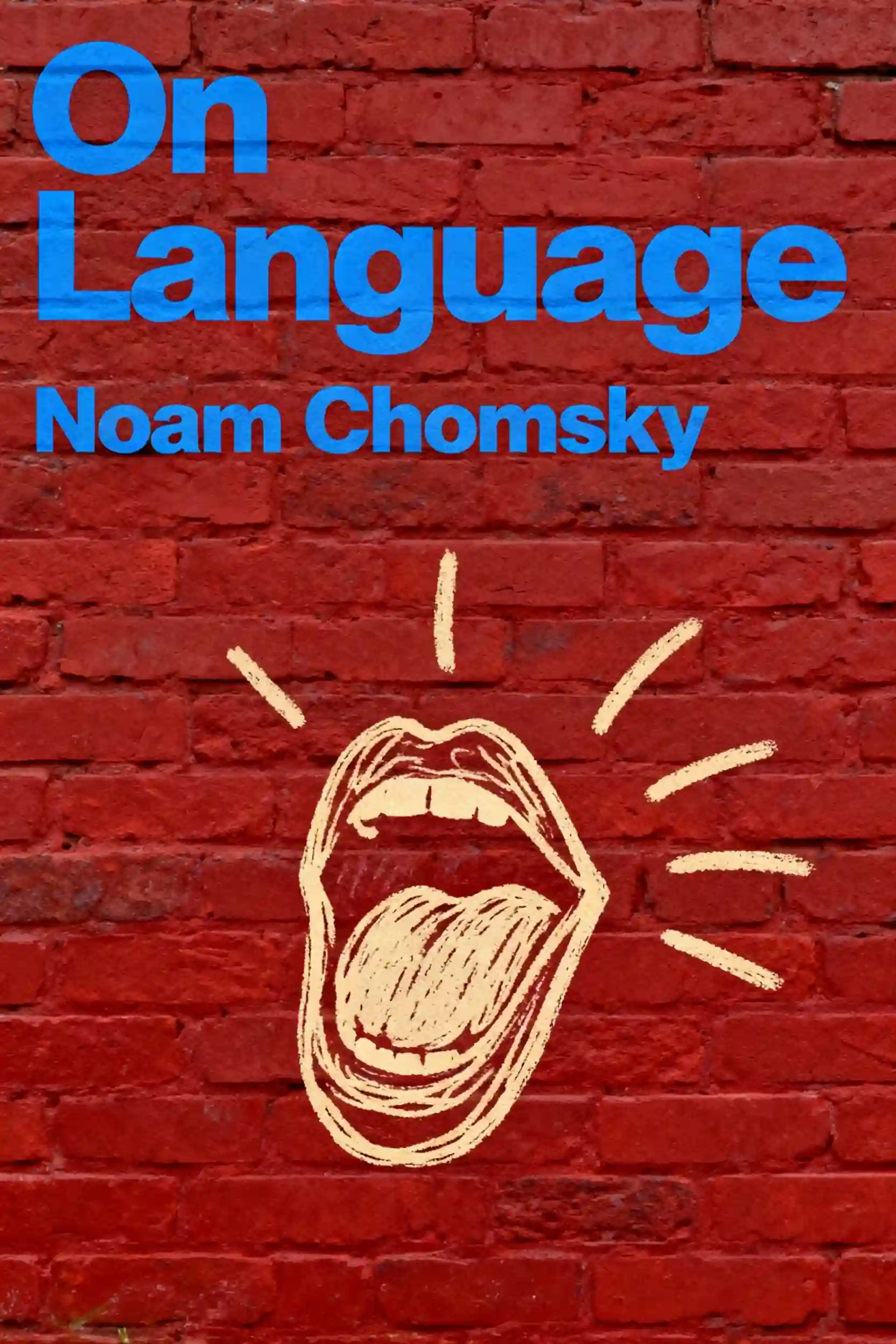
    On Language
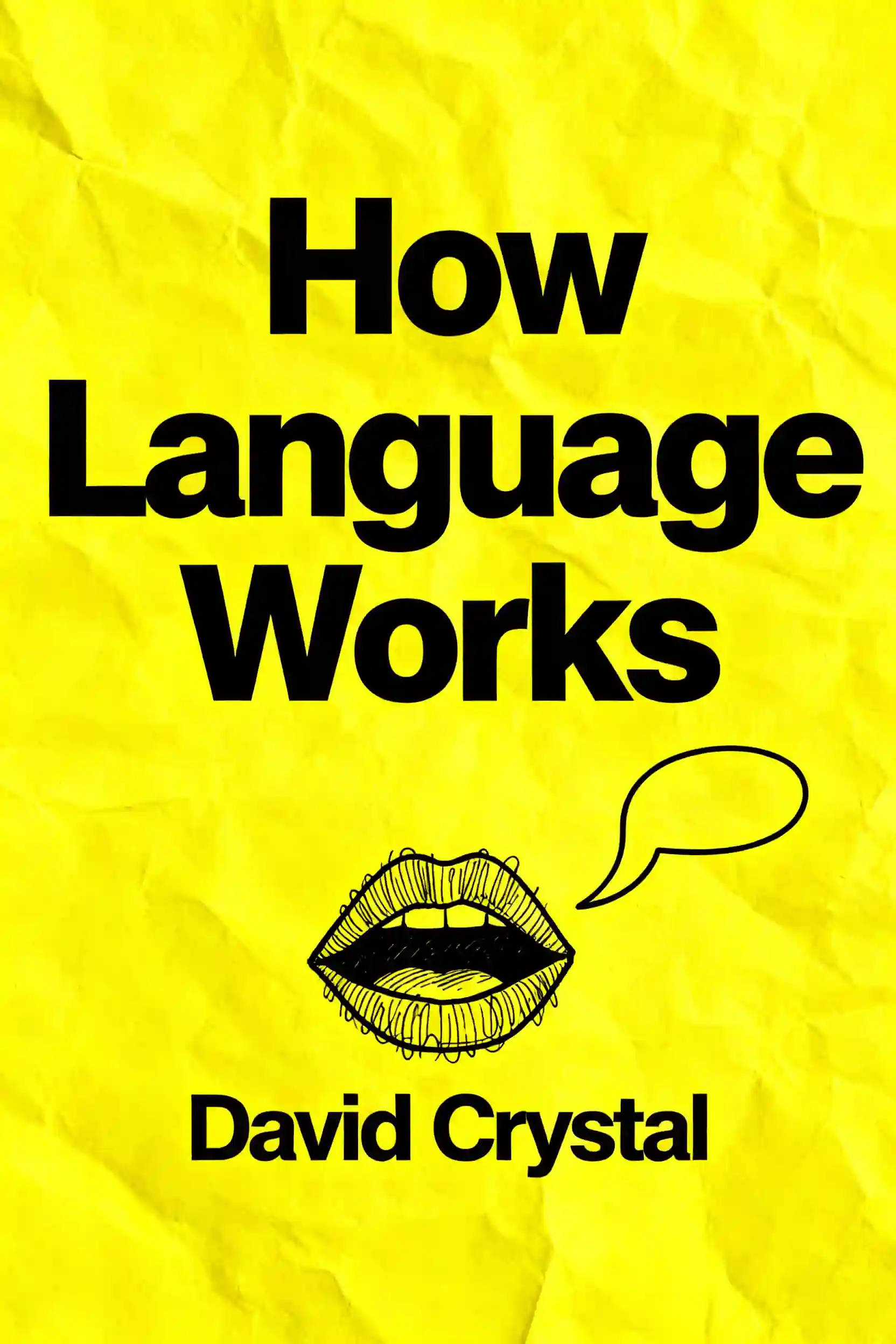
    How Language Works
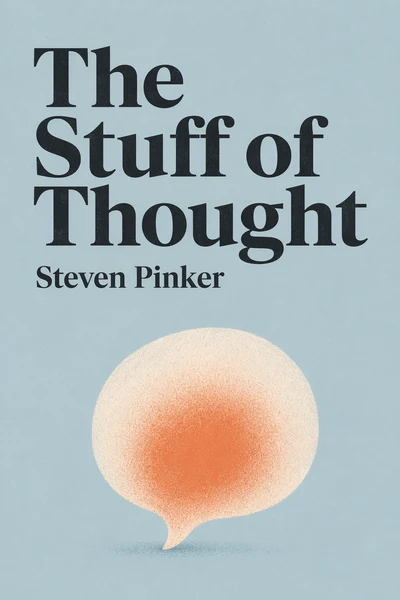
    The Stuff of Thought
    Tractatus logico-philosophicus
    Through the Language Glass
    The Language Instinct

    컬럼비아 대학교 동문들이 제작 | 샌프란시스코에서 개발

    BeFreed는 호기심 넘치는 글로벌 커뮤니티를 하나로 연결합니다

    4.7

    평균 평점

    앱 평가 7.84천 개 이상

    BeFreed 커뮤니티

    정말이지 아직 앱을 다 써 보지도 않았는데, 며칠 써 본 것만으로도 깊은 인상을 받았어요… BeFreed는 제가 써 본 어떤 학습 앱과도 차원이 달라요. 몰입감이 엄청나고 집중력도 실제로 좋아져서, 스마트폰을 하염없이 스크롤하는 분들께 딱이에요!

    @ladyInfinity

    정확히 23일 전에 BeFreed를 구입했는데, 그날부터 하루도 빠짐없이 쓰고 있어요. 제 일상 업무 흐름과 학습 습관에 완전히 자리 잡았어요.

    @jayallen

    솔직히 이 앱은 제 기대를 전부 뛰어넘었어요. 어떤 주제든 오디오로 만들어 달라고 할 수 있고, 결과물이 놀라워요. 제 전문 분야는 심리치료 쪽이고 여러 학문이 얽혀 있는데도 답변이 아주 정확해요.

    @Raguipa

    제일 고마운 건 스크롤하는 시간이 확 줄었다는 거예요. 검색하는 시간은 줄고 흡수하는 시간은 늘었어요. 오디오북 전권, 팟캐스트, 학습 플랜의 조합이 정말 훌륭해요.

    @colonyofcreatorsNGO

    저는 24년째 PhotoReading 속진 학습 강사로 일하고 있어요… 책과 독서, 배움이 제 전문인데, BeFreed는 정보를 소화하기 쉽게 전달하는 혁신적인 방식을 정말 잘 구현했어요.

    @BeFreed user

    단순한 책 요약 앱이 아니에요. '재미' 스타일을 써 봤는데, 전통적인 방식보다 훨씬 나은 요약이고 아이디어를 이해하기도 쉬워요. 이것만으로도 값어치를 해요.

    @austinakon

    이 앱이 정말 좋아요. 며칠 써 봤는데 듣는 걸 멈출 수가 없어요. 시작하기에 이보다 좋을 수 없어요.

    @jcrules328

    정말 마음에 들어요. 한 달 정도 써 봤는데 숨은 보석을 찾은 기분이에요. BeFreed로 제가 원하는 주제를 직접 만들 수 있어서 좋고, 목소리도 훌륭한 데다 내레이션 선택지가 무궁무진해요.

    @DanielCZ

    정말이지 아직 앱을 다 써 보지도 않았는데, 며칠 써 본 것만으로도 깊은 인상을 받았어요… BeFreed는 제가 써 본 어떤 학습 앱과도 차원이 달라요. 몰입감이 엄청나고 집중력도 실제로 좋아져서, 스마트폰을 하염없이 스크롤하는 분들께 딱이에요!

    @ladyInfinity

    정확히 23일 전에 BeFreed를 구입했는데, 그날부터 하루도 빠짐없이 쓰고 있어요. 제 일상 업무 흐름과 학습 습관에 완전히 자리 잡았어요.

    @jayallen

    솔직히 이 앱은 제 기대를 전부 뛰어넘었어요. 어떤 주제든 오디오로 만들어 달라고 할 수 있고, 결과물이 놀라워요. 제 전문 분야는 심리치료 쪽이고 여러 학문이 얽혀 있는데도 답변이 아주 정확해요.

    @Raguipa

    제일 고마운 건 스크롤하는 시간이 확 줄었다는 거예요. 검색하는 시간은 줄고 흡수하는 시간은 늘었어요. 오디오북 전권, 팟캐스트, 학습 플랜의 조합이 정말 훌륭해요.

    @colonyofcreatorsNGO

    저는 24년째 PhotoReading 속진 학습 강사로 일하고 있어요… 책과 독서, 배움이 제 전문인데, BeFreed는 정보를 소화하기 쉽게 전달하는 혁신적인 방식을 정말 잘 구현했어요.

    @BeFreed user

    단순한 책 요약 앱이 아니에요. '재미' 스타일을 써 봤는데, 전통적인 방식보다 훨씬 나은 요약이고 아이디어를 이해하기도 쉬워요. 이것만으로도 값어치를 해요.

    @austinakon

    이 앱이 정말 좋아요. 며칠 써 봤는데 듣는 걸 멈출 수가 없어요. 시작하기에 이보다 좋을 수 없어요.

    @jcrules328

    정말 마음에 들어요. 한 달 정도 써 봤는데 숨은 보석을 찾은 기분이에요. BeFreed로 제가 원하는 주제를 직접 만들 수 있어서 좋고, 목소리도 훌륭한 데다 내레이션 선택지가 무궁무진해요.

    @DanielCZ

    유용한 정보와 아이디어를 8~15분짜리 팟캐스트 스타일 오디오로 압축해서 들을 수 있다는 게 정말 좋아요. 원래 팟캐스트는 군더더기가 많아서 안 좋아했는데, 여기는 그걸 싹 걷어냈어요.

    @BeFreed user

    박사 과정을 마무리하는 중이라 낯선 자료를 많이 읽어야 해요… BeFreed에서는 프롬프트만 입력하면 앱이 자료를 찾아서 오디오 팟캐스트로 만들어 줘요. BeFreed의 과정이 NotebookLM보다 더 매끄럽게 느껴져요.

    @Brad

    아침을 준비하거나 산책하거나 출퇴근할 때 들을 것을 YouTube에서 자주 찾곤 했는데, BeFreed는 광고도 군더더기도 없이 훨씬 더 딱 맞는 걸 들려줘요!

    @BeFreed user

    이 플랫폼의 가장 큰 장점은 활용도예요. 다루지 못하는 주제가 말 그대로 하나도 없어요. 무엇을 던져도 다 소화해요… 제한이 전혀 없으면서 약속을 실제로 지키는 학습 도구는 정말 드물어요.

    @jayallen

    BeFreed는 환상적이에요. 디자인이 편해서 헤매는 시간은 줄고 배우는 시간은 늘었어요. 오디오북, 팟캐스트, 학습 플랜의 조합은 천재적이에요. 제 하루가 완전히 달라졌어요.

    @BeFreed user

    처음엔 이탈리아어로 팟캐스트를 만드는 방법을 이해하는 데 시간이 좀 걸렸는데, 알고 나니까 — 와! 정말 대단해요! 어떤 주제든 설명해 달라고 하면 정말 똑똑하게 잘 설명해 줘요!

    @matteo77

    BeFreed는 제가 매일 쓰는 오디오북 앱이 됐어요… 제일 마음에 드는 건 텍스트를 넣으면 이동 중에도 들을 수 있는 오디오로 만들어 준다는 점이에요.

    @kotanzu1

    유용한 정보와 아이디어를 8~15분짜리 팟캐스트 스타일 오디오로 압축해서 들을 수 있다는 게 정말 좋아요. 원래 팟캐스트는 군더더기가 많아서 안 좋아했는데, 여기는 그걸 싹 걷어냈어요.

    @BeFreed user

    박사 과정을 마무리하는 중이라 낯선 자료를 많이 읽어야 해요… BeFreed에서는 프롬프트만 입력하면 앱이 자료를 찾아서 오디오 팟캐스트로 만들어 줘요. BeFreed의 과정이 NotebookLM보다 더 매끄럽게 느껴져요.

    @Brad

    아침을 준비하거나 산책하거나 출퇴근할 때 들을 것을 YouTube에서 자주 찾곤 했는데, BeFreed는 광고도 군더더기도 없이 훨씬 더 딱 맞는 걸 들려줘요!

    @BeFreed user

    이 플랫폼의 가장 큰 장점은 활용도예요. 다루지 못하는 주제가 말 그대로 하나도 없어요. 무엇을 던져도 다 소화해요… 제한이 전혀 없으면서 약속을 실제로 지키는 학습 도구는 정말 드물어요.

    @jayallen

    BeFreed는 환상적이에요. 디자인이 편해서 헤매는 시간은 줄고 배우는 시간은 늘었어요. 오디오북, 팟캐스트, 학습 플랜의 조합은 천재적이에요. 제 하루가 완전히 달라졌어요.

    @BeFreed user

    처음엔 이탈리아어로 팟캐스트를 만드는 방법을 이해하는 데 시간이 좀 걸렸는데, 알고 나니까 — 와! 정말 대단해요! 어떤 주제든 설명해 달라고 하면 정말 똑똑하게 잘 설명해 줘요!

    @matteo77

    BeFreed는 제가 매일 쓰는 오디오북 앱이 됐어요… 제일 마음에 드는 건 텍스트를 넣으면 이동 중에도 들을 수 있는 오디오로 만들어 준다는 점이에요.

    @kotanzu1

    웹에서 BeFreed가 어떻게 논의되고 있는지 더 보기
    129.7K19.5K
    55.2K19.2K
    154.2K10827355
    48.1K2.5K
    81.2K6.6K
    82.3K1.8K
    지금 바로 학습 여정을 시작하세요
    BeFreed 앱
    BeFreed

    무엇이든 개인화된 학습

    DiscordLinkedIn
    추천 도서 요약
    Crucial ConversationsThe Perfect MarriageInto the WildNever Split the DifferenceAttachedGood to GreatSay Nothing
    인기 카테고리
    Self HelpCommunication SkillRelationshipMindfulnessPhilosophyInspirationProductivity
    유명인 추천 도서
    Elon MuskCharlie KirkBill GatesSteve JobsAndrew HubermanJoe RoganJordan Peterson
    수상작 컬렉션
    Pulitzer PrizeNational Book AwardGoodreads Choice AwardsNobel Prize in LiteratureNew York TimesCaldecott MedalNebula Award
    추천 주제
    ManagementAmerican HistoryWarTradingStoicismAnxietySex
    연도별 베스트 도서
    2025 Best Non Fiction Books2024 Best Non Fiction Books2023 Best Non Fiction Books
    추천 저자
    Chimamanda Ngozi AdichieGeorge OrwellO. J. SimpsonBarbara O'NeillWinston ChurchillCharlie Kirk
    BeFreed vs 다른 앱
    BeFreed vs. Other Book Summary AppsBeFreed vs. ElevenReaderBeFreed vs. ReadwiseBeFreed vs. Anki
    학습 도구
    Knowledge VisualizerAI Podcast Generator
    정보
    회사 소개arrow
    가격arrow
    FAQarrow
    블로그arrow
    채용arrow
    파트너십arrow
    앰배서더 프로그램arrow
    디렉토리arrow
    BeFreed
    Try now
    © 2026 BeFreed
    이용 약관개인정보 처리방침
    BeFreed

    무엇이든 개인화된 학습

    DiscordLinkedIn
    추천 도서 요약
    Crucial ConversationsThe Perfect MarriageInto the WildNever Split the DifferenceAttachedGood to GreatSay Nothing
    인기 카테고리
    Self HelpCommunication SkillRelationshipMindfulnessPhilosophyInspirationProductivity
    유명인 추천 도서
    Elon MuskCharlie KirkBill GatesSteve JobsAndrew HubermanJoe RoganJordan Peterson
    수상작 컬렉션
    Pulitzer PrizeNational Book AwardGoodreads Choice AwardsNobel Prize in LiteratureNew York TimesCaldecott MedalNebula Award
    추천 주제
    ManagementAmerican HistoryWarTradingStoicismAnxietySex
    연도별 베스트 도서
    2025 Best Non Fiction Books2024 Best Non Fiction Books2023 Best Non Fiction Books
    학습 도구
    Knowledge VisualizerAI Podcast Generator
    추천 저자
    Chimamanda Ngozi AdichieGeorge OrwellO. J. SimpsonBarbara O'NeillWinston ChurchillCharlie Kirk
    BeFreed vs 다른 앱
    BeFreed vs. Other Book Summary AppsBeFreed vs. ElevenReaderBeFreed vs. ReadwiseBeFreed vs. Anki
    정보
    회사 소개arrow
    가격arrow
    FAQarrow
    블로그arrow
    채용arrow
    파트너십arrow
    앰배서더 프로그램arrow
    디렉토리arrow
    BeFreed
    Try now
    © 2026 BeFreed
    이용 약관개인정보 처리방침

    비슷한 콘텐츠

    Language Evolution Through Time 책 표지
    Words on the MoveNine Nasty WordsThe Mother TongueThe Fourth Turning is Here
    18 sources
    Language Evolution Through Time
    Explore diachronic linguistics—how languages transform across history. From Old English to modern speech patterns, discover the fascinating mechanisms, social forces, and detective work behind language's continuous evolution.
    21 min
    Decoding the Silent Language We All Speak 책 표지
    source 1source 2source 3source 4
    6 sources
    Decoding the Silent Language We All Speak
    Discover how 93% of communication is nonverbal as we explore the fascinating science of body language, from FBI techniques to romantic signals, revealing what people really mean beyond their words.
    12 min
    The Hidden Power of Strategic Language Use 책 표지
    How You Say ItWords That WorkMagic WordsLanguage use as Social Strategy: A Review and an Analytic Framework for the Social Sciences
    6 sources
    The Hidden Power of Strategic Language Use
    Discover how every word choice, accent, and pause functions as invisible social strategy. From courtroom bias to magic words that boost success, explore the fascinating science of how language shapes power, identity, and outcomes in every conversation.
    9 min
    On Language 책 표지
    On Language
    Noam Chomsky
    Chomsky's seminal works on linguistics explore the nature of language, its acquisition, and its profound implications for human cognition.
    35 min
    Language Learning: Beyond the Streak 책 표지
    10 Language Learning Methods Ranked by Science — LearnablesHow to Study a Foreign Language: Science-Backed Methods That Actually Work – AthenifyLearning techniques for Language Learning as an adult - Cognition TodayThe Best Language Learning Apps in 2026 (Honest Review) — Learnables
    7 sources
    Language Learning: Beyond the Streak
    Struggling to speak despite a long app streak? Learn how science-backed methods like comprehensible input and stories help you achieve real fluency.
    23 min
    Decoding the Silent Language 책 표지
    The Dictionary of Body LanguageThe Art of Reading MindsBody LanguageThe Definitive Book of Body Language
    23 sources
    Decoding the Silent Language
    Explore how nonverbal cues form 80% of communication, the psychology behind social interactions, and how your self-concept shapes every conversation—revealing the hidden signals that speak louder than words.
    21 min
    The Science of Eloquence 책 표지
    How to Talk to AnyoneCommunication Skills TrainingThe Elements of Rhetoric -- How to Write and Speak Clearly and PersuasivelyHow to Speak More Eloquently: 7 Daily Habits for Success
    8 sources
    The Science of Eloquence
    Struggling to sound as smart as you feel? Learn how vocal mechanics and mindful pauses can bridge the gap between your thoughts and your delivery.
    18 min
    The Silent Language: Mastering Body Language 책 표지
    The Dictionary of Body LanguageUnmasking the FaceWhat Every BODY is SayingThe Art of Reading Minds
    23 sources
    The Silent Language: Mastering Body Language
    Explore the hidden world of nonverbal communication, from universal micro-expressions to power plays, and learn how to decode the silent signals people send every day.
    22 min

    Recommended Learning Plans

    Learn Spanish
    학습 계획

    Learn Spanish

    Spanish is the world's second-most spoken native language, opening doors to communication with 500+ million speakers across multiple continents. This comprehensive learning plan is ideal for beginners seeking fluency, professionals expanding their career opportunities, travelers wanting authentic cultural experiences, or anyone passionate about connecting with Spanish-speaking communities through effective, science-based language acquisition methods.

    2 h 42 m•4 섹션
    The Science of Human Connection
    학습 계획

    The Science of Human Connection

    This learning plan bridges the gap between behavioral science and everyday social interaction. It is ideal for professionals, leaders, and individuals seeking to master the nuances of non-verbal cues and the structural foundations of lasting relationships.

    2 h 18 m•3 섹션
    The Mechanics of Spoken English
    학습 계획

    The Mechanics of Spoken English

    This plan is essential for educators and advanced learners who want to move beyond textbook English and master the nuances of real-world communication. It is particularly beneficial for teachers looking to improve classroom dynamics through a deeper understanding of phonology and sociolinguistics.

    1 h 30 m•3 섹션
    NLP (Neuro-Linguistics Programing)
    학습 계획

    NLP (Neuro-Linguistics Programing)

    This comprehensive plan bridges the gap between cognitive psychology and practical application, making it essential for anyone seeking personal or professional transformation. It is ideal for leaders, therapists, and communicators looking to master the art of influence and subconscious change.

    5 h 19 m•4 섹션
    我想学法语
    학습 계획

    我想学法语

    This plan is designed for learners who want to move beyond basic memorization to achieve true linguistic and cultural fluency. It is ideal for students and professionals seeking a structured path from foundational grammar to advanced immersion.

    1 h 12 m•4 섹션
    Nlp
    학습 계획

    Nlp

    This learning plan is essential for developers and data scientists looking to master the technology behind modern AI like ChatGPT. It provides a comprehensive path from linguistic foundations to building advanced, production-ready language applications.

    5 h 50 m•4 섹션
    The Science of Social Intelligence
    학습 계획

    The Science of Social Intelligence

    This plan is essential for professionals and leaders who need to navigate complex human interactions with precision. It provides a scientific framework for reading unspoken cues and mastering influence, making it ideal for anyone looking to enhance their interpersonal impact.

    2 h•4 섹션
    The Hidden Logic of Code-Switching
    학습 계획

    The Hidden Logic of Code-Switching

    This learning plan is essential for anyone navigating multicultural environments or seeking to understand the invisible labor of linguistic adaptation. It is particularly valuable for educators, HR professionals, and individuals who move between diverse social or professional circles.

    1 h 30 m•3 섹션