The Art of the Unspoken and the Power of Restraint
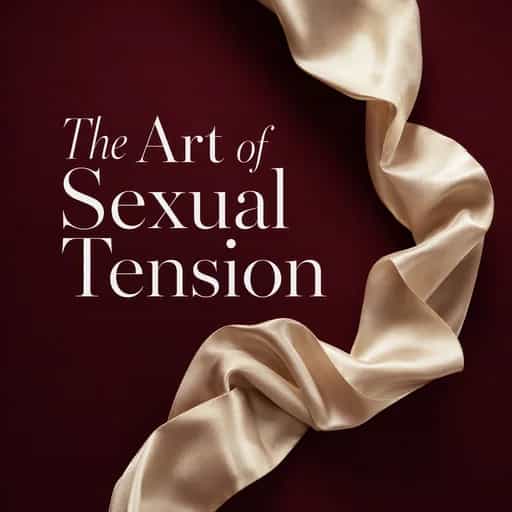
You are standing in a crowded stairwell, the air thick with the scent of damp wool and the faint, sharp tang of ozone from a passing storm. Someone is standing just behind you—so close you can feel the radiating heat of their body through the fabric of your coat, though not a single inch of skin has actually touched yours. Your heart isn't just beating; it’s a rhythmic thrumming in your ears, a secret language your body is speaking that your mind hasn't quite translated yet. This is the essence of true tension. It isn't about the grand gesture or the explicit reveal; it’s about the ache of what hasn't happened. In the world of storytelling, specifically when you’re trying to capture the magnetic pull between characters like Lena and her counterpart, the most powerful tool you have isn't description—it’s restraint. We often think that to make a moment feel "spicy," we need to turn up the volume, but the reality is that the most intoxicating scenes are the ones whispered. When you lean into the sensory micro-details—the way a breath hitches, the microscopic tremor in a hand, or the weight of a gaze that lingers just a second too long—you create a vacuum that the reader’s imagination is desperate to fill. This episode is about mastering that controlled burn. We’re going to explore how to make Lena’s presence feel visceral and her desire feel like a living, breathing entity, all while keeping the "door" exactly where you want it. It’s about the difference between showing a map and letting someone feel the heat of the sun on the path. By the end of our time together, you’ll understand how to use syntax, sensory palettes, and the profound silence of a shared moment to create an experience that feels deeply intimate without ever crossing into the graphic. So, let’s dive into the architecture of desire and see how the smallest movements can carry the heaviest weight.